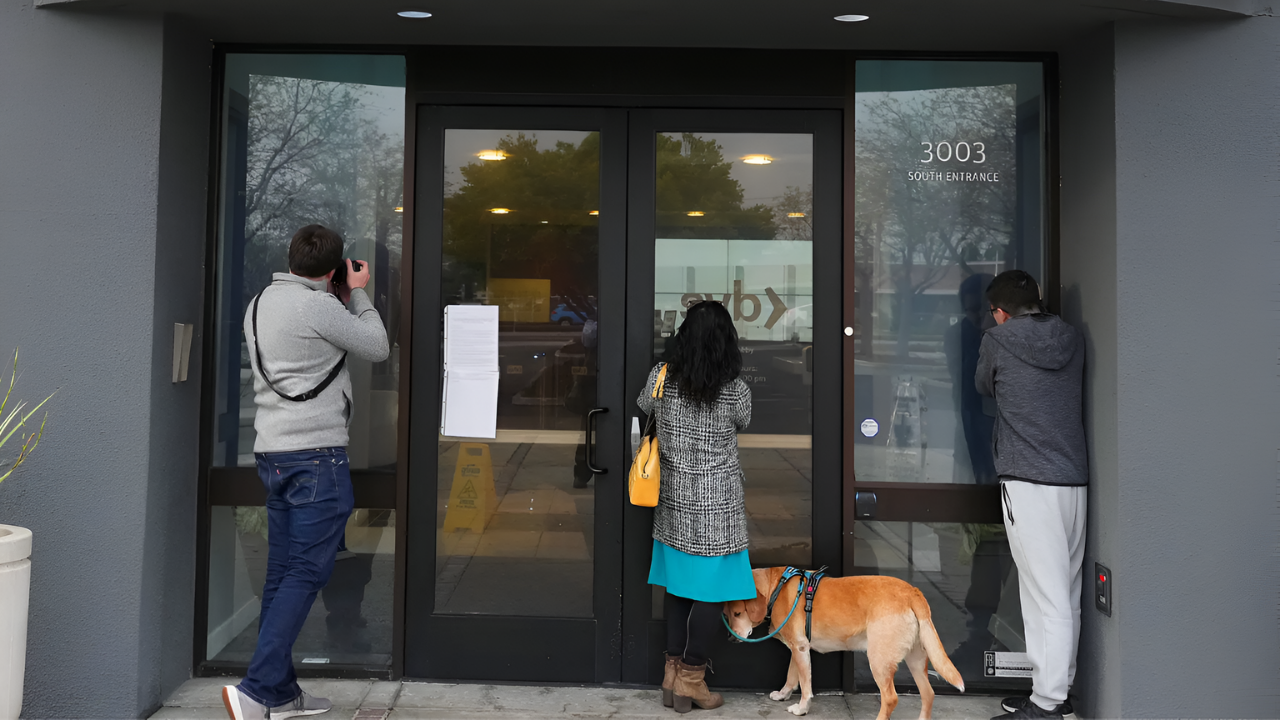
TD Bank plans to close 51 branches and one drive-through location by late 2026. The bank has about $372.8 billion in assets and is the 10th-largest in the United States. The closures will affect 13 states plus Washington, D.C., and represent roughly 4.5% of its more than 1,100 branches.
The move aims to push more customers toward online and mobile banking and to run operations more efficiently. While this helps the bank become more cost-effective, it may reduce in-person banking options for some communities.
Where The Closures Will Happen
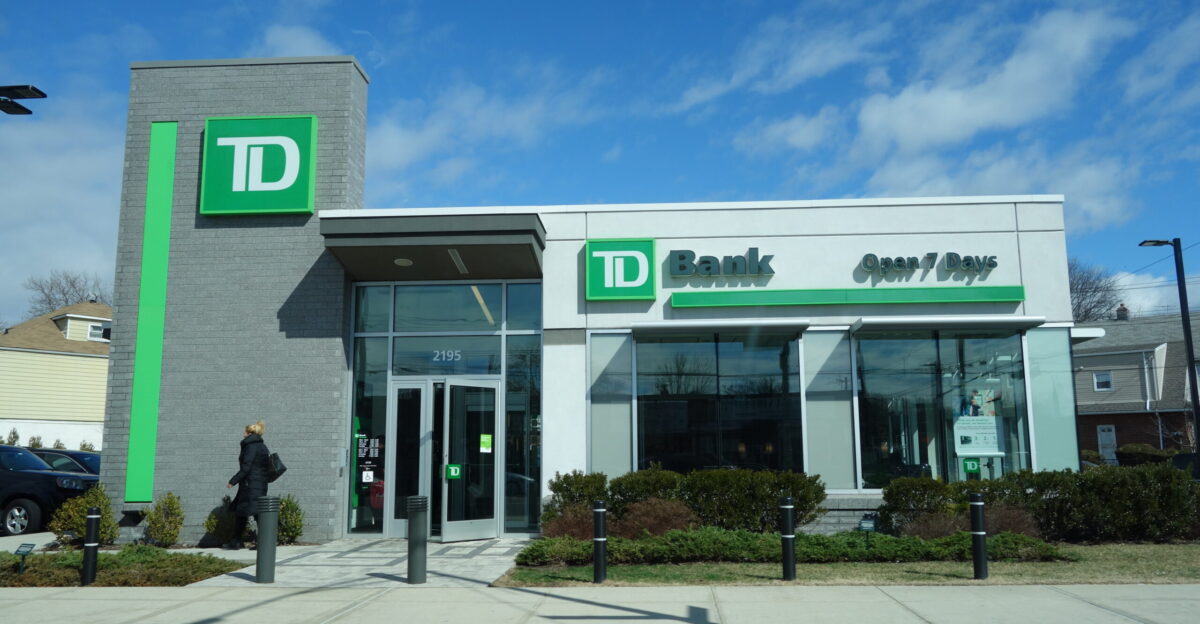
The branch closures cover Connecticut, Florida, Massachusetts, Maryland, Maine, North Carolina, New Hampshire, New Jersey, New York, Pennsylvania, South Carolina, Virginia, Vermont, and Washington, D.C. New Jersey will lose eight branches, Florida and Massachusetts six each, and New York seven. Some towns will lose their only local bank branch, including Lincoln in Maine; Marion in South Carolina; Lake Placid in Florida; Hudson Falls in New York; and North Conway in New Hampshire. Big cities will still have many branches, but smaller towns could have fewer places to go for banking.
What This Says About How People Use Banking
TD Bank’s plan reflects a clear shift in how many people do their banking. Surveys show that about 55% of people use mobile banking apps, while only 8% visited a physical bank branch in the last year. The bank reports more than 18 million active digital users, showing that many customers already prefer online or mobile options.
Younger people, like Gen Z and Millennials, tend to use mobile banking more. But millions of others, including older adults and people in rural areas, still rely on visiting a branch for transactions and advice.
What The Company Hopes To Achieve
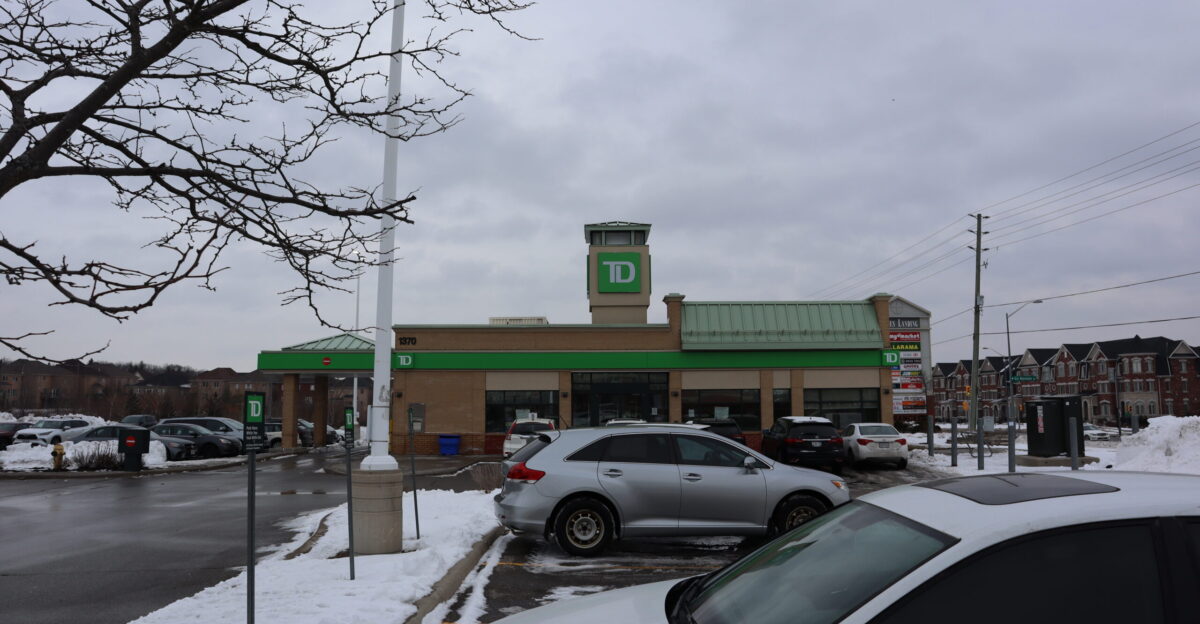
TD Bank has set specific goals for going digital: 50% of sales through digital channels, 70% digital adoption, and 90% self-serve transactions. The plan uses artificial intelligence and automation to lower costs and modernize services. Investors have reacted positively as TD Bank’s shares rose about 28% in the last six months and are up roughly 57-61% year-to-date, signaling optimism about savings and profits from the digital shift.
Closing branches will create real difficulties for people who don’t use digital banking easily. Rural residents, small-business owners, farmers, and older customers, especially those without reliable internet or comfort with technology, may struggle to access financial services. Online and mobile options exist, but not everyone can switch smoothly, and losing local branches can hurt communities. TD Bank has not stated how many jobs will be cut, but layoffs are expected, especially where branches close completely.
What This Means For The Future of Banking
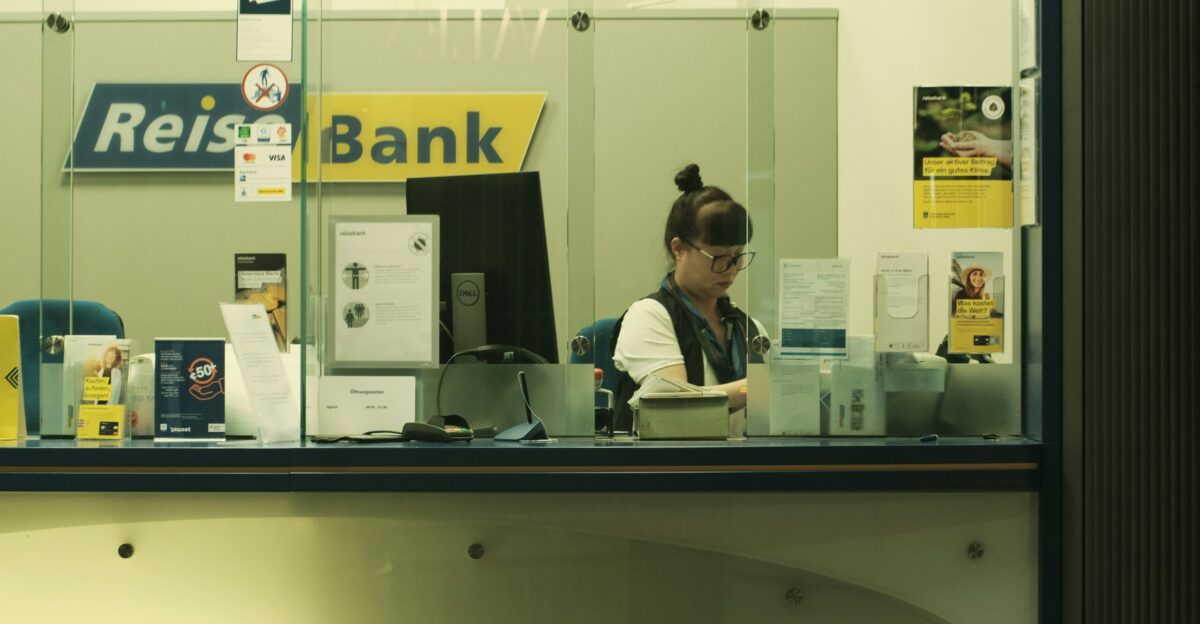
TD Bank’s strategy mirrors a wider shift in American banking toward digital, lower-cost services. The bank aims to save $2-2.5 billion each year through closing branches, reducing staff, and investing in technology. Future branches are expected to focus on advice and complex services rather than routine transactions, and the emphasis may move toward urban and wealthier areas.
Call centers and online platforms will be used more, but they can miss the personal touch of a local branch. As digital banking grows, regulators and policymakers will need to ensure all communities still have fair access to banking services.