Saturday, November 15, 2025, began with a sky so heavy and gray over Southern California that it seemed to press down on the region itself. Meteorologists warned of catastrophe as an atmospheric river—an intense, moisture-laden weather system—stalled overhead. By afternoon, the state’s emergency infrastructure faced a defining test, confronting what climate scientists now call the “new normal” of extreme weather.
A Deluge Unmatched in Memory

More than 23 million Californians awoke to flood alerts and warnings stretching from Ventura County through Los Angeles, Santa Barbara, Orange, and San Diego. The National Weather Service issued a Level 3 out of 4 flash flood threat, its most severe warning short of the absolute maximum. Over three days, rainfall totals shattered records: downtown Santa Barbara measured 8.58 inches, while San Marcos Pass saw 13.57 inches—over ten times the typical November average. Storm drains quickly became overwhelmed, turning intersections into rivers and submerging underpasses. By Saturday evening, Santa Barbara’s Mission Street underpass was impassable, and the city’s main artery, State Street, transformed into a fast-moving waterway.
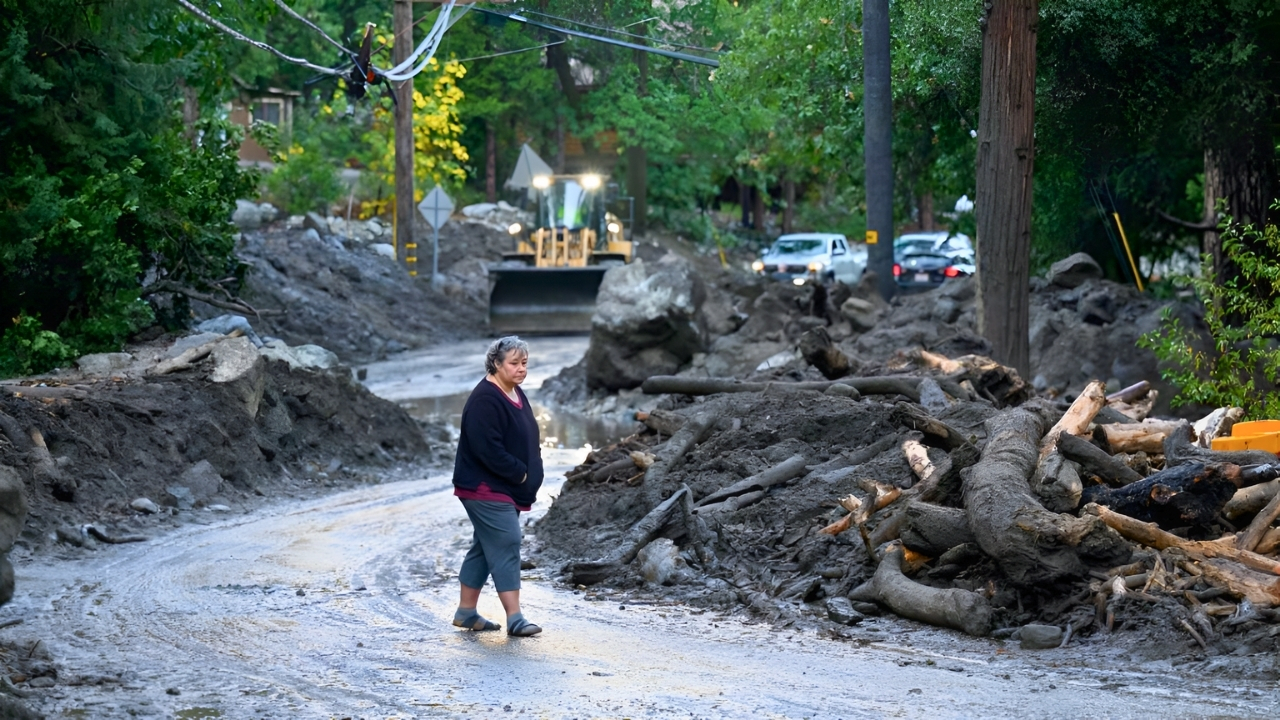
Highway 101, a vital coastal route, was temporarily closed in Santa Barbara County as floodwaters and mudslides blocked lanes. Vehicles became stranded in mud, and emergency crews rushed to clear debris. For communities still recovering from the 2017 Thomas Fire, the threat of mudslides and debris flows was acute. Only about 20 percent of the burn scars had recovered by 2024, leaving hillsides dangerously vulnerable.
Communities on Edge: Evacuations and Emergency Response
Mandatory evacuations swept through high-risk areas, especially in Santa Barbara County’s Montecito and Carpinteria—communities that had endured deadly mudflows in 2018. Residents living downslope from burn scars faced the highest danger, as fire-denuded hillsides offered no resistance to torrents of water and debris. Emergency officials had spent months preparing, installing barriers and staging response teams, but the scale of the storm tested every plan.
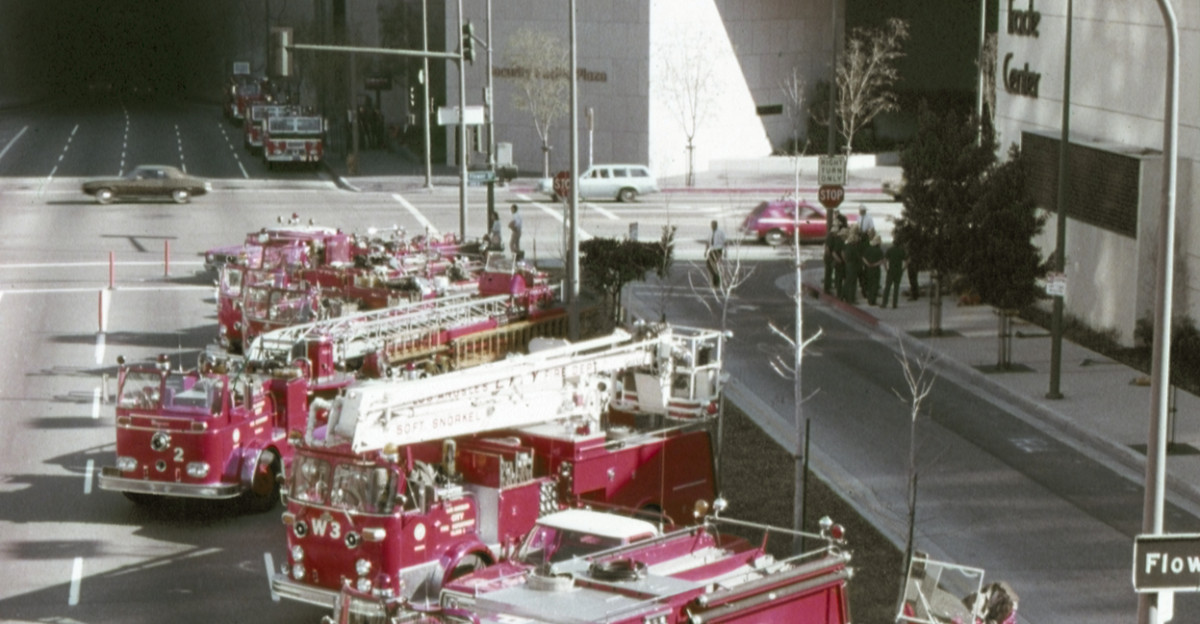
Emergency services were inundated, with a 50 percent surge in calls for help as vehicles stalled and residents became trapped. The Los Angeles Fire Department deployed extra personnel citywide, while Santa Barbara’s emergency coordinator reported widespread rock and debris slides. Despite extensive preparation, the sheer volume of emergencies left first responders stretched thin.
Tragedy at the Coast: Human Toll of the Storm
The storm’s human cost became heartbreakingly clear on Friday, November 14, when a family visiting from Calgary was swept by tragedy at Garrapata State Beach. Powerful waves pulled seven-year-old Anzi Hu into the ocean. Her father, Yuji Hu, entered the water in a desperate rescue attempt but lost his life. Despite immediate efforts by an off-duty State Parks officer, Yuji could not be revived. The mother was rescued with mild hypothermia, while a two-year-old sibling remained safe on the beach. For two days, search teams combed the coastline for Anzi. On Sunday, a volunteer diver recovered her body, bringing a somber closure to the family’s ordeal.
By Sunday evening, the death toll from the atmospheric river had reached six. In Sutter County, 71-year-old Arnold Jee died when his vehicle was swept off a bridge and submerged. Off Imperial Beach, a wooden panga boat capsized in stormy seas, claiming four migrant lives. Each loss underscored the storm’s indiscriminate reach.
Records Shattered, Climate Questions Raised

Rainfall records fell across the region. Downtown Los Angeles broke a 73-year-old Saturday record with 1.65 inches, while Oxnard and Santa Barbara Airport also set new highs. Meteorologists noted that such intense precipitation events are increasingly common outside the traditional winter season, a sign of shifting climate patterns. Atmospheric rivers, once rare, now generate billions in annual flood damages across the western United States. In 2023, damages exceeded $3 billion; a single event in February 2024 was estimated at up to $11 billion. Early assessments suggest November’s storm could bring similarly significant losses, with widespread flooding, infrastructure damage, and agricultural impacts.
Infrastructure and Recovery: A State Under Strain
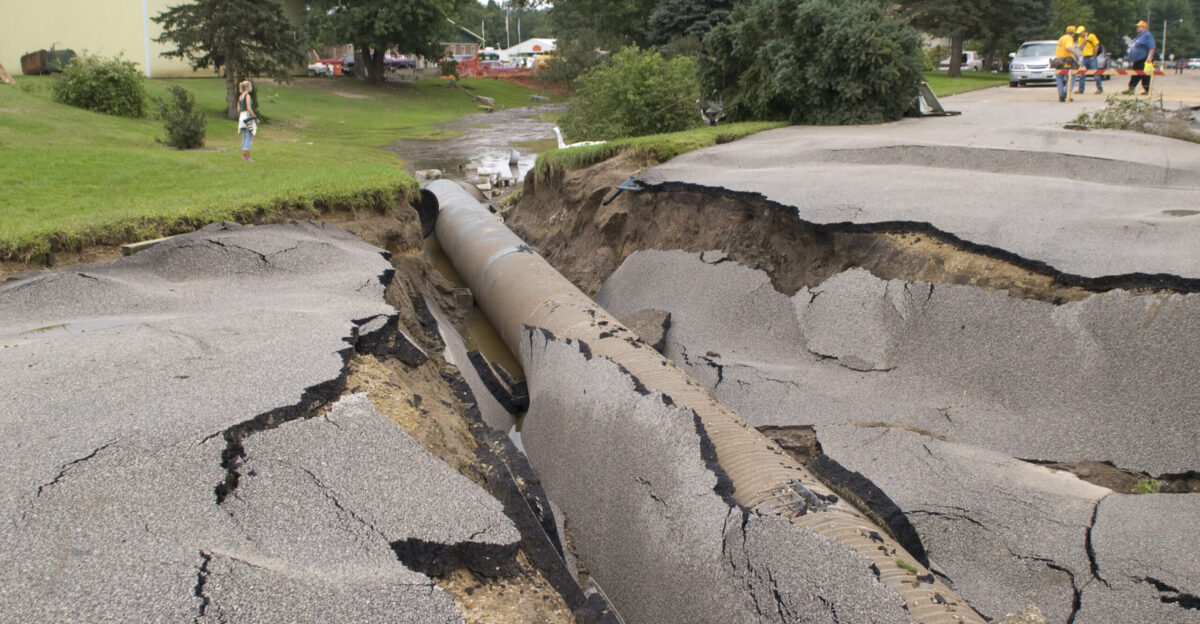
The storm exposed the fragility of California’s infrastructure. Storm drains designed decades ago could not handle the deluge. Highway 101’s closure highlighted the risks of single-point failures in critical routes. Power outages and water service disruptions affected thousands, and the cost of repairs will mount for months. For communities like Montecito and Carpinteria, the disaster was a painful reminder of their ongoing vulnerability—two major water disasters in seven years have left lasting trauma, prompting some families to relocate.
Looking Forward: Lessons and Uncertainties
As federal disaster declarations mobilize relief funds and recovery efforts, California faces a reckoning. Emergency officials will review what worked and what failed, while climate scientists warn that such events are no longer rare. The conversation has shifted from “if” to “when” the next atmospheric river will strike. The November 2025 storm stands as a case study in adaptation, forcing the state to rethink infrastructure, zoning, and emergency protocols. For the families and communities affected, recovery will be long and complex—measured not just in dollars, but in resilience and the capacity to endure a changing climate.