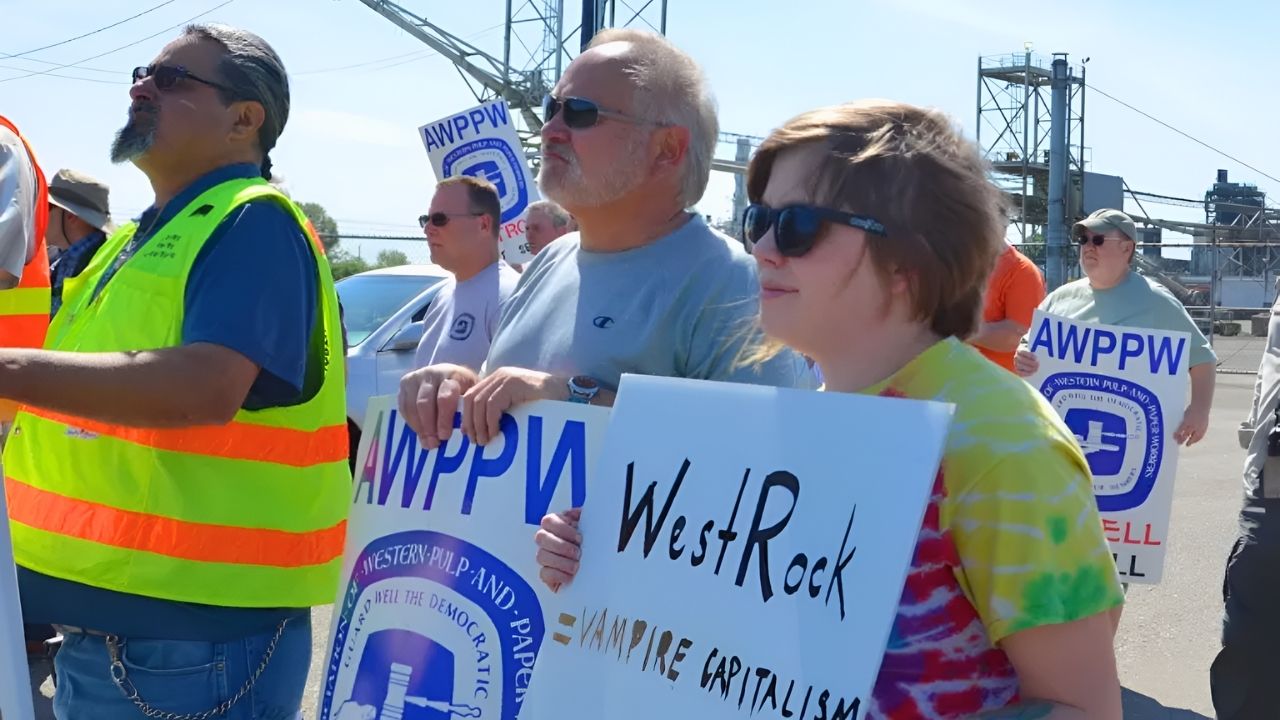
In early January 2026, the South Fulton packaging plant near Atlanta will shut its doors, leaving 55 employees without work. This closure is part of a sweeping restructuring by Smurfit Westrock, a packaging giant formed by a major merger in July 2024.
Over the past 15 months, the company has eliminated 4,500 jobs and shuttered nine facilities across the United States and abroad. As the company consolidates, local economies and workers are left to navigate the fallout of a rapidly changing industry.
Restructuring in Response to Market Pressures
Smurfit Westrock’s decision to close plants stems from mounting market pressures and rising operational costs. Company leaders emphasize the need for operational optimization as demand patterns shift and costs rise.
Automation and sustainability trends are accelerating these changes, prompting the company to streamline its operations and invest in more advanced facilities.
Since the merger, the company has focused on aligning its production capacity with realistic expectations for current and future demand, aiming to improve efficiency and remain competitive in a challenging market.
The packaging industry as a whole is experiencing similar pressures. In October 2025 alone, more than 1,000 layoffs were announced across the sector. As companies consolidate, production capacity shrinks, and supply chains are reconfigured, potentially leading to increased costs for packaged goods for consumers. Retailers are closely monitoring these developments, wary of disruptions that could ripple through their supply networks.
Automation, Streamlining, and Worker Support
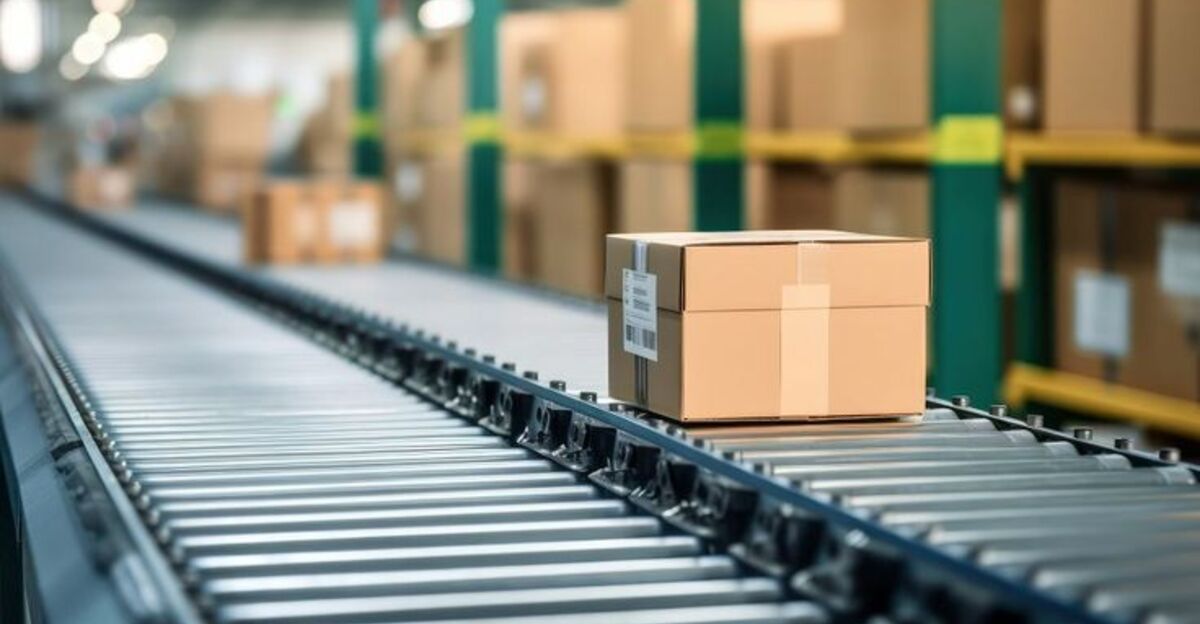
Major packaging firms, including Smurfit Westrock and Georgia-Pacific, are investing heavily in automation and consolidating production into fewer, more technologically advanced facilities.
This shift is designed to boost efficiency and reduce costs, but it comes at the expense of jobs in traditional manufacturing plants.
Companies are offering severance packages and job placement assistance to affected employees; however, the transition remains challenging for many workers and their families.
Standard Worker Adjustment and Retraining Notification (WARN) procedures are triggered by these closures, providing employees with advance notice and information about available support.
Federal and state programs, such as Employment Recovery Dislocated Worker Grants, offer retraining and job placement services.
Local workforce agencies are also stepping in to help displaced workers develop new skills and find employment. Still, the adjustment can be challenging, especially in communities heavily dependent on manufacturing jobs.
Economic and Community Impact
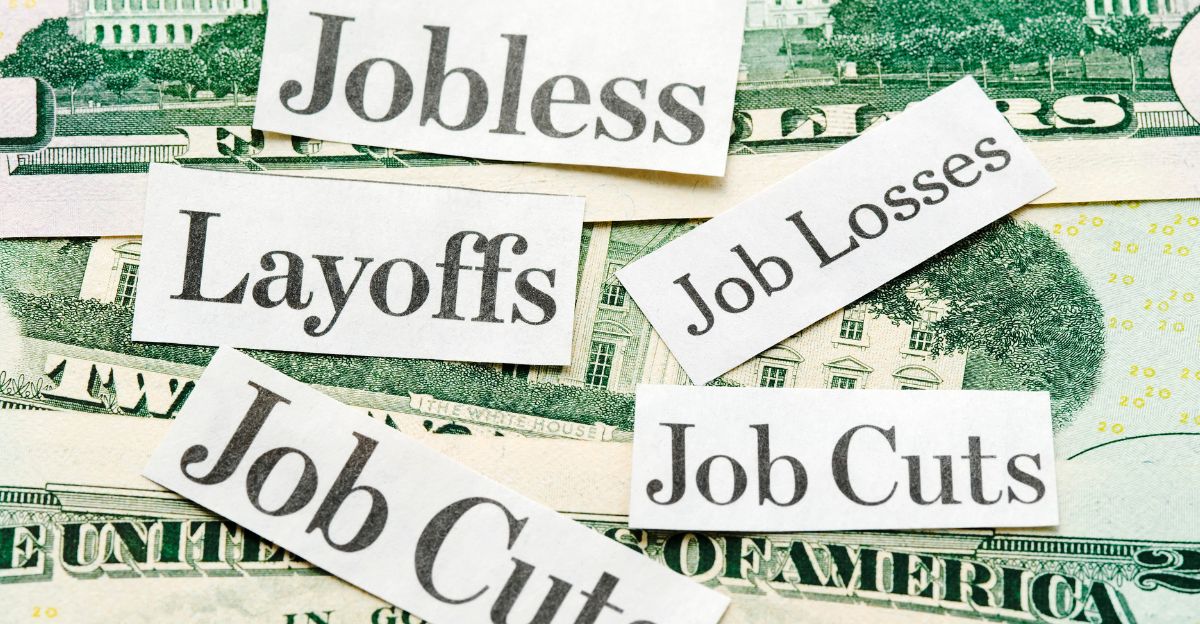
The closure of packaging plants, such as the one in South Fulton, has significant economic consequences for local communities. Industry-wide, layoffs and plant closures have contributed to broader uncertainty in manufacturing-dependent regions.
In August 2025, the U.S. manufacturing sector lost 12,000 jobs, underscoring the scale of the disruption. Small businesses and suppliers that rely on contracts with large packaging firms are also feeling the effects, as they must adapt to the loss of business and seek new opportunities.
At the same time, the restructuring of the packaging industry is creating openings in adjacent markets. As demand grows for alternative packaging solutions—such as reusable containers and sustainable materials—companies specializing in eco-friendly packaging and logistics are expanding their operations.
These firms are adding capacity and creating new jobs, though these opportunities often emerge in different locations and at a slower pace than the losses from traditional manufacturing.
Balancing Efficiency, Sustainability, and Stability
The packaging industry’s transformation reflects broader trends toward automation, sustainability, and adaptation to post-pandemic market realities.
While more efficient operations and the adoption of sustainable materials can reduce waste and environmental impact, the transition brings immediate economic disruption. New jobs in sustainable manufacturing and recycling are emerging, but not always in the same communities or at the same rate as traditional jobs disappear.
Industry leaders, policymakers, and community advocates are grappling with how to manage this transition in an equitable manner.
The challenge lies in balancing the drive for efficiency and environmental responsibility with the need to support workers and maintain economic stability in affected regions. As companies like Smurfit Westrock continue to adapt, the stakes remain high for workers, local economies, and the future of American manufacturing.
Navigating an Evolving Industry
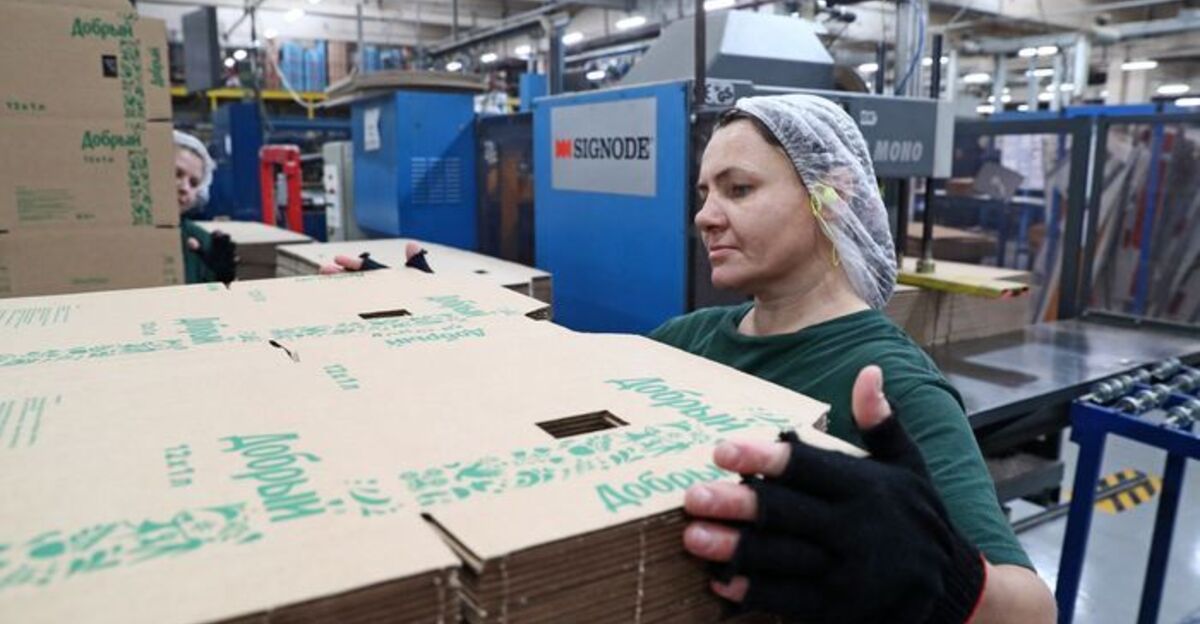
The closure of Smurfit Westrock’s Atlanta-area plant is emblematic of a packaging industry in flux. As consolidation, automation, and sustainability reshape the sector, companies, workers, and communities must prepare for continued change.
Policymakers and industry leaders face the ongoing task of finding solutions that foster both innovation and economic resilience, ensuring that the benefits of modernization are shared as widely as possible.