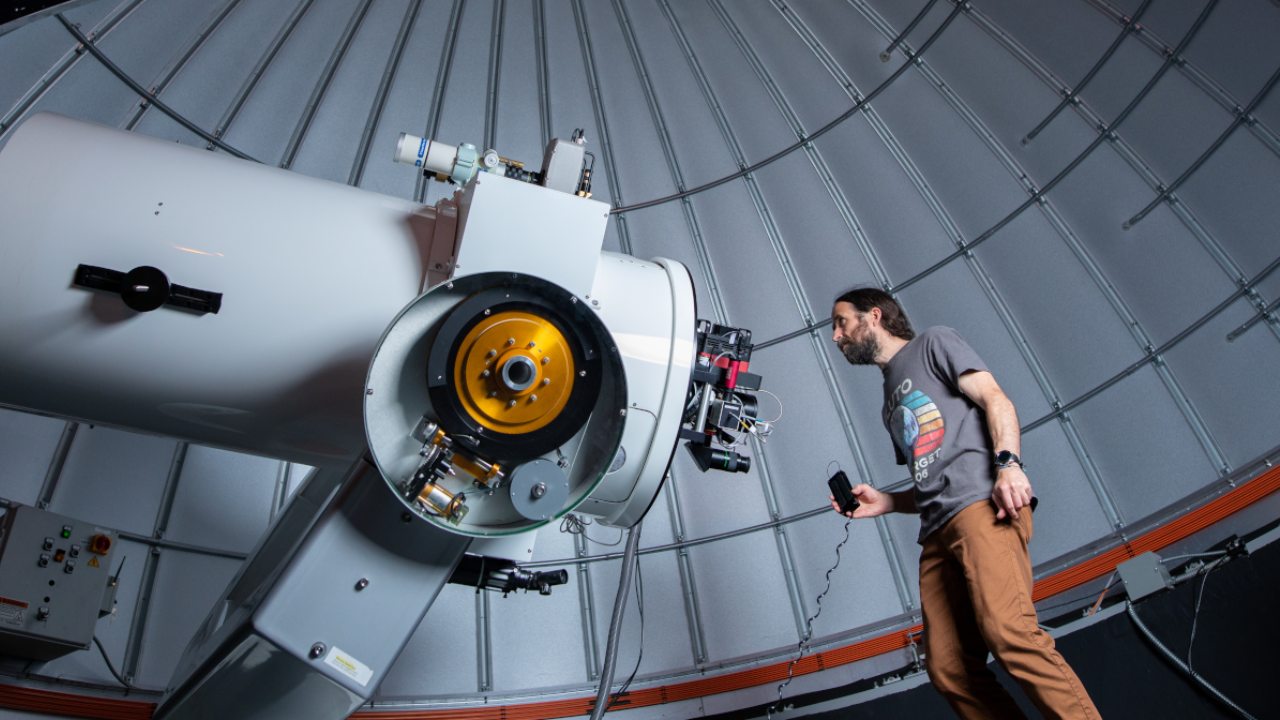
For months, 3I/ATLAS raced silently through our solar system. Scientists couldn’t detect radio signals from this mysterious visitor from another star system—the third interstellar object ever found.
In late September, two detection attempts failed. But on October 24, 2025, astronomers finally caught a clear signal.
One of the world’s most sensitive radio telescopes detected a faint but distinct emission from the object.
A Ghostly Visitor
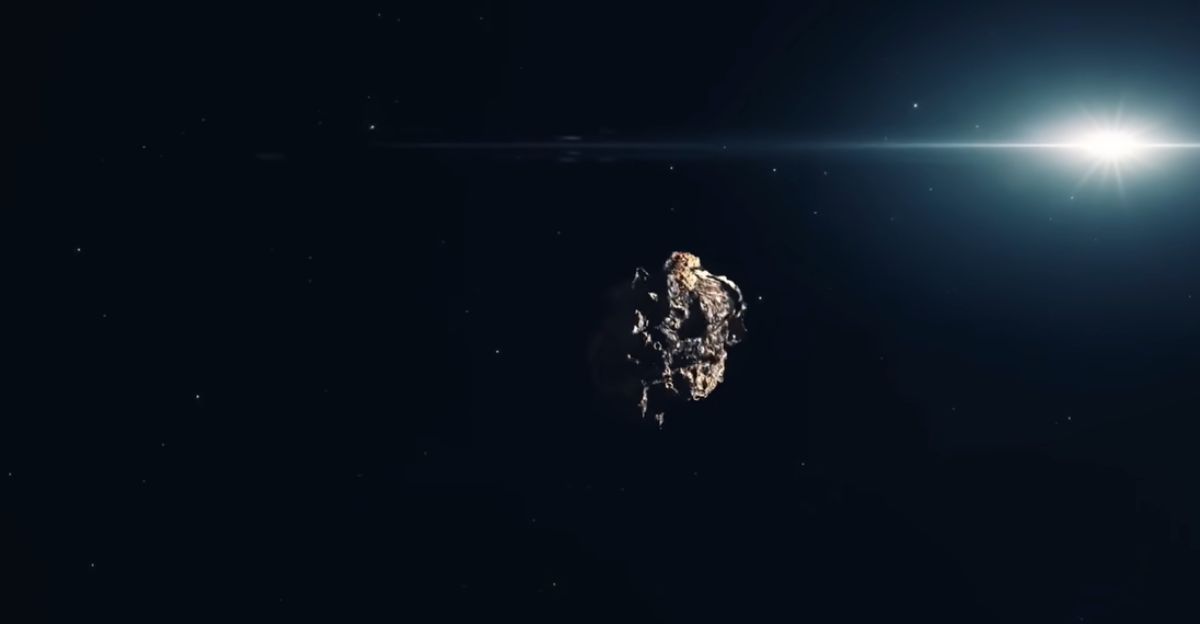
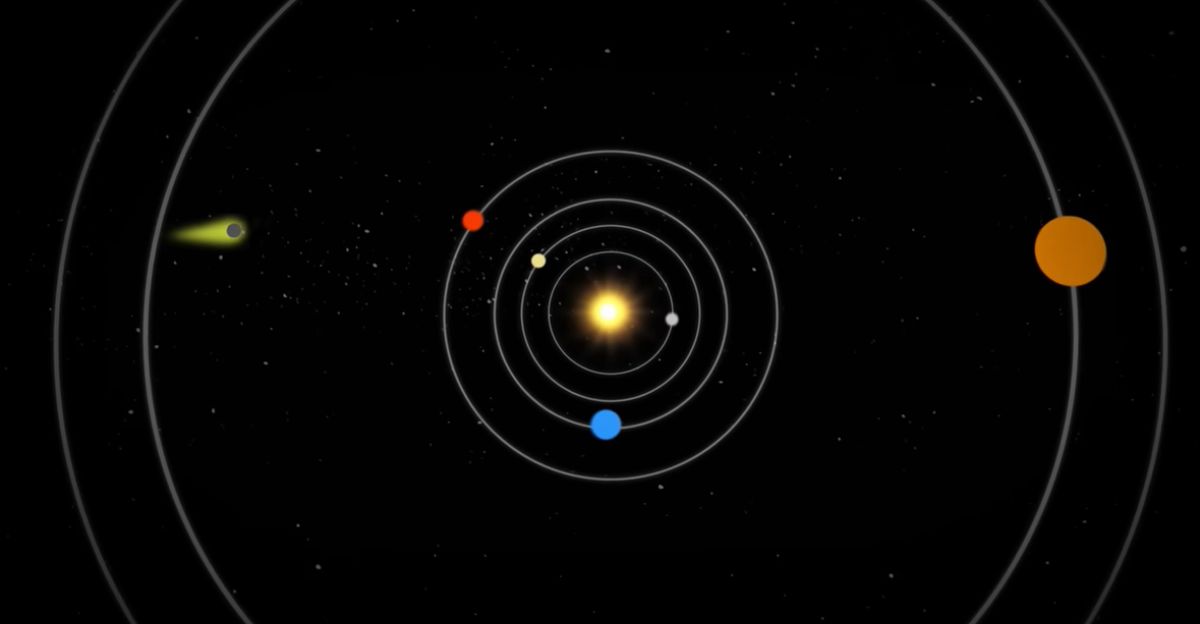
3I/ATLAS isn’t like other comets. It’s massive—several miles wide—and moves incredibly fast: 61 miles per second relative to Earth.
It follows a hyperbolic path, meaning it won’t orbit our Sun. It’s a one-time visitor heading back to deep space. Its size and speed convinced some scientists, including Harvard’s Avi Loeb, that it might be an artificial probe. Detecting a signal became crucial.
The MeerKAT Advantage
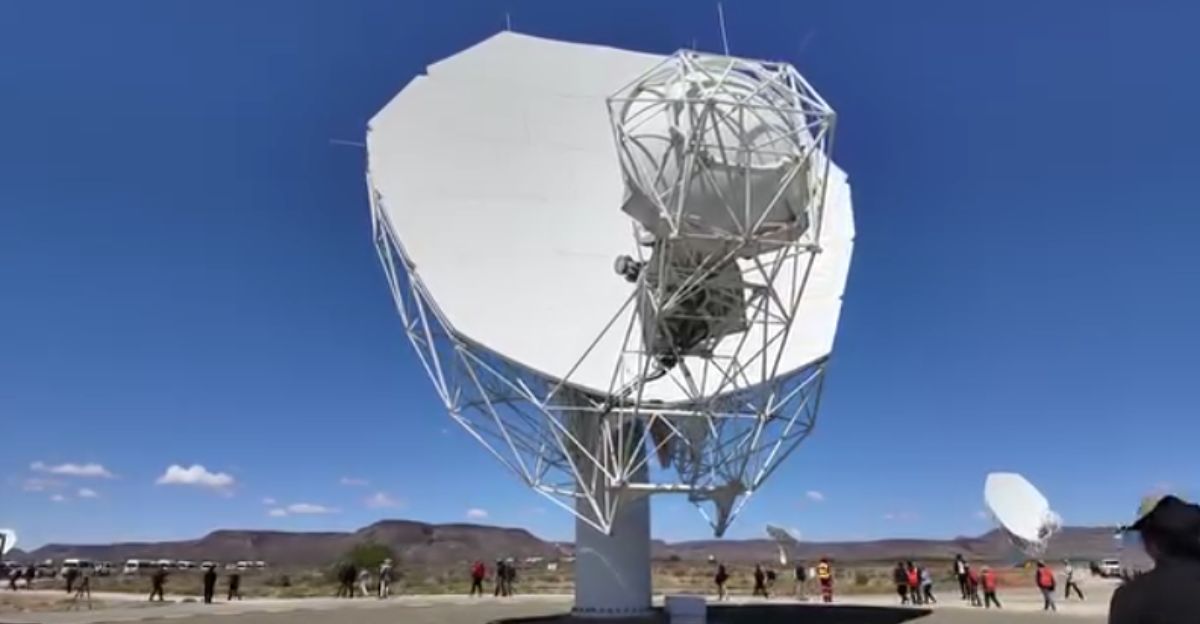
Scientists used South Africa’s MeerKAT radio telescope to detect signals from 217 million miles away.
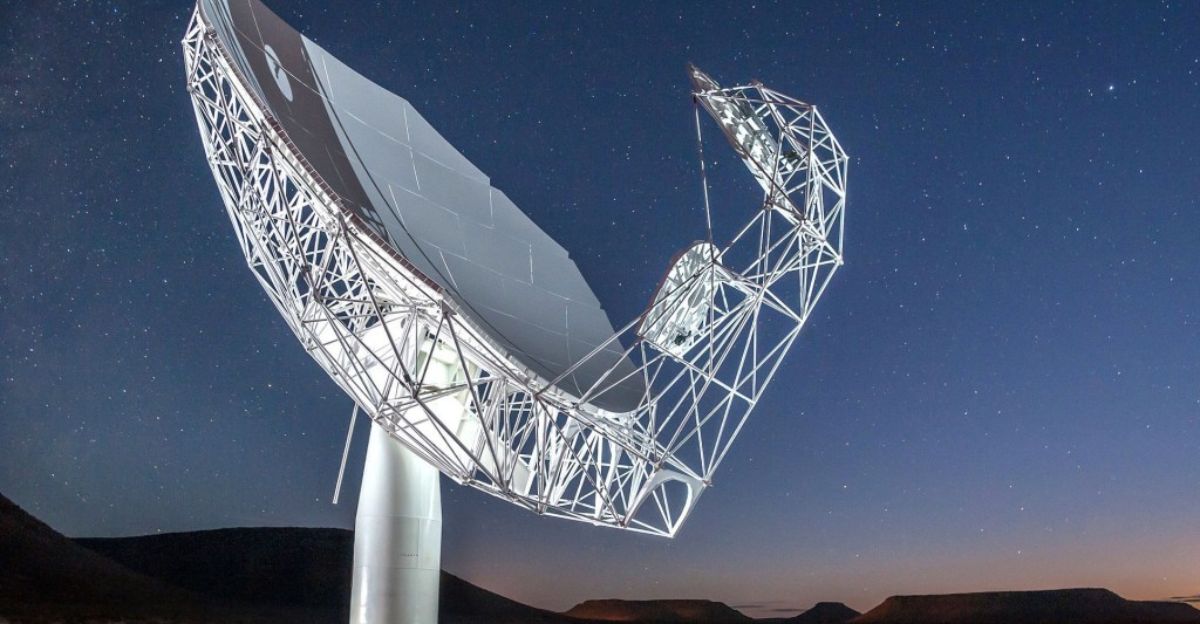
MeerKAT has 64 linked antennas and detects faint radio waves, especially those from hydroxyl (OH) molecules.
The team, led by D.J. Pisano from the University of Cape Town, recognized that time was of the essence. As 3I/ATLAS neared the Sun, solar heat offered the best chance to trigger activity on its surface.
Failed Attempts
Early scans on September 20 and 28 found nothing. The object sat just 3.76 degrees from the Sun—a blinding glare that blocks most telescopes.
MeerKAT’s special receivers could look through this “zone of avoidance,” but 3I/ATLAS stayed silent.
Scientists wondered: Was it dry and inactive? Or dormant in ways no one expected? These failures made success seem unlikely.
The Signal Detected
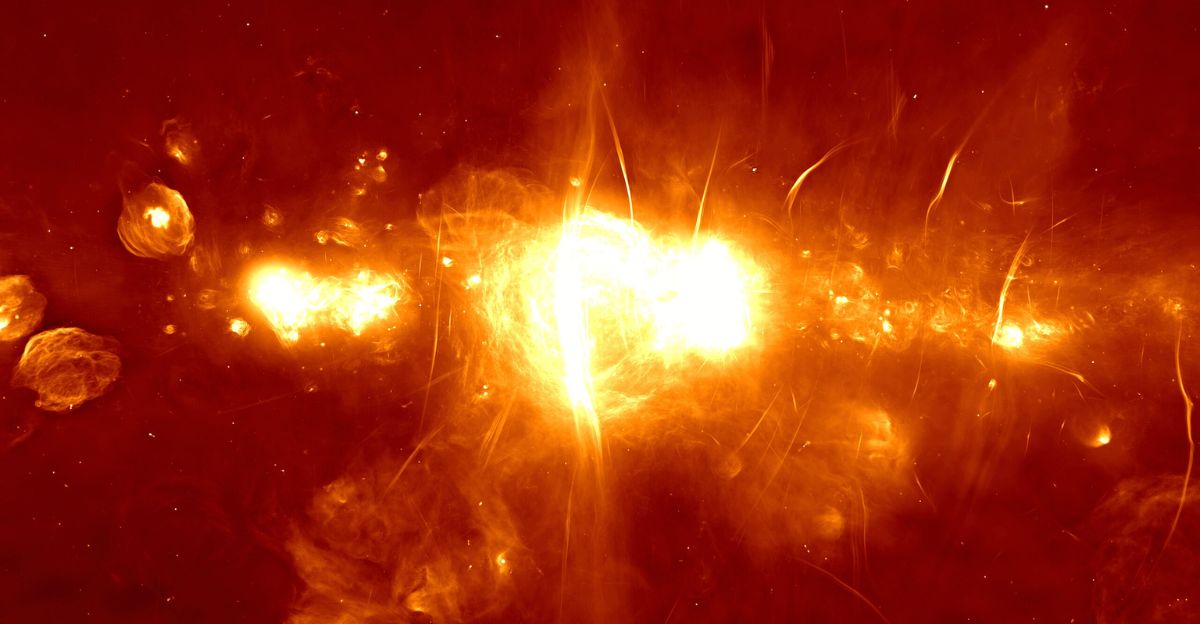
Success came on October 24, 2025. MeerKAT detected clear absorption lines at 1.665 and 1.667 GHz—radio frequencies that match hydroxyl radicals perfectly.
This marked the first radio detection of any interstellar visitor. The signal wasn’t a message.
It was a chemical reaction: solar radiation was melting the ice on the object’s surface, releasing water molecules that broke apart into hydroxyl groups. Silence transformed into a scream.
Decoding the Shift
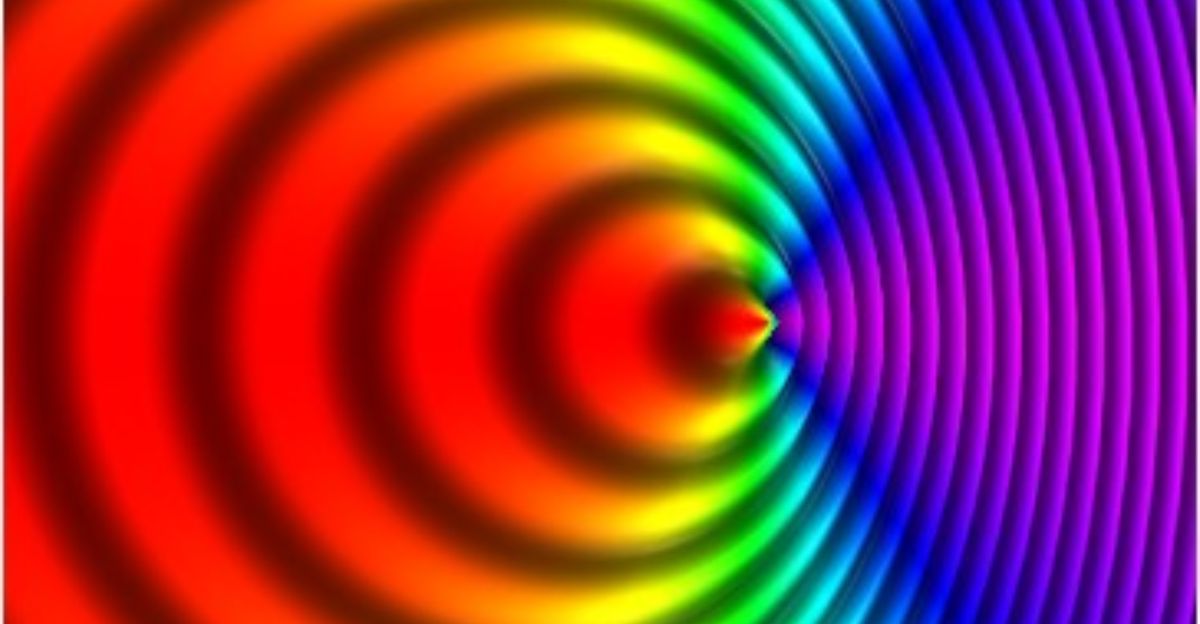
The signal revealed more than just chemistry. It showed a Doppler shift—a frequency change caused by motion—indicating a velocity of about -9.7 miles per second.
This matched the speed of gas moving toward Earth from the comet’s nucleus. This measurement confirmed the radio waves came from 3I/ATLAS itself, not background noise. Scientists have proven that water is being ejected violently into space.
Alien Water Confirmed
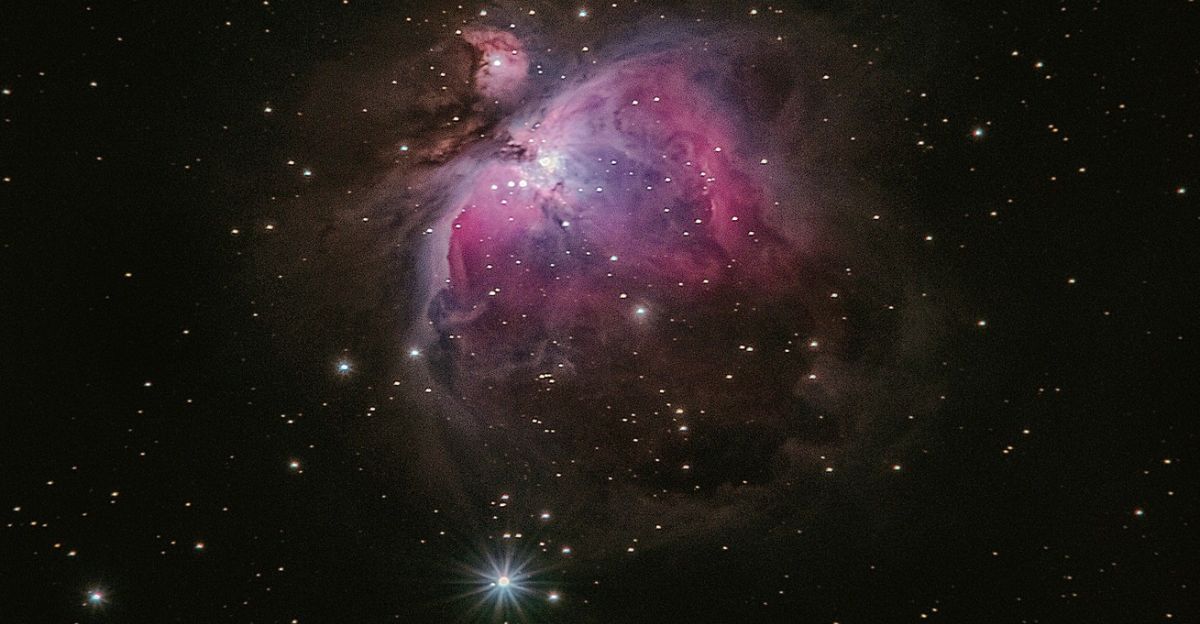
Hydroxyl detection proved water existed. For the first time, scientists confirmed that water ice—life’s essential ingredient—exists in another star system.
Professor Mykola Ivchenko from KTH Royal Institute noted: “Detecting the hydroxyl signal confirms 3I/ATLAS behaves like a comet.”
This discovery revealed that the chemical building blocks of our oceans aren’t unique to Earth. They exist elsewhere in the galaxy.
A Cosmic “Note”

Auburn University physicist Dennis Bodewits called it poetic: “When we detect water from an interstellar comet, we’re reading a note from another planetary system.”
This “note” reveals conditions in that distant star system’s formation zone.
Unlike ‘Oumuamua, which seemed dry, 3I/ATLAS carries frozen volatile materials that survived millions of years in the cold void between stars.
An Impossible Distance
Scientists were baffled about where the water released came from.
3I/ATLAS shed water at 88 pounds per second while 230 million miles from the Sun—nearly three times Earth’s distance. In our solar system, comets need closer proximity for ice to vaporize.
This anomaly suggests that 3I/ATLAS has a unique composition: perhaps ice grains that vaporize easily, or surface chemistry shaped by the light of a different, cooler star.
The Swift Connection
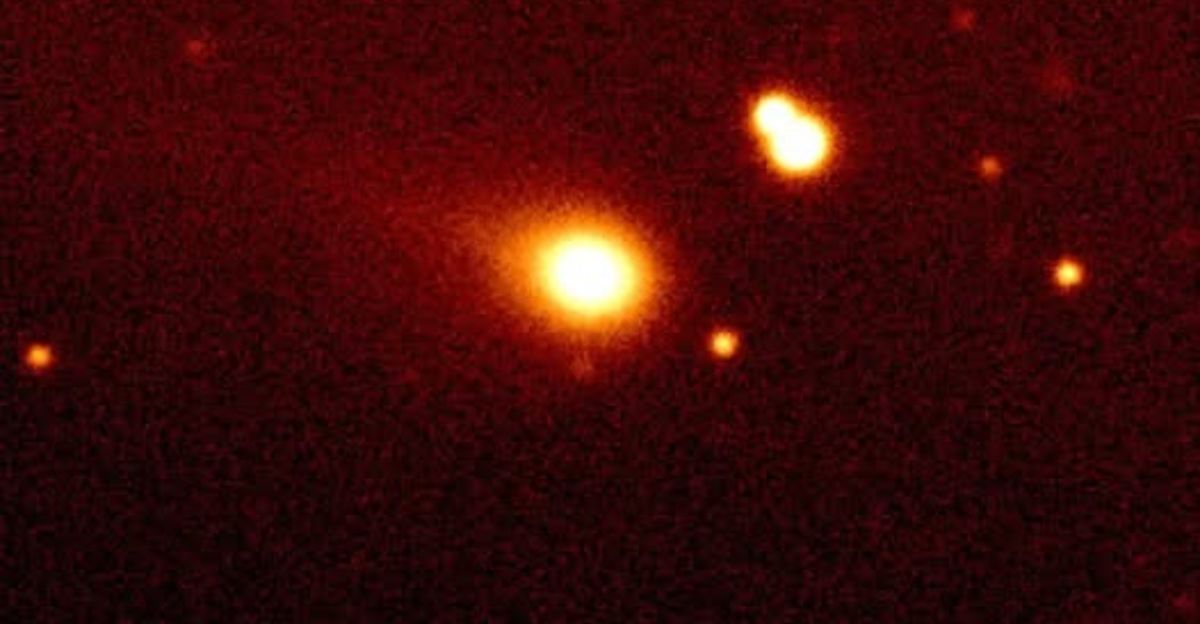
MeerKAT wasn’t alone. NASA’s Neil Gehrels Swift Observatory had spotted faint ultraviolet signals from hydroxyl in July and August 2025. Swift detected “the glow,” while MeerKAT heard “the hum.”
This multi-wavelength confirmation—ultraviolet from space and radio from Earth—created a complete picture.
Radio measurements validated earlier ultraviolet signals, proving water release was sustained and real, not a temporary error.
The Alien Hypothesis

Even with confirmation of water, the “alien spacecraft” theory persisted. Harvard’s Avi Loeb argued 3I/ATLAS could be a probe. He cited its massive size (“miles across”) and suspiciously “perfect” trajectory past Mars and Earth.
He suggested non-gravitational acceleration—unexplained speed changes—might reveal propulsion. Water discovery could explain this as a natural phenomenon, such as outgassing. But some theorists still saw the orbit as deliberately engineered.
Searching for Technosignatures
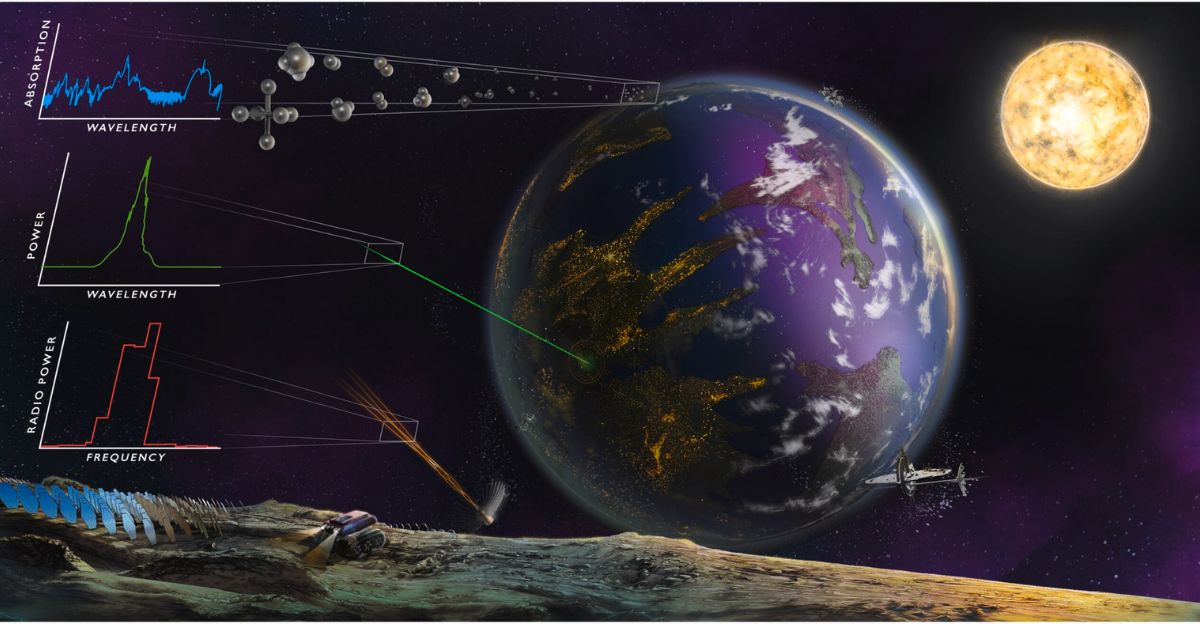
The MeerKAT team didn’t just hunt water. They listened for aliens using Breakthrough Listen equipment (BLUSE).
They scanned for “technosignatures”—narrow-band radio signals indicating a transmitter rather than natural chemistry.
Result: nothing. SARAO Chief Scientist Fernando Camilo stated, “MeerKAT observations confirm 3I/ATLAS acts as a comet. We found no signals of technological origin.” The artificial hypothesis weakened.
Natural vs. Artificial
The detection created narrative conflict. Scientists like Camilo and Ivchenko declared the case closed: 3I/ATLAS is a natural comet, albeit an unusual one.
Radio lines align perfectly with natural quantum transitions. But public and open-minded researchers asked: Could a probe use water ice for shielding or fuel?
Scientific consensus shifted firmly toward “natural object.” Yet 3I/ATLAS’s “alien” appeal keeps it headline-worthy.
A Giant Among Dwarfs
3I/ATLAS stands out in terms of size. While ‘Oumuamua was a rock sliver and 2I/Borisov was modest, estimates show 3I/ATLAS has a core exceeding 2 miles in diameter.
Its mass—potentially billions of tons—makes it a “heavy cruiser” compared to earlier, tiny visitors.
Its survival through space supports the theory: giant planets in other systems regularly eject massive icy bodies, filling the galaxy with frozen wanderers.
Target: Jupiter
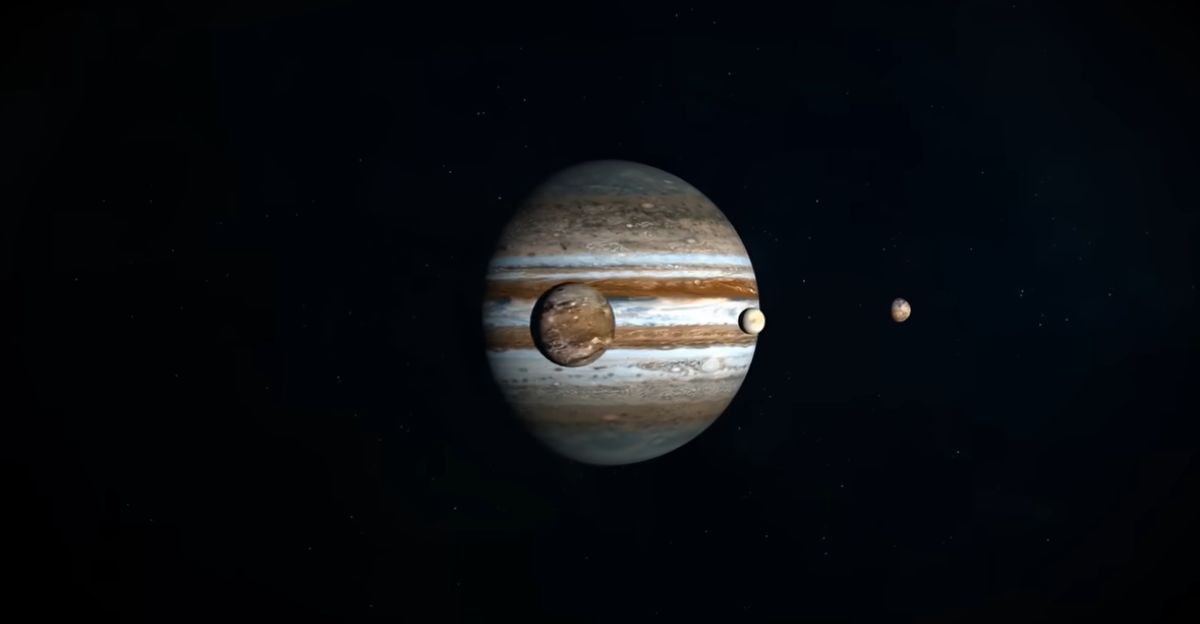
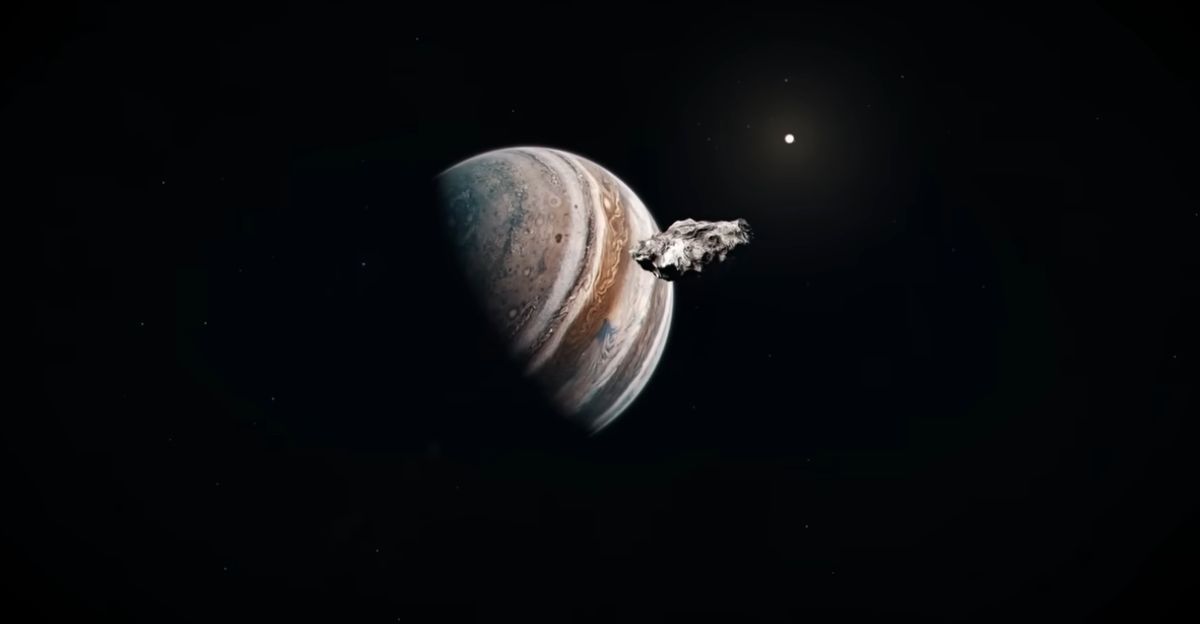
The story continues. 3I/ATLAS approaches Jupiter for an encounter. On March 16, 2026, it passes within 33 million miles of Jupiter.
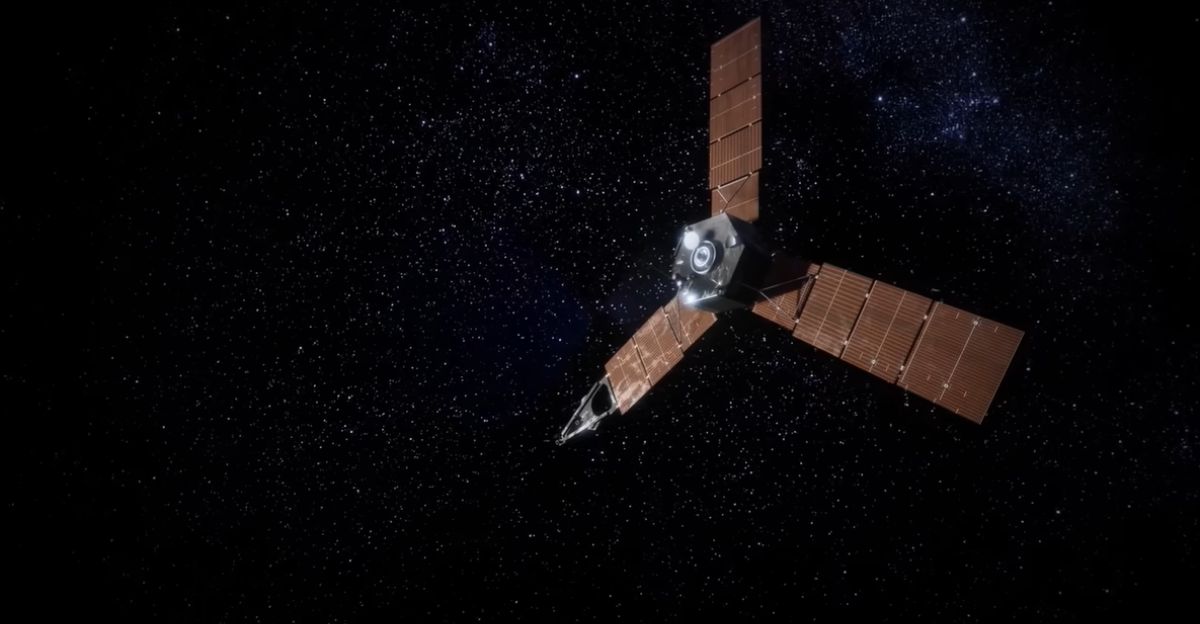
NASA’s Juno spacecraft, orbiting the giant planet, is preparing a unique surveillance mission. Juno’s “Waves” instrument scans low radio frequencies (50 Hz to 40 MHz)—a range MeerKAT cannot see.
This flyby represents humanity’s last chance to examine the object closely.
The New Playbook
This detection establishes new standards for planetary defense and exploration. Scientists now have a “radiochemistry playbook” for interstellar objects.
Future missions will listen for the 1.667 GHz hydroxyl signal. Ground-based radio telescopes can chemically analyze objects millions of miles away.
This creates an early warning system for determining the composition of incoming cosmic debris and potential danger.
Ripple Effects
Findings reshape astrobiology. If 3I/ATLAS is typical, then “water-rich” becomes the default state for interstellar objects.
This supports the “panspermia” theory, which suggests that comets carry water and organic molecules between star systems, potentially seeding life across the galaxy. Earth’s wet, life-supporting environment may not be a matter of rare luck.
Instead, countless water-carrying cosmic messengers might make habitability common throughout the Milky Way.
Viral Fears & Wonder
Social media exploded with “Alien Probe” stories, fueled by Avi Loeb’s commentary and the object’s “perfect” path. Scientists announced dry chemistry facts (“it’s hydroxyl gas”).
The public saw alien contact (“it’s a spaceship”). This gap highlights the public’s hunger for extraterrestrial discovery.
While researchers celebrate the detection of chemicals, people imagine close encounters. This “belief gap” complicates science communication but drives massive interest in space exploration.
Echoes of ‘Oumuamua
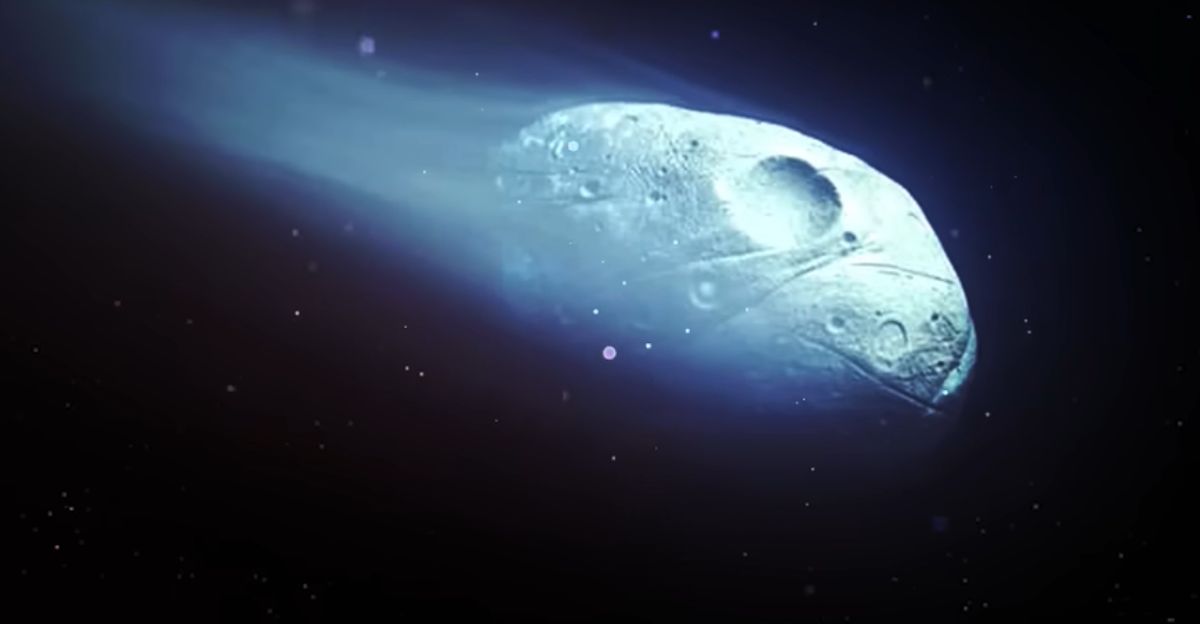
3I/ATLAS closes a chapter that ‘Oumuamua opened in 2017. ‘Oumuamua confused scientists: dry rock with inexplicable speed changes.
3I/ATLAS provides the answer: a massive object showing water, proving non-gravitational acceleration happens naturally through outgassing.
It normalizes the “interstellar visitor” phenomenon. What once seemed impossible becomes a studyable, repeatable class of astrophysical objects we can track and understand.
The Final Word
The universe’s radio silence broke—not through greeting, but through breath. 3I/ATLAS is a frozen messenger from a distant star, screaming water content as it passes our Sun.
We detected its signal, confirmed its chemical composition, and ruled out an artificial origin.
As it swings past Jupiter and leaves our solar system forever, it teaches us that the water filling our oceans cycles through the entire Milky Way.
Sources
- The Star, 20 Nov 2025
- Astronomy.com, 15 Oct 2025
- Sci.News, 07 Oct 2025
- Futurism, 30 Oct 2025
- NY Post, 29 Sep 2025
- YouTube (Universal Moments), 08 Nov 2025