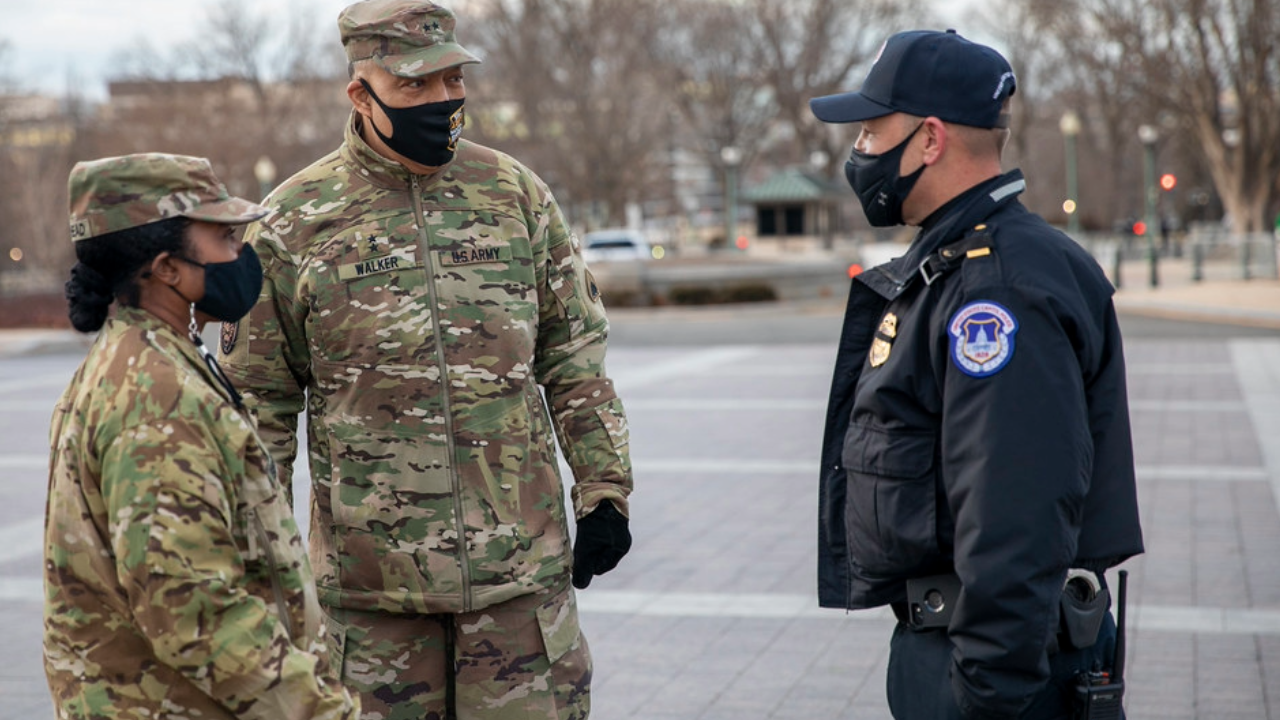
Rows of Minnesota National Guard members stood at attention Saturday, their olive-green combat uniforms covered by bright yellow reflective vests glowing under facility lights. The Minnesota National Guard posted photos showing the distinctive vests designed to “distinguish them from other agencies” as troops remained on standby.
Nearly 3,000 federal immigration agents already saturated Minneapolis streets—outnumbering the city’s entire 800-officer police force in what officials call America’s largest immigration enforcement operation ever.
Crisis Escalation
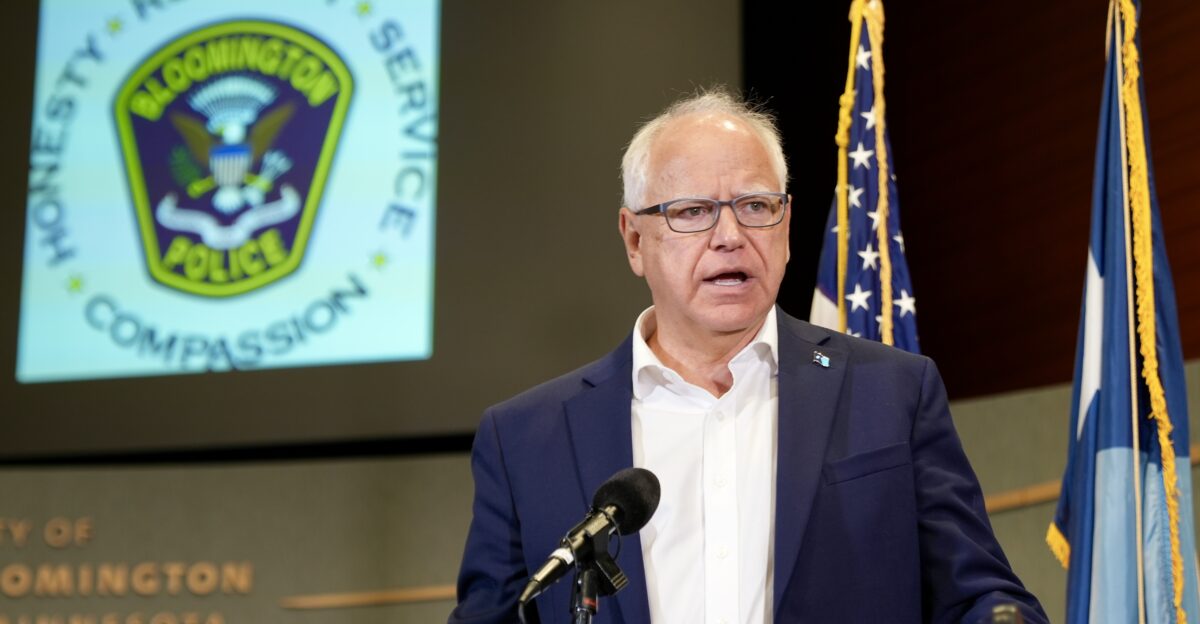
Governor Tim Walz mobilized the Guard amid intensifying anti-ICE protests following the January 7 fatal shooting of Renee Nicole Good, a 37-year-old U.S. citizen and mother of three. Simultaneously, the Pentagon placed 1,500 active-duty soldiers from Alaska on standby after President Trump threatened to invoke the 1807 Insurrection Act.
The Justice Department served criminal subpoenas to Walz, Minneapolis Mayor Jacob Frey, and at least three other state officials, investigating whether their public statements encouraging protests constitute federal crimes.
Operation Metro Surge Unleashed
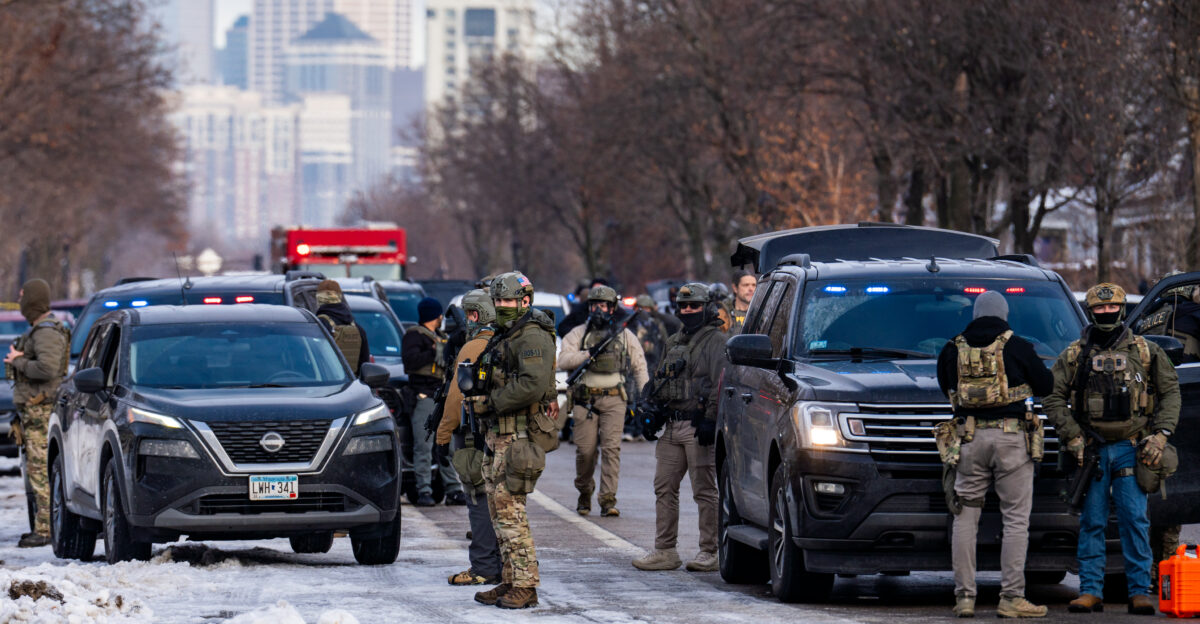
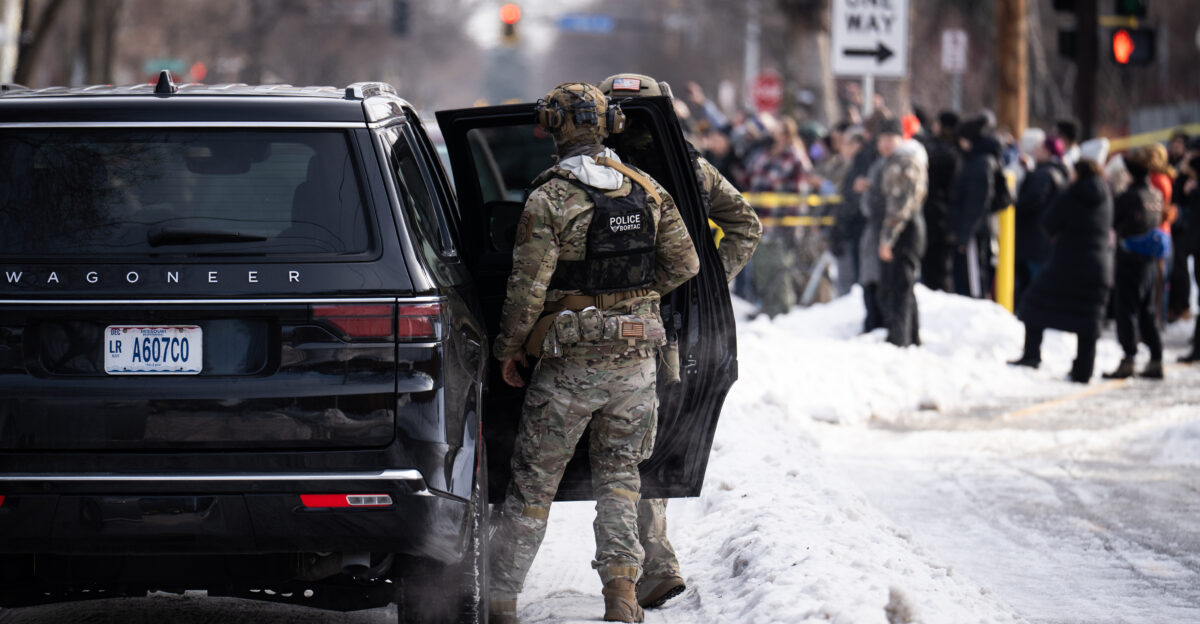
Federal authorities deployed approximately 3,000 ICE and Border Patrol agents to Minnesota’s Twin Cities beginning in early December 2025 under “Operation Metro Surge”.
The operation targets an estimated 100,000 undocumented residents in a state of 5.7 million people—just 1.7% of America’s population. By mid-January 2026, federal officials claimed over 2,500 arrests, though multiple incidents documented wrongful detention of U.S. citizens based on appearance.
The Fatal Shooting That Changed Everything
Video evidence analyzed by The New York Times shows ICE agent Jonathan Ross approaching Renee Good’s Honda Pilot on the morning of January 7 as she sat stopped sideways in the street. As Good’s vehicle began moving, Ross—positioned outside the vehicle’s direct path—fired three shots through the windshield and open driver’s side window at close range.
Audio analysis detected Ross muttering “F****** b***h” as the vehicle sped away; Good died approximately one hour later from chest and arm wounds.
Federal Narrative Collapses Under Scrutiny
The Trump administration immediately characterized Good as a “domestic terrorist” who “weaponized” her vehicle to “run over” the agent. However, U.S. District Judge Katherine Menendez found this characterization “difficult to believe” after reviewing evidence.
The New York Times visual investigation “shows no indication that the agent who fired the shots had been run over” and establishes Ross “put himself in a dangerous position near her vehicle in the first place”.
Public Opinion Breaks Against Federal Claims
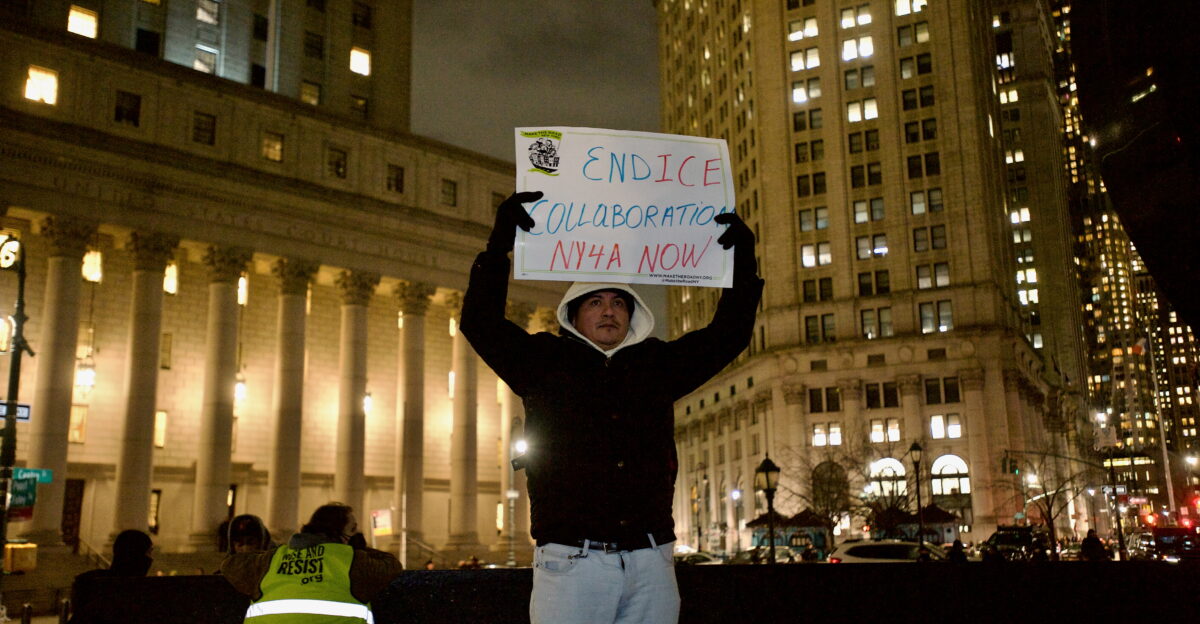
National polling revealed 56% of Americans deemed the shooting “inappropriate,” with only 26% supporting the agent’s actions.
More significantly, video evidence shifted opinions dramatically: Republicans shown footage were 15 percentage points more likely to say Good didn’t threaten agents compared to those who didn’t view the video. Former federal prosecutor Elie Honig stated bluntly: “The visual evidence contradicts the official narrative in ways that penetrate partisan information bubbles”.
But the crisis extended far beyond one shooting—it exposed systematic federal overreach that legal experts say threatens constitutional foundations.
Justice Department Targets Speech, Not Shooter
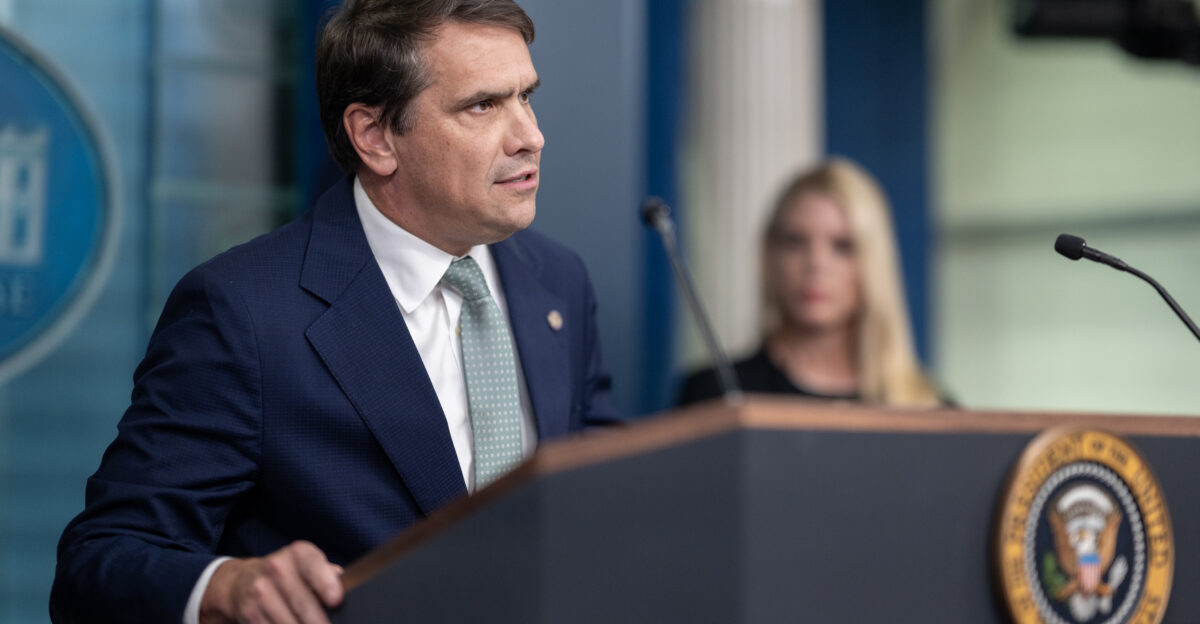
The FBI announced it would not investigate Jonathan Ross, with Deputy Attorney General Todd Blanche asserting ICE agents possess broad immunity for enforcement actions. Instead, federal prosecutors focused investigative resources on Good’s widow Becca and activist networks with which the couple affiliated.
This decision prompted six experienced prosecutors—including acting U.S. Attorney Joseph H. Thompson—to resign on January 13 rather than implement directives they found unconscionable.
Criminal Investigation of Elected Officials

The Justice Department investigation centers on 18 U.S.C. § 372, an 1861 statute prohibiting conspiracy to impede federal officers through “force, intimidation, or threat”.
Deputy Attorney General Blanche told Fox News that Walz’s and Frey’s statements encouraging protests while criticizing ICE tactics “is very close to a federal crime”. However, both officials consistently urged demonstrators to remain peaceful and lawful while exercising First Amendment rights.
Legal Experts Predict Prosecution Will Fail
Former federal prosecutor Elie Honig declared: “DOJ has lost its damn mind. If you have public officials making political speech, even if it’s explosive, inflammatory, aggressive, and then that causes people to protest or to call 9-1-1, that is simply not obstruction of justice”.
Harry Litman, another former prosecutor, characterized the investigation as “a complete non-start of a prosecution,” noting the administration’s rhetoric has been “complete tirades against Walz in particular”.
Federal Judge Imposes Sweeping Restrictions
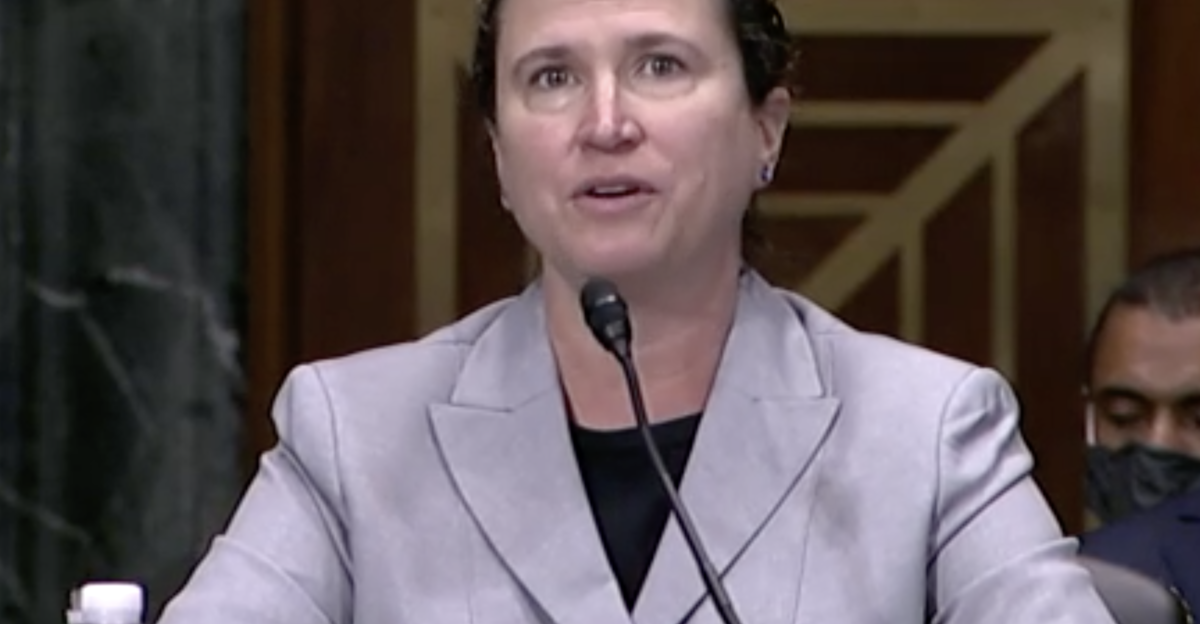
Judge Katherine Menendez issued an 83-page preliminary injunction on January 17 prohibiting federal agents from using pepper spray, tear gas, or arrests against peaceful protesters. The ruling cited “disturbing” evidence that officers followed activists home, photographed residences, and greeted protesters by name—establishing likely First Amendment retaliation.
The order requires body-camera activation during all crowd-control actions and bars stops of vehicle occupants without reasonable suspicion. Yet the constitutional confrontation escalated beyond courtrooms into potential military deployment.
Insurrection Act Threat Looms
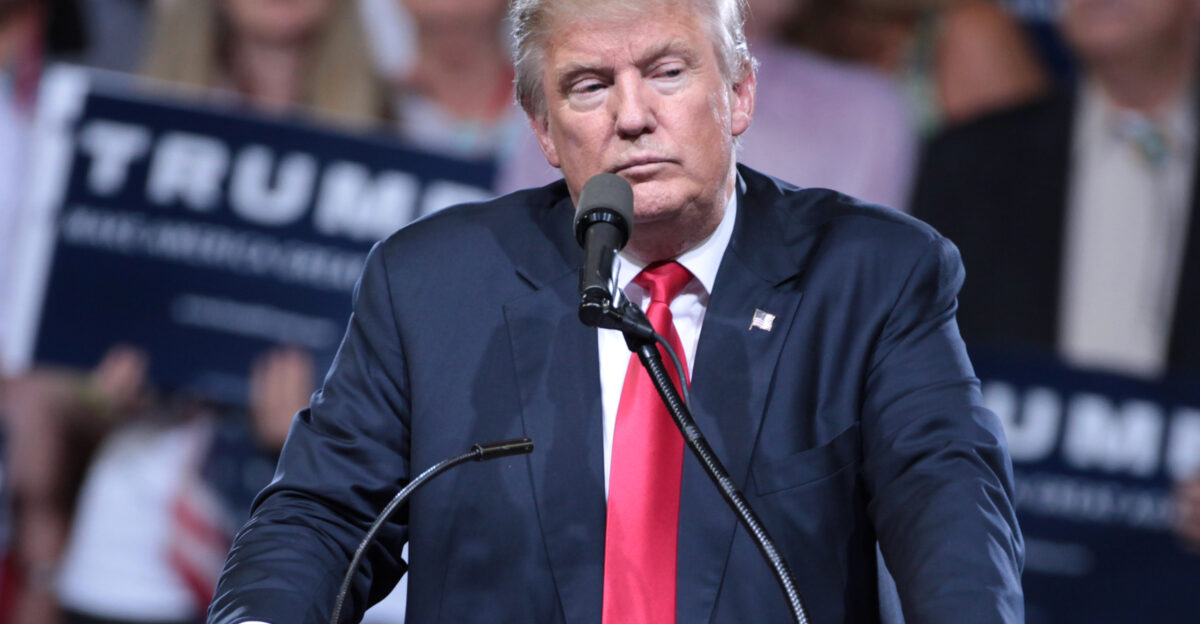
President Trump threatened on January 15 to invoke the Insurrection Act if Minnesota failed to stop protesters from “attacking” ICE agents. The 1807 statute permits deploying active-duty military domestically to suppress “rebellion” when civilian law enforcement cannot maintain order.
The Pentagon responded by placing 1,500 soldiers from the 11th Airborne Division on standby—the first serious Insurrection Act threat since 1992’s Los Angeles riots that killed 63 people.
Legal Precedent Opposes Military Deployment
U.S. District Judge Charles Breyer ruled a similar 2025 Los Angeles deployment illegal and a Posse Comitatus Act violation, finding the rationale “contrived” and noting “there was no rebellion, nor was civilian law enforcement unable to respond”.
Minnesota has experienced no comparable breakdown: protests remain largely peaceful, local police maintain operational control, and Governor Walz explicitly declined federal military assistance.
Minnesota Launches Constitutional Challenge
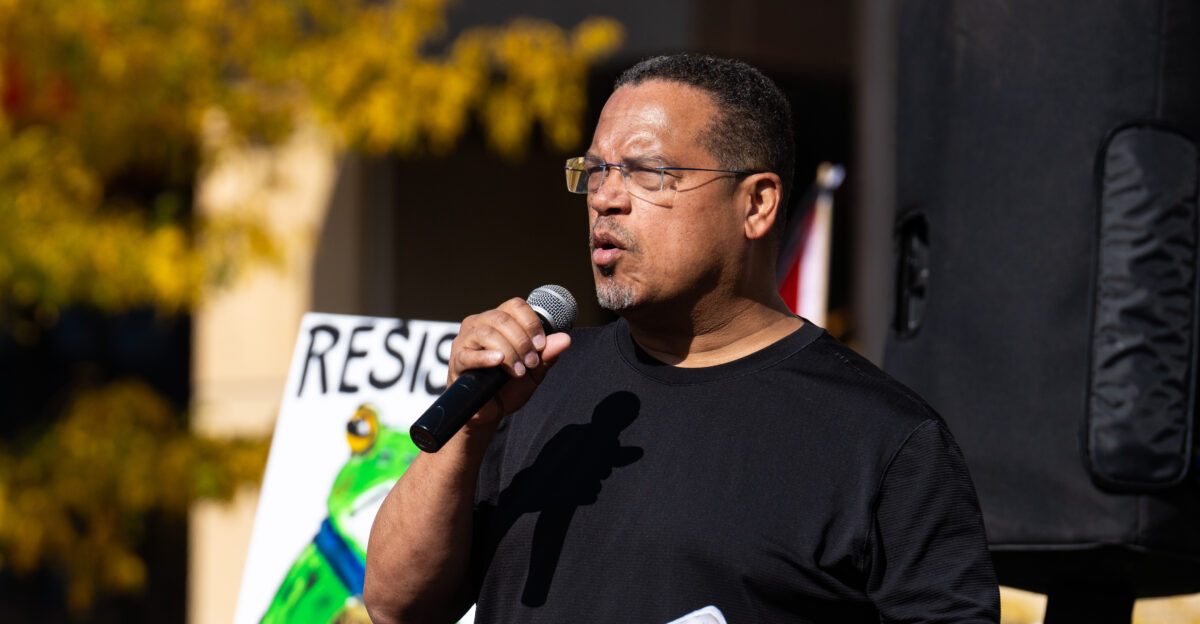
Attorney General Keith Ellison filed suit on January 11 arguing Operation Metro Surge violates the Tenth Amendment by commandeering state police powers.
Minneapolis police worked over 3,000 overtime hours in just three days (January 7-9), costing taxpayers an estimated $2 million managing chaos created by federal operations. The lawsuit contends the disproportionate federal presence represents unconstitutional retaliation against Minnesota’s Democratic leadership and voting patterns.
Community Organizes Sophisticated Resistance
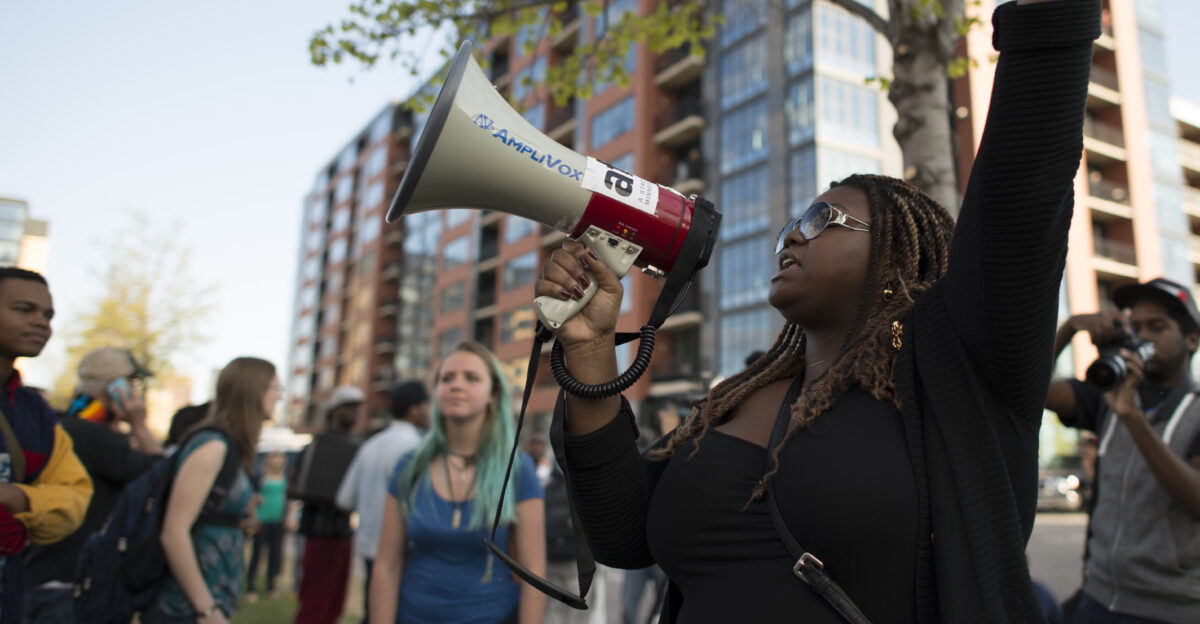
Minneapolis residents deployed grassroots monitoring networks using Signal messaging groups, whistles, and walkie-talkies to track federal agents and alert vulnerable communities. Volunteers provide rides for immigrant school staff, deliver groceries to families afraid to leave homes, and maintain security perimeters around schools in subfreezing temperatures.
Democracy Now reported these “ICE watch” networks originated in December 2025 and now field hundreds of daily inquiries from individuals seeking to engage.
Schools Become Enforcement Battlegrounds
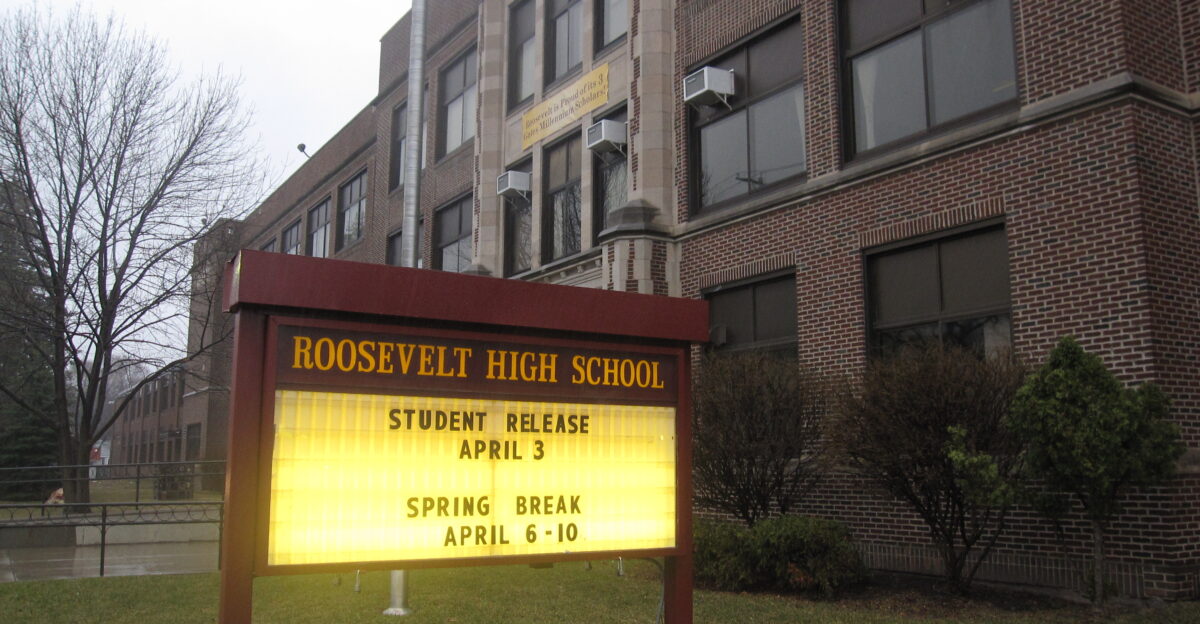
Border Patrol agents clashed with teachers at Roosevelt High School on January 8, pepper-spraying protesters and detaining staff during student dismissal.
The incident prompted Minneapolis Public Schools to close for a week and offer online learning options after multiple reports of ICE stopping school transport vans and pursuing suspects onto school grounds. Representative Amy Klobuchar reported meeting principals who described children and parents feeling “under siege” with “little kids terrified”.
Immigrant Businesses Suffer Revenue Collapse
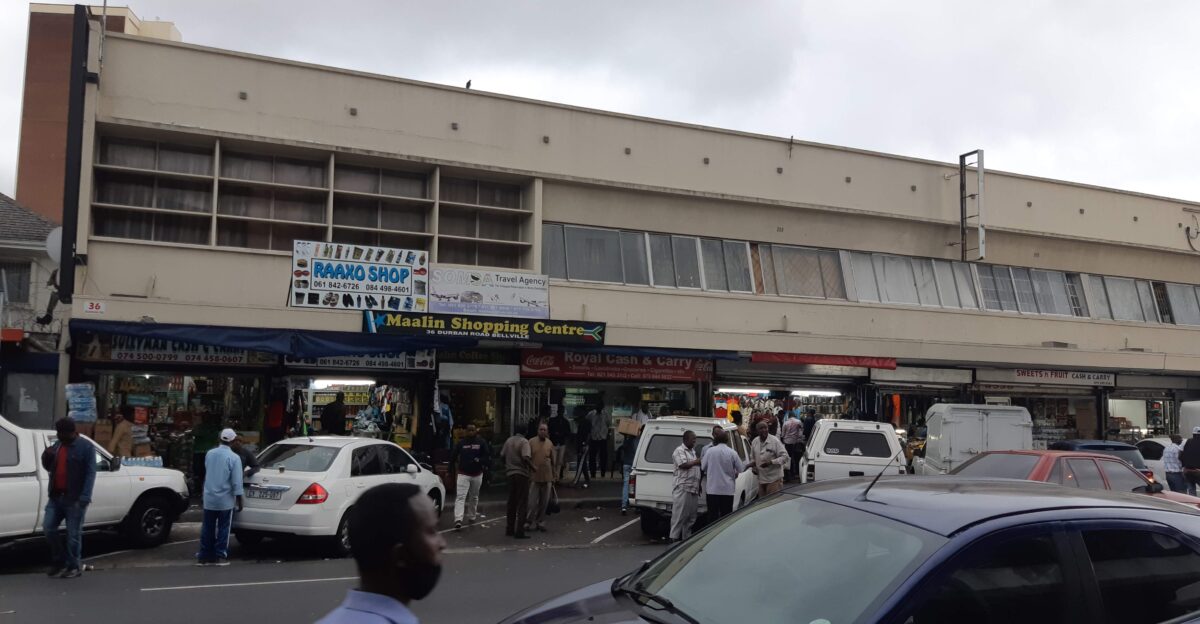
Somali-owned businesses in Karmel Mall—an economic hub featuring shops, housing, and a mosque—reported revenue decreases of 50-80% as customers stayed home. Bashir Garad, who runs Safari Travel & Accounting Services, said he “lost almost all his customers,” with existing clients canceling international trips because they fear not being readmitted despite being U.S. citizens.
Wahid, a family bakery employee, noted afternoon customer counts dropped from 15-20 to “tough to get one”.
Wrongful Detentions Target Citizens by Appearance
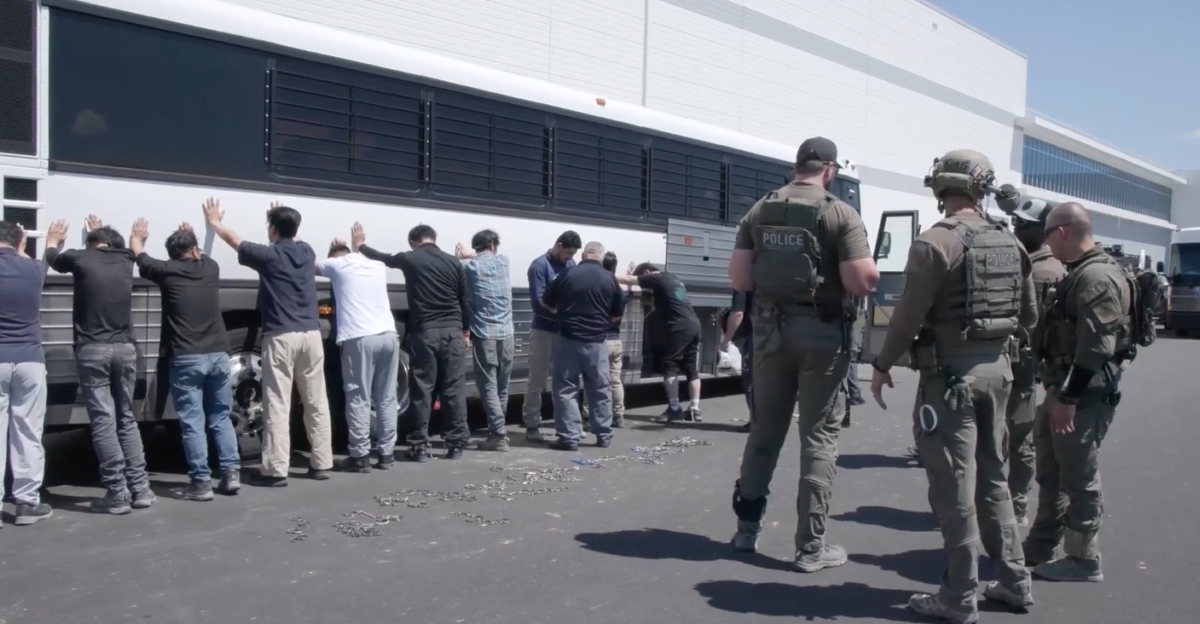
ICE detained multiple U.S. citizens based on ethnicity, including a 20-year-old tackled during lunch and transported miles away despite shouting “I’m a citizen”. Armed agents battered down a St. Paul home’s door without a warrant, arresting a naturalized U.S. citizen born in Laos wearing only underwear in subfreezing weather.
Oglala Sioux attorney Chase Iron Eyes told Democracy Now: “Nobody is more American than the American Indian. Yet here, ICE is executing immigration enforcement violence against the original Americans”.
Fraud Cases Provide Political Justification

The Trump administration justified Operation Metro Surge partly through Minnesota’s $1 billion “Feeding Our Future” pandemic fraud case, where more than 50 defendants—most Somali Americans—pleaded guilty to stealing federal child nutrition funds.
President Trump repeatedly called Somalis “garbage” who “contribute nothing,” explicitly targeting Minnesota’s 80,000-strong Somali community, America’s largest. Minneapolis Mayor Frey drew an explicit parallel: “I’m Jewish and nobody held me accountable for Bernie Madoff’s financial crimes”.
International Media Frames Democratic Backsliding

Le Monde characterized Minneapolis as “an open-air testing ground for ICE,” while India’s Firstpost aired segments questioning “Where are the Human Rights?”. Al Jazeera, BBC, and Reuters provided extensive coverage emphasizing militarized operations and constitutional questions surrounding potential military deployment.
The BBC noted: “Each day, residents brave frigid temperatures to track armed federal agents, blow whistles, and document what they describe as a campaign of intimidation”.
What Happens Next
The Trump administration appealed Judge Menendez’s restrictions on January 18, arguing they interfere with lawful immigration enforcement. Minnesota’s constitutional lawsuit proceeds through federal court, with oral arguments expected in February 2026 on the state’s motion for preliminary injunction.
The Justice Department’s criminal investigation continues, with legal observers predicting indictments of state officials could come within 30-60 days if prosecutors proceed despite constitutional vulnerabilities.
Sources:
“Active Duty Troops and Minnesota National Guard Placed on Standby for Minneapolis Protests.” Military.com, January 19, 2026.
“Reports, videos show how ICE agent Jonathan Ross fatally shot Renee Good in Minneapolis.” CNN, January 17, 2026.
“DOJ serves subpoenas to Walz, Frey and other Minnesota officials in immigration enforcement obstruction probe.” NBC News, January 20, 2026.
“Agent Who Shot Renee Good Was Trained to Track and Arrest Immigrants.” The New York Times, January 16, 2026.
“Federal judge bars immigration agents from using force against peaceful protesters in Minneapolis.” U.S. District Court (Judge Katherine Menendez ruling), January 17, 2026.
“How watching video of the Minneapolis ICE shooting affects Americans’ polarized views.” YouGov/ACLU polling, January 19, 2026.
“State of Minnesota, Minneapolis and Saint Paul sue to halt unlawful immigration enforcement operation.” Minnesota Attorney General’s Office, January 11, 2026.