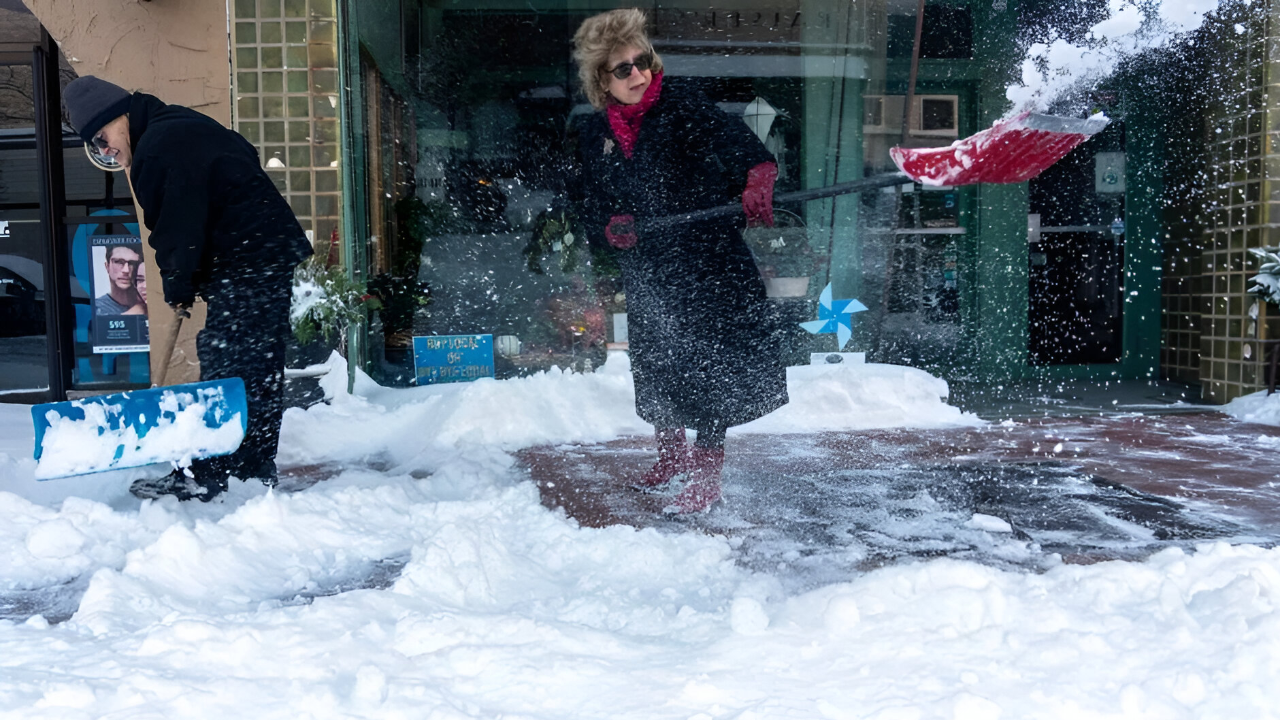
A bone-chilling Arctic blast slammed the Eastern United States in November 2025, breaking 71 temperature records in just one day. Cities from Chicago to New York braced for temperatures not seen in decades. Meteorologists have called this weather phenomenon a classic example of “weather whiplash.”
This intense cold snap, just weeks before winter, left millions wondering: Is this the start of a new weather pattern? The record-breaking event caught many by surprise, with the cold temperatures affecting millions of people across the region.
The Polar Vortex Unleashed
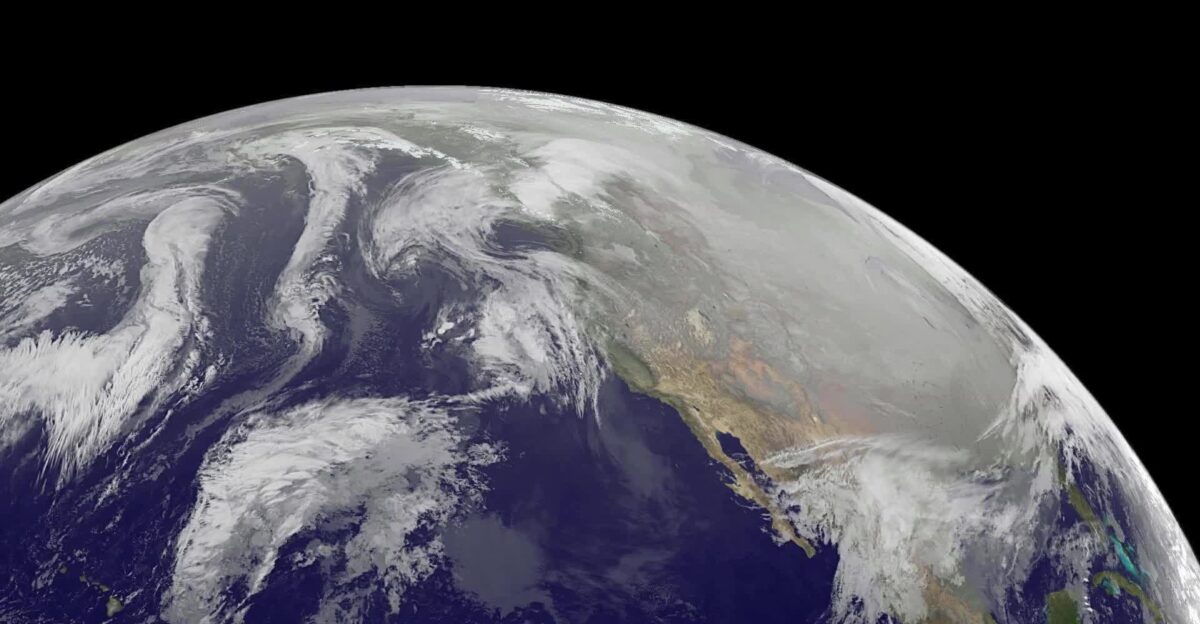
What caused this rapid freeze? Meteorologists point to a disturbed polar vortex. A massive mass of Arctic air surged southward, triggering a swift drop in temperatures. Cities like Macon, Georgia, dropped to 25°F, breaking a century-old record.
It was a shock to the system as the cold front overwhelmed typical autumn patterns. This unusual shift left many cities unprepared for such a drastic change in temperature, leaving residents scrambling to adapt to the freezing conditions.
Heating Bills Surge Across the Nation

As the cold descended, millions faced an immediate spike in heating demand. The rush to keep homes heated sent utility bills soaring, with many residents bracing for higher-than-usual costs.
The intense cold stretched the limits of local energy supplies, with some utilities reporting power outages and surges in demand. This sudden surge in demand highlighted vulnerabilities in the energy grid, pushing local authorities to take action.
Fast Food Reacts to the Cold

Fast food and restaurant chains scrambled to adjust operations as dangerous conditions persisted. Many establishments prioritized employee safety by adjusting delivery schedules and limiting service hours during the most extreme cold periods.
Businesses were on high alert, with many companies making quick decisions on how to operate while ensuring their staff and customers remained safe during the freeze. Delivery services reported operational challenges as the cold front stretched across the region.
Surge in Winter Product Sales

As temperatures plummeted, sales of electric heaters, snow removal equipment, and insulated clothing skyrocketed. Retailers in home improvement and outdoor gear experienced a surge in demand for weatherproofing supplies.
The extreme cold pushed consumers to stock up on anything that could provide warmth and protection. Many people were caught off guard by the early arrival of winter and rushed to secure what they needed to stay safe and warm.
Essential Workers on the Frontlines
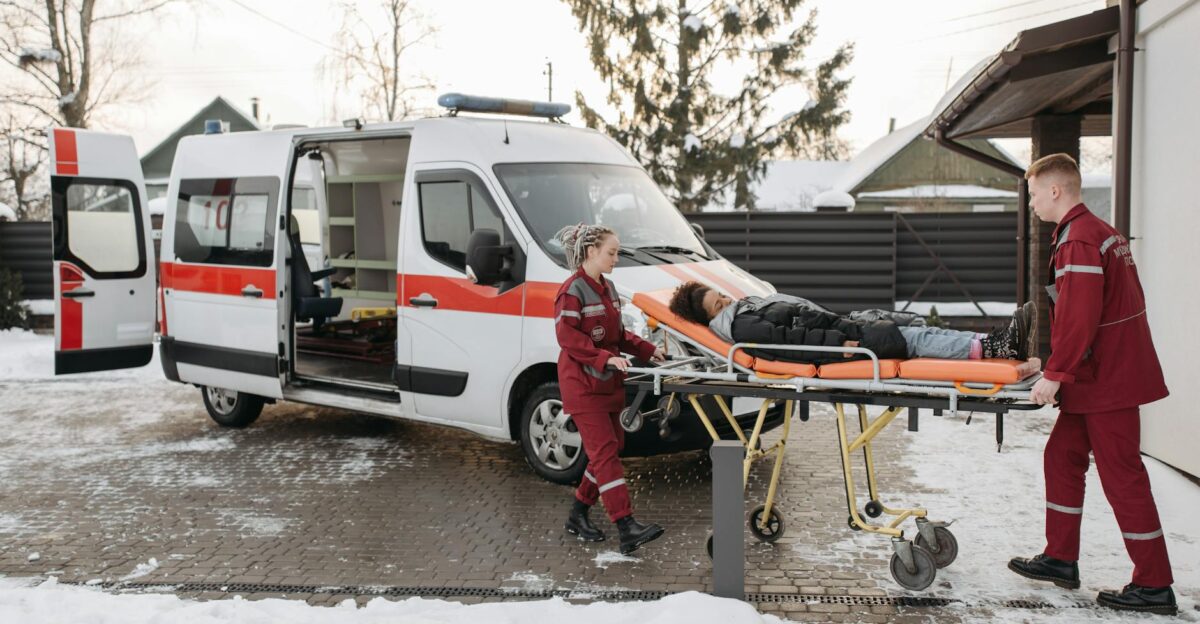
Utility crews, emergency responders, and essential workers faced the harsh elements head-on, braving frigid conditions to restore power and provide help. These dedicated workers operated in some of the most dangerous weather conditions of the season.
These workers played a crucial role in keeping residents safe amid the freeze. Their efforts were vital in minimizing harm and ensuring that people had access to emergency services during the worst of the weather.
Local and Federal Authorities Respond
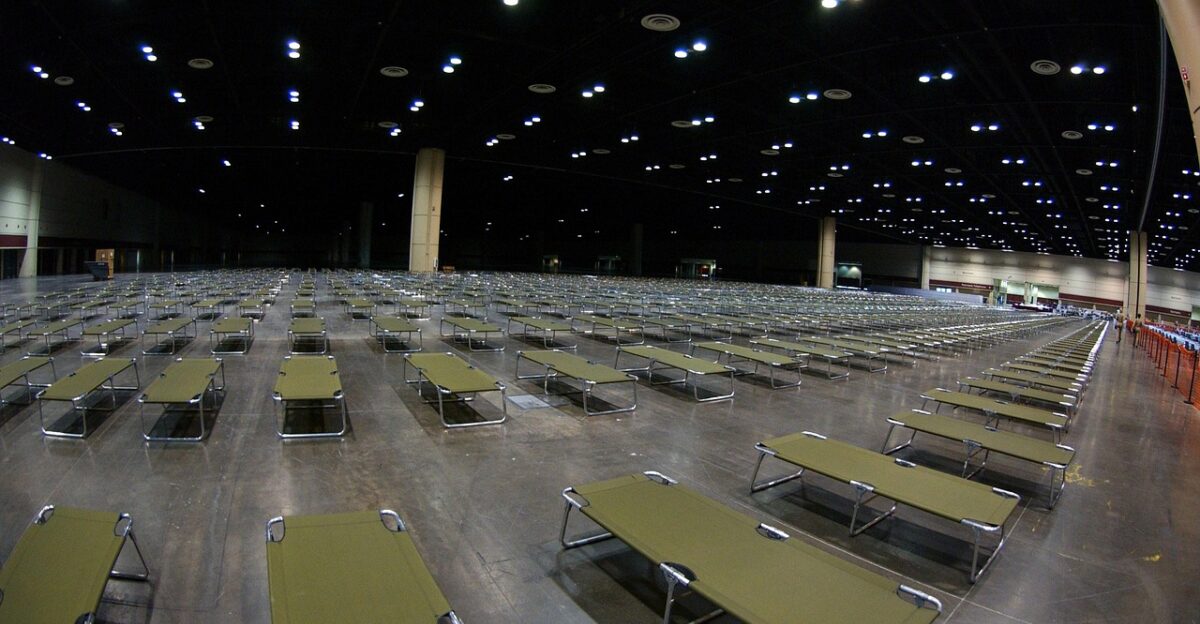
In response to the crisis, city officials across the Eastern U.S. opened emergency shelters and issued warnings. The National Weather Service coordinated with local governments to keep the public informed about the dangerous conditions.
Federal agencies also monitored infrastructure, ready to step in if necessary. The coordinated response from various levels of government helped ensure that affected communities received the help they needed during this extreme event.
Retailers React to Record Demand

Retailers across affected regions quickly restocked heating products and winter apparel. Many stores adjusted operations to meet surging demand, while online platforms adjusted delivery estimates for affected regions.
Retailers’ quick adjustments helped meet the surge in demand during the freeze. Despite the weather-related disruptions, these strategies allowed many businesses to maintain sales and serve their communities during the cold snap.
Aviation Disruptions

Airlines canceled hundreds of flights as hazardous travel conditions made flying unsafe across the affected regions.
Airports implemented deicing protocols and extended operational timelines as crews worked to maintain aircraft safety standards.
Ripple Effects Beyond Retail
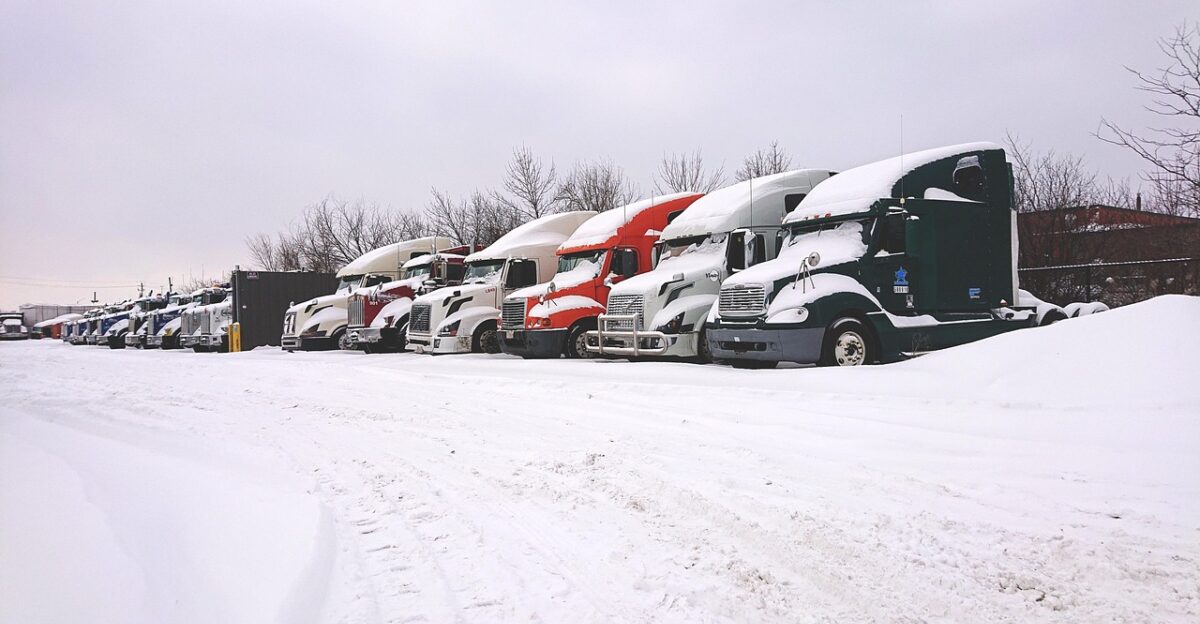
Transportation companies faced increased maintenance costs, while construction projects across the region were delayed.
Ground transportation also faced significant challenges, with highways closed and delivery routes delayed due to icy conditions and reduced visibility. Trucking companies and logistics providers had to adjust schedules and routing, while public transportation systems experienced service delays. These disruptions highlighted the interconnected nature of the nation’s transportation networks and their vulnerability to extreme weather.
Health Impacts of the Freeze

Extreme cold exposure increases risks of hypothermia and frostbite among residents, particularly for those who work outdoors or lack adequate shelter. Public health officials urged residents to limit outdoor exposure and keep an eye on vulnerable neighbors.
Fitness centers and community organizations moved activities indoors to protect people’s health. These measures were vital to ensuring the safety and well-being of communities during the extreme cold.
Climate Debate Intensifies
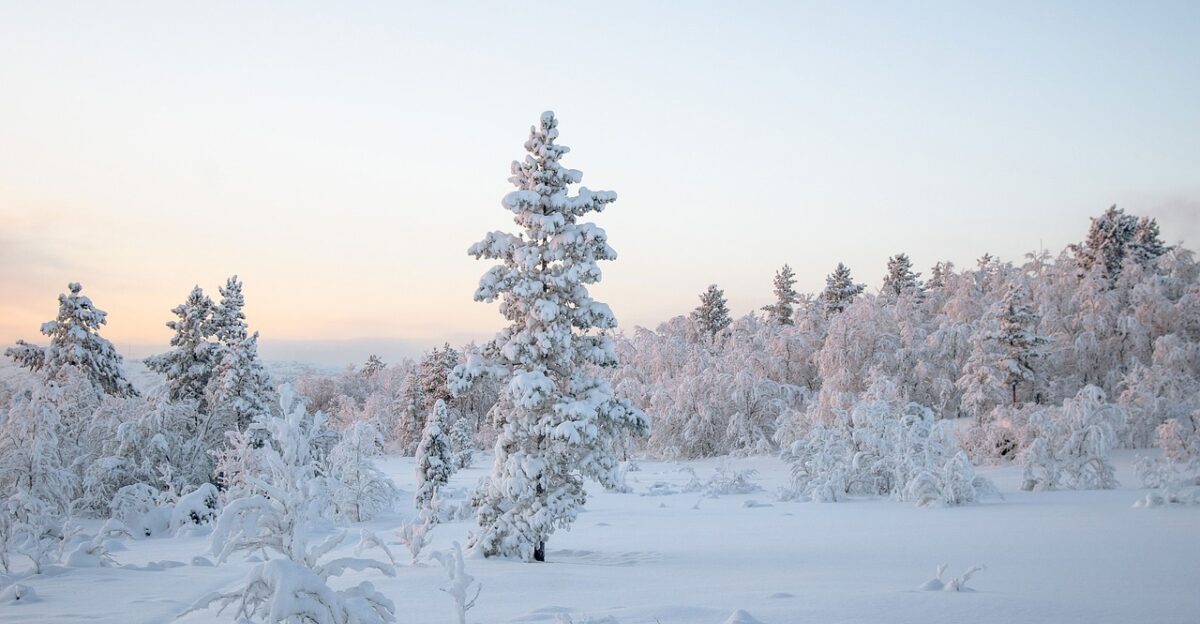
The Arctic blast reignited conversations about climate change. Environmental groups pointed to the event as a sign of increasing weather volatility, while others argued it was part of natural cycles.
The National Weather Service emphasized the importance of being prepared for such unpredictable weather events. This latest weather event added fuel to the debate over the causes and consequences of climate change.
Unexpected Winners and Losers
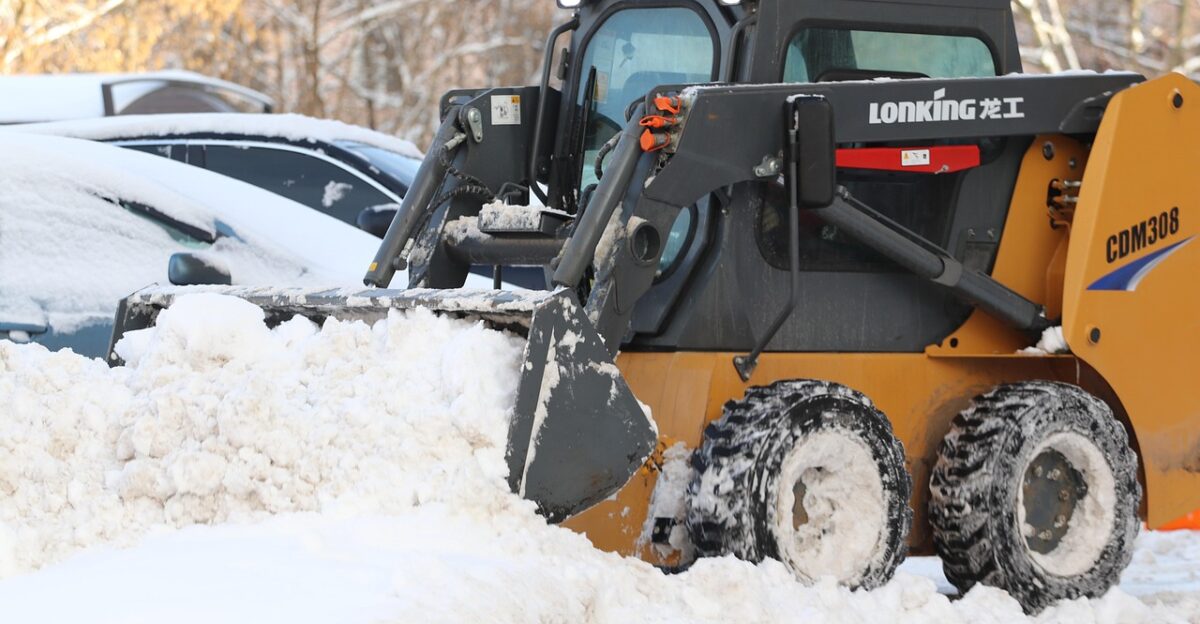
While energy providers and winter gear retailers saw their profits climb, sectors like travel and tourism faced losses. Airlines canceled flights, and hotel bookings in affected regions dropped.
At the same time, home heating and snow removal companies were among the biggest winners, seeing a surge in demand. The shift in consumer behavior meant certain industries saw massive growth, while others struggled to survive the cold snap.
Agricultural and Outdoor Industry Challenges
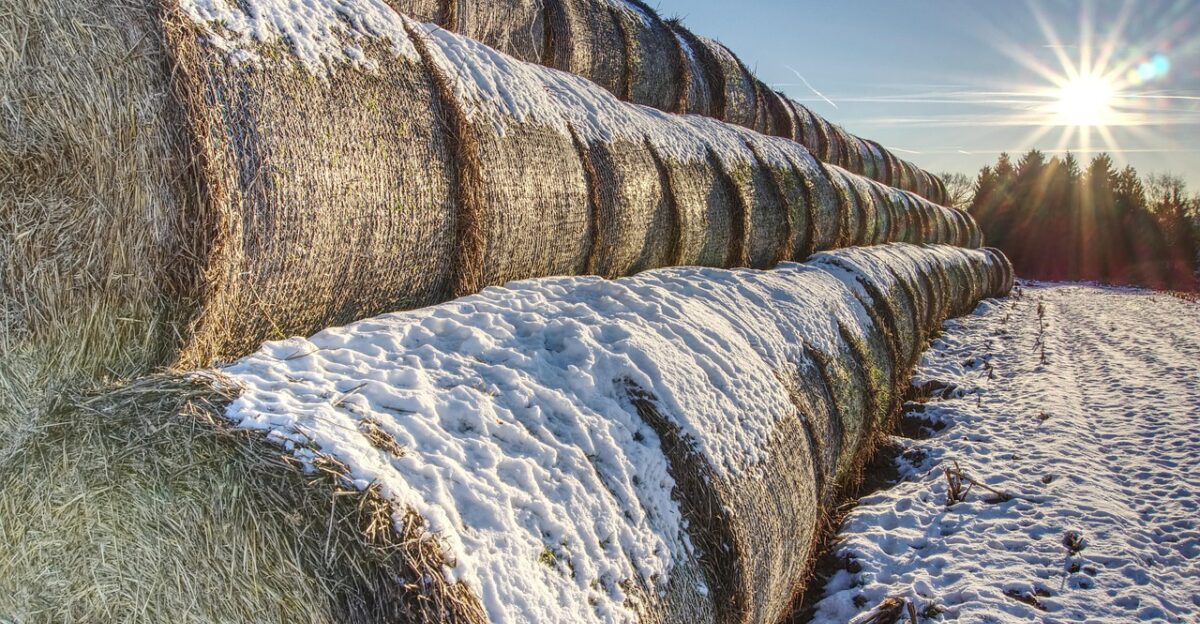
Farmers and outdoor recreation businesses faced significant challenges as the extreme cold disrupted normal operations. Greenhouse operators worked overtime to protect crops and plant inventories from the harsh temperatures.
The cold also impacted hunting and outdoor tourism, with many activities postponed or canceled due to dangerous conditions. Despite these setbacks, some businesses adapted quickly by offering indoor alternatives and rescheduling for safer weather.
Community Response and Preparedness
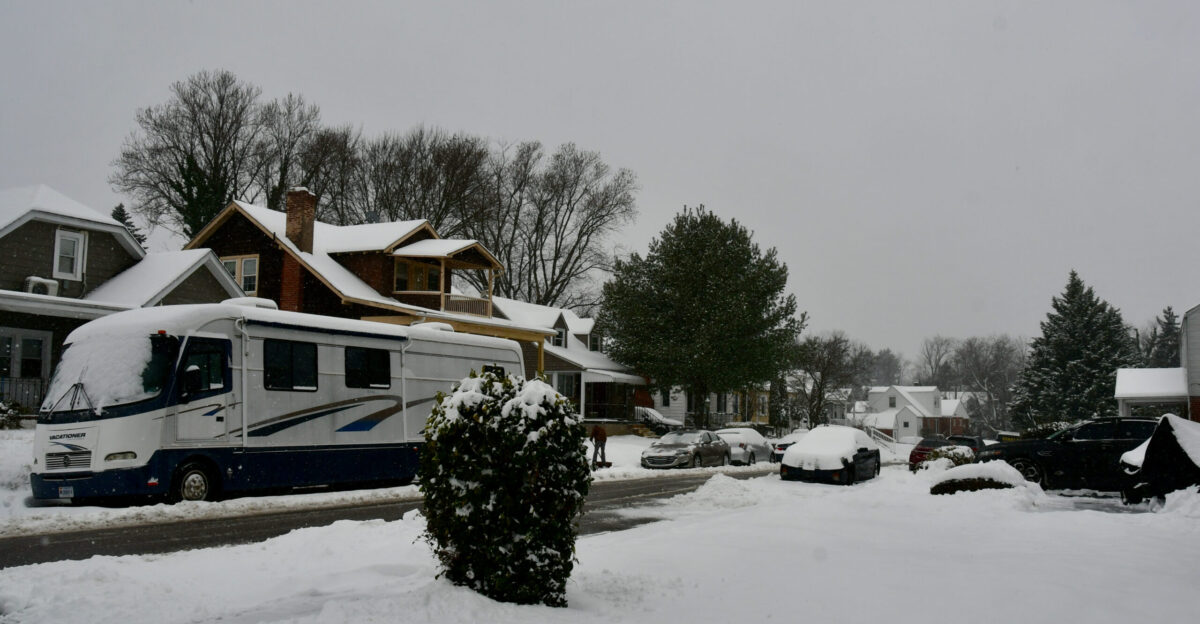
Local communities mobilized to support vulnerable populations during the freeze. Neighbor-to-neighbor assistance programs became critical, with residents checking on elderly and isolated community members to ensure their safety.
Community centers and religious organizations served as warming centers, providing hot meals and shelter for those in need. This grassroots response demonstrated the power of collective action during weather crises.
School and Office Closures
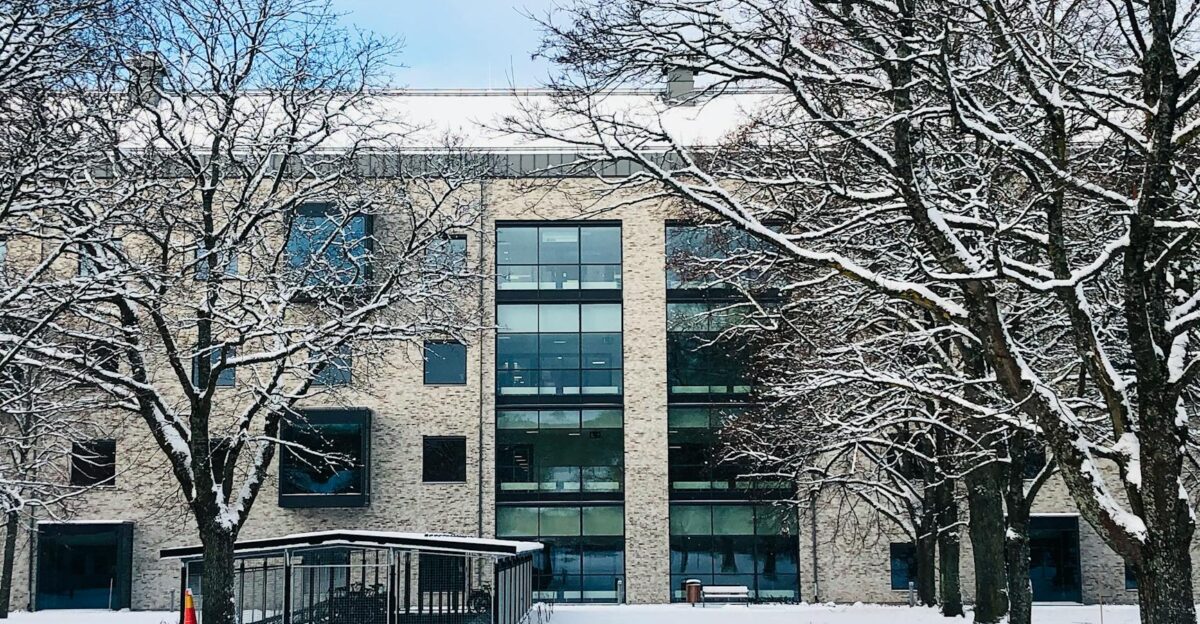
Schools across the Eastern U.S. faced difficult decisions about closures and remote learning options due to the extreme cold. Many districts opted to close to protect students and staff from dangerous travel and exposure conditions.
Businesses similarly struggled with decisions about operations, with many allowing remote work to reduce employee risk. The widespread closures highlighted the challenge of maintaining productivity while prioritizing safety during extreme weather.
How to Stay Safe in Extreme Cold

Experts advise residents to check home insulation, stock up on essentials, and monitor local weather alerts. It’s also recommended to prepare emergency kits and avoid unnecessary travel in extreme cold.
Utility companies suggest setting thermostats efficiently to manage rising energy costs. By being prepared and taking the right precautions, people can reduce their risks and stay safe during these extreme cold events.
Monitoring the Weather for More Extremes

Meteorologists warn that the volatile weather patterns could bring more Arctic blasts this winter. The National Weather Service continues to track atmospheric trends and advises the public to stay informed.
Communities are encouraged to review their emergency plans as the cold season continues. With the unpredictability of the weather, staying prepared is essential to minimizing the impact of future storms.
Infrastructure Resilience and Long-Term Planning
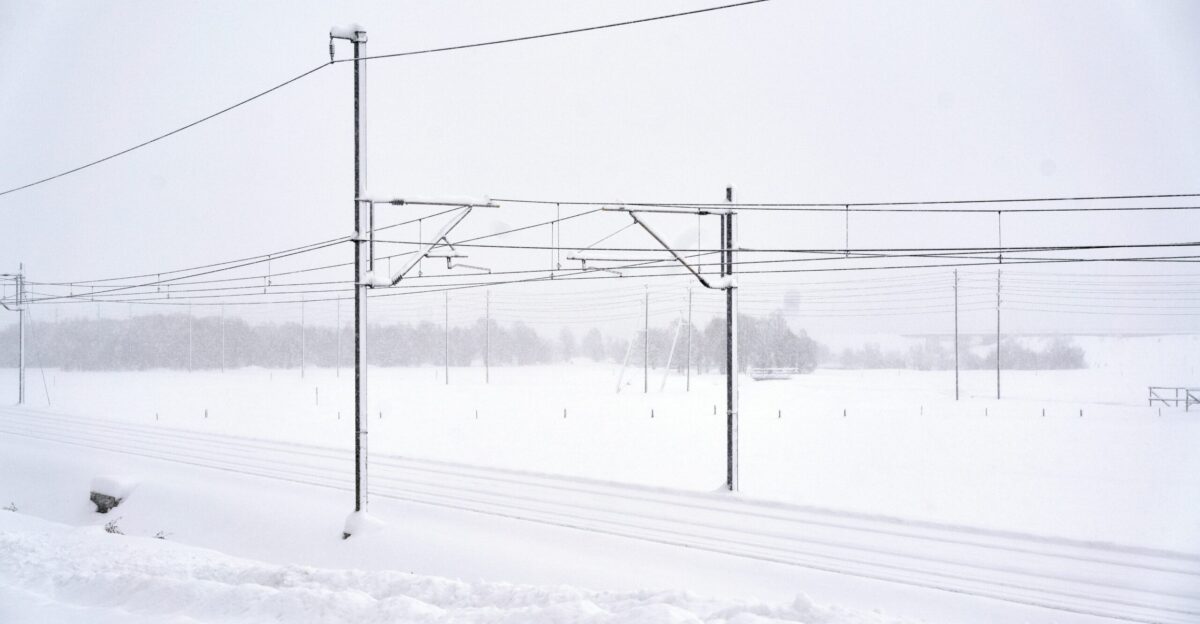
The Arctic blast exposed vulnerabilities in infrastructure systems not designed for such extreme weather events. Utilities and government agencies are examining how to strengthen power grids, water systems, and emergency response capabilities for future events.
Urban planners are reconsidering building codes and city design to better withstand extreme weather. Investment in resilience infrastructure could prevent similar disruptions and protect communities during future extreme cold events.
Adapting to Unpredictable Weather
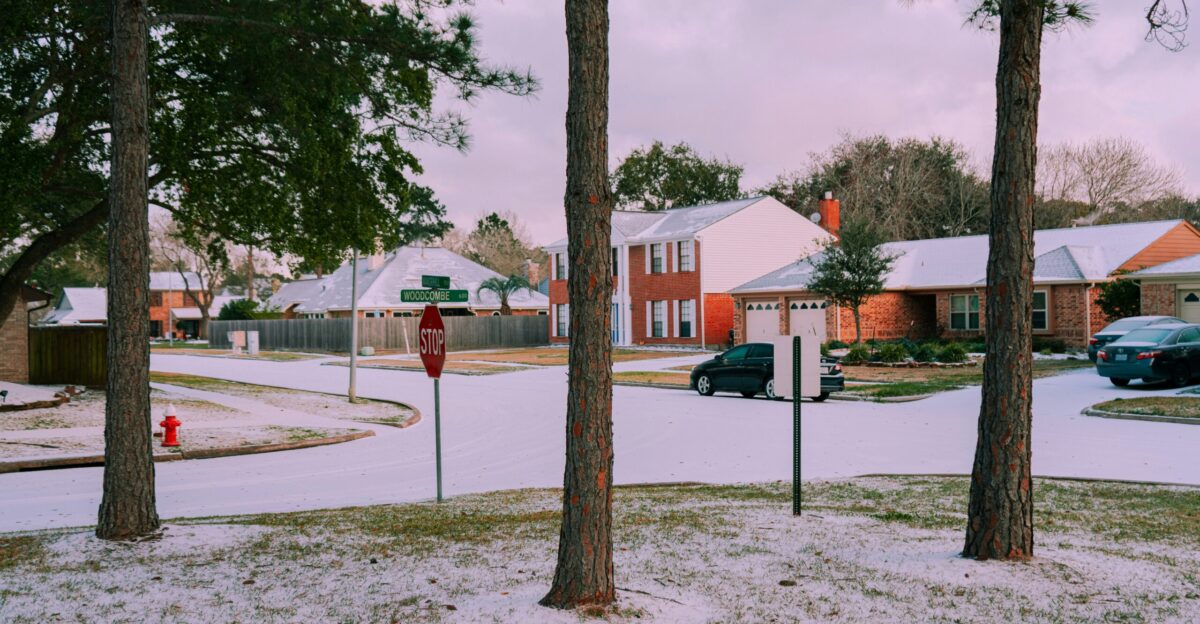
The November 2025 Arctic blast demonstrates how extreme weather events can disrupt industries, communities, and daily life. Experts emphasize the need for resilience and adaptation in the face of unpredictable climate changes.
This event serves as a reminder that extreme weather could become the “new normal.” As weather patterns continue to shift, it’s clear that communities and industries must be prepared for the unexpected.