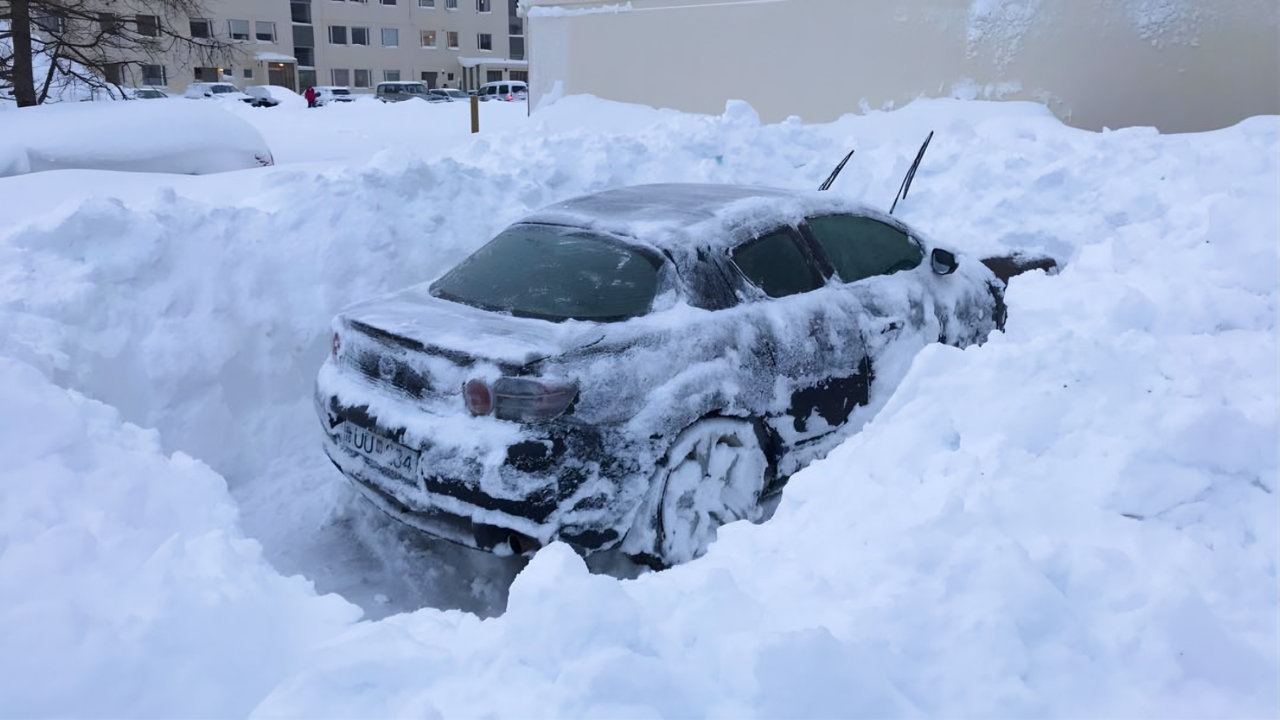
Snowflakes swirl violently in the air as the wind howls, reaching speeds of 70 mph across the Wyoming-Montana border. The storm hits with full force—24 inches of snow already blankets the Absaroka and Beartooth Mountains, and travel has become treacherous.
As drivers struggle to navigate, the National Weather Service (NWS) issues urgent warnings across 9 states, urging everyone to stay off the roads. This is just the beginning of what will become a multi-state crisis. What will happen next as the storm expands its grip?
Why This Arctic Blast Is Different
This year’s Arctic blast is intensified by frigid air surging from the polar vortex. The cold front sweeps from Alaska southward, affecting regions typically not hit by such powerful storms in early December.
With snow and high winds expected over a short period, this storm is an outlier, generating dangerous conditions across multiple states. Expect cold and snow patterns more typical of mid-winter.
Immediate Consumer Impact: Hazardous Travel and Snow Accumulation
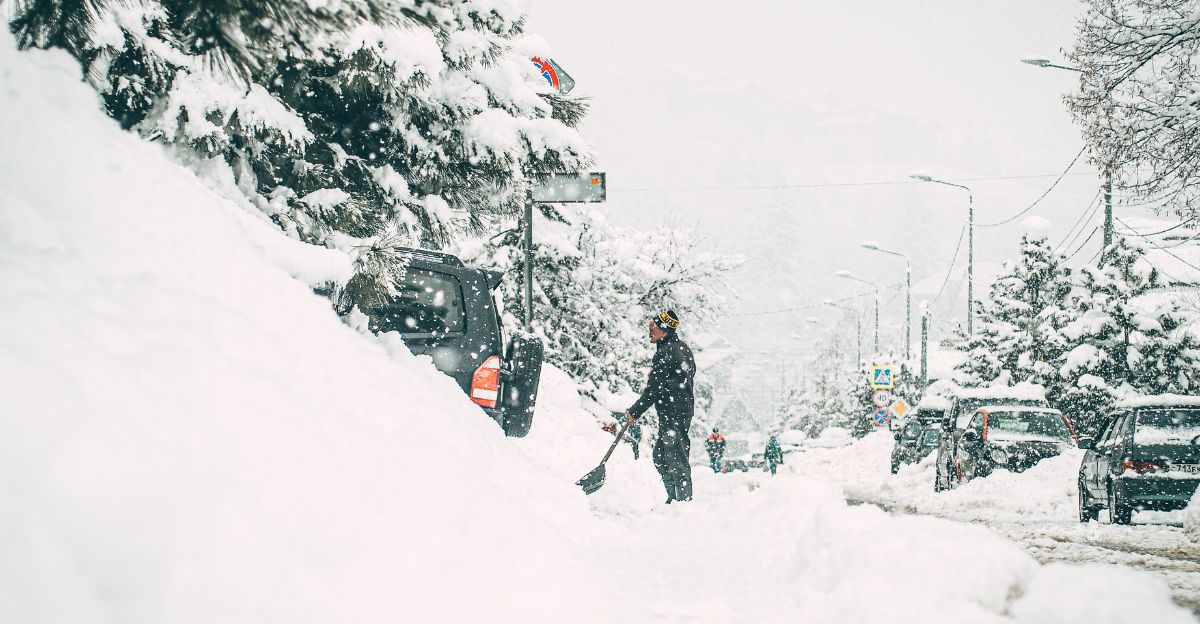
Millions are dealing with hazardous travel as snow accumulates quickly. In Virginia, higher elevations face 2 to 5 inches of snow, while Alaska’s Hyder sees snowfalls of up to 12 inches.
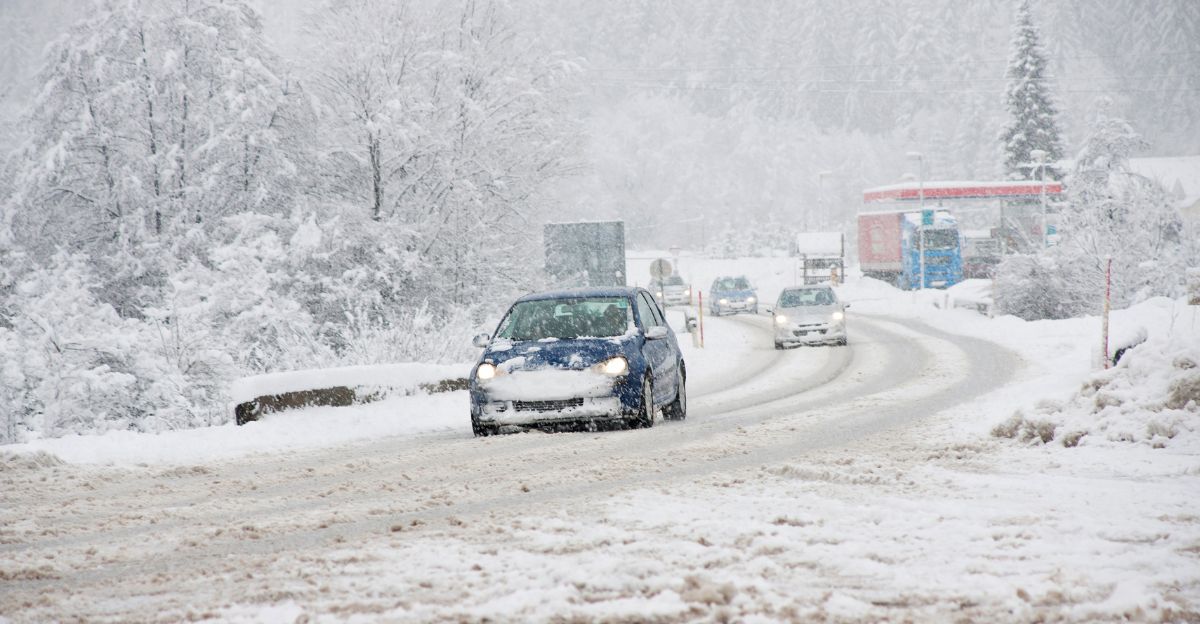
Visibility in affected areas is reduced to one mile or less, complicating travel. Drivers are urged to delay travel as mountain passes and roads become dangerous or impassable. Morning and evening commutes are the most affected.
Business Disruptions: Transportation and Delivery Delays
Business operations, especially in logistics and delivery, are experiencing major disruptions. Airlines are forced to cancel or delay flights, and trucking companies are rerouting or halting shipments.
Retailers in affected states brace for delays in product deliveries, which are expected to hit supply chains hard, particularly in mountain and northern areas where snow and wind are the heaviest.
Surge in Winter Supplies and Heating Demand
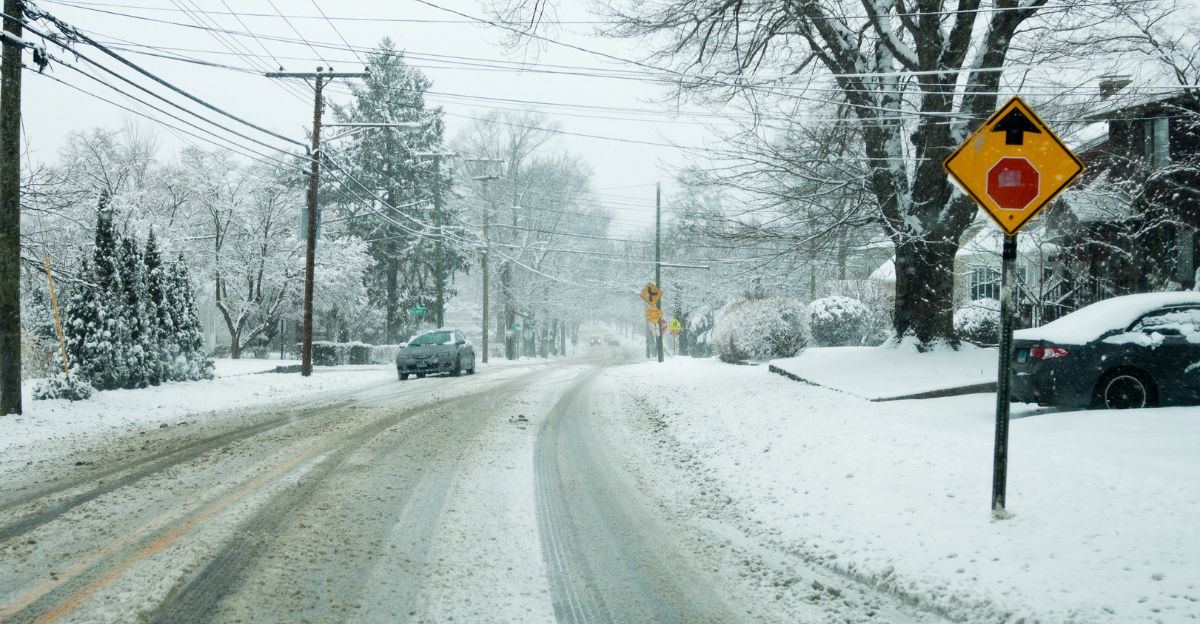
With the storm’s onset, retailers are seeing an immediate surge in demand for winter supplies. Snow removal equipment, winter clothing, and heating fuel are in high demand.
Consumers are stocking up on essentials to prepare for possible power outages. The spike in purchases is driving increased sales in hardware stores and heating sectors, which are crucial during this extended cold snap.
Global Impact: Energy and Commodity Markets React
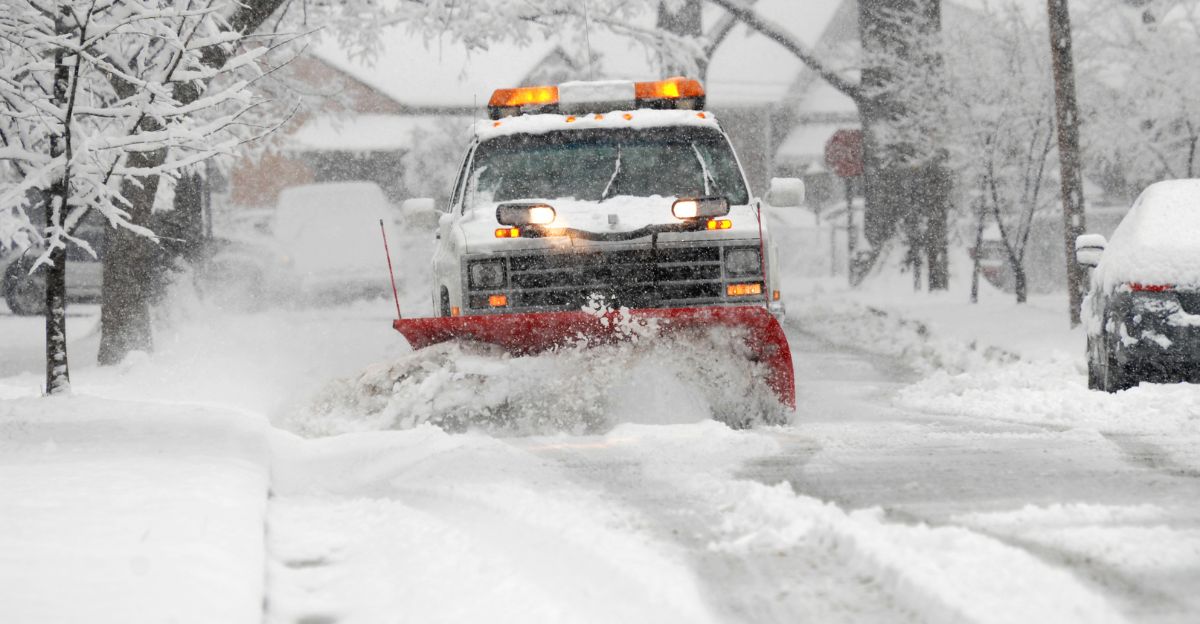
This Arctic blast is affecting global markets, particularly in energy sectors. The U.S. is seeing a sharp rise in demand for heating fuels like natural gas, leading to price increases that have brought prices to near three-year highs.
As utilities scramble to meet demand, these changes are creating ripples in global commodity markets. Disruptions in transportation corridors also affect exports and imports, especially in northern ports impacted by snow and ice.
Mountain Communities Brace for Impact
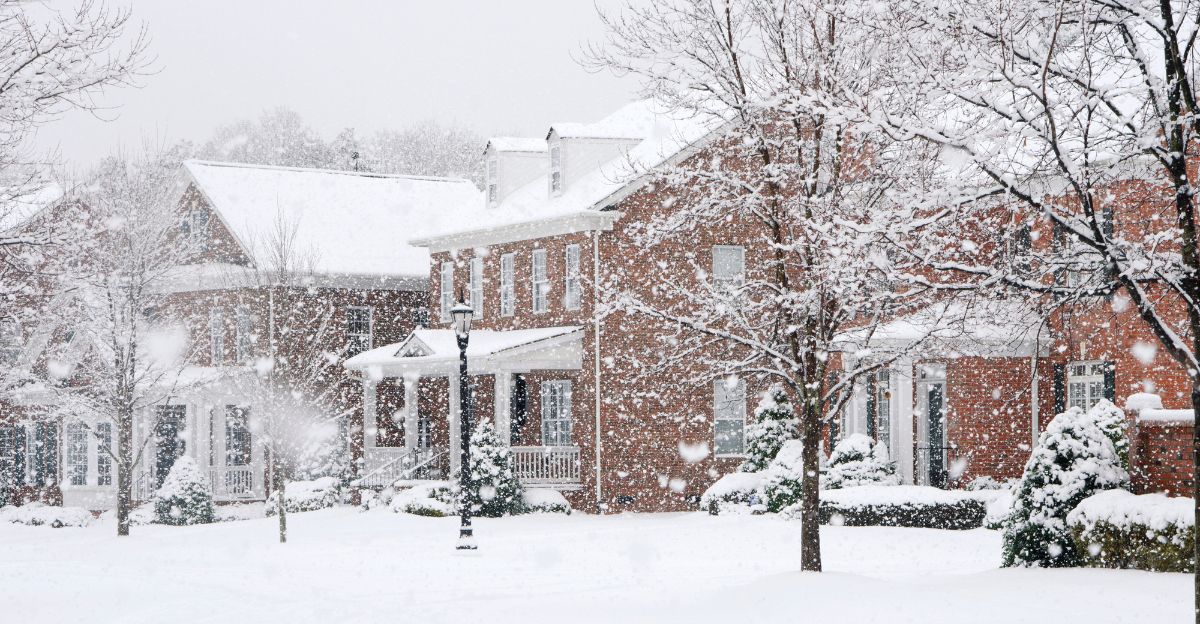
In Wyoming’s mountain regions, residents are facing up to 16 inches of snow and gusts reaching 70 mph. Local authorities are coordinating emergency responses to help residents prepare.
The hazardous conditions are forcing outdoor workers and farmers to adjust their plans, while others brace for power outages that could last for days.
Public Safety and Emergency Response
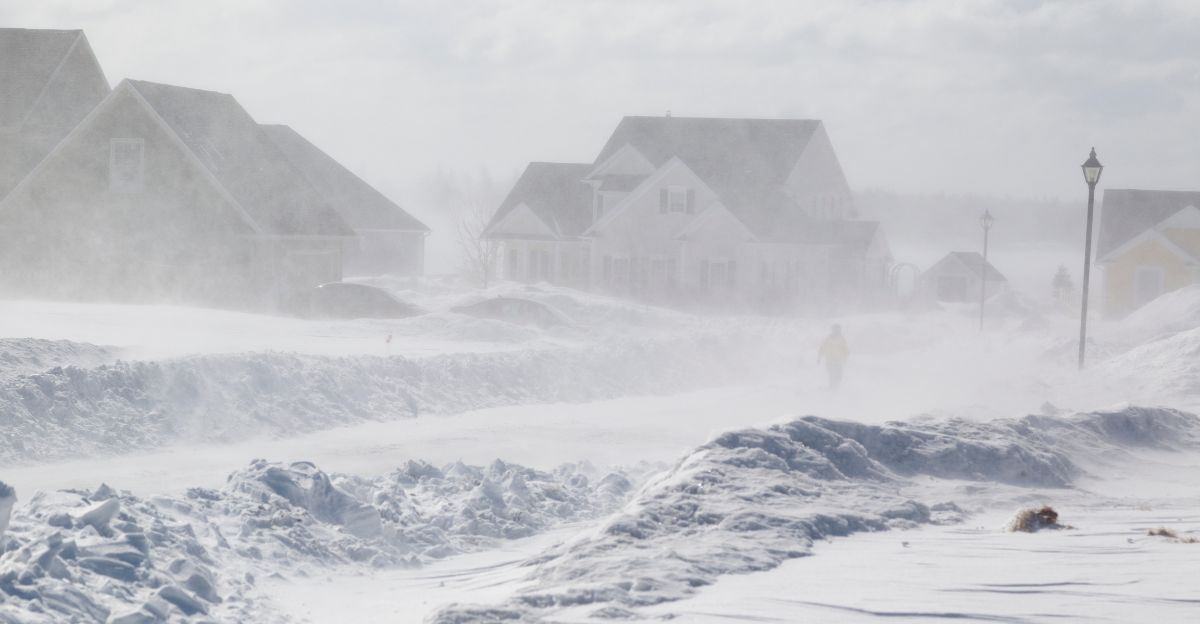
State and federal agencies are actively responding to travel advisories and public safety warnings.
Travel advisories have been issued, and public safety messages are being distributed to warn residents about hazardous conditions and the potential dangers of traveling during the storm.
Economic Ripple Effects: Inflation on Heating and Food Costs
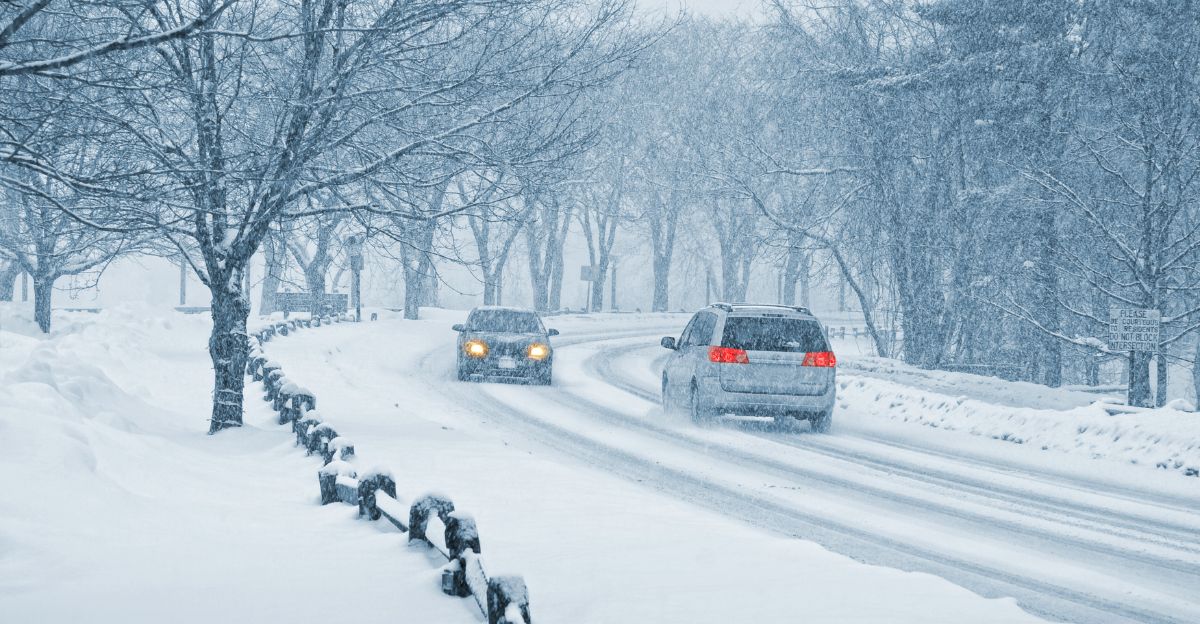
The storm is adding inflationary pressure to heating and food costs. The sharp increase in heating demand has driven up natural gas prices, which, combined with supply chain delays, is causing higher grocery bills.
Economists are concerned that the prolonged cold will exacerbate inflation, particularly in energy and food sectors, as higher demand strains resources and impacts availability.
Retailers and Supply Adjustments
In response to the weather emergency, retailers are increasing inventory of snow removal tools and heating supplies.
Grocery stores are prioritizing the stocking of essential winter items, while some extend their store hours to accommodate early shoppers. Retailers are also adjusting their supply chains to mitigate the impact of the storm’s disruptions.
Hospitality Industry Shifts: Cancellations and Travel Impacts
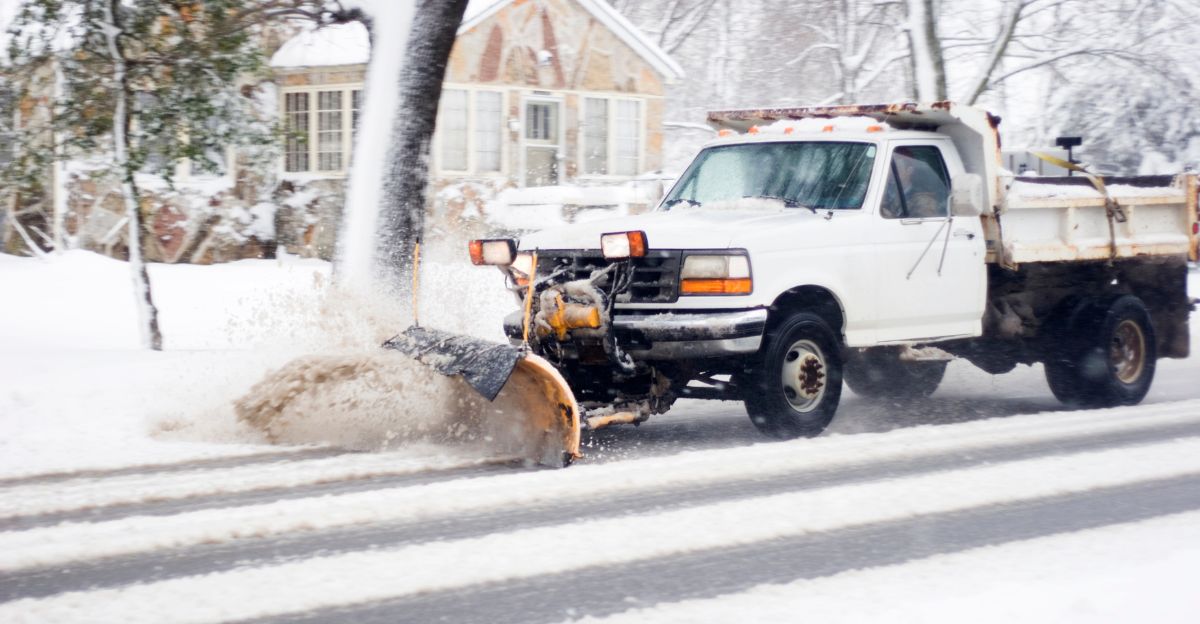
The hospitality industry is dealing with mixed impacts. Cancellations are rife, especially in cities hit by the storm, as travelers postpone trips due to hazardous conditions.
Hospitality operators are implementing flexible booking policies and safety protocols to support customers and ensure their well-being during this challenging time.
Transportation and Supply Chain Disruptions
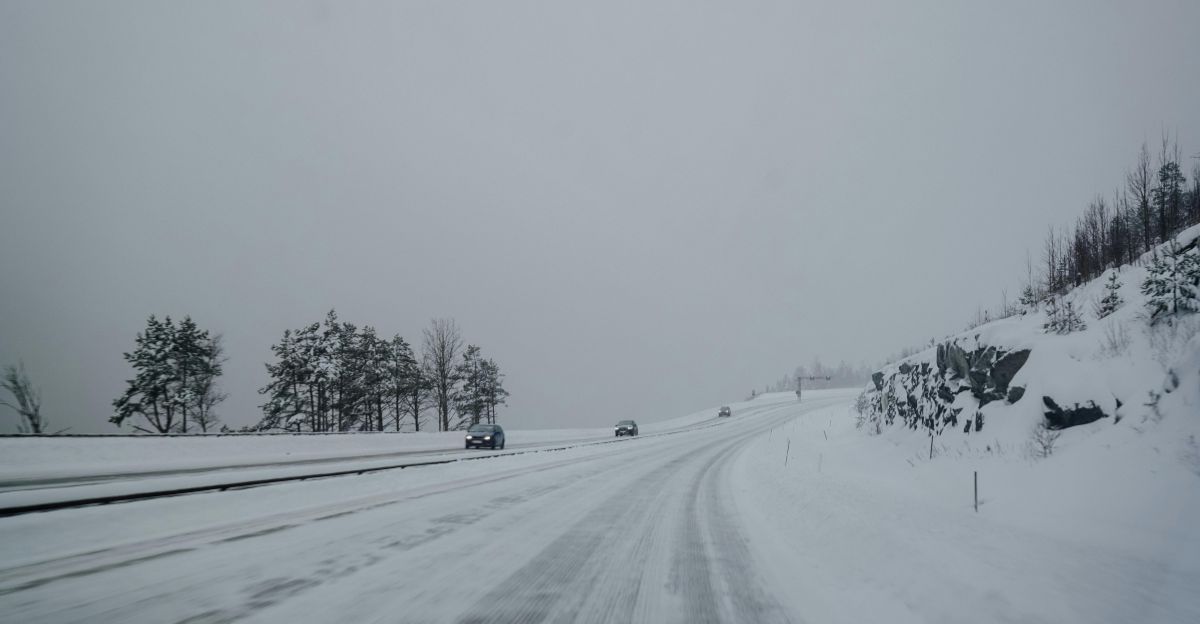
Transportation disruptions are affecting supply chains nationwide. Delays in the delivery of goods are causing bottlenecks in various industries.
These ripple effects are disrupting logistics and impacting businesses that rely on timely supply deliveries to meet customer demand.
Global Supply Chain Delays and Their Reach

International markets are also feeling the impact of this storm. U.S. export delays are having a direct effect on global supply chains, particularly in northern ports.
These delays are forcing international manufacturers and businesses to adjust their timelines, further aggravating disruptions that have been ongoing throughout the year.
Health Risks: Cold Weather Warnings and Preparedness
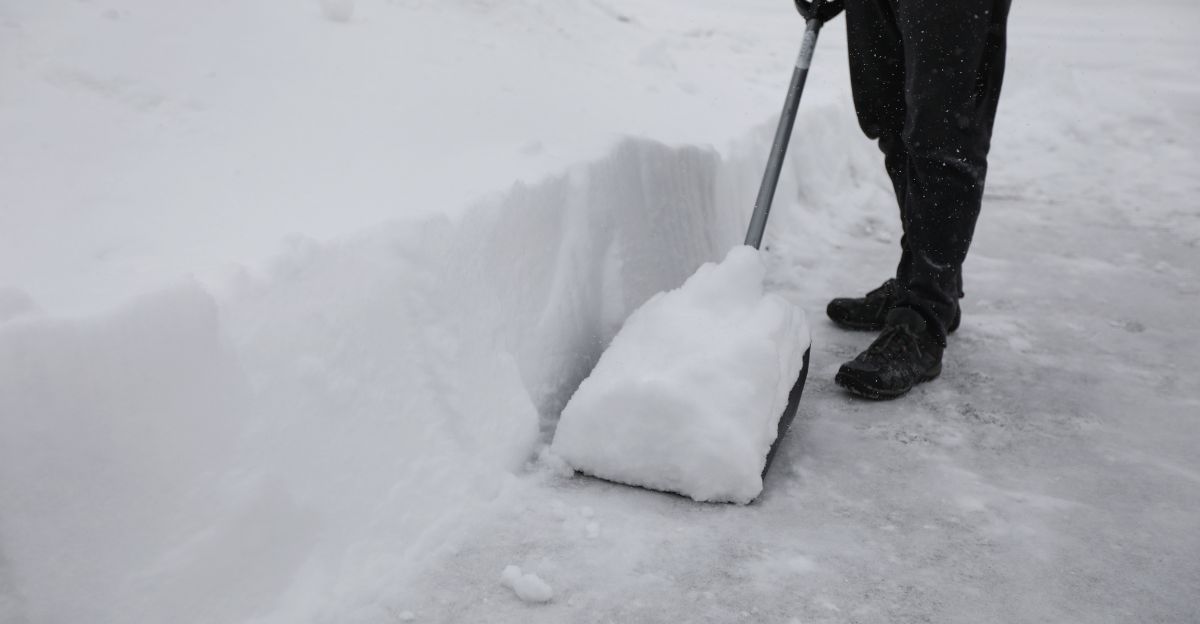
Health officials are raising awareness about the risks of hypothermia and other cold-weather-related injuries. Public health campaigns are urging people to dress warmly, avoid unnecessary travel, and stay inside when possible.
Mental health support services are also preparing for an increase in seasonal stress, particularly in isolated areas where residents may experience longer periods of confinement due to the storm.
Climate Change Discussion: Impact of Extreme Weather
The storm has reignited discussions around climate change and its connection to extreme weather events. Scientists are noting that warming in the Arctic can destabilize the polar vortex, making these intense cold snaps more frequent.
Environmentalists are calling for urgent climate action to mitigate the increasing risks posed by such storms, which are expected to become more common in the future.
Winners and Losers: Energy Providers vs Small Businesses
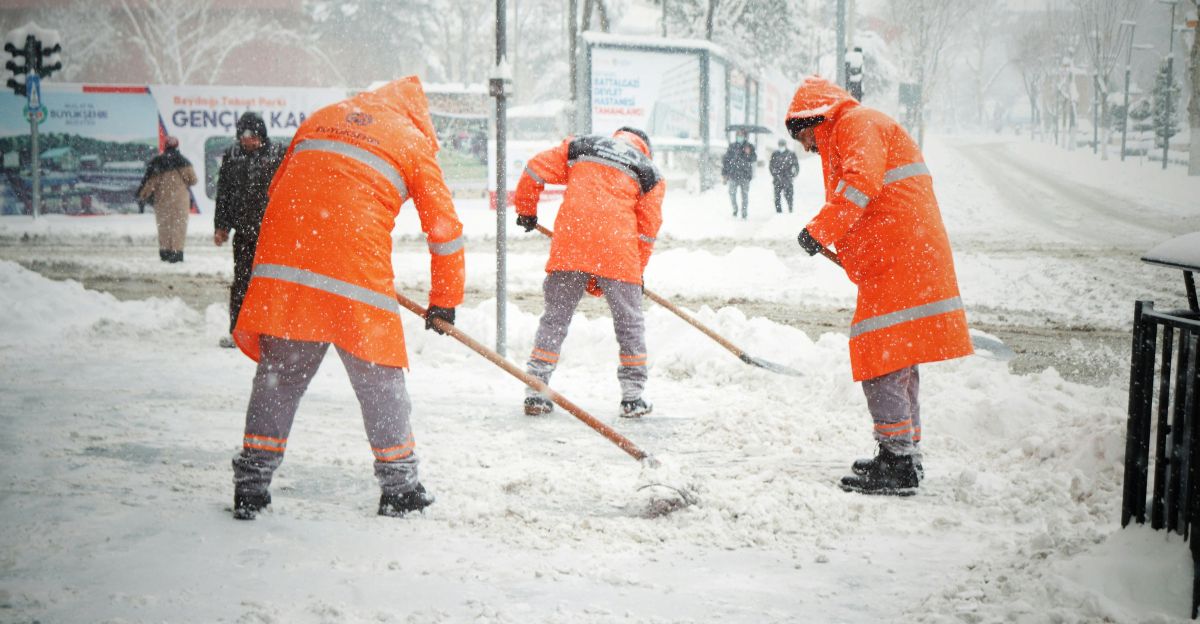
Energy providers are benefiting from increased demand for heating fuels, which is boosting revenues as natural gas prices surge. However, small businesses in the affected regions are struggling with closures and reduced foot traffic, as consumers stay home due to the storm.
Local governments are also feeling the strain, as they allocate more resources to emergency response and recovery efforts.
Financial Market Reactions: Energy Stocks and Natural Gas
Investors are closely monitoring energy stocks, especially natural gas prices, which have risen sharply to near three-year highs in response to the storm.
Financial analysts predict significant volatility in the energy markets, especially in regions that are expected to experience prolonged cold weather.
Consumer Tips: How to Prepare for the Storm
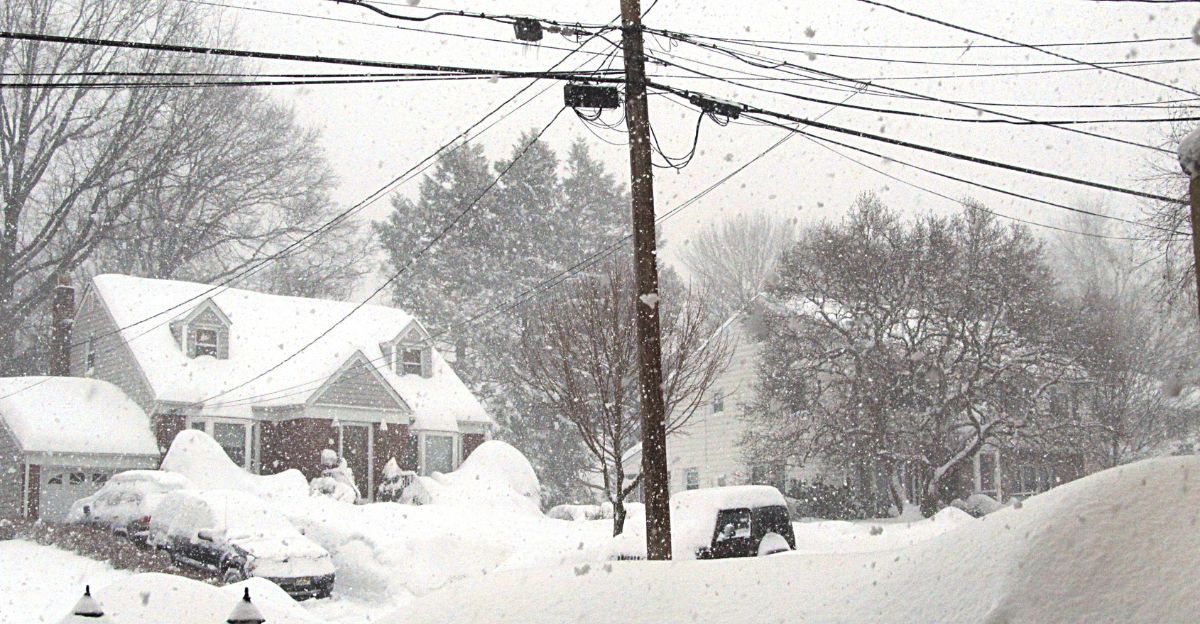
Experts recommend that consumers prepare for the storm by stocking up on emergency supplies, including food, water, and medications.
Drivers should equip their vehicles with winter tires and emergency kits, and residents should keep a close eye on weather updates. Staying informed and following travel advisories will help ensure safety during this hazardous period.
Winter Storms: Monitoring Trends and Future Risks

Meteorologists are forecasting more Arctic air intrusions through December, with the potential for additional storms.
Officials emphasize the importance of preparedness and infrastructure resilience to handle ongoing winter challenges. Public awareness campaigns will continue to educate residents on how to respond to severe weather and protect themselves from its impacts.
The Ripple Effect: The Far-Reaching Consequences of One Storm
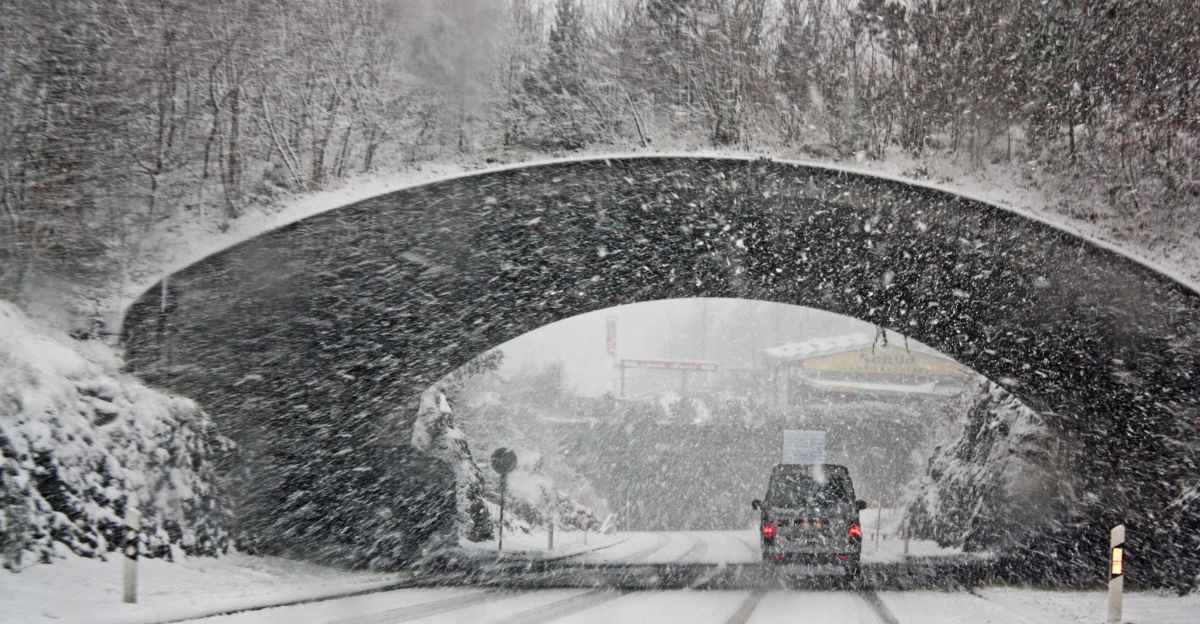
This Arctic blast serves as a reminder of how a single weather event can affect industries, economies, and communities across the nation.
From Alaska to Virginia, the storm’s widespread impact shows how interconnected we are when it comes to climate, commerce, and daily life. The storm highlights the need for greater resilience in the face of extreme weather patterns.
Sources:
National Weather Service Winter Storm Warnings and Advisories (December 2025); NOAA Climate Prediction Center Seasonal Outlook December 2025-February 2026
U.S. Energy Information Administration Short-Term Energy Outlook (December 2025); EIA Natural Gas Pricing Forecasts and Winter Heating Demand Analysis
NOAA National Centers for Environmental Prediction Polar Vortex Analysis and Severe Weather Briefing (December 8-10, 2025)
Colorado Avalanche Information Center Warnings December 5-10, 2025; Federal Aviation Administration Flight Disruption Records and Winter Storm Impact Reports