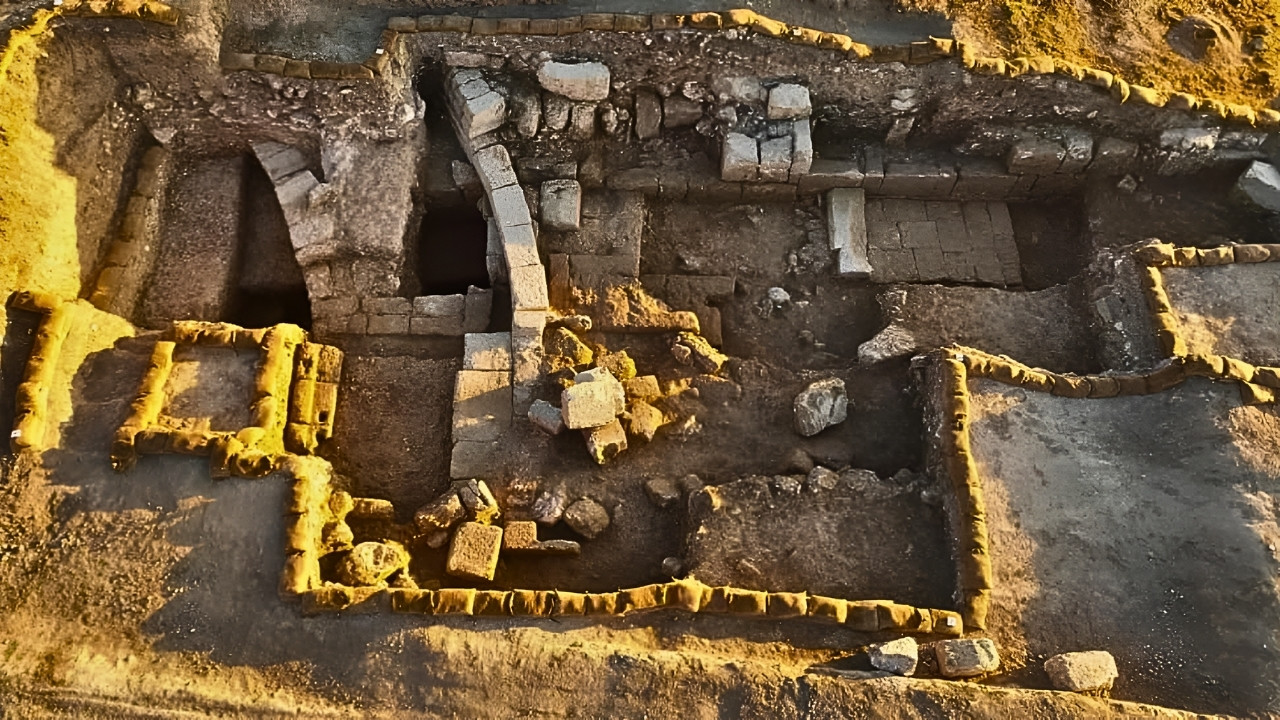
At 7,000 feet above the Swiss Alps, a team of archaeologists has uncovered a Roman military camp, expanding our understanding of the boundaries of the ancient empire and Roman engineering. Announced in late August 2024, this high-altitude fortress—hidden for centuries beneath snow and stone—offers a rare glimpse into how Rome projected power into some of Europe’s most forbidding terrain.
A New Chapter in Alpine Archaeology
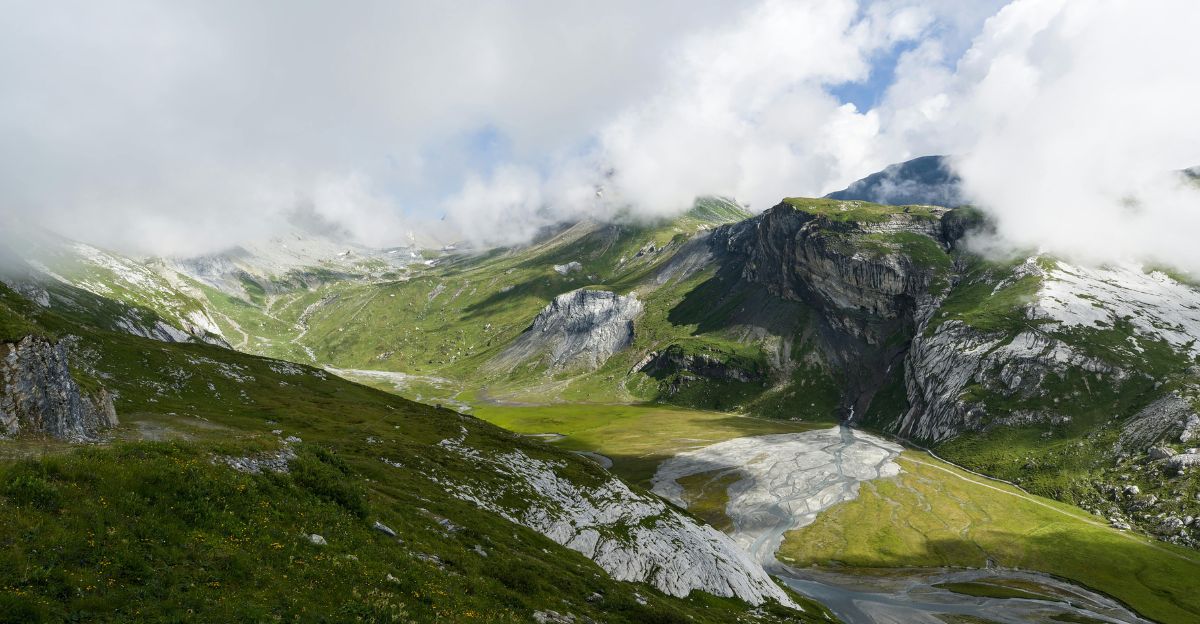
For generations, historians assumed that Roman military outposts rarely ventured far above the valleys and foothills. The discovery of this camp, perched above the ski slopes of Graubünden, Switzerland, challenges that belief. Evidence now shows that Roman forces not only traversed the Alps but established fortified positions at extreme elevations, where the air is thin and the environment harsh.
The region of Graubünden has long been recognized as a strategic crossroads. Roman legions first entered the area around 15 BCE, seeking to control vital Alpine passes and secure trade routes. While previous finds hinted at Roman activity in the region, this newly revealed camp demonstrates the full extent of their ambitions—and their willingness to endure the elements to maintain control.
Discovery and Investigation
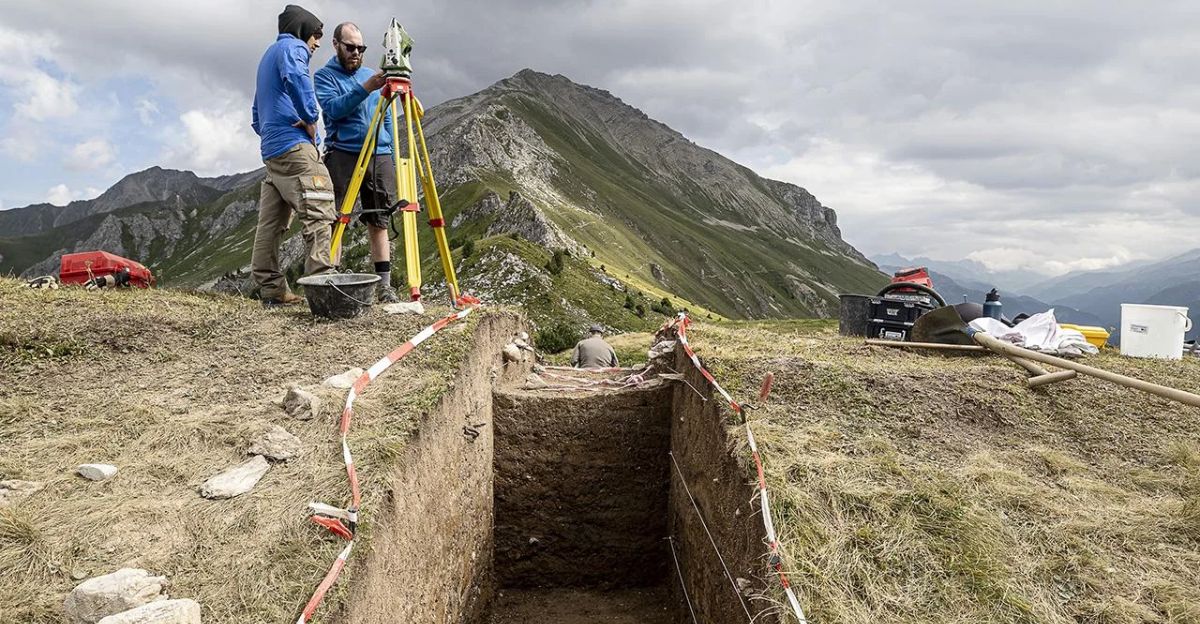
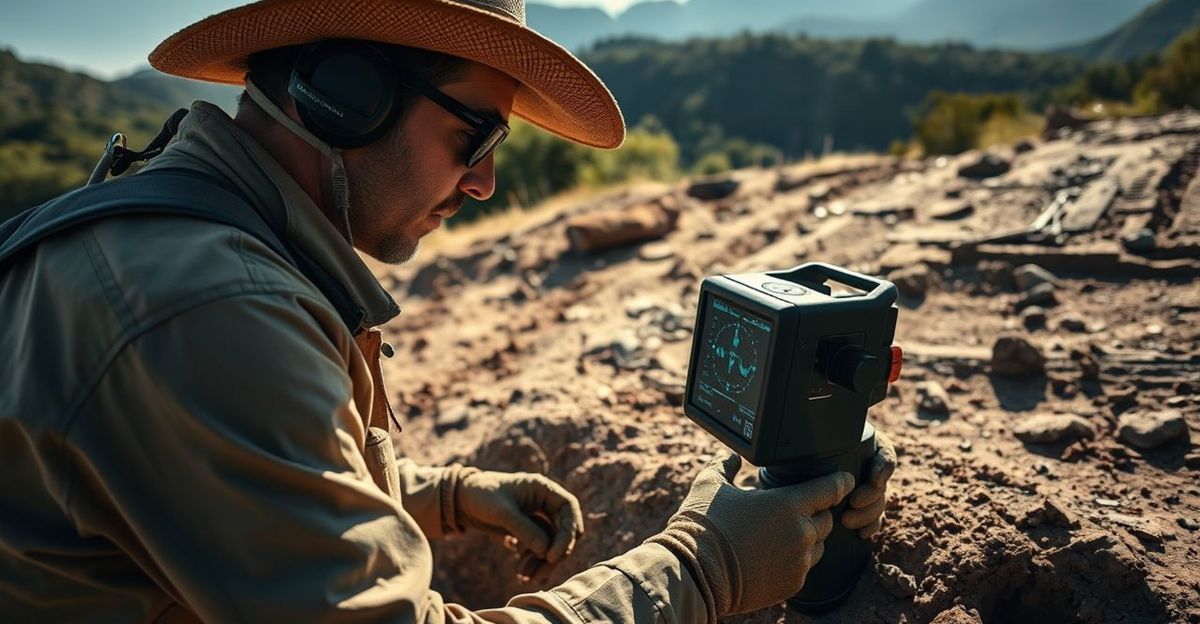
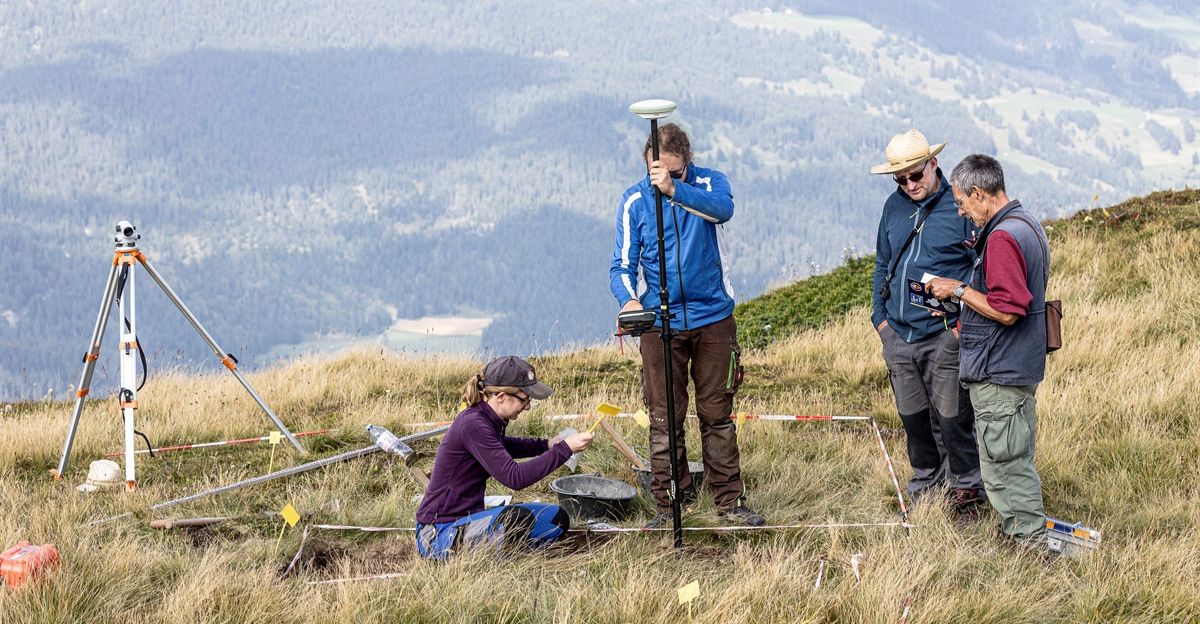
The breakthrough came in the fall of 2023, when a volunteer collaborating with the University of Basel noticed unusual terrain features while hiking. This observation led to a systematic investigation, involving LiDAR technology and on-site excavation, which revealed defensive ditches, stone walls, and a trove of Roman artifacts. Among the finds were boot nails and lead sling bullets stamped with the insignia of the Roman 3rd Legion—direct evidence of a military presence nearly two thousand years ago.
Researchers used digital terrain models and excavation to map the camp’s layout. The site’s strategic position, overlooking four key valleys and the Lenzerheide mountain pass, would have allowed Roman soldiers to monitor trade routes and potential threats across a vast swath of the upper Rhine region.
Engineering and Endurance
Archaeologists believe the camp was a fully fortified installation, complete with three defensive ditches and robust stone ramparts. Surviving in such an environment would have required extraordinary resilience. The soldiers stationed here faced extreme cold, isolation, and logistical challenges, underscoring the adaptability and determination of the Roman military.
The discovery has impressed historians with the sophistication of Roman engineering at altitude. The camp’s design reflects a deep understanding of both the tactical advantages and the environmental hazards of mountain warfare.
Implications and Future Prospects
The high-altitude camp is part of a broader pattern of discoveries that are reshaping the narrative of Roman Switzerland. Rather than viewing the Alps as an impassable barrier, new evidence suggests the Romans saw them as a frontier to be mastered. The presence of the 3rd Legion’s insignia at this elevation marks the first direct link between Rome’s elite forces and Alpine outposts.
The find has galvanized the archaeological community. Teams from Swiss and international institutions are now collaborating—and sometimes competing—to study the site and its artifacts. The surge in interest has also inspired local volunteers and community groups to participate in further exploration and preservation efforts.
While climate change is impacting Alpine archaeology by exposing some sites through glacier melt, the discovery of this particular Roman camp resulted from terrain analysis and technological investigation, not directly from ice retreat. Experts anticipate that further research and future discoveries will continue to deepen our understanding of ancient military strategy and the extent of Roman influence in the Alps.
The discovery of the 7,000-foot Roman camp stands as a testament to human ingenuity and ambition. It challenges long-held assumptions about the limits of empire and the possibilities of ancient engineering. As researchers continue to probe the mountains for further evidence, the story of Rome’s reach—and the enduring mysteries of the Alps—remains far from complete.