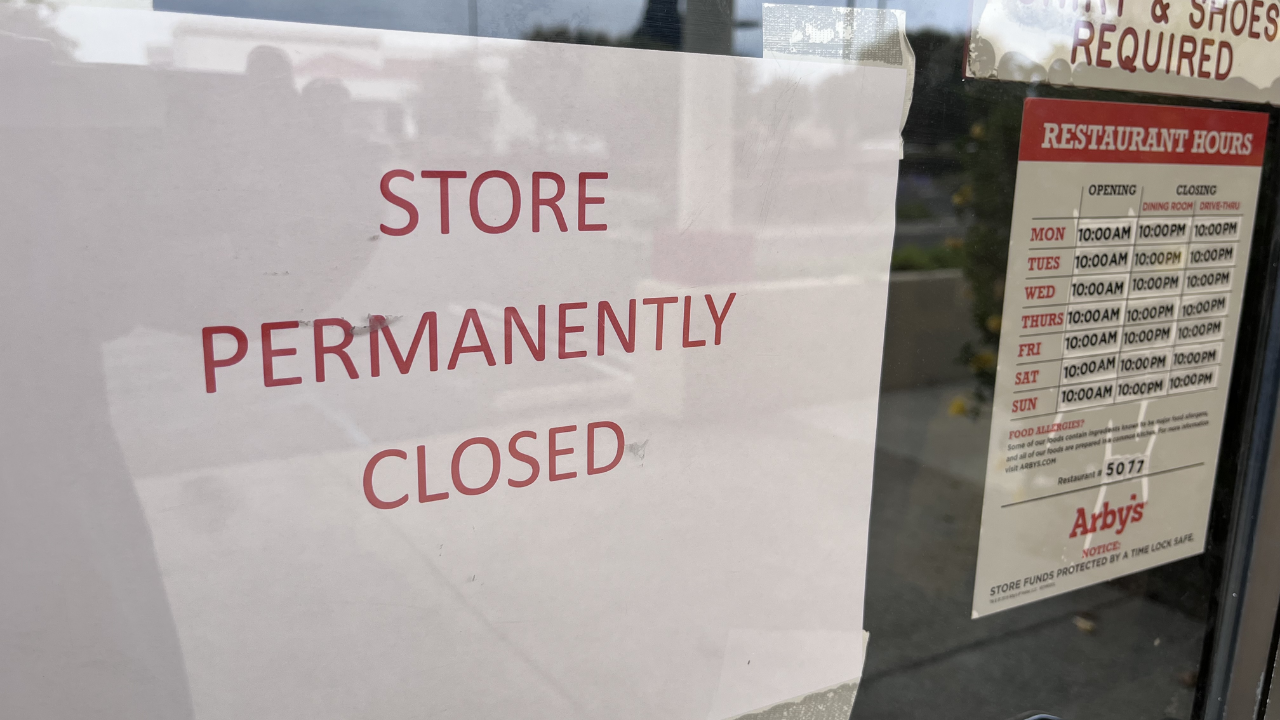
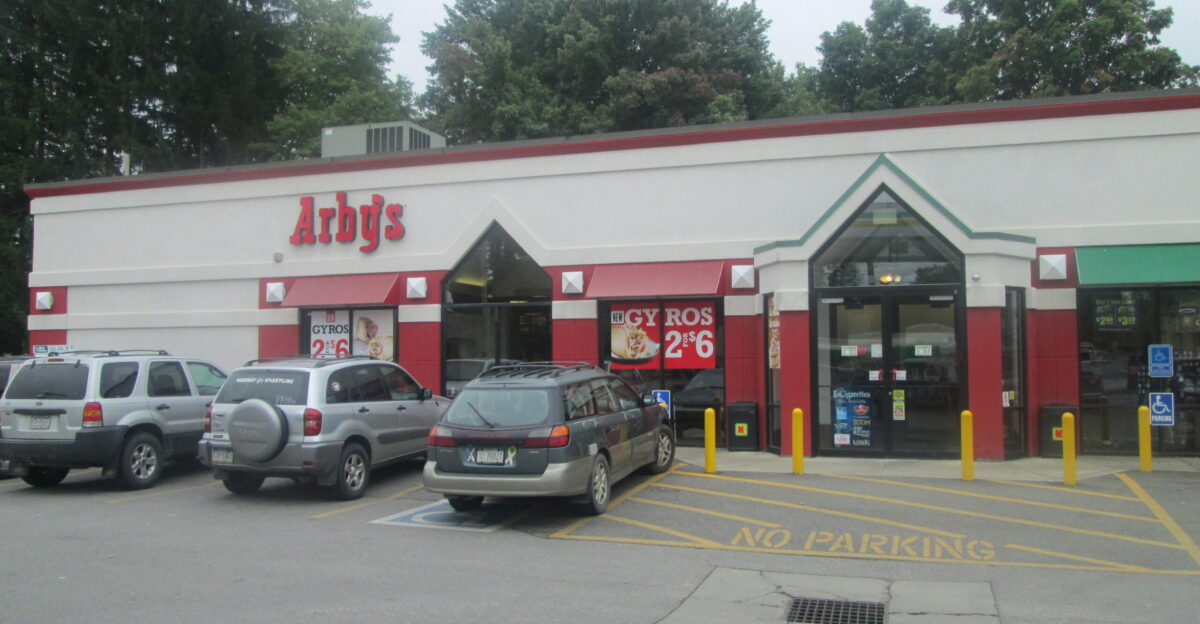
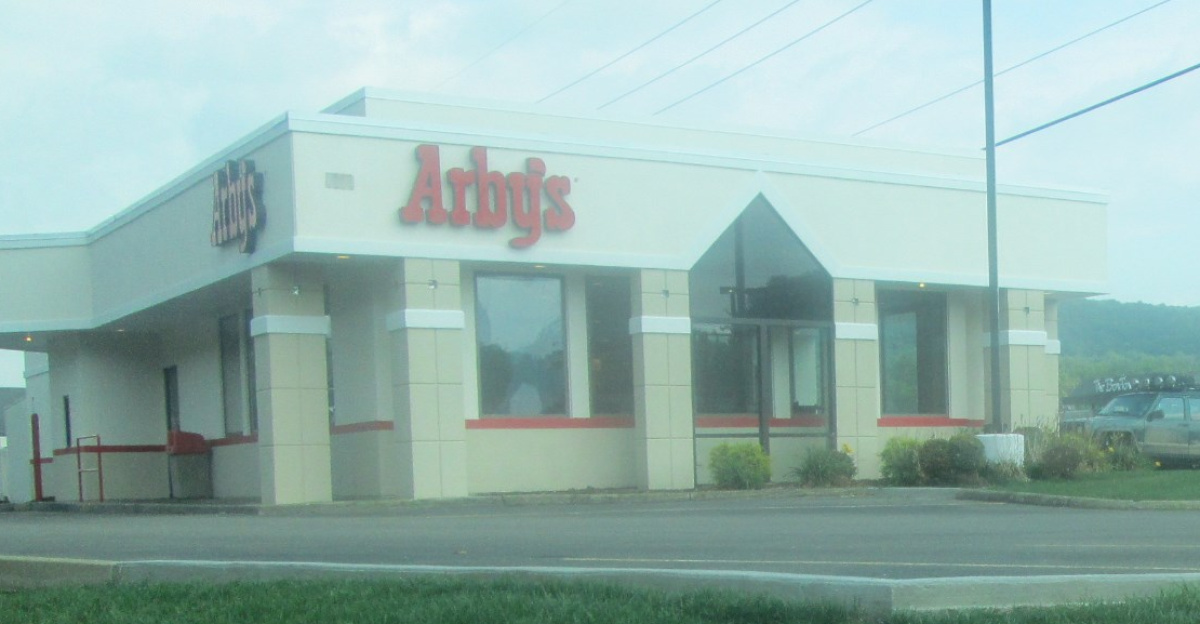
In an unprecedented move, Arby’s quietly closed 62 locations across eight states in 2024 and 2025—48 in 2024 and 14 in 2025—with the chain’s steepest decline in recent history shocking employees, franchisees, and customers alike. This represents the most aggressive closure wave since Arby’s financial turnaround in 2011, when new ownership began systematically consolidating underperforming locations. The closures, impacting approximately 1,400 jobs based on industry staffing standards, reflect a mounting crisis inside Inspire Brands’ sprawling empire.
No public explanation or turnaround plan has been provided, leaving workers and franchisees scrambling for answers. The future of this once-stable fast-food giant is uncertain, and the silence surrounding these closures only heightens the uncertainty.
A Perfect Storm
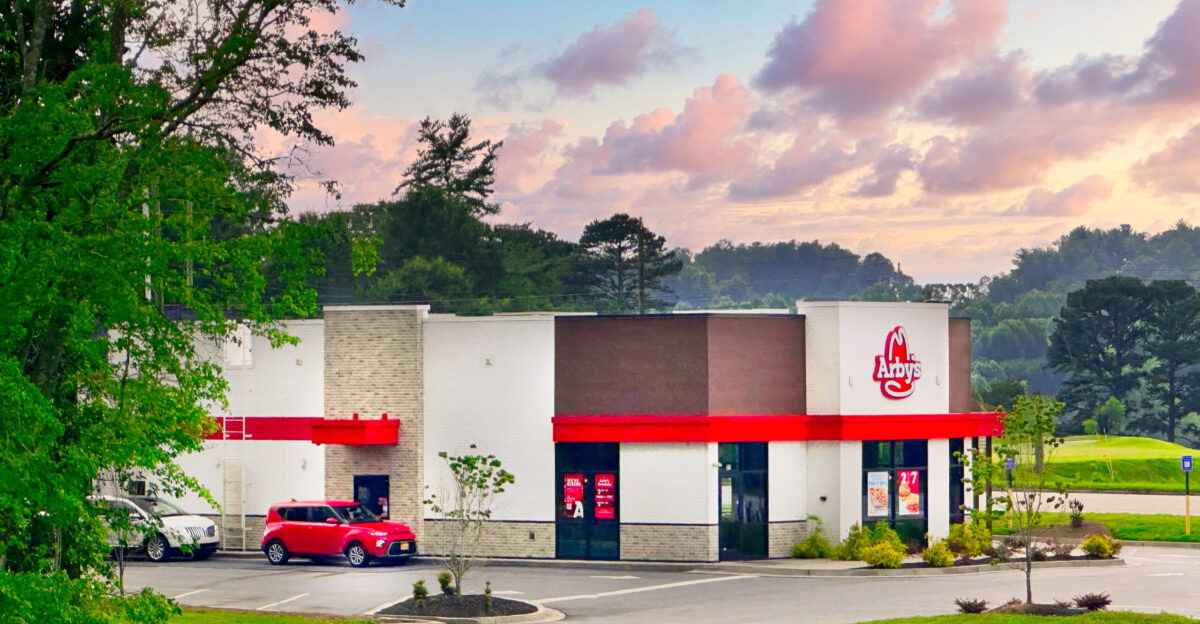
In 2024, Arby’s faced a 6.3% sales decline, outpaced by rivals like McDonald’s and Wendy’s. Rising labor costs, inflationary pressures on food prices, and a post-pandemic dip in consumer spending created a perfect storm. With Inspire Brands prioritizing more profitable chains like Dunkin’ and Buffalo Wild Wings, Arby’s was left to absorb losses on its own.
This left the third-largest fast-food sandwich chain in America vulnerable to market forces that were already too much to overcome.
Convenience Locations Lost
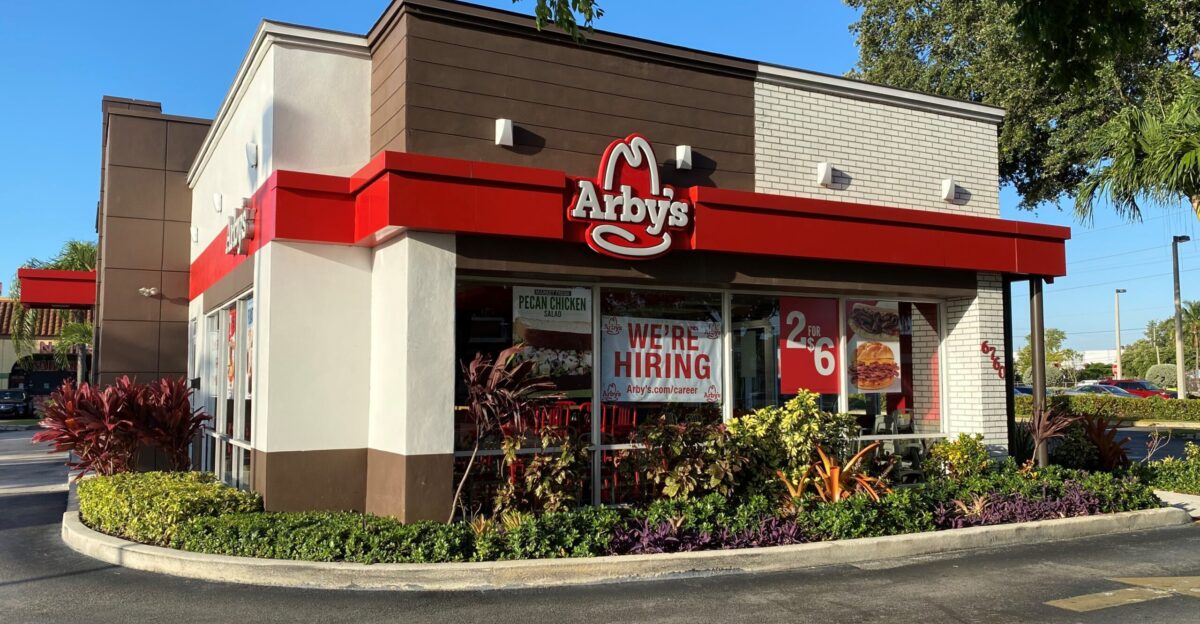
The closure of Arby’s locations across Tennessee, California, Florida, and five other states has left customers with fewer options. For many, the familiar drive-thru for a quick roast beef sandwich is no longer an option. Neighborhoods that once relied on Arby’s for fast, affordable meals are now forced to turn to competitors like Subway, Panera, and local chains.
As these locations vanish, the local dining landscape changes, pushing consumers toward alternatives with a potentially higher cost or less convenience.
Inspire Brands’ Struggling Portfolio
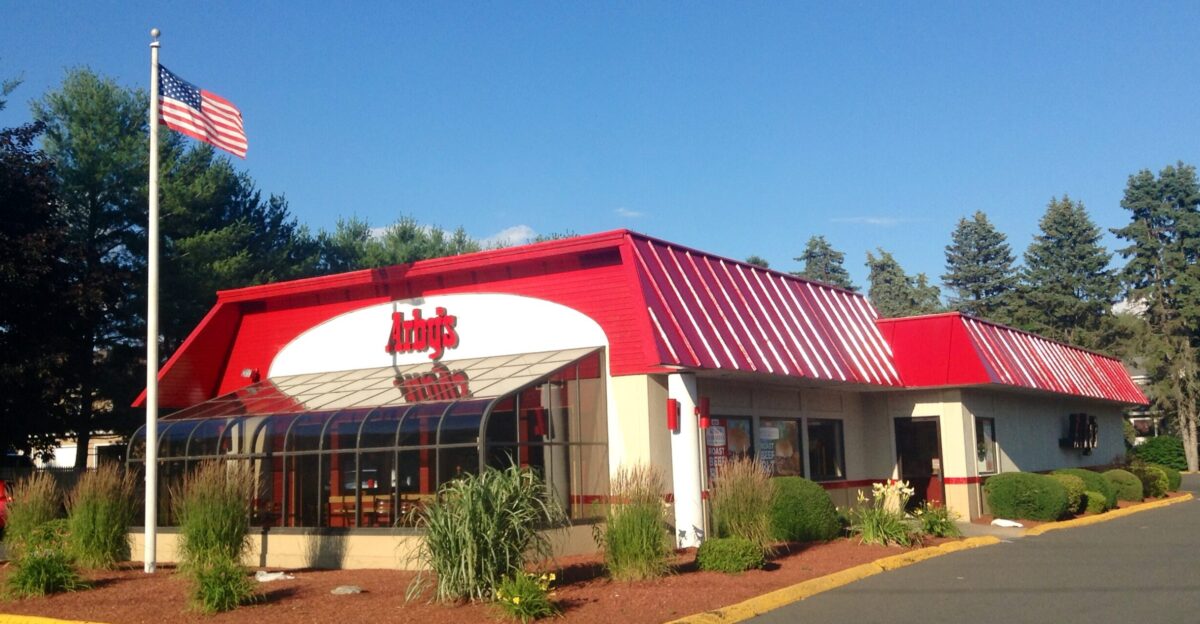
Inspire Brands, owner of Arby’s, Sonic Drive-In, and other chains, has faced a turbulent year. While Dunkin’ showed strong growth, other brands like Arby’s and Sonic struggled. Arby’s represented 48 of Inspire’s system-wide closures in 2024. The closures marked a 1.4% drop in Arby’s total restaurant count, suggesting Inspire’s aggressive acquisition strategy may have overextended the company’s operational capacity.
The rapid contraction is forcing Inspire to reconsider its expansion model and operational priorities moving forward.
Competitors Surge While Arby’s Struggles
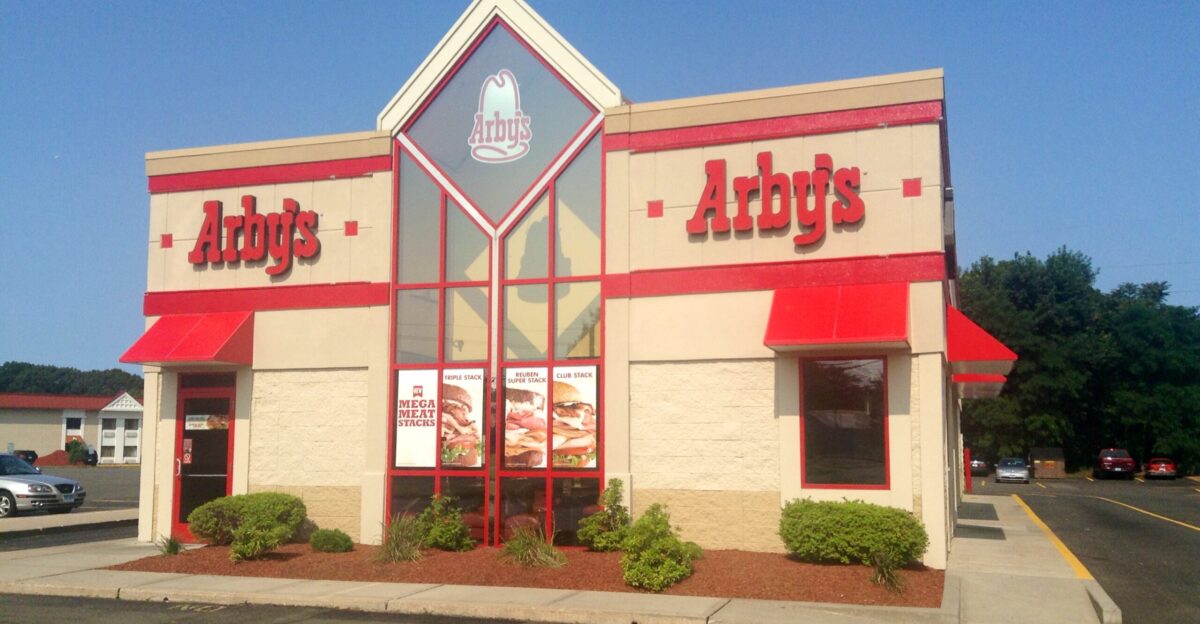
Arby’s is falling behind as competitors in the sandwich segment, including Jersey Mike’s and Charleys Cheesesteaks, post double-digit sales growth in 2024. Subway and Panera, posting 3.8% and 5.1% declines respectively, continue to dominate with larger networks. Meanwhile, Arby’s 6.3% drop in sales and the closure of dozens of locations mean market share is increasingly being absorbed by better-capitalized, faster-growing competitors.
These shifts in consumer preference are placing greater pressure on Arby’s to reassess its position in a highly competitive segment.
Beef Demand Suffers
Arby’s closures will likely reduce the demand for roast beef, impacting regional suppliers who have depended on the chain for consistent orders. While the scale of the impact is small compared to Arby’s total supplier network, localized disruptions in specific markets could affect smaller distributors.
The closure wave could create bottlenecks in supply chains, especially for local vendors that provided ingredients to multiple Arby’s locations.
1,400 Jobs Lost
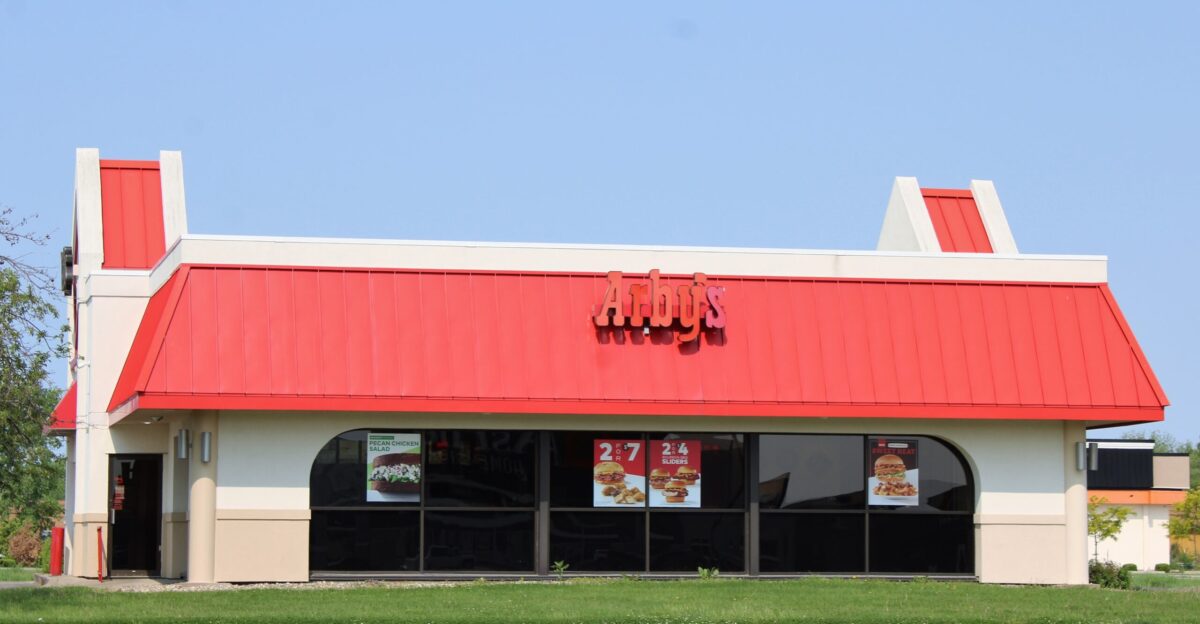
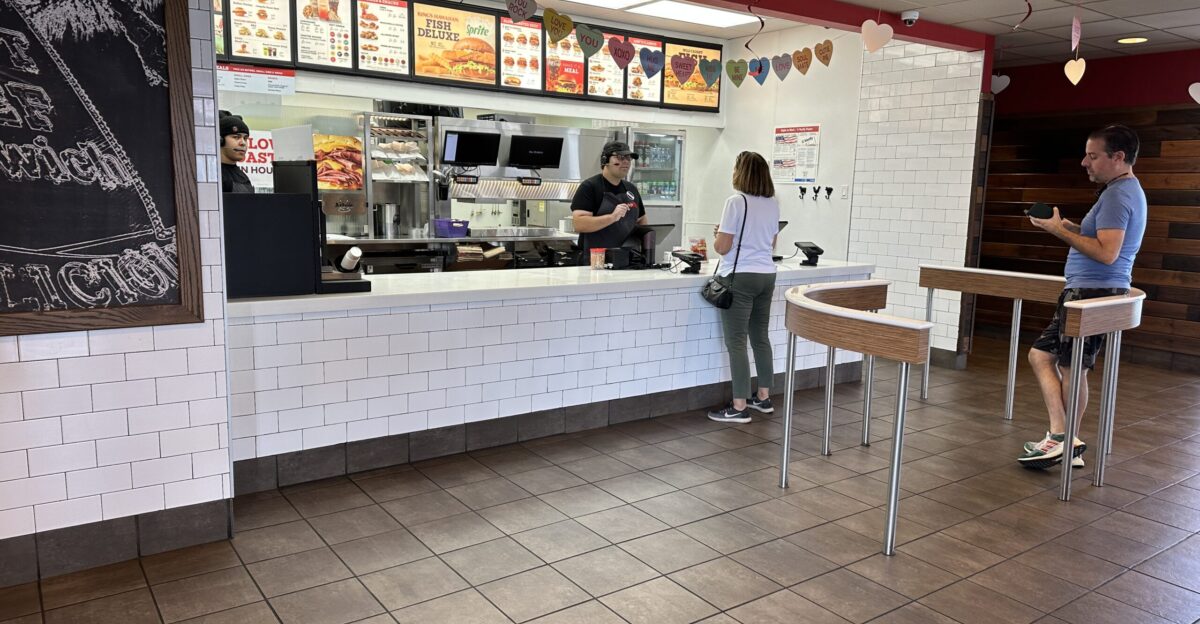
Approximately 1,400 Arby’s workers were displaced by these closures based on industry-standard staffing levels of 20-25 employees per location, facing sudden job loss without severance or retraining support. Many of these workers—employed in rural or suburban areas where Arby’s was often a primary employer—are now left scrambling for new opportunities. The absence of clear communication from the company about layoffs and benefits has compounded the emotional toll on employees.
For many workers, this abrupt change means not only the loss of a job but also the uncertainty of what comes next.
Franchisees Suffer Financial Setbacks
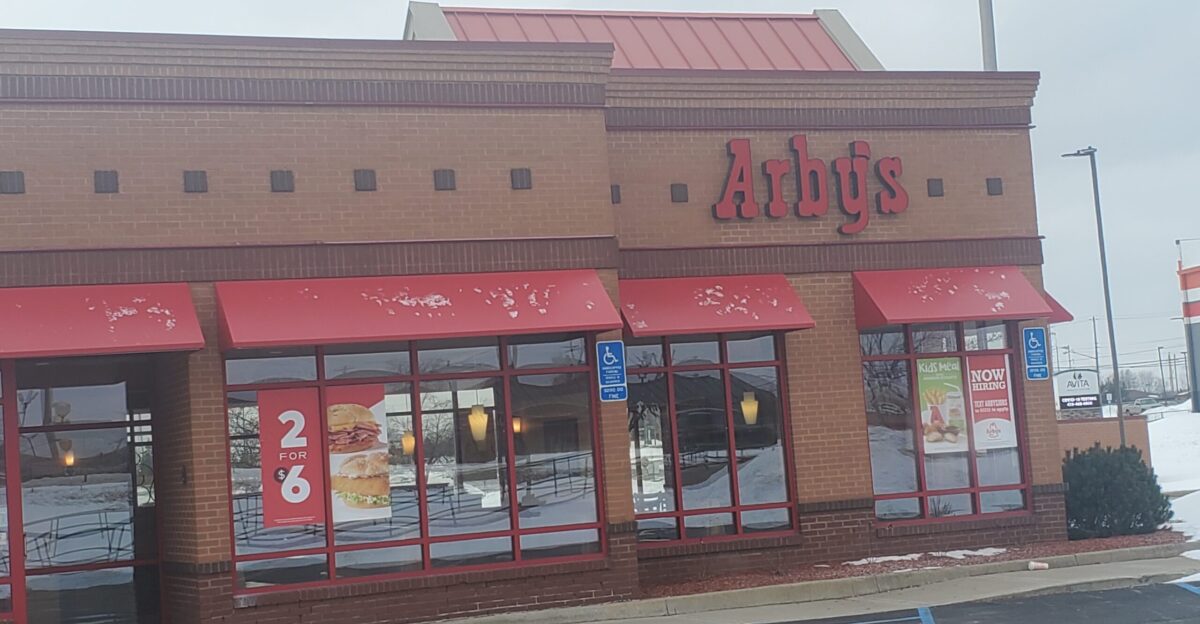
Franchisees operating the closed Arby’s locations are facing severe financial setbacks. With no corporate safety nets, many franchisees now bear the brunt of lease obligations and equipment investments made before the closures. The sudden shutdown of stores leaves operators with no recourse to recover losses.
This wave of closures could deter future investments in Arby’s franchises, undermining Inspire Brands’ growth strategy.
State Labor Departments Eye Closures
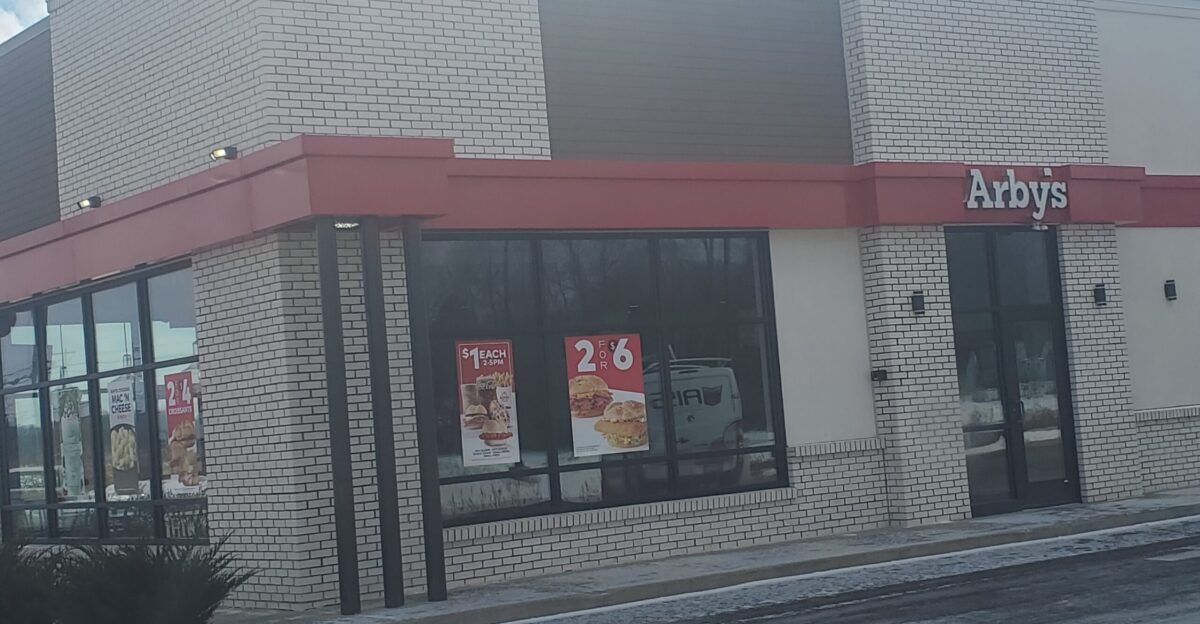
State labor departments in affected regions, including Delaware, Maryland, and New Jersey, may review Arby’s compliance with the WARN Act, which mandates 60 days’ advance notification of mass layoffs 50+ employees. Regulatory scrutiny could compel Inspire Brands to disclose closure timelines and worker protections.
This review might set a precedent for how future fast-food closures are handled across the industry, pressuring companies to adopt more transparent practices.
Fast-Food Affordability Crisis Deepens
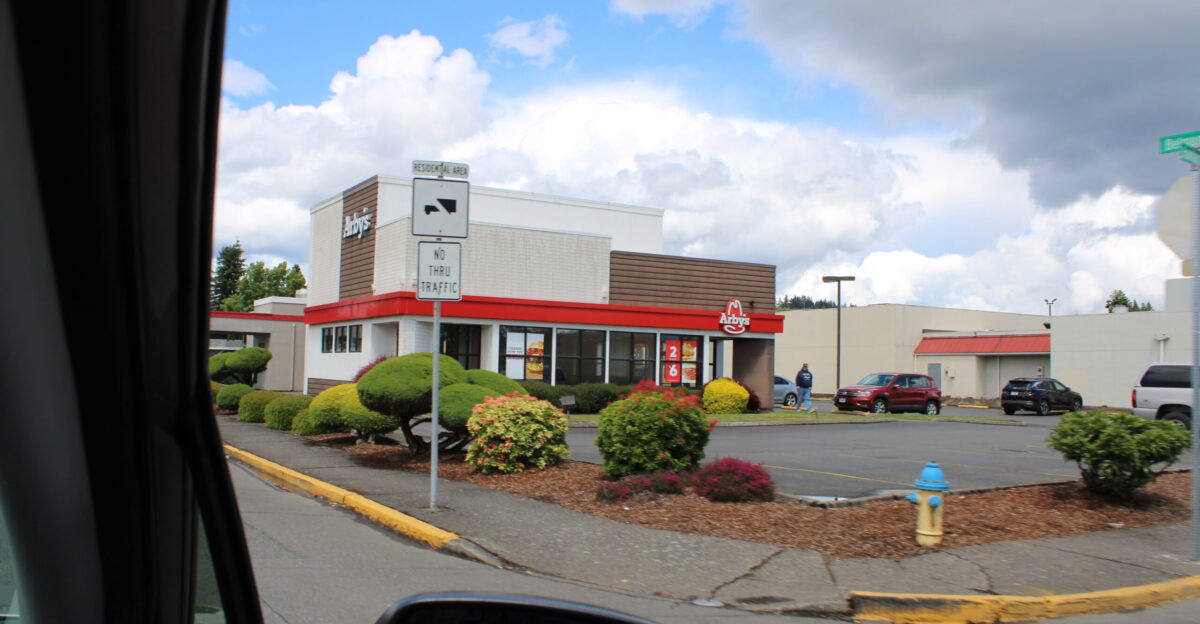
As Arby’s shutters stores, the broader fast-food affordability crisis deepens. Menu prices at Arby’s have risen 55% from 2014 to 2024, while other major chains posted similar increases. Arby’s is now withdrawing from certain markets, leaving lower-income consumers with fewer affordable options.
This move intensifies the national debate over corporate pricing power and wage floors, as fast food becomes less accessible to many consumers.
Vacancies Rise
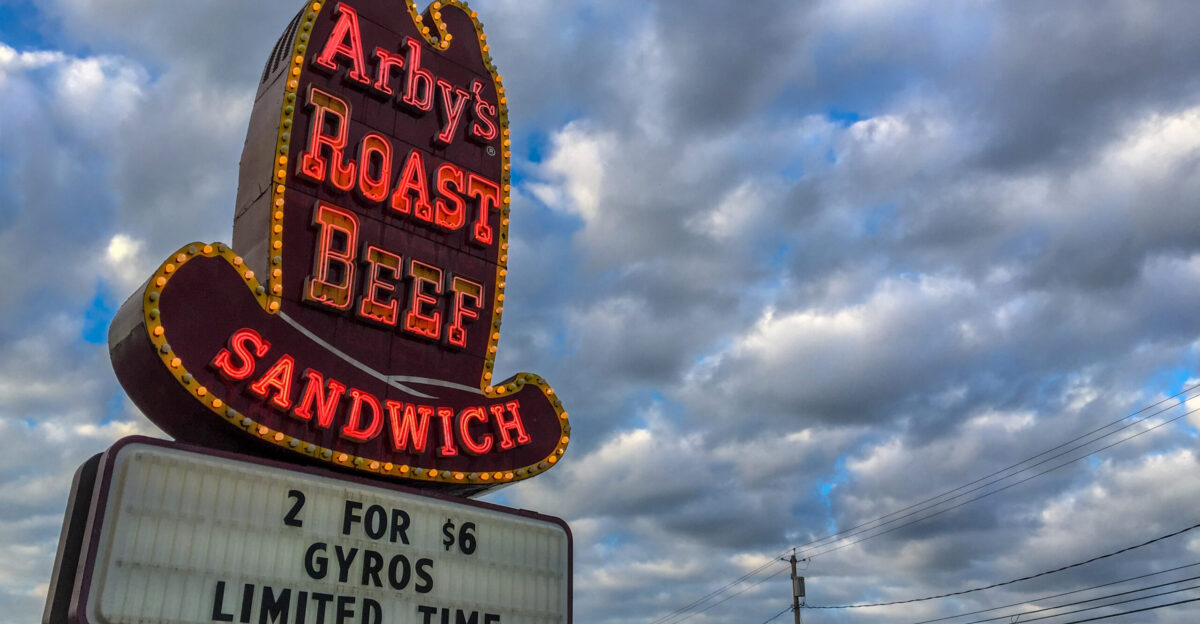
Landlords of shopping centers and strip malls housing Arby’s locations now face higher vacancy rates, with some stores remaining empty for extended periods. The loss of Arby’s as an anchor tenant may lead to declining property values in affected areas.
Landlords could even pursue legal action against franchisees for unpaid rent, following patterns seen with other fast-food chains like Red Lobster and TGI Friday’s in 2024.
The Broader Fast-Food Contraction
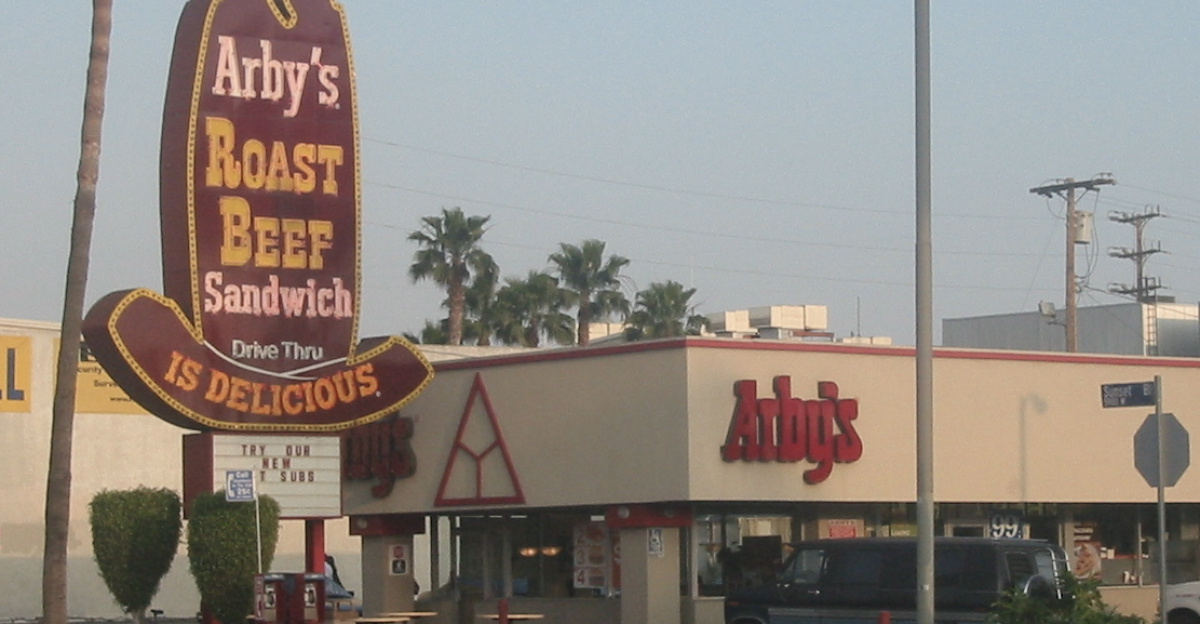
Arby’s closures are part of a broader trend of fast-food retrenchment. During the 2008-2010 financial crisis, Arby’s saw systemwide units fall 10% over two years before stabilizing. Wendy’s announced closures of 200-350 restaurants; Denny’s and Red Lobster closed dozens of locations in 2024. The current 2024-2025 closure rate reflects persistent structural challenges rather than temporary market disruption, echoing the pressures faced by other weaker fast-food performers within Inspire Brands, such as Sonic Drive-In.
The industry is increasingly focused on rationalizing portfolios, with smaller, underperforming chains exiting the market while larger, stronger brands consolidate their position.
U.S. Fast-Food Stability in Question
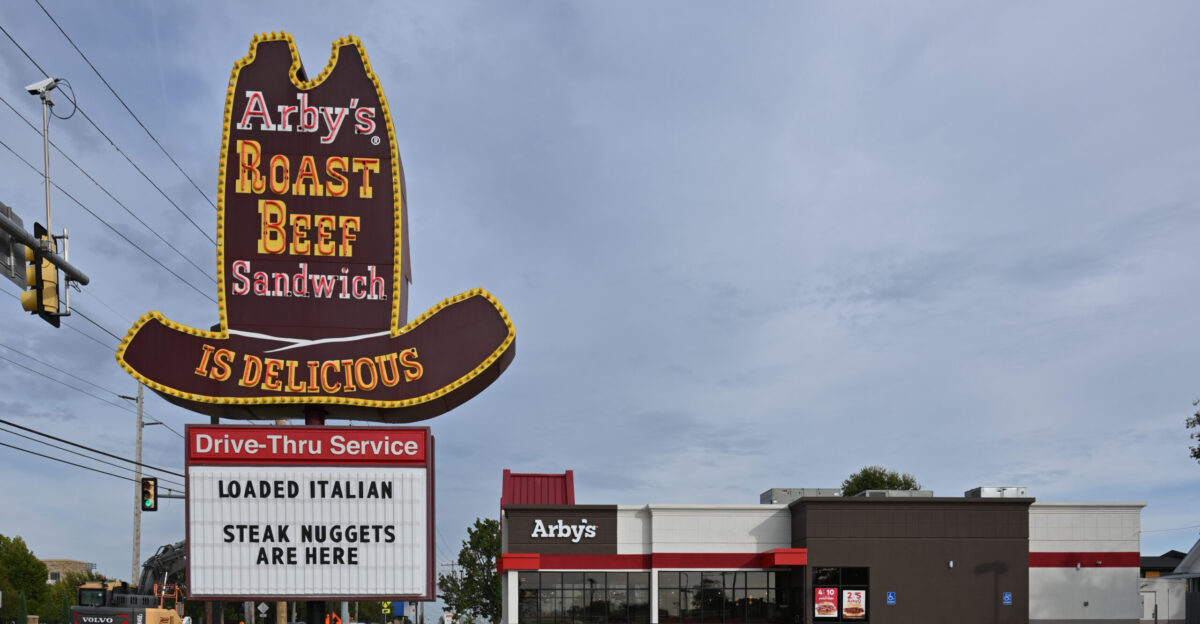
International investors and franchisees may reassess their commitment to U.S.-based fast-food chains in light of Arby’s closures. Arby’s presence in international markets like Kuwait is under scrutiny, as the closures raise questions about the stability of U.S. brands abroad.
The shift from expansion to contraction may dampen global appetite for investing in American quick-service restaurants, including Inspire Brands.
The Shift Toward Healthier Alternatives Accelerates
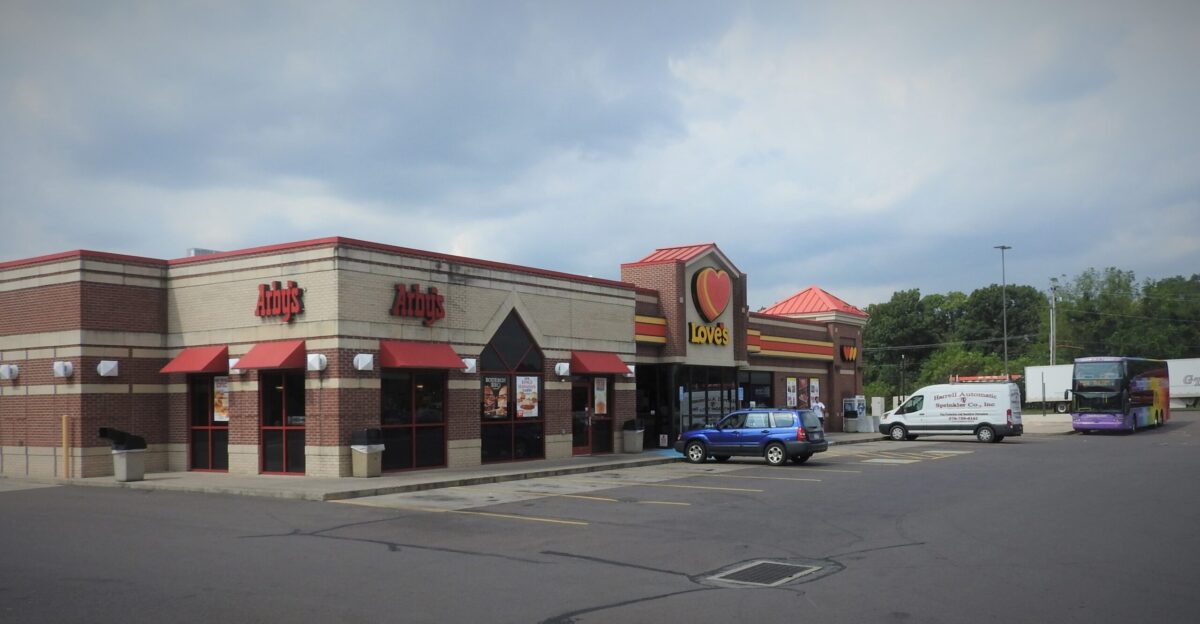
As Arby’s closes locations, consumer behavior continues to shift toward healthier fast-casual dining options. Chains like Chipotle and Sweetgreen emphasize fresh ingredients and customizability, further distancing themselves from traditional fast-food offerings like roast beef sandwiches.
As dietary preferences evolve, Arby’s faces increasing headwinds from health-conscious consumers, accelerating the trend toward more nutritious alternatives over calorie-heavy sandwiches.
Beef Production and Its Environmental Toll
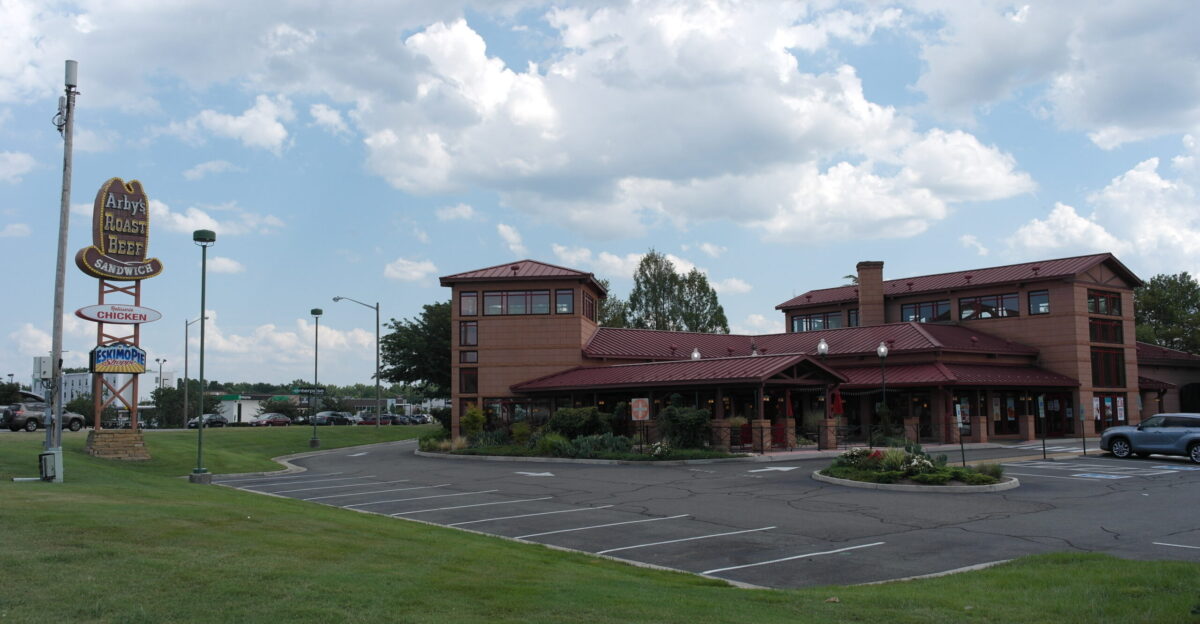
The decline of Arby’s could also align with growing concerns over the environmental impact of beef production. With fewer beef sandwiches sold, the chain’s closures may lead to a slight reduction in carbon emissions.
While the closure wave reflects financial distress rather than an intentional shift toward sustainability, it could spark renewed debate about the environmental footprint of livestock production and corporate responsibility in the food industry.
Regional Chains and Delivery Platforms Gain Ground
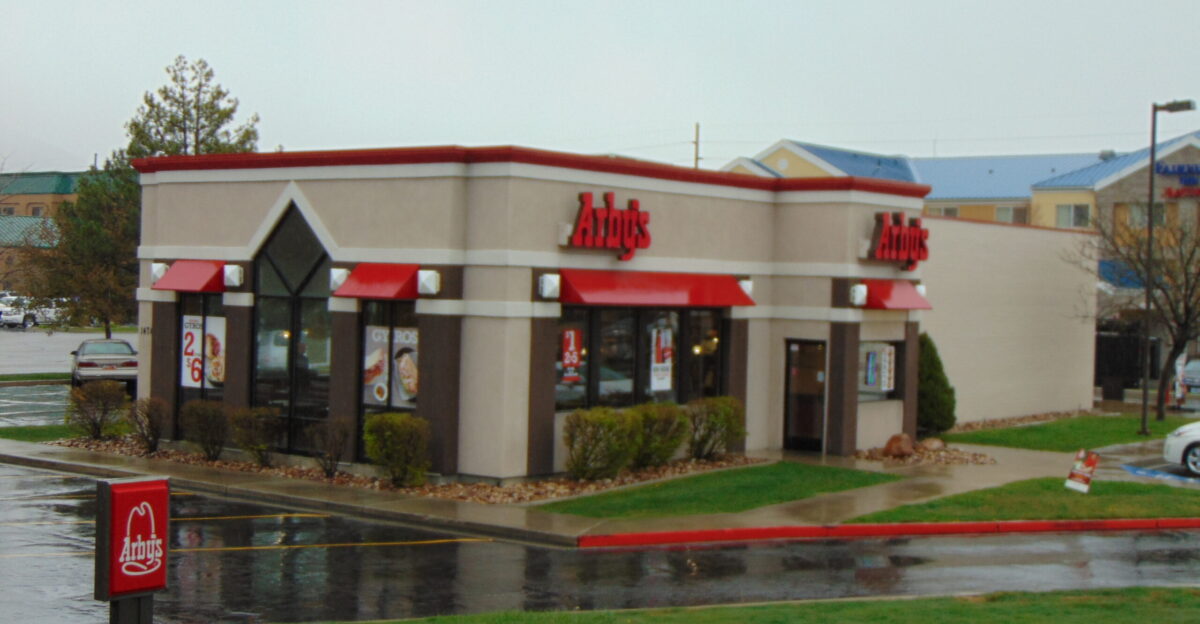
As Arby’s exits various markets, regional sandwich chains and third-party delivery platforms stand to gain. Displaced customers may turn to local competitors like Jersey Mike’s or regional delis for their sandwich fix, while platforms like DoorDash and Uber Eats could capture additional orders from consumers seeking alternatives.
The closure of Arby’s gives well-capitalized regional players the opportunity to expand their market share in the fast-food space.
Concerns Over Inspire Brands’ Strategy
Arby’s struggles have raised concerns among investors about Inspire Brands’ long-term strategy. The closure wave has sparked speculation that the company may need to divest underperforming brands or restructure operations.
With credit ratings under pressure and market sentiment turning negative, Inspire’s future ability to manage a multi-brand portfolio is increasingly in doubt.
Stay Informed and Diversify Fast-Food Choices
Consumers can protect themselves from potential disruptions by diversifying their fast-food choices across multiple chains.
Monitoring Arby’s closures through official channels and local news is essential. For those affected by store shutdowns, exploring state unemployment benefits and retraining programs can provide support during uncertain times. Franchisees and workers are encouraged to seek legal advice regarding lease obligations and severance.
The Future of Arby’s
Arby’s future remains uncertain. Inspire Brands has yet to announce any formal turnaround plan as of November 2025, leaving the brand’s trajectory up in the air. If closures continue at the current pace, Arby’s could fall below 3,300 locations by 2026.
However, strategic repositioning—like menu changes or franchisee support—could help stabilize the chain, making it possible for Arby’s to recover and remain a contender in the sandwich space.
What Comes Next for American Dining?
Arby’s closure wave underscores a larger trend of fast-food consolidation. With rising costs and shifting consumer spending, many chains are reevaluating their footprints. While brands like McDonald’s and Wendy’s solidify their hold on the market, others struggle to maintain relevance.
The post-pandemic dining landscape will be defined by sustainability and profitability, with fewer but stronger competitors in the fast-food space.