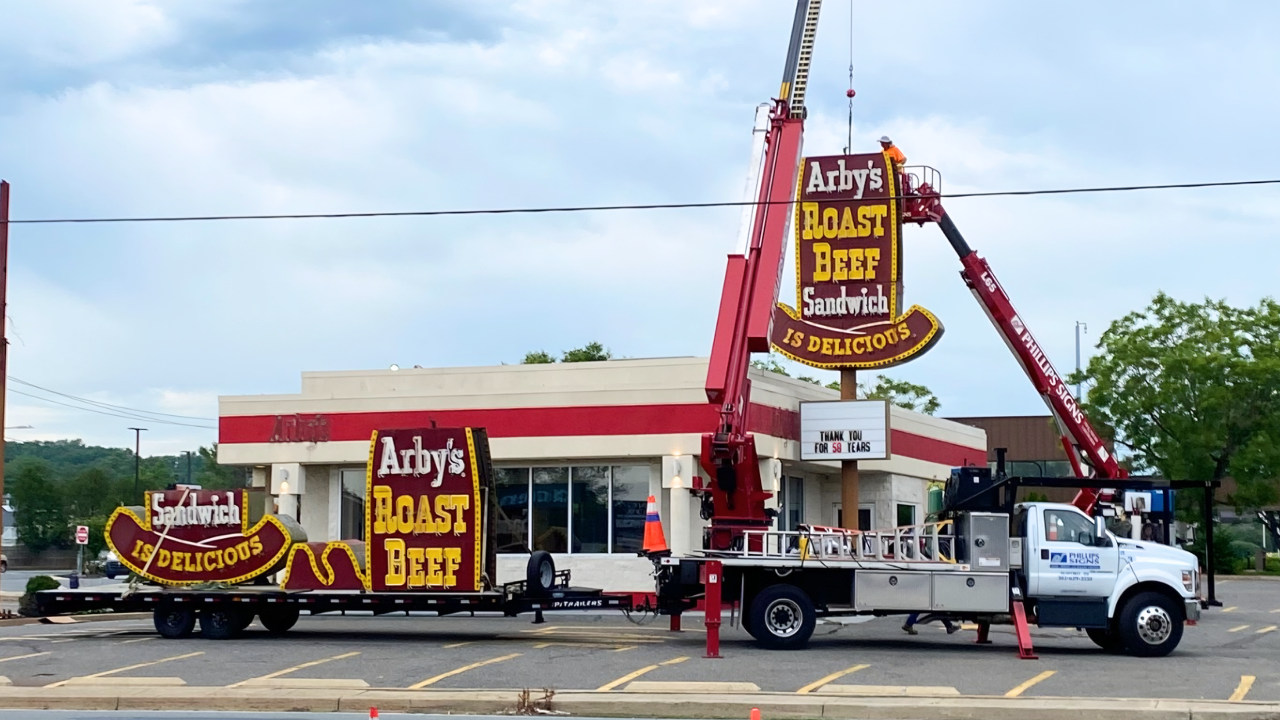
In dozens of American towns, the familiar red-and-white Arby’s signs have gone dark. Over the past year, 62 Arby’s restaurants have shuttered, leaving loyal customers without their go-to roast beef sandwiches and curly fries. The closures, which span cities from Memphis to Fresno, reflect deeper troubles for the once-thriving fast-food chain and highlight broader changes rippling through the industry.
Economic Pressures and Changing Tastes
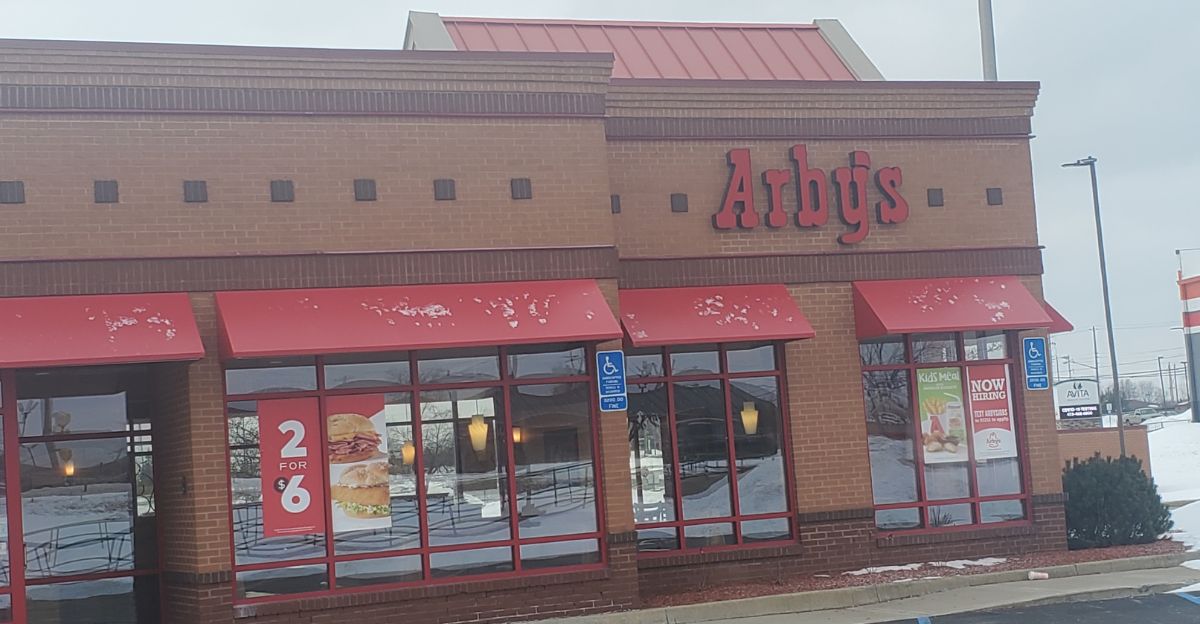
Arby’s recent struggles are rooted in a combination of rising costs and evolving consumer habits. In 2024, the chain reported a 6.3% drop in sales, marking the steepest decline within its parent company Inspire Brands’ portfolio. Inflation has driven up the price of beef and other ingredients, while labor costs have climbed steadily. Over the past decade, Arby’s menu prices have increased by 55%, making its offerings less accessible to budget-conscious diners.
These price hikes have coincided with a noticeable decline in foot traffic. As meals at fast-food outlets become more expensive, many Americans are rethinking their dining choices. The convenience that once defined the industry is now weighed against the reality of higher bills at the counter. For Arby’s, this shift has meant fewer customers and, ultimately, the closure of dozens of locations.
Community Fallout and Franchisee Struggles
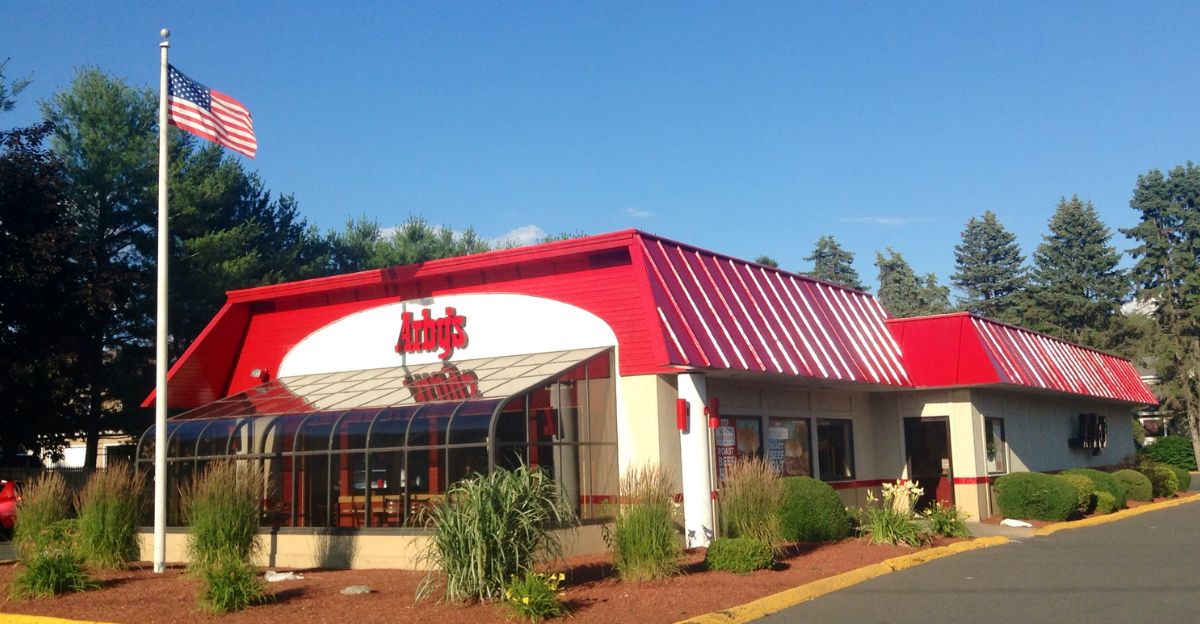
The impact of these closures extends beyond empty storefronts. In many communities, Arby’s was a staple—a reliable option for quick meals and a source of local jobs. The sudden disappearance of these restaurants has disrupted daily routines and left workers and franchise owners facing financial uncertainty.
Franchisees, in particular, have been hit hard. With sales weakening and costs rising, some have been forced to file for bankruptcy. The closures have resulted in job losses for employees and financial strain for small business owners who invested in the brand. For many, the loss of Arby’s is more than an inconvenience; it’s a blow to local economies and livelihoods.
Industry-Wide Challenges and Competitive Pressures
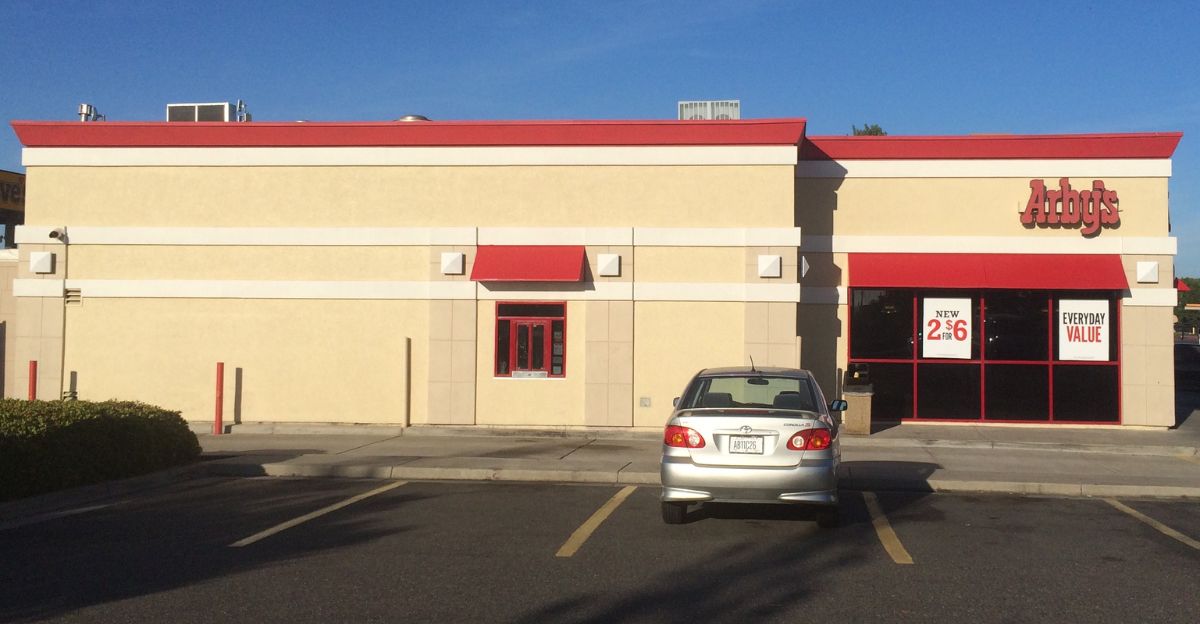
Arby’s is not alone in its struggles. The fast-food sector as a whole is grappling with similar challenges. Chains like Subway and Panera have also reported declining sales as consumers seek more affordable options or shift toward grocery shopping and home-cooked meals. The traditional fast-food model, built on convenience and low prices, is under pressure from both economic forces and changing consumer expectations.
Global supply chain disruptions have further complicated matters. The cost of beef—a cornerstone of Arby’s menu—has soared due to trade issues and shortages. These external factors have made it difficult for fast-food chains to maintain competitive pricing without sacrificing quality or profitability.
Industry Restructuring and the Road Ahead
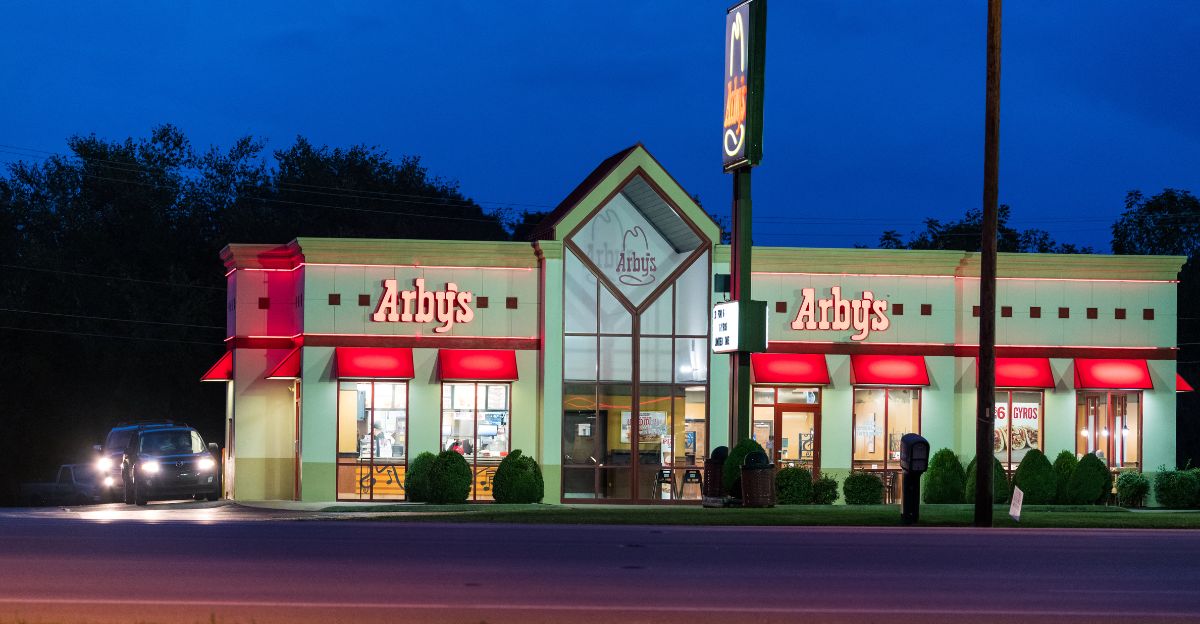
The wave of closures reflects a broader contraction across the industry. Parent company Inspire Brands, which also owns Dunkin’ and Buffalo Wild Wings, is working to stabilize Arby’s performance through strategic restructuring efforts. While some brands in its portfolio continue to perform well, Arby’s underperformance remains a significant concern.
The closure of 62 Arby’s locations is a visible sign of a fast-food industry in transition. As inflation outpaces wage growth and consumers become more health- and budget-conscious, the sector faces mounting pressure to adapt. Some brands may benefit from the shake-up, attracting former Arby’s customers with better prices or healthier options. Others may struggle to survive as the market evolves.
For now, the future of fast food appears uncertain. Industry leaders are watching closely, investors are weighing the risks, and consumers are seeking new ways to dine out without breaking the bank. Whether the industry can reinvent itself for a new era—or whether more closures are on the horizon—remains to be seen. What is clear is that the days of fast food as an unchallenged staple of American life are fading, replaced by a landscape defined by change, adaptation, and new expectations.