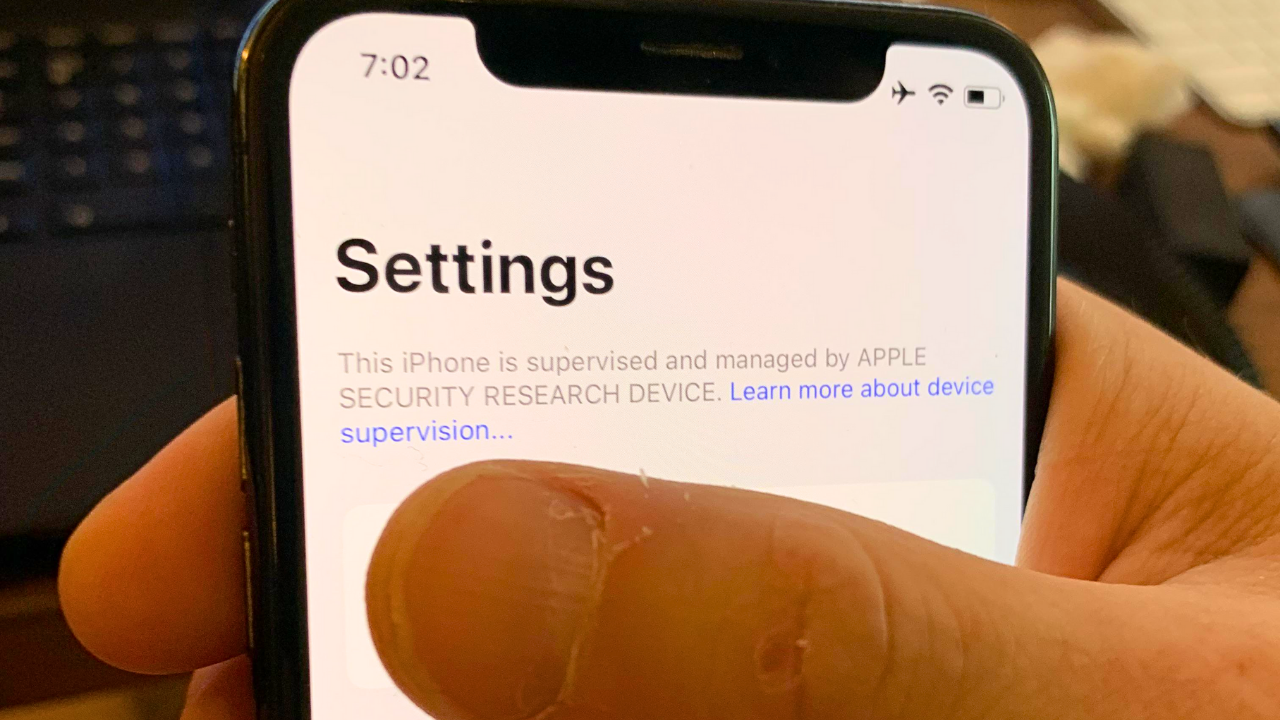
Apple’s latest security warning has left iPhone owners reeling: a sophisticated spyware attack can now compromise your device without any interaction. Known as zero-click exploits, these attacks silently target iPhones via Messages, transforming everyday devices into surveillance tools in seconds. With these threats continuing to evolve, Apple has been forced to push rapid updates—including through iOS 26.1’s Background Security Improvements that automatically apply patches—while also urging users to act fast—before their privacy is shattered.
The growing danger comes from mercenary-grade spyware that can be deployed without requiring any tap or click from the victim. Apple has been in a race against time, pushing emergency fixes to address these vulnerabilities. As the threat continues to expand, it has put the security of millions of iPhone users at risk, raising questions about whether the company can maintain its longstanding reputation for privacy and security.
Global Target
Apple has issued an urgent call to action for its ecosystem of over 2.35 billion active devices worldwide, with particular focus on its 1.5 billion iPhone users, urging them to install the latest security updates immediately. These updates are vital to patch newly disclosed vulnerabilities actively exploited by mercenary spyware groups. Combining advanced technical exploits with social-engineering scams, these attacks aim to compromise user accounts and steal sensitive data.
How many iPhones are already compromised, and how many users remain unprotected? As these spyware attacks escalate, Apple’s call for all users to update as soon as possible could be the difference between remaining safe or falling victim to malicious actors. This is an unprecedented level of threat to the iPhone’s security ecosystem, with wide-reaching implications for every device owner globally.
Apple Under Fire
Apple’s reputation as a privacy-focused brand is under intense scrutiny. Known for its fast security patches and strict software controls, the company has always marketed the iPhone as a secure device. But in 2025, a series of spyware campaigns are testing this promise. As Apple scrambles to respond with rapid security updates, questions are raised: can Apple maintain its security reputation in the face of rising attacks?
The latest spyware campaigns, targeting high-profile individuals, including journalists and activists, have raised doubts about the company’s ability to protect users from such sophisticated threats. These campaigns are forcing Apple to reassess its security measures and push critical patches faster than ever before.
Escalating Campaigns
In 2025, multiple mercenary spyware campaigns have targeted iPhones, each deploying sophisticated exploits designed to seize control of devices. These attacks have primarily focused on high-profile individuals, including journalists and activists. Originally tools for state-level surveillance, these spyware methods are now being weaponized by commercial surveillance vendors including Paragon (Graphite), Intellexa (Predator), and NSO Group (Pegasus).
As the market for mercenary spyware grows, so does the scale of the threat. These are not isolated incidents but rather the result of a maturing market for highly specialized, criminal spyware tools. The rapid pace of the attacks suggests that they are becoming more advanced and widespread, posing a significant danger to both high-profile targets and regular users.
Zero‑Click Reveal
The heart of the danger lies in multiple zero-click exploits, including CVE-2025-43200 discovered in Apple’s Messages app and CVE-2025-24201 (arbitrary code execution), both allowing spyware to be installed without any user interaction. A simple message—often containing a malicious link or photo—can trigger the exploit, allowing attackers to silently surveil victims’ devices.
Apple rushed out a patch to address this critical vulnerability, but how many devices were compromised before the fix was deployed? This zero-click flaw represents a new frontier in the world of cybersecurity threats, where attackers don’t need the victim to click on anything to gain control. The exploit has left iPhone users vulnerable to attacks without their knowledge.
Regional Rollout
Apple has worked quickly to roll out security patches across the globe, with significant updates released in February, March, August, and November. These updates cover over 1 billion active iPhones, with a particular focus on regions with high iPhone penetration. In the United States, federal agencies including the FBI and CISA have joined Apple in urging users to stay up-to-date, warning of the dangers of leaving devices unpatched.
In countries with a high concentration of iPhone users, the urgency is especially pronounced. For many users, delaying updates could mean greater exposure to sophisticated fraud and surveillance. Apple has been forced to move quickly to protect the global iPhone community from the rising tide of spyware attacks targeting its ecosystem.
Victims’ Reality
The fallout from these spyware attacks is already visible. Victims describe their accounts being compromised and personal data stolen—all while unaware their devices were silently compromised. Additionally, social engineering tactics targeting bank customers, including phone calls impersonating financial institutions, have increased in frequency during 2025.
Apple’s security advisories caution users about the rising risk of fraud as spyware continues to evolve. As the attacks become more sophisticated, the psychological pressure on victims is increasing. With multiple attack vectors targeting users, many are left unaware of the evolving threats to their devices and accounts.
Defensive Moves
Apple’s response to the growing threat includes a combination of patching vulnerabilities and strengthening its ecosystem. Most critically, iOS 26.1 introduced Background Security Improvements that automatically deploy urgent security patches without user action by default—helping ensure devices stay patched. Recent updates have also improved anti-fraud tools, added stronger phishing protections, and reinforced emergency alert systems. Additionally, both Apple and Google have sent warnings to high-risk users, alerting them about mercenary spyware campaigns targeting their devices.
For many users, staying ahead of these threats means making security a top priority. Apple’s swift response reflects its commitment to tightening the defenses around its ecosystem. By continuously improving iOS, Apple aims to mitigate the growing threat of spyware while offering users more robust protection against emerging security risks.
Macro Security Shift
The rise of mobile spyware signals a larger trend: as desktop systems become more secure, attackers are shifting their focus to smartphones. These devices carry immense amounts of personal data, including location, financial apps, and messaging services. While the current spyware campaigns are largely targeted, experts warn that the underlying vulnerabilities could soon be exploited on a wider scale if left unaddressed.
Smartphones, once considered a secure haven for personal data, are now prime targets for cybercriminals. As more attacks focus on exploiting mobile vulnerabilities, security experts are urging smartphone manufacturers to rethink how they defend these devices. The risks are high, and the need for comprehensive security solutions has never been greater.
Vintage And Exposed
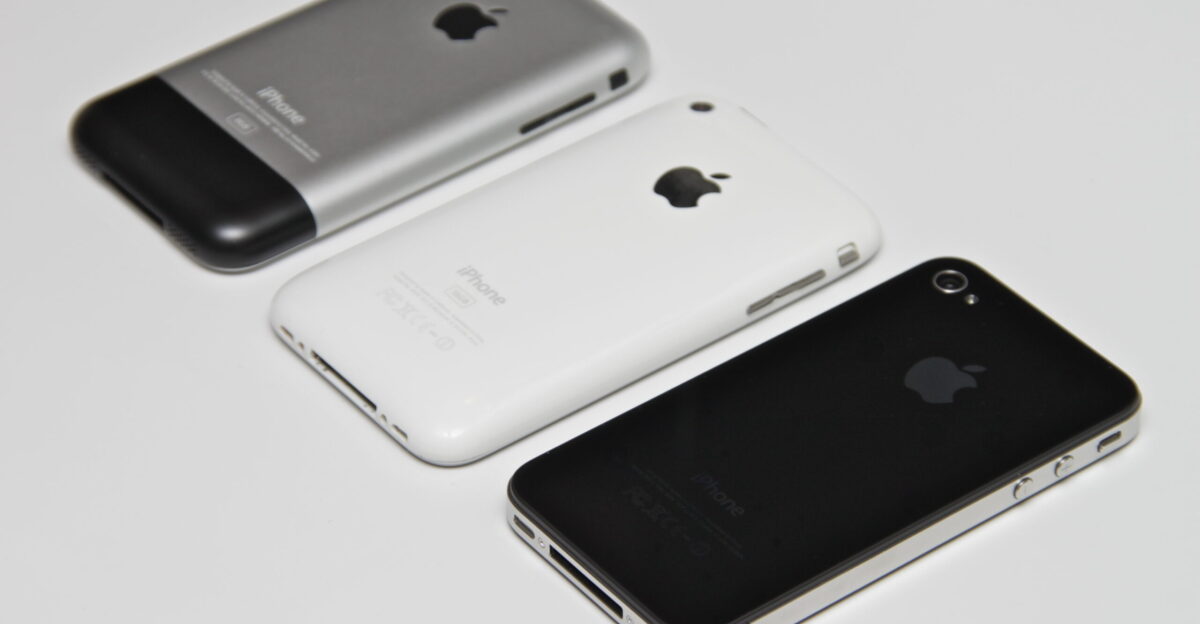
Hundreds of thousands of older iPhones are now classified as vintage, with many no longer receiving guaranteed security updates. Devices including the iPhone 7 Plus and iPhone 8 models from 2017 have been moved to the vintage list, leaving their owners potentially vulnerable to attacks. Once a device reaches this stage, official support dwindles, exposing users to an increasing number of threats.
Apple’s decision to limit updates for older models is leaving a significant portion of users at risk. For those still holding onto older devices, the threat of spyware and other attacks looms large, with major security patches often unavailable. The push to stay up-to-date is more crucial than ever for protecting personal data and privacy.
Internal Tensions
As Apple works to patch vulnerabilities, users are expressing frustration. Some report glitches with the updates, while others feel pressured to replace their devices sooner than expected to maintain security on older models. This internal tension highlights the challenges Apple faces in balancing rapid security fixes with maintaining device performance and longevity.
As the threat of spyware grows, Apple’s ability to manage user expectations while addressing security vulnerabilities is being put to the test. How the company handles these tensions—particularly with regard to older devices—will likely influence customer trust in its security measures moving forward.
Leadership And Strategy
Apple’s commitment to security is reflected in features like Lockdown Mode and the App Privacy Report, which give users greater control over their data. However, as spyware attacks become more sophisticated, some critics question whether consumer-facing controls can keep up. While Apple emphasizes its proactive security measures, the question remains: can it stay one step ahead of the increasingly well-funded spyware industry?
As Apple continues to roll out security features aimed at improving user privacy, experts are urging the company to maintain transparency and collaboration with external researchers. To stay ahead of the attackers, Apple must evolve its strategy and ensure that its defenses are constantly adapting to new threats.
Hardening The Ecosystem
In response to rising threats, Apple is expanding its security efforts beyond individual patches. New features, such as stronger AirDrop security and refined app reviews, aim to reduce vulnerabilities at the ecosystem level. Apple is shifting toward a proactive defense strategy, redesigning how iPhones handle risky interactions by default.
These changes reflect a shift in Apple’s approach to security, moving away from reactive updates and toward a more comprehensive defense system. As the threat of spyware continues to grow, Apple is focusing on improving its security protocols at every level of the device’s ecosystem, ensuring users are better protected from future attacks.
Expert Skepticism
Despite Apple’s rapid response, experts remain cautious. Zero-click exploits continue to be a lucrative tool for attackers, and spyware vendors are constantly probing iPhone services like Messages and FaceTime for new weaknesses. Researchers warn that as long as these exploits remain profitable, the race between attackers and defenders will continue to escalate.
Experts argue that Apple’s transparency and collaboration with independent researchers need improvement if the company is to stay ahead of increasingly sophisticated spyware campaigns. As the market for mercenary spyware grows, it will take more than just rapid patches to secure the iPhone ecosystem against future threats.
What Comes Next
As Apple urges users to update their devices and remain vigilant, the larger question persists: can any ecosystem fully protect billions of users from zero-click spyware? With new attacks emerging daily and many devices no longer receiving updates, the future of smartphone security remains uncertain. Users must take responsibility by keeping their devices updated, but can that alone ensure the safety of their most sensitive data?
The fight against spyware is far from over, and the stakes are high. As Apple works to address these vulnerabilities, users will need to stay alert, update their devices, and remain cautious about unsolicited messages and calls. The evolving landscape of mobile security presents new challenges, but staying ahead of threats will require a concerted effort from both manufacturers and users alike.
Sources:
Citizen Lab (University of Toronto) – “Graphite Caught: First Forensic Confirmation of Paragon’s iOS Mercenary Spyware” (June 2025)
The Hacker News – “Apple Zero-Click Flaw in Messages Exploited to Spy on…” (June 2025)
Amnesty International Security Lab – “To Catch a Predator: Leak Exposes the Internal Operations of Intellexa’s Mercenary Spyware” (December 2025)
Apple World Today – “Apple Sends New Round of Cyber Threat Notifications to Users in 84 Countries” (December 2025)
Macworld – “Apple Rebrands Rapid Security Responses in iOS 26.1 Beta with New Background Updates” (September 2025)