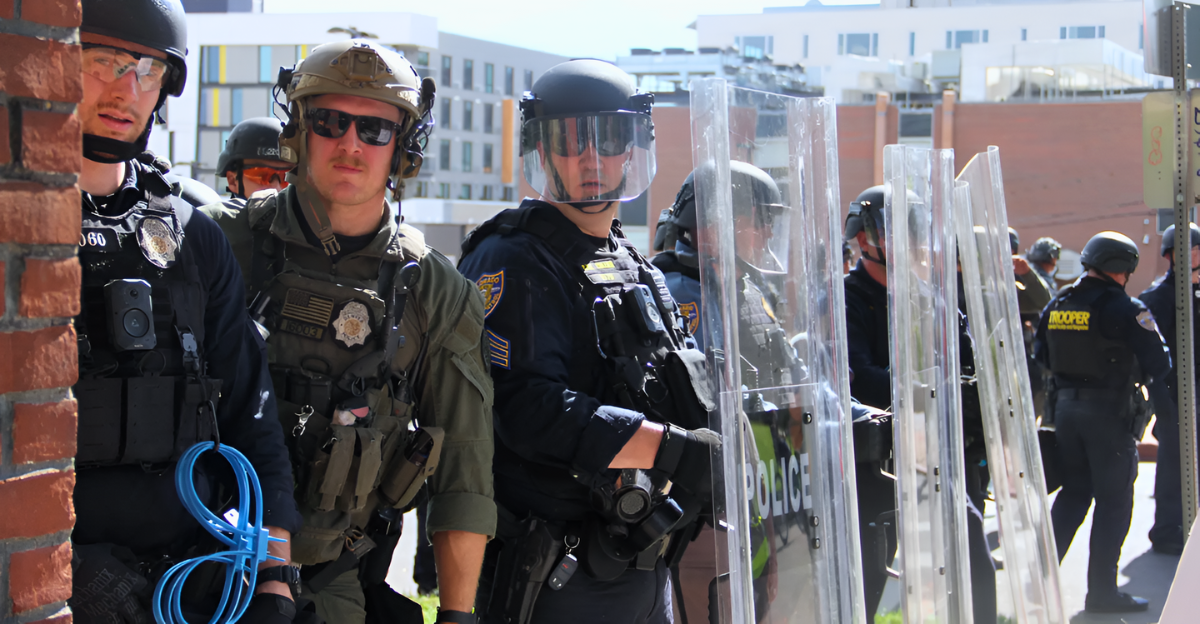
President Donald Trump has added fuel to a heated national debate by signing an executive order that officially labels Antifa a “domestic terrorist organization.” The order is meant to show his administration’s tough stance against what officials call organized violence linked to Antifa groups.
White House officials explained that the decision was driven by growing incidents of unrest, vandalism, and attacks tied to Antifa-associated activists. This marks one of the few times in U.S. history that domestic groups have been given the same language treatment usually reserved for foreign terrorist networks.
Critics quickly pointed out that the move may lack real legal impact since U.S. laws do not have a clear category for terrorist designations inside the country. Regardless, it is clear that the federal government is turning up the pressure and putting Antifa under national scrutiny in a way that has never been tried before.
What Is Antifa, Really?
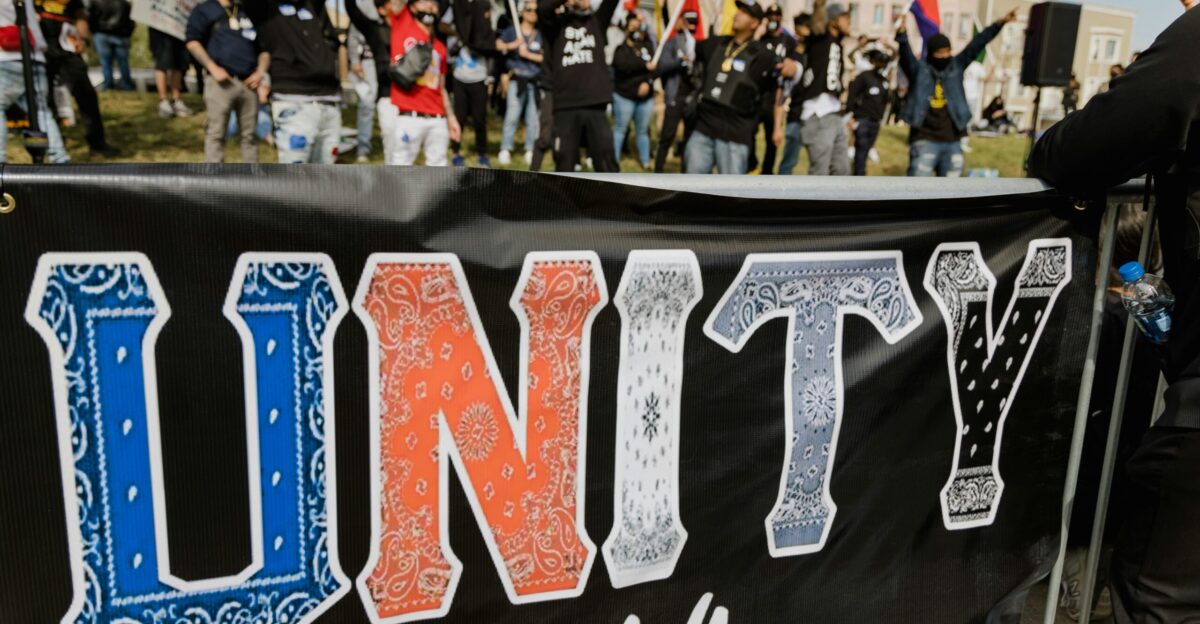
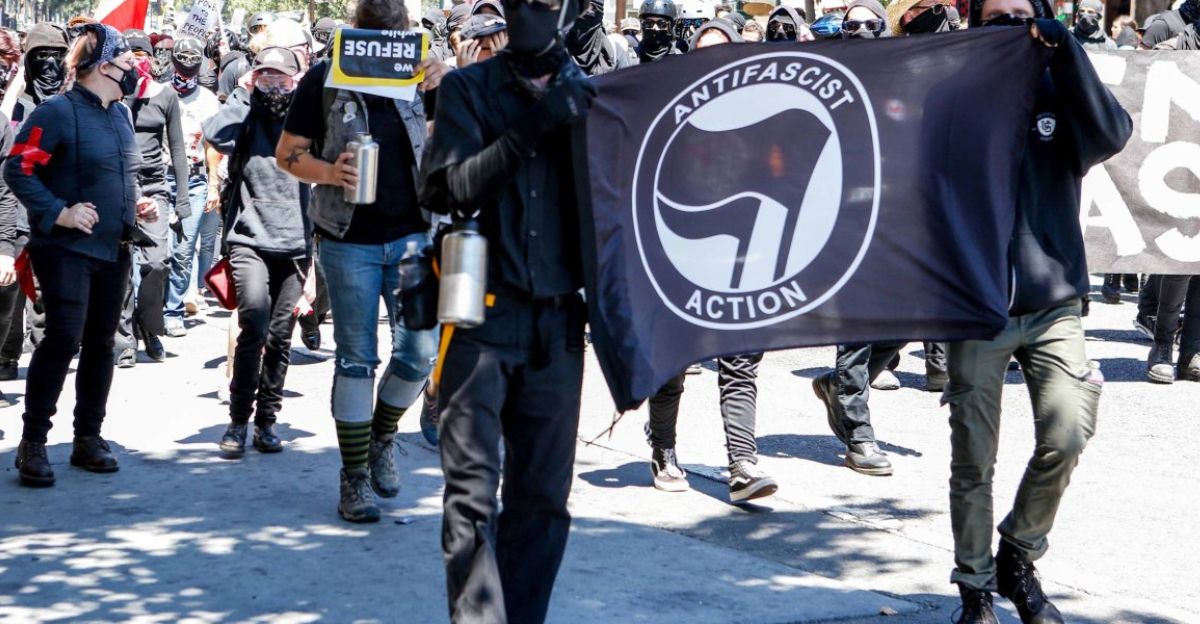
Antifa is not a single group with headquarters, leaders, or defined membership lists, it’s more of a movement. The word itself is short for “anti-fascist,” and its followers often describe themselves as people who fight against what they see as far-right extremism. Instead of one unified organization, Antifa is an umbrella term used to describe loosely allied activists. These individuals often work in small, locally organized networks across different cities, especially in states along the West Coast.
Its “scattered cell” structure, combined with the use of encrypted apps for communication, makes attempts to track or infiltrate its networks extremely difficult. This reality has heightened frustration for law enforcement—and sparked heated political battles over whether “Antifa” is even something the government can clearly prosecute. To its critics, Antifa is dangerous because its members allegedly employ violent methods. To its supporters, however, Antifa represents grassroots pushback against what they say is the rise of far-right aggression and authoritarianism in America.
What the Executive Order Really Says
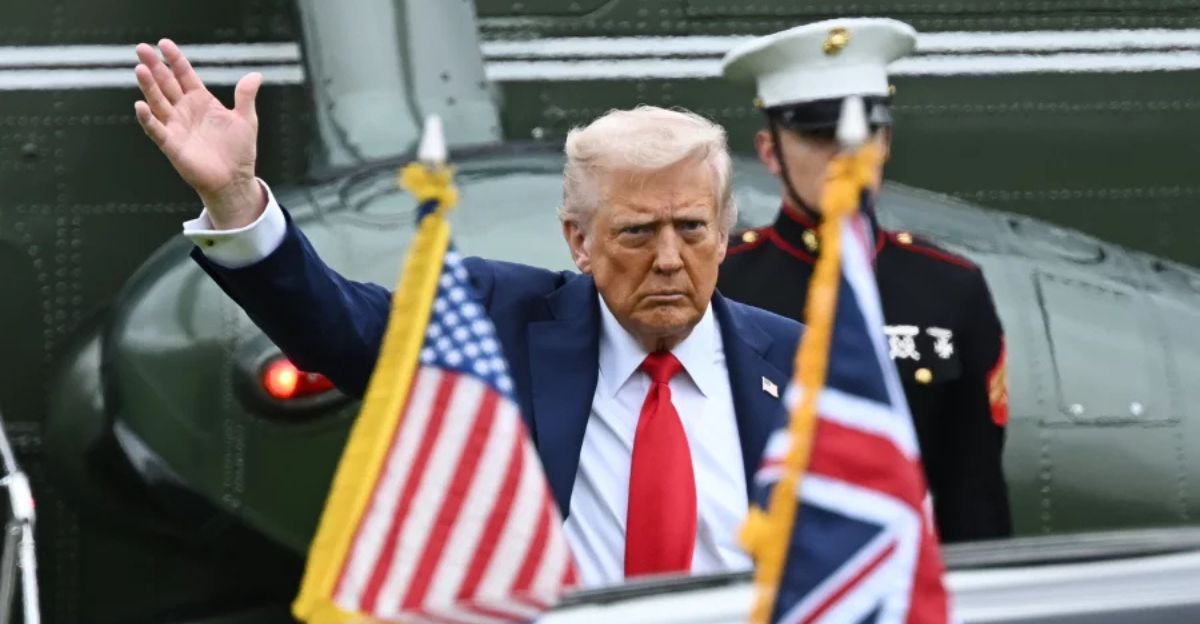
On September 22, 2025, President Trump formally announced an executive order instructing federal agencies to “investigate, disrupt, and dismantle” illegal activity linked to Antifa. At first glance, the order looks broad and forceful, but when examined closely, its legal substance is less clear. U.S. law does not currently have a system for designating domestic groups as terrorist organizations in the same way it does for foreign threats.
This makes Trump’s order more of a directive to prioritize Antifa-related cases rather than an ironclad legal reclassification. Supporters of the move argue that it provides extra weight to ongoing investigations and signals stronger punishment for violent protest activity. The order raises major questions like how Antifa members will be officially identified and where the legal boundaries will be drawn.
Old Legal Questions, New Policy

While the executive order makes headlines, many experts note it faces an uphill legal battle. U.S. constitutional rights guarantee freedom of speech, the right to protest, and freedom of association. These protections make it extremely difficult for the government to treat domestic political activists, even controversial ones, in the same way as foreign threats.
If the federal government starts prosecuting protesters under terrorism statutes, judges are likely to step in and question whether those actions violate the First Amendment. Civil liberties advocates argue that labeling a broad, loosely defined movement like Antifa as “terrorist” is a slippery slope.
Antifa Gets the “Terrorist” Label
This declaration came after months of violent clashes, vandalism, and attacks that the administration argued were tied to Antifa affiliates. According to the White House Fact Sheet, officials believe the designation will make it easier to prosecute crimes linked to Antifa members and strengthen coordination across agencies.
Critics argue that the order still lacks teeth because U.S. law does not provide a specific framework for labeling domestic groups as “terrorist organizations.” Whether this symbolic step translates into real changes in arrests and trials remains to be seen, but the stakes have clearly been raised.
Portland at the Center of the Storm
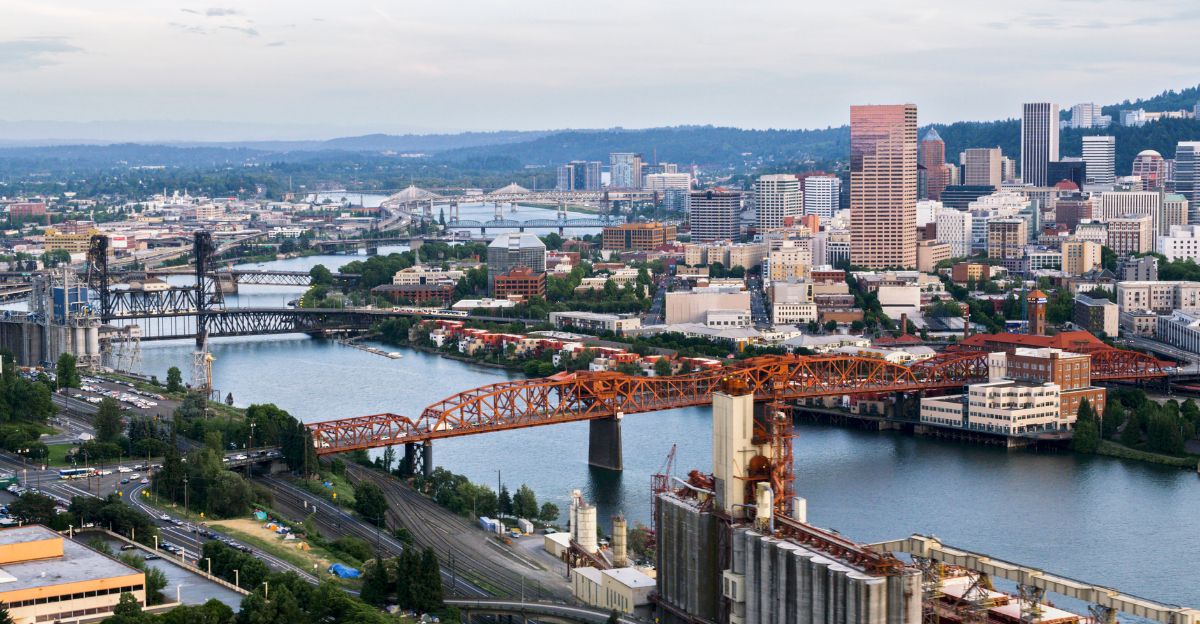
Portland, Oregon, has become the poster child for Antifa-related unrest in America. Violent clashes between protesters and police, often involving individuals associated with Antifa networks, have drawn nationwide attention. Federal officials point out that city leaders in Portland have sometimes resisted outside intervention, arguing that increased federal involvement only stirs up more conflict.
Trump administration reports say Immigration and Customs Enforcement (ICE) officers saw a “1000% increase” in targeted assaults, many claimed to be linked with Antifa-affiliated demonstrators.
The Human Toll
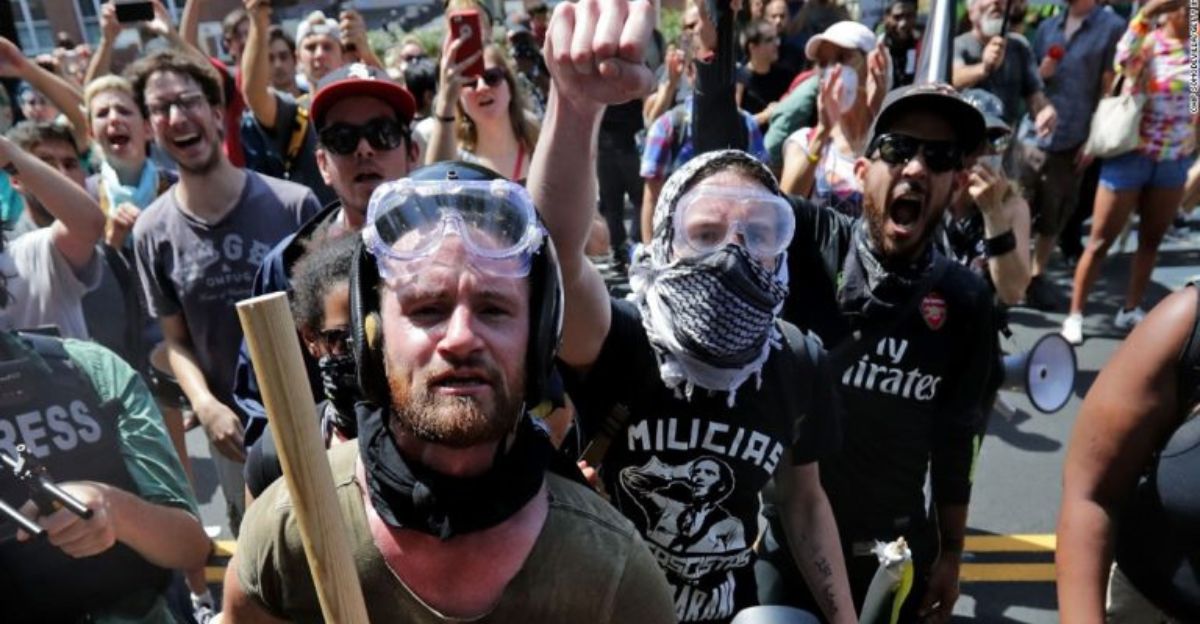
Behind the headlines, everyday people are bearing the brunt of the chaos linked to Antifa demonstrations. In places like Seattle and Portland, local store owners and workers have become unintended victims of property damage, vandalism, and lost income. Businesses in protest-heavy neighborhoods saw windows smashed, walls spray-painted, and customers driven away by unrest.
While many support the right to protest, they worry about the thin line between activism and destructive riots. City officials have echoed these concerns, calling for a balanced approach that respects free speech while protecting livelihoods and neighborhoods.
FBI and DOJ Step In
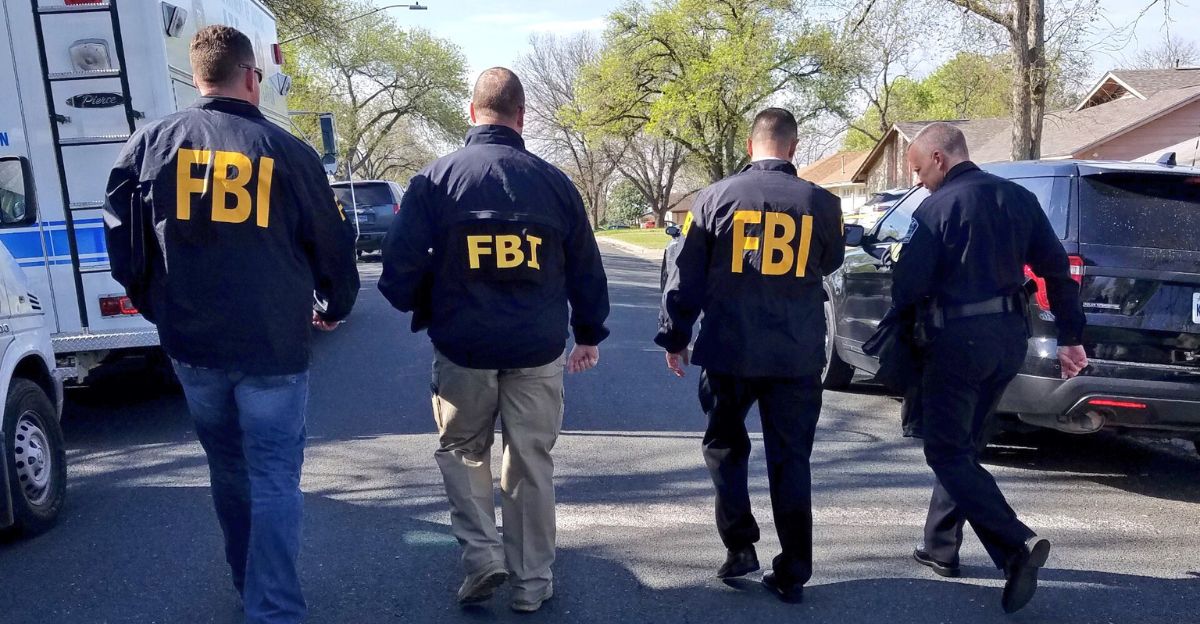
Shortly after President Trump signed the order, the Department of Justice and the FBI mobilized specialized units to start tracing Antifa’s activities. Officials say the immediate priority is to uncover how Antifa organizes, communicates, and funds its actions. Investigators are focusing on possible financial backers and network leaders who may be fueling violent protests.
Since there’s no clear membership list, the FBI must rely on monitoring encrypted apps, social media platforms, and grassroots-level contacts. Investigators stress that many of Antifa’s activities blur the line between legal and illegal protest, making prosecutions hard.
Experts Weigh In

Experts in law, politics, and civil rights are deeply divided over the executive order. Critics say that because Antifa is not an actual group with membership and hierarchy, labeling it a terrorist organization stretches the definition beyond recognition. Constitutional scholars worry the order could open the door to wider crackdowns on political dissent, not just violent activists.
On the other hand, supporters believe strong measures are overdue. They point out that Antifa affiliates have been linked to incidents of property destruction, assaults, and threats against law enforcement. For them, the order offers a much-needed deterrent that could discourage radicals from escalating violence.
Federal Crackdown Begins
Soon after the executive order, federal agencies announced that they would increase surveillance and begin seizing assets connected with Antifa-linked groups. Justice Department officials said investigations will include tracking financial networks, following organizers on social media, and searching for links to interstate activity.
The New York Times reported that no mass arrests have been directly tied to the executive order itself so far. Still, officials describe the new steps as critical for sending a signal to those who may be organizing violent protests.
Challenges in Court
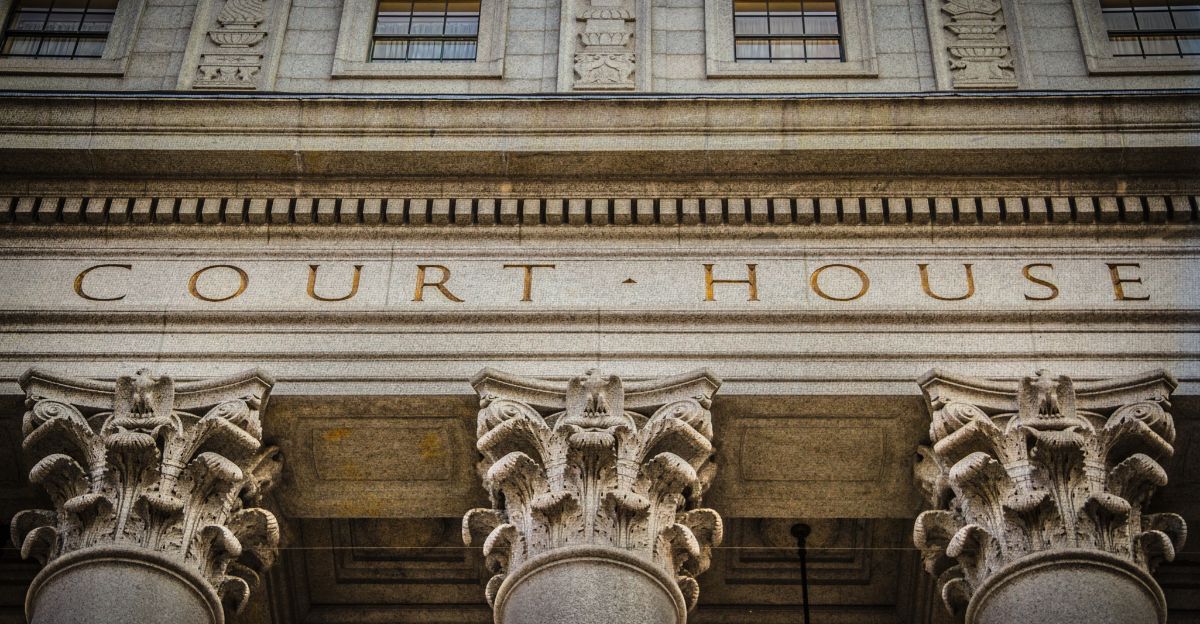
Almost immediately after the executive order was announced, civil rights groups began preparing lawsuits to challenge it. Organizations like the American Civil Liberties Union and independent legal advocacy groups argue that labeling Antifa a terrorist group pushes far beyond the law. Their central claim is that this designation violates the First Amendment by infringing on rights to speech, protest, and association.
Legal experts stress that while violent acts can already be prosecuted under existing laws, applying broad terrorism labels to a loosely defined movement like Antifa creates serious constitutional problems. Opponents say the order sets a dangerous precedent that could later be used against other activist movements, regardless of ideology.
Political Firestorm in Congress
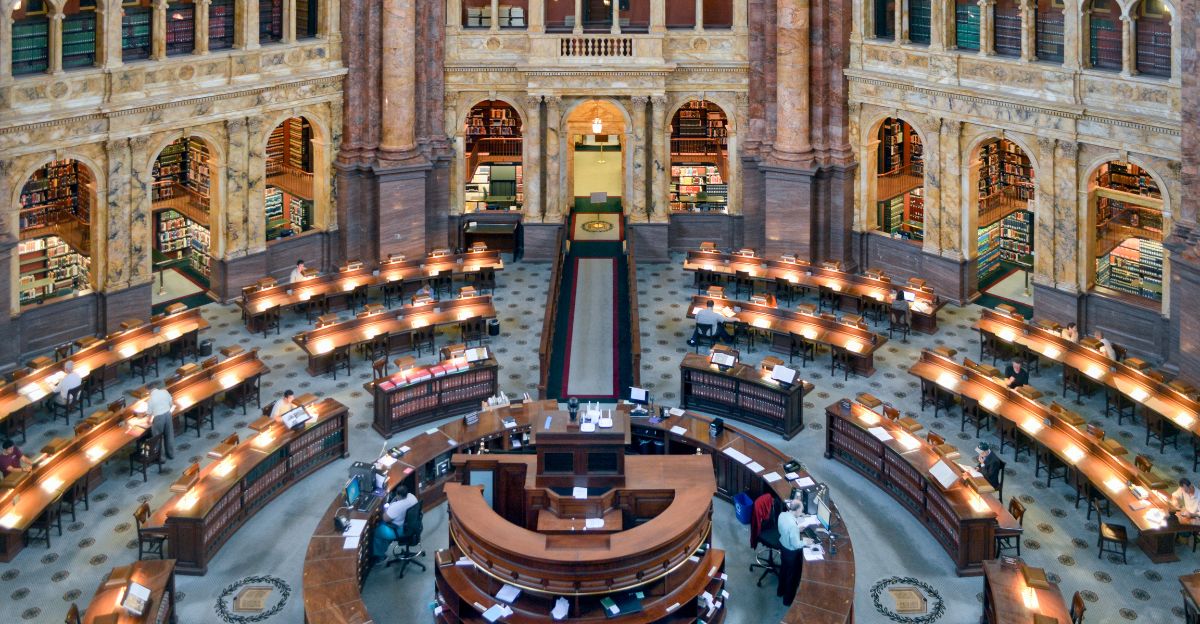
The executive order sent shockwaves through Capitol Hill. Supporters of Trump’s move praised it as long overdue, saying Americans need protection from violent activism that disguises itself as protest. Critics in Congress condemned the order, calling it “political weaponization” of federal enforcement tools.
Politico reported that the House Judiciary Committee has already scheduled hearings to review both the legality and timeline of the order’s enforcement. Democrats argue the order puts constitutionally protected political activism at risk, while Republicans see it as a bold move to restore law and order.
Trump Defends His Order
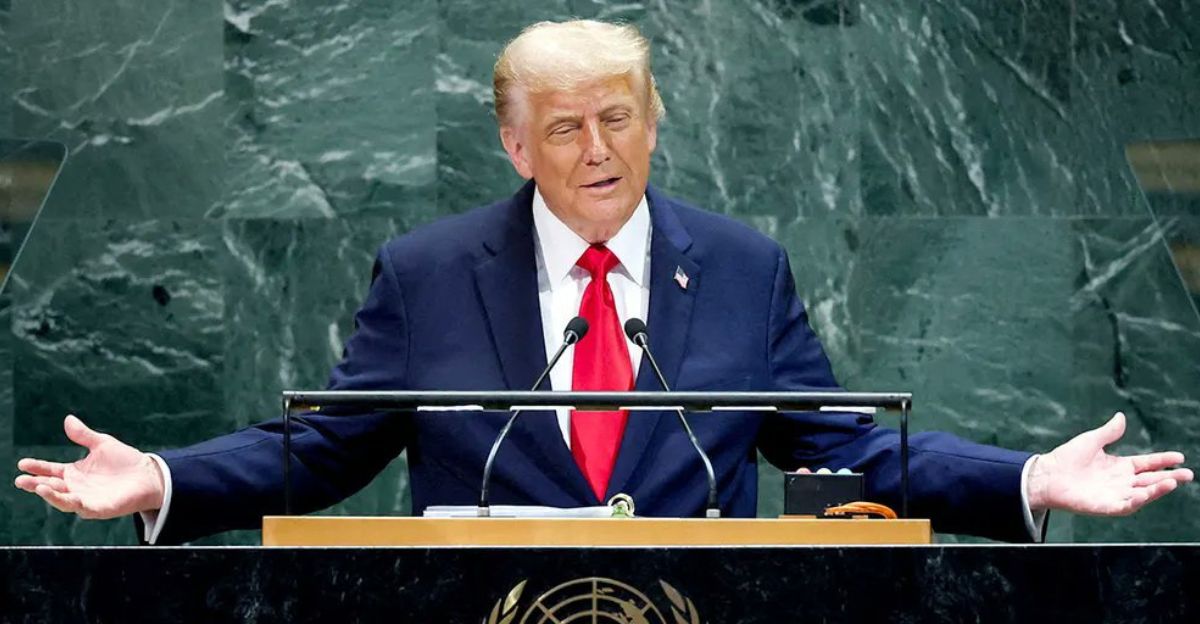
President Trump defended his executive order during a televised address. Framing the issue as a matter of protecting American communities, the president said, “We will not stand by while radical groups threaten American communities”. Advisors close to the president maintained that the order was within constitutional limits and urgently needed to safeguard public safety.
While the White House pledged to take strong enforcement measures, details of exactly how arrests or prosecutions would be carried out remain vague.
Law Enforcement’s Mixed Results
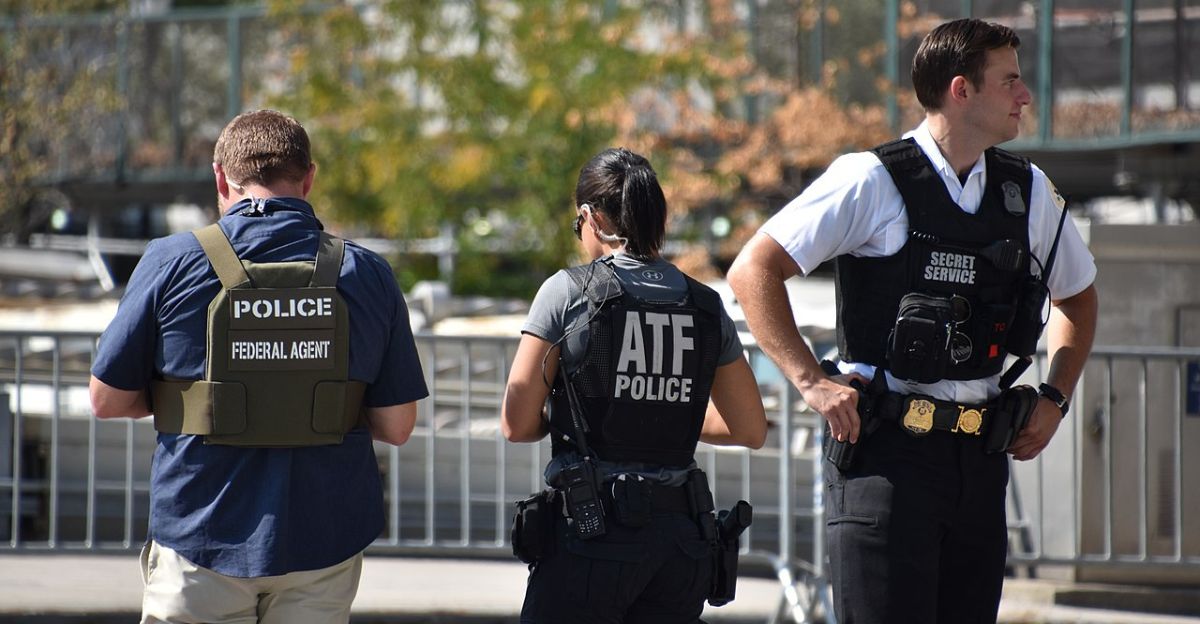
Since the order went into effect, federal agencies have stepped up their presence, issuing subpoenas and conducting property searches related to Antifa. However, mainstream press investigations have found no mass arrests directly linked to the executive order.
Instead, local law enforcement agencies have largely continued operating in the same ways they did before, preferring to manage protests at the city level. Many police departments remain cautious about adopting federal directives, citing limits on resources and differences in community priorities.
What Comes Next?
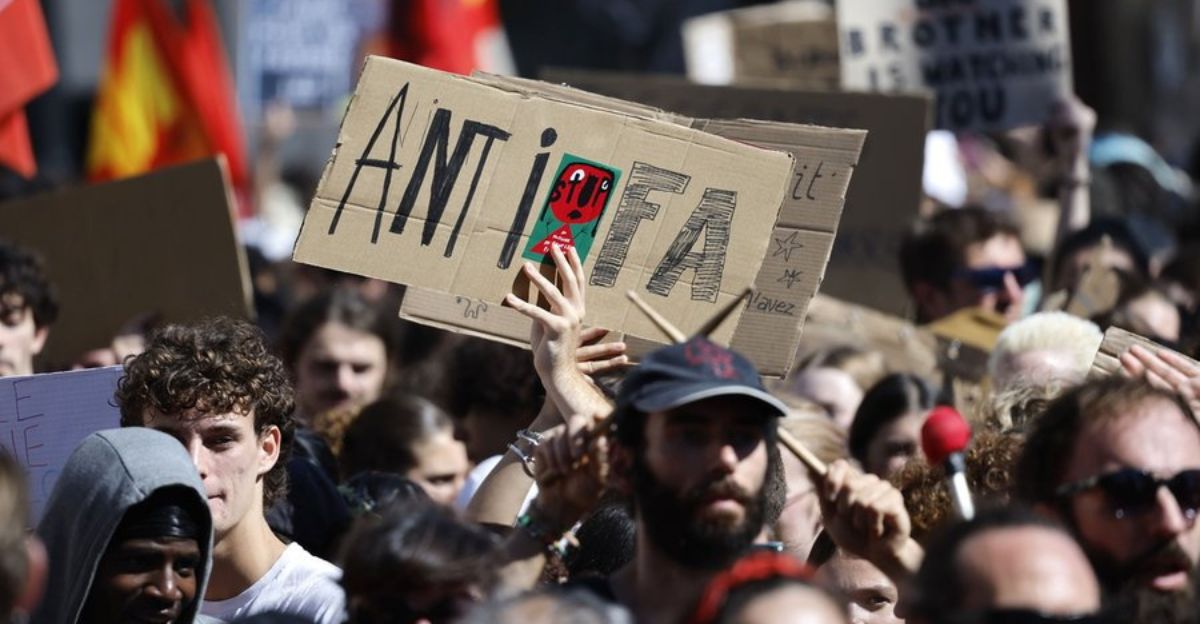
Legal experts suggest the future depends entirely on how aggressively agencies interpret and apply the executive order. If federal prosecutors decide to press for terrorism-related charges against Antifa-linked activists, courts will quickly test whether the order truly holds weight.
One constitutional analyst said, “How the government handles the Antifa designation could redefine how far executive powers can stretch in domestic security.”
Fresh Investigations Underway
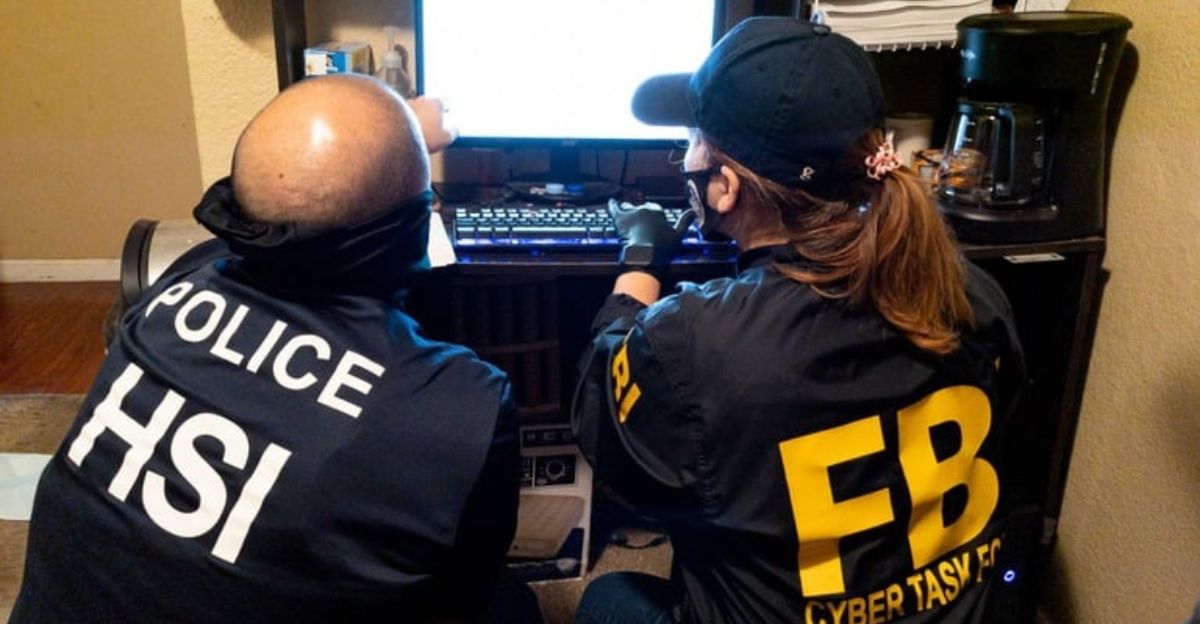
Following the executive order, new investigations began almost immediately across government agencies and in Congress. Lawmakers opened fresh inquiries aimed at examining how far federal monitoring of protest movements extends and what methods agencies are allowed to use.
Lawsuits have already been filed challenging surveillance programs, arguing that they unfairly profile individuals who may not have engaged in violence. This tug-of-war between transparency and national security creates new courtroom battles and media attention.
Big Tech Under Pressure

Social media companies, which are often accused of providing a platform for Antifa-linked organizers, are facing mounting federal pressure to increase monitoring of online accounts tied to violent activity. Platforms have already strengthened algorithms and oversight teams to filter violent content and track accounts suspected of plotting unrest.
At the same time, industries outside tech are also feeling the ripple effect. Private security firms report spikes in demand from businesses and institutions worried about being targeted in unrest. Insurance providers are tightening policies in protest-heavy areas as property damage claims rise. Either way, Antifa’s designation has broadened debate far beyond government, reshaping how corporations engage with contentious political issues.
The Misinformation Battle

Viral posts and memes claim that thousands of Antifa members have been arrested since the executive order was announced, yet journalists and independent investigators have found no evidence of mass arrests. Experts warn that misinformation spreads faster than official statements, and in some cases, it shapes public opinion more powerfully than facts.
In many ways, the fight over Antifa is as much about framing and controlling the public story as it is about legal enforcement. The executive order’s ripple effects are unfolding not just in courts but also in comment sections and timelines.
Is History Repeating Itself?

Experts say the attempt to label Antifa a “domestic terrorist organization” is not without precedent, but history shows it is rarely successful. Previous administrations have tried similar designations against groups like radical animal rights activists and anti-government militia movements. In nearly all cases, constitutional protections and court rulings limited how far the federal government could go.
The historical record suggests that while policing protest movements is not new, each generation defines its limits differently. Whether Trump’s executive order becomes a lasting precedent or fades into history as another failed attempt will depend on upcoming court rulings and public tolerance for aggressive measures.
Wrapping It All Up
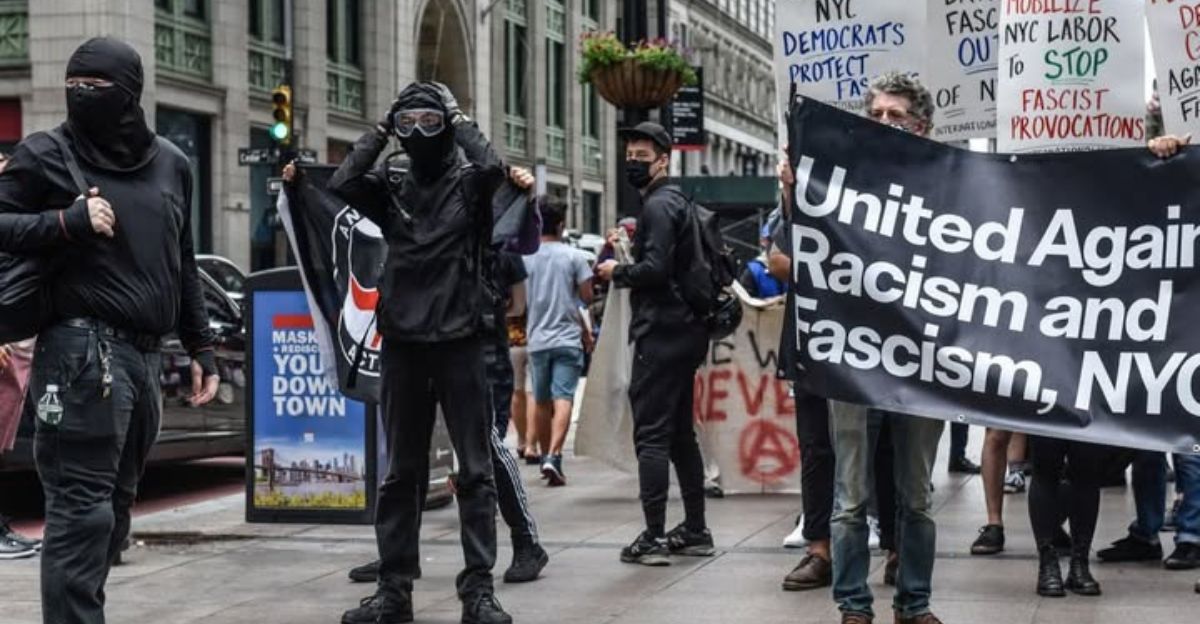
What’s clear is that the order has set off a national chain reaction. From business owners anxious over vandalism, to tech companies recalibrating their platforms, to courts being drawn into constitutional showdowns, the ripple effects are wide.
The bottom line is that the fight is not settled in the streets or in Washington speeches, but in the courts and institutions that will define how far government can go in labeling and policing political movements. Until then, the debate is guaranteed to remain one of the most polarizing issues in America’s political future.