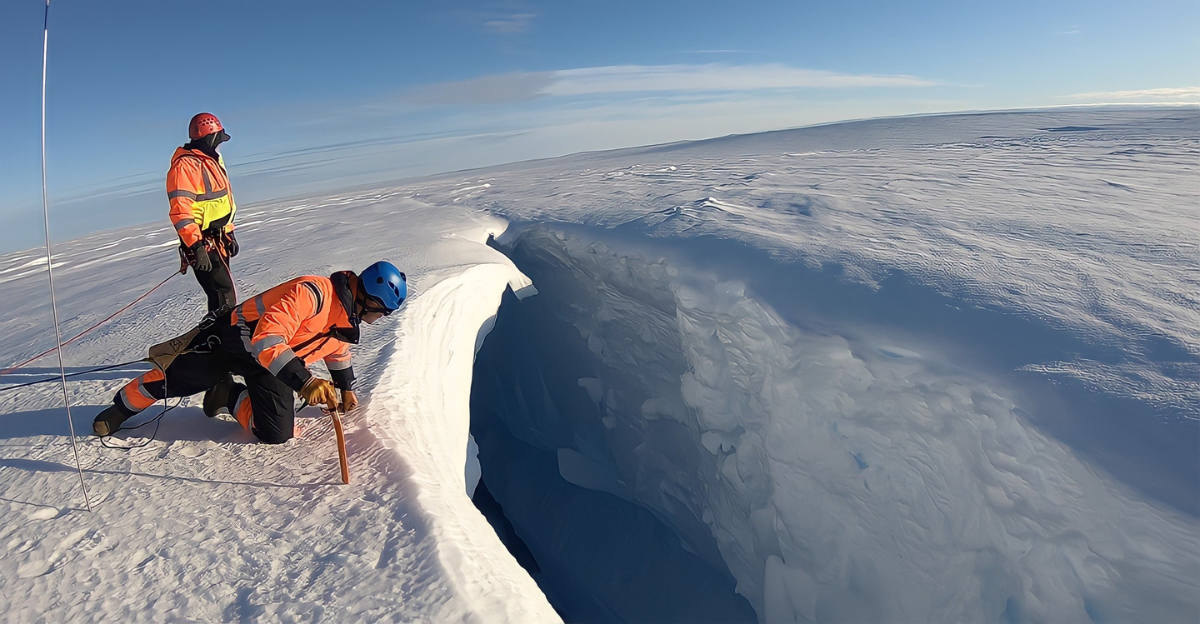
For centuries, Antarctica’s ice-covered seas kept their secrets locked away. With advanced mapping tools, scientists finally see what lies beneath the thick ice.
They’ve discovered underwater features much larger than anyone expected—five times more than earlier estimates. These formations matter because they affect ocean currents that control global weather.
“This is the first time we have a coherent view of these systems across the entire Antarctic margin. These features are widespread and connected to past and present ice dynamics,” said Dr. David Amblàs of the University of Barcelona, lead researcher on the project.
Unprecedented Discovery Expands Our View
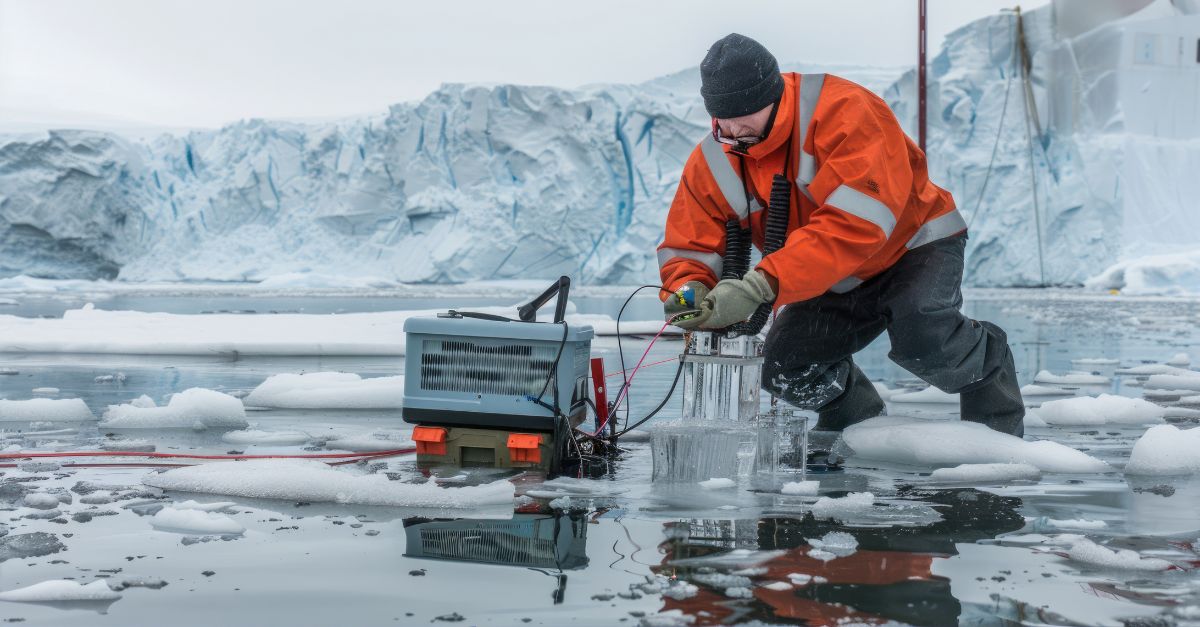
This breakthrough came thanks to the most detailed seafloor maps of Antarctic waters. Using high-tech sonar and satellites, marine scientists found enormous formations stretching thousands of kilometers under the ocean.
The scale of the discovery was only possible through teamwork, as researchers in Barcelona, Cork, and across continents combined their data.
“Thanks to the high resolution of the new bathymetric database, we could apply semi-automated techniques more reliably to identify, profile, and analyse submarine canyons,” explained Dr. Riccardo Arosio of University College Cork, co-lead author.
Antarctica’s Crucial Climate Role
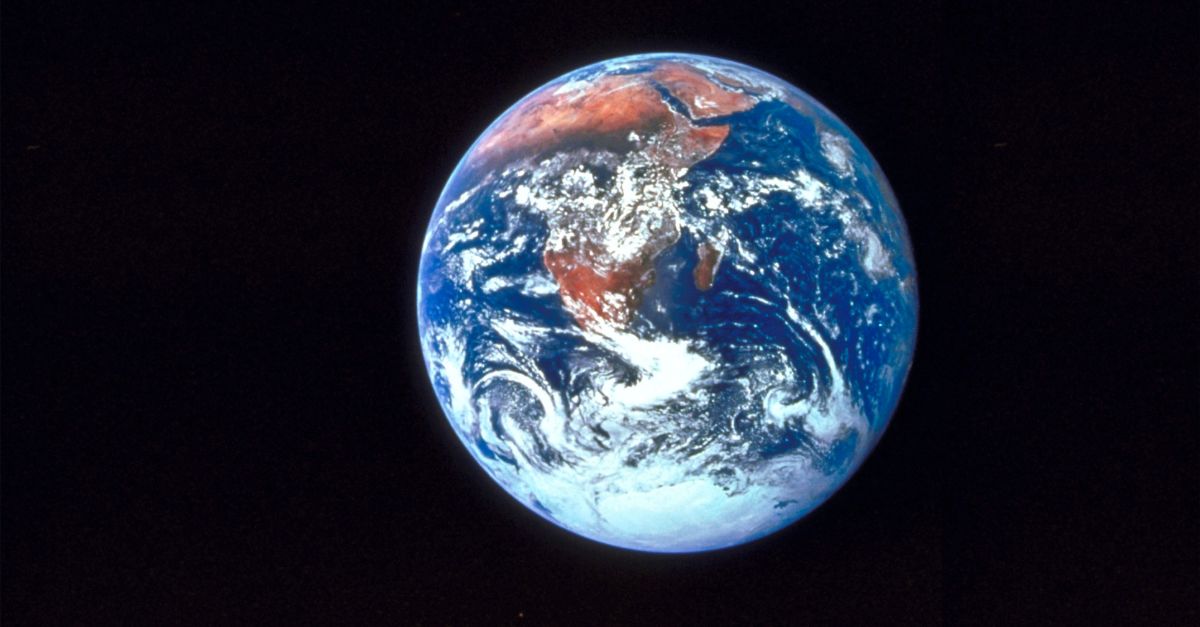
The Southern Ocean, which circles Antarctica, is central to Earth’s climate. It soaks up more heat and carbon dioxide than any other ocean region. It connects the Atlantic, Pacific, and Indian Oceans through one giant current better known as the Antarctic Circumpolar Current, the strongest on Earth.
This system also spreads nutrients that feed 75% of global ocean life. Right now, though, the Southern Ocean is warming and currents are shifting, already influencing weather patterns far outside Antarctica.
Without knowing the structure of the seafloor here, we can’t fully predict how these changes will unfold.
Research Methods
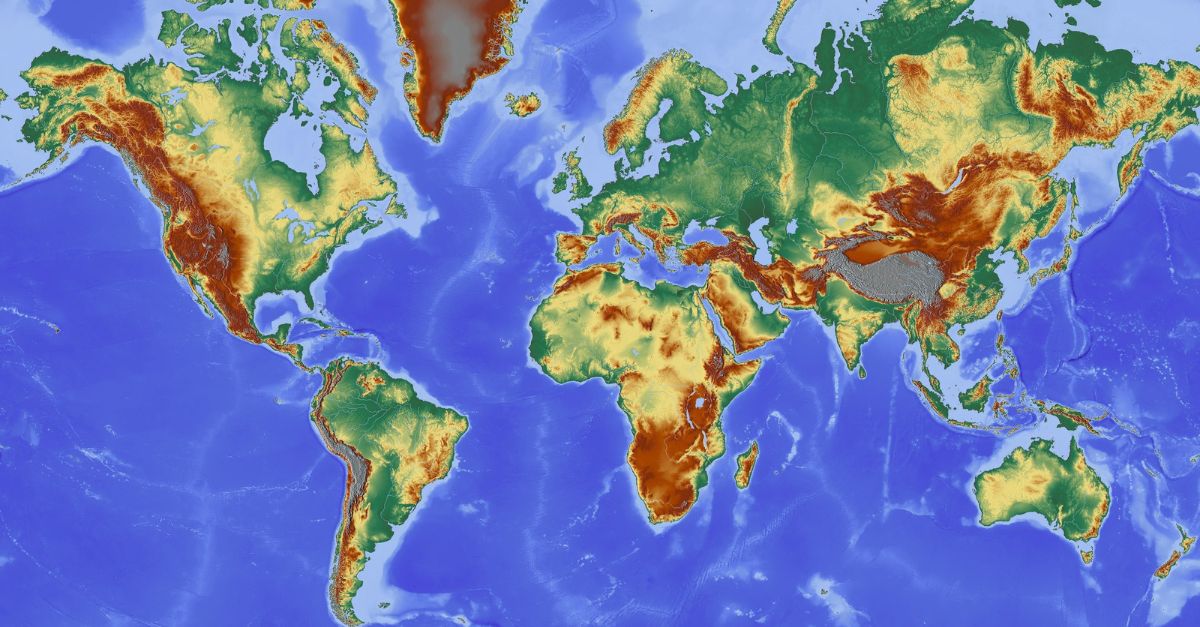
The findings were published in Marine Geology. Scientists used the International Bathymetric Chart of the Southern Ocean (IBCSO v2), a high-resolution map of the Antarctic seafloor.
This map is extremely sharp—500 meters per pixel. The older versions were blurry by comparison, with resolutions of 1–2 kilometers. With this clarity, teams led by David Amblàs and Riccardo Arosio created semi-automated tools to scan for underwater formations.
They measured 15 separate parameters to classify features, finding invisible details.
A Canyon Network Beyond Imagination
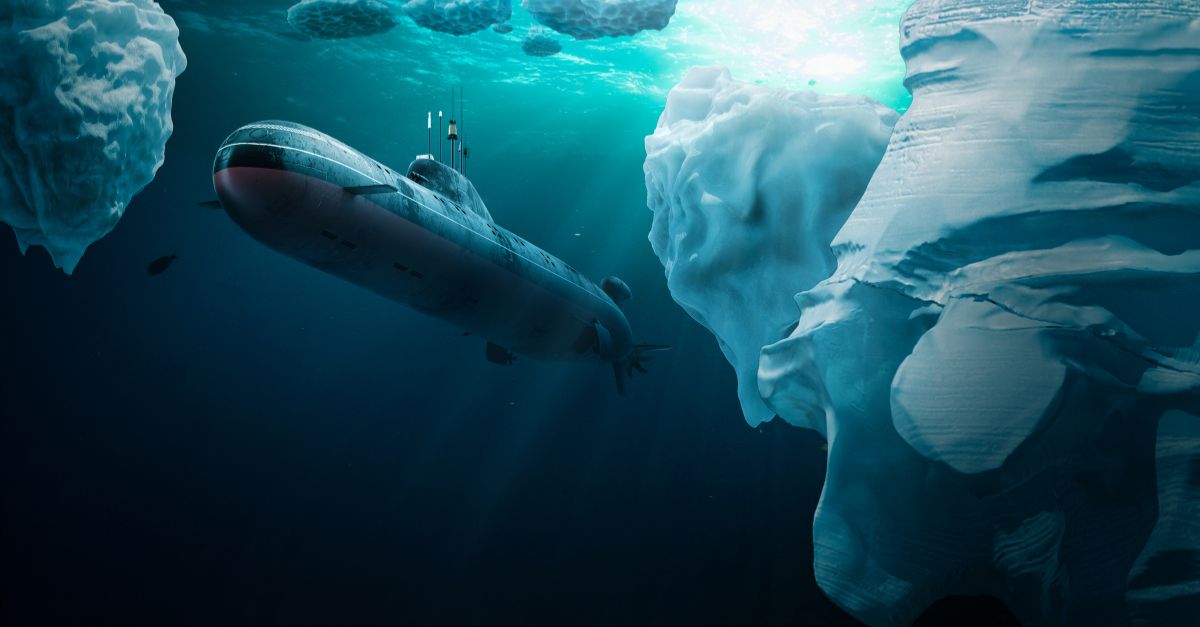
The survey uncovered 332 massive canyons carved deep into Antarctica’s seabed. Some are even deeper than the Grand Canyon, “Some of the submarine canyons we analyzed reach depths of over 4,000 meters,” said Amblàs.
Stretching over 3,500 kilometers of coastline, these canyons were carved by ancient glaciers and torrents of sediment. They act like underwater highways for ocean currents, shuttling water, heat, and nutrients between coastlines and the deep ocean.
This discovery changes how scientists view Antarctica’s geography and role in global ocean systems.
Regional Canyon Contrasts
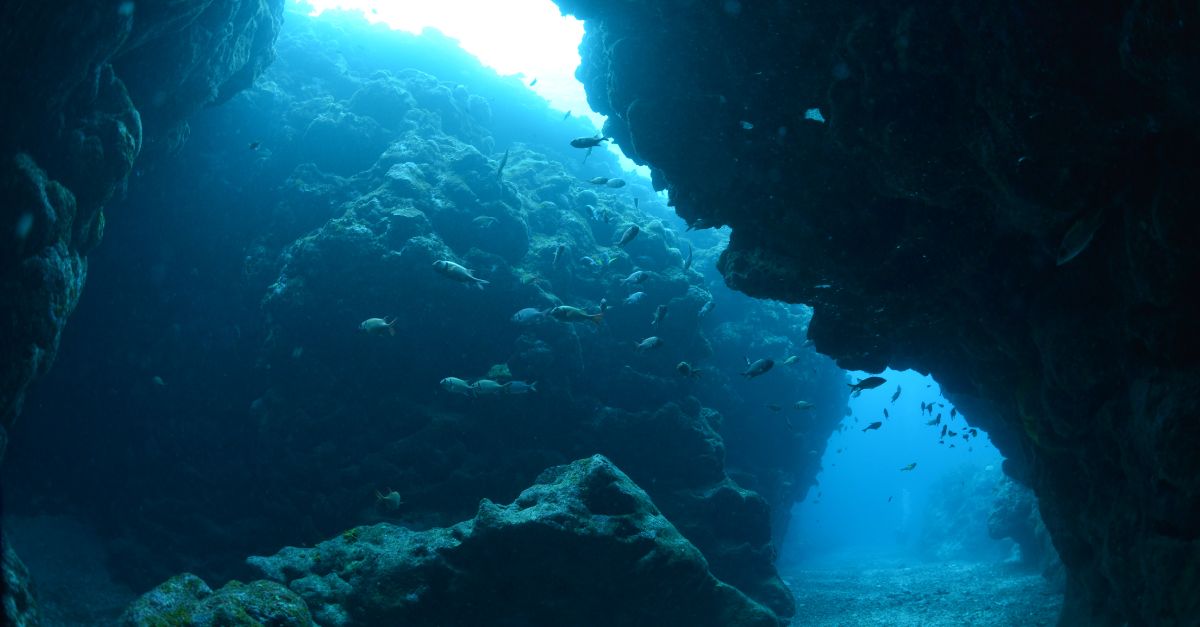
These canyons differ wildly depending on location. In East Antarctica, they are broad, U-shaped, and heavily branched—signs of slow, steady glacial activity that lasted millions of years.
“The most spectacular of these are in East Antarctica, which is characterized by complex, branching canyon systems. The systems often begin with multiple canyon heads near the edge of the continental shelf and converge into a single main channel that descends into the deep ocean, crossing the sharp, steep gradients of the continental slope,” said Amblàs.
Sea Level Rise and Coastal Risks
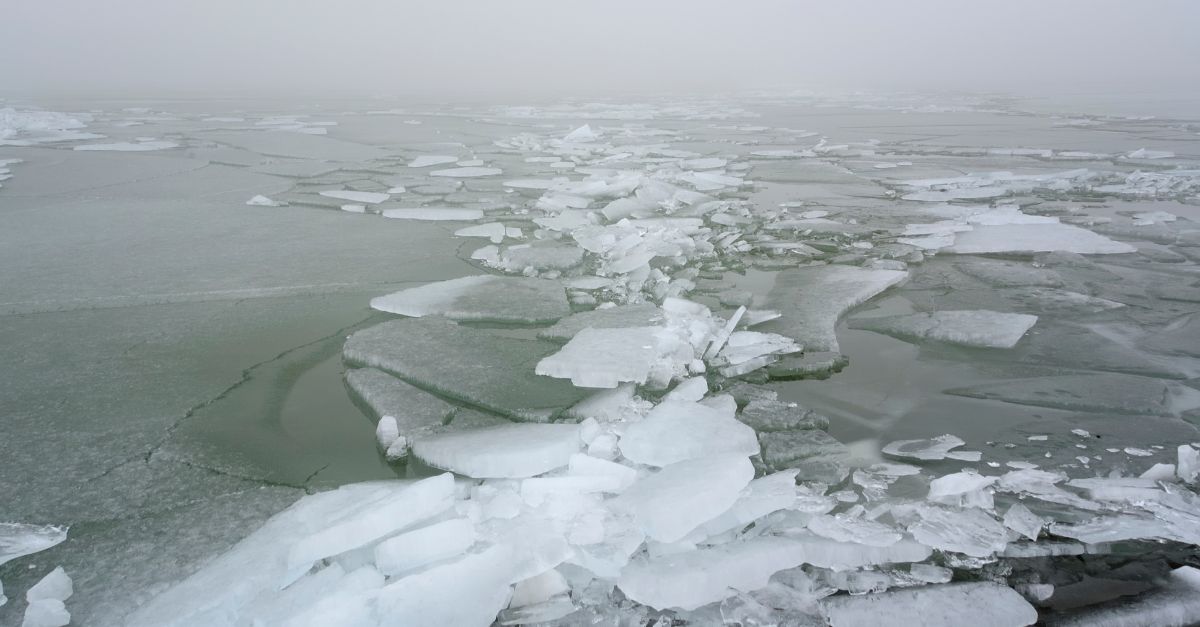
Why should people far from Antarctica care about canyons under the ice? Because they directly affect sea level rise. These canyons guide warm water from the deep ocean toward Antarctic ice shelves, eroding them from below.
As ice shelves thin and collapse, land ice flows faster into the sea, raising sea levels around the globe. This is serious, with 230 million people living less than a meter above the current sea level.
Current IPCC climate models don’t account for these hidden canyons, meaning we may underestimate how quickly waters will rise.
How Canyons Move the World
These canyons aren’t just geographic quirks but engines in the global climate system. They help form Antarctic Bottom Water, the densest and coldest ocean water mass.
This water sinks and flows northward along the seafloor, driving the world’s deep-water circulation. At the same time, canyons also funnel warm water back south, toward Antarctica’s ice shelves.
Scientists estimate the Southern Ocean moves heat equal to 100 times the flow of every river on Earth combined. If this system falters, global weather patterns could be thrown off balance.
Missing Pieces in the Climate Puzzle

Amblàs emphasized how these canyons “are not only widespread, but they are deeply connected to past and present ice dynamics.” Their role in moving water layers between the shallow and deep oceans makes them fundamental for understanding ice shelf melting.
“Five times as many canyons as previous studies were found”, noted Arosio. The scientific team says many climate models miss or poorly simulate these crucial seafloor features, which may explain why Antarctic changes often happen faster than predictions suggest.
A Blind Spot in Climate Models

Current climate models can’t simulate what these canyons do. Their resolution is too low to capture how canyons pump water vertically, stir nutrients, or mix currents.
This blind spot reduces our ability to accurately predict sea levels and ocean circulation. If models include these canyon effects, climate projections could shift significantly, pointing to more rapid and potentially more severe outcomes.
This gap may be why scientists regularly underestimate how fast Antarctica is melting.
Canyons Written in Ice and Stone
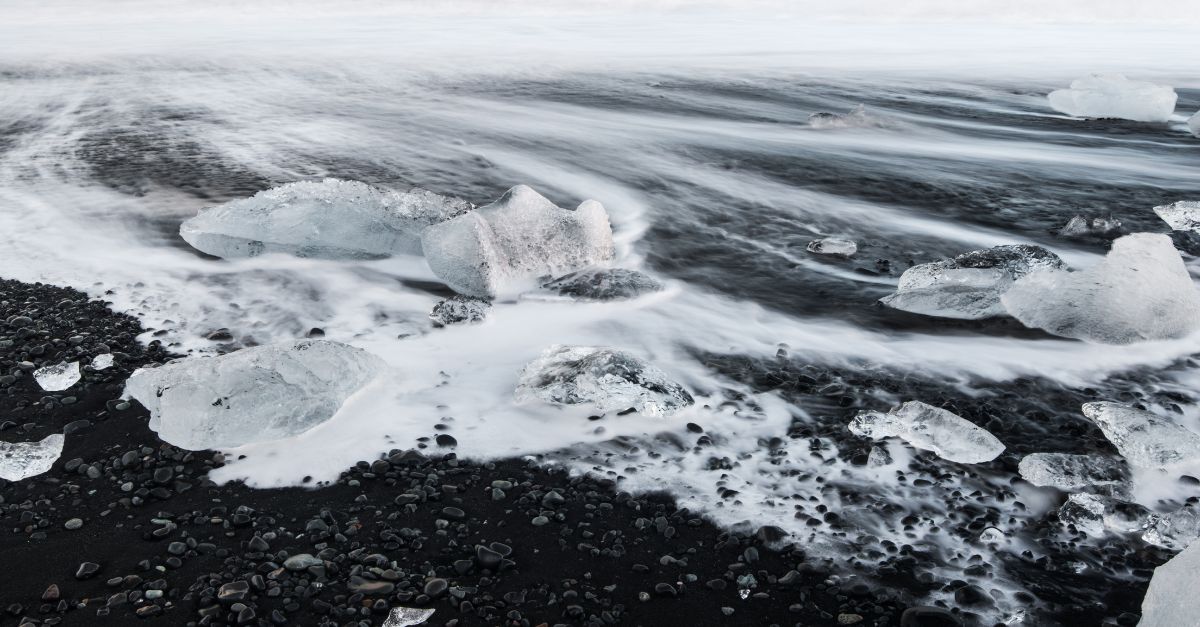
Antarctica’s canyons formed through unique polar processes, mainly shaped by icy turbidity currents that race downslope.
With steep terrain and endless glacial deposits, Antarctica had the perfect setup for erosion on a grand scale. Some canyons date back 80 million years, when Antarctica split from Australia. They started as river valleys, later reshaped by ice and waves.
Geoscientist Fausto Ferraccioli remarked, “By mapping these deep troughs and mountain ranges, we have therefore added a key piece of the puzzle to help understand how the East Antarctic Ice Sheet may have responded to past change and how it may do so in the future.”
A Dynamic Dance
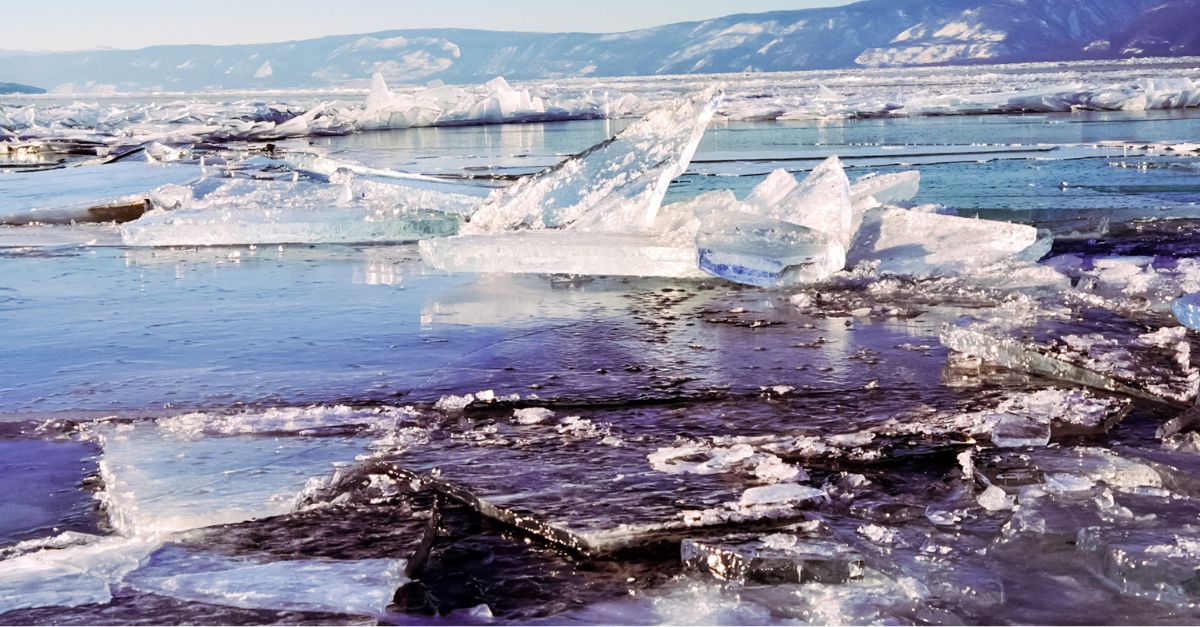
The canyons aren’t just relics but active players in ice dynamics. Over thousands of years, ice sheets have advanced and retreated across them, leaving marks in sediment cores.
History shows collapses and regrowth, often with canyons funneling waters that trigger breakup events.
West Antarctic ice shelves are especially vulnerable today, and the canyons’ presence reminds us how quickly these changes can occur, something the geological record supports.
Current Ocean Changes
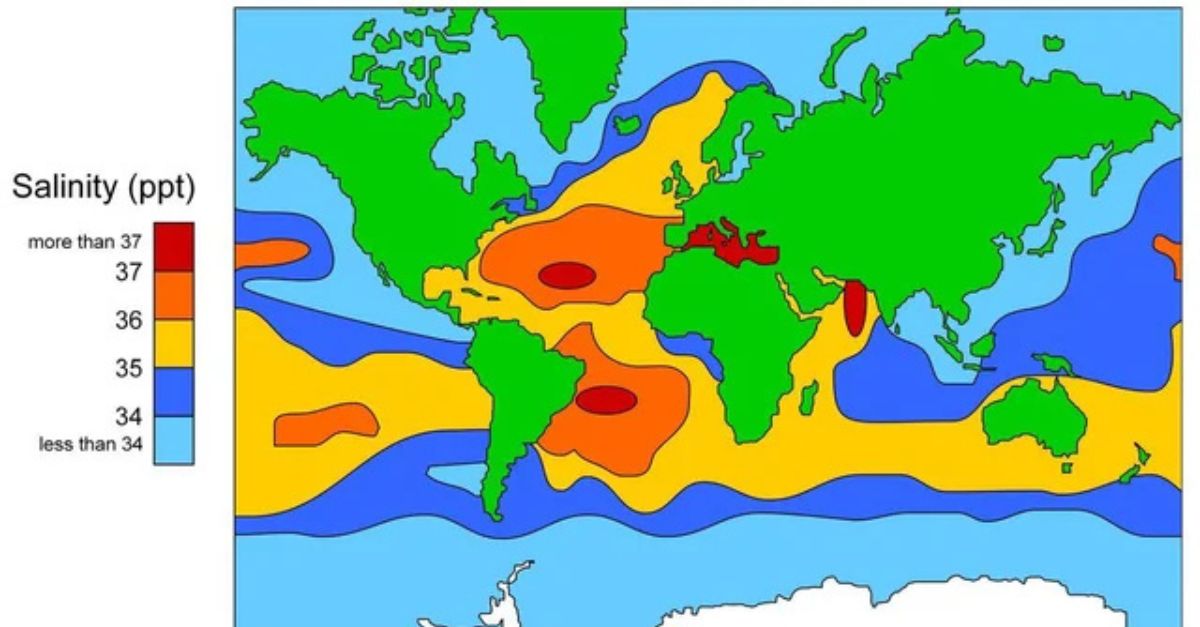
Recent observations around Antarctica show worrying trends. Surface waters have become saltier since 2016, indicating that circulation is shifting dramatically.
This allows warm deep water to rise more easily, increasing melting under ice shelves through the canyon networks scientists discovered.
The mighty Antarctic Circumpolar Current could weaken by as much as 20% by 2050, risking feedback loops that accelerate climate disruption.
Mobilizing to Understand
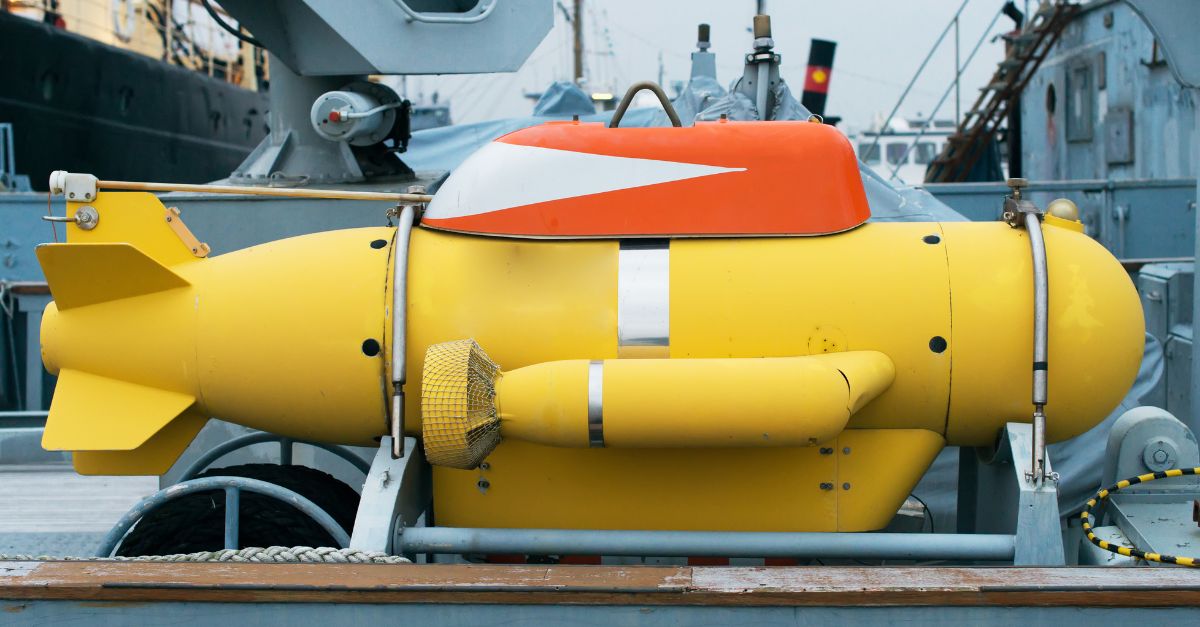
Scientists are quickly mobilizing worldwide to understand how new canyon findings affect climate and sea level predictions.
Circulation models include high-resolution maps, while underwater robots and sensors track canyon activity.
The European Space Agency recently shifted satellite monitoring priorities to monitor Southern Ocean changes linked to canyon systems.
How Canyons Change Climate Projections
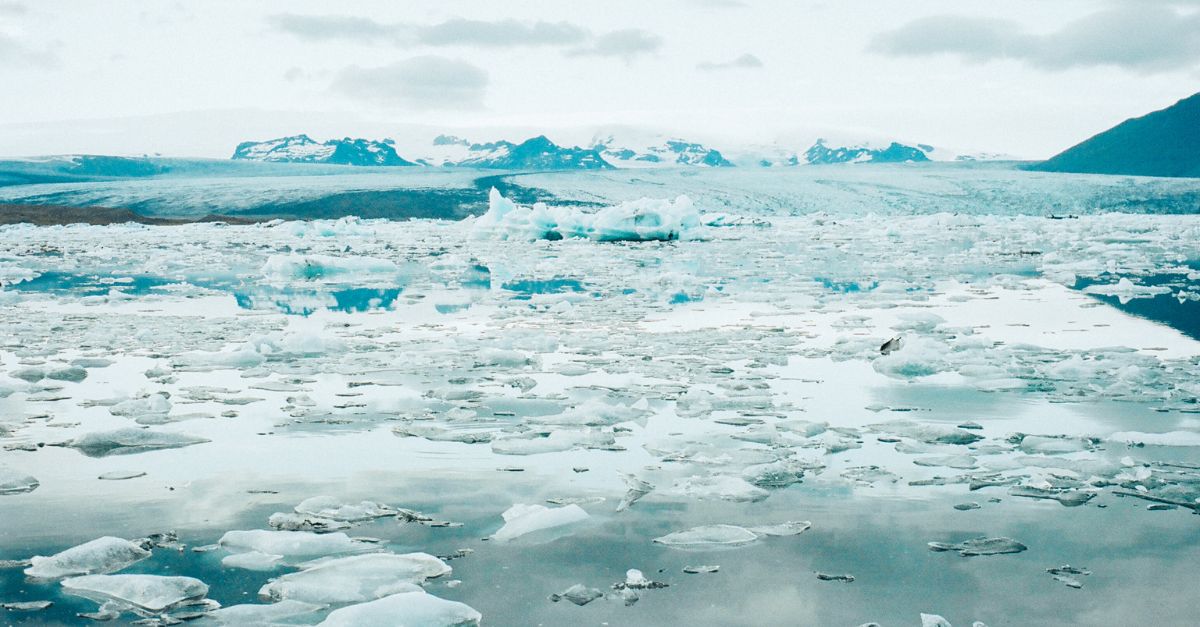
Adding canyons into climate models changes everything. In high-emission futures, West Antarctic ice loss could exceed our worst forecasts thanks to warm water traveling efficiently through these deep channels.
Meanwhile, East Antarctica’s intricate canyon systems might help stabilize some circulation, slowing losses there. What happens depends on how quickly ocean conditions change and how emissions trend over the coming decades. Scientists stress these next 20 years will be crucial.
How Much Don’t We Know?
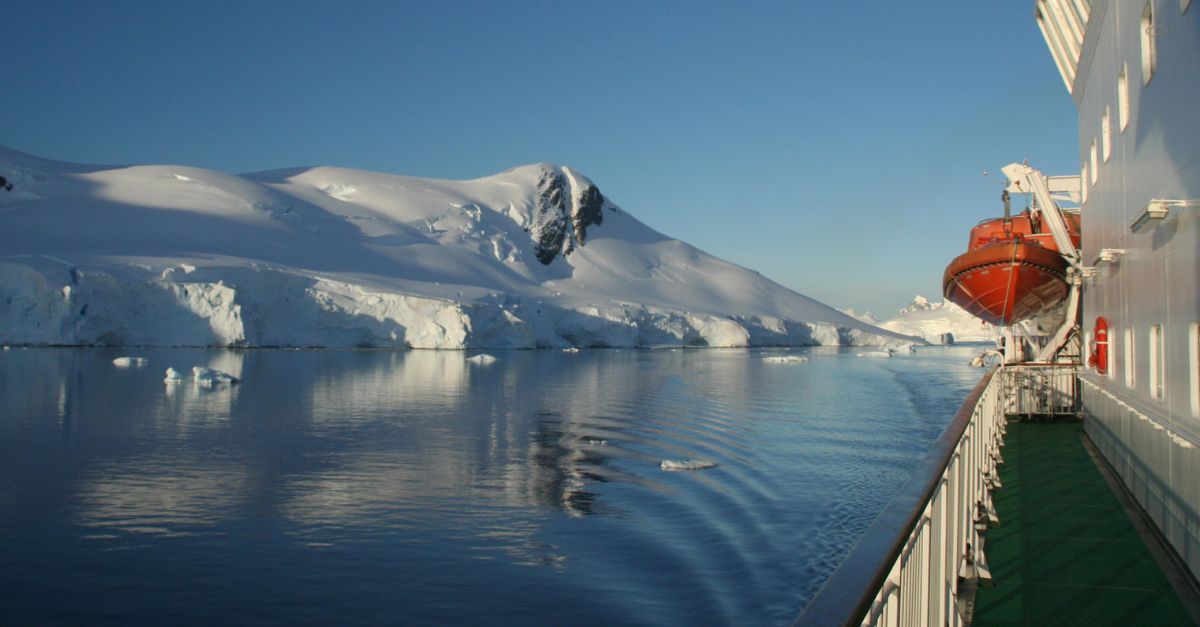
Mapping just started, so most of Earth’s seafloor is still uncharted. Europe has begun a significant initiative to study how submarine canyons may trap carbon and help limit warming.
The Antarctic Treaty System is considering new rules to protect these formations, and even the International Maritime Organization is reviewing safety and shipping practices now that we better understand the seabed landscape.
Industry on Alert
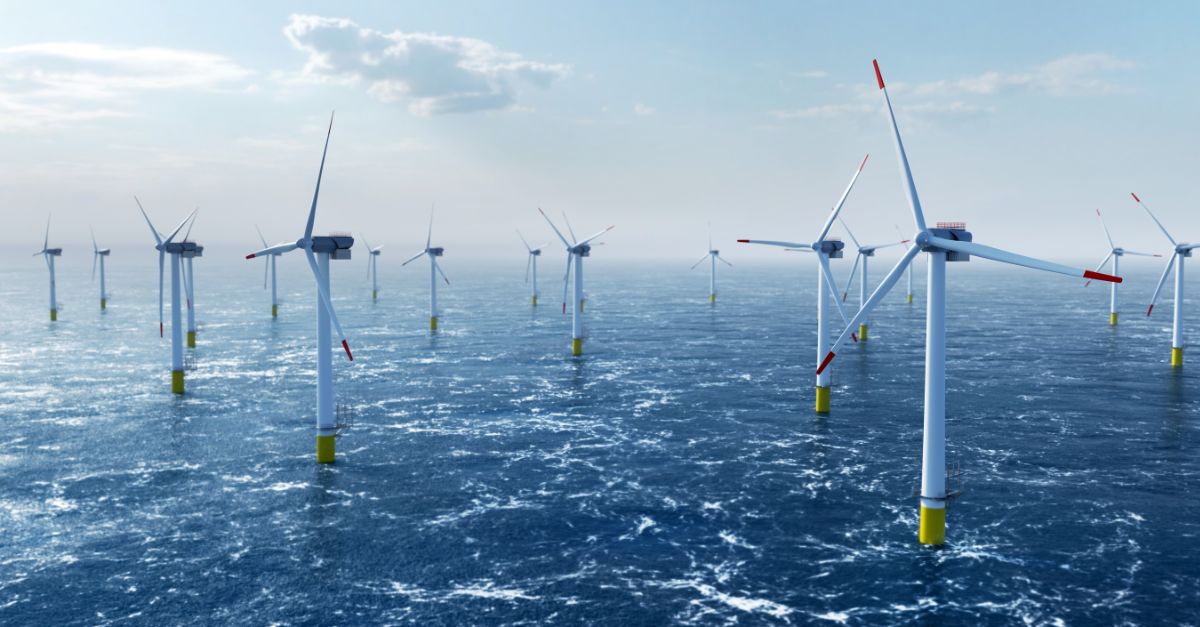
Industries from insurance to energy and fisheries are taking notice. Flood risk models are being updated to reflect faster sea level rises.
Offshore renewables study whether canyon-driven currents will impact operations, while the fishing industry follows research on marine food webs supported by canyons.
Climate tech companies are even exploring ways to intervene in canyon flow to limit ice shelf melting.
Awareness and Debate

The public is paying attention. Infographics and animations of the new Antarctic canyons have gone viral on social media accounts.
Climate activists argue the findings show urgent action is needed, while skeptics claim it’s all just “natural cycles.”
Scientists are stepping up to explain that the canyons are natural, but artificial warming threatens ice shelves and our coastlines.
Historical Seafloor Surprises
Past discoveries of hidden seafloor features have rewritten Earth science. In the 1950s, finding the Mid-Atlantic Ridge helped explain plate tectonics, while hydrothermal vents in the 1970s changed our views of deep-sea life.
Antarctic canyons join these discoveries as another significant piece of the puzzle. History suggests we won’t fully grasp their influence for years, but they could prove critical to our future.
Canyons That Shape the World’s Climate
The discovery of 332 massive canyons under Antarctica has changed how scientists see the continent and its impact on global systems. These features drive ocean currents, regulate temperatures, and affect the fate of ice shelves holding back rising seas.
Whether as accelerators of change or sources of stability, these canyons remind us: our planet still holds big surprises that everyone should heed.