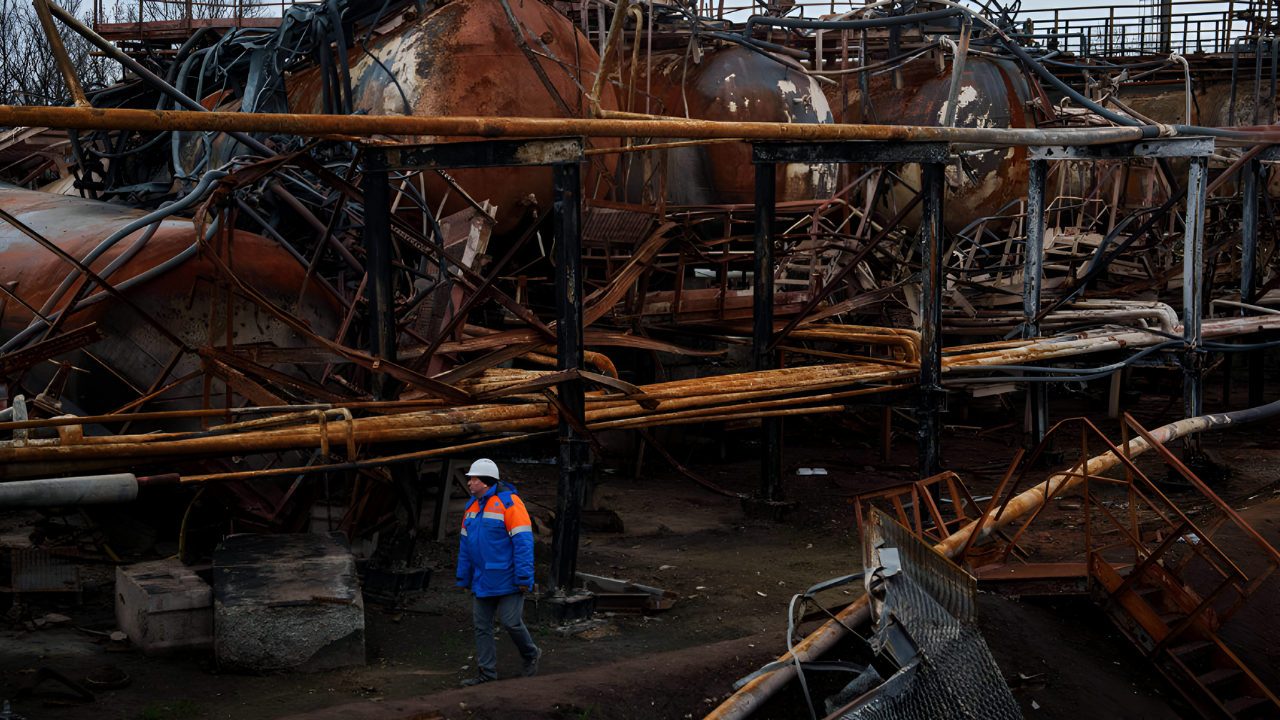
Oil tankers in the Black Sea have become front-line targets in the war between Russia and Ukraine, as Kyiv turns its focus from military assets to commercial shipping crucial to Moscow’s oil revenues. In late November and early December 2025, three tankers linked to Russia were attacked within a week, all in or near Turkey’s exclusive economic zone, underscoring how the conflict is spilling into shared international waters and reshaping global maritime risk.
Sea Baby Drones and a New Phase at Sea
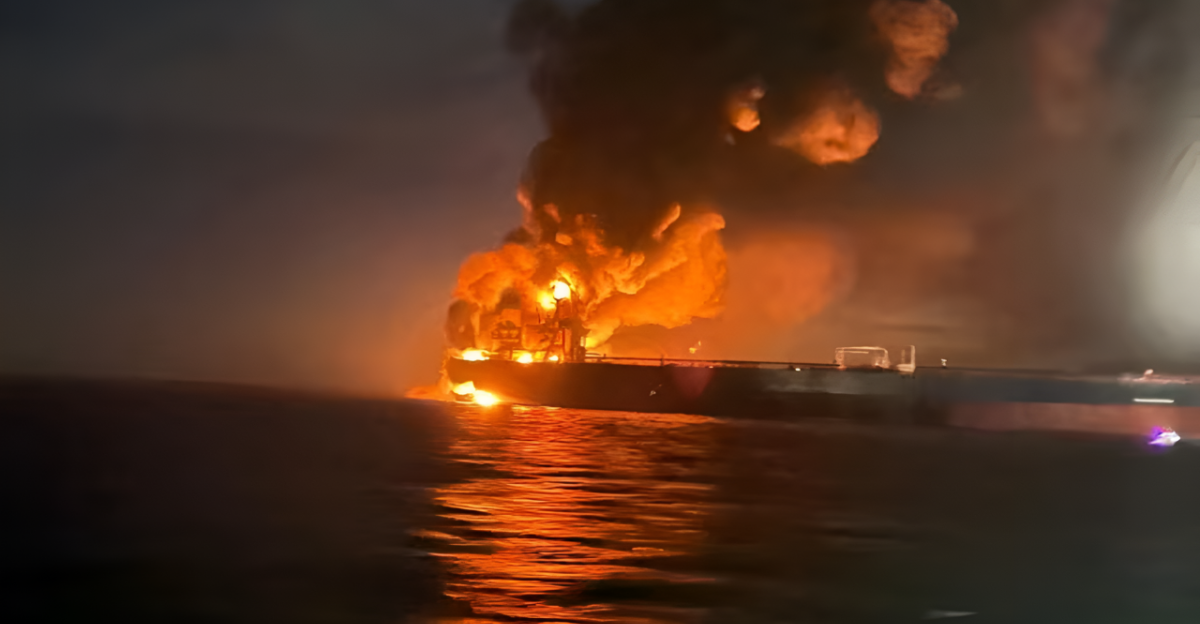
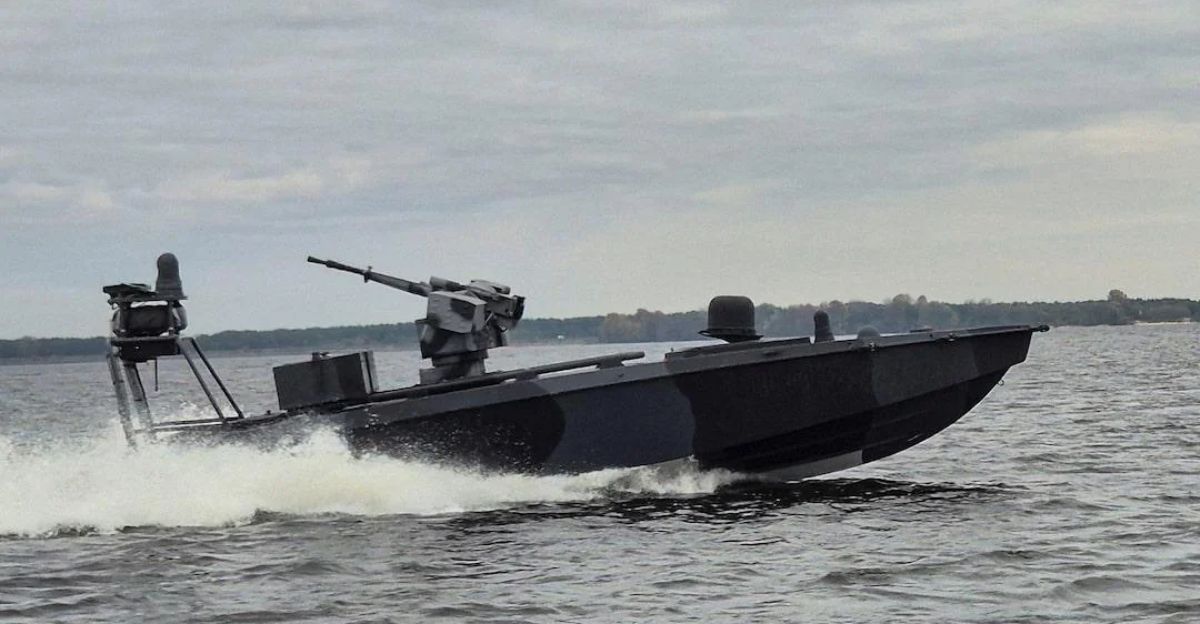
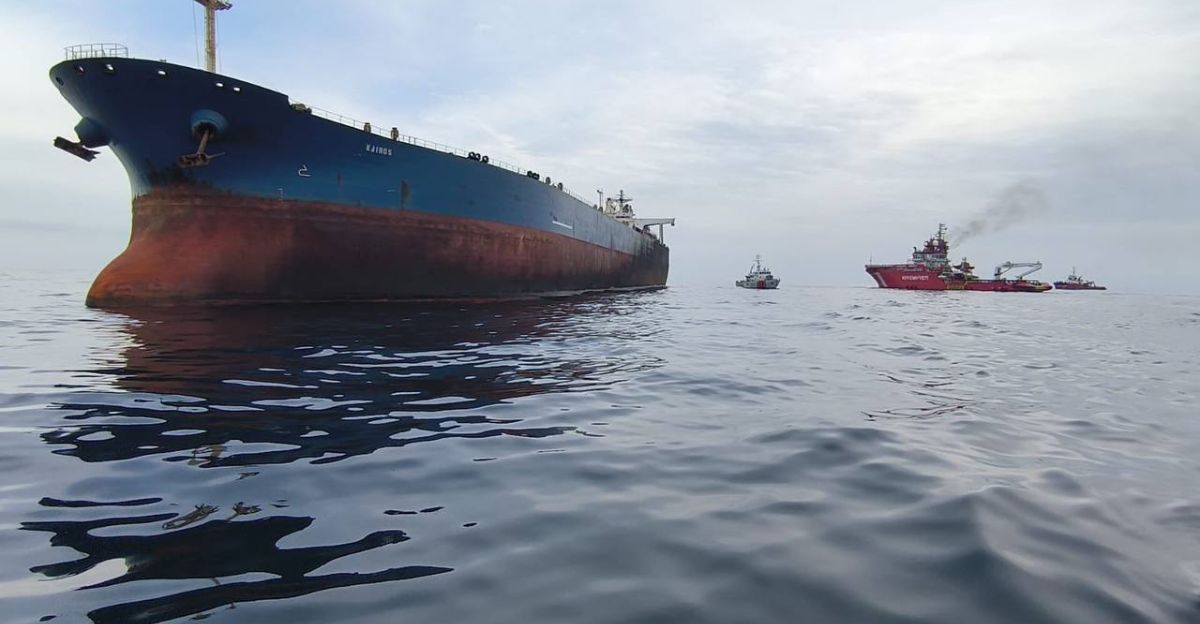
Ukraine has publicly confirmed it is using domestically developed “Sea Baby” maritime drones to hit Russian-linked tankers it says are part of a sanctions-busting network. On November 29, Ukraine’s Security Service said these drones struck two tankers, the Kairos and the Virat, described by Ukrainian officials as sanctioned “shadow fleet” vessels heading toward Russian ports.
This open acknowledgment marks a shift from earlier Ukrainian practice of avoiding direct claims of responsibility for some maritime operations. By naming both the systems and the targets, Kyiv is signaling to Moscow, its own public, and foreign partners that it can project force deep into contested waters and that Russian oil logistics are now a deliberate target.
Inside Russia’s “Shadow Fleet”
At the center of this campaign is Russia’s so‑called shadow fleet, an estimated 1,300 older tankers that operate under obscure ownership structures, false identities, and flags of convenience to circumvent Western sanctions on Russian oil exports. These ships often disable tracking systems, switch names, and move through shell companies to keep authorities and regulators from tracing cargo and ownership.
Ukraine has identified this opaque fleet as a critical vulnerability in Russia’s war financing, as it enables Moscow to keep selling oil and earning billions despite sanctions. The Kairos and Virat, singled out by Ukrainian officials as sanctioned vessels, were among the first to be publicly claimed as targets in this expanded maritime campaign.
The Midvolga-2 Attack and Long-Range Strikes

The third incident in this cluster involved the Russian‑flagged tanker Midvolga‑2, which reported an attack on December 3, 2025, in the Black Sea about 80 miles off Turkey’s coast, while transporting sunflower oil to Georgia. Turkish authorities confirmed the strike and said all 13 crew members were unharmed. The vessel continued under its own power toward the Turkish port of Sinop.
Analysts who studied images of the damage pointed to a hole in the bridge roof, widespread shrapnel on deck, and apparent drone fragments, concluding it was highly likely a long‑range drone strike. The tanker was roughly 340 miles from Ukrainian‑controlled territory, a distance that highlights the growing range and precision of Ukraine’s unmanned surface systems against moving targets well beyond conventional front lines.
Turkey’s Warning and NATO’s Silence
The series of Black Sea attacks drew an unusually sharp response from Turkish President Recep Tayyip Erdoğan, who said the fighting between Russia and Ukraine was now clearly endangering navigational safety. He described strikes in Turkey’s exclusive economic zone as a troubling escalation and said Ankara had issued formal warnings to both Moscow and Kyiv.
Turkey’s reaction reflects its complex position. It is a NATO member with direct control over access to the Black Sea through the Turkish Straits and maintains working relations with both Russia and Ukraine. The incidents place Ankara in an uncomfortable role: the attacks involve international shipping in its waters, but responding too forcefully could strain ties with either side or complicate alliance dynamics.
NATO governments, meanwhile, have refrained from publicly condemning or endorsing the drone campaign against commercial tankers. This quiet approach contrasts with vocal support for Ukrainian operations against clearly military targets. Analysts suggest that while many Western states benefit from pressure on Russian energy exports, openly backing attacks on merchant shipping in international waters could set precedents that worry neutral countries and maritime industries.
Economic Pressure, Global Risks, and What Lies Ahead
Though no deaths have been reported in the recent tanker incidents, the strikes have immediate financial and strategic consequences. War‑risk insurers have sharply increased premiums for vessels operating in the Black Sea and calling at Russian ports, effectively imposing a conflict surcharge on Russian oil movements. Higher insurance costs and rising perceptions of danger amplify Ukraine’s strategy by making it more expensive and uncertain for Russia to move energy exports, even when ships survive attacks.
The Black Sea developments form part of a broader pattern. Since December 2024, at least seven tankers that visited Russian ports have suffered unexplained explosions or damage, including outside the Black Sea, such as in the Mediterranean. An incident involving the tanker Mersin off West Africa on December 1 suggests that disruption tied to the Russia‑Ukraine conflict may be spreading far from the immediate war zone, with knock‑on effects for global shipping and energy markets.
The deliberate targeting of commercial tankers represents a notable shift from earlier Ukrainian operations that concentrated on warships and port infrastructure. Analysts have compared the emerging pattern to the Tanker War phase of the Iran‑Iraq conflict in the 1980s, when attacks on merchant vessels in the Persian Gulf rattled global energy supplies and drew in outside powers to protect shipping.
Russia has responded to the latest strikes with threats. President Vladimir Putin has vowed to curtail Ukraine’s access to the sea and escalate attacks on Ukrainian facilities and vessels, and has warned of measures against tankers belonging to states that assist Kyiv. Whether these threats translate into systematic retaliation against Ukraine‑bound shipping remains unclear, but they underline how vulnerable Russia’s export routes have become to Ukrainian interdiction.
Ukraine’s decision to publicly accept responsibility for some tanker attacks, after initial denials in at least one case, appears designed to advertise its reach, deter operators from servicing Russian ports, and underline to partners that it can directly influence Russia’s export revenues. For now, crews have escaped serious harm, but merchant sailors are increasingly exposed to front‑line risks.
The next phase in this evolving maritime contest will depend on how far Russia is prepared to go in striking commercial vessels heading to Ukraine, how Turkey and other coastal states respond to further incidents in their waters, and whether NATO is compelled to act if ships linked to its members are hit. As both sides test the limits at sea, the Black Sea could become the center of a broader struggle over energy flows and maritime security with implications that extend well beyond the current conflict.
Sources:
Reuters – “Ukraine hits two Russian ‘shadow fleet’ oil tankers with drones in Black Sea”
Al Jazeera – “Russian tanker struck off Turkiye as Ukraine targets ‘shadow fleet’”
Euronews – “Third Russian tanker attacked in the Black Sea, Turkey says”
CNN – “Ukraine says it hit Russian ‘shadow fleet’ tankers with sea drones”
Forces News – “Tanker tactics: Ukraine expands Black Sea campaign with drone strikes on Russian vessels”