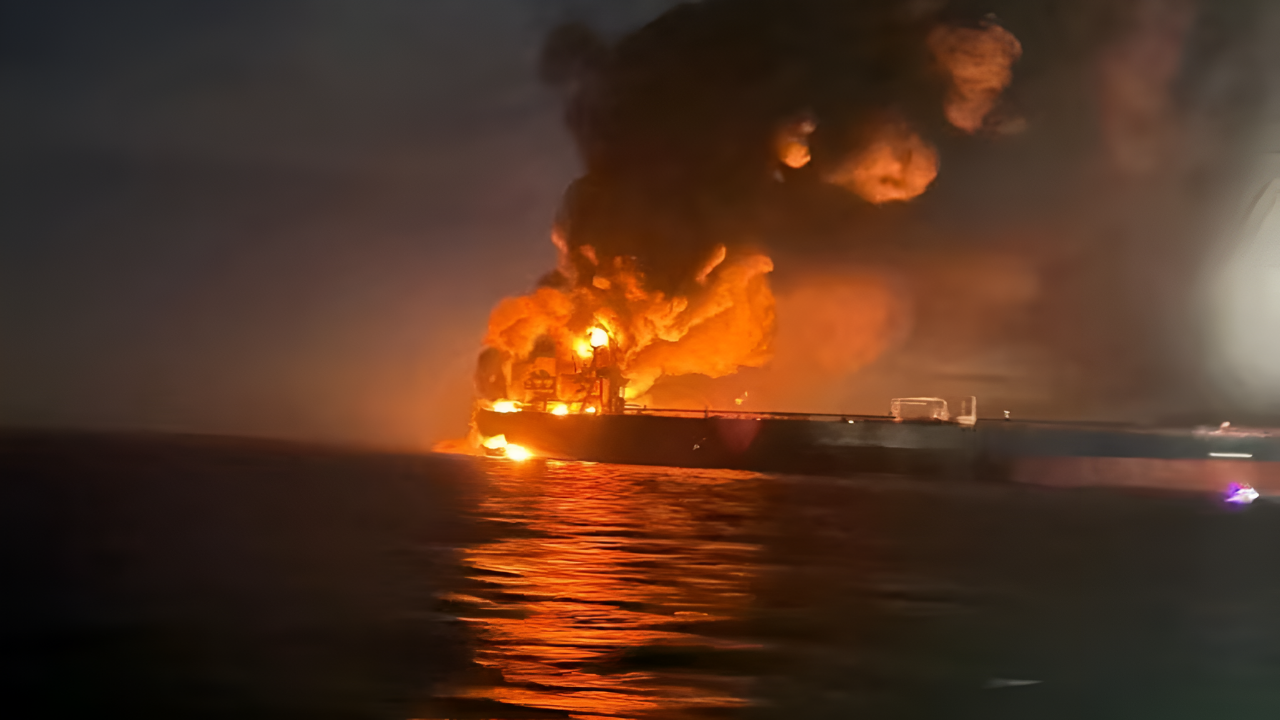
In late November 2025, three Russian-connected oil tankers were struck in the Black Sea within just seven days, marking a dramatic shift in Ukraine’s war strategy. Rather than focusing on military targets alone, Ukraine has begun attacking commercial shipping in international waters, forcing insurance companies to dramatically raise their rates.
All crews stayed safe during these strikes, but the attacks sent a clear signal: shipping lanes are now battlefields. Turkish officials expressed alarm about what President Recep Erdoğan called a worrying escalation happening in Turkey’s exclusive economic zone, highlighting how this conflict is spreading beyond traditional war zones into shared international waters.
Meet the Sea Baby Drones
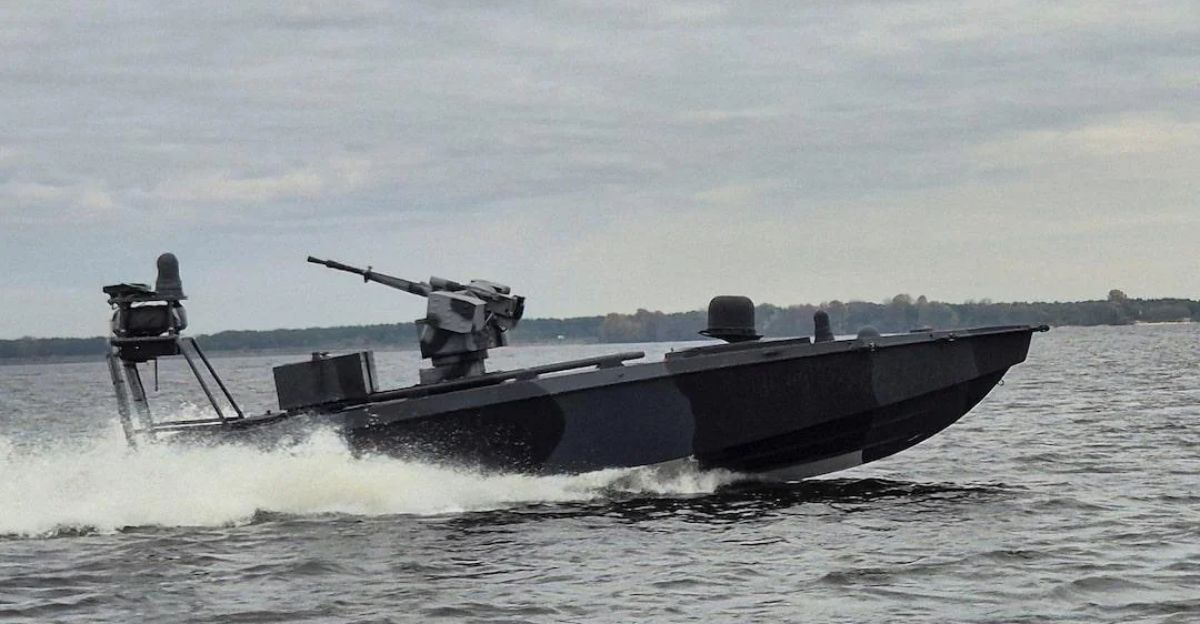
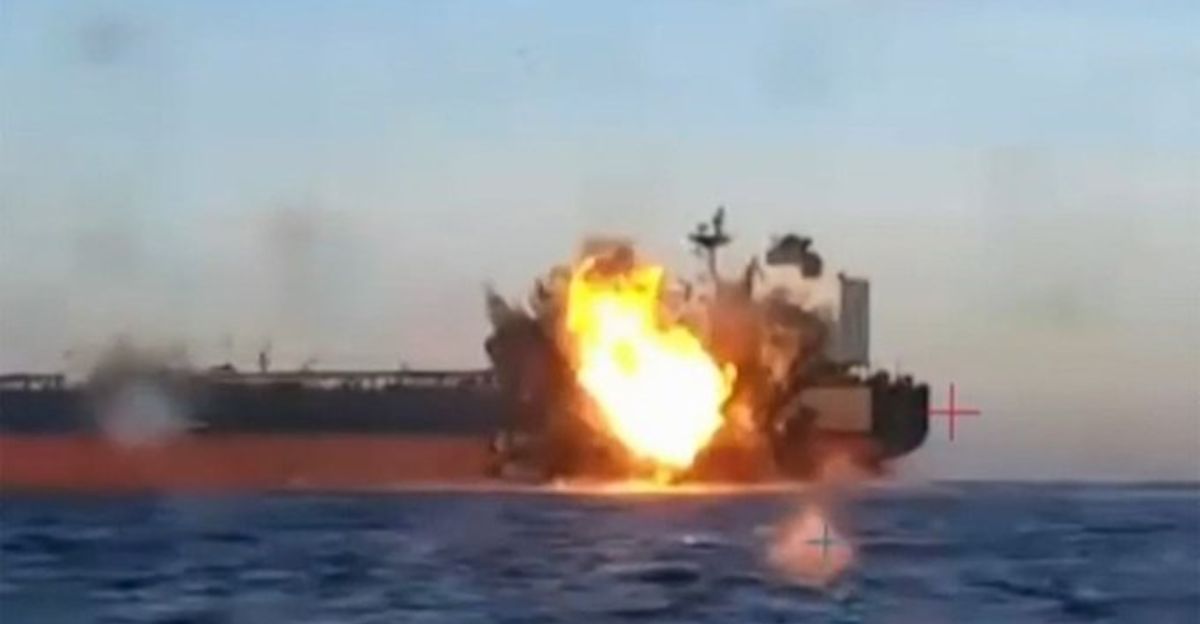
Ukraine has openly acknowledged using domestically made “Sea Baby” maritime drones to destroy sanctioned Russian tankers. These unmanned vessels represent a major turning point: Ukraine is no longer hiding its maritime operations but rather taking public credit for them.
On November 29, 2025, Ukraine’s Security Service confirmed that these drones struck two shadow-fleet tankers called the Kairos and Virat as they headed toward Russian ports. By publicly claiming responsibility, Ukraine sends a powerful message to its allies about its capabilities and to its enemies about the rising costs of transporting Russian oil.
Hundreds of Hidden Ships
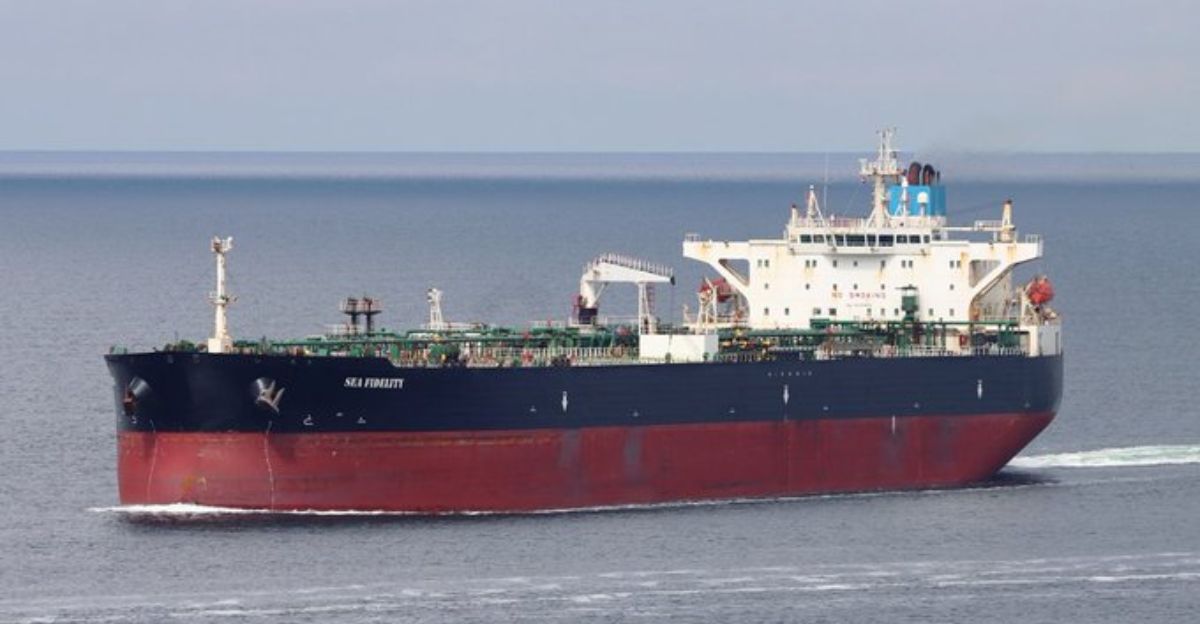
Russia operates a shadow fleet of roughly 1,300 aging, unregistered tankers that sail under fake names and flags to sneak past Western sanctions. These vessels carry Russian oil to global markets, generating billions in revenue that fund Moscow’s war effort.
Think of them as ghost ships, they disappear from tracking systems, change their identities, and operate through shell companies to hide their true ownership. Ukraine identified this network as a critical weak point and started systematically targeting shadow-fleet tankers. T
Striking from Miles Away
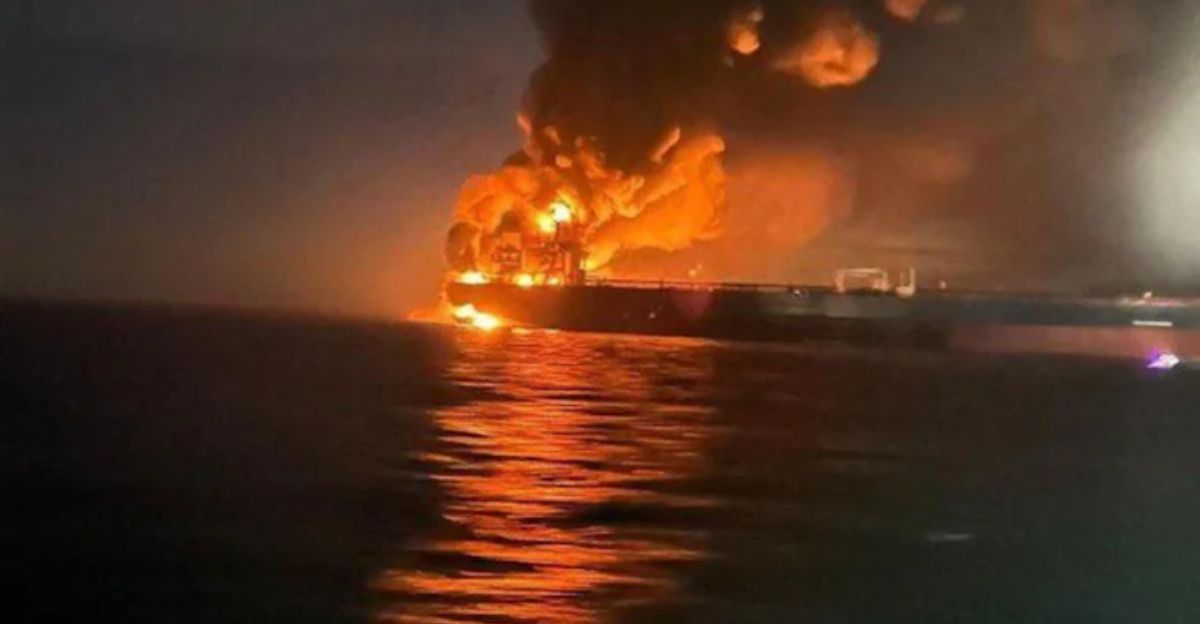
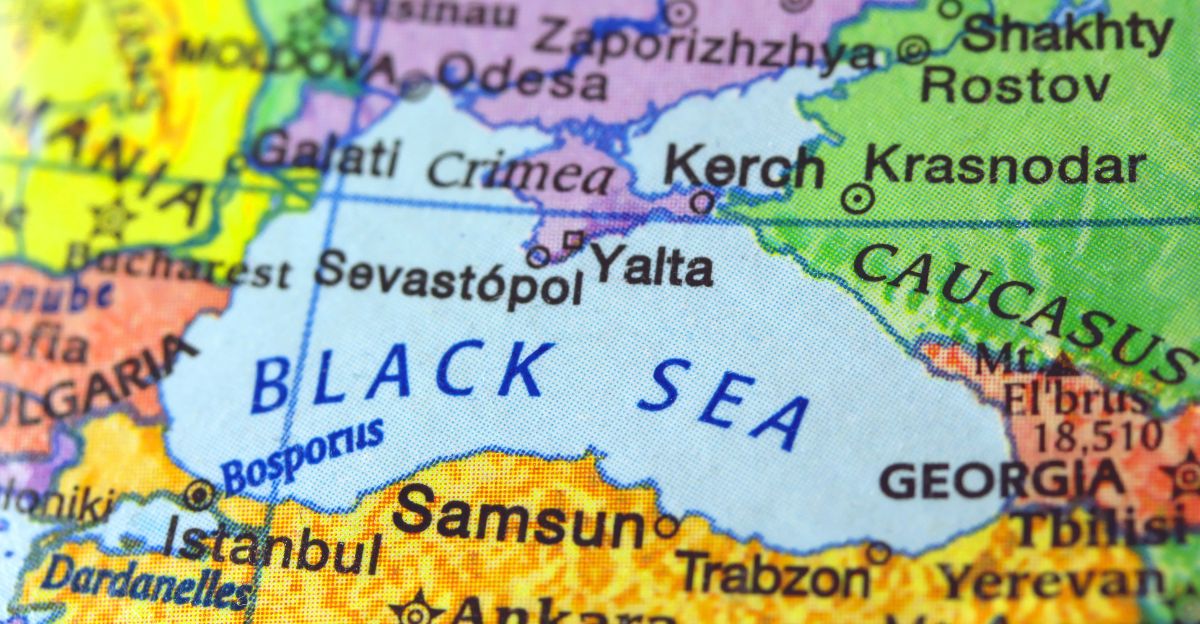
The Midvolga-2 tanker was attacked roughly 80 miles from Turkey’s coast and about 340 miles from Ukrainian-controlled territory. This distance demonstrates the remarkable technological progress Ukraine has made with long-range maritime drones that can hit moving targets far beyond traditional battle lines.
Maritime security analysts examined photos of the Midvolga-2’s damage, including a hole punched through the bridge roof and shrapnel spread across the deck, and concluded it was “highly likely” caused by a drone strike. Hitting a moving ship at this distance requires either advanced guidance systems or real-time human control.
A Russian Ship Gets Hit
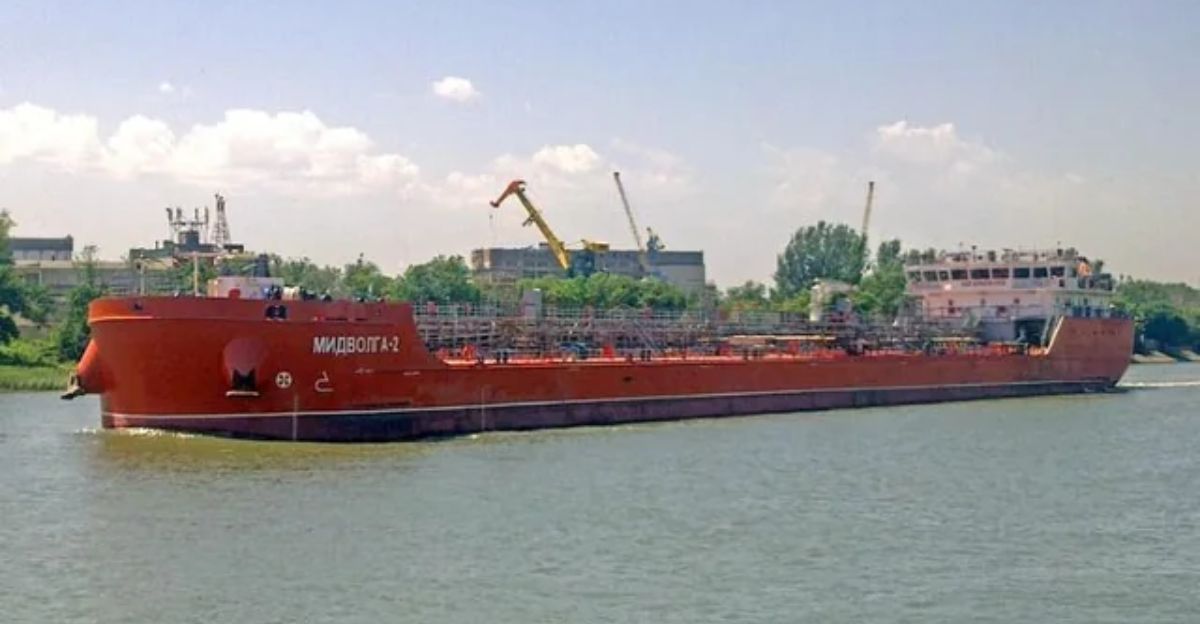
On December 3, 2025, the Russian-flagged tanker Midvolga-2 reported coming under attack in the Black Sea about 80 miles off Turkey’s coast while carrying sunflower oil bound for Georgia. Turkish maritime authorities confirmed the incident and reported that all 13 crew members were safe and unhurt.
The ship continued under its own power toward the Turkish port of Sinop. Photos showed damage matching a drone strike: a hole in the bridge roof, shrapnel scattered across the deck, and what appeared to be drone wreckage. This attack was the third tanker strike in three days, following the earlier destruction of the Kairos and Virat.
A NATO Ally Sends a Warning

Turkish President Recep Erdoğan responded to the cluster of tanker strikes with an unusually blunt public warning, stating that the war between Russia and Ukraine has clearly begun to threaten navigational safety in the Black Sea. Erdoğan emphasized that attacking vessels in Turkey’s exclusive economic zone represented a worrying escalation that Turkey could not support.
He conveyed formal warnings to both Russia and Ukraine about the incident. Turkey’s position is complicated because it maintains diplomatic ties with both Russia and Ukraine while serving as a NATO member, making it an uncomfortable middleman. The strikes put Turkey in an awkward position because the attacks happened in Turkish waters but involved international shipping, forcing Ankara to balance its relationships carefully.
A Remarkable Achievement: No Casualties
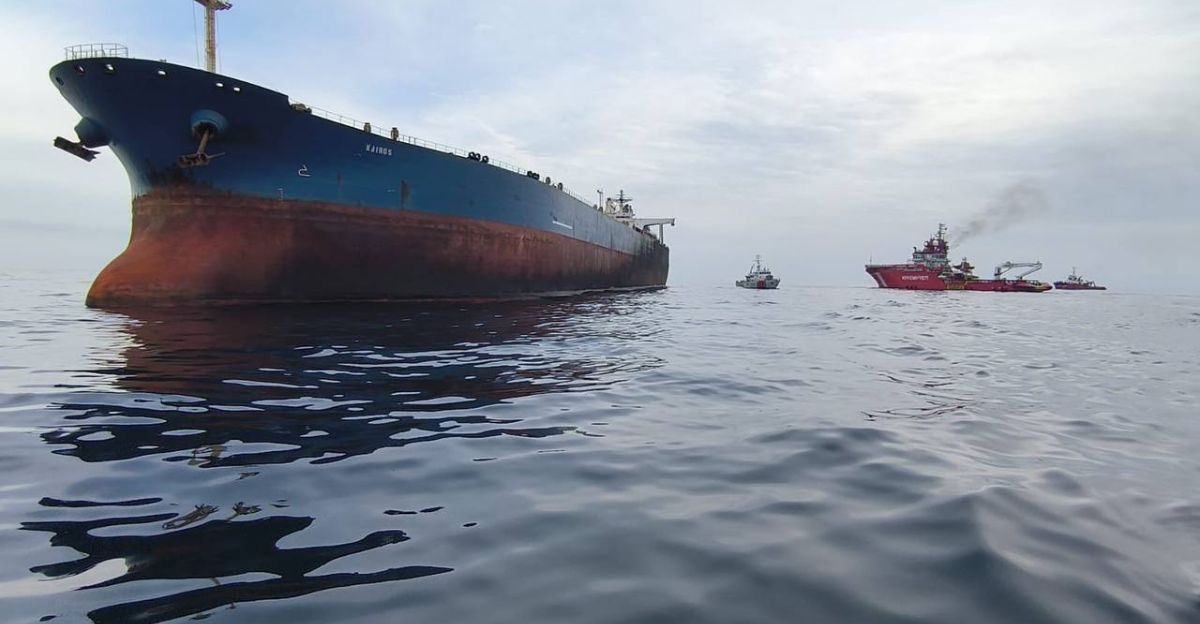
All crew members aboard the three recently attacked tankers, 13 aboard the Midvolga-2, plus crews on the Kairos and Virat, have been reported safe with zero deaths recorded. The Midvolga-2’s crew did not request assistance and the vessel proceeded independently to port, while Turkish coast guard and rescue teams responded to the Kairos and Virat incidents.
The absence of fatalities reflects either the precision of Ukraine’s attacks or the strength of modern tanker design, but it raises important humanitarian questions. Crews aboard commercial vessels are increasingly exposed to military operations in international waters, creating new safety concerns for merchant sailors.
Rising Insurance Costs
Maritime insurers have responded to the tanker strikes by sharply raising war-risk premiums for ships traveling through the Black Sea and calling at Russian ports. Underwriters are now charging higher rates because they believe there’s a greater risk of future attacks, effectively adding a conflict tax to Russian oil shipments.
This market response amplifies Ukraine’s strategy without firing another shot: by raising costs and risks, even unsuccessful strikes damage Russia’s ability to profit from oil exports. The insurance market is functioning as a secondary weapon, punishing Russian commerce while allowing Ukraine to avoid direct military confrontation.
When the Conflict Goes Global
The Black Sea incidents are part of a wider pattern affecting global shipping and energy markets. A separate incident involving the tanker Mersin off West Africa on December 1 suggests maritime disruption may be spreading thousands of kilometers beyond the Black Sea. At least seven tankers that called at Russian ports have experienced unexplained blasts or damage since December 2024, including incidents in the Mediterranean.
This pattern suggests either coordinated operations or broader destabilization linked to the Russia-Ukraine conflict. The cumulative effect is a significant increase in shipping risk premiums globally, affecting not just Russian energy exports but the cost of maritime commerce for neutral nations.
Commercial Ships Are Now Targets
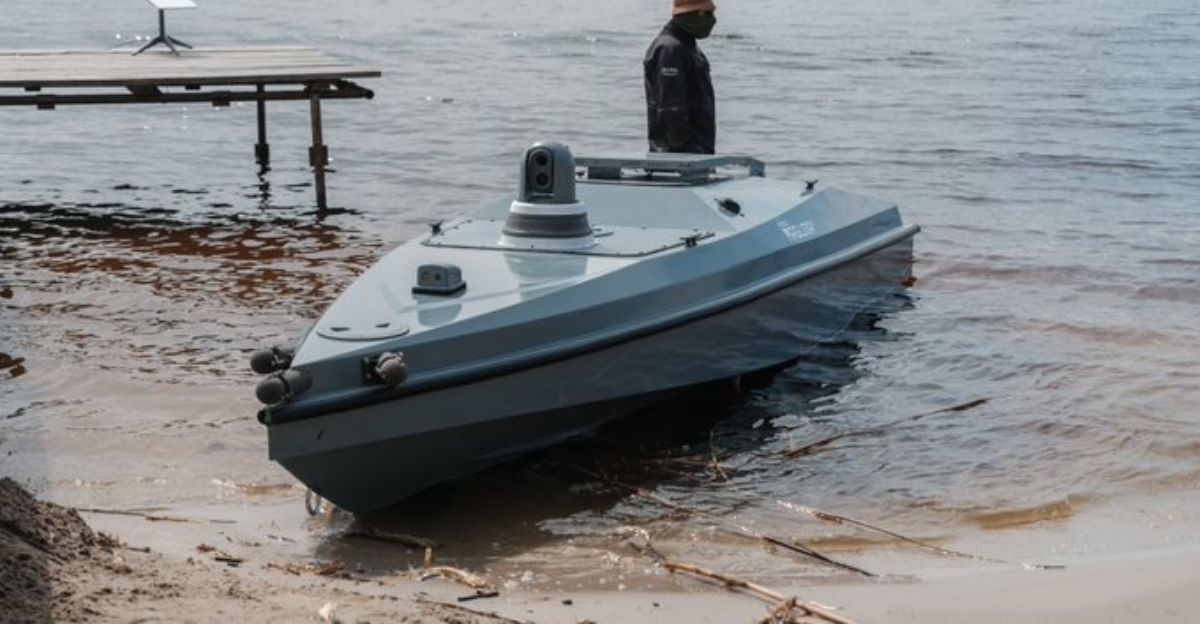
The recent strikes represent a major tactical shift for Ukraine. Earlier maritime operations focused on military targets like Navy ships and port infrastructure, clear military targets with direct war relevance. The attacks on commercial tankers in international waters, even when empty and heading to load cargo, mark a new threshold: Ukraine is now deliberately targeting merchant shipping to cripple Russia’s economic capacity.
This escalation carries real strategic risk. If Ukraine systematically strikes vessels heading to Russia, Moscow may respond by targeting ships heading to Ukraine, potentially drawing neutral nations and NATO members into direct confrontation. Naval analyst Andriy Klymenko noted that Russia is unlikely to attack Ukrainian-bound shipping in NATO-protected Turkish or Bulgarian waters, but the logic of escalation remains dangerous and unpredictable, risking wider conflict.
Russia Threatens Retaliation
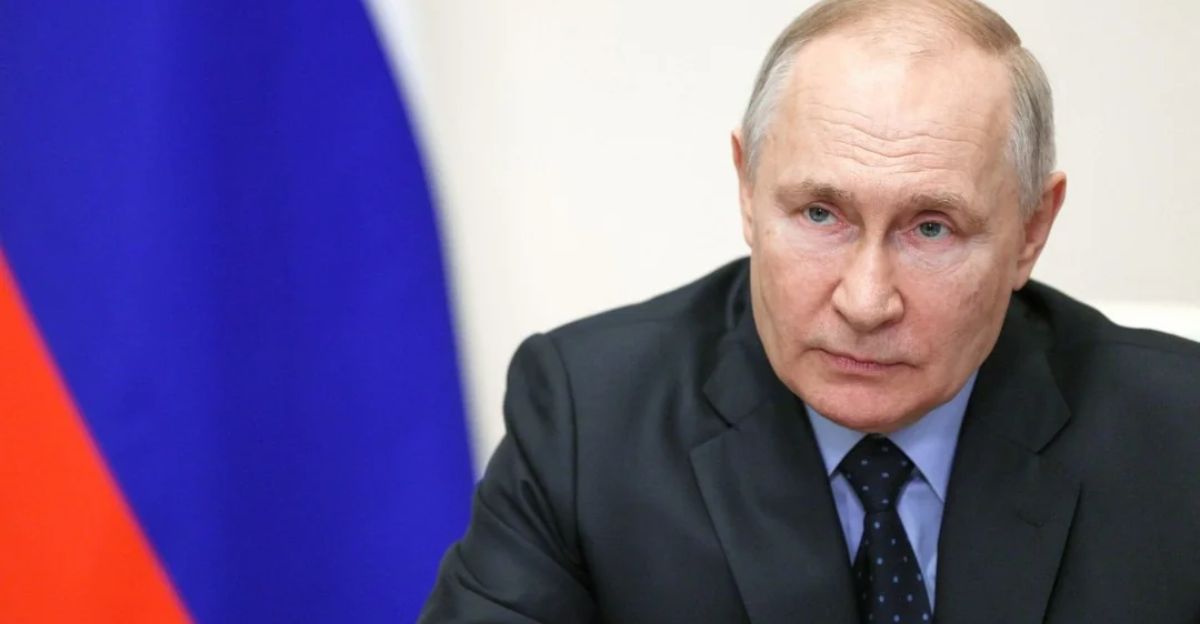
In response to the tanker strikes, Russian President Vladimir Putin issued a stark threat: Moscow would sever Ukraine’s access to the sea and intensify strikes on Ukrainian facilities and vessels. Putin also warned that Russia would take measures against tankers of countries helping Ukraine, a veiled threat against NATO members providing support.
The threat reflects Moscow’s vulnerability, Russia’s energy exports are increasingly exposed to Ukrainian interdiction, and Putin’s response signals both frustration and willingness to escalate maritime warfare. The rhetoric also confirms that Ukraine’s drone campaign is effective and damaging to Russian interests. Whether Putin follows through with retaliation against Ukrainian shipping remains uncertain, but the aggressive language indicates the maritime dimension of this conflict is entering a more dangerous and unpredictable phase with serious consequences for international shipping.
The Strategy Behind the Confession
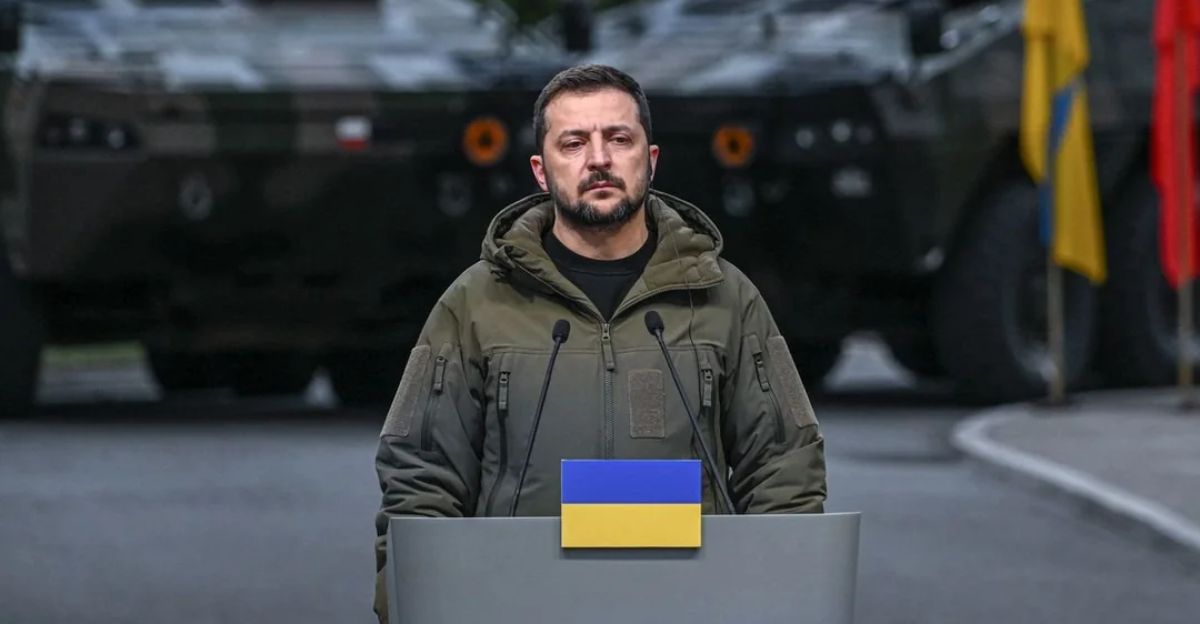
Ukraine’s decision to openly acknowledge the drone strikes, initially denying the Midvolga-2 incident but then confirming the Kairos and Virat operations, reflects a calculated strategic shift. By claiming responsibility, Kyiv signals capability and resolve to potential allies while deterring future Russian shipping through demonstrated risk.
This strategy serves multiple purposes as it shows Ukraine’s ability to project power far from its territory, pressures Western allies to support maritime operations, and raises costs for Russian energy logistics. The shift from denial to acknowledgment suggests confidence in the campaign’s political support among Ukrainians and backing from key allies.
Why the West Says Nothing
NATO has issued no formal statement condemning or endorsing Ukraine’s maritime drone campaign, a notable silence given the alliance’s public support for Ukrainian military operations. This quiet response reflects NATO’s diplomatic complexity as member states benefit from disrupted Russian energy exports and reduced war funding for Moscow, yet openly supporting attacks on commercial shipping in international waters could set dangerous precedents affecting neutral nations.
Turkey, a NATO member with significant interests in Black Sea shipping, has warned about escalation but hasn’t called for Ukraine to cease operations. The silence suggests tacit acceptance of Ukraine’s campaign as legitimate response to Russian aggression, while avoiding explicit endorsement.
Breaking the Shadow Fleet Code
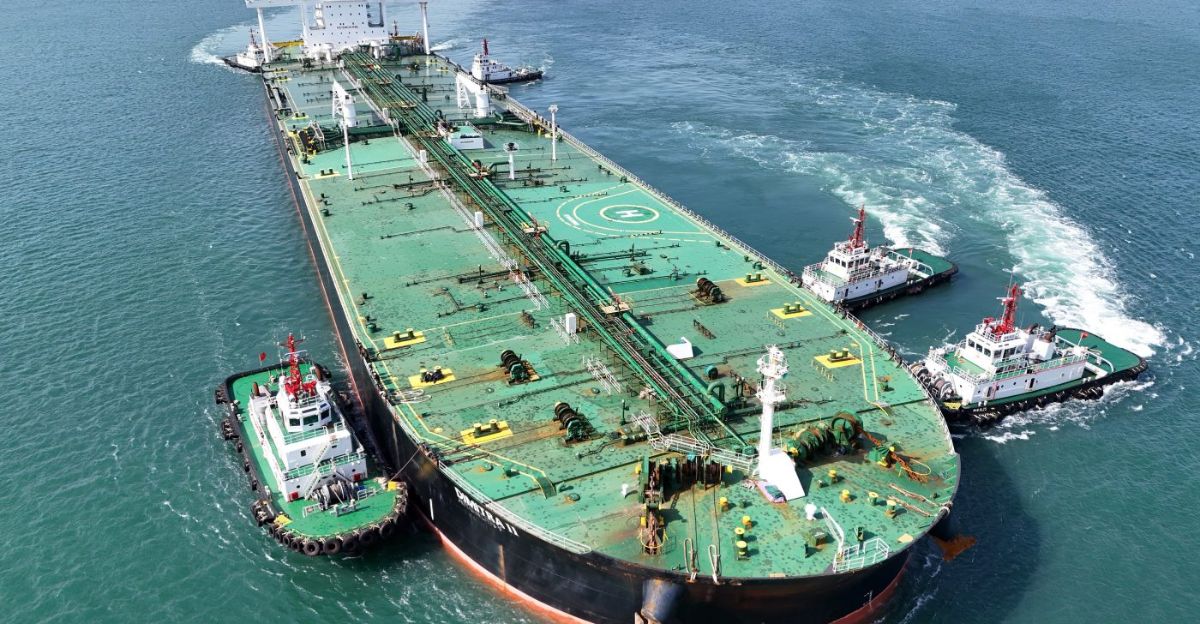
Ukraine’s maritime campaign directly attacks Russia’s most effective tool for evading Western sanctions: the shadow fleet of aging, unregulated tankers. By operating under obscure flags and shell companies, Russia has maintained billions in annual oil exports despite international restrictions. Ukraine’s targeting of shadow-fleet tankers makes this sanctions-evasion network more expensive and risky to operate.
The Kairos and Virat were specifically identified as sanctioned vessels by Ukrainian authorities. By destroying or damaging these ships, Ukraine raises replacement costs for Russia’s logistics network and increases insurance rates for remaining vessels. The campaign effectively weaponizes maritime commerce, turning shipping routes into contested territory where Ukraine imposes real costs on Russian oil exports.
What Comes Next?
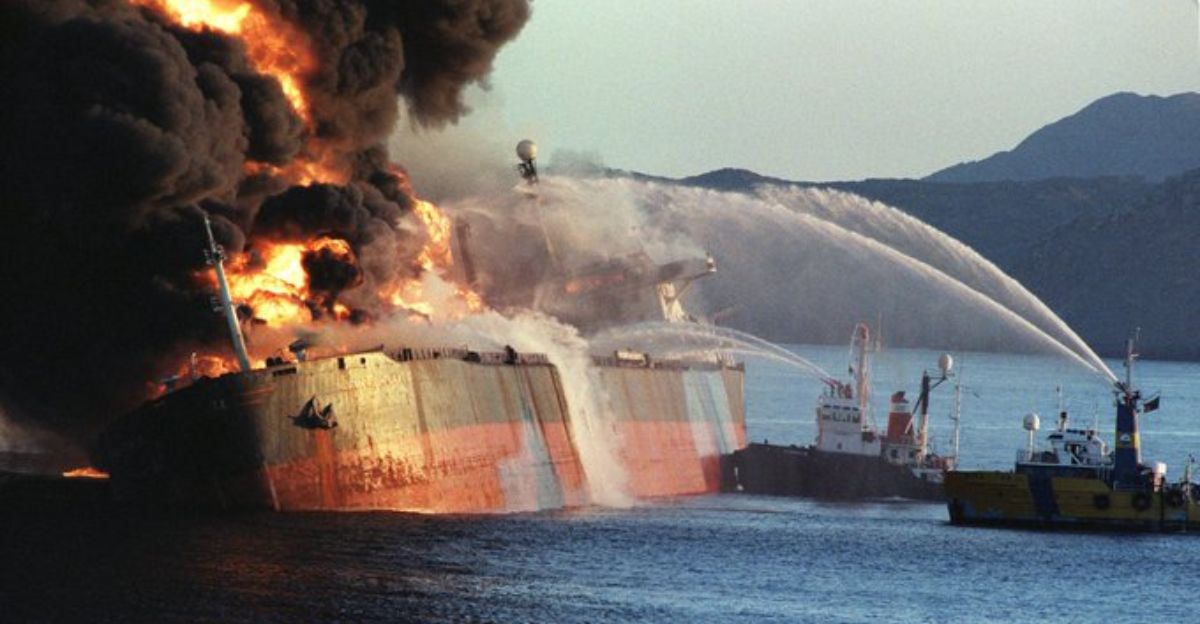
Maritime historians and analysts have drawn parallels to the Tanker War of the 1980s, when Iran and Iraq attacked commercial shipping in the Persian Gulf, disrupting global energy markets and threatening neutral nations. If Russia responds to Ukrainian strikes by systematically targeting ships heading to Ukraine, the Black Sea could enter a similar cycle of tit-for-tat attacks on commercial vessels.
Such escalation would impose costs on neutral shipping, raise global energy prices, and potentially draw NATO into direct confrontation with Russia over maritime commerce. The question facing policymakers is whether the current trajectory represents a sustainable equilibrium or a prelude to broader maritime conflict. The answer depends on whether Moscow follows through on threats to target Ukrainian-bound shipping and whether NATO responds to attacks on its members’ vessels.
Sources
Reuters – “Ukraine hits two Russian ‘shadow fleet’ oil tankers with drones in Black Sea”
Al Jazeera – “Russian tanker struck off Turkiye as Ukraine targets ‘shadow fleet’”
Euronews – “Third Russian tanker attacked in the Black Sea, Turkey says”
CNN – “Ukraine says it hit Russian ‘shadow fleet’ tankers with sea drones”
Forces News – “Tanker tactics: Ukraine expands Black Sea campaign with drone strikes on Russian vessels”