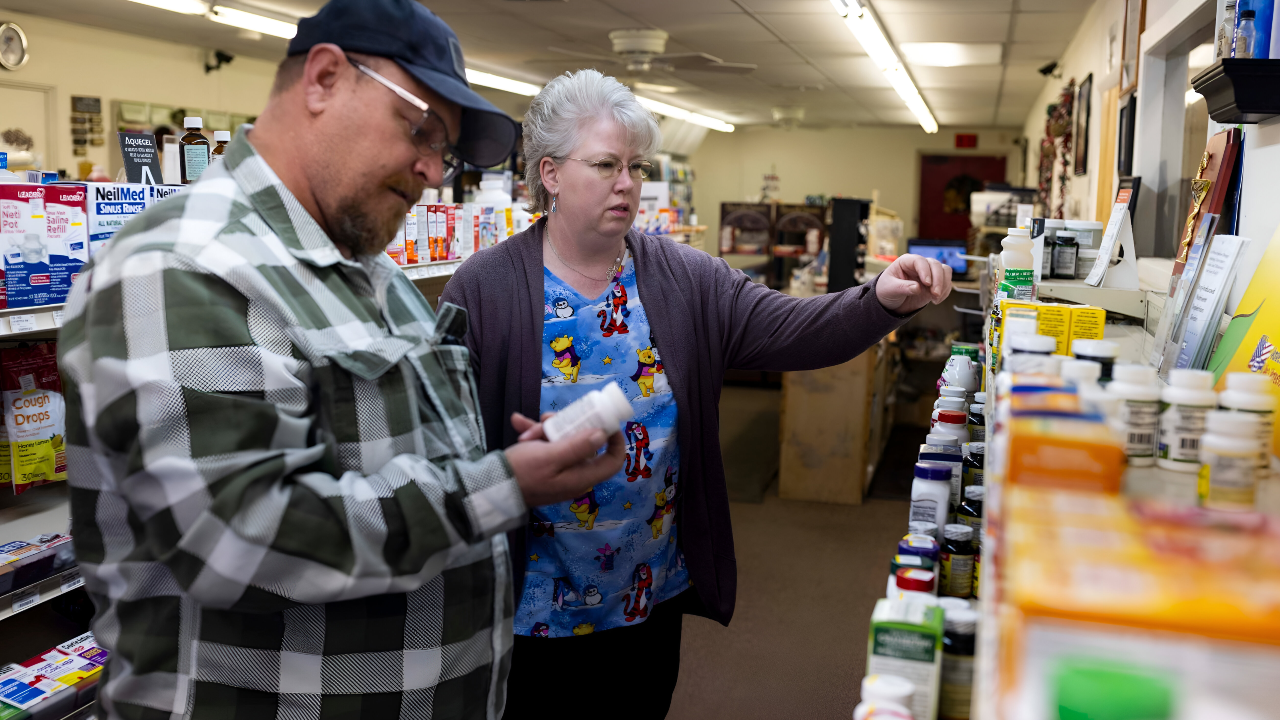
When Rite Aid closed its last stores in 2025, it marked the end of a pharmacy chain that had been part of American life for more than 60 years. The company’s collapse wasn’t just the fall of one brand, it signaled a bigger problem across the country: many people are losing easy access to pharmacies.
Over the past decade, thousands of pharmacies have disappeared from both small towns and big cities. For many, what used to be a quick stop to pick up prescriptions has turned into a long trip. In some areas, people must now drive many miles for common medications or vaccines, creating major challenges for those who are elderly, on fixed incomes, or without transportation.
The Numbers Paint a Grim Picture
Studies show how widespread the closures have become. Between 2010 and 2021, about one in three pharmacies in the U.S. shut down. From 2022 to 2024, another 7,000 locations closed, 2,800 in 2024 alone. Nearly half of all U.S. counties now have at least one pharmacy desert, meaning residents live 10 miles or more from the nearest retail pharmacy. According to GoodRx, that equals about 48 million Americans, or roughly one in seven people.
Much of this change comes from large pharmacy chains scaling back. CVS, the nation’s biggest chain, has already closed around 900 stores and plans more reductions. Walgreens expects to close about 500 locations in 2025. Rite Aid’s demise was particularly severe, it entered bankruptcy twice, first in 2023 and again in 2025, before liquidating over 1,200 stores. Independent pharmacies are also struggling, as bankruptcies help them shed debt but often lead to permanent closures instead of recoveries.
Why Pharmacies Are Struggling
One of the main pressures on pharmacies comes from pharmacy benefit managers, or PBMs. These companies act as middlemen between drug manufacturers, insurance companies, and pharmacies. PBMs decide how much pharmacies are reimbursed for prescriptions and often recover part of those payments later through “clawbacks.” These complicated payment systems leave pharmacies with razor-thin profits or even losses on many sales.
Pharmacies also lose customers because insurance networks often steer patients toward preferred mail-order services or chain partners. In 2024, Congress failed to pass reforms that might have helped small pharmacies. As a result, hundreds of independent stores shut their doors within just a few months.
A real example happened in rural Arizona in late 2025, when Uptown Pharmacy in Kingman filed for bankruptcy after falling behind on payments to its drug wholesaler. It served nearby areas where the next closest pharmacy could be 20 or 30 miles away. If it closes, residents could face long drives for vital medicine like insulin, blood pressure drugs, or asthma inhalers, especially tough for older adults who can’t easily travel. Rural states such as Alaska, North Dakota, and Montana already have more than two-thirds of their counties labeled as low-access areas.
The Growing Health and Economic Impact
As pharmacy deserts spread, researchers warn of serious health consequences. When people live far from pharmacies, they are less likely to refill prescriptions or follow medication schedules. That can lead to higher rates of hospital visits, heart attacks, and chronic illness complications.
Independent pharmacies are especially important in underserved or minority communities, where they often provide more than just pills, they offer vaccines, blood pressure checks, and counseling. Pharmacists often see patients five or six times a year, more frequently than most doctors, which makes them a key part of primary care. But as financial stress grows, many of these community hubs are disappearing.
The crisis doesn’t stop at retail stores. In 2025, Omnicare, which supplies medication to nursing homes and assisted-living facilities across the U.S., also declared bankruptcy after a huge fraud judgment. Experts fear this could disrupt medication access for as many as 80% of nursing home residents nationwide. Because large corporate bankruptcies often focus on selling profitable divisions, less-lucrative regions may lose services entirely.
Still, not every story ends in closure. Some independent pharmacies are surviving by expanding into healthcare services like immunizations, lab testing, or special medication packaging for seniors. Surveys show that those adopting broader clinical roles are more likely to stay open. However, economists and regulators warn that without significant changes in how PBMs operate, closures will keep accelerating, especially in communities already facing barriers to care.
A Crossroads for Community Health
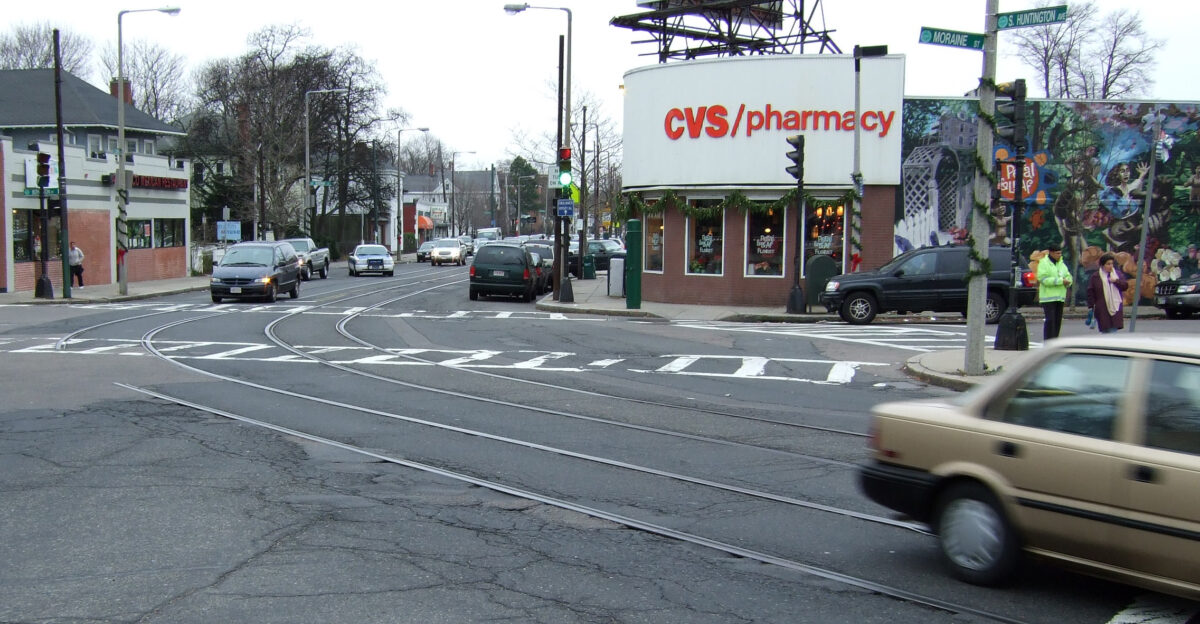
The U.S. is now at a turning point in how it delivers everyday healthcare. As big chains shrink and small pharmacies fail, pharmacy deserts are spreading into roughly one in eight neighborhoods. The growing distance between patients and medication is not just inconvenient, it’s a public health threat.
Lawmakers, insurers, and health advocates face increasing pressure to reform pricing systems and reimbursement rules that make pharmacy operations unsustainable. Whether those changes come soon enough could decide if millions of Americans, and their neighborhoods, can regain local access to essential medicines, vaccines, and expert guidance from the pharmacists who know them best.
Sources:
USC Schaeffer Center, Nearly 1 in 3 Retail Pharmacies Have Closed Since 2010, Widening Gaps in Access, 19 March 2025
USC Schaeffer Center/USC News, USC researchers reboot national pharmacy desert map amid wave of drugstore closures, 3 November 2025
Spotlight on America/The National Desk, Alarming number of pharmacies closing nationwide leaving more pharmacy deserts, 5 November 2025
GoodRx Research, 48.4 Million Americans Lack Adequate Access to a Pharmacy, 19 March 2025
GoodRx/HitConsultant, 1 in 7 Americans Now Live in a Pharmacy Desert, 20 March 2025
Drug Topics/American Economic Liberties Project, Over 300 Pharmacy Closures Reported in the Last 3 Months, 13 March 2025