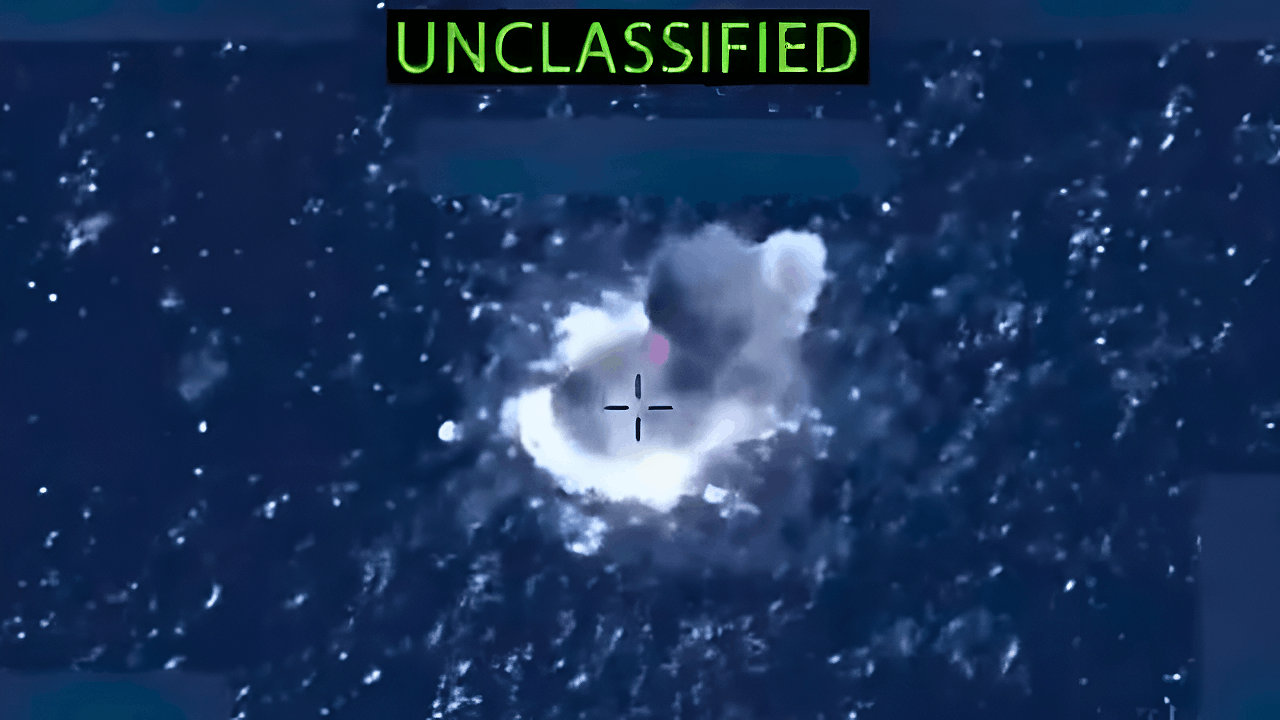
On October 27, 2025, the U.S. military launched a significant anti-narcotics operation off the coast of Colombia, targeting four vessels suspected of transporting illicit drugs. The operation, employing AC-130J gunships, resulted in the destruction of these vessels and claimed the lives of fourteen individuals, marking a record in military engagements against drug trafficking.
This coordinated effort underscores the Trump administration’s shift from traditional law enforcement tactics to direct military intervention, reflecting a heightened state of urgency regarding drug trafficking in the Eastern Pacific. This isn’t just about seizures; it’s about a fundamental strategy overhaul in combating drug cartels.
Tracing the Shift: From Law-Enforcement to Military Engagement
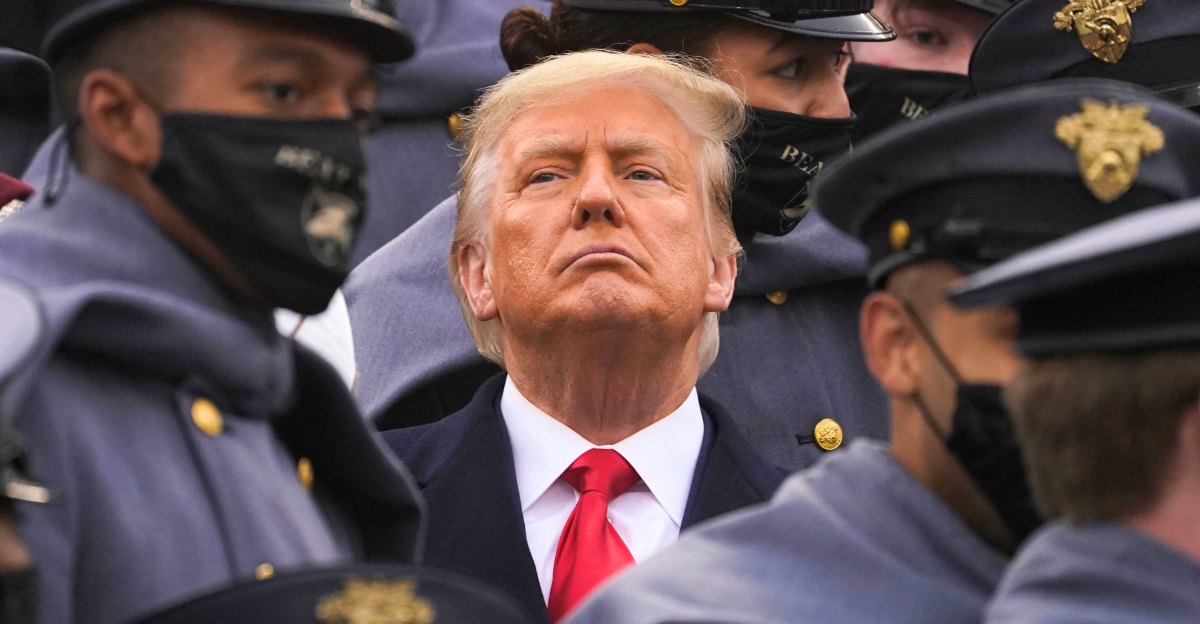
The pivot to military force has its roots in the Trump administration’s designation of major drug-trafficking organizations as “narco-terrorist” entities. This classification allows for the application of counterterrorism rules akin to those used in engagements against ISIS and al-Qaeda.
Defense Secretary Pete Hegseth emphasized the formation of a new counter-narcotics Joint Task Force under U.S. Southern Command. The intent is clear: “crush the cartels, stop the poison, and keep America safe.” By targeting vessels directly, officials justify lethal actions without the traditional constraints of capture or trial, propelling operations into a new, aggressive phase.
Analyzing Immediate Consumer Impact: Disrupting Supply Routes
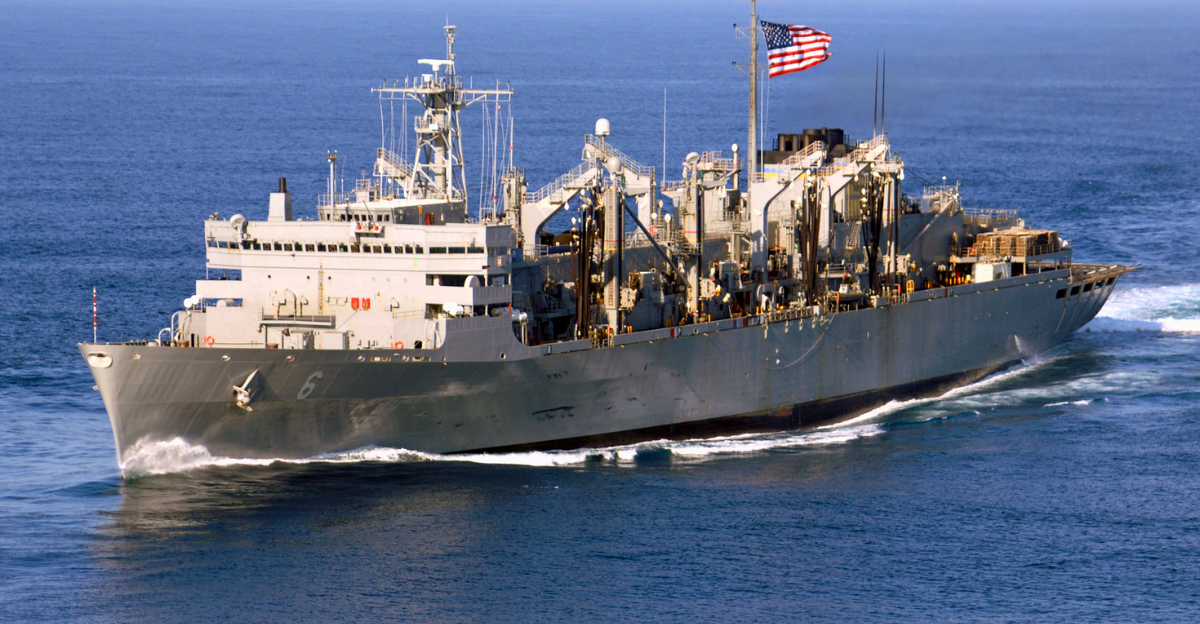
The destruction of these four vessels, along with their estimated cargo value of $400 million, significantly disrupts established smuggling routes in the Eastern Pacific. As these maritime channels face intense scrutiny, the traffic of narcotics toward the U.S. may temporarily decline.
However, experts caution that traffickers are likely to revert to alternative methods, such as overland routes through Central America or even utilizing aircraft, potentially complicating enforcement efforts. This transition raises vital questions about the long-term impacts on drug availability and pricing in American markets, posing new challenges for both law enforcement and consumers alike.
Corporate Concerns: Shipping and Insurance Challenges Ahead
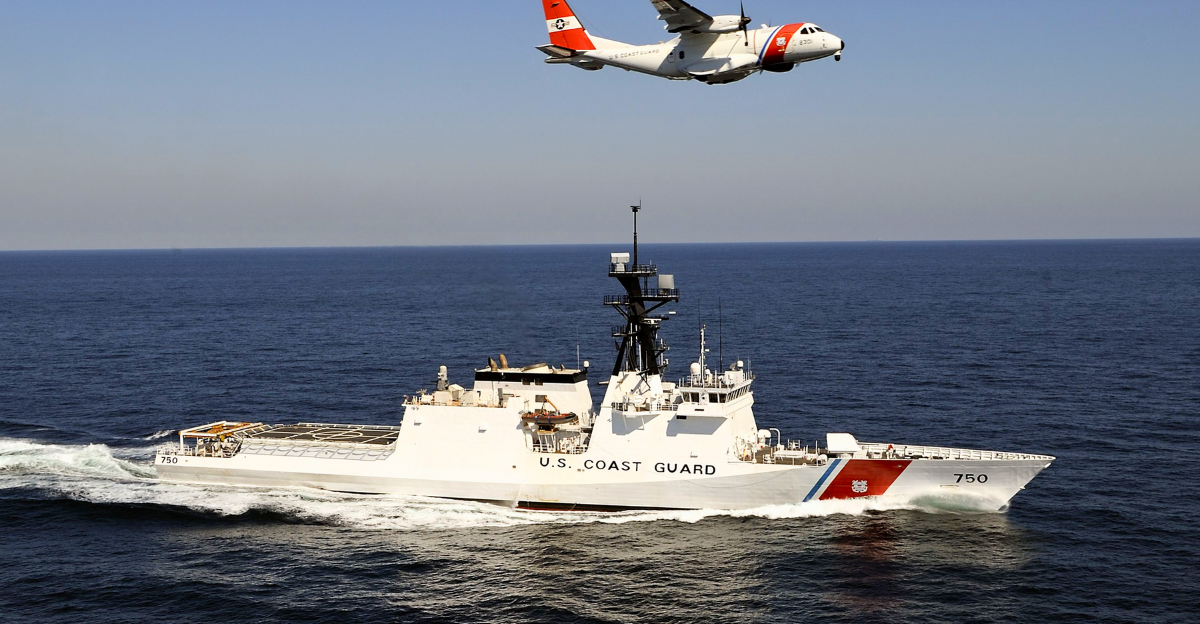
In the wake of intensified military action, corporations involved in maritime shipping must now navigate an environment laden with operational uncertainty. The U.S. Coast Guard and DEA face increasing complexity as military operations preempt traditional interdiction efforts.
Private shipping companies operating near high-traffic waters will now undergo heightened scrutiny and may face rising insurance costs, which could complicate logistics and compliance. As maritime law-enforcement agencies coordinate with Pentagon planners, businesses could find themselves under the dual threat of drug cartels and military operations, posing significant risks to legitimate naval commerce.
Drug Traffickers Adapt: Exploring Alternative Supply Chains
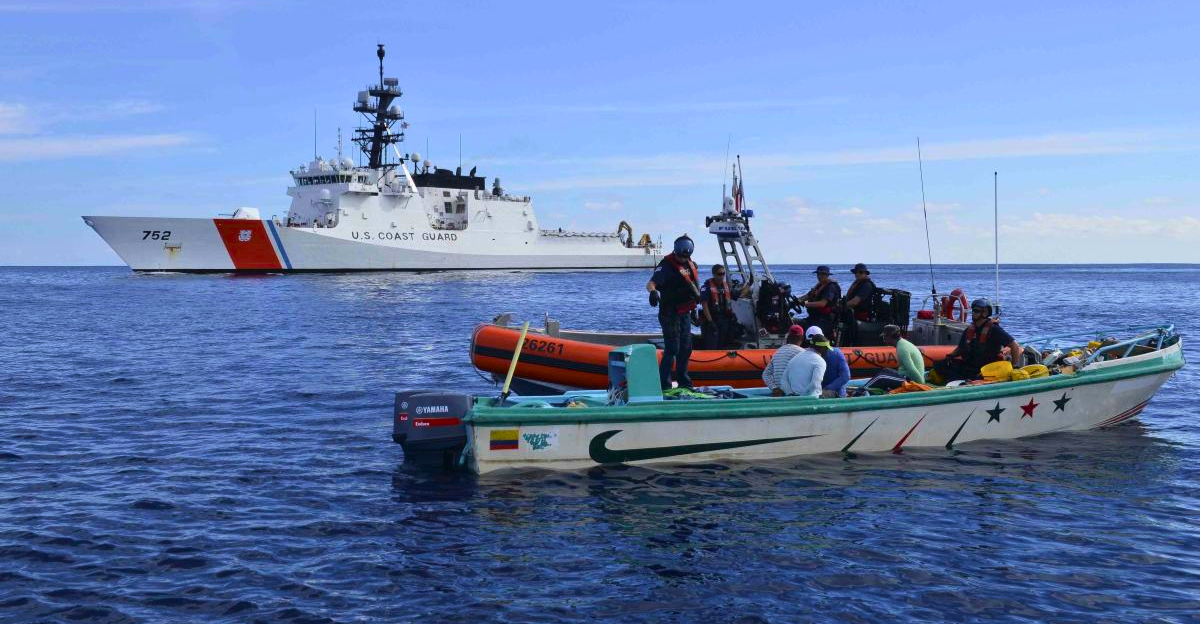
In response to escalated military engagement, drug trafficking organizations are reportedly pivoting their strategies. Reports indicate that traffickers are considering unconventional avenues such as aircraft, overland routes through southern Panama’s jungles, and even underground tunnels to bypass naval strikes.
Notably, Mexican cartels are investing in advanced submarine and semi-submersible technology to evade detection. While these tactics may provide temporary relief, they complicate enforcement and increase operational costs, a trend that could ultimately impact street-level drug pricing and accessibility across North America, prompting a ripple effect throughout the drug market.
Diplomatic Fallout: Tensions with Colombia and Mexico

As military operations intensify, international diplomatic relations have begun to fray. Colombia’s President Gustavo Petro challenged the Pentagon’s claimed strike locations, suggesting they were misrepresented, which has generated friction with vital U.S. allies. Petro accused President Trump of “murder” and now faces potential sanctions alongside his family for allegedly enabling cartel activities.
In turn, he is contemplating the withdrawal of the U.S. military presence in Colombia, which would undermine critical bases essential for regional security operations. This escalating tension underscores the complex interplay between military strategy and international relations in the fight against drug trafficking.
The Human Cost: Survivors and the Uncertainty of Casualty Claims

Among the repercussions of the October 27 military strikes, one survivor was reportedly rescued from wreckage, raising urgent questions about casualty identification and the claimed identities of victims. Colombia’s government previously contended that U.S. strikes inadvertently killed a fisherman, not a trafficker, a claim the White House vigorously denied.
Defense Secretary Hegseth acknowledged the risks of civilian casualties but defended military action based on intelligence evaluations. Accumulated reports indicate over 57 fatalities across prior operations, with no independent verification available regarding the victims’ actual involvement in drug trafficking.
Congressional Responses: Authorization and Concerns Over Military Scope
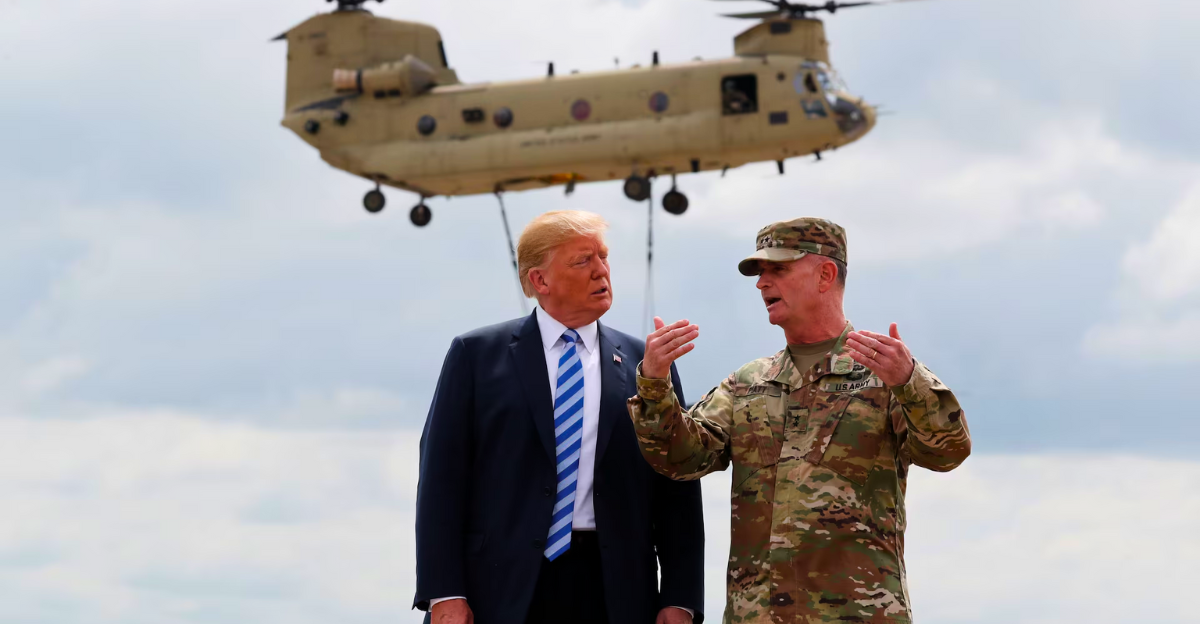
In light of escalating military interventions, President Trump announced he would seek Congressional authorization for potential ground missions inside Venezuela. However, he claims existing counterterrorism authorities provide sufficient legal grounds for maritime operations.
Lawmakers on both sides of the aisle voiced concern regarding the potential for scope creep and engagement without formal declarations. In labeling cartels as foreign terrorist organizations, the administration gains a legal framework for strike authority, sidestepping conventional Congressional war authorizations, thus igniting a critical debate over the future of U.S. military engagement in drug trafficking efforts.
Emphasizing Coordination: Collaboration Between Agencies Needed
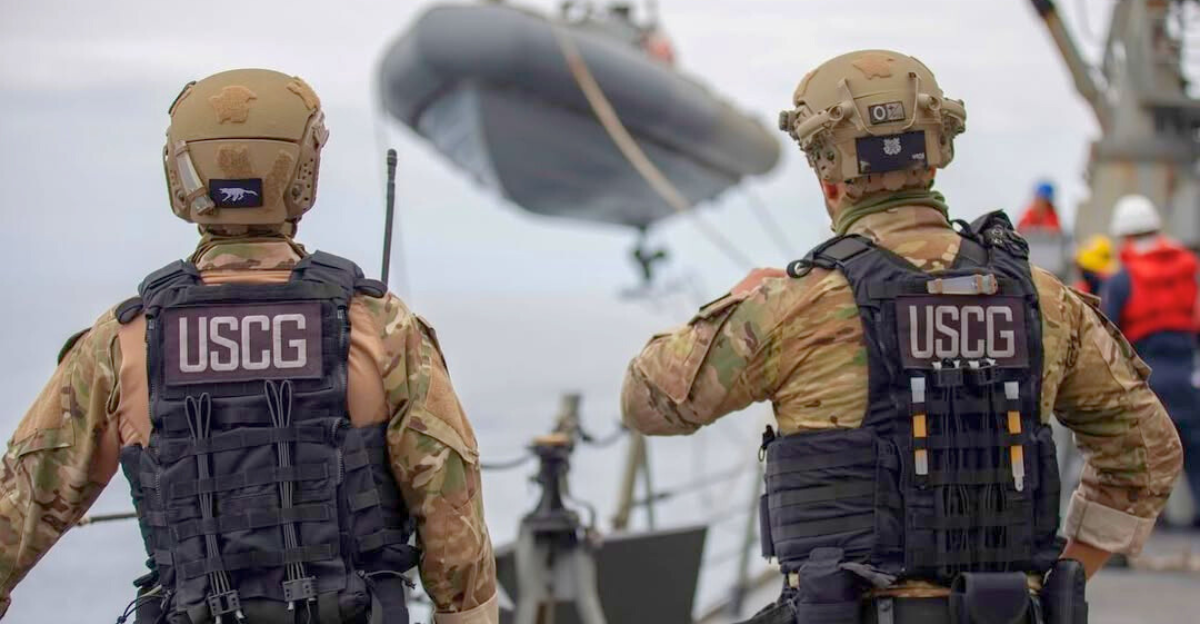
The shift to military operations in drug enforcement necessitates improved coordination among various U.S. agencies, including the Coast Guard, DEA, and military branches. Current military actions have led to operational shifts that may result in intelligence gaps or overlaps in targeting.
As these agencies work together, information-sharing channels must be optimized to reduce redundancies. Enhanced collaboration will not only streamline the operational effectiveness against cartels but also ensure that law enforcement maintains its focus on the humanitarian aspect of narcotics enforcement, balancing military might with social responsibility.
The Local Voice: Perspectives from Affected Communities

Local communities, particularly in coastal areas, are experiencing unprecedented upheaval due to the heightened military presence aimed at combating drug trafficking. Fishermen have expressed their grievances, fearing that military engagements may lead to collateral damage to legitimate local businesses.
One fisherman lamented, “We are caught in the middle of a war we have no part in.” Analysts warn that while the immediate intention is to disrupt drug flows, the long-term effects on community relationships and economies could be detrimental, calling for balanced approaches that consider both security and local livelihoods.
The Future of Drug Trafficking in the Region
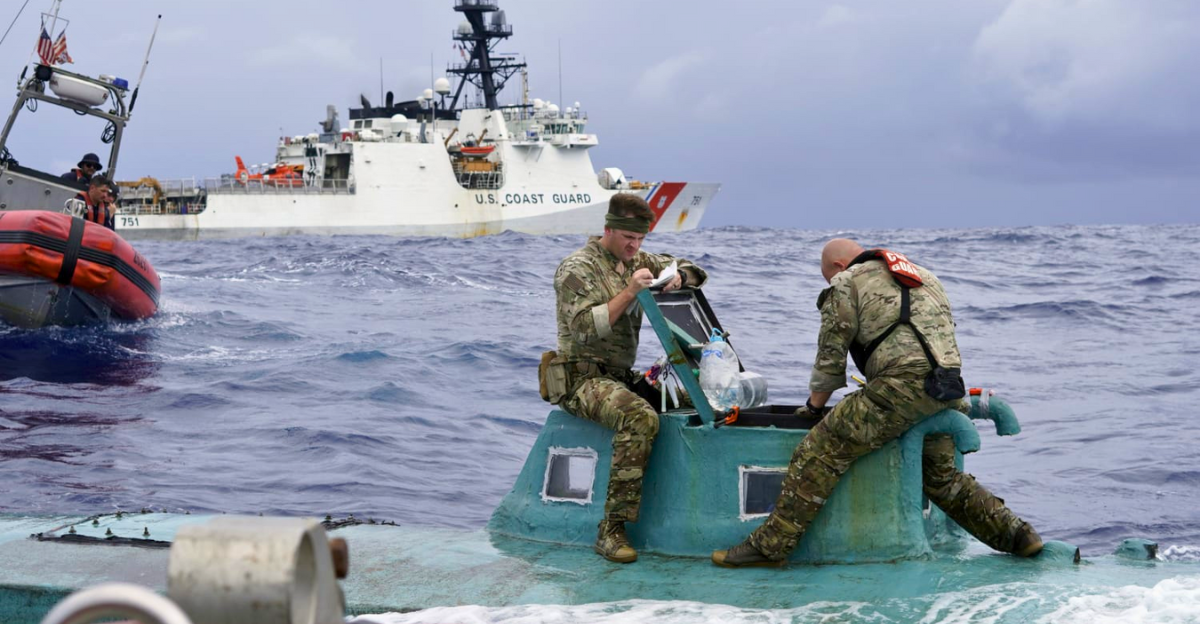
As the U.S. military intensifies its campaign against drug trafficking, the future landscape of narcotics trafficking in the region remains uncertain. While recent operations have damaged the capabilities of drug cartels, ongoing adaptation by trafficking organizations suggests a new phase of conflict.
Experts believe that continued military pressure may prompt cartels to innovate their methods, but it will not entirely extinguish operations. Growing complexities in the trafficking landscape necessitate strategic adaptability from enforcement agencies, underscoring the urgent need for a comprehensive, multifaceted approach that extends beyond military force.
Long-term Strategy: Integrating Military and Diplomatic Efforts
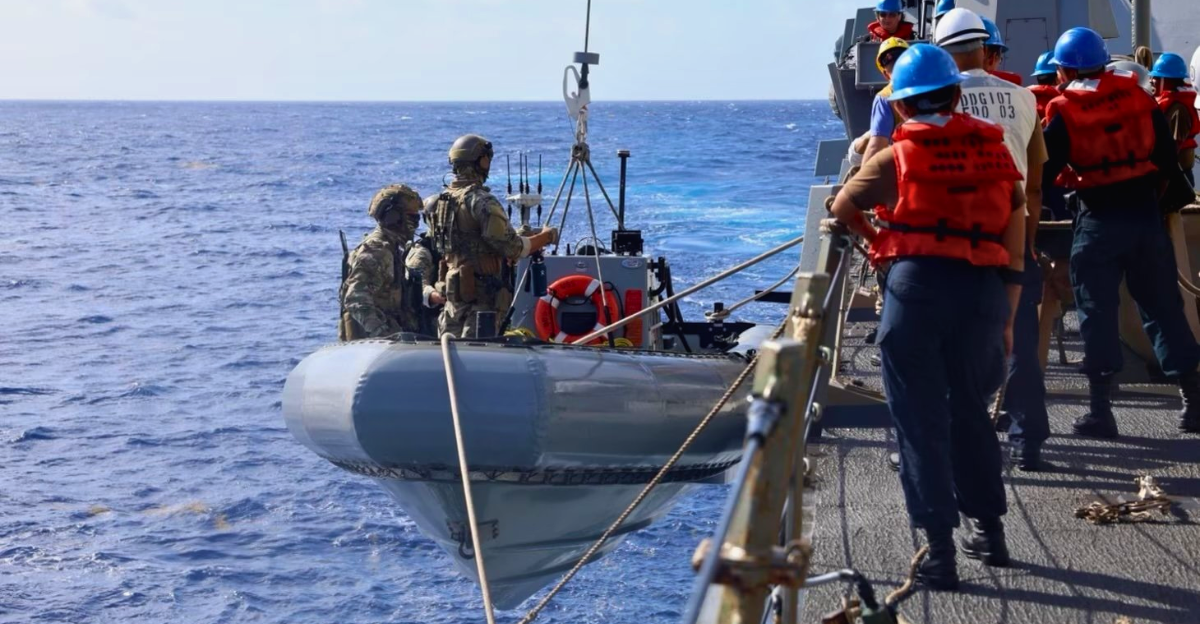
To truly combat drug trafficking, a long-term strategy integrating military operations and diplomatic initiatives is crucial. Strengthening partnerships with regional governments, along with international collaborations, will bolster enforcement efforts and help address the root causes of drug-related crime.
Enhancing economic opportunities in vulnerable areas may reduce dependency on trafficking, creating a more sustainable solution. As military action continues, policymakers must prioritize comprehensive strategies that transcend simplistic enforcement narratives, transforming how the U.S. engages with both allies and adversaries in the fight against drugs.
Evaluating the Impact: Metrics for Success
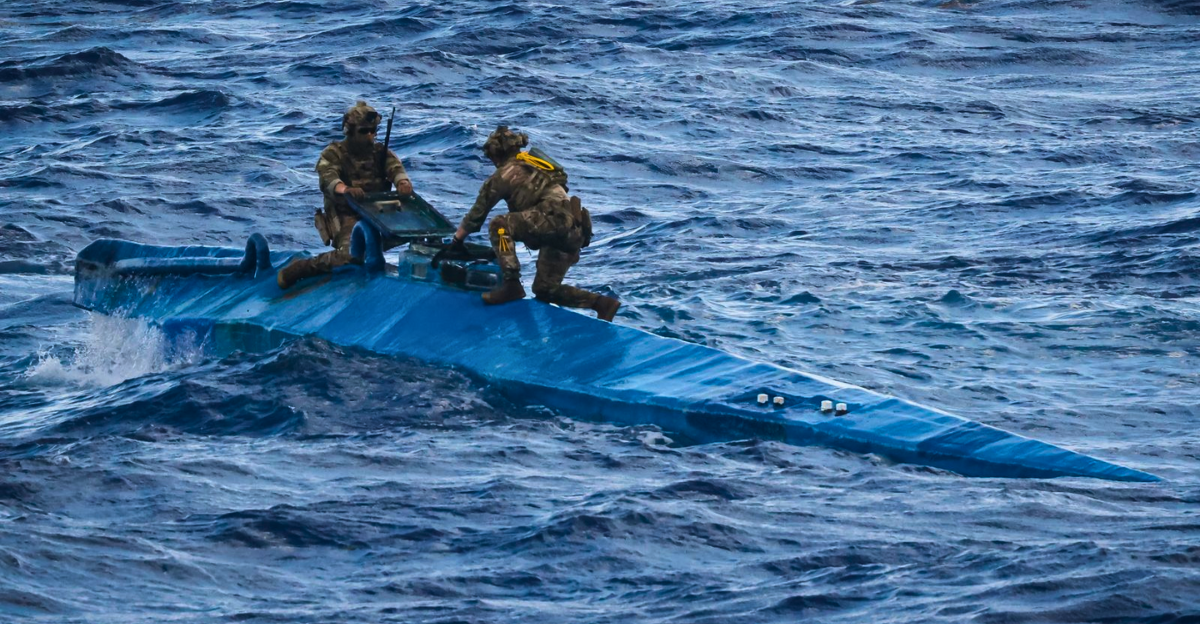
Metrics to evaluate the effectiveness of military operations against drug trafficking must cover broader impacts, including changes in drug flows, market conditions, and community reactions. Fostering transparency in the assessment process through independent evaluations will lead to better-informed strategies.
An emphasis on both quantitative and qualitative data will provide insights into operational success and unintended consequences, fostering an environment where military efforts are contextualized within the broader fight against narcotics and its complex socio-economic implications.
The Ethical Landscape: Navigating Human Rights Concerns
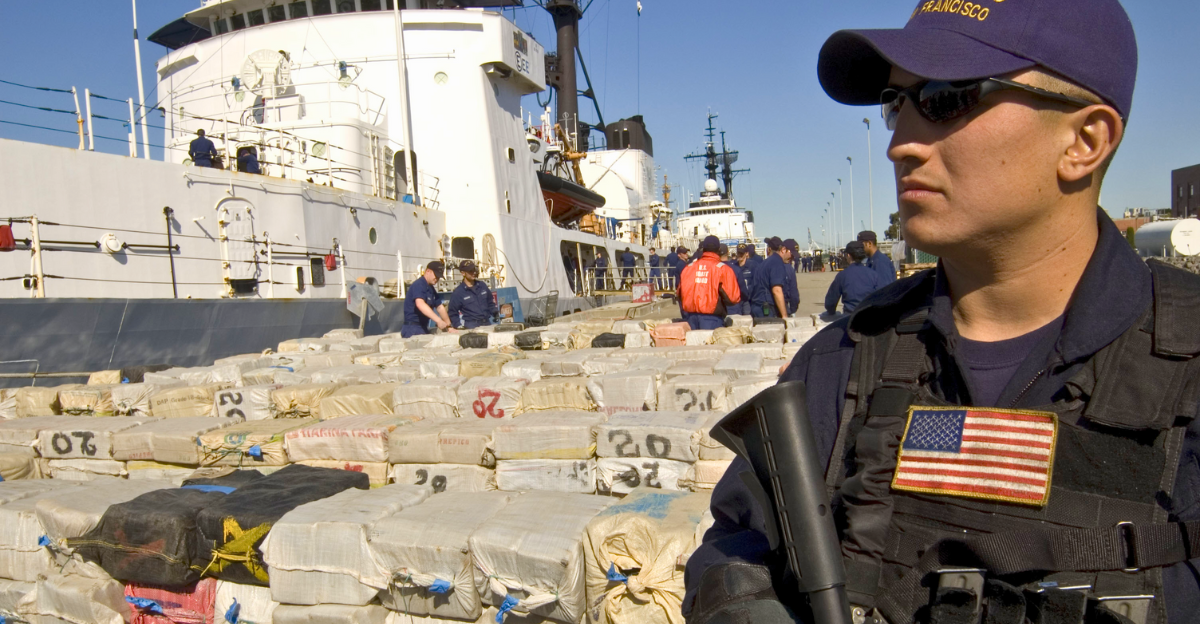
With military engagements against traffickers, ethical considerations regarding civilian safety and human rights are paramount. The potential for collateral damage necessitates rigorous adherence to operational protocols, thereby ensuring minimal harm to non-combatants.
Experts argue that respecting human rights must remain at the forefront of any military strategy, promoting accountability and transparency in engagements. Shifting defense policy towards a more humane approach in combating narcotics will build trust among communities while simultaneously enhancing operational effectiveness in the long-term war on drugs.
A New Era in the War on Drugs
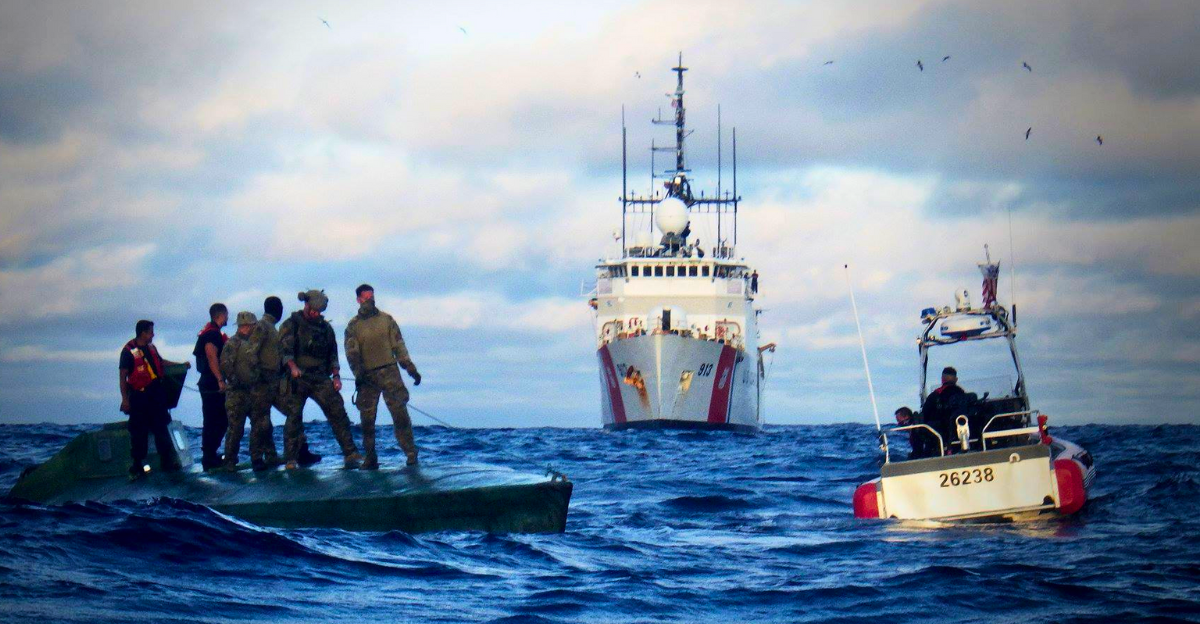
The recent escalation in military operations marks a significant turning point in the U.S. fight against drug trafficking. With a comprehensive strategy that balances military might with diplomatic efforts, the complexities of narco-terrorism may finally be addressed.
As operations continue, the interplay between enforcement, community impact, and international relations will shape the future of narcotics policy. It is this delicate balance that will ultimately determine effectiveness in curbing drug-related violence, ensuring that the war on drugs evolves to meet contemporary challenges amidst a rapidly changing global landscape.