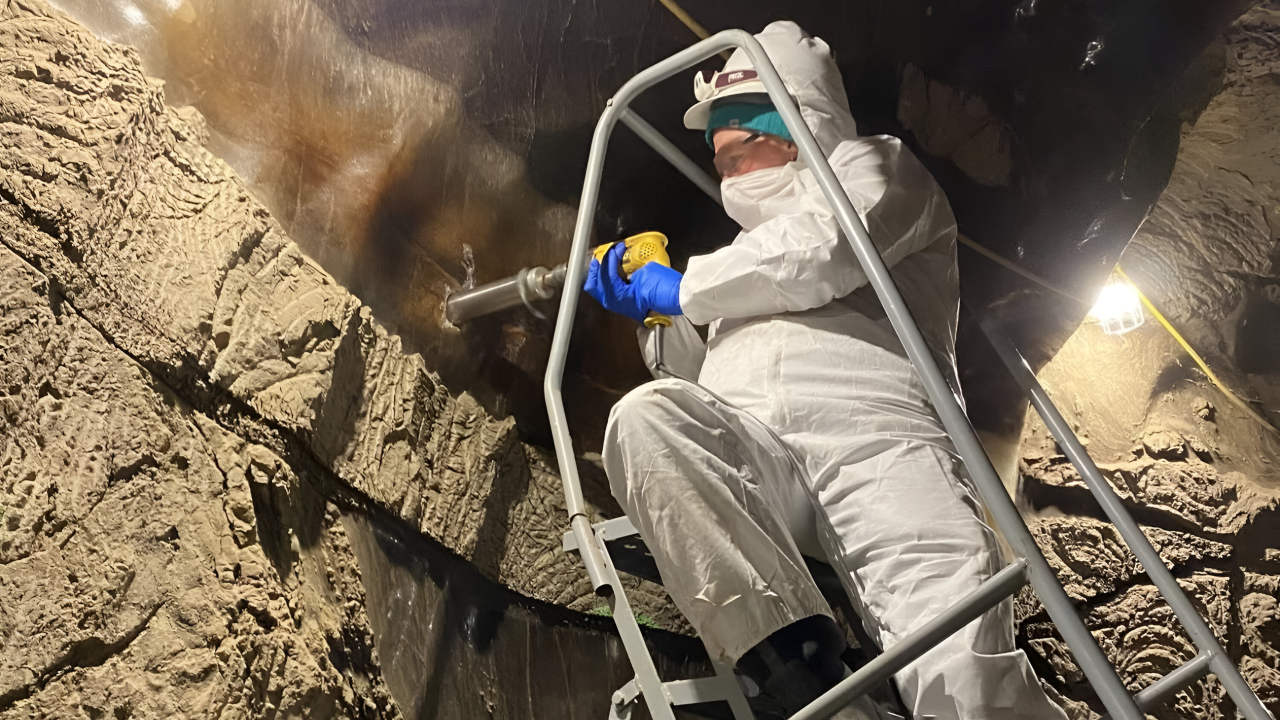
After 40,000 years of dormancy, ancient microbes locked in Alaska’s permafrost are reawakening. The sight of these revived life forms challenges everything we thought we knew about frozen life and the Earth’s changing climate. As the permafrost thaws, scientists are witnessing life that has been preserved for millennia, now coming back to life in modern-day labs.
This unprecedented revival raises alarming questions about the impact of a warming climate on Earth’s frozen past.
The Rising Stakes
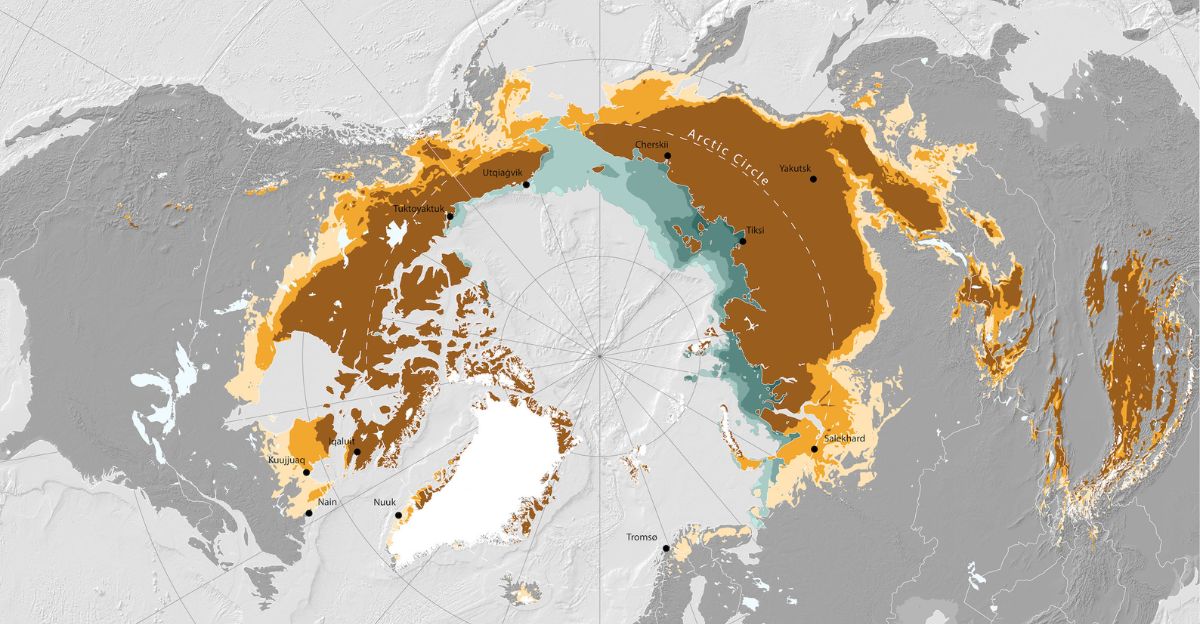
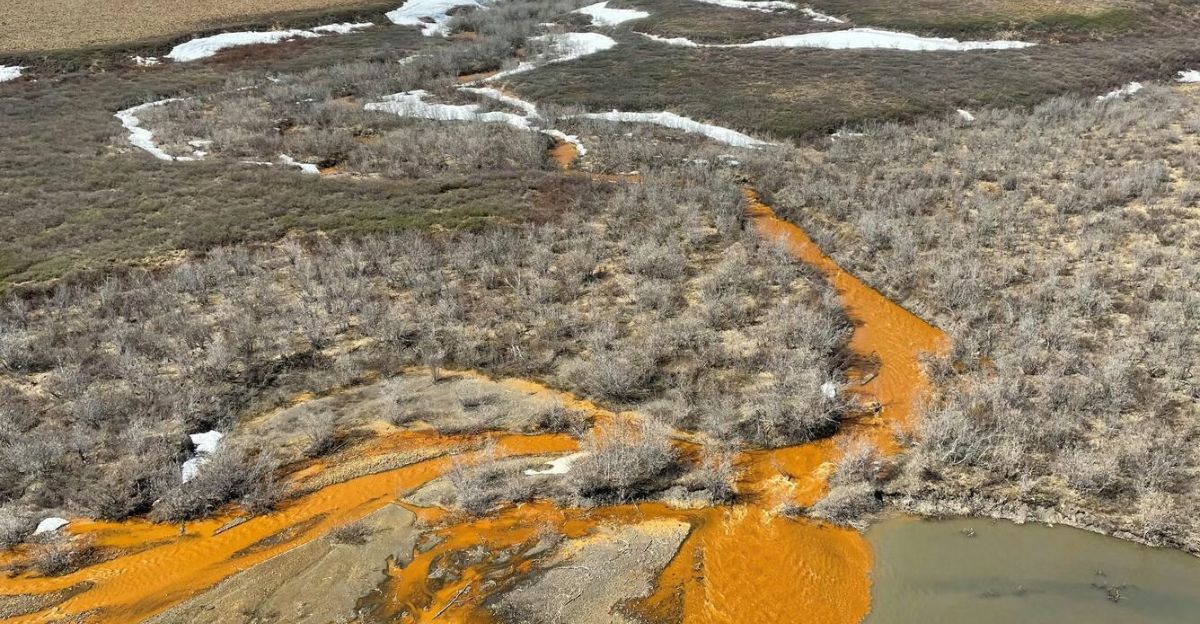
Permafrost covers nearly a quarter of the Northern Hemisphere’s land. Within this frozen layer lies twice the amount of carbon currently in Earth’s atmosphere. As the Arctic warms—Alaska, for instance, has warmed by approximately 0.7°F per decade since the late 1970s—thawing permafrost could release this carbon and long-dormant microbes.
The risk? Amplified climate change. Scientists are only beginning to understand how this process may accelerate global warming.
Tunnel Into The Past
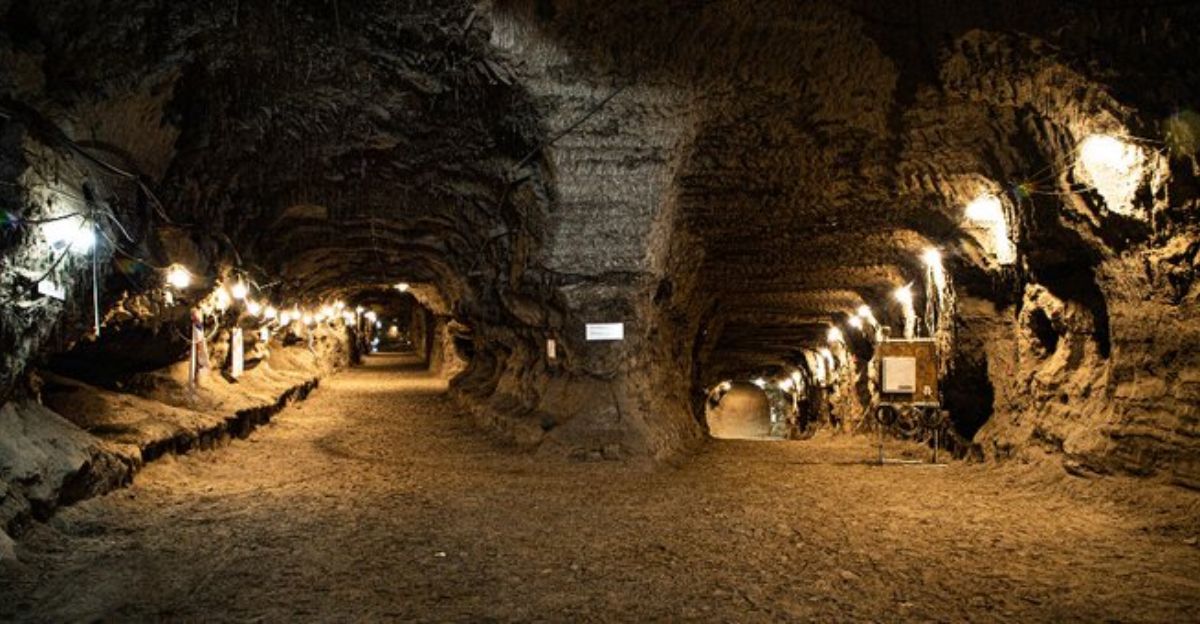
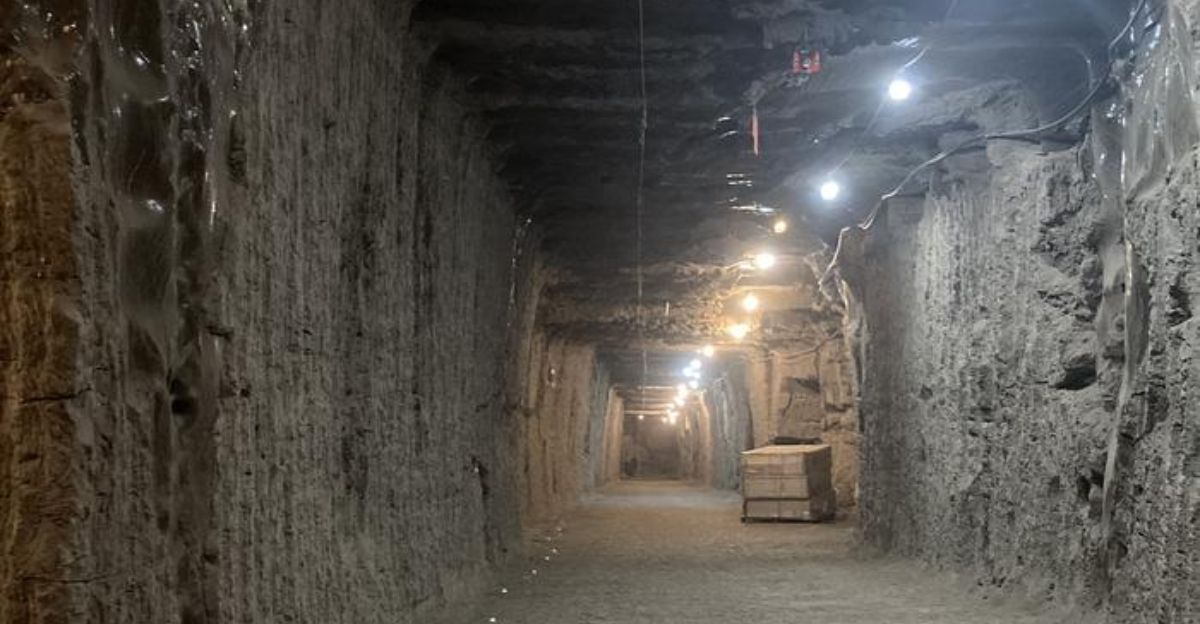
Researchers are using the U.S. Army Corps of Engineers’ Permafrost Tunnel in Alaska to study this phenomenon. The tunnel, originally dug in the 1960s, provides a controlled glimpse into the ancient world of permafrost.
With soil up to 40,000 years old, the tunnel reveals remains of plants, mammoths, and bison—offering crucial insights into the frozen ecosystem that once thrived in the region.
Ancient Pressures
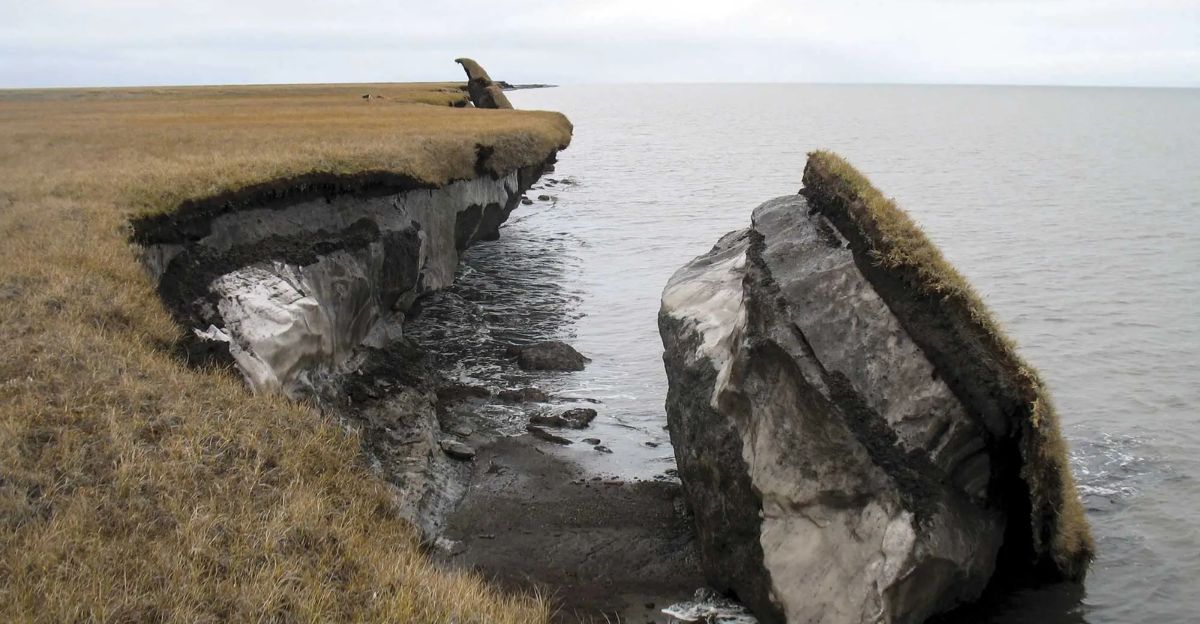
The thawing of permafrost is a double-edged sword. As warm temperatures lengthen summers, heat reaches deeper into the layers of permafrost. This thaw allows ancient organic matter to decompose, providing food for microbes. When these microbes reactivate, they release potent greenhouse gases—carbon dioxide and methane—into the atmosphere, accelerating climate change.
This potential feedback loop could be catastrophic.
Ancient Life Revived
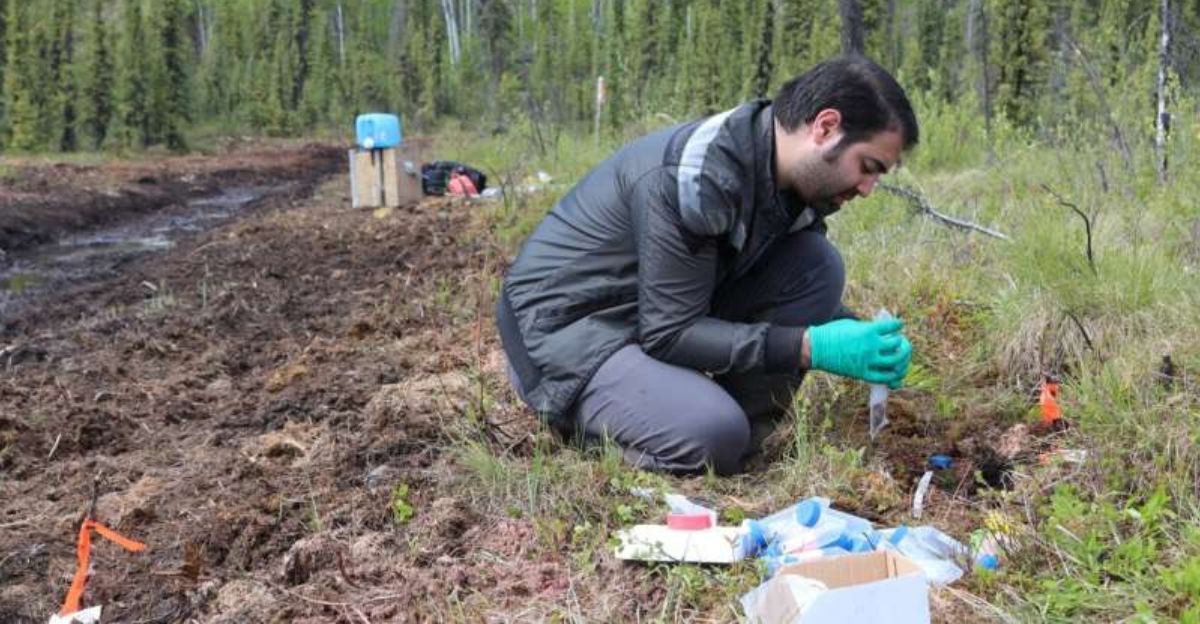
In a groundbreaking experiment, scientists thawed permafrost samples ranging from 37,900 to 42,400 years old. These samples were incubated under controlled temperatures, and after several months, the microbes reactivated. This confirms that life frozen for thousands of years can be revived under modern conditions.
The implications of this discovery are still unfolding.
Alaska’s Thawing Edge

The Permafrost Tunnel may offer a rare view of what’s to come in the wider Alaskan landscape. As temperatures rise, vast portions of ice-rich permafrost are expected to thaw. This could trigger the release of ancient microbes and carbon across the region, with potentially devastating consequences for global climate.
Alaska’s once-frozen land is becoming a battleground for Earth’s future.
Inside The Tunnel
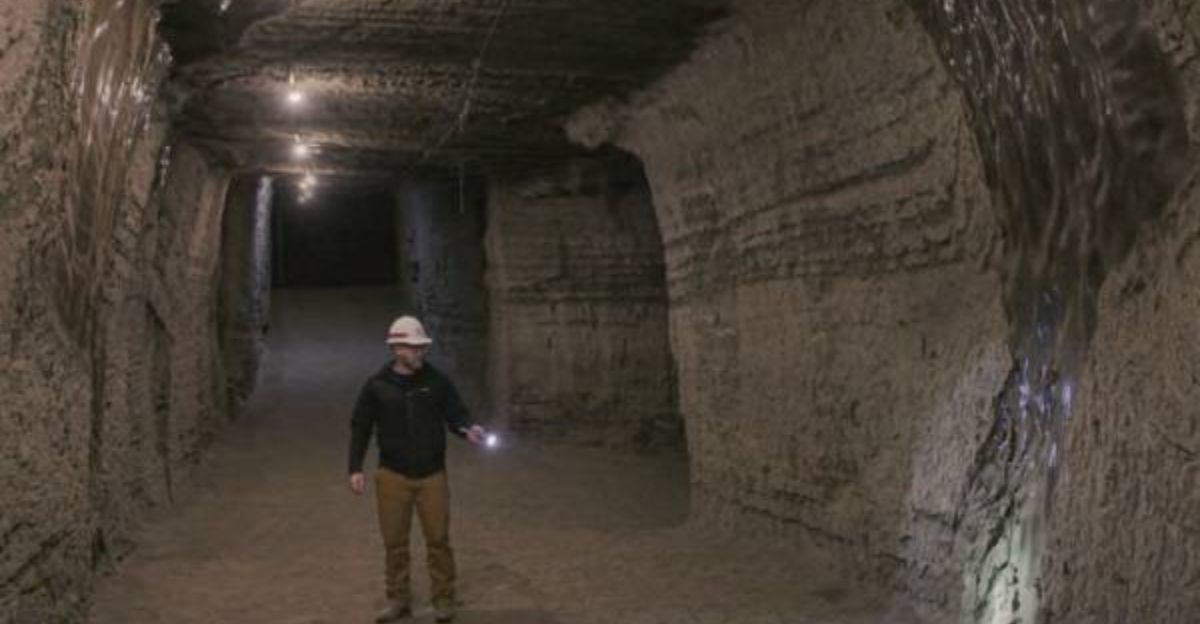
Lead author Tristan Caro describes the smell inside the Permafrost Tunnel: “It smells like a musty basement,” he recalls. For microbiologists, however, this is an exciting sign. The pungent odor is a clue that life still exists within the frozen walls.
The reactivation of these microbes offers an unexpected opportunity to study ancient organisms still capable of thriving in today’s conditions.
Lab Resurrection
Back in the lab, scientists added deuterium-enriched water to the permafrost samples to track microbial growth. As the microbes reawakened, researchers measured their growth rate by examining their cell membranes. Early on, the growth was slow—only a small fraction of the cells were turning over each day.
However, this marked the beginning of a dramatic shift in microbial activity.
A Slow Reawakening

During the first month, microbial activity in the permafrost was minimal. Yet, after six months, scientists observed a dramatic change. The once-dormant microbial communities began to evolve into a new, highly active ecosystem, distinct from both ancient and modern samples.
This process of “slow reawakening” underscores the resilience and adaptability of these ancient microbes.
Biofilms You Can See
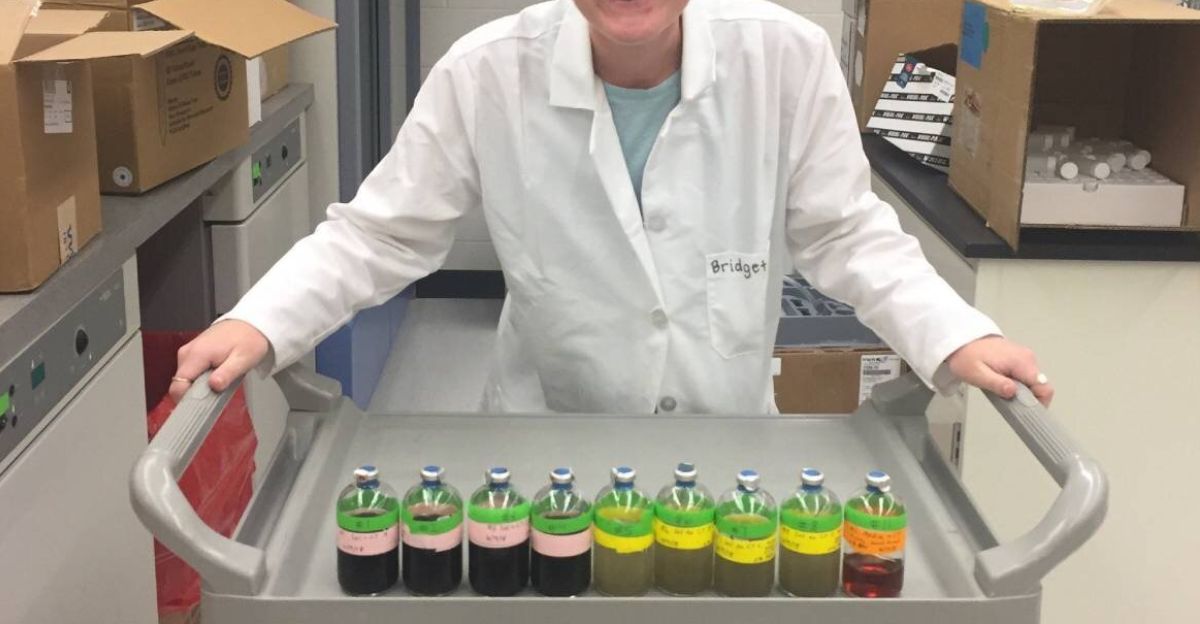
At the six-month mark, researchers made an exciting discovery—some of the microbial colonies had grown into visible biofilms. These gooey, glistening structures, visible to the naked eye, were a clear sign that the ancient microbes were not only surviving—they were thriving.
This marked a significant milestone in the study of reawakened life.
Scientists’ Uneasy Excitement
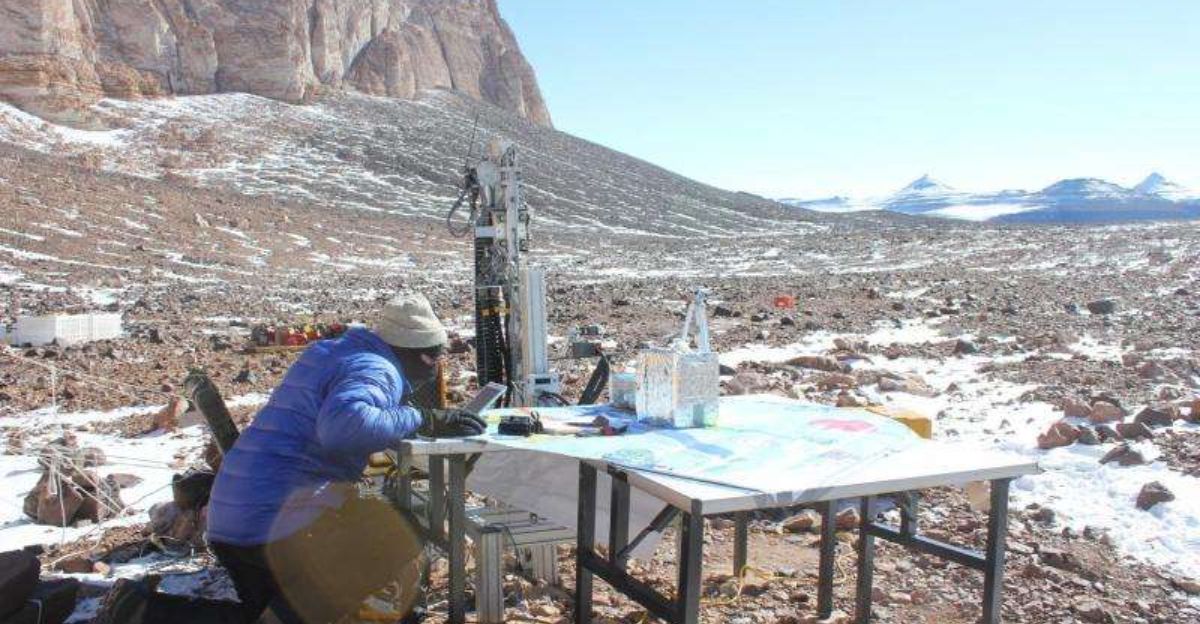
While scientists are excited by the revival of these ancient life forms, they are also deeply concerned. “These microbes can break down organic matter and release it as carbon dioxide,” said Caro.
Co-author Sebastian Kopf emphasized that the thawing of permafrost and the reactivation of these microbes could accelerate climate change in unpredictable ways.
From Tunnel To Campus
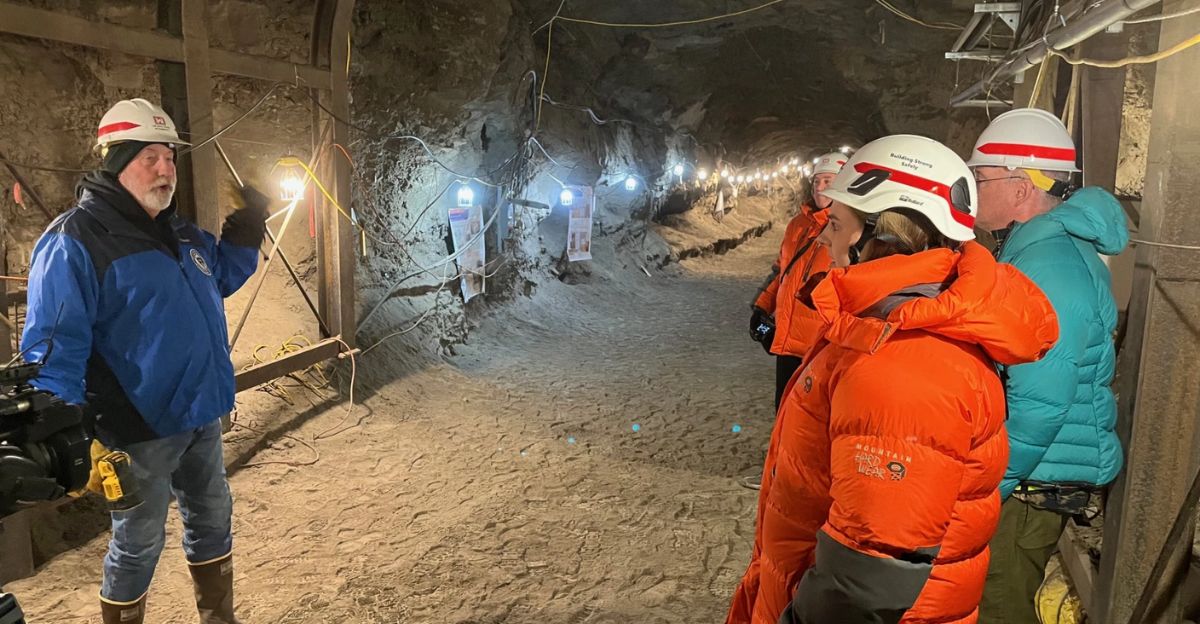
This research is a collaboration between federal agencies and academic institutions. The U.S. Army Corps of Engineers’ Permafrost Tunnel provides unique access to ancient permafrost, while CU Boulder brings advanced tools to study microbial life.
Tristan Caro, who led the study, is now a postdoctoral researcher at Caltech, further investigating how ancient microbes behave under warming conditions.
Climate Labs In A Jar
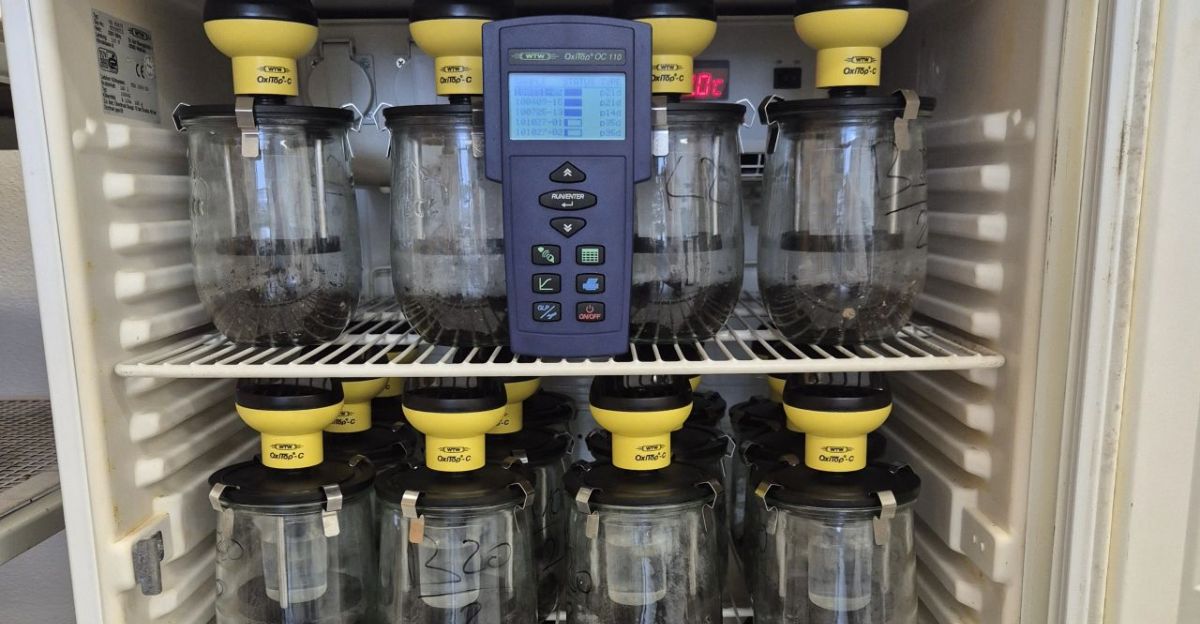
To simulate future Arctic conditions, researchers incubated the permafrost at temperatures between 39°F and 54°F—still chilly by human standards, but much warmer than typical permafrost.
Interestingly, warmer temperatures didn’t always lead to faster microbial growth, suggesting that the length of thaw time, not just temperature, plays a crucial role in microbial activity.
Cautious Optimism
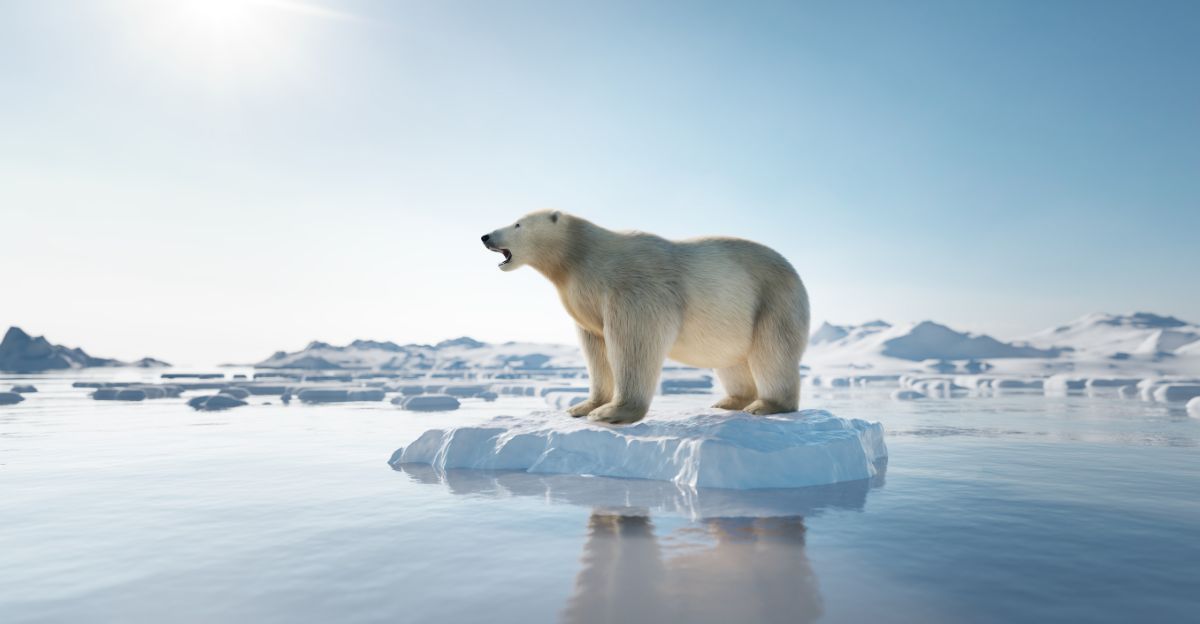
There is a slight silver lining to this discovery. The experiments show that there is a lag between thawing and microbial activity—sometimes lasting months. This delay could provide a buffer period if the permafrost refreezes before the microbes can fully awaken.
However, as global warming extends the Arctic summer, this window of protection could steadily shrink.
The Big Unknown
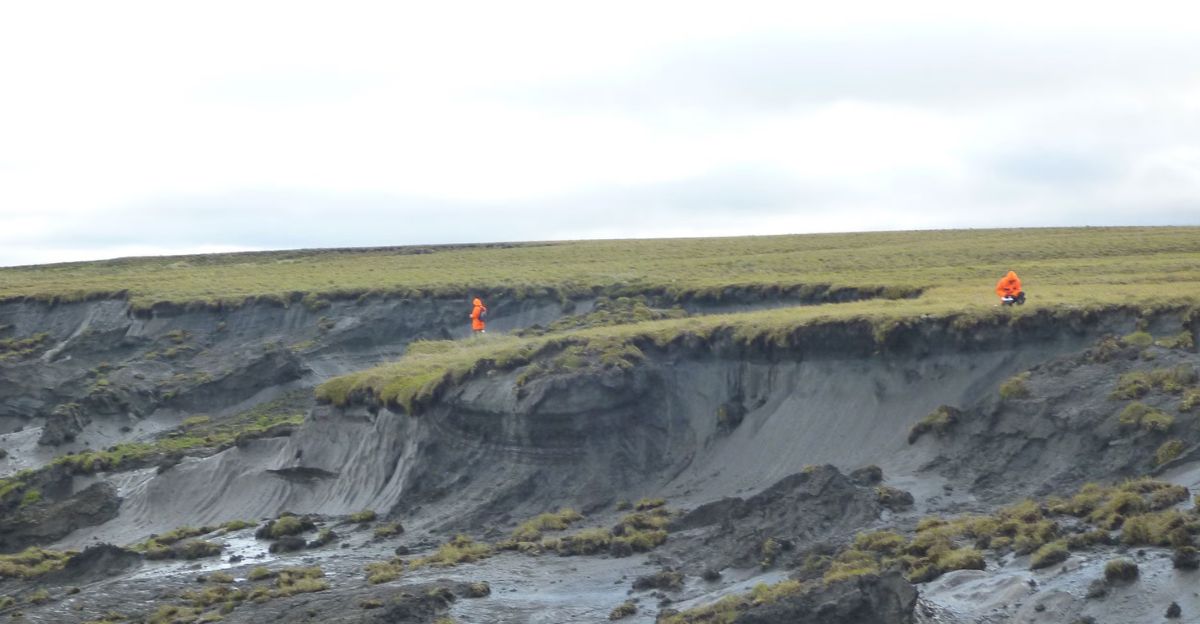
As scientists continue their research, one question looms large: How will the thawing of permafrost affect the rate of climate change? While the revived microbes provide valuable insights, researchers are cautious.
The complexities of translating lab results to real-world Arctic landscapes remain a significant scientific challenge. The consequences could be far-reaching.
Policy And Permafrost
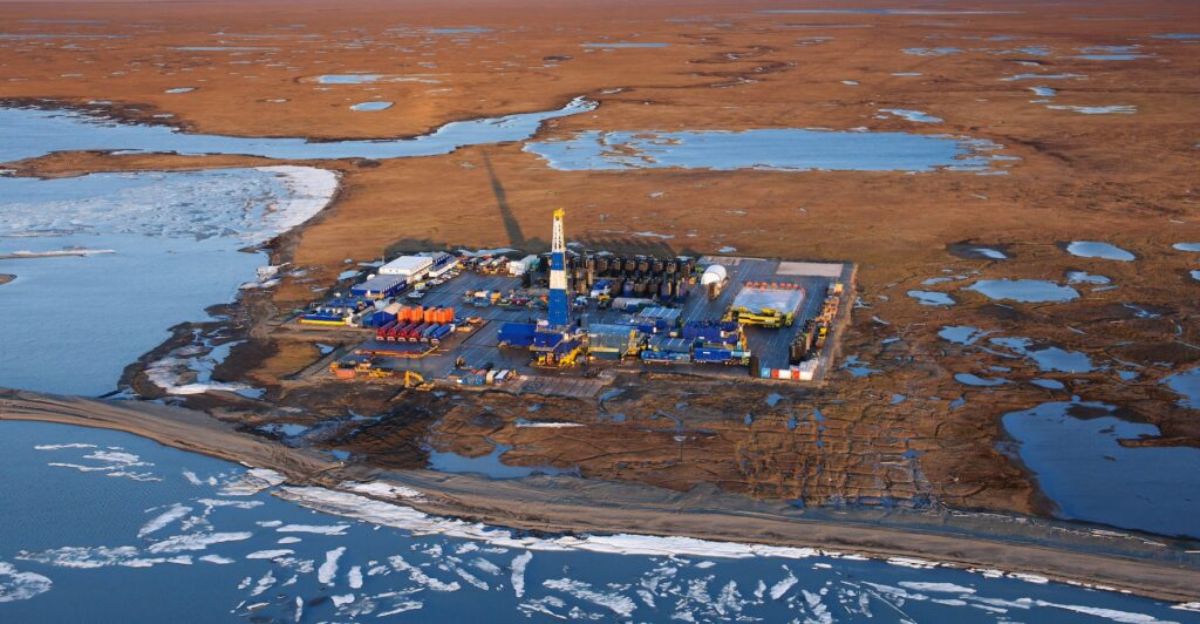
This new research has the potential to influence policy discussions around Arctic drilling, infrastructure, and climate adaptation. Thawing permafrost destabilizes buildings and roads. Now, scientists are adding microbial emissions to the list of concerns.
This could push policymakers to adopt stricter climate targets and factor permafrost feedbacks into future emissions planning.
A Global Frozen Belt
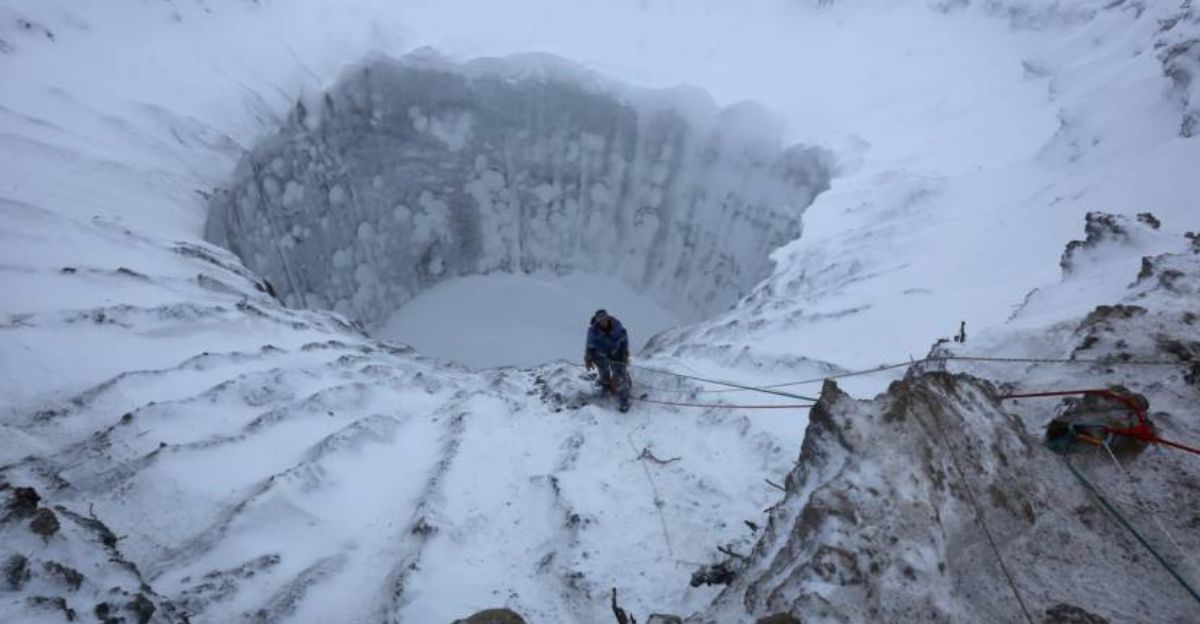
Alaska is just one part of a much larger permafrost belt that stretches across Siberia, Canada, Greenland, and other northern regions.
If ancient microbes can be revived in one Alaskan tunnel, similar processes could occur across the entire Arctic as global temperatures rise. This global phenomenon poses a serious threat to climate stability.
Legal And Environmental Stakes
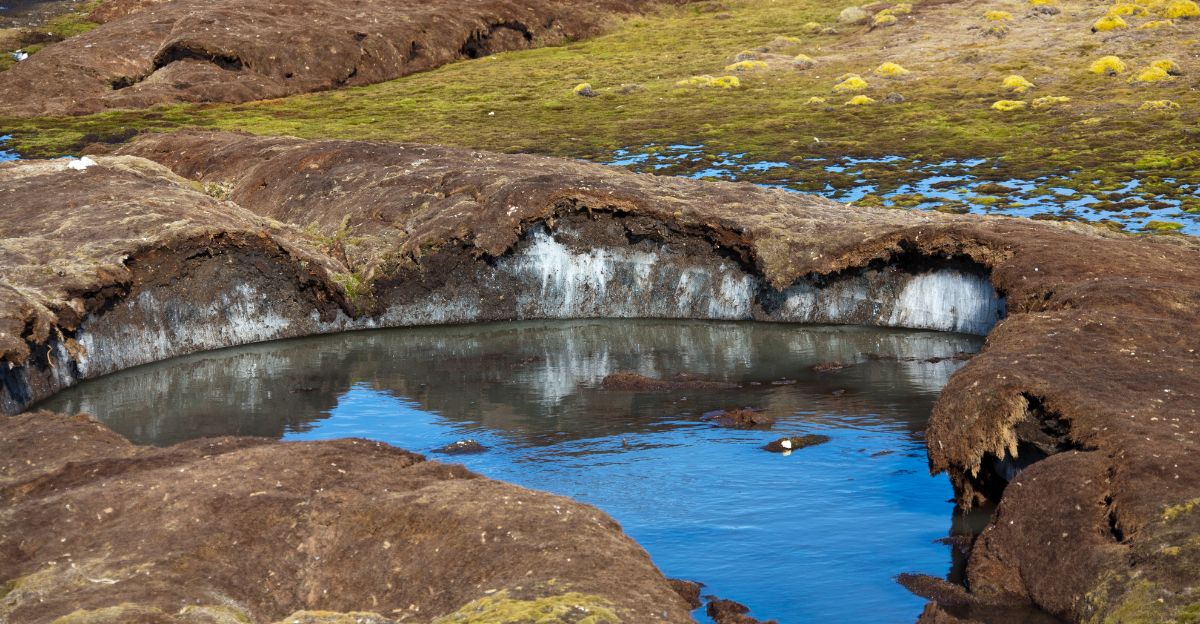
While revived microbes do not pose an immediate infectious threat, the larger concern lies in their carbon-releasing activities. If thaw-driven emissions accelerate, governments worldwide may need to revise climate models, strengthen mitigation targets, and consider “natural” feedbacks in international agreements.
These changes could reshape global climate policy.
Rethinking ‘Ancient’
The reawakening of 40,000-year-old life challenges our understanding of death and survival.
While scientists have previously revived ancient microbes, Caro’s team adds new insights into growth rates and community dynamics, proving that “ancient life” isn’t just a curiosity—it’s actively shaping today’s climate story.
What Wakes Next
The question now isn’t whether ancient life can be revived—it’s how much of it will wake up, and how fast. As the Arctic continues to warm, the implications of this microbial resurrection could be felt worldwide.
With permafrost covering vast regions of the Northern Hemisphere, the consequences could be global in scale.
Sources:
EurekAlert: “Researchers wake up microbes trapped in permafrost for thousands of years”
ScienceAlert: “After 40,000 Years, Microbes Are Awakening From Thawing Permafrost”
IFLScience: “It Smells Really Bad: Ancient Life Frozen in Alaska for 40,000 Years Has Been Woken Up”
Earth.com: “Ancient microbes frozen for 40,000 years revive, reorganize, and begin to devour carbon”