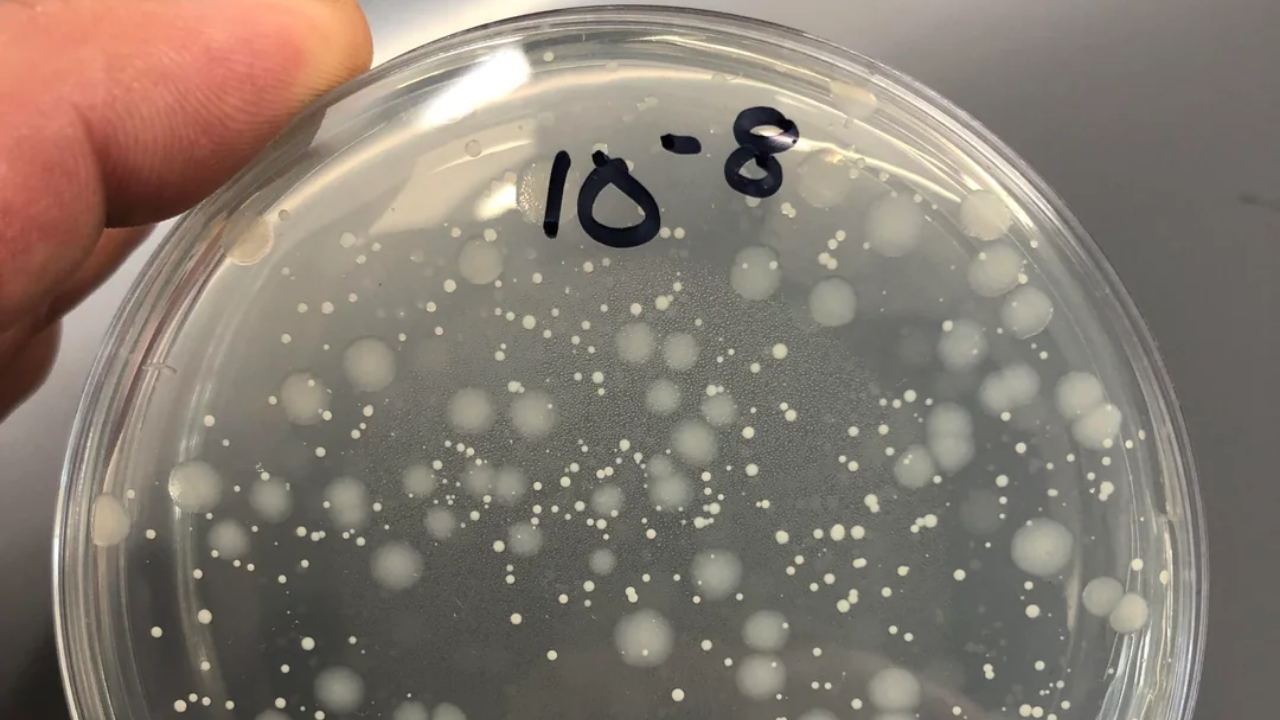
Deep beneath Alaska’s frozen soils, scientists have awakened microbes frozen for up to 42,400 years, revealing how ancient life could fuel a surge in greenhouse gases as permafrost thaws amid rising temperatures.
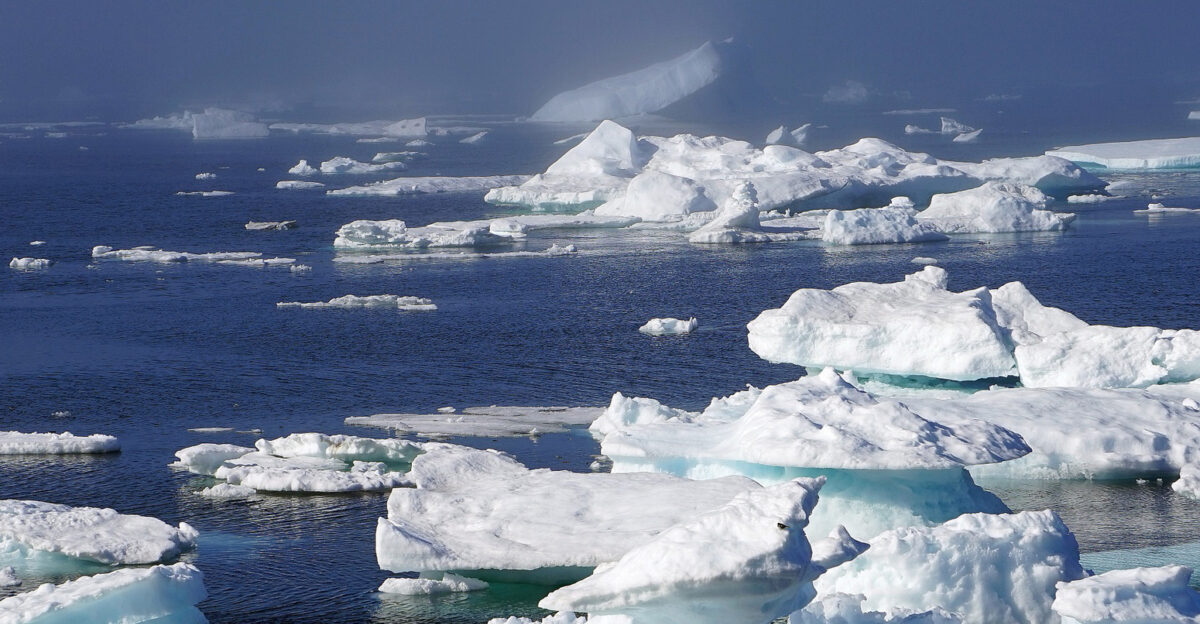
Arctic permafrost stores about 1,600 gigatons of organic carbon—roughly twice the amount now in Earth’s atmosphere. This vast reservoir, locked away since the late Pleistocene, underlies nearly a quarter of the Northern Hemisphere, including 85% of Alaska’s land. Warming air, accelerating several times faster than the global average, is melting this ground, allowing microbes to break down long-buried plant and animal remains into carbon dioxide and methane.
Warmer conditions now stretch thaw seasons into spring and autumn, outpacing the impact of brief heat spikes. These prolonged warm periods penetrate deeper soil layers, giving microbes more time to metabolize organic matter. Researchers identify this extension as a key driver of escalating carbon emissions, potentially turning Arctic regions from sinks to sources.
Pressure Builds Beneath the Surface

Thawing destabilizes landscapes, triggering collapses that expose deeper carbon layers. Abrupt events like thermokarst lakes, wildfires, and erosion amplify releases beyond slow melting. Parts of the Arctic-boreal zone have already flipped to net emitters. In Alaska’s Permafrost Research Tunnel near Fox, University of Colorado Boulder scientists in 2025 extracted cores over 20 meters deep. There, they revived microbes aged 37,900 to 42,400 years, proving ancient organisms remain viable after tens of thousands of years.
Microbes From the Ice Age
Under lab conditions mimicking modern Arctic summers, these Ice Age microbes lay dormant for about six months. Metabolism, tracked via deuterium-enriched water, showed sluggish cell replacement at first. Then activity exploded: biofilms formed visibly, and production of carbon dioxide and methane ramped up sharply. This lag challenges models assuming instant emissions post-thaw, suggesting delayed surges could be underway undetected across the Arctic.
Why the Lag Matters
Such patterns imply emissions may be “locked in” months before measurement, complicating real-time tracking. Revived microbes matched the vigor of contemporary soil dwellers, showing age does not curb their potency. As active layers deepen, older carbon pools become accessible. Yet responses vary: drier, oxygen-rich soils host methane-consuming microbes that offset some production, while wet areas favor emitters. Soil moisture and oxygen dictate outcomes, per genomic analyses.
Human Stakes in the Arctic
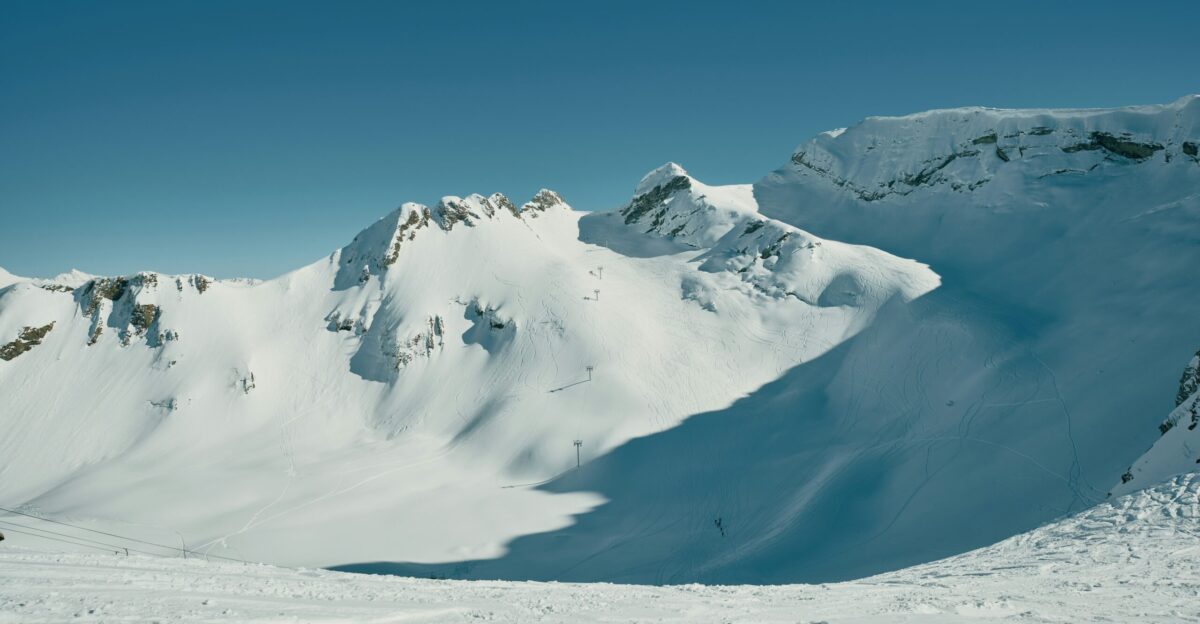
From 10 to 20 million people in Alaska, Canada, Russia, and northern Europe face crumbling infrastructure—buildings, roads, pipelines, and water systems—as ground subsides. Indigenous communities confront disrupted traditional knowledge and forced relocations. Researchers urge caution against overgeneralizing from one site, noting Alaska’s permafrost differs from Siberia’s or alpine zones. Lead author Tristan Caro highlighted limited sampling and influences like soil chemistry.
Tracking Carbon More Precisely
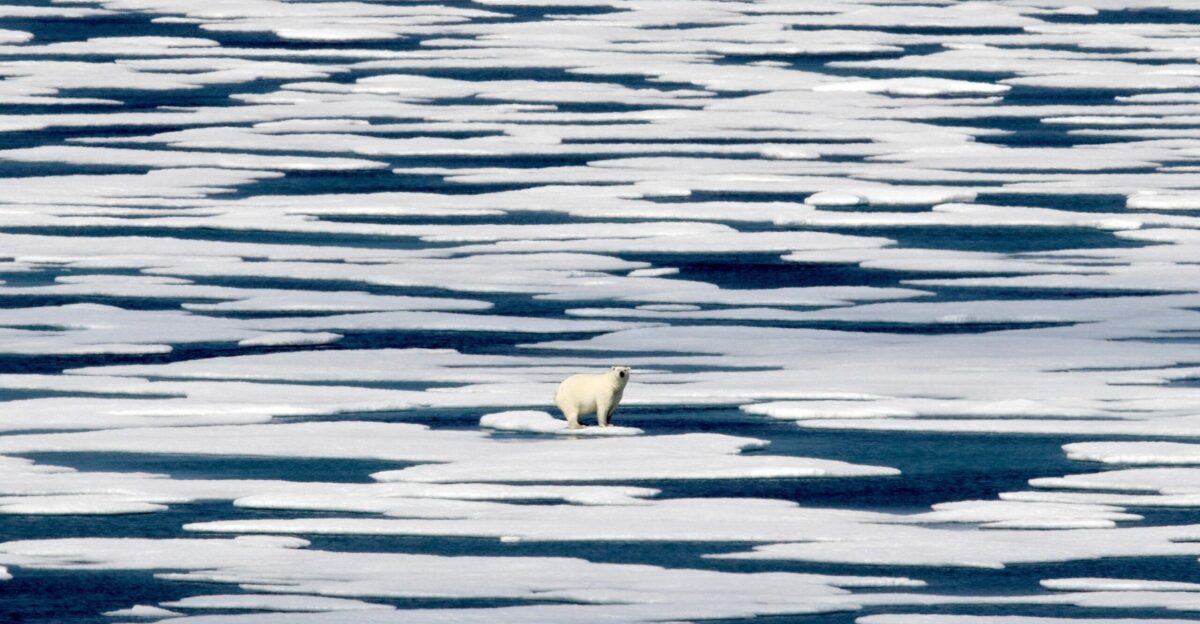
Efforts now target shoulder seasons with longer thaws, deeper cores, and year-round sensors. Satellite data, field instruments, and syntheses from warming experiments capture abrupt events and gases like potent nitrous oxide. Federal support bolsters monitoring. Debate persists: some reject a singular “carbon bomb” narrative, citing vegetation uptake in spots and regional variability. Under current trajectories, most near-surface permafrost could vanish by 2100; curbing warming to 1.5°C preserves more.
These dynamics signal permafrost as a dynamic amplifier, not inert storage. Thaw’s delayed feedbacks, interacting with global patterns like cloud shifts and precipitation, threaten to rival major nations’ emissions. National pledges often overlook them, risking temperature overshoots. Nonlinear tipping points loom, urging refined models, inclusive policies, and ethical stewardship of these ancient carbon guardians to avert decades-delayed climate strains.
Sources:
NASA Earth Observatory – “40,000-Year-Old Microbes Revived from Alaska Permafrost—Implications for Arctic Carbon Release”
Live Science, Sept 2025 – “40,000-Year-Old Microbes Revived from Alaska Permafrost—Implications for Arctic Carbon Release”
Science Advances, 2025 – “40,000-Year-Old Microbes Revived from Alaska Permafrost—Implications for Arctic Carbon Release”
Nature Climate Change, Jan 2025 – “40,000-Year-Old Microbes Revived from Alaska Permafrost—Implications for Arctic Carbon Release”
UNFCCC Report, 2025 – “40,000-Year-Old Microbes Revived from Alaska Permafrost—Implications for Arctic Carbon Release”
The Arctic Institute, 2025 – “40,000-Year-Old Microbes Revived from Alaska Permafrost—Implications for Arctic Carbon Release”