Imagine building a network of water highways across a desert 7,000 years ago, without any modern machines. That’s exactly what ancient farmers in Iraq accomplished, creating thousands of water channels that turned barren land into lush farmland.
Scientists recently discovered this massive irrigation system buried under the desert sand near the ancient city of Eridu. The discovery includes over 200 main water channels and 4,000 smaller ones that brought river water to crops. This incredible engineering feat helped build the world’s first mega-cities and changed human history forever.
Race to Save History
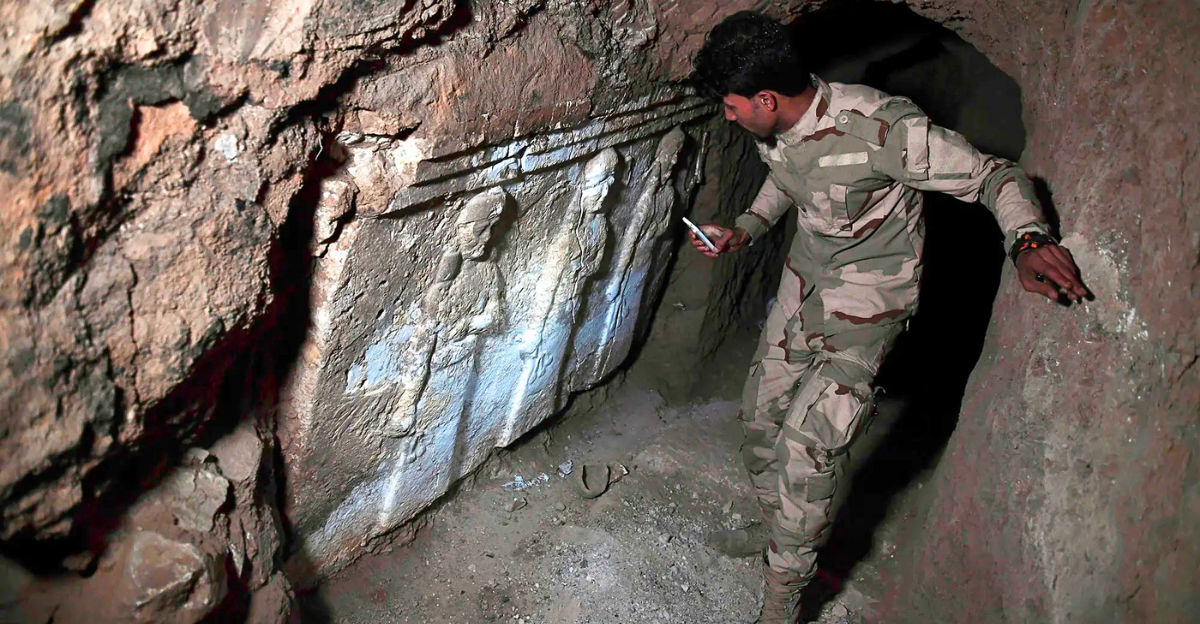
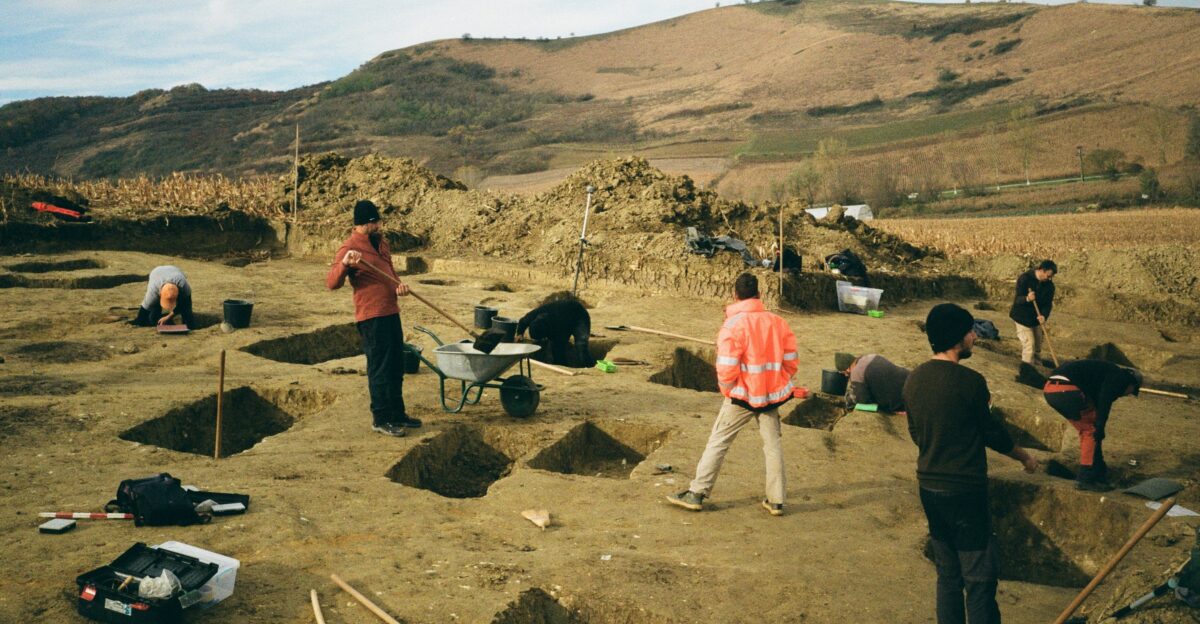
Time is running out to protect these ancient water channels from bulldozers and development. Modern construction projects threaten to destroy these 7,000-year-old engineering marvels before scientists can fully study them.
Iraqi archaeologist Ali al-Ghanim warns that without immediate protection, the country could lose “heritage no less important than the ancient city itself.”
On top of that, climate change makes the situation worse. Rainfall has dropped 40% since 1980, causing the preserved mud structures to crumble faster. Urban sprawl creeps closer to the archaeological sites every month, creating an urgent race against time.
Desert Farming Challenge

Ancient Mesopotamia faced the ultimate farming nightmare: blazing hot summers, unpredictable river flooding, and almost no rainfall. The Tigris and Euphrates rivers would either flood fields with too much water or dry up completely, destroying crops either way.
Early farmers had to get creative to survive. Starting around 6000 BCE, they began digging simple ditches to move river water to their fields. These basic ditches gradually evolved into sophisticated water management systems. By 4000 BCE, Sumerian engineers had figured out how to use gravity and natural landscape features to distribute water evenly across vast areas.
Nature’s Gift to Archaeology

Around 1000 BCE, something terrible but archaeologically wonderful happened; the Euphrates River suddenly changed course, abandoning the Eridu region completely. This was a disaster for the farming communities, but it created perfect preservation conditions for modern scientists.
Unlike other ancient sites where newer buildings destroyed older structures, Eridu’s water channels were sealed under dry sand for 3,000 years. The bone-dry desert conditions mummified the entire landscape, preserving not just the main canals but even individual farm field boundaries and small irrigation ditches in remarkable detail.
City That Water Built
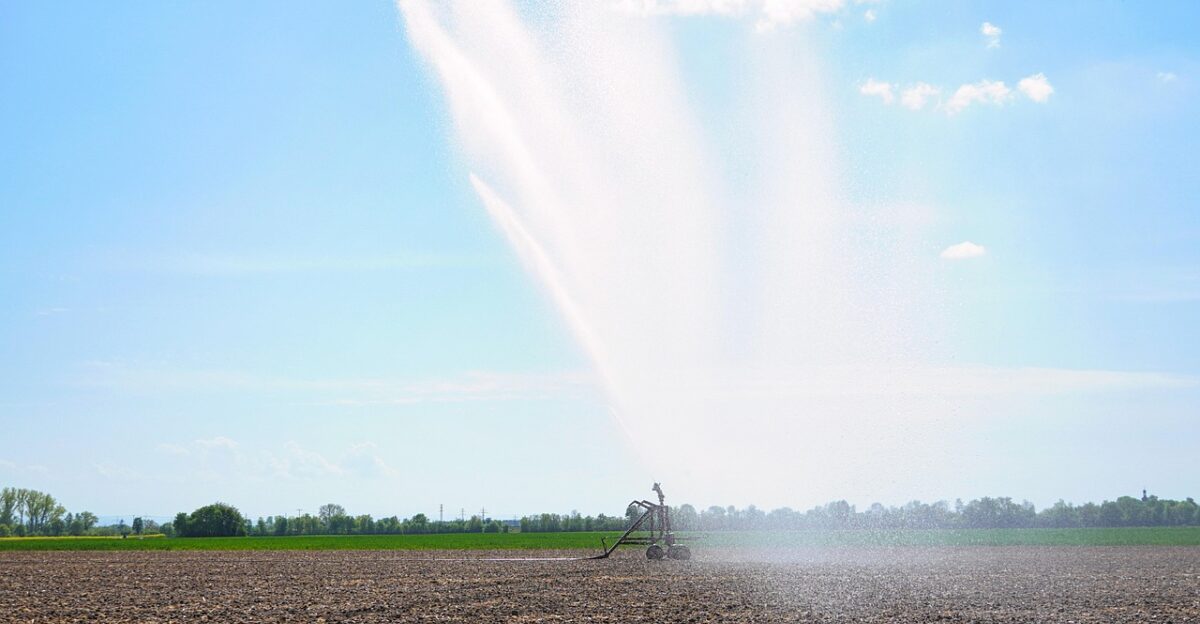
Scientists confirmed in February 2025 that this water system powered the world’s first mega-city. The network operated from 6000 BCE to 1000 BCE and included 200 main canals, some 6 miles long and 16 feet wide, plus 4,000 smaller channels feeding over 700 farms.
These farms ranged from small family plots to massive commercial operations covering 50 acres. The system supported the ancient city of Uruk, which by 3100 BCE housed between 40,000 and 90,000 people, making it Earth’s largest urban center at the time. Without this water network, such large cities simply couldn’t have existed.
Smart Water Distribution

The ancient engineers worked like water wizards, using natural river features to their advantage. When rivers flood, they naturally break through their banks at weak spots called “crevasse splays,” spreading water across the land.
The ancient Mesopotamians enhanced these natural breaks, turning them into controlled water distribution points.
200 Square Miles of Farmland
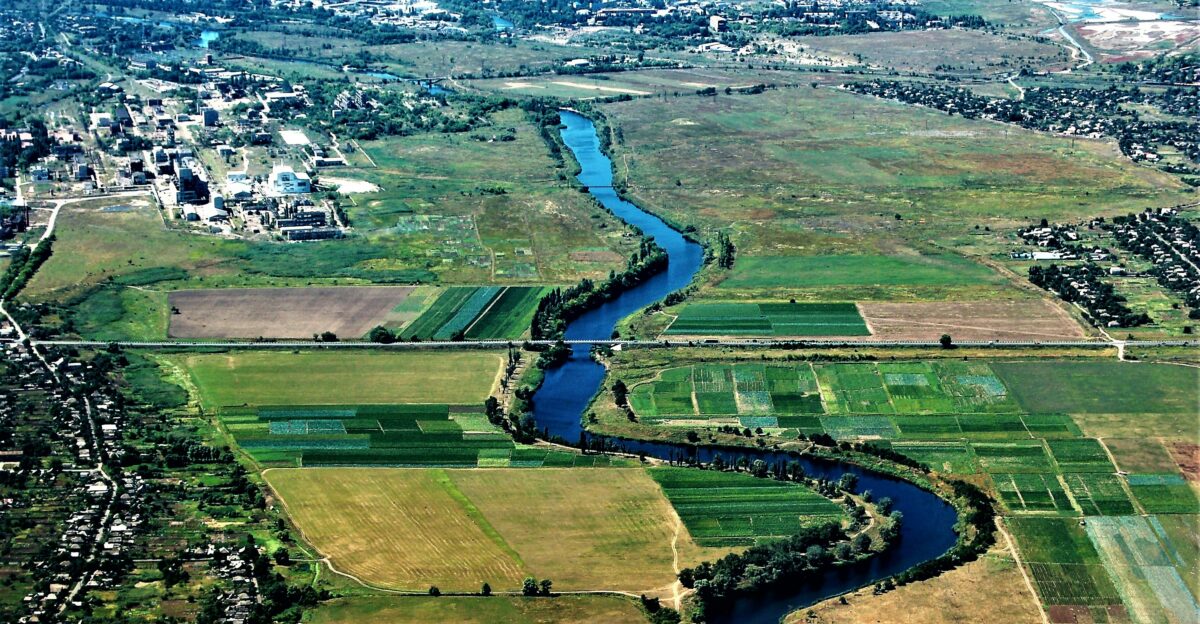
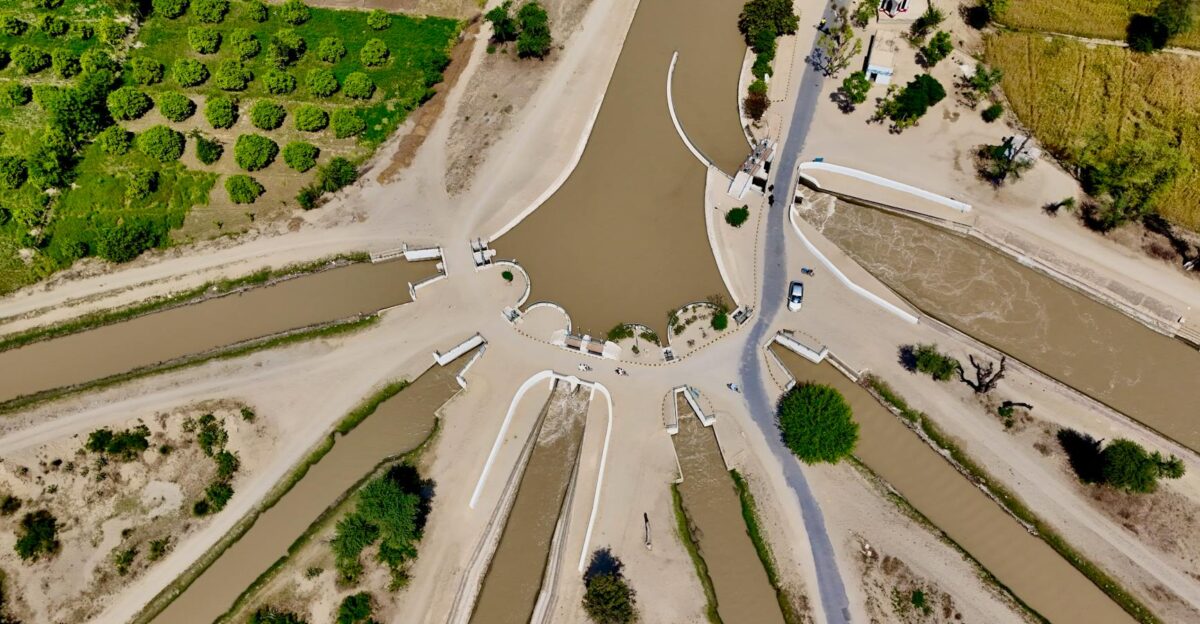
They built main canals that connected directly to the Euphrates River, then created a branching network of 4,000 smaller channels that worked like blood vessels, carrying water to every corner of 200 square miles of farmland.
The entire system worked by gravity alone. No pumps were needed.
Workers’ Stories in Clay

While no direct quotes from Eridu farmers survive, ancient clay tablets from similar Mesopotamian sites tell us about the human cost of building these water systems.
Administrative records describe teams of canals that connected directly to the Euphrates River maintaining each canal section, with backbreaking annual cleaning requirements and careful water-sharing schedules.
One Surviving Tablet
One surviving tablet reads about canal construction: “We dug until our backs broke, but the water flowed like liquid silver.”
Archaeological evidence shows farmers with better water access could farm 60% more land than their neighbors, making the hard work worthwhile.
Ancient Engineering Genius

These ancient engineers achieved precision that amazes modern experts, all without computers, lasers, or measuring equipment.
They built canals with perfect slopes, dropping just 1-2 inches every half-mile to keep water flowing steadily without causing erosion.
Coordinating Thousands of Workers

They positioned water gates at strategic spots to control flow rates and prevent flooding. At junction points, they built Y-shaped channels that automatically split water in the right proportions for different-sized farms.
The whole system required coordinating thousands of workers, yet archaeologists find almost no evidence of major mistakes or do-overs.
Spreading Success
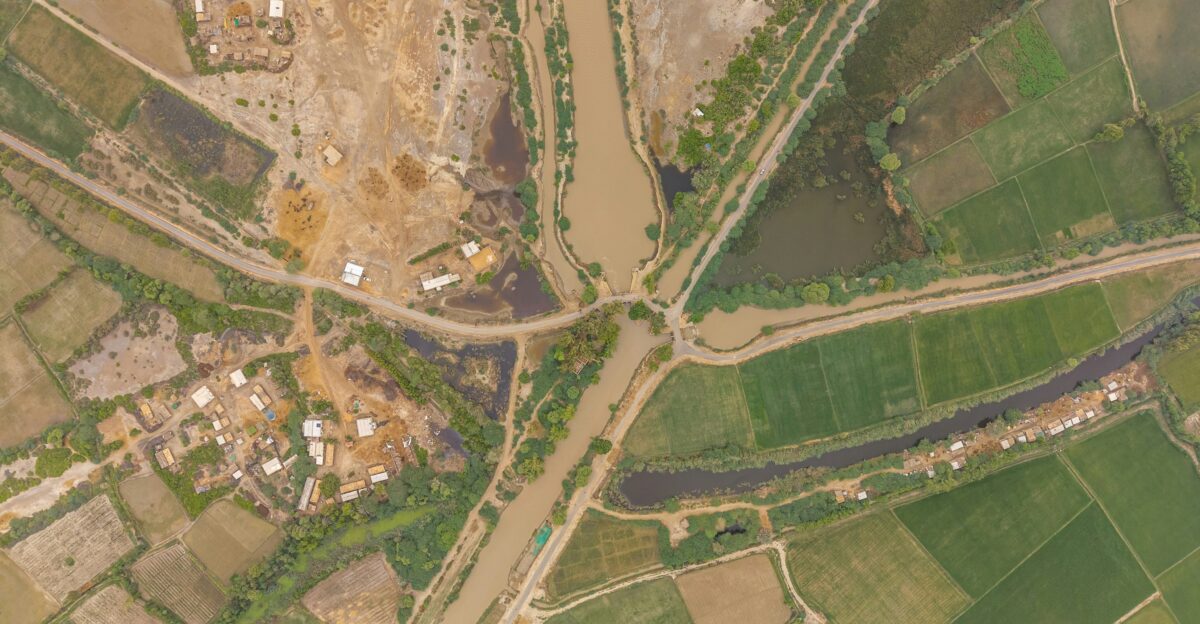
Meanwhile, Eridu’s water management techniques spread like wildfire across the ancient world. Merchants from as far away as India and Egypt visited to study the canal designs and bring the ideas home. By 2500 BCE, cities across Mesopotamia were using standardized canal dimensions based on Eridu’s specifications.
The agricultural surplus created by irrigation allowed population densities 50 times higher than in non-irrigated areas. This concentration of people led to the development of writing, laws, specialized crafts, and all the other building blocks of civilization that we know today!
The Hidden Killer

However, the miracle irrigation system carried a deadly secret that would eventually destroy it: salt poisoning.
As irrigation water evaporated under the scorching sun, it left behind salt deposits in the soil. Each generation of farmers saw crop yields drop by 10% as salt accumulated.
The Collapse
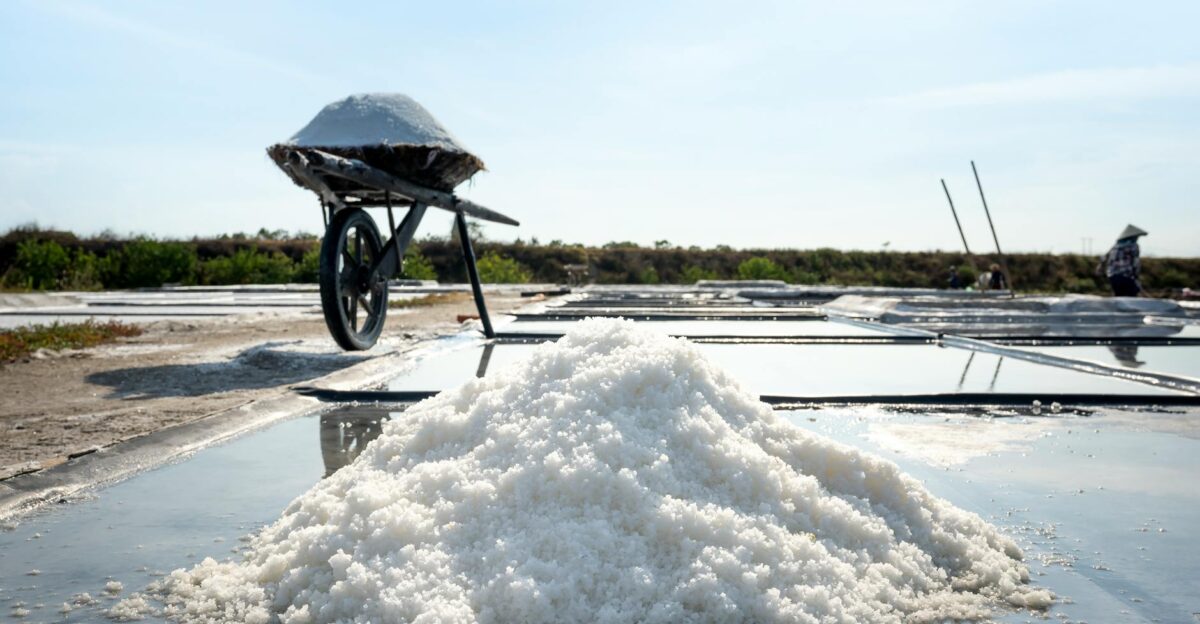
By 2100 BCE, the soil had become so salty that wheat couldn’t grow at all; only salt-tolerant barley survived. Temple records show desperate attempts to flush out the salt and rotate crops, but the damage was irreversible.
Instead of wars or invasions, this environmental disaster ultimately caused the world’s first civilization to collapse.
Farmers Still Struggling
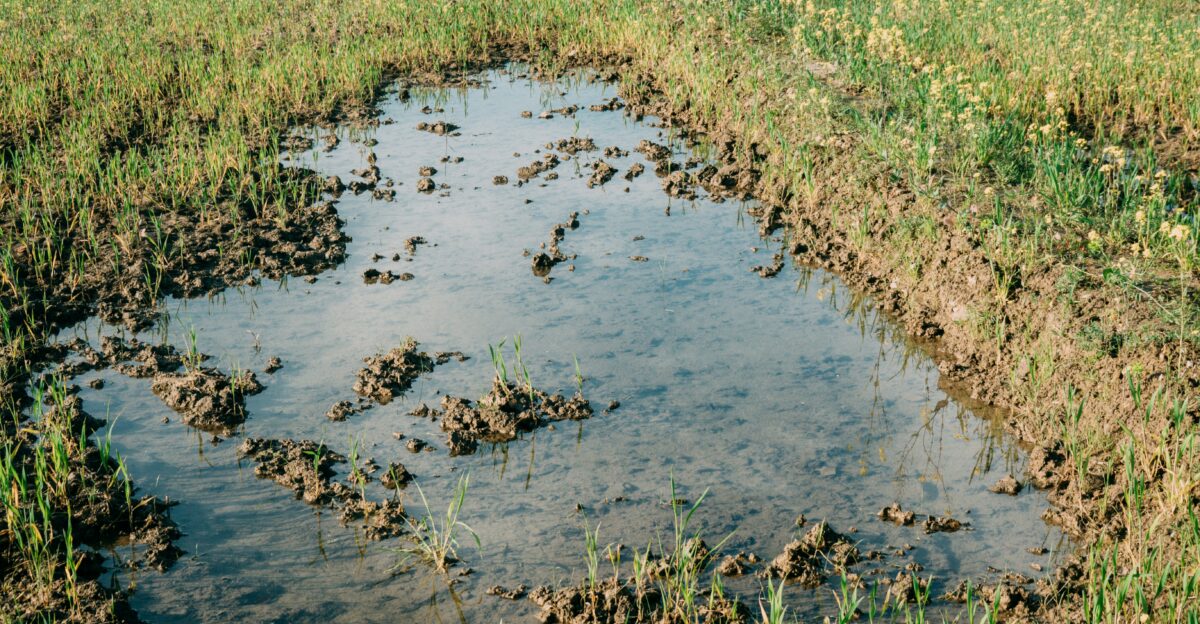
“Our ancestors built canals lasting 5,000 years, yet our modern systems fail after 50,” complains Hussein al-Zubaidi, a farmer in southern Iraq today. Modern Iraqi farmers face remarkably similar challenges to their ancient predecessors: unpredictable water supplies, increasing soil saltiness, and poor drainage.
A 1984 study found that modern irrigation systems work at only 30% efficiency, which is far worse than ancient methods. Today’s farmers report abandoning 40% of their land due to salt buildup, eerily echoing what happened to their ancestors thousands of years ago. Traditional water management knowledge survives only in fragments.
Changing Leadership

The research project underwent a dramatic leadership change when international tensions forced Western scientists to temporarily withdraw in 2024.
Iraqi archaeologist Jaafar Jotheri, originally a collaborator, took full control and transformed from a Durham-trained PhD student to project director.
With His Own Hands
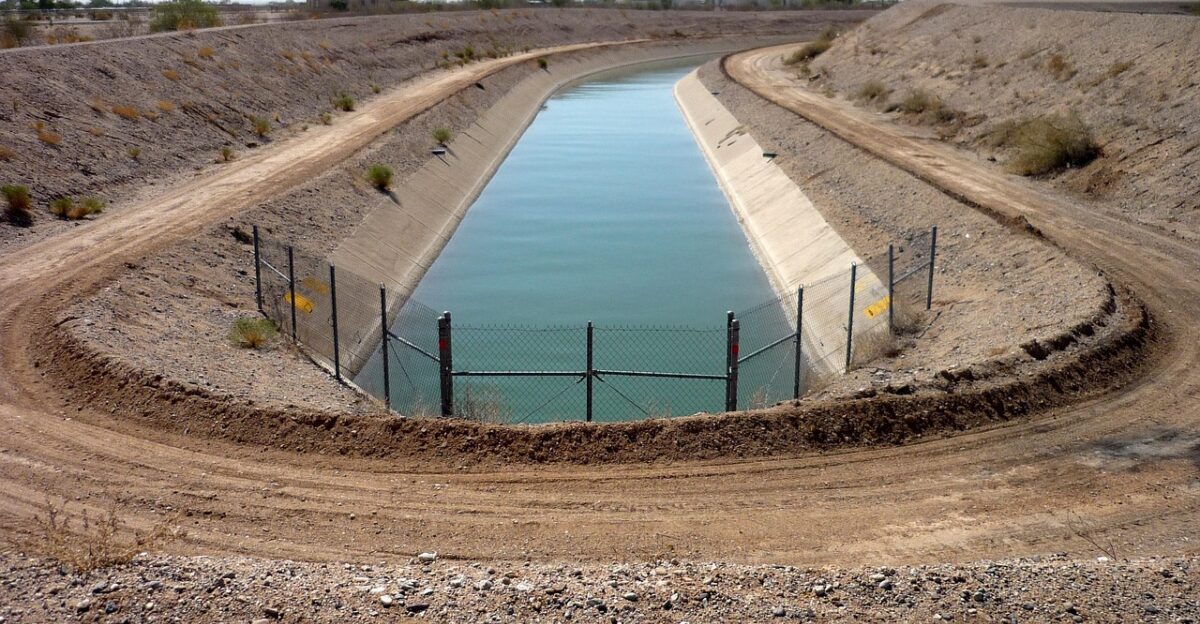
His unique background proved invaluable. He grew up on a farm near Babylon, manually maintaining traditional irrigation channels as a child. “I have insights that satellites cannot provide because I maintained canals with my own hands,” Jotheri explained.
Under his leadership, the team expanded from 12 to 45 members, incorporating local farmers’ traditional knowledge.
Saving What’s Left
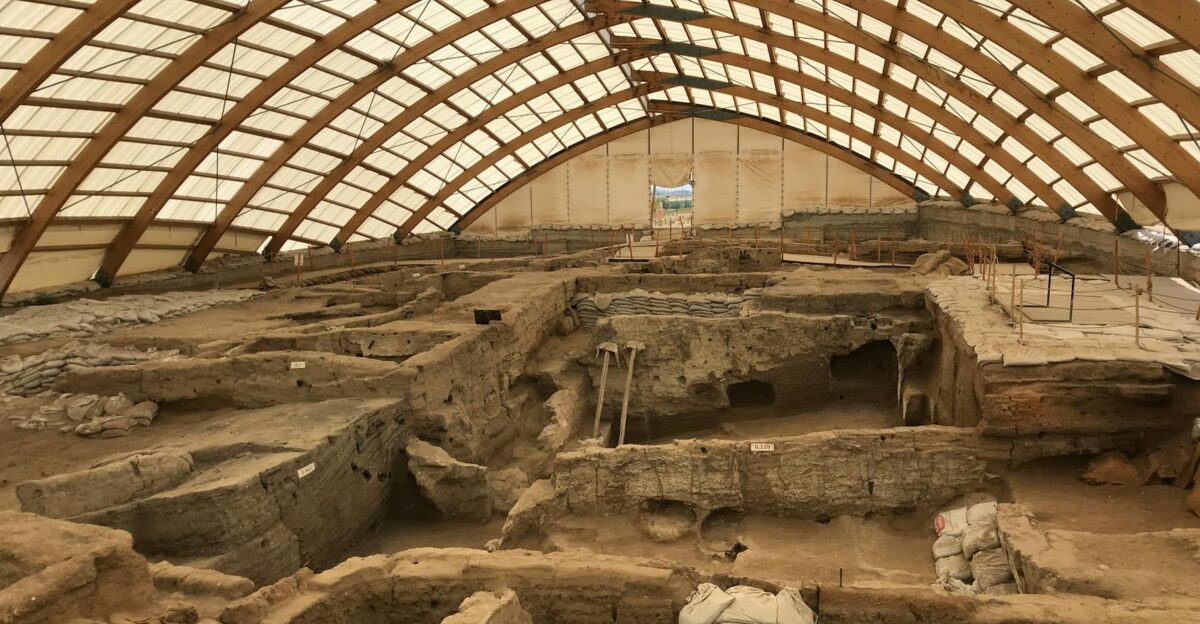
Emergency efforts to preserve the discovery face major obstacles. The British Institute for the Study of Iraq pledged £2 million for protection, while Iraq’s government promised new laws, still waiting for approval. UNESCO World Heritage nomination documents are being prepared, but the process typically takes 5-10 years.
Meanwhile, grassroots efforts show promise: local students created 3D models of the canals for education, and farmers agreed to voluntary protection zones around essential sites. Satellite monitoring revealed that 17 canal sections have been damaged by development since the March 2025 discovery.
Scientific Debate

Not everyone accepts the discovery’s claimed importance. Yale archaeologist Sarah Whitman questions the research methods: “Old satellite images don’t provide enough detail to definitively identify these as human-made canals.” On top of that, critics point out that similar channel patterns occur naturally in river deltas.
The research team responded by physically checking 47 locations and finding clear evidence of human construction such as tool marks and engineered slopes that don’t occur in nature. Radiocarbon dating of organic materials within the canal sediments confirmed the 6000 BCE origins. Even skeptics admit that the preservation quality is better than that of any comparable site.
Learning from the Past
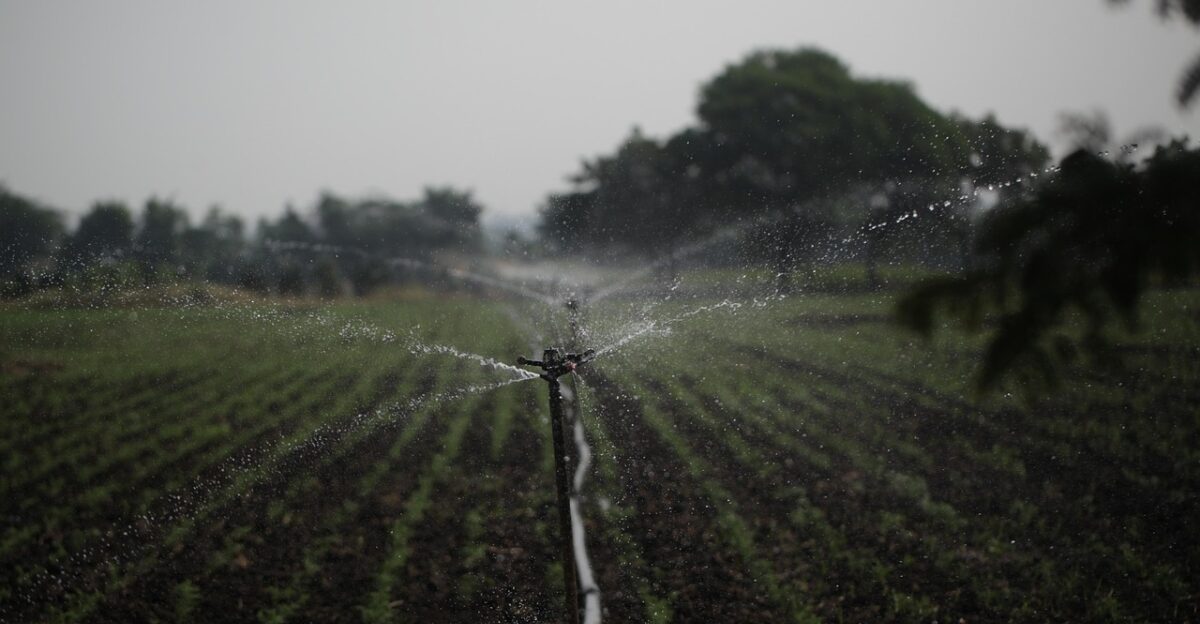
But now, one question remains: can humanity’s oldest water management system teach us to avoid our ancestors’ mistakes? Modern Iraq faces water shortages eerily similar to ancient Mesopotamia’s final centuries. The Tigris-Euphrates rivers carry 40% less water than in 1970, while the population has quadrupled.
NASA satellites detect expanding soil salt levels matching the patterns that killed Sumerian farming. Yet Eridu’s canals offer hope. Their 5,000-year lifespan proves sustainable irrigation is possible with proper management. As climate change threatens global food security, these ancient water highways whisper urgent lessons about balancing human needs with environmental limits. Will we listen this time?
Sources
“Identifying the Preserved Network of Irrigation Canals in the Eridu Region, Southern Mesopotamia.” Antiquity (Cambridge University Press), 17 Jun 2025.
“Massive Mesopotamian Canal Network Unearthed in Iraq.” Live Science, 7 Mar 2025.
“Archaeologists Discover a Network of More Than 4,000 Canals and 700 Farms in Eridu, the First City in History According to Mesopotamian Sources.” La Brújula Verde, 3 Mar 2025.
“Ancient 6000-Year-Old Irrigation Network Discovered in Mesopotamia.” SciTechDaily, 4 Apr 2025.