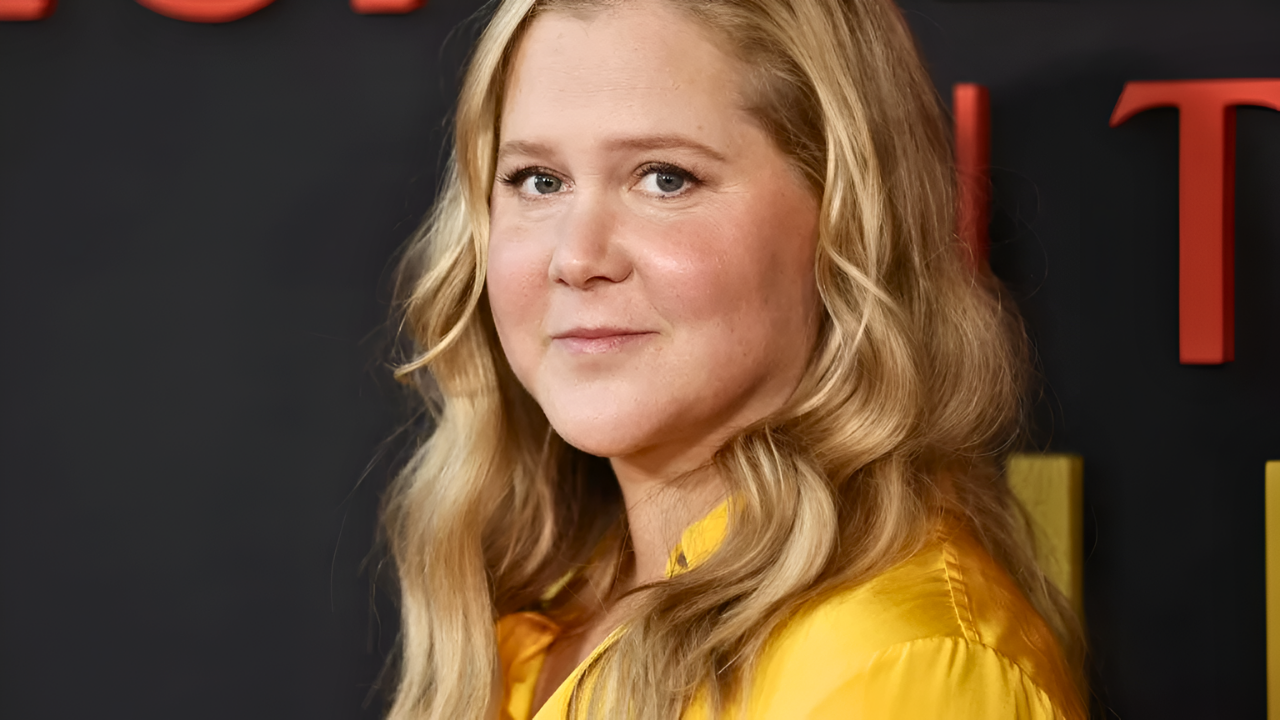
Hundreds of fans packed Tampa’s Amalie Arena in October 2016 expecting an evening of stand-up from Amy Schumer. Instead, the show became a flashpoint in the already heated presidential race, as a mid-set turn to politics prompted about 200 people to walk out and ignited a wider argument over whether comedy stages should double as platforms for political commentary.
Tampa Show Turns Tense
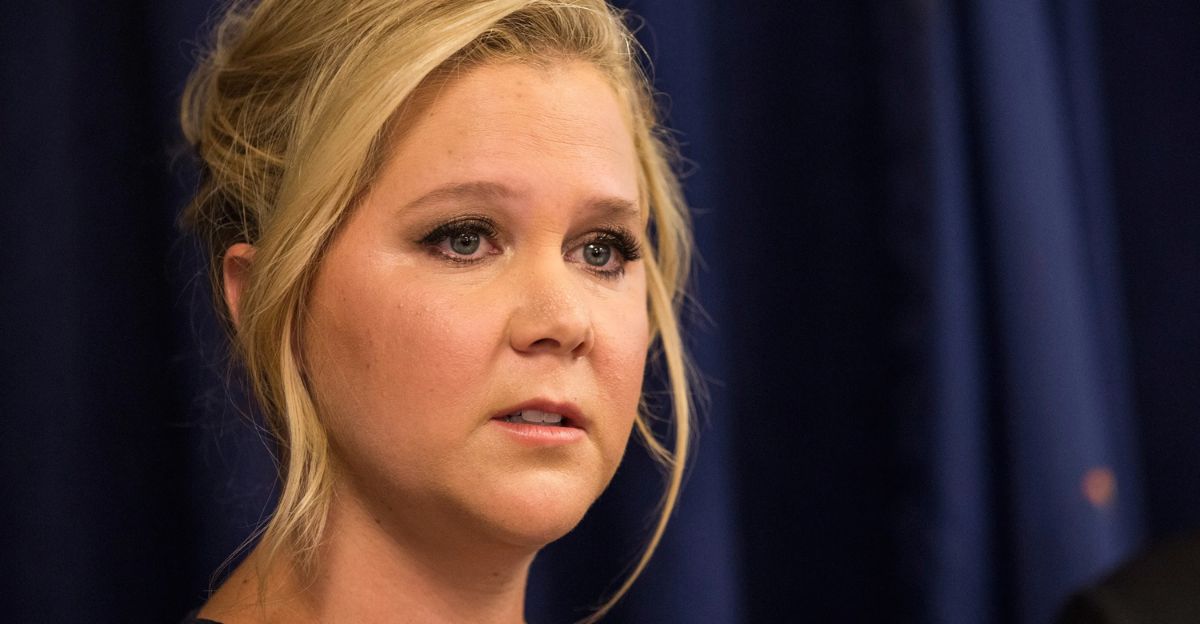
The performance took place on October 16, 2016, just three weeks before Election Day. Schumer, already known for her liberal politics and outspoken feminism, drew roughly 8,400 ticket buyers to the arena. Many in the crowd were familiar with her habit of weaving social issues into her act, but the Tampa show unfolded against an unusually fraught backdrop: the release of the Access Hollywood tape and an election cycle marked by intense polarization.
Midway through her set, Schumer shifted from personal stories and observational humor to the campaign and gun control. The pivot was not entirely unexpected for longtime fans, yet the timing and intensity of the commentary caught some attendees off guard. What began as a typical arena comedy performance quickly turned into a case study in clashing expectations between entertainer and audience.
Sharp Critique of Trump
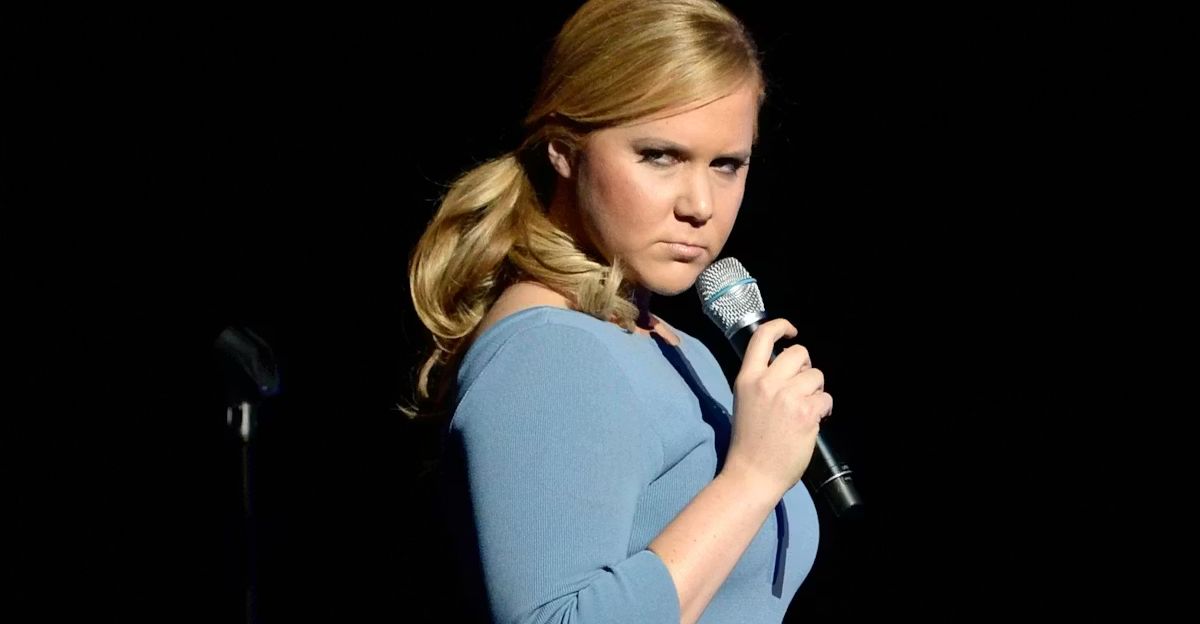
The show’s most contentious moment came when Schumer directed her remarks squarely at Republican nominee Donald Trump. She described him as an “orange, sexual-assaulting, fake-college-starting monster,” a line consistent with views she had expressed publicly before. She then invited Trump supporters in the arena to come onstage and explain why they backed him, a move that drew loud boos.
For a segment of the crowd, the shift from jokes to pointed political attacks proved to be too much. Some attendees who identified as Trump supporters later said they had not come prepared for that level of direct confrontation. While Schumer’s fans had long known where she stood politically, the way she foregrounded those views that night, and the charged election climate, made the material feel especially provocative to critics in the room.
Walkout and Divided Reactions
As the boos intensified, about 200 people stood up and left, roughly 2% of the audience. Schumer did not urge them to stay; instead, she told them they were free to go if they were uncomfortable, and she called for security to help manage the disruption. The remaining 8,200 spectators stayed until the end of the performance.
One attendee who left, Bryon Nfinger, later explained that he and others simply wanted an evening of laughter without political arguments, saying they felt the show violated an unspoken expectation of escapism. For them, walking out became a visible way to register disagreement.
Those who remained largely backed Schumer. Many took to online platforms to defend her, noting that stand-up has long included commentary on current affairs and that dissatisfied audience members had exercised their option to exit. The dispute played out across social media feeds and coverage, revealing a deep split among comedy fans over whether political material belongs in large-scale live performances.
Schumer Doubles Down

The day after the show, Schumer told Vanity Fair that she was pleased with the Tampa performance and thanked the thousands who stayed. She framed her approach as part of a long tradition in which comedians “make us laugh and tell the truth,” and she made no apology for the political turn in her act.
Two days later, during a performance at Madison Square Garden in New York, she returned to the controversy with heavy sarcasm. She read an “open letter to Tampa,” mock-apologizing for bringing serious topics into a comedy setting. She then said she looked forward to the moment “Hillary Clinton becomes our motherf— president,” reinforcing her support for the Democratic nominee and signaling that she had no intention of retreating from political material.
Comedy, Politics, and Clashing Expectations

The Tampa incident quickly came to symbolize broader tensions around celebrity political speech during the 2016 campaign. For decades, performers like Lenny Bruce, George Carlin, and Dave Chappelle have used humor to challenge authority and comment on social issues. Schumer cast herself squarely within that lineage, arguing that her role includes both entertainment and truth-telling.
Her critics focused on a different set of expectations. They argued that ticket buyers were entitled to a respite from campaign battles and that performers with large platforms and lucrative deals wield disproportionate influence when they advocate for or against specific candidates. To them, an arena show should offer relief from politics, not another venue for partisan argument.
Supporters countered that comedians have always tested boundaries and that Schumer’s record of outspoken views was well known in advance. They pointed to the numbers in Tampa: roughly 200 people left, while about 8,200 stayed. In their view, the small size of the walkout underscored that most attendees either agreed with her politics or accepted them as part of the performance.
The episode also reflected the way digital platforms can amplify a local dispute. Clips from the show circulated widely, and coverage framed the story in divergent ways. Some outlets described the walkout as a “revolt,” emphasizing those who left. Others stressed that nearly the entire crowd remained and treated the incident as a minor flare-up at an otherwise successful appearance. The same set of facts fueled competing narratives about whether Schumer had alienated her audience or largely retained it.
Within the entertainment world, the walkout was seen as notable but not transformative. Major promoters did not impose new rules limiting political commentary, suggesting that the industry still views the stage as a place where performers are free to address public affairs. Yet some venues quietly reconsidered how to set expectations and manage politically mixed crowds at high-profile shows.
In the years since, the Tampa show has often been cited as an example of what happens when sharply divided politics collide with mass entertainment. It captured two visions that may be hard to reconcile: one in which comedy is a vehicle for confronting power, and another in which it serves as a refuge from political conflict. With Americans increasingly choosing entertainers whose views match their own, the episode underscored how even a night of stand-up can become a referendum on national divisions.
Sources
CBS News, October 16, 2016
Time Magazine, October 16, 2016
The Atlantic, October 18, 2016
historical entertainment coverage
Entertainment industry coverage from October 2016
Social media responses documented by CBS News and The Atlantic, October 16–18, 2016