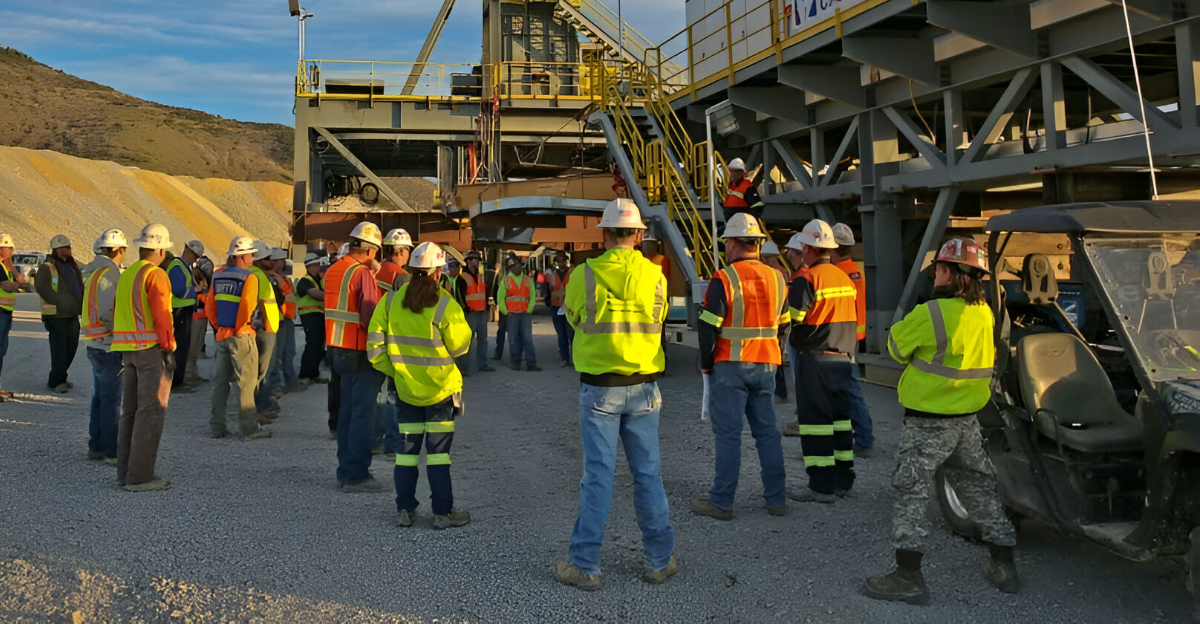
U.S. Magnesium, the United States’ only primary magnesium producer, filed for Chapter 11 bankruptcy on September 10, 2025, leaving hundreds of workers and local businesses with questions. Court filings reviewed by Bloomberg show the company carried roughly $200 million in liabilities, a figure analysts told Mining.com highlights the fragility of America’s critical mineral supply chain.
Magnesium is vital for defense, aerospace, and automotive manufacturing. According to Reuters, executives described the filing as a way to preserve business value while protecting employees and partners. For communities near the Great Salt Lake, the bankruptcy is both a financial shock and a strategic wake-up call.
Environmental Disputes – Over the Edge
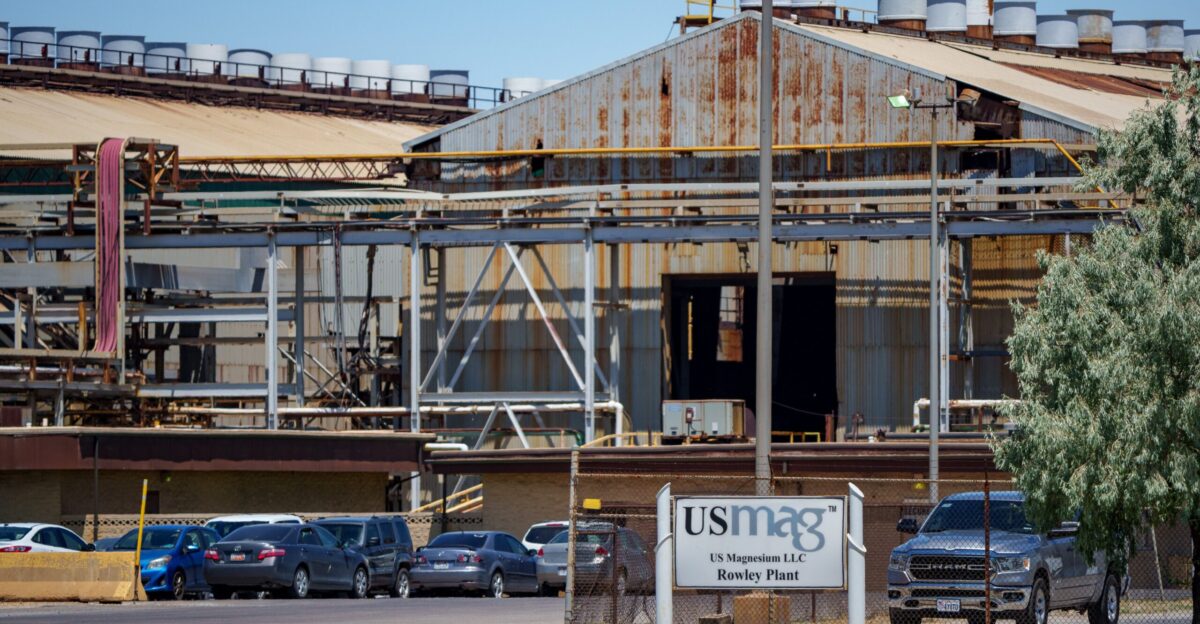
The bankruptcy comes after years of environmental tension surrounding the Rowley facility near the Great Salt Lake. A 2023 report by Utah Physicians for a Healthy Environment, covered by KUER, linked chlorine and bromine emissions from the plant to worsening winter smog. Regulators repeatedly cited the company for violations, while state officials balanced public health concerns against local jobs.
The Salt Lake Tribune reported that these disputes significantly increased financial pressures. Court filings indicate that while U.S. Magnesium invested in emission-reduction technology, regulators argued it was insufficient, making environmental compliance a central factor in the bankruptcy decision.
Financial Strains Reach a Breaking Point

Court documents reviewed by Bloomberg show U.S. Magnesium faced a $68 million ruling connected to what regulators described as a “catastrophic failure” at its plant. Executives acknowledged in filings that this judgment and falling lithium carbonate prices created an unsustainable financial burden. Benchmark Mineral Intelligence reported that lithium carbonate prices fell nearly 90% from 2022 to 2025, severely reducing revenue.
According to Reuters, the company cited “deteriorating market conditions” in employee layoff notices. The convergence of debt, declining markets, and regulatory costs left U.S. Magnesium with few options but to seek bankruptcy protection.
Utah’s Legal Battle Intensifies

In late 2024, Utah filed a lawsuit claiming U.S. Magnesium endangered public safety and the environment, referencing an “acid pond” incident near the Rowley plant. The Salt Lake Tribune reported the case added millions in potential liabilities. Court filings reviewed by Bloomberg show regulators warned that local ecosystems and communities faced serious risks if operations continued unchecked.
Executives told Reuters that mounting legal pressures were a major factor in their bankruptcy decision. The lawsuit, environmental fines, and ongoing compliance costs made it clear that keeping the plant open would be financially and operationally impossible.
Workers Caught in the Fallout
The human toll is immediate. The Salt Lake Tribune reported roughly 186 employees were laid off at the Skull Valley plant, with notices filed under the Worker Adjustment Retraining Notification Act. Positions ranged from frontline operators to managers, leaving families in Tooele County uncertain about income and stability.
Analysts told Mining.com that the layoffs ripple through local suppliers, contractors, and small businesses dependent on the plant. State workforce officials noted retraining programs are limited in the region, highlighting how the bankruptcy threatens both personal livelihoods and the broader rural economy surrounding the Great Salt Lake.
Company Promises a Path Forward
U.S. Magnesium issued a statement saying bankruptcy would “provide a framework to preserve the value of our business, honor our commitments to employees and partners, and continue our longstanding commitment to environmental stewardship,” according to Reuters. Court filings show executives hoped. Chapter 11 could allow the company to restructure or attract new investors.
While the statement aimed to reassure the community, the Salt Lake Tribune reported that many workers remain anxious about job security. For suppliers, employees, and local businesses, the filing is both a potential lifeline and a reminder of uncertainty over the company’s long-term viability.
Why Magnesium Matters to America

Magnesium is critical to industries that shape modern life. According to the U.S. Geological Survey, it is used in defense vehicles, aerospace components, automotive manufacturing, and electronics. It is prized for being lightweight yet strong. Analysts told Mining.com that losing domestic production increases dependence on foreign sources at a time when supply chains are already fragile.
The U.S. Department of the Interior classifies magnesium as a critical mineral essential for national security. The bankruptcy is a warning for policymakers and manufacturers alike: without domestic production, the U.S. may face higher costs and strategic vulnerabilities.
A Lone Producer in Utah

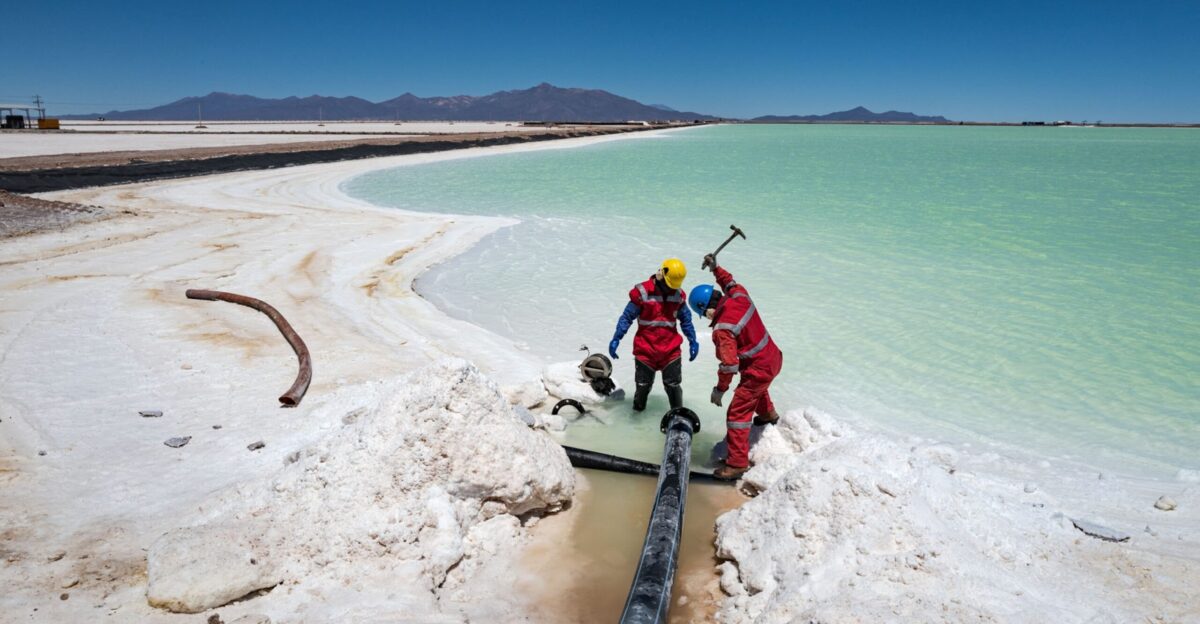
U.S. Magnesium has been the nation’s only primary producer for decades, refining magnesium and lithium carbonate from Great Salt Lake brine. However, court filings reviewed by Bloomberg show that having one plant supply the entire country creates enormous risk.
The Salt Lake Tribune reported executives struggled to balance operational costs, regulatory compliance, and fluctuating commodity prices, a challenge that ultimately proved insurmountable.
Analysts told Mining.com that losing the plant eliminates a domestic anchor for U.S. magnesium production, leaving manufacturers increasingly reliant on imports from China and Russia.
Dependence on Imports Grows

According to the U.S. Geological Survey, over 85% of global magnesium comes from China. Russia is another significant producer. Analysts told Mining.com that with U.S. Magnesium offline, U.S. manufacturers are forced to look abroad, exposing them to price volatility and geopolitical risk.
Reuters reported that this dependence could increase production costs for aerospace, automotive, and defense sectors. Policy experts warn that the U.S. risks long-term strategic vulnerability without domestic alternatives. The bankruptcy turns what seems like a local industrial story into a national supply chain concern.
Market Forces Deliver Another Blow
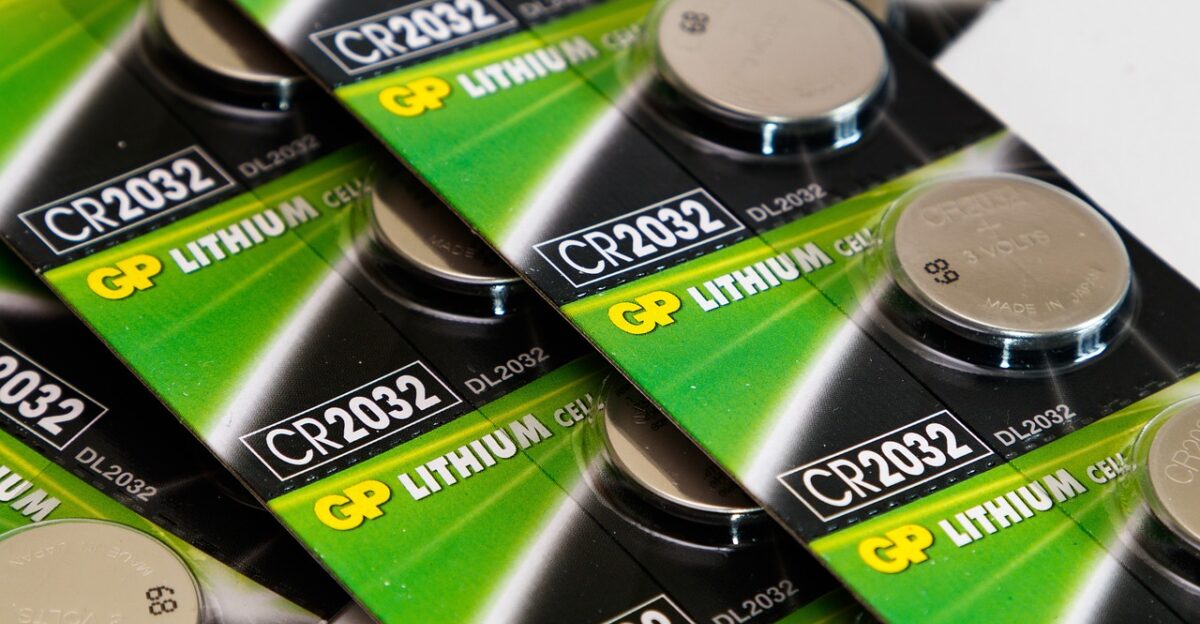
Benchmark Mineral Intelligence reported that lithium carbonate, a key byproduct, has collapsed nearly 90% in price since 2022. Executives acknowledged in court filings that the combination of falling prices, debt, and regulatory costs left the company exposed. According to Reuters, layoff notices cited “deteriorating market conditions” as a primary reason for the closure.
Analysts told Mining.com that such rapid commodity swings are hard for a single producer to withstand, especially when regulatory compliance costs are already high. Bankruptcy became the only way to manage these converging pressures with some order.
A Controversial Environmental Legacy
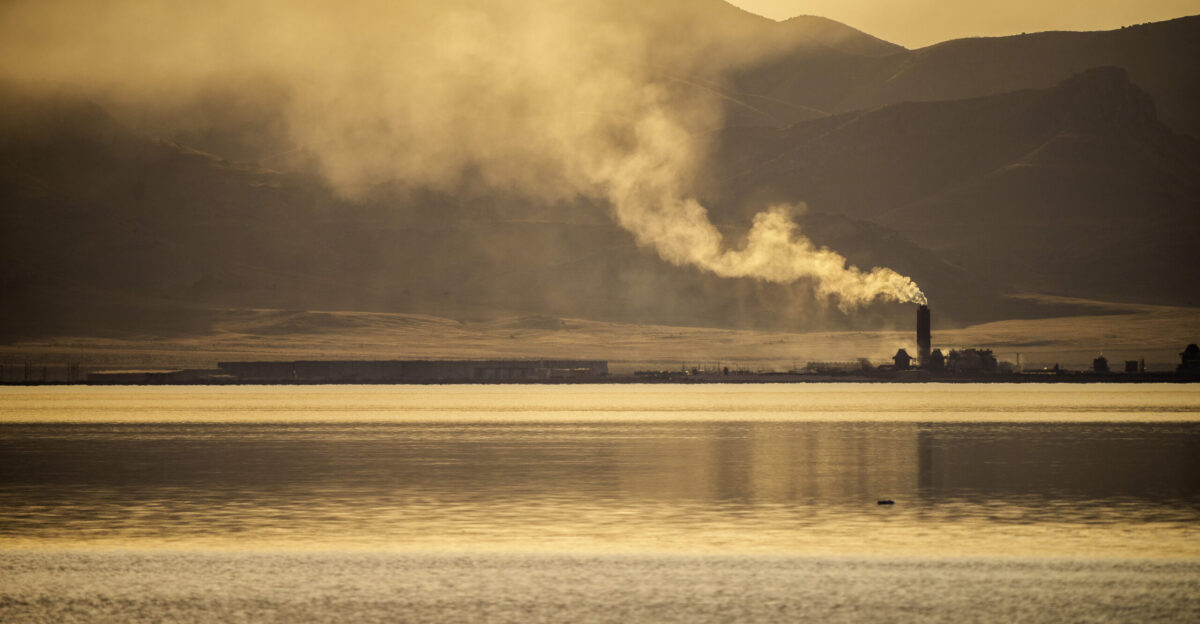
U.S. Magnesium’s operations have long been criticized. KUER reported that multiple studies linked the plant’s emissions to severe winter smog and potential health impacts. Regulators cited repeated compliance issues in filings reviewed by Bloomberg. Advocates say the bankruptcy highlights the unsustainability of the facility’s operations, while supporters argue that its closure threatens good-paying jobs in a rural community.
The Salt Lake Tribune noted that the plant has been at the center of debate between environmental stewardship and economic survival for decades, leaving a complex legacy for policymakers and residents alike.
Chapter 11 as a Reset Opportunity

Bankruptcy under Chapter 11 provides a path to restructure. Court filings indicate U.S. Magnesium aims to reduce debt, attract investors, or sell assets while preserving some operations. Analysts told Mining.com that success depends on creditor approval and court rulings.
For workers, suppliers, and local communities, the next few months will determine whether U.S. Magnesium can emerge as a smaller, viable producer or whether its absence will permanently remove domestic magnesium production from the U.S. supply chain. The filing creates uncertainty, but also a narrow window of hope.
Industry Voices Express Concern
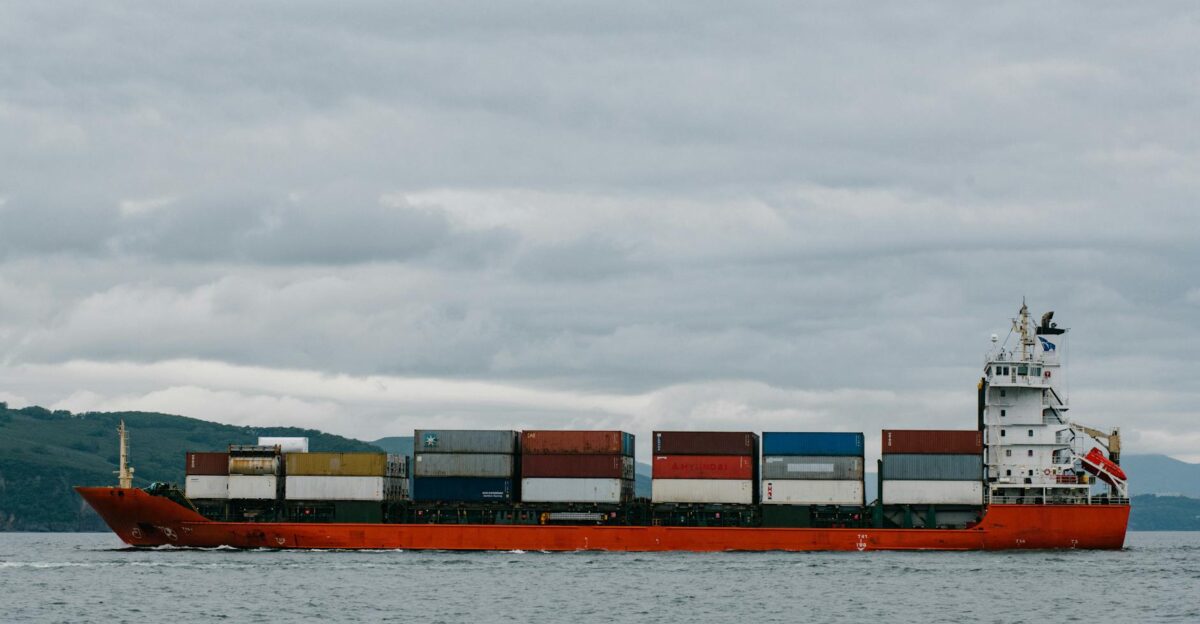
Barry Baim, director of West High Yield Resources told Investing News Network that “the U.S. imports over 54% of its magnesium requirements. They’re looking for something preferably onshore in North America, which we are.” Analysts told Reuters that the bankruptcy underscored the fragility of domestic supply. The Salt Lake Tribune reported that manufacturers now scramble to find alternatives abroad.
The sudden disappearance of a domestic producer highlights both a market gap and a strategic challenge, demonstrating how a single company’s collapse can resonate nationally and globally.
Ripple Effects Across Supply Chains
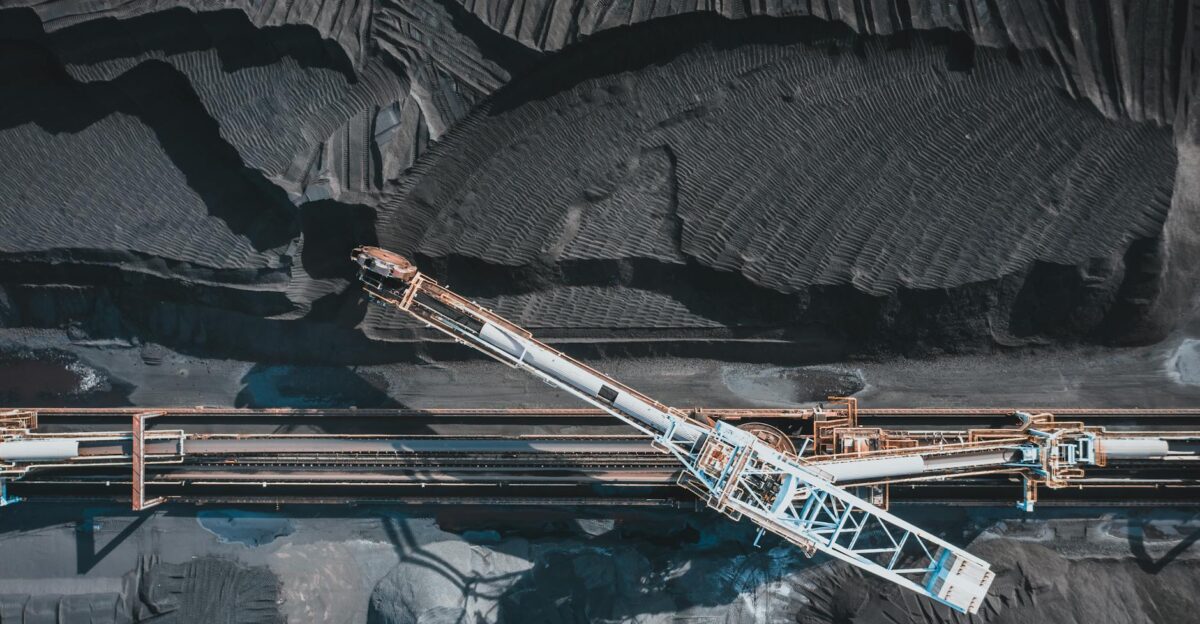
The bankruptcy doesn’t just affect workers; it threatens the broader industrial ecosystem. Analysts told Mining.com that automotive, electronics, and defense manufacturers rely on magnesium for lightweight, durable components. The Salt Lake Tribune reported that local suppliers are already bracing for decreased demand.
Even temporary disruptions could ripple across national production schedules, illustrating how critical a single domestic supplier can be. The bankruptcy shows how industrial ecosystems are interconnected, with one plant’s closure potentially slowing projects and raising costs far beyond its immediate region.
Global Rivals Gain Ground
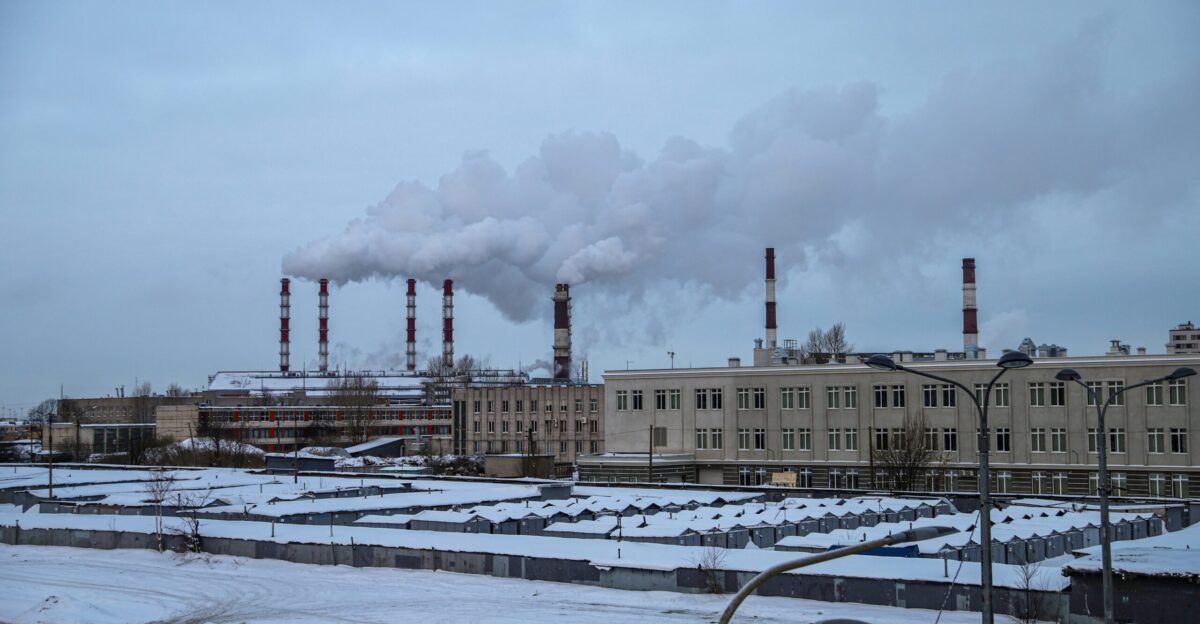
With US Magnesium offline, China and Russia strengthen control of global magnesium markets. Analysts told Reuters that China’s dominance gives it leverage over pricing and trade negotiations. Court filings reviewed by Bloomberg show that U.S. buyers are increasingly turning abroad, exposing them to price volatility and political risk.
Losing a domestic producer is more than a local issue — it shifts global industrial power, highlighting the strategic consequences of supply chain vulnerabilities.
Global Market Still Expanding
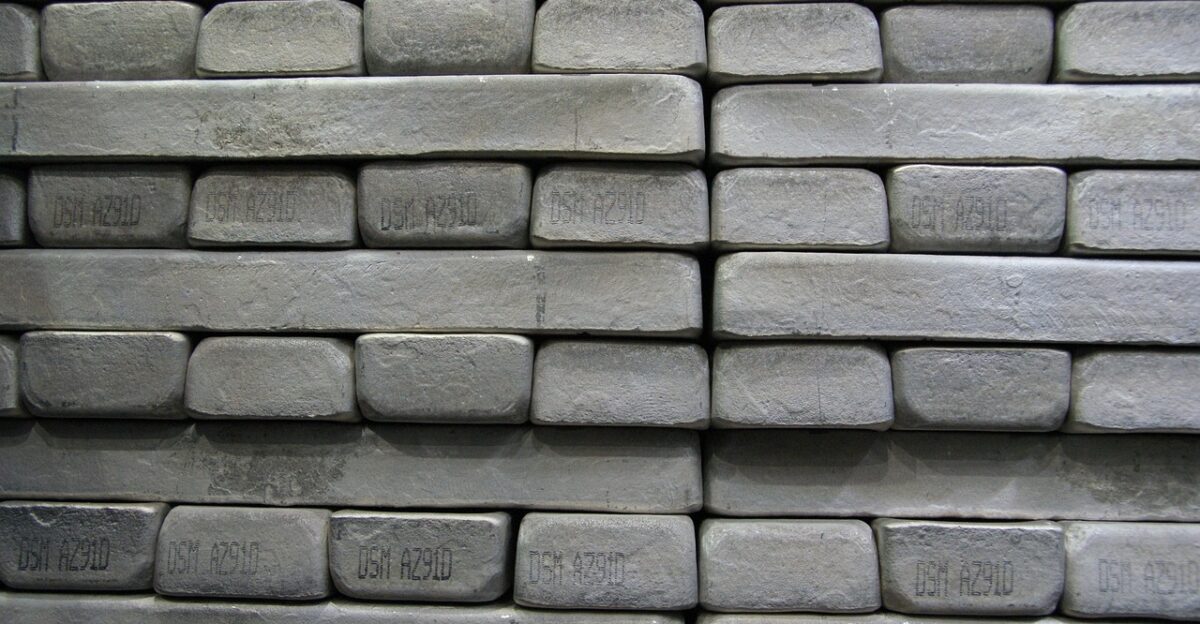
Despite U.S. Magnesium’s collapse, Benchmark Mineral Intelligence projects global magnesium demand to grow $1.77 billion between 2025 and 2029, led by Asia-Pacific and Europe. Analysts told Mining.com that lightweight alloys in EVs and renewable energy are driving growth. For U.S. manufacturers, losing domestic supply threatens competitiveness.
The bankruptcy illustrates that while international production expands, American companies may face higher costs and strategic exposure if no local alternatives emerge.
Environmental Advocates See Opportunity
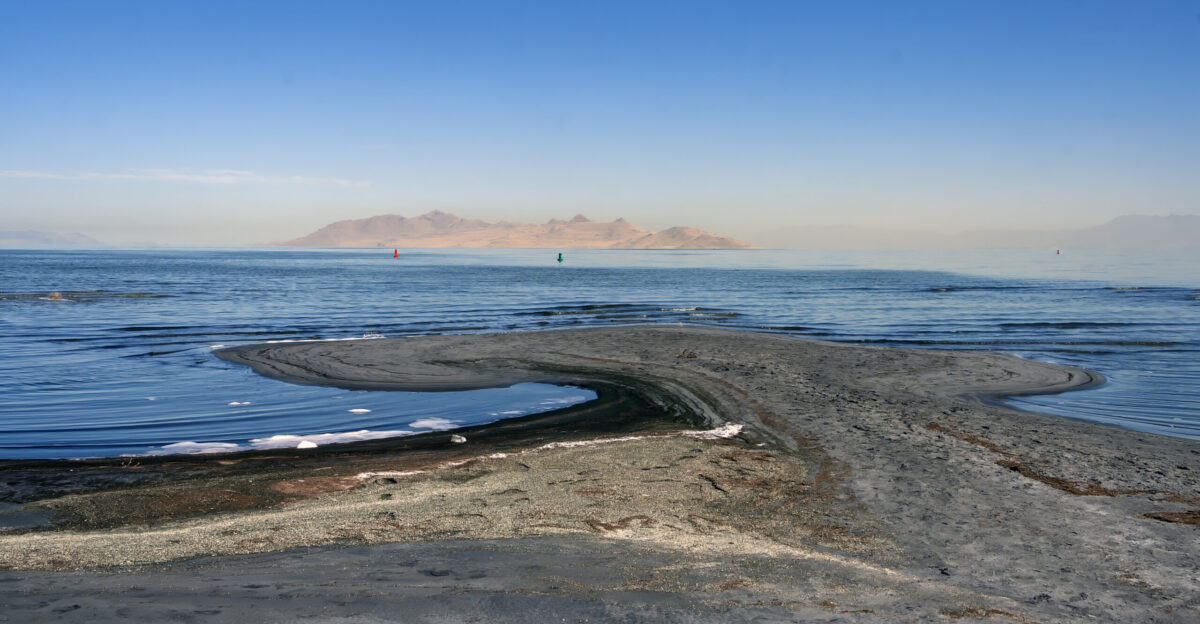
Some environmental groups view the closure as a chance to improve stewardship of the Great Salt Lake. KUER reported advocates hope to address emissions and legacy pollution. Yet local economies face immediate consequences.
The Salt Lake Tribune noted that communities dependent on U.S. Magnesium now confront job losses and diminished economic activity. Policymakers must balance environmental recovery with sustaining livelihoods, showing the complex interplay of industry, community, and conservation in rural Utah.
Ownership and Accountability Questions

Billionaire Ira Rennert’s Renco Group owns U.S. Magnesium. Court filings reviewed by Bloomberg show the parent company is exploring options to stabilize operations or sell assets. Critics argue the conglomerate prioritized profits over compliance, leaving taxpayers and workers vulnerable.
Whether Renco intervenes to preserve jobs or sell off assets will shape the future of U.S. magnesium production, and observers are watching closely to see if the bankruptcy leads to restructuring or permanent closure.
Legal and Financial Fallout

The collapse has left creditors, contractors, and suppliers pursuing claims. The Salt Lake Tribune reported that Forgen, a construction firm, seeks payment on disputed invoices. Workers allege unpaid severance and benefits. Analysts told Mining.com that these cascading legal battles could complicate the reorganization, as courts prioritize creditors and outstanding debts.
The bankruptcy process is complex, and multiple parties will compete for whatever assets remain, prolonging uncertainty for employees and the surrounding community.
America’s Magnesium Future Uncertain

U.S. Magnesium’s Chapter 11 filing leaves the nation without domestic magnesium production at a critical time. Policymakers, manufacturers, and local communities await court decisions, creditor negotiations, and potential investors. The Salt Lake Tribune reported that even a partial restart of operations would help stabilize supply chains, but there are no guarantees.
For workers, the bankruptcy is a personal and financial upheaval. For U.S. industries, it signals a strategic vulnerability. How this story resolves will shape the country’s industrial landscape and critical mineral security for years to come.