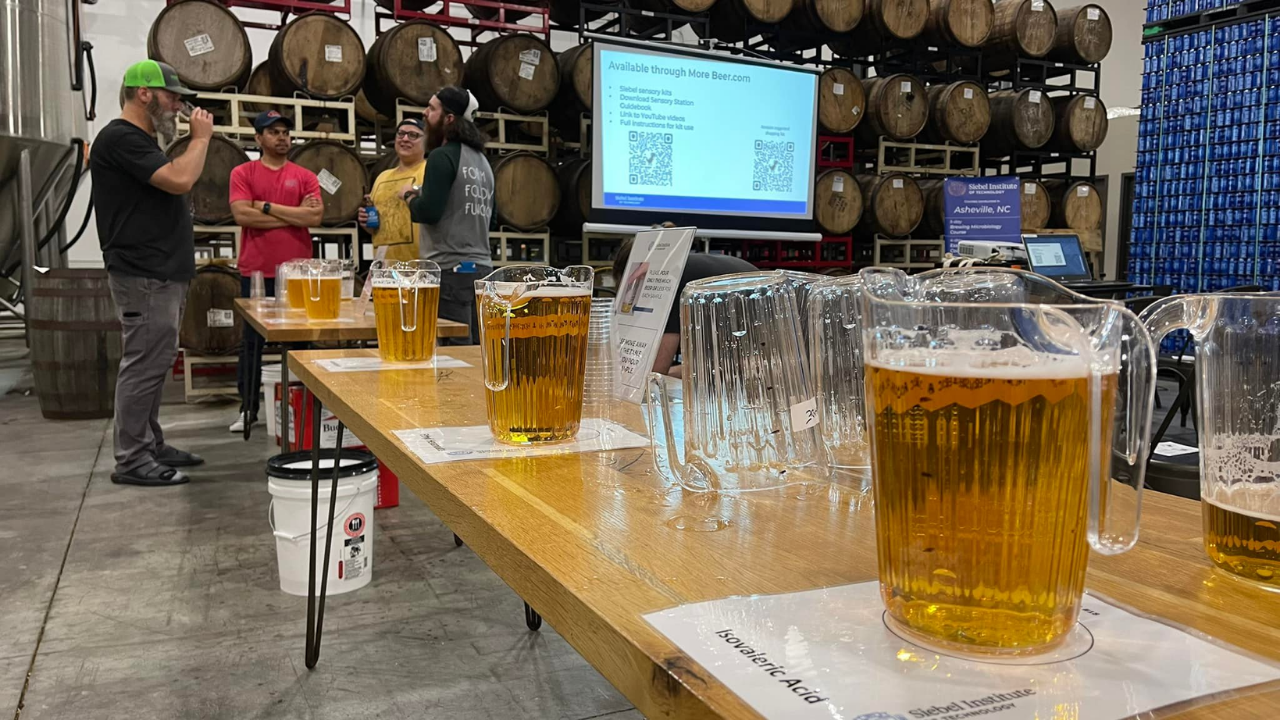
For 157 years, Chicago was home to North America’s oldest brewing school, shaping generations of master brewers. Now the Siebel Institute of Technology is leaving the city, citing visa restrictions that left international students stranded. “Recent regulatory changes in the U.S. have made it much more challenging for many of our international students,” said John Hannafan, Siebel’s Director of Education, on November 25, 2025.
The move to Montreal promises continuity for students and a new hub for brewing, but what does it mean for Chicago’s craft beer culture? Let’s explore how this historic migration unfolded.
What’s Going On?
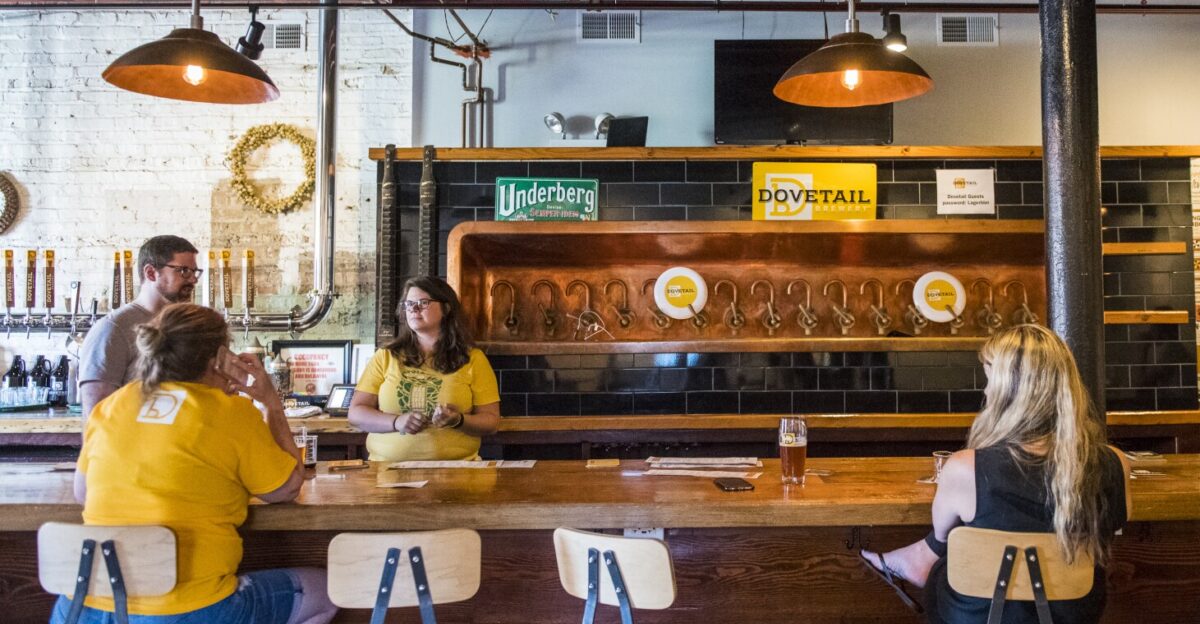
Siebel Institute, founded in 1868 and renamed in 1872, has been a pillar of brewing education for over a century. Owned by Lallemand Inc. since 2000, it specializes in training brewers for the global industry, serving students from over 60 countries.
The Chicago campus closes permanently on January 1, 2026. This unprecedented relocation marks the first major U.S. brewing institution to move to Canada, underscoring the direct impact of U.S. immigration policies on specialized education.
Why Students Are Leaving
International students now make up the majority of Siebel’s enrollment. Visa restrictions under the Trump administration led to the revocation of thousands of F-1 and J-1 visas, affecting over 1,800 students across 280 U.S. colleges and universities.
Hannafan explained, “The relocation of North America classroom operations to Montreal allows us to pivot without sacrificing the student experience.” Montreal offers a regulatory environment that supports international student attendance. This solution safeguards Siebel’s global reputation.
Chicago’s Brewing Legacy at Risk

Chicago, historically America’s beer capital, loses a central hub for brewing knowledge. Siebel alumni include industry leaders like Gregory Hall of Goose Island and Ray Daniels, founder of the Cicerone certification program.
Maria Garcia Garabay, Executive Director of the Beer Center in Chicago, said, “It is truly an institution in Chicago.” The loss disrupts the city’s talent pipeline, potentially weakening innovation in local craft breweries.
Montreal’s Brewing Advantage

Montreal becomes the new hub for North American brewing education, with 300 breweries generating $3 billion in annual industry output. The new campus is situated near Molson’s original 1786 brewery, establishing a symbolic link to North America’s brewing history.
Marie-Eve Myrand of the Quebec Brewers Association said, “This will certainly place Montreal and Quebec on the map for brewing expertise.” Montreal offers a bilingual, culturally rich environment attractive to students from Europe, Asia, and Latin America.
Institutional Leadership Steers the Move
John Hannafan’s departure from Chicago on November 26, 2025, marked a swift transition. Antoine Chagnon, CEO of Lallemand Inc., oversees the integration, bringing expertise in yeast production and global operations.
Chagnon’s leadership ensures financial stability during the relocation. Lallemand provided critical support during the COVID-19 pandemic, underscoring its commitment to preserving Siebel’s mission. This strategic move aligns with Lallemand’s broader North American operations.
Global Collaboration Continues
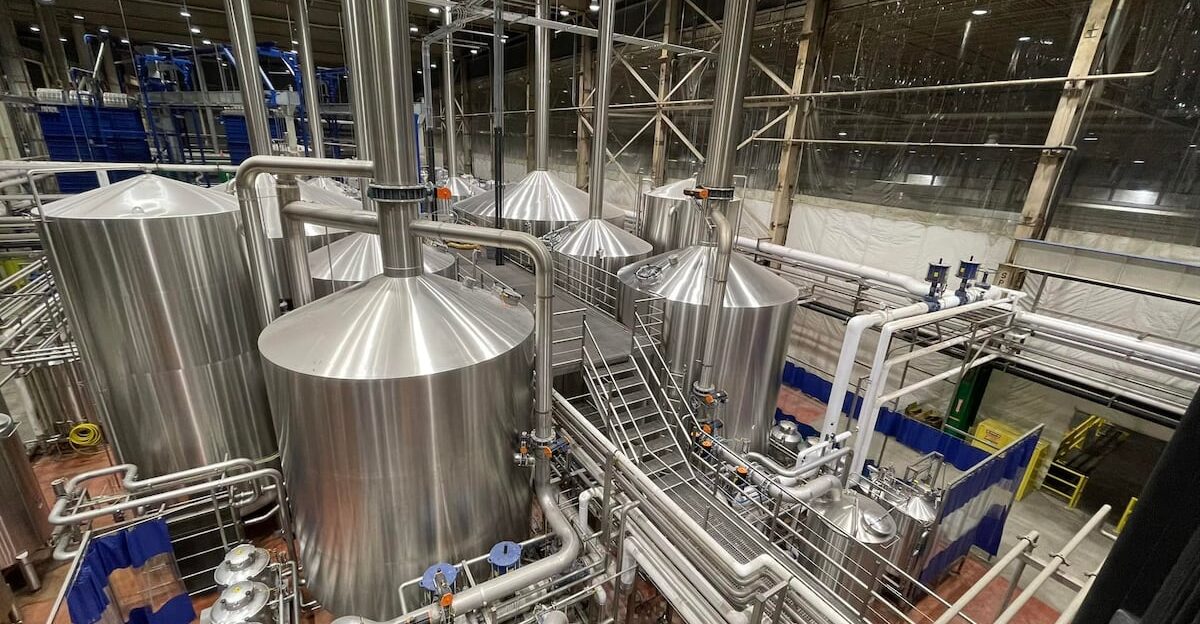
Siebel maintains its partnership with Doemens Academy in Munich, Germany, through the World Brewing Academy. Dr. Werner Globner, Managing Director, said, “We fully support this move and look forward to many more years of successful collaboration.”
Students can now access dual learning pathways in Montreal and Munich, integrating North American and traditional German brewing techniques. This international approach enhances Siebel’s educational value while addressing U.S. visa limitations.
The Trump Visa Crackdown Timeline
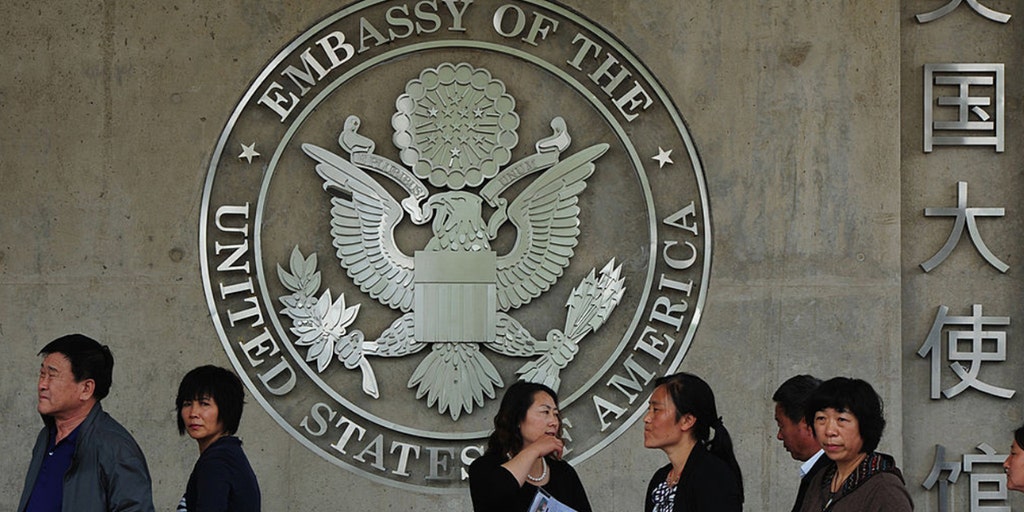
The U.S. visa crackdown began in January 2025, with widespread revocations of F-1 and J-1 visas. By April, over 1,800 students across 280 colleges were affected. The State Department revoked approximately 8,000 visas by November, more than double the usual annual rate.
The administration proposed capping visas at four years, reducing the duration of grace periods, and tightening SEVIS oversight. These policies directly influenced Siebel’s decision. Harvard’s SEVP certification dispute earlier in 2025 foreshadowed similar challenges for specialized institutions.
Operational Continuity in Montreal
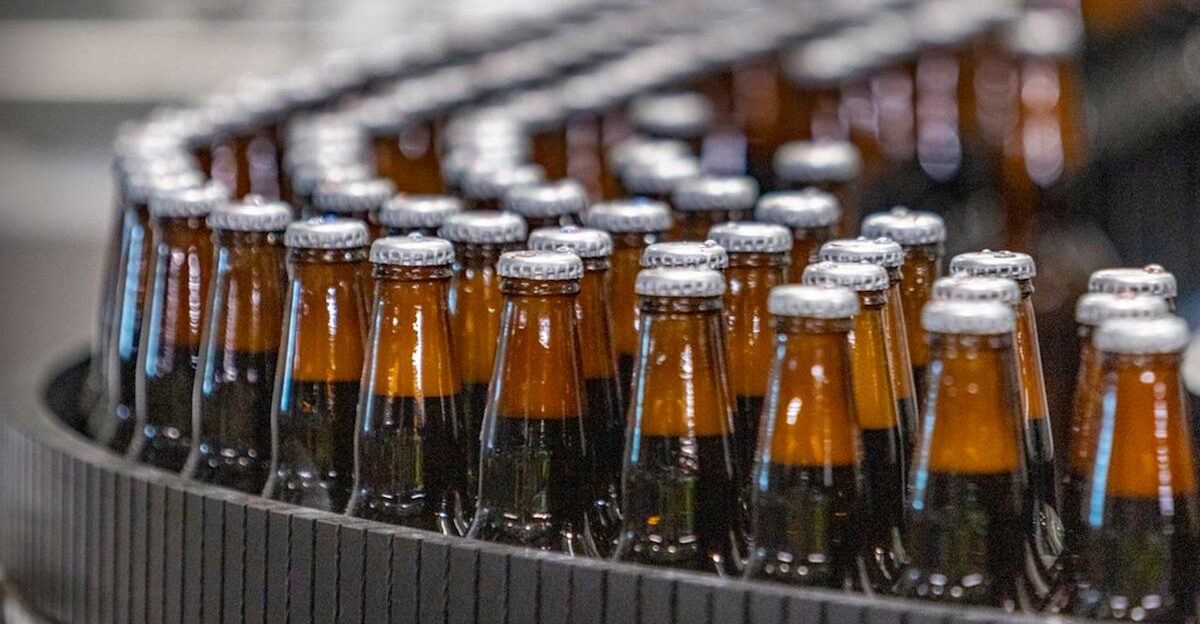
Montreal’s campus, located at 3035 rue Sainte-Catherine E, integrates Siebel with the Lallemand Baking Academy and the Application Technology Training Facility. Shared faculty expertise in fermentation enhances the efficiency of brewing and baking curricula.
Courses ranging from 5-day intensives to 20-week programs continue uninterrupted. The move preserves educational quality for international students while reducing operational costs, ensuring a seamless transition despite the swift relocation timeline.
Impact on Small Breweries
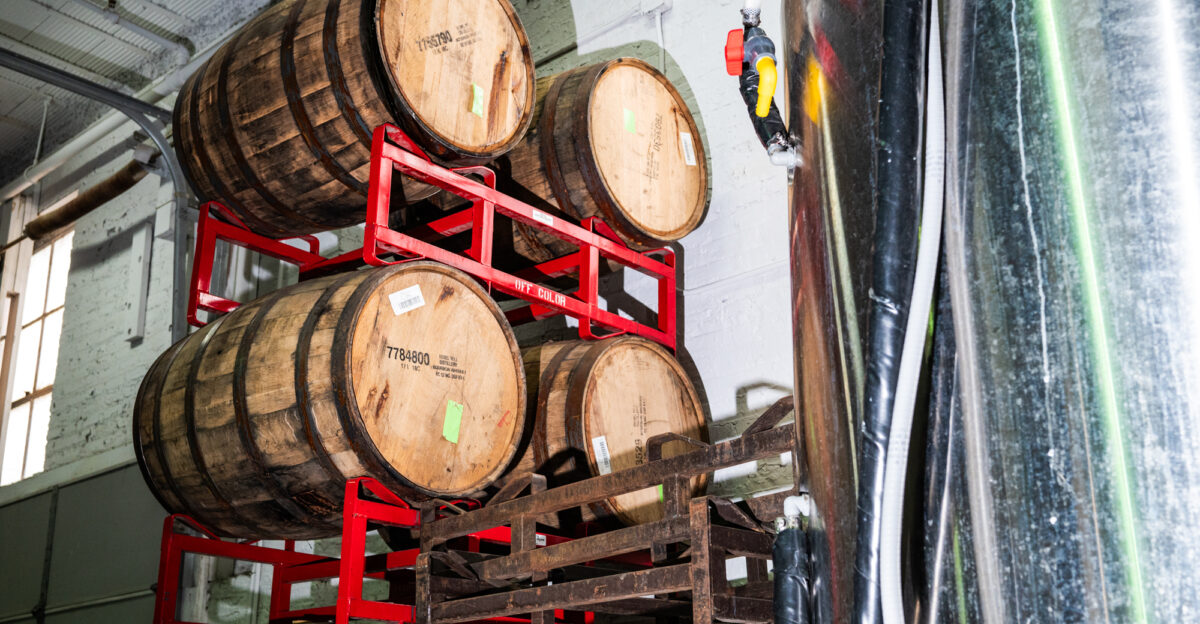
Approximately 9,000 U.S. small breweries rely on Siebel-trained brewmasters for quality and innovation. Losing a local campus may challenge operational consistency and training accessibility.
Michael D’Ornellas, co-owner of Montreal’s 4ines Brewery, said, “Their presence in Montreal will greatly enhance the city’s offerings.” Canadian relocation ensures continued access for students, while U.S. breweries face potential knowledge gaps.
International Student Choices
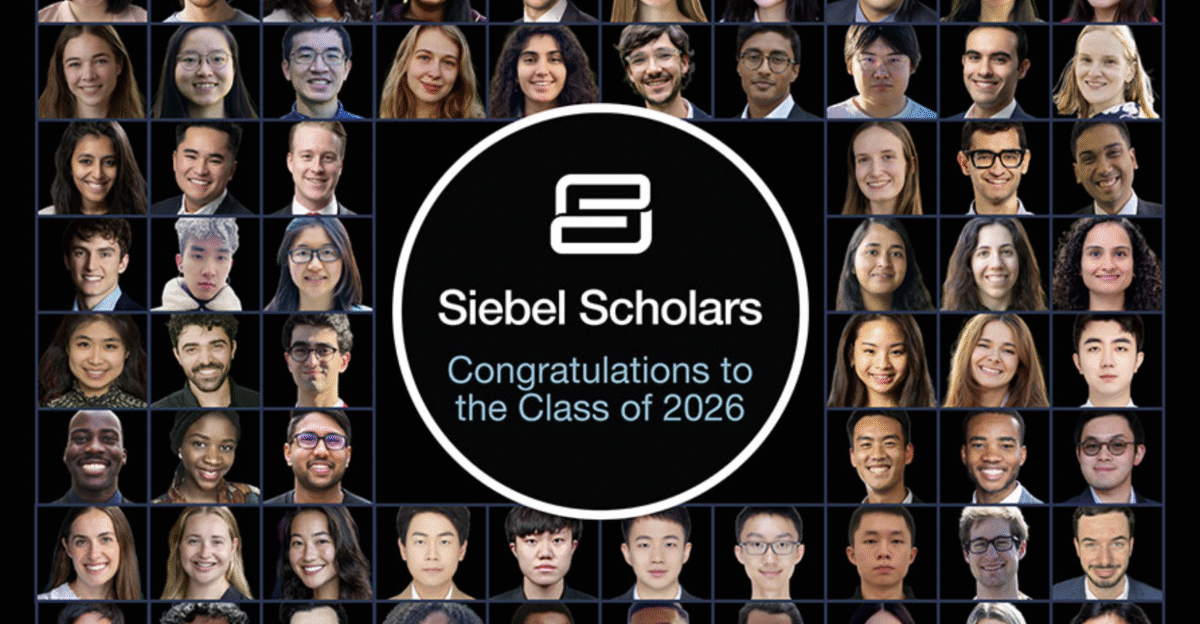
Students from over 60 countries must now decide: relocate to Montreal, study in Germany or Australia, or delay their education. Montreal’s visa stability and lower costs make it the most practical option for aspiring brewers.
This shift preserves access for hundreds of students annually who might otherwise be blocked by U.S. policy. It highlights how immigration regulations can significantly impact educational and career paths worldwide.
Economic Ripple Effects in Quebec

Quebec gains 100-200 new jobs related to brewing education. International students spending $20,000–$30,000 annually on housing and living expenses could generate $50–100 million in economic activity over five years.
The relocation validates Montreal as a hub for North American brewing. Suppliers, hospitality providers, and breweries benefit from a concentrated talent pool, which fosters innovation and attracts global attention.
Long-Term Impact on U.S. Brewing
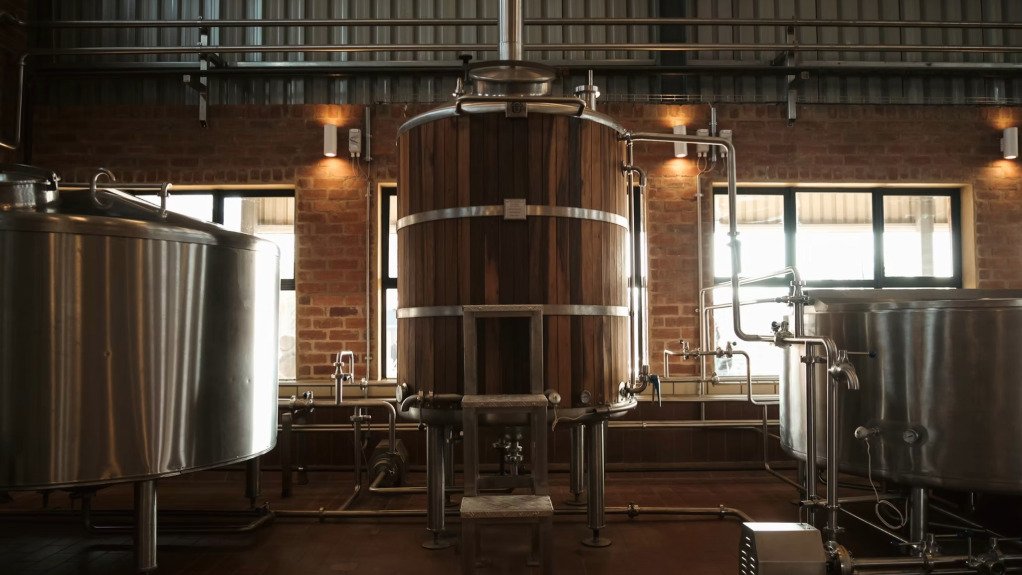
Chicago and other U.S. cities risk a talent drain as emerging brewers follow education opportunities abroad. Consistency in craft beer production may subtly decline as fewer trained professionals remain locally.
Conversely, Montreal and Canada position themselves as global centers of beer innovation. The shift may attract international brewing tourism and premium export markets, redefining North America’s brewing landscape.
Educational Policy Precedent

Siebel’s move demonstrates how immigration policy can drive institutional migration. Other U.S. specialized schools—medical, engineering, and advanced research programs—could follow, risking a broader brain drain.
This relocation illustrates a policy-driven reshaping of the knowledge economy. The interplay between regulatory environment, international talent, and corporate strategy will continue to influence U.S. competitiveness globally.
A Historic Transition
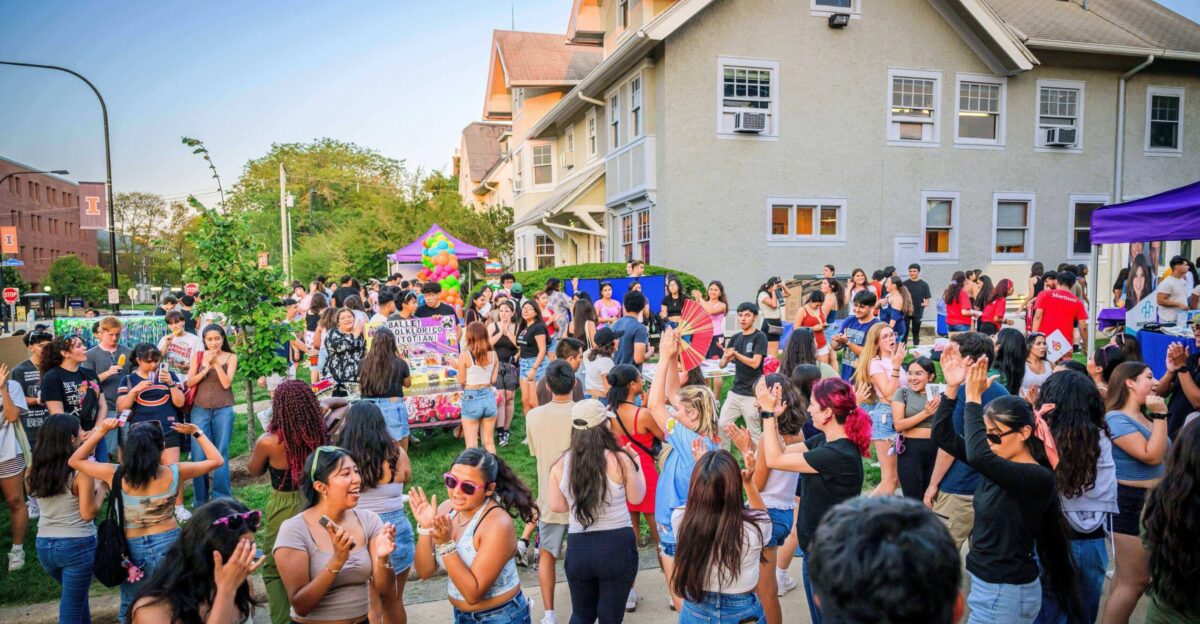
After 157 years in Chicago, Siebel Institute begins a new chapter in Montreal, preserving access for international students while fostering a North American brewing hub.
The relocation represents both a response to U.S. visa restrictions and a strategic opportunity for Quebec. It signals how education, policy, and industry intersect, setting a precedent for specialized institutions in the U.S. and beyond.
Sources
Global News, 25 November 2025
Financial Post / Reuters, 26 November 2025
Al Jazeera, 28 August 2025
Inside Higher Ed / Reuters, April 2025
U.S. Federal Register, Department of Homeland Security, 27 August 2025
U.S. Court Records: Judge Allison Dale Burroughs, 23 May 2025
Association des Brasseurs du Québec reporting
Siebel Institute official announcement, 20 November 2025
Wikipedia: Siebel Institute, 13 November 2005