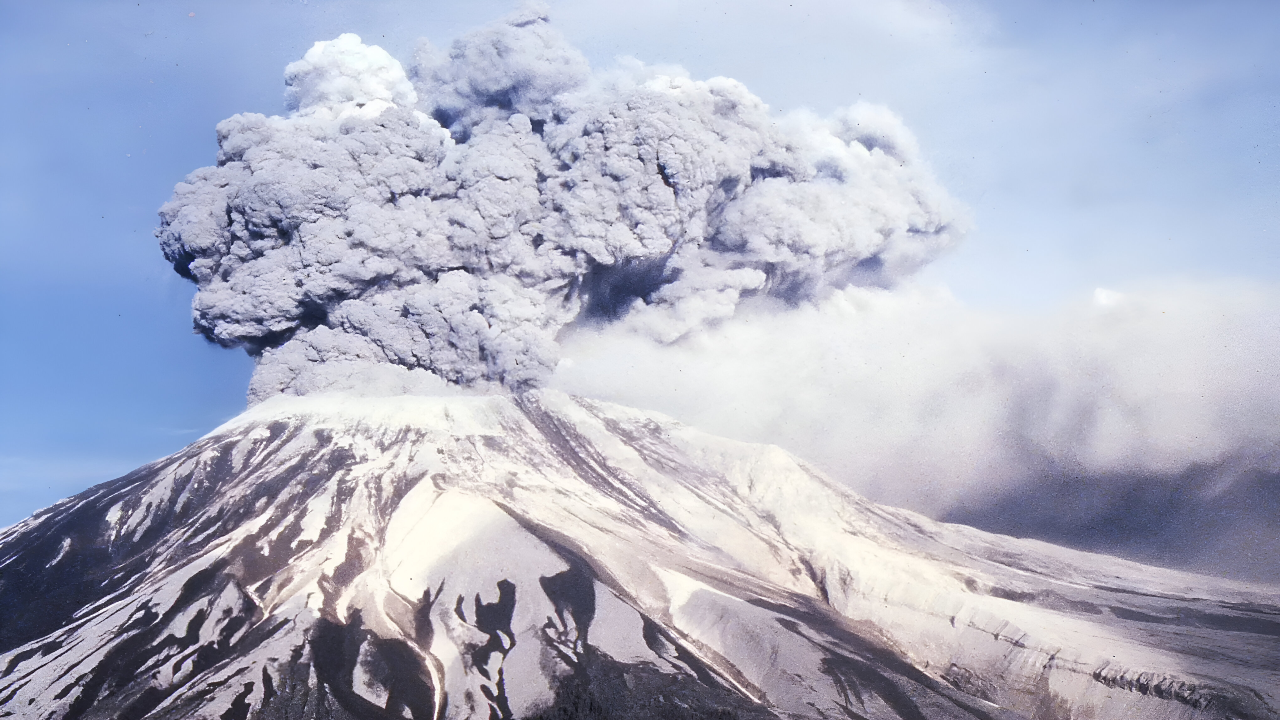
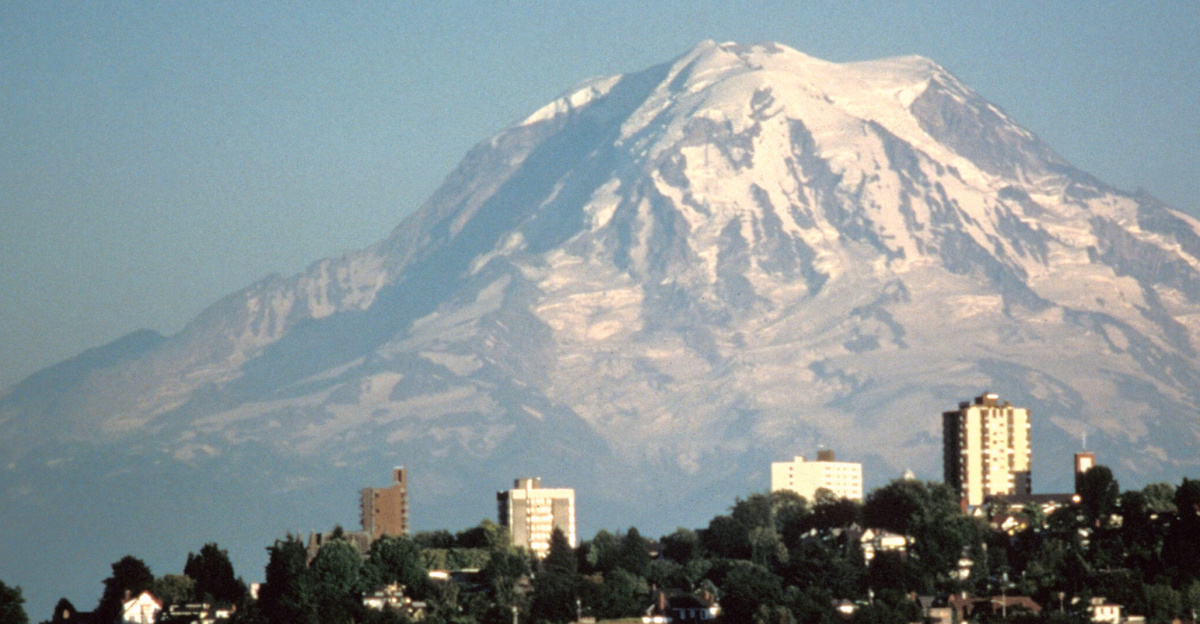
Mount Rainier stands as one of America’s most threatening volcanoes, towering 14,411 feet above the Pacific Northwest. Located just 54 miles from Seattle, this massive stratovolcano poses an imminent risk to over 3.7 million residents in the Seattle-Tacoma metropolitan area.
The U.S. Geological Survey ranks Mount Rainier among the top three most dangerous volcanoes in the nation, earning it designation as a Decade Volcano—one of 16 volcanoes worldwide warranting special study due to explosive history and proximity to populated areas.
Understanding Volcanic Tremors
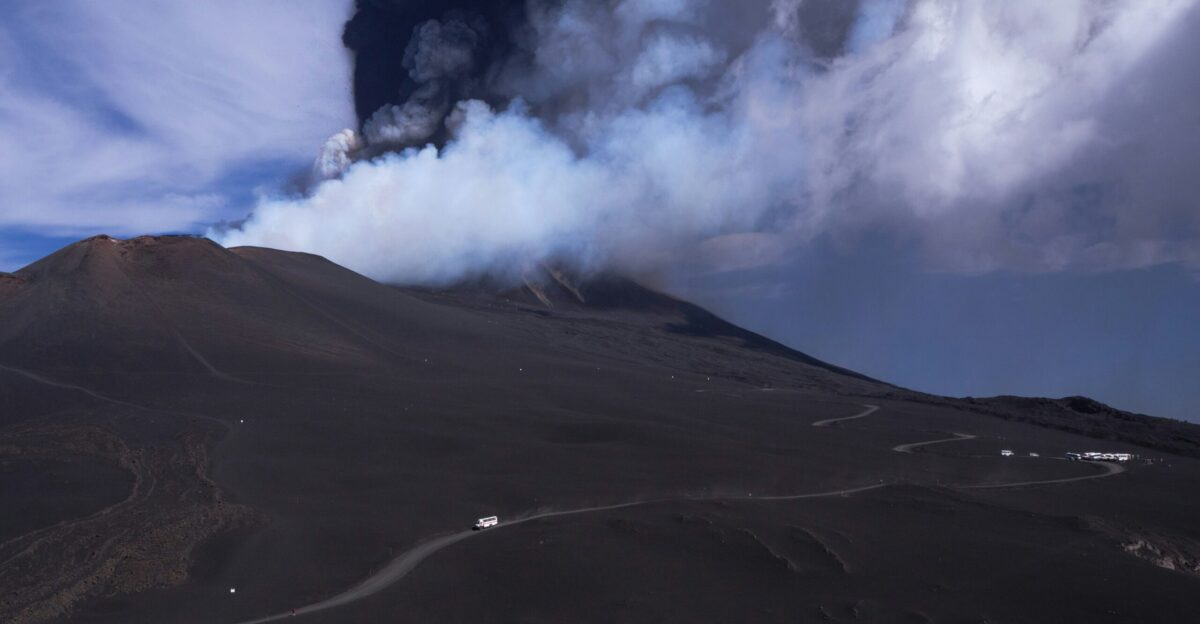
Volcanic tremors represent continuous seismic signals that can indicate magma movement beneath a volcano’s surface. Unlike typical earthquakes that produce distinct jolts, tremors generate sustained vibrations lasting minutes to days. These seismic events occur when molten rock forces through underground channels, creating pressure waves detectable by sensitive monitoring equipment.
Scientists analyze tremor patterns to assess volcanic unrest, distinguishing between harmless fluctuations and potential eruption precursors. Modern seismology relies on networks of ground sensors transmitting real-time data to monitoring stations for immediate analysis.
Mount Rainier’s Seismic Activity
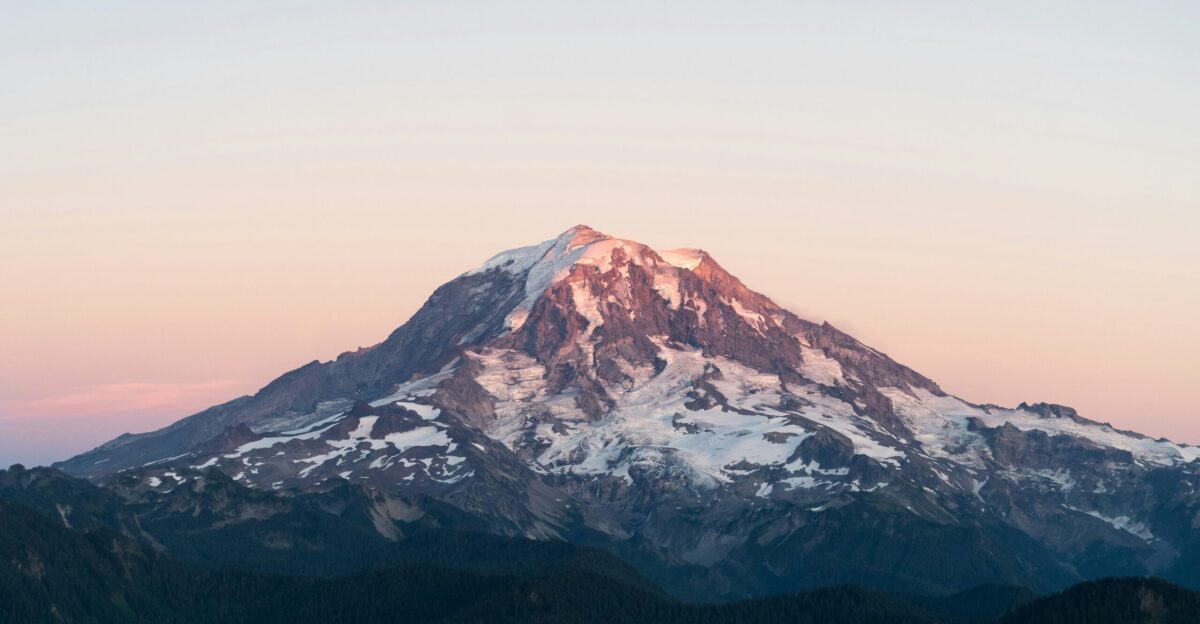
Mount Rainier experiences constant low-level seismic activity, with small earthquakes occurring regularly beneath its ice-covered summit. The Pacific Northwest Seismic Network monitors approximately 3-10 shallow earthquakes monthly within the volcano’s immediate vicinity, averaging 36-120 events annually. Most tremors register below magnitude 2.0, imperceptible to residents but crucial for volcanic surveillance.
Seismologists track earthquake locations, depths, and frequencies to identify patterns suggesting magma movement. Recent monitoring detected subtle ground deformation and gas emissions, standard indicators requiring continuous observation to distinguish normal volcanic breathing from escalating unrest.
The 72-Hour Monitoring Window
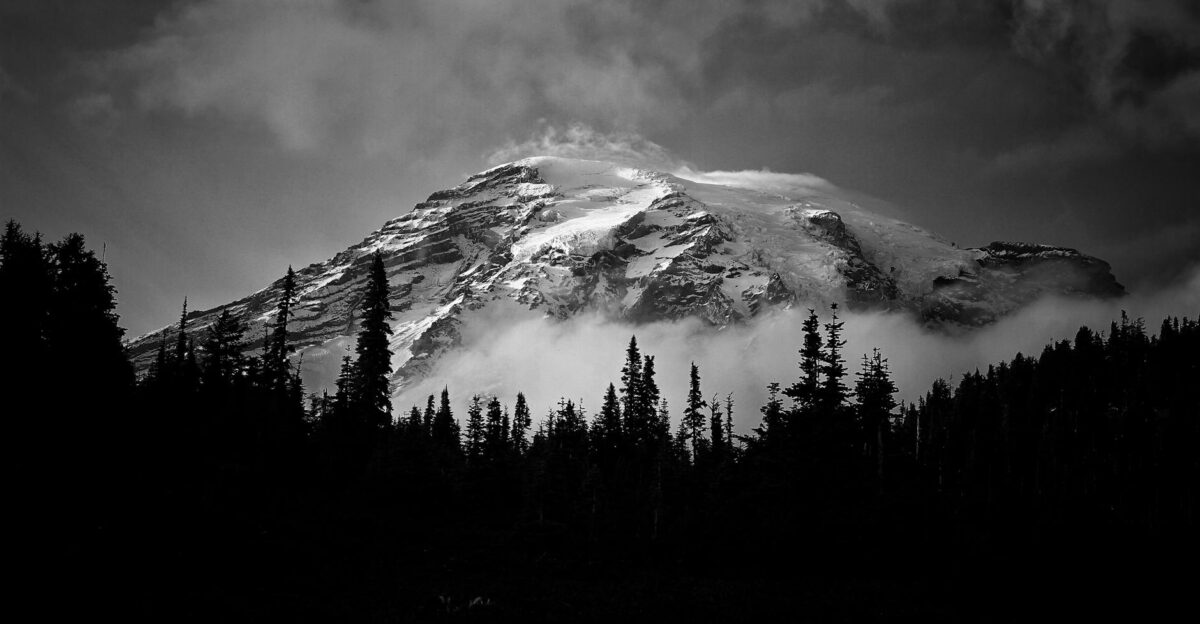
When seismic activity intensifies at Mount Rainier, scientists implement enhanced monitoring protocols spanning 72-hour observation windows. This critical timeframe allows seismologists to determine whether increased tremors represent temporary anomalies or developing volcanic unrest. During these periods, monitoring teams analyze multiple data streams including seismic waves, ground deformation measurements, gas emissions, and thermal signatures.
The 72-hour threshold provides sufficient time to identify escalating patterns while maintaining rapid response capabilities. Continuous surveillance during these windows ensures authorities can issue timely warnings if volcanic activity progresses toward eruption.
Advanced Monitoring Infrastructure
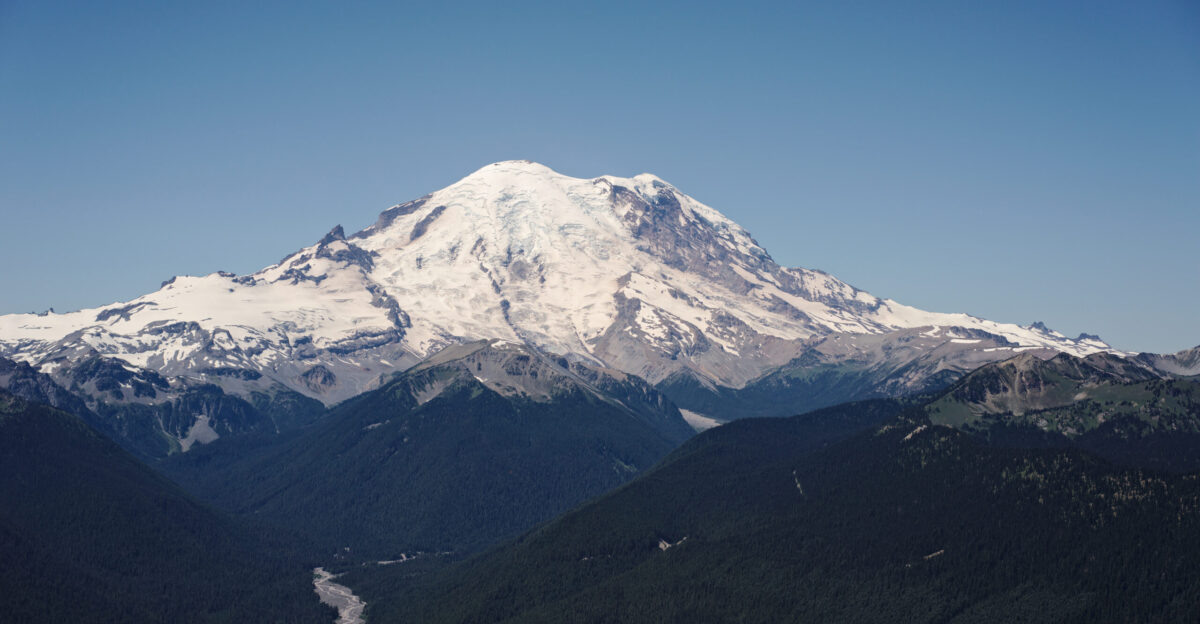
Mount Rainier hosts one of North America’s most sophisticated volcano-monitoring networks, established after Mount St. Helens’ catastrophic 1980 eruption. The system includes 12 seismic stations positioned around the volcano’s flanks, GPS receivers tracking ground deformation, gas sensors measuring sulfur dioxide emissions, and thermal cameras detecting heat anomalies. Seismometers record ground vibrations 100 times per second, transmitting data via radio telemetry to the Pacific Northwest Seismic Network headquarters.
Despite technological advances, some high-altitude stations utilize aging analog equipment vulnerable to weather interference, particularly during winter storms. In November 2025, media reports of an anomalous signal detected on the STAR station circulated online as possible volcanic tremor. The signal—caused by radio interference from rime ice accumulation on the antenna during winter storms—triggered the standard 72-hour enhanced monitoring protocol. Scientists analyzed the signal across multiple seismometers to confirm it represented equipment malfunction rather than volcanic activity, ultimately determining no unusual seismic activity was occurring.
Why Mount Rainier Ranks as Most Dangerous
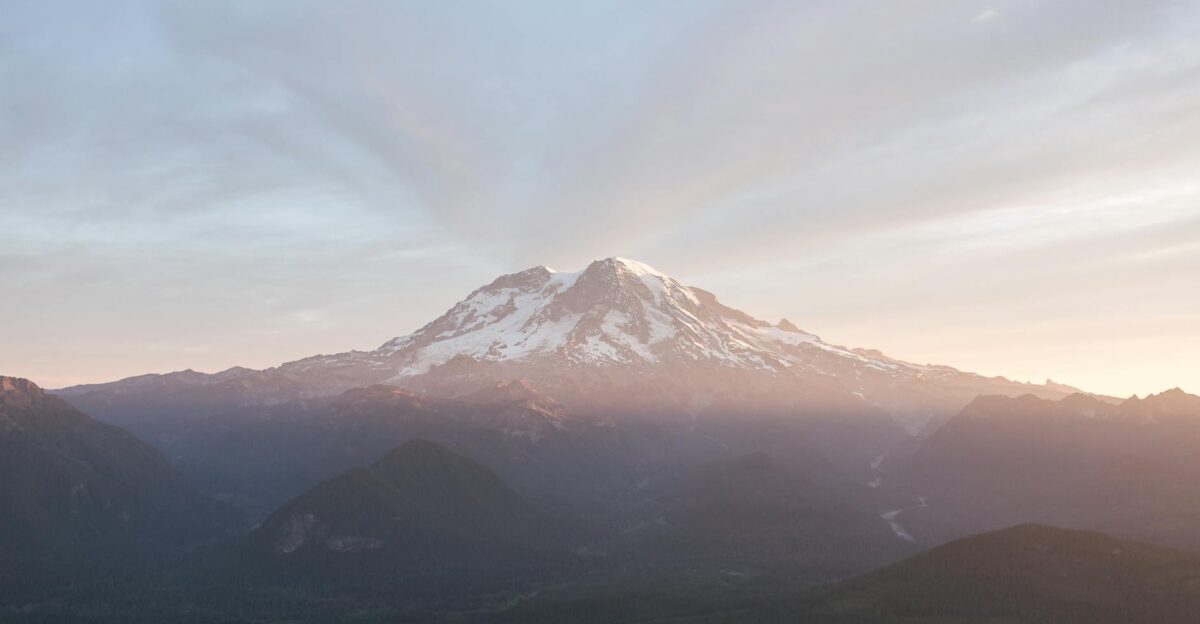
Mount Rainier’s extreme hazard ranking stems from three critical factors: proximity to major population centers, extensive glacial ice coverage, and potential for massive lahars. The volcano holds more glacial ice than all other Cascade Range volcanoes combined—approximately 35 square miles of frozen water perched on steep slopes. During eruption, volcanic heat would rapidly melt glaciers, generating catastrophic mudflows capable of traveling 50 miles per hour.
Historical lahar deposits indicate past flows reached present-day Tacoma and Seattle suburbs. No other U.S. volcano combines such devastating potential with proximity to millions of residents.
Lahar Threat to Communities
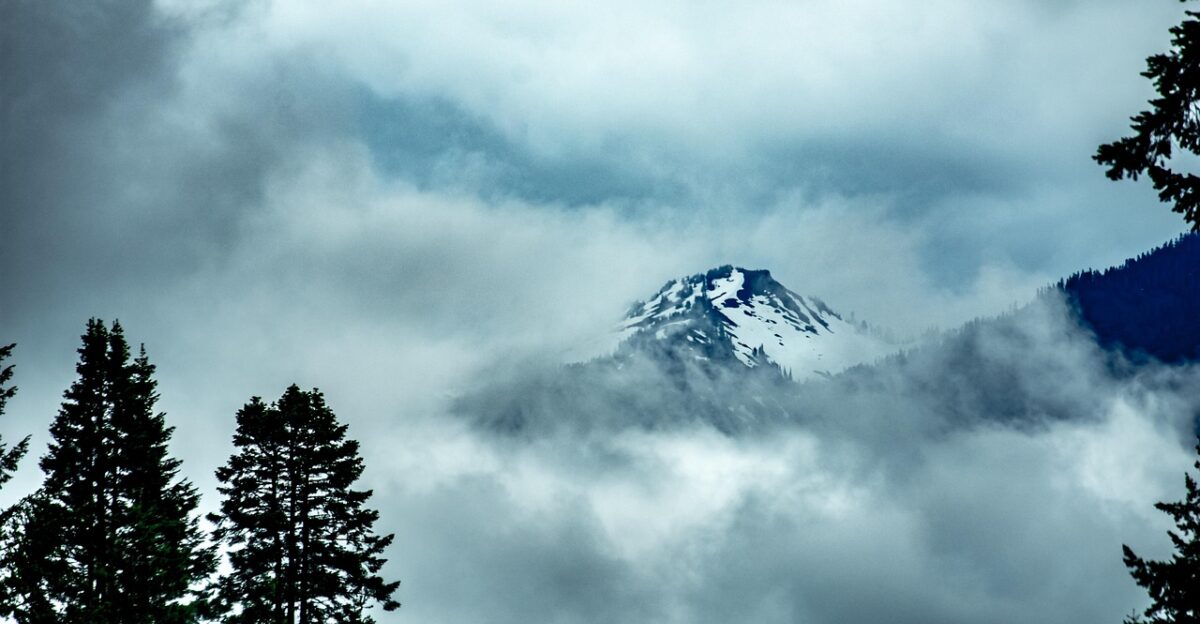
Lahars represent Mount Rainier’s most immediate danger—fast-moving volcanic mudflows consisting of water, ice, rock, and debris. These concrete-like torrents can travel down river valleys at highway speeds, destroying everything in their path. Communities in Pierce, King, and Lewis counties occupy lahar hazard zones, with towns like Orting, Puyallup, and Sumner facing potential inundation within 45 minutes of flow initiation.
Past eruptions generated lahars that traveled over 60 miles, depositing millions of cubic yards of debris across the Puget Sound lowlands. Modern risk assessments identify over 150,000 people living in high-hazard lahar zones.
Historical Eruption Record
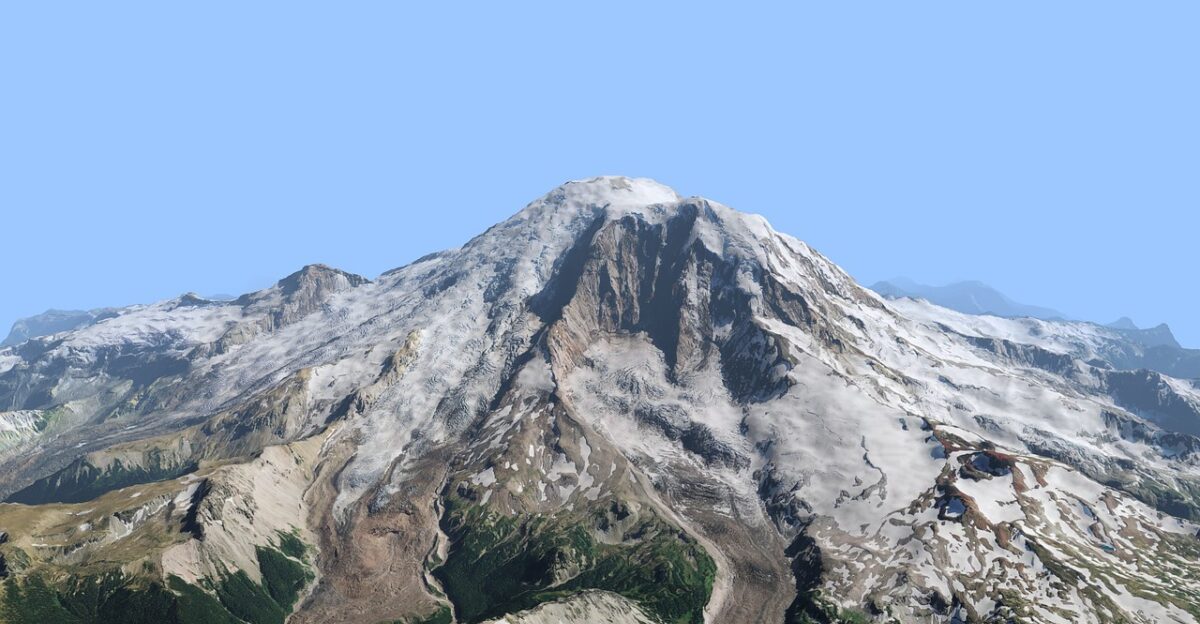
Mount Rainier’s most recent reported activity occurred in 1894, when observers documented possible steam explosions and dark plumes, though no physical evidence of eruption was ever confirmed. However, the volcano’s most significant activity happened 500-600 years ago during the Electron Mudflow event, which generated a massive lahar without magmatic eruption.
Approximately 5,600 years ago, the Osceola Mudflow—one of the largest lahars in Cascade history—traveled 70 miles to Puget Sound, covering 200 square miles with up to 70 feet of debris. Geological evidence reveals Mount Rainier produces major lahars every 500-1,000 years, suggesting the next event could occur anytime within coming centuries.
Cascade Volcanic Arc Context
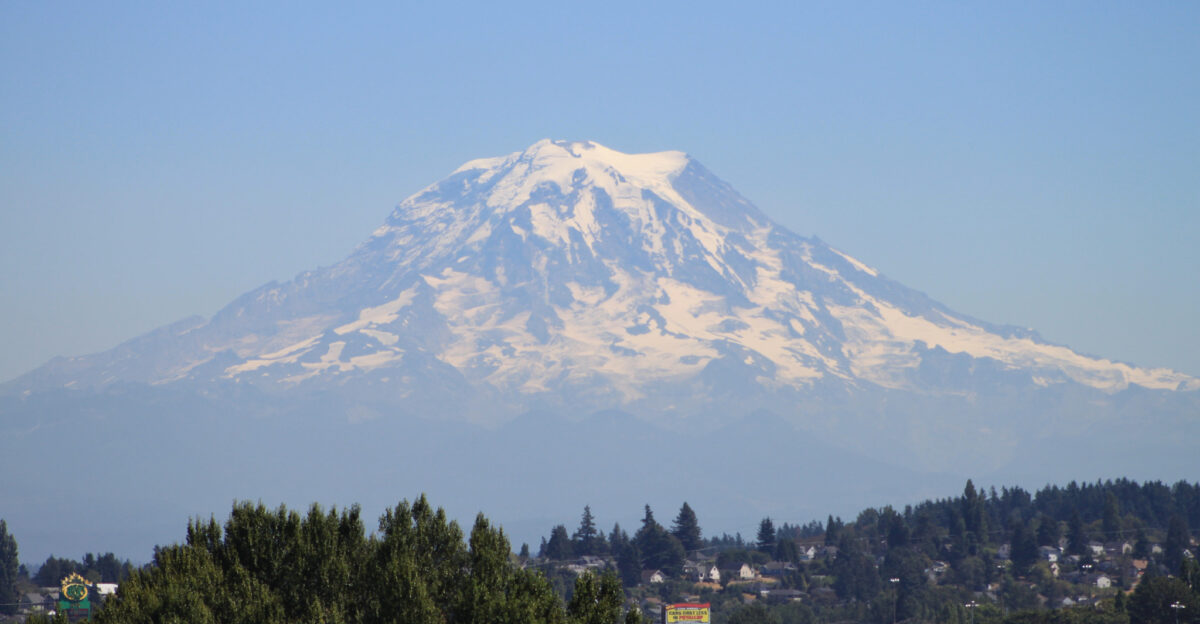
Mount Rainier belongs to the Cascade Volcanic Arc, a 700-mile chain of volcanoes stretching from British Columbia to Northern California. This volcanic system results from the Juan de Fuca tectonic plate subducting beneath the North American plate, generating magma that feeds surface volcanoes.
The Cascade Range includes Mount Baker, Glacier Peak, Mount Rainier, Mount St. Helens, Mount Adams, Mount Hood, and California’s Lassen Peak. All remain active, with Mount St. Helens erupting as recently as 2008. Regional monitoring ensures coordinated volcanic surveillance across the entire arc.
Real-Time Seismic Monitoring
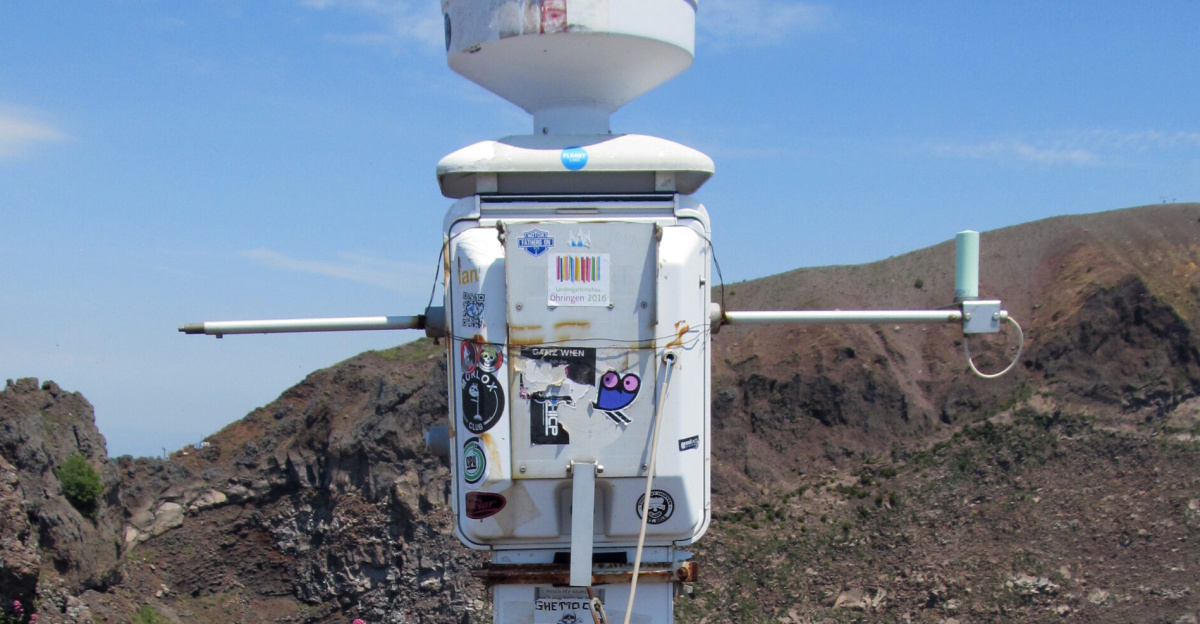
The Pacific Northwest Seismic Network operates 24/7 monitoring of Mount Rainier’s seismic activity, analyzing thousands of data points daily. Seismologists distinguish between tectonic earthquakes, glacial icequakes, and volcanic tremors using sophisticated signal processing algorithms. When unusual activity occurs, automated alert systems notify duty scientists within minutes, triggering enhanced monitoring protocols.
Real-time seismograms display publicly on the PNSN website, though interpreting these complex waveforms requires specialized training. The network’s rapid detection capabilities ensure volcanic escalation would be identified immediately, providing maximum warning time for emergency response.
Evacuation Planning Fundamentals
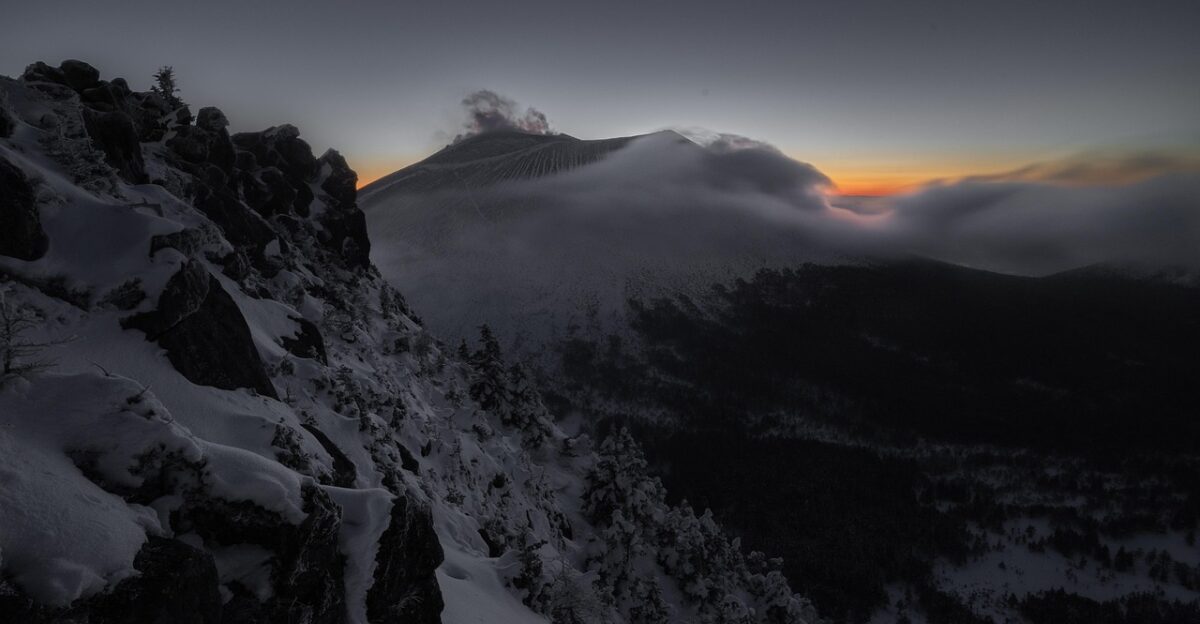
Pierce County maintains comprehensive evacuation plans for Mount Rainier volcanic emergencies, developed through decades of collaborative planning between emergency managers, scientists, and first responders. These plans identify evacuation routes, temporary shelters, and communication protocols for affected communities. The Mount Rainier Hazard Work Group coordinates multi-jurisdictional response, ensuring seamless cooperation between county, state, and federal agencies.
In 2024, the East Pierce Interlocal Coalition adopted an updated Comprehensive Emergency Management Plan (2024-2029), with regional evacuation routes recently updated and a large-scale lahar evacuation drill scheduled for April 2026. Evacuation strategies account for lahar travel times, population densities, and transportation infrastructure vulnerabilities. Regular exercises test plan effectiveness, identifying gaps and updating procedures to reflect demographic changes and improved scientific understanding.
Lahar Warning System Technology
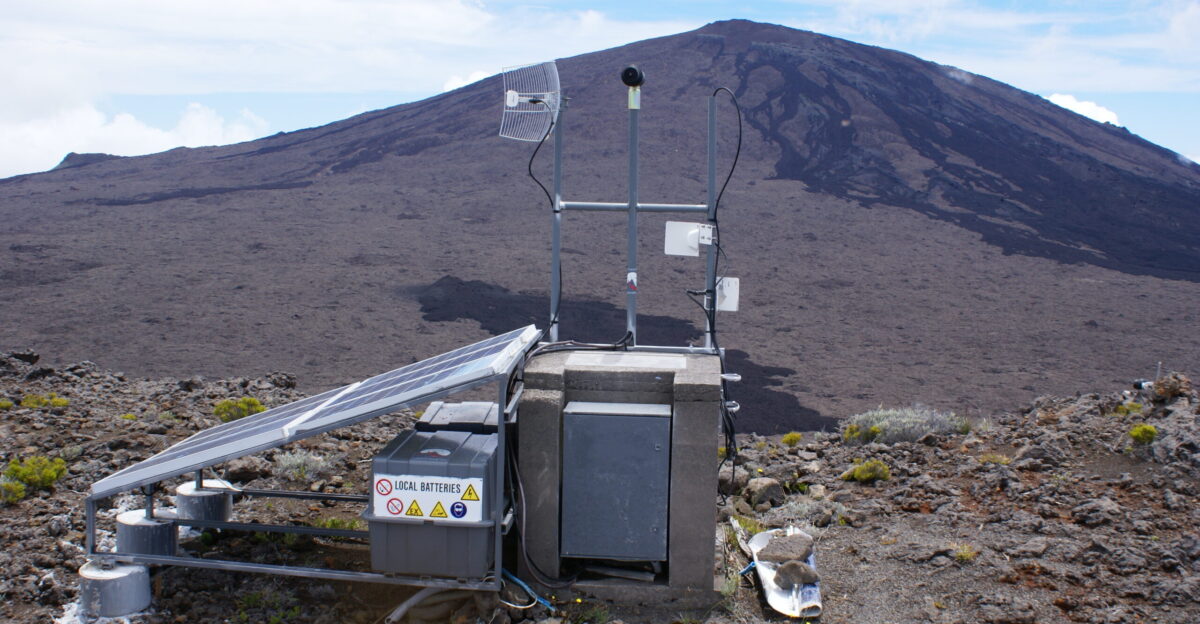
The Mount Rainier Volcano Lahar Warning System employs acoustic flow monitors stationed in river valleys descending from the volcano. These sensors detect the distinctive seismic signature of approaching lahars, automatically triggering warning sirens in downstream communities. The system provides 30-45 minutes of warning for communities like Orting, sufficient time for residents to evacuate to high ground.
AHAB (All-Hazard Alert Broadcast) sirens emit distinctive tones, alerting residents to seek elevation immediately. The network includes battery backup systems ensuring functionality during power outages. Pierce County tests sirens monthly, maintaining public familiarity with emergency signals.
Community Preparedness Initiatives
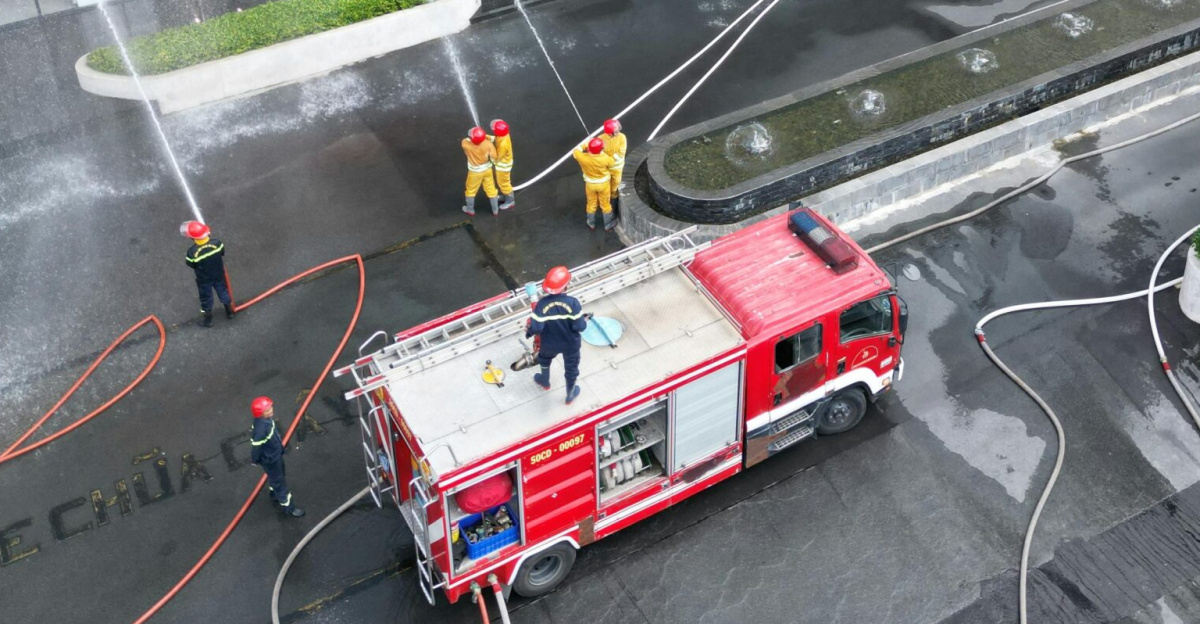
Communities surrounding Mount Rainier conduct regular lahar evacuation drills, with school districts practicing rapid evacuation to designated safe zones. The annual exercise involves coordinated response from emergency services, schools, and local governments, simulating volcanic crisis scenarios. Residents in hazard zones receive educational materials outlining evacuation routes, emergency supply recommendations, and family communication plans.
Pierce County’s emergency management department maintains public information campaigns emphasizing the difference between lahar warnings and volcanic eruption alerts. These preparedness efforts aim to reduce panic while ensuring residents understand rapid response requirements during actual emergencies.
Multi-Agency Coordination
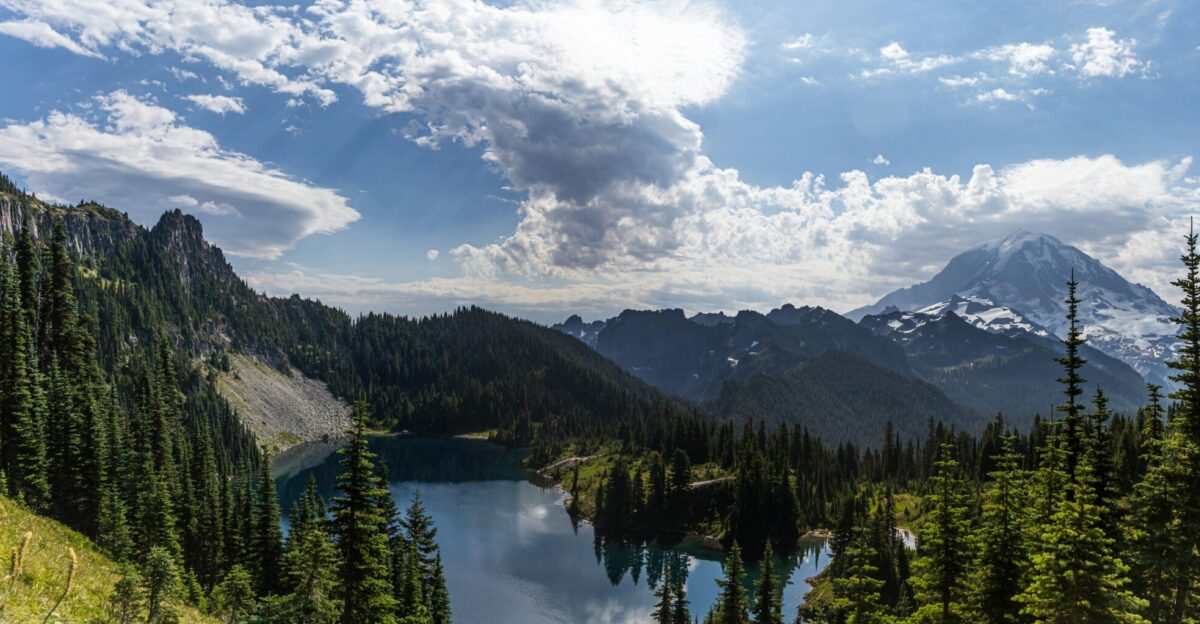
Mount Rainier volcanic emergency response involves coordination between the U.S. Geological Survey, Pacific Northwest Seismic Network, National Park Service, Federal Emergency Management Agency, Washington Emergency Management Division, and multiple county emergency management agencies. The USGS Cascades Volcano Observatory provides scientific expertise and volcanic hazard assessments. FEMA coordinates federal disaster response resources.
The National Park Service manages evacuations within Mount Rainier National Park boundaries. This multi-layered approach ensures comprehensive monitoring, rapid information sharing, and coordinated emergency response. Regular interagency meetings maintain operational readiness and update response protocols based on evolving scientific understanding.
Scientific Alert Level System
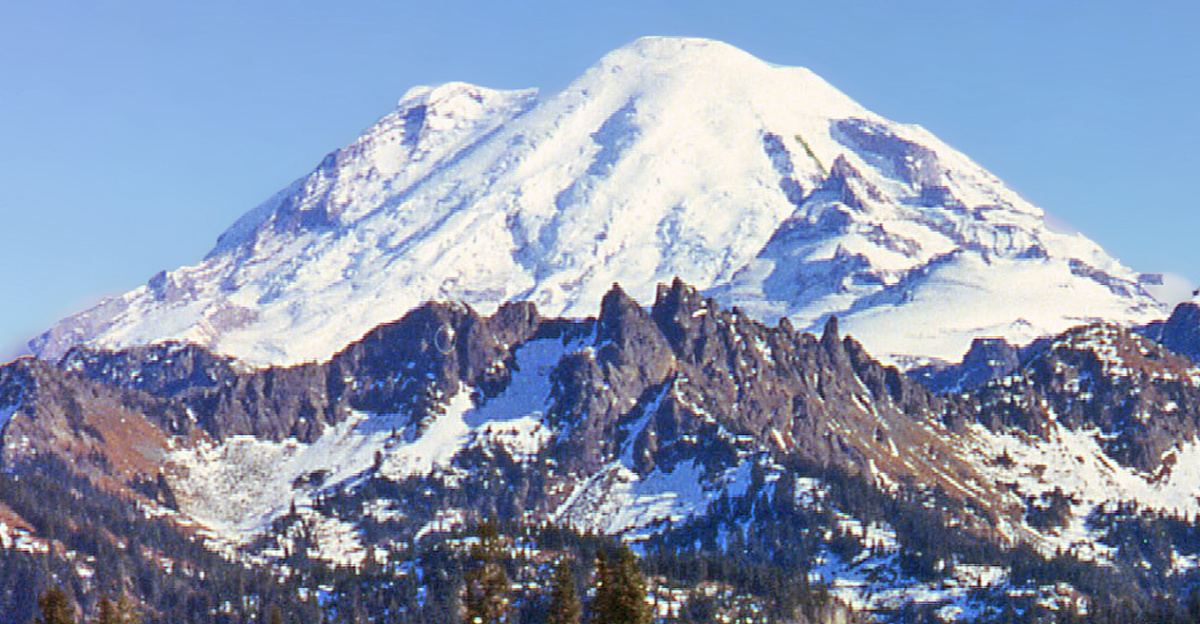
The USGS employs a standardized volcanic alert level system ranging from NORMAL (green) to WARNING (red). Mount Rainier currently maintains NORMAL status, indicating background seismic activity with no eruption anticipated. ADVISORY (yellow) signifies elevated unrest above baseline levels. WATCH (orange) indicates heightened volcanic activity with increased eruption potential.
WARNING (red) signals imminent or ongoing eruption with significant hazard to surrounding areas. Alert level changes trigger corresponding aviation color codes, as volcanic ash poses severe risks to aircraft. Scientists adjust alert levels based on multiple data streams, ensuring changes reflect genuine volcanic escalation rather than temporary anomalies.
Ground Deformation Monitoring
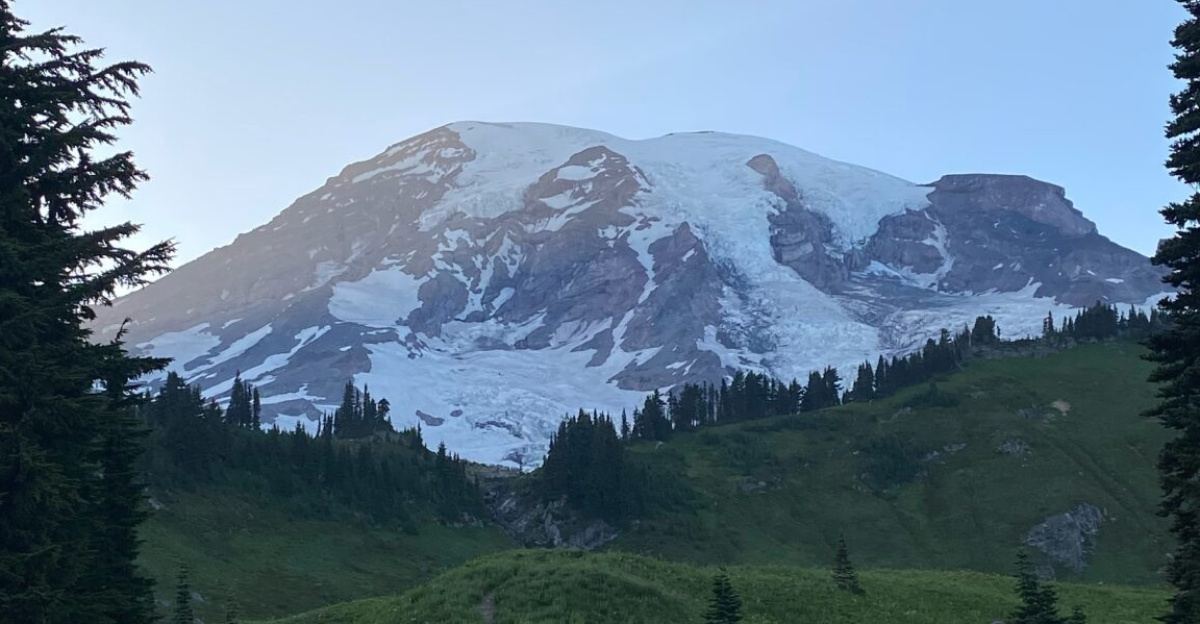
GPS stations positioned around Mount Rainier measure subtle ground movements indicating magma accumulation beneath the volcano. These receivers detect millimeter-scale deformation, tracking whether the volcano inflates or deflates over time. Inflation suggests magma rising toward the surface, while deflation may indicate magma withdrawal or gas escape.
Satellite-based InSAR (Interferometric Synthetic Aperture Radar) technology provides additional deformation measurements across the entire volcanic edifice. Scientists combine GPS and InSAR data to create three-dimensional models of subsurface magma movement. Significant deformation patterns would trigger elevated alert levels and intensified monitoring.
Gas Emission Analysis
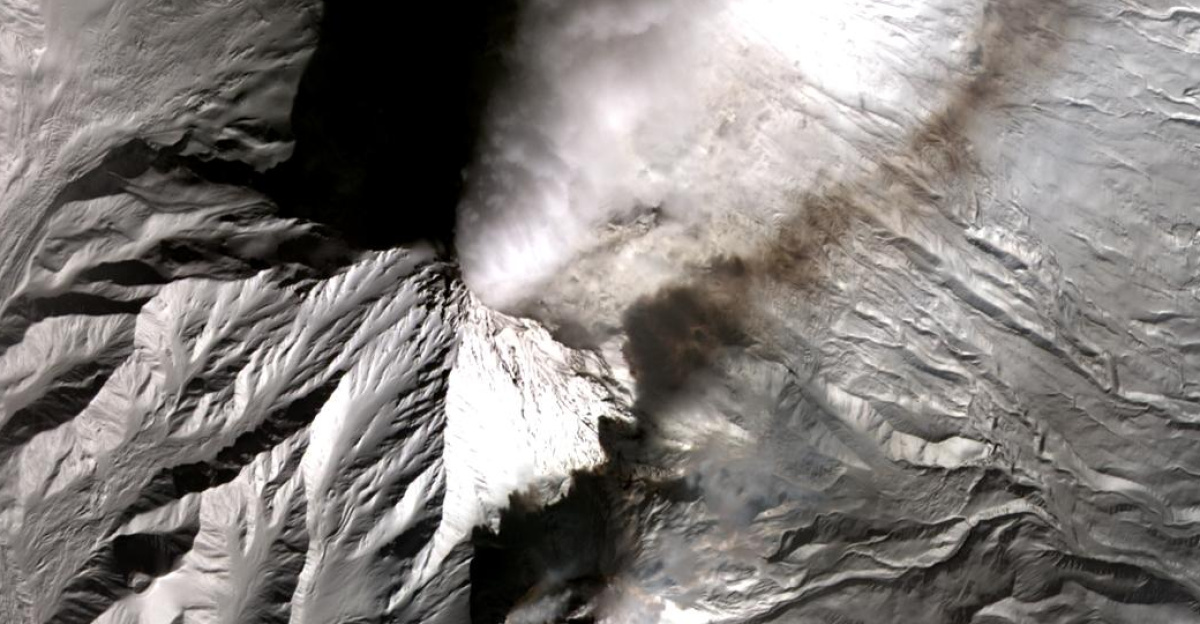
Volcanic gas monitoring provides crucial eruption forecasting data, as changing gas compositions indicate magma movement. Scientists measure sulfur dioxide, carbon dioxide, and other volcanic gases using ground-based spectrometers and aerial surveys. Increasing sulfur dioxide emissions suggest fresh magma rising toward the surface, while elevated carbon dioxide may indicate deeper magmatic activity.
Mount Rainier releases minimal volcanic gases during normal periods, with most emissions consisting of steam from geothermal areas. Sudden spikes in gas output would signal volcanic unrest, prompting enhanced monitoring and potential alert level increases. Regular gas measurements establish baseline values for comparison.
Emergency Communication Networks
Pierce County employs multiple communication channels to disseminate emergency information during volcanic crises. The regional Alert System delivers text messages, emails, and phone calls to registered residents. Emergency Alert System broadcasts interrupt radio and television programming with official warnings. Social media platforms provide real-time updates from verified government accounts.
NOAA Weather Radio transmits continuous emergency information. Local news media partner with emergency management to ensure accurate information reaches the public. These redundant systems ensure message delivery even if primary communication infrastructure fails. Pre-scripted templates enable rapid warning dissemination when seconds matter.
Post-Event Review Protocols
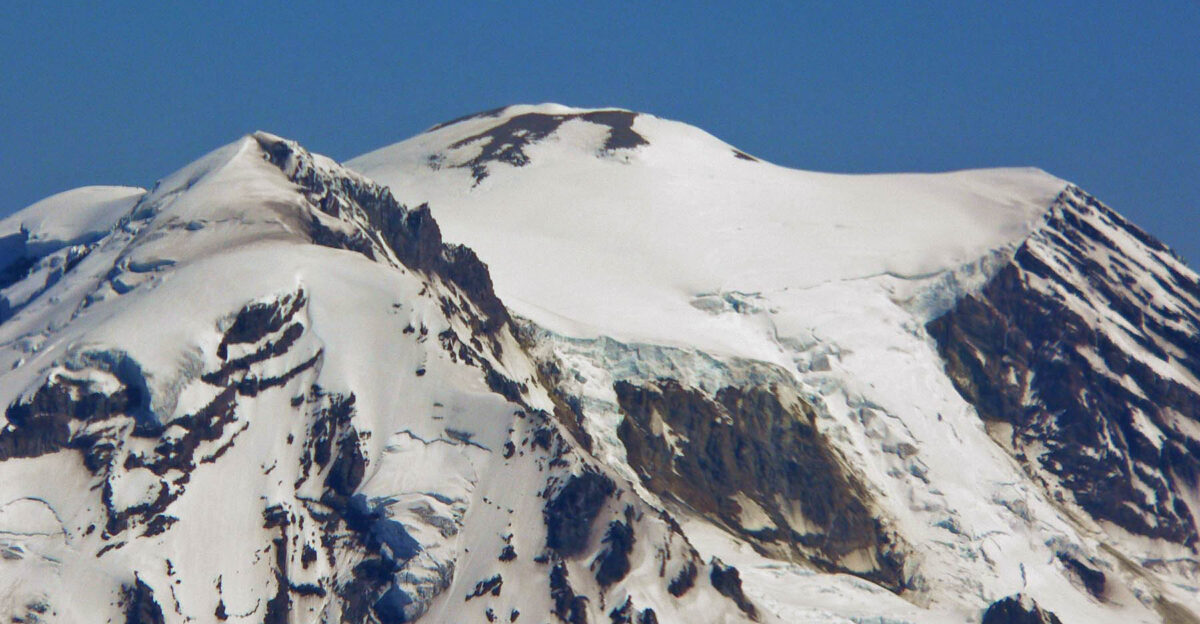
Emergency management agencies conduct systematic reviews following significant volcanic monitoring events to assess response effectiveness and identify improvement opportunities. These after-action assessments evaluate communication timeliness, public information accuracy, interagency coordination, and technical system performance. Review teams examine decision-making processes, resource allocation, and public response patterns.
Findings inform updates to emergency plans, training programs, and monitoring protocols. The iterative improvement process ensures volcanic emergency response systems evolve based on operational experience. Regular reviews maintain organizational readiness, preventing complacency during extended periods of volcanic quiescence.
Living with Volcanic Risk
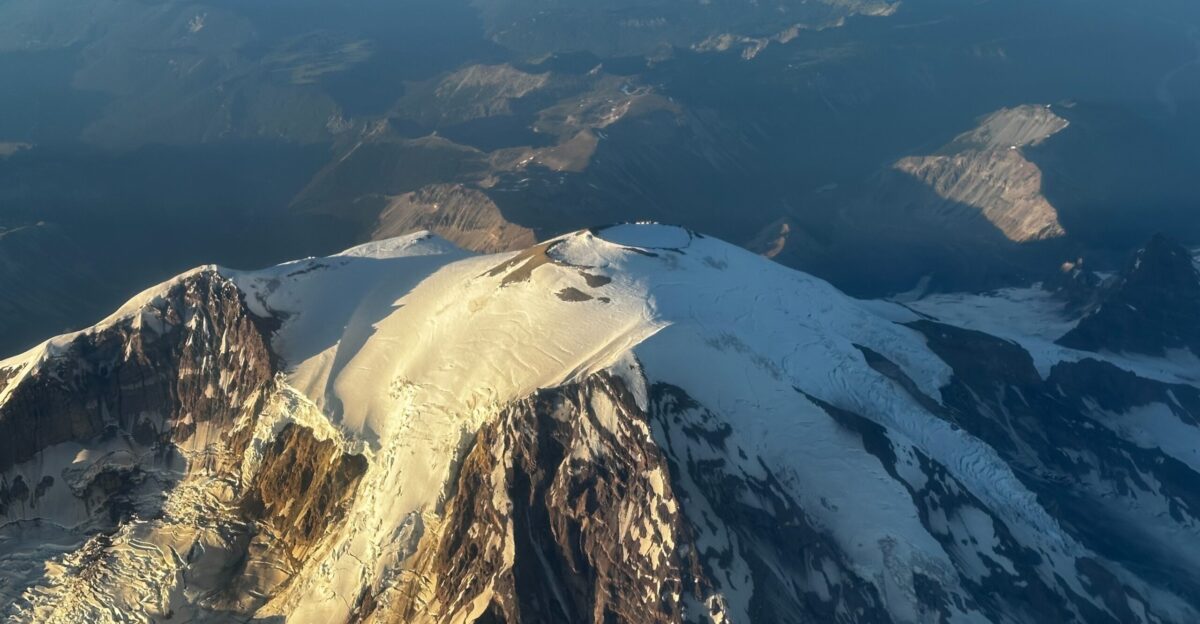
Millions of Pacific Northwest residents live in the shadow of active volcanoes, balancing geological hazards with the region’s economic opportunities and natural beauty. Mount Rainier’s presence shapes local culture, emergency preparedness practices, and land use planning. Scientists emphasize that volcanic eruptions remain relatively rare events, with Mount Rainier’s eruption probability estimated at less than 1% annually.
However, the consequences of complacency could prove catastrophic. Effective risk management requires sustained monitoring investment, public education, and emergency preparedness maintenance. The challenge lies in maintaining vigilance across generations, ensuring future residents remain informed about volcanic hazards and prepared for potential emergencies.