KMD Brands, the parent company of Rip Curl, has reported a staggering statutory loss of NZ$93.6 million for the fiscal year 2025. This marks the worst financial performance for the firm in over a decade, shaking the surf and outdoor retail industry to its core.
Investors and fans alike are in disbelief, with many expressing concern for the future of Rip Curl and the industry as a whole. A longtime surfer and Rip Curl enthusiast shared, “It’s heartbreaking to see a brand that meant so much to us struggle like this. We need our surf culture to thrive.”
The Fallouts of Store Closures
In light of its financial struggles, KMD Brands has announced the closure of 21 poorly performing stores around the globe, many situated outside Australia. Executives attribute this decision to soaring operational costs and shifting consumer behaviors. With legacy brands like Rip Curl facing such immense challenges, the future of surf retail hangs in a delicate balance.
“It’s tough for communities that rely on these stores,” said a store manager from a small surf town. “We’ve built relationships here, and the people we serve will feel this loss acutely.” The implications are far-reaching as customers grapple with such drastic changes.
Rip Curl’s Grizzled Legacy
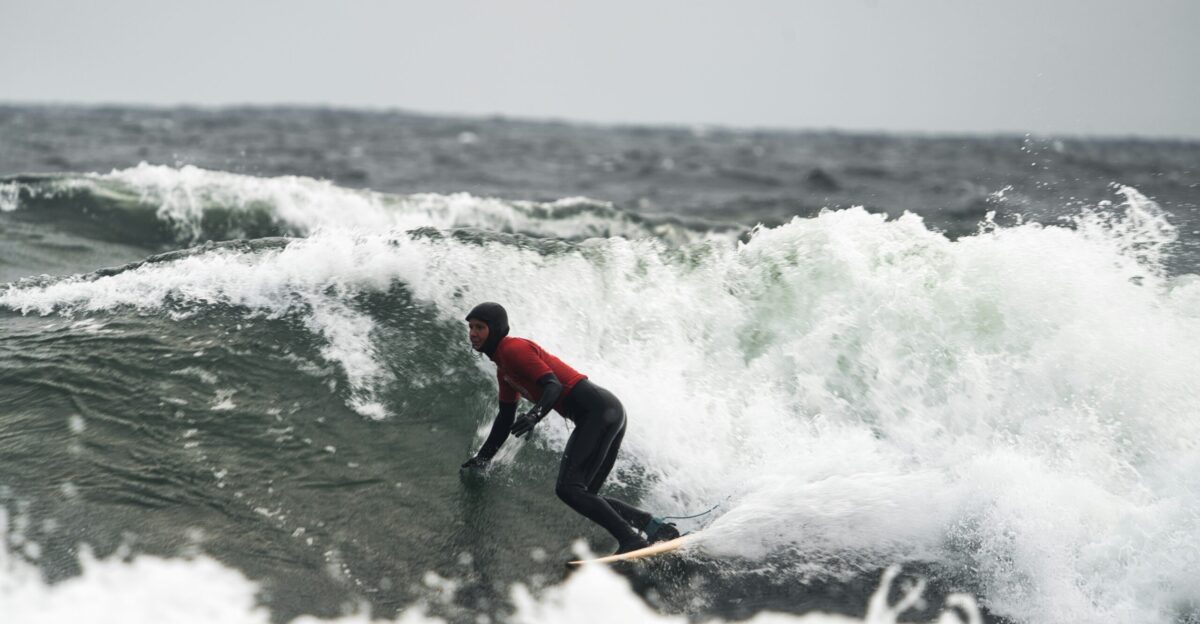
Established in 1969, Rip Curl has become a titan in the surfing industry, flourishing in markets like Australia, the U.S., and Europe. The brand has been more than just a purveyor of surf essentials; it has become a cornerstone of surf culture, representing the sport’s lifestyle and spirit. Its apparel and gear have been staples for surfers for decades.
“Wearing Rip Curl gear gives you a sense of belonging in the surf community,” a surfer and longtime customer noted. However, the tide is changing, and this legacy now faces daunting challenges amid economic turbulence.
Competitive Pressures Intensify
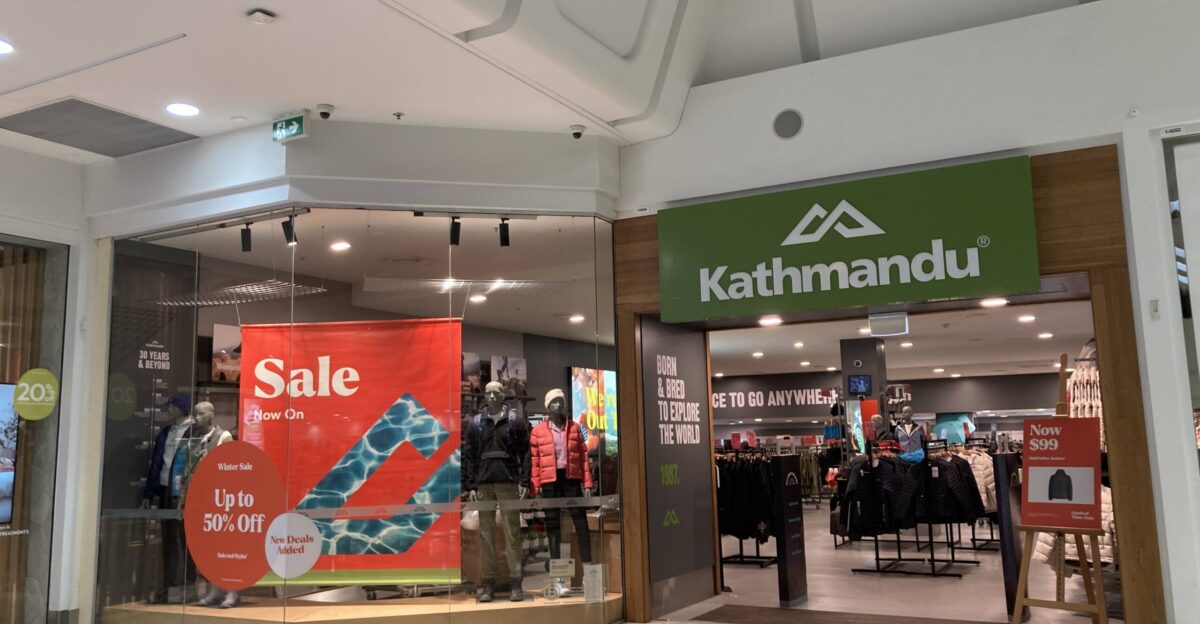
As the retail landscape evolves, KMD Brands grapples with heightened competition from online platforms that have swayed consumer spending away from brick-and-mortar stores. Rip Curl and another subsidiary, Kathmandu, have reported rising operational costs, while promotions attempted to entice buyers, only further eroding profit margins.
“The online world has transformed how we shop,” said an analyst. “Brands must adapt quickly or risk being left behind.” This relentless pressure underscores the urgent need for strategic rethinking to stay afloat in a changing marketplace.
Unprecedented Loss Announced

On September 23, 2025, KMD Brands unveiled a shocking NZ$93.6 million statutory loss for FY25. The fallout doesn’t stop there; Rip Curl’s EBITDA experienced a stark decline of 27%. Moreover, the company opted not to issue dividends, inciting discontent among shareholders now demanding a re-evaluation of current strategies.
“We invested in the brand believing in its strength,” remarked a concerned shareholder. “Now we are left wondering about the future direction.” The pressure mounts for a turnaround, with calls for a fresh strategy echoing throughout the boardroom.
Local Economies at Risk

The ramifications of KMD’s store closures extend beyond corporate finances; they pose a significant threat to local economies, especially in smaller surf towns deeply entwined with the brand’s identity. Fourteen stores in Australia will close, contributing to job losses and reduced retail activity in these communities.
“My friends and neighbors work in those shops; this is our community,” a local business owner lamented. The surf industry’s downturn touches lives far beyond just those of shareholders and executives, threatening the livelihood of communities reliant on these retail outlets.
Controversy and Its Aftermath

Rip Curl became controversial after featuring transgender surfer Sasha Jane Lowerson in a social media campaign in 2024. The backlash, rapidly fueled by social media outrage, has resulted in boycotts from a portion of its customer base.
“I was shocked by how quickly it escalated,” commented a former customer who followed the brand closely. “People are divided, affecting how we see the brand.” This incident illustrates how deeply divided opinions on social issues can impact business and underscores the delicate tightrope companies must walk today.
Rivals Eye the Situationz
In the wake of KMD Brands’ ongoing challenges, competitors such as Billabong and Quiksilver are observing closely and refining their strategies to avoid similar missteps. With many brands opting for traditional marketing methods while steering clear of polarizing topics, they aim to protect their market share in turbulent times.
“In this environment, consistency and trust are key,” mentioned a marketing expert. Regulatory bodies caution against relying on social campaigns or aggressive cost-cutting as sustainable solutions. Surviving this landscape requires a more holistic approach that resonates with consumers and enhances brand loyalty.
The Surfwear Industry at a Crossroads
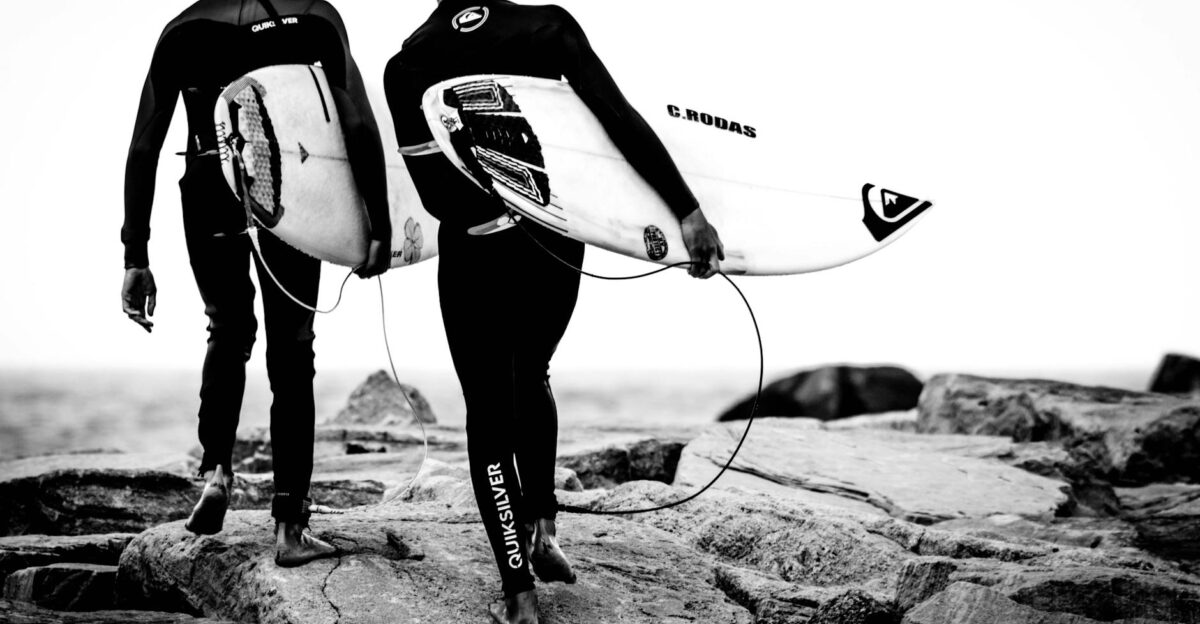
Globally, the surfwear industry is navigating choppy waters amid shifts in consumer values and a swell in e-commerce, all exacerbated by rising inflation. What was once perceived as recession-proof is now punctuated by declining margins and unstable earnings across venerable brands. “The market has changed irreversibly,” noted one industry analyst.
“Brands will need to evolve or risk fading into obscurity.” The struggles of KMD reflect a broader narrative, intertwining with the struggles faced by competitors across the action-sports sector, raising the stakes for everyone involved.
The Ripple Effect of Controversy

While the backlash surrounding Rip Curl’s transgender campaign has undoubtedly contributed to its recent declines, executives stress that the larger economic landscape plays a pivotal role in these losses. “It’s easy to point fingers, but there’s so much more at play,” a company representative stated.
As stores continue to close, KMD is promoting an ambitious digital initiative while navigating these stormy seas. The digital push aims to engage a new demographic and adapt to evolving shopping habits, yet the question remains: Can this strategy hold firm amidst various market challenges?
Unrest Among Staff

Internally, reports have surfaced regarding staff dissatisfaction following the societal backlash. Employees are voicing concerns over the leadership’s handling of the original campaign and subsequent fallout, questioning the brand’s future identity and stability.
“It feels like our values are at odds with our actions,” expressed a concerned employee. The sense of discontent suggests restoring morale may be just as crucial as reversing financial losses in the long run. Keeping the team informed and engaged becomes paramount as the company navigates these waters.
A New Leader in Focus

Brent Scrimshaw stepped into the CEO role at KMD Brands in March 2025, promising a bold and inclusive repositioning strategy. However, critics are now challenging the effectiveness of his approach, especially given the pre-existing decline of the retail landscape.
An industry commentator remarked, “While he’s aiming for inclusivity, it’s important to remember that tradition still carries weight in a brand like Rip Curl.” As shareholders and analysts watch closely, the CEO’s subsequent actions will be scrutinized as the company pivots towards growth amidst mounting pressures.
Roadmap for Recovery
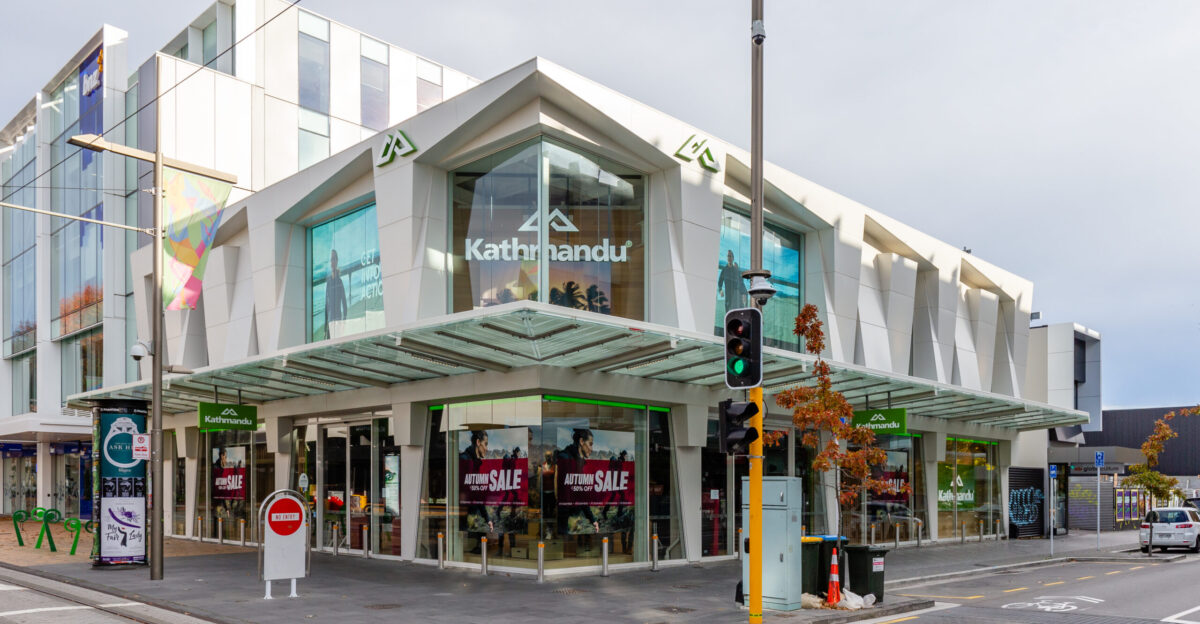
KMD Brands has revealed a transformation plan to achieve NZ$25 million in savings, primarily through better digital integration and the rollout of new store formats. Six flagship stores will reopen with innovative layouts enriched by digital features.
“It’s about creating an experience,” a marketing insider noted. “Shoppers today crave more than just a product.” The hopes are high that this innovative approach could rejuvenate the brand and attract loyal customers and new audiences, as they aim to emerge from their current predicament.
A Mixed Expert Outlook
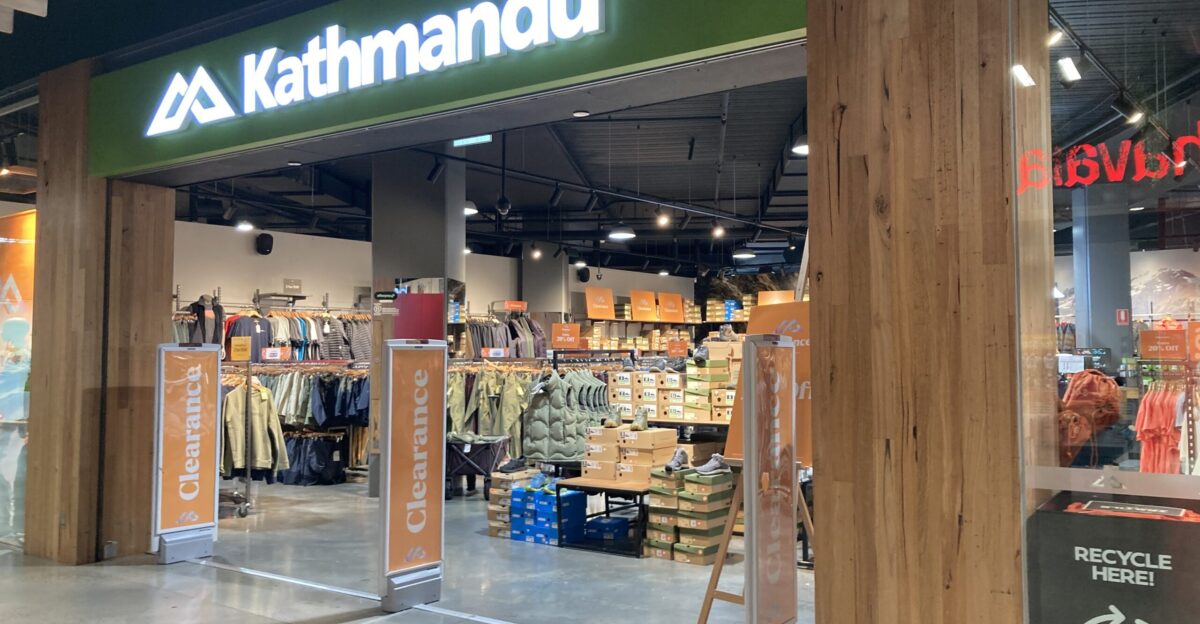
While KMD’s balance sheet appears to retain a reasonable state, with NZ$235 million in financial headroom, skepticism looms regarding whether store closures and marketing strategies alone can catalyze recovery. “They have the financial flexibility to maneuver, but will it be enough?” questioned a financial analyst.
The consensus among experts is the need for a multi-faceted approach that re-establishes relationships with consumers, drives innovation, and ensures brand loyalty. As the narrative of KMD unfolds, all eyes remain fixed on whether their next moves can revive the once-thriving legacy of Rip Curl.
Looking Ahead

Amid the ongoing turmoil, Rip Curl and KMD Brands stand at a defining moment. As the surfwear industry landscape evolves, so must the strategies employed by these brands. “The key is adaptation,” said a leading industry expert.
“Consumer connection and authenticity will be the new currency.” As the brand aims to reestablish itself, it also confronts the need to reconcile with diverse consumer sentiments while navigating economic challenges. The road to recovery is uncertain, but the commitment to surf culture runs deep, and with it lies an opportunity for resurgence.
Rebuilding Trust with Consumers
For KMD, rebuilding consumer trust will be crucial moving forward. After navigating through backlash and store closures, addressing customer concerns is paramount. “People want to feel seen, their voices heard,” a customer engagement specialist commented.
Creating a genuine dialogue with consumers can help the brand identify what they value, thus allowing Rip Curl to align its offerings with their expectations better. It’s an insightful reminder of the importance of loyalty that transcends products, establishing a community connection, and fostering long-term relationships that can weather the storms of public sentiment and market fluctuations.
Enhancing Digital Presence

An integral part of KMD’s turnaround strategy is enhancing its digital presence. The shift towards online shopping is a reality that can no longer be overlooked, yet a significant challenge remains in being distinctive and relevant in a crowded marketplace. “E-commerce trends are critical for the surf industry,” remarked a digital marketing expert.
“Brands need to leverage analytics and understand their consumer base to stand out.” By investing in digital tools and platforms, Rip Curl has the potential to recover lost ground and chart a new direction for the brand that resonates with today’s tech-savvy consumers.
Fostering Community Engagement

As KMD Brands looks towards recuperating its brand image, fostering community engagement can serve as a strong pillar for rebuilding. Connection through events, sponsorships, and collaborations can help reconnect with the surf brand’s core audience. “Building a community around your brand can redefine loyalty,” a public relations expert hinted.
By creating spaces for surfers to unite, share stories, and cultivate a shared love for the sport, Rip Curl can nurture a positive relationship beyond mere transactions, establishing a robust presence in the hearts and minds of consumers eager to connect once again.
Innovations in Product Offerings
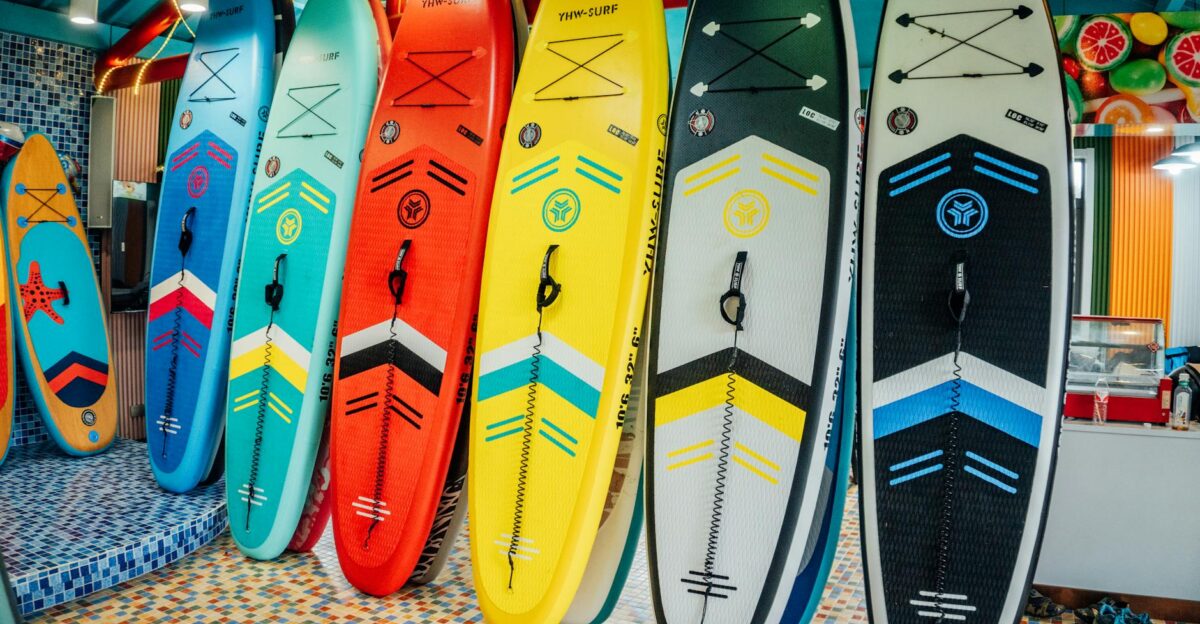
KMD Brands must also focus on innovative product offerings that appeal to modern consumers’ preferences to revitalize its brand and recover its footing. As sustainability takes center stage in consumer decision-making, creating eco-friendly products could resonate positively. “Customers are ready to embrace brands prioritizing sustainability,” stated an environmental branding expert.
“It’s about aligning the brand identity with the values they want to support.” By integrating eco-conscious practices into their manufacturing processes and product designs, Rip Curl can navigate toward a positive perception that drives sales in volatile markets.
The Path Forward

KMD Brands stands at a crossroads, where the decisions made today will shape the future of Rip Curl and its place in the surfing world. They can navigate the rough waters ahead through transparency, innovation, and community engagement. One analyst succinctly said, “The future hinges on adaptability and understanding.
Those who listen and evolve will thrive.” The journey is fraught with challenges, but by harnessing the spirit of surf culture, KMD can build a stronger foundation for tomorrow, reinforcing a connection to the lifestyle that made brands like Rip Curl legendary.