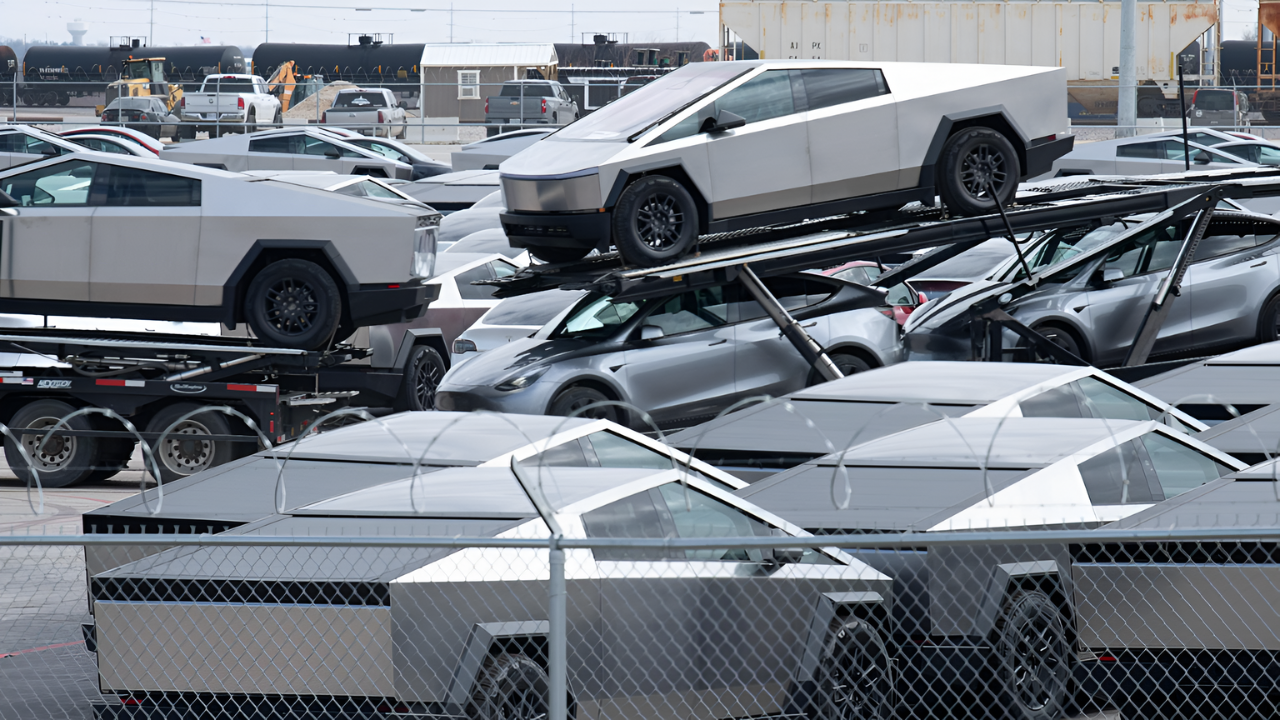
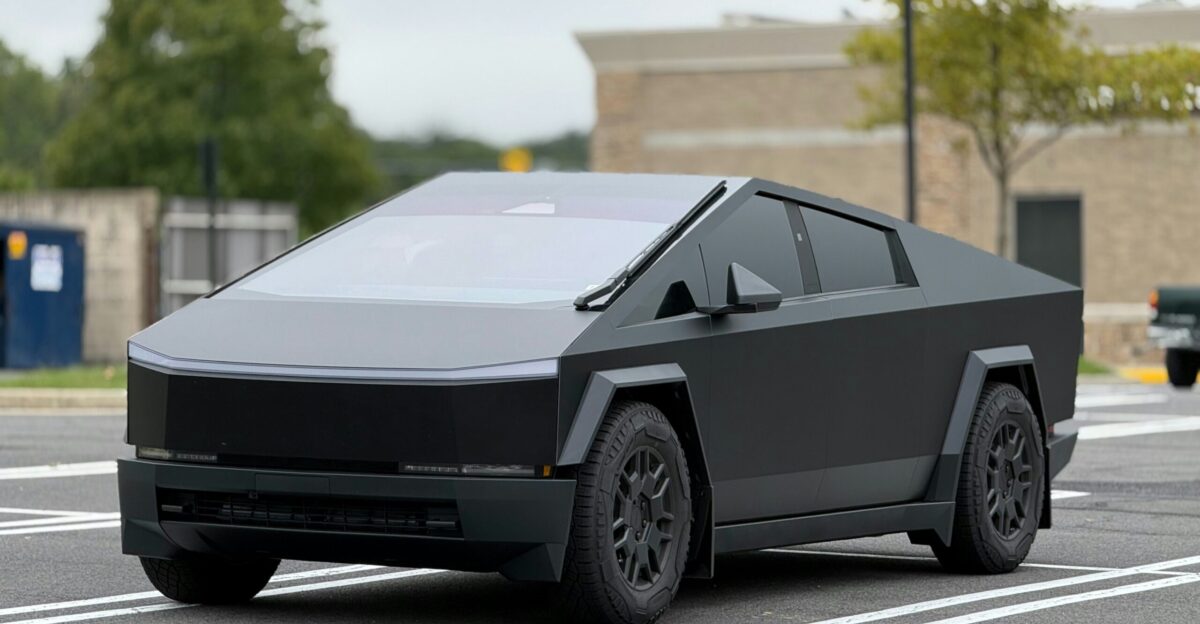
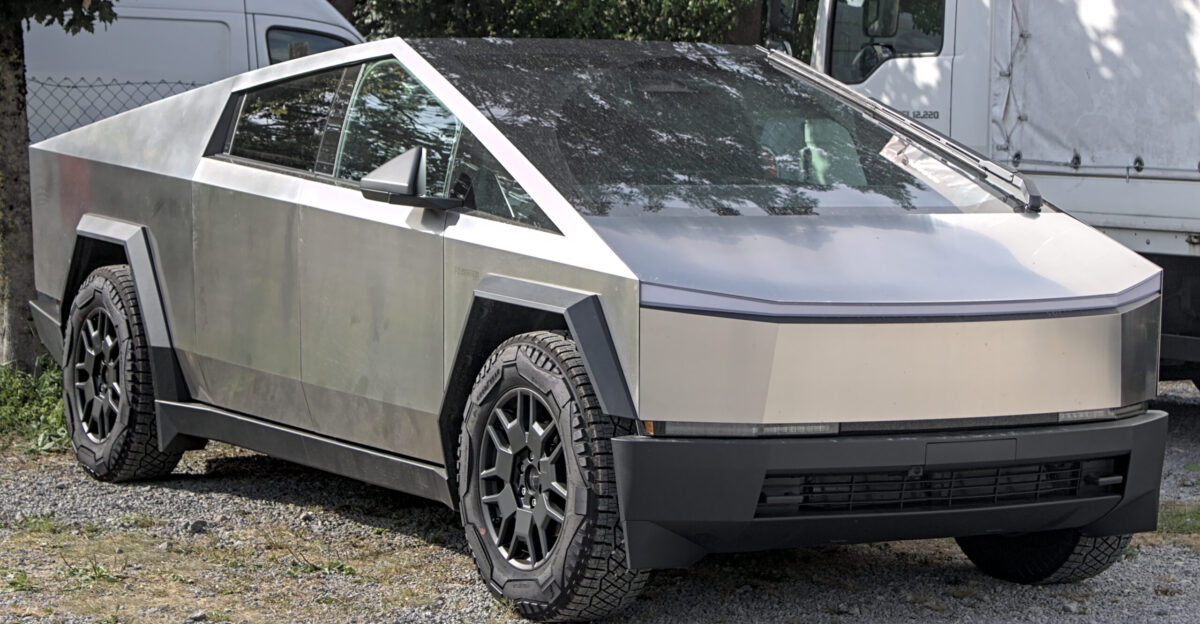
When Tesla unveiled the Cybertruck in 2019, it promised a “bulletproof” electric pickup that would redefine the market. Instead, the vehicle has faced relentless quality issues, with its 8th recall now targeting 6,197 trucks for a faulty off-road light bar installation.
Owners, service technicians, and motorists alike are caught in the fallout, highlighting systemic production and design challenges. From plunging sales to public scrutiny, Tesla’s flagship truck is struggling to live up to its hype.
Here’s what’s happening behind the scenes, and why the Cybertruck’s troubles may have far-reaching consequences for Tesla and its customers.
What Happened?
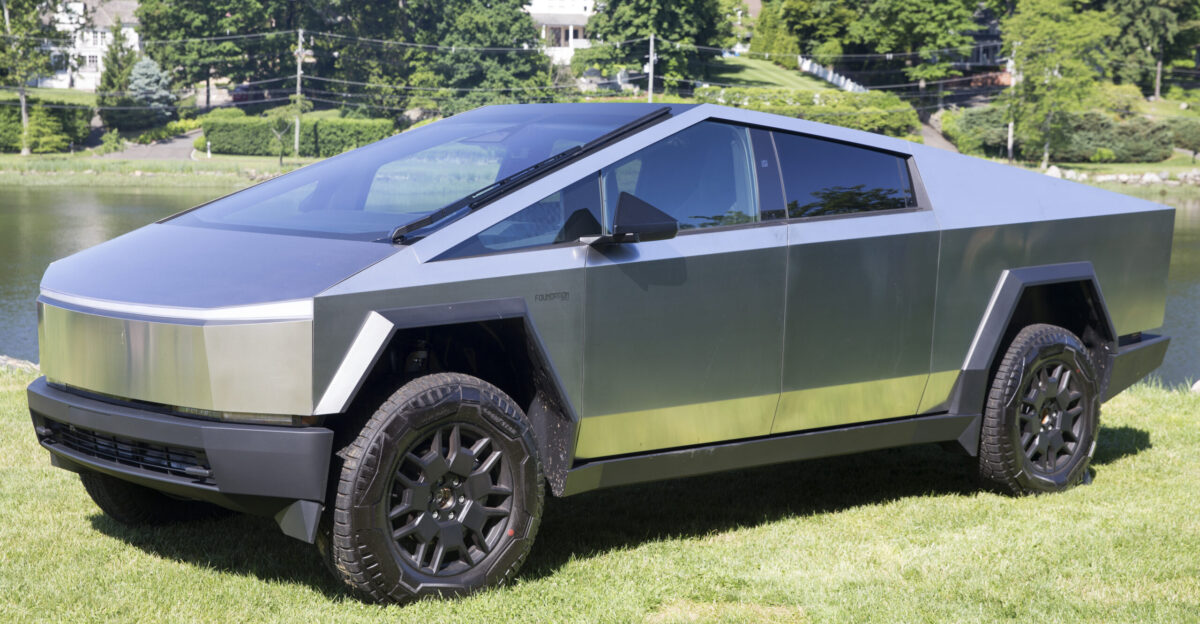
Tesla announced its 8th Cybertruck recall, affecting 6,197 vehicles with off-road light bar accessories. This recall targets roughly 10 percent of all Cybertrucks ever sold, highlighting ongoing challenges for the $100,000 electric pickup.
Owners will receive notification letters on Thursday, 26 December 2025, prompting inspections and repairs. However, understanding the scale requires looking at total Cybertruck production.
Production Numbers Reveal Shortfall
Tesla has built 63,619 Cybertrucks from November 13, 2023, to October 11, 2025. This falls drastically short of the estimated 2 million reservations made since 2019. Only about 2.5 percent of reservation holders purchased the vehicle, signaling a major demand collapse despite its “bulletproof” marketing.
Sales plummeted 63 percent year-over-year in Q3 2025. The following slide shows how service mistakes triggered the latest recall.
Service Mistakes at the Core
Tesla technicians installed off-road light bars using incorrect adhesive primers. Even after multiple service manual updates from February to October 2025, BetaPrime primers were used instead of BetaSeal primers. This caused bonding failures, forcing the recall.
Technicians now face additional workload on top of nine prior Cybertruck recalls. How manufacturing woes compounded the problem is next.
Manufacturing Challenges
At Giga Texas, production line workers faced erratic schedules, mandatory time off, and workforce reductions over 50 percent on some teams. Many were reassigned from Cybertruck lines to Model Y production as demand collapsed.
One employee said on 17 April 2025: “It looks like they’re pushing people out. The parking lot keeps getting emptier.” But how do these recalls affect drivers on the road?
Risk to Other Drivers
The NHTSA warns that detached light bars could create hazards for motorists. According to the filing dated 27 October 2025: “The driver in a following vehicle will be vulnerable if the lightbar falls off; distracted driving or a crash would be likely.”
Despite 619 warranty claims, no collisions or injuries have been reported. Next, the recall’s technical defect will be explained.
The Technical Defect
Tesla service personnel “inadvertently attached [the light bar] to the windshield using the incorrect surface primer,” according to NHTSA filing 27 October 2025. BetaPrime primer, not BetaSeal, caused reduced adhesive strength.
Normal vehicle vibrations and temperature changes can loosen the light bar over time. But observable symptoms give owners early warning signs.
Detecting the Problem
Owners may notice gaps between the light bar and windshield, a loose fit, or cabin noise, according to Tesla’s recall notice. These signs indicate the adhesive may have failed, allowing the component to loosen.
The next slide explores the pattern of recurring Cybertruck failures.
A Pattern of Failures
This marks the 10th Cybertruck recall since late 2023. Wired reported 25 November 2024, that the recall rate is “worse than 91 percent of all 2024 vehicles.” Past issues include accelerator pedal trim pads, trunk bed trim, and cant rail panels.
Even temporary fixes have failed, highlighting systemic problems. How much financial impact this causes comes next.
Financial Numbers at Stake
6,197 vehicles affected, 619 warranty claims, and 63,619 Cybertrucks produced. Prices range from $79,990 to over $100,000. Q3 2025 sales dropped 63 percent from Q3 2024. Tesla’s stock has declined around 40 percent in 2025, reflecting cumulative challenges.
Yet analysts remain mixed on brand impact. Next, the timeline of defect discovery is revealed.
Timeline of Discovery
Production began 13 November 2023. The first light bar issues were flagged in February 2025, with multiple service updates through October. Chemical testing confirmed the root cause, leading to a voluntary recall on 20 October 2025.
Notifications will go out on Thursday, 26 December 2025. Next, where the recalled trucks are located.
Geographic Focus
All affected Cybertrucks were manufactured at Giga Texas in Austin. The recall is limited to U.S.-registered vehicles, according to 30 October 2025 Reuters reporting. Owners can visit Tesla service centers or request mobile service for inspections and repairs.
But the market’s reaction tells another story about Cybertruck adoption.
Sales Collapse
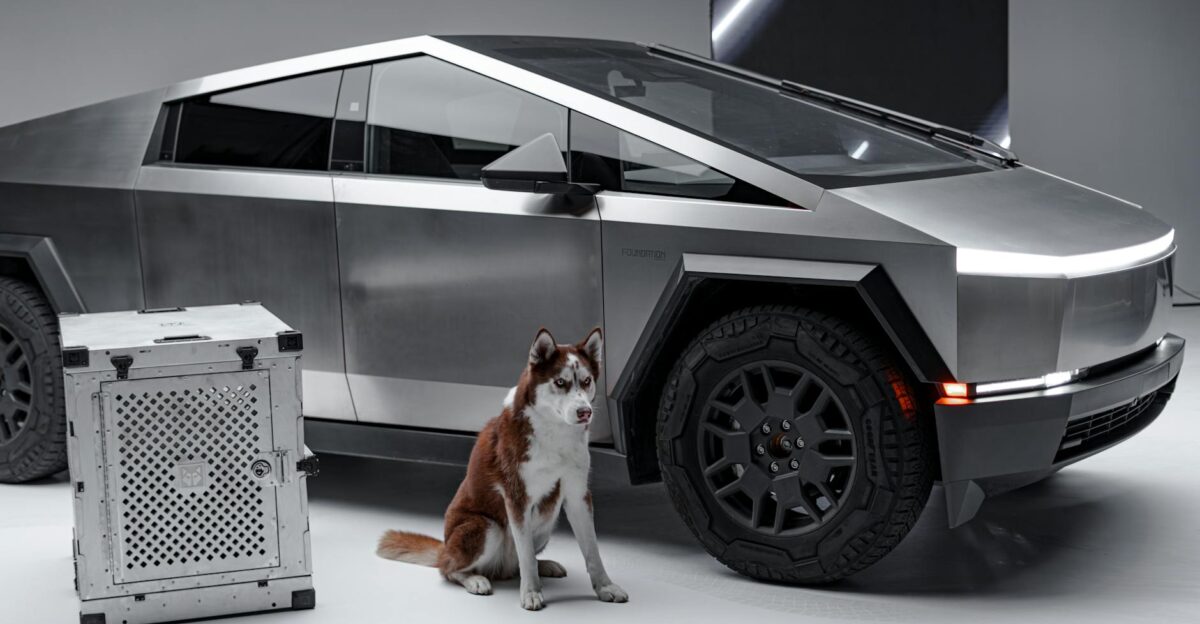
Out of 2 million reservations, only 63,619 vehicles sold—a 97 percent abandonment rate. Q3 2025 saw just 5,385 units delivered, down 63 percent from Q3 2024. Cybertruck lost ground to the Ford F-150 Lightning and GM’s electric pickups.
Understanding the competitive fallout clarifies the broader impact on Tesla.
Competitors Gain Ground
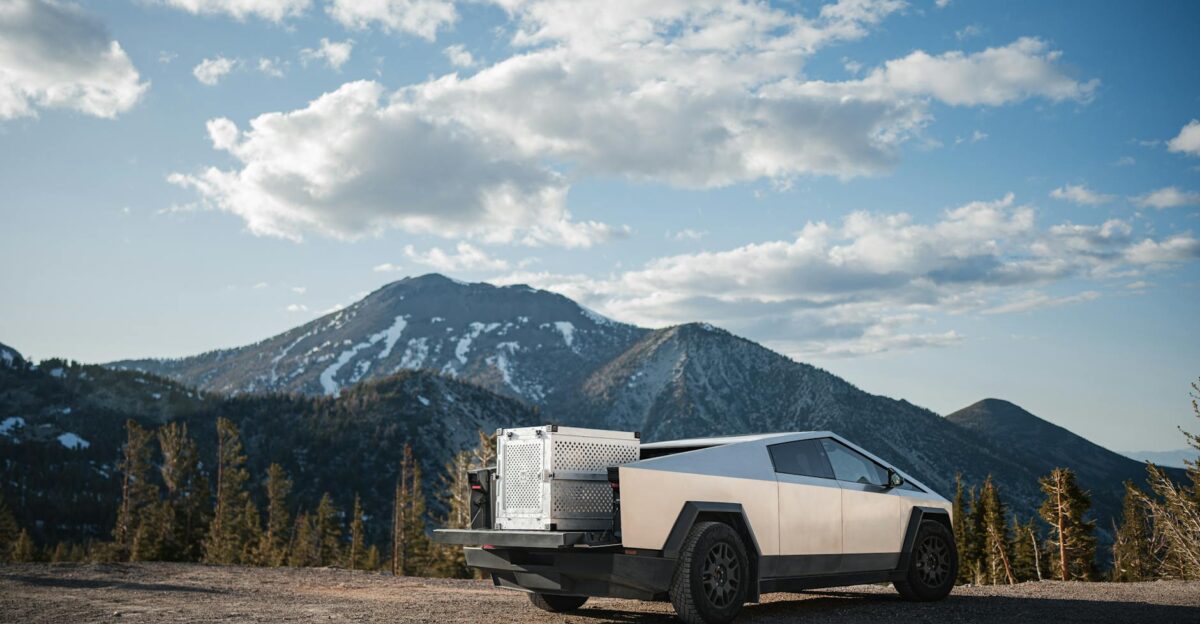
Ford F-150 Lightning retook the title of America’s best-selling electric pickup in Q2 2025. GM’s Silverado EV and Sierra EV gained traction, and Rivian R1T maintained steady growth.
The Cybertruck’s collapse, meanwhile, highlights Tesla’s struggles to deliver on the “bulletproof” promise. But what about CEO Elon Musk’s influence?
CEO Reputation Impact
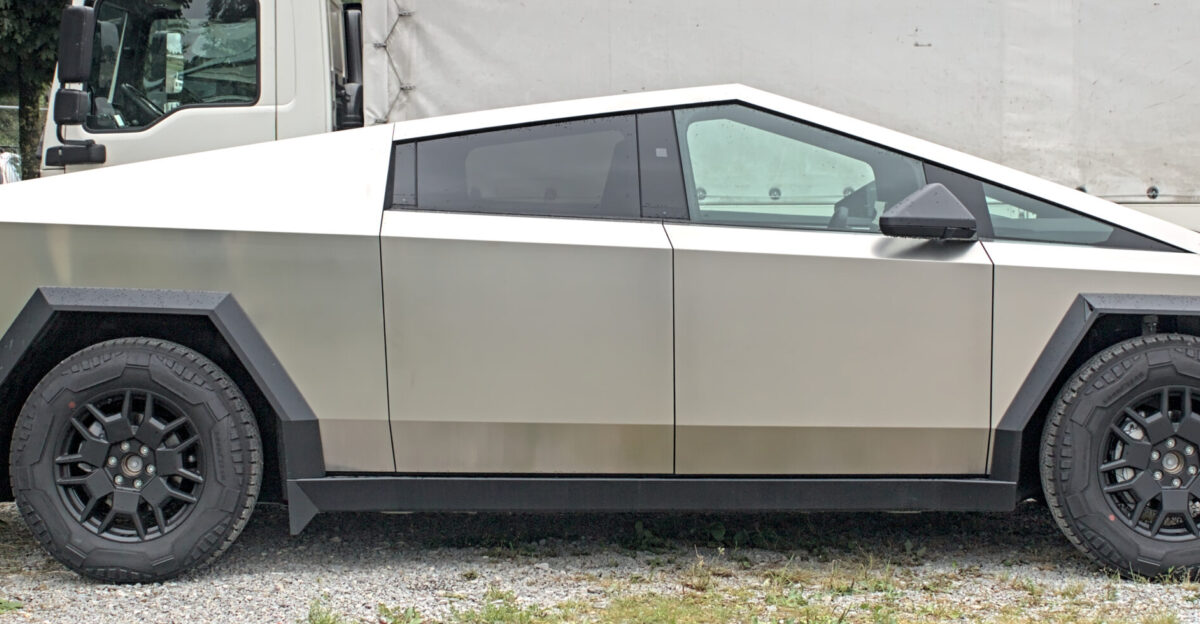
Elon Musk’s political actions reportedly cost Tesla around 1 million sales between 2022–2025. Rolling Stone reported Wednesday, 30 October 2025: “Tesla Sold a Million Fewer Cars Thanks to Musk’s MAGA Turn.”
Polarizing public image has influenced demand, adding to recalls’ reputational damage. Next, the pattern of internal process failures is detailed.
Process Failures Persist
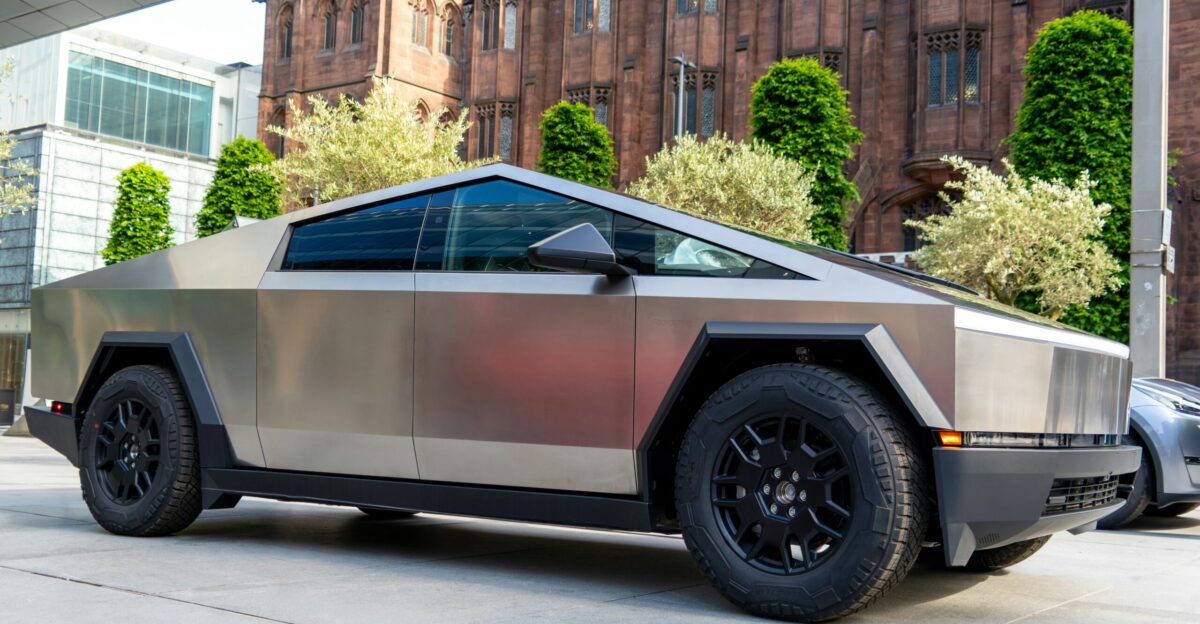
Multiple service manual updates failed to fix primer misapplication. According to Electrek, 30 October 2025: “Tesla updated its service instructions several times to try to fix the problem, but it seems that none of these updates were enough.”
Even legally restricted installations contributed. But the manufacturing complexity creates deeper challenges.
Manufacturing Complexity
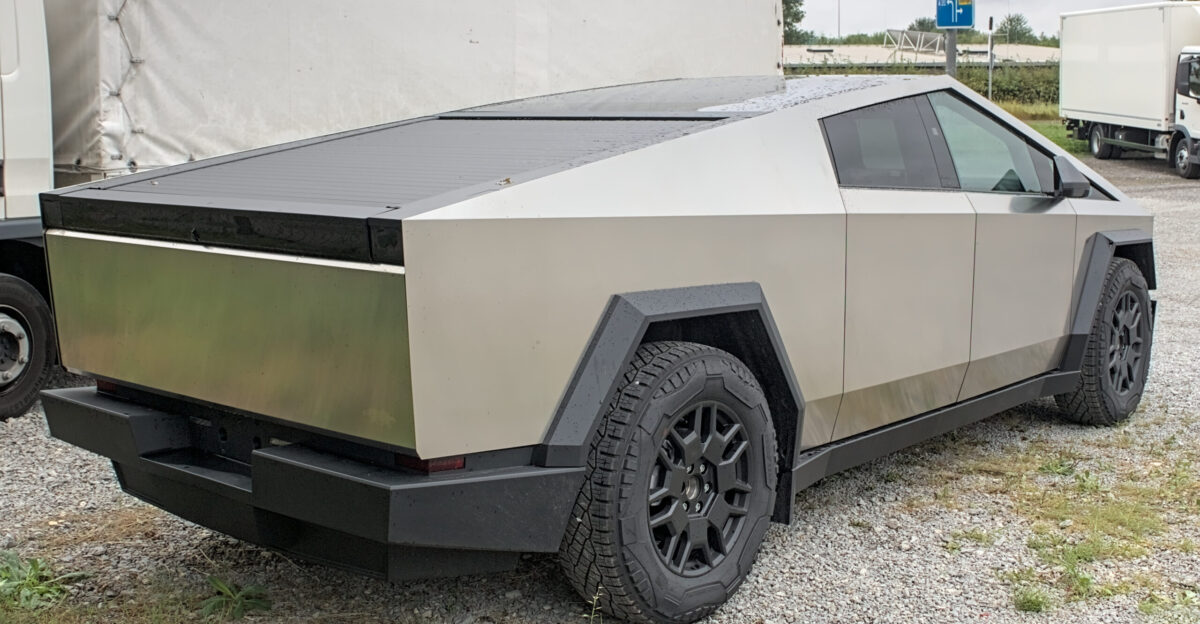
Elon Musk admitted 5 March 2024: “We dug our own grave with Cybertruck.” Stainless steel exoskeletons, unpainted panels, and novel processes complicate repairs, requiring flawless work to maintain quality.
The next slide shows how demand collapse worsened Tesla’s problems.
Demand Collapse
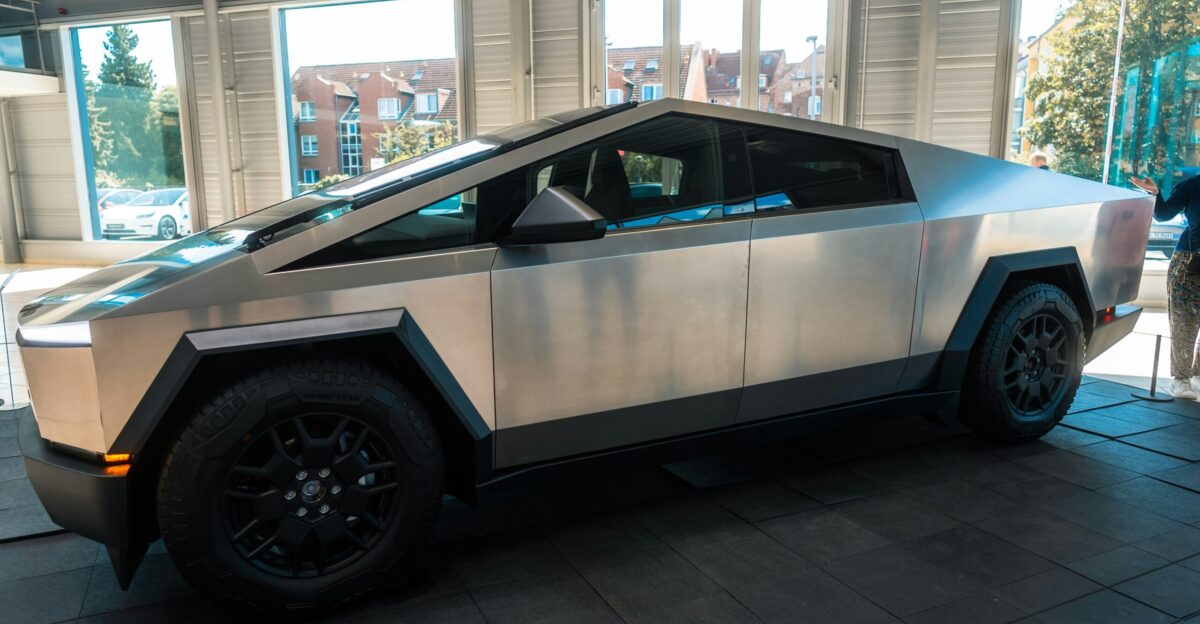
Production capacity exceeds 125,000 annually, but only 63,619 vehicles produced—over 80 percent idle. From 2 million reservations, just 2.5 percent purchased. Q3 2025 sales flatlined, dropping 63 percent.
Tesla’s market credibility has taken a hit. How the company is addressing the recall is next.
Remedy Process
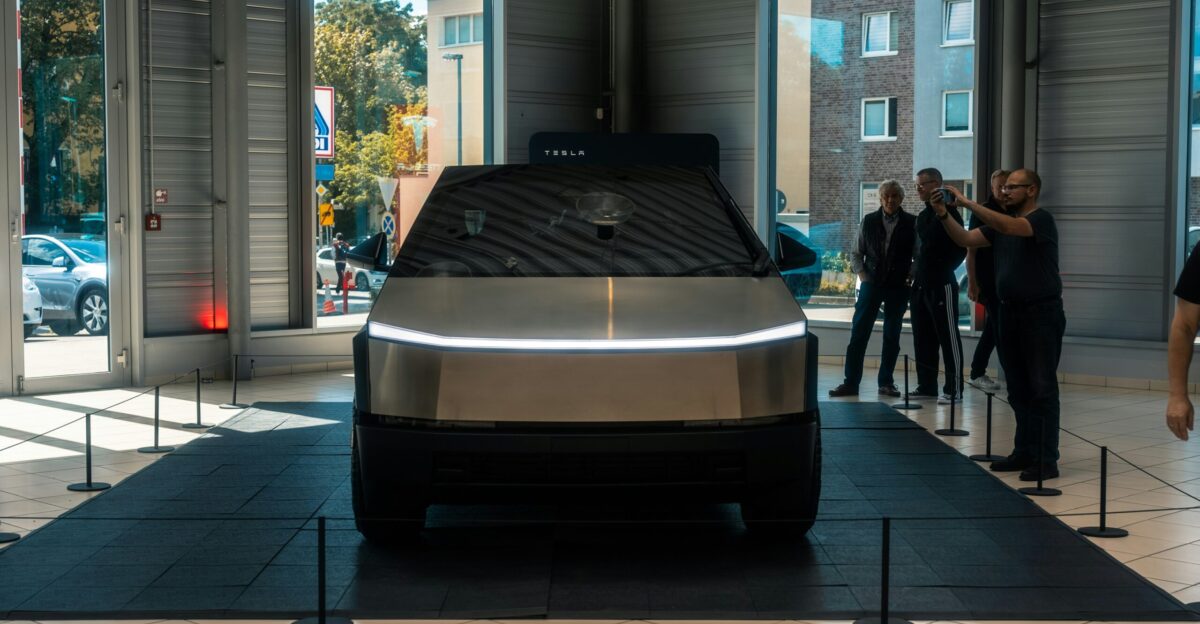
Tesla will inspect all recalled light bars for delamination. If damaged, the bar will be replaced using tape and mechanical bolts rather than adhesive. Mobile and service center repairs are free, aiming for safety compliance without charge.
Next, how owners will be notified and supported.
Owner Notification
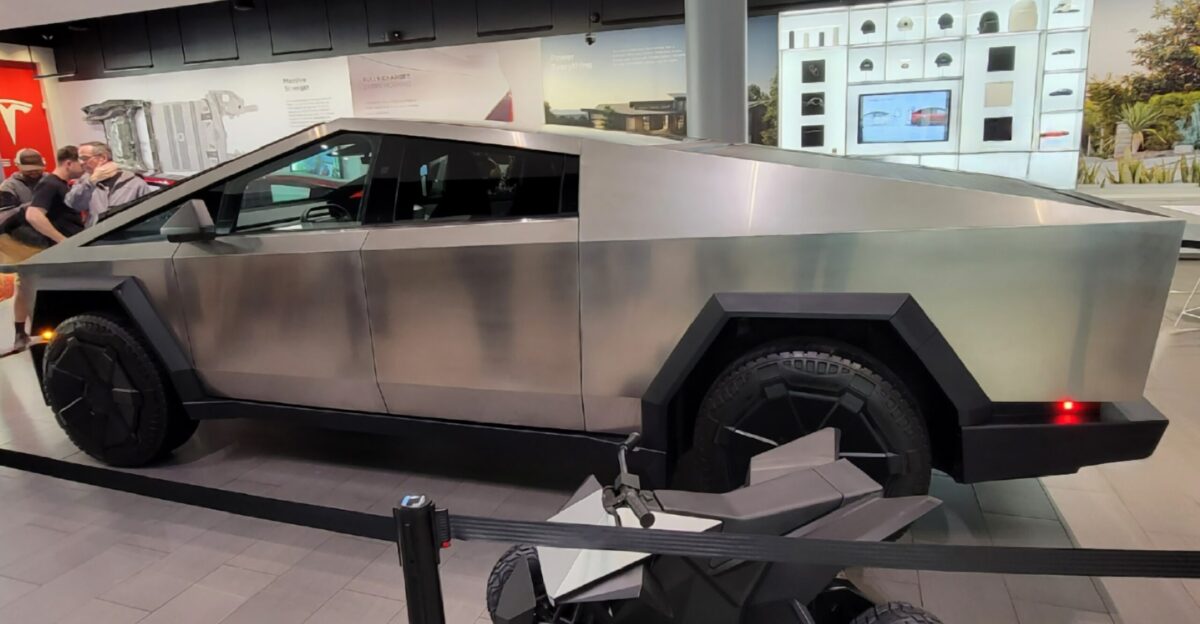
Notification letters are scheduled for 26 December 2025. Tesla stores and service centers have been informed since 30 October 2025. Customers can also call 1-877-798-3752 for assistance.
This ensures affected owners receive guidance. Finally, long-term consequences are examined.
Long-Term Consequences
The recall adds to Tesla’s 10 Cybertruck recalls in under two years. Analysts warn of brand damage, financial losses, and weakened competitive position. Morningstar noted 20 March 2025: “We see little impact on Tesla’s brand or vehicle deliveries from the recall,” though delivery expectations were lowered.
The story underscores the Cybertruck’s turbulent journey and what lies ahead for Tesla.