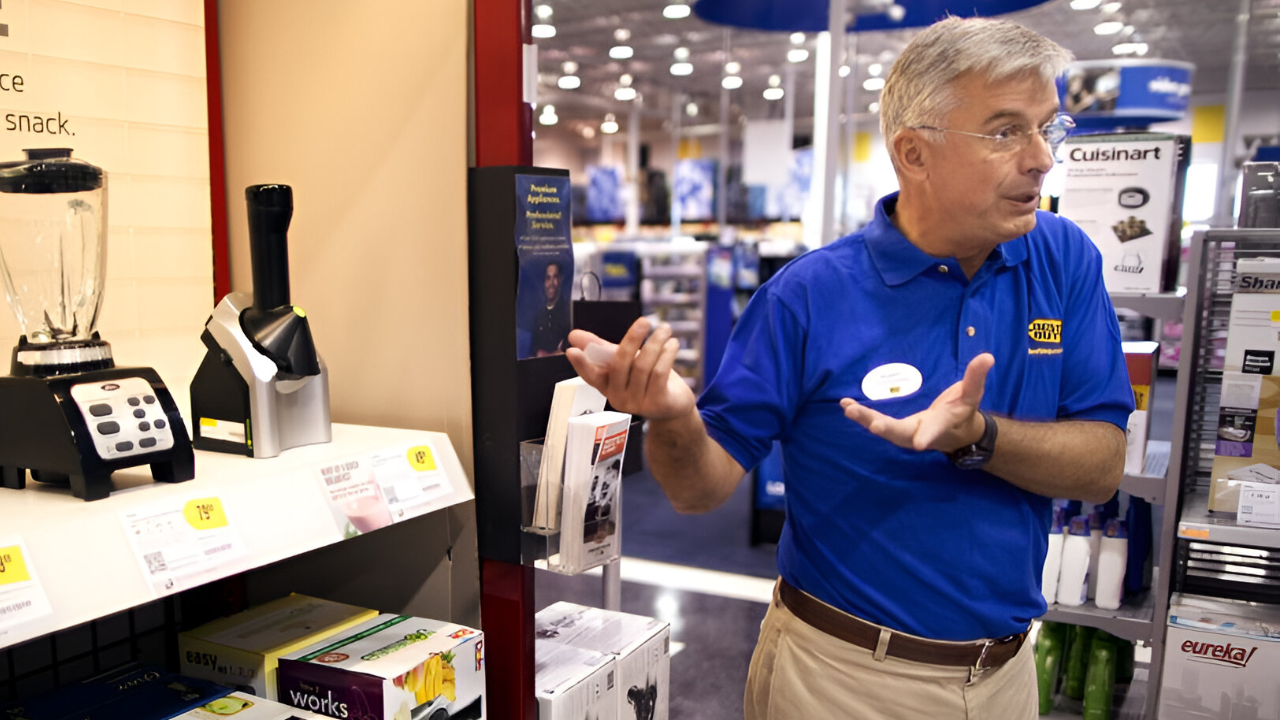
Retailers are changing return policies because of huge numbers of returns. In 2025, Americans will return about $849.9 billion worth of goods. That amount equals nearly one-sixth of all retail sales. When people return items, they often see a printed return label, a smaller refund, and a new fee before they even seal the package. This happens millions of times each year.
Fraud and Abuse Push New Rules
Stores blame fraud and bad habits for their tough new policies. About 93% of retailers call these problems a big worry. That’s why so many now charge fees for returns. One common trick is bracketing. Shoppers buy several sizes or styles of an item, planning to send most back.
Data from the National Retail Federation and Happy Returns shows this spikes during holidays. As 2025 holiday returns grow, fees act as the first line of defense against abuse.
Fees Hit Refunds Directly
Retailers now take fees right out of your refund money. This changes how returns work financially. For example, Zara charges $4.95 for each returned item. Macy’s subtracts $9.99 from refunds sent by mail. Best Buy adds a 15% restocking fee on opened electronics. Kohl’s does the same for goods that are not defective. These cuts affect families right away. True “free returns” are now rare after stores check your order.
Fees Spread to Many Store Types

Return fees show up in clothing, electronics, furniture, and beauty products at big chains. Best Buy can charge up to $45 for returns on phones and tablets. TJ Maxx, Marshalls, and HomeGoods take $11.99 for items mailed back. JCPenney adds $8 for each mail-in return.
They also charge up to 20% on furniture and fees for pickups. Urban Outfitters, Dillard’s, and J. Crew now add restocking or shipping label costs. These rules tighten control across the whole industry.
Longer Return Times Come with Catches
Major stores like Amazon, Walmart, Target, Best Buy, Macy’s, and Kohl’s let most holiday returns go until January 2026. This gives shoppers more time. But it pairs with fees, strict proof requirements, and some items left out. People must weigh the extra days against higher costs and extra steps. Long return windows no longer mean simple refunds.
Online shopping has exploded. It leads to more people buying online but returning items in physical stores. This strains store staff, space, and stock systems, especially during holidays. “Reverse logistics” handles the returned goods. That means shipping them back, checking them, repackaging, reselling, or throwing them away. It costs retailers billions each year. They also spend more on tools to spot fraud. All this hurts profits as returns continue into 2025.
Gen Z shoppers drive a lot of this. About 51% of them do bracketing, which leads to higher return rates than other age groups. Many store workers who handle returns are Gen Z too. New rules now make people think twice before buying on impulse.
Shoppers are changing habits because of fees. They check size charts, reviews, and product details more carefully before buying. This cuts down on bracketing and trying multiple items. Fees from $5 to $45 per return raise the true cost of shopping. Shelf prices stay the same, but your budget feels the hit, especially over holidays at many stores. No federal laws control these fees. Retailers mostly police themselves, though some push for clearer rules.
Returns create waste that ends up in landfills, mainly from fashion items. Stores say limits help the environment by reducing this. Critics argue fees avoid fixing bigger problems like making too many products. New businesses are popping up to help. They offer return platforms, fraud checks, and shipping services. This turns the return problem into a growing industry.
Tighter rules help stores make more money, which draws investors. Shoppers adapt by reading policies first and trying items in stores when possible. With $850 billion in yearly returns and most retailers adding fees, these changes seem here to stay. As 2026 approaches, better fraud checks, shipping realities, and careful buying will shape shopping. Retailers balance easy access with smart cost controls.
Sources:
“Consumers Expected to Return Nearly $850 Billion in Merchandise in 2025.” National Retail Federation, 14 Oct 2025.
What to know about new return fees, timelines from retailers for holiday gifts.” ABC News, 09 Dec 2025.
“Best Buy charges $45 return fee: Full list of retailer return policies.” NJ.com, 17 Dec 2025.
“Wardrobing and Bracketing: Managing Returns This Peak Season.” Parcelhub, 21 Aug 2025.