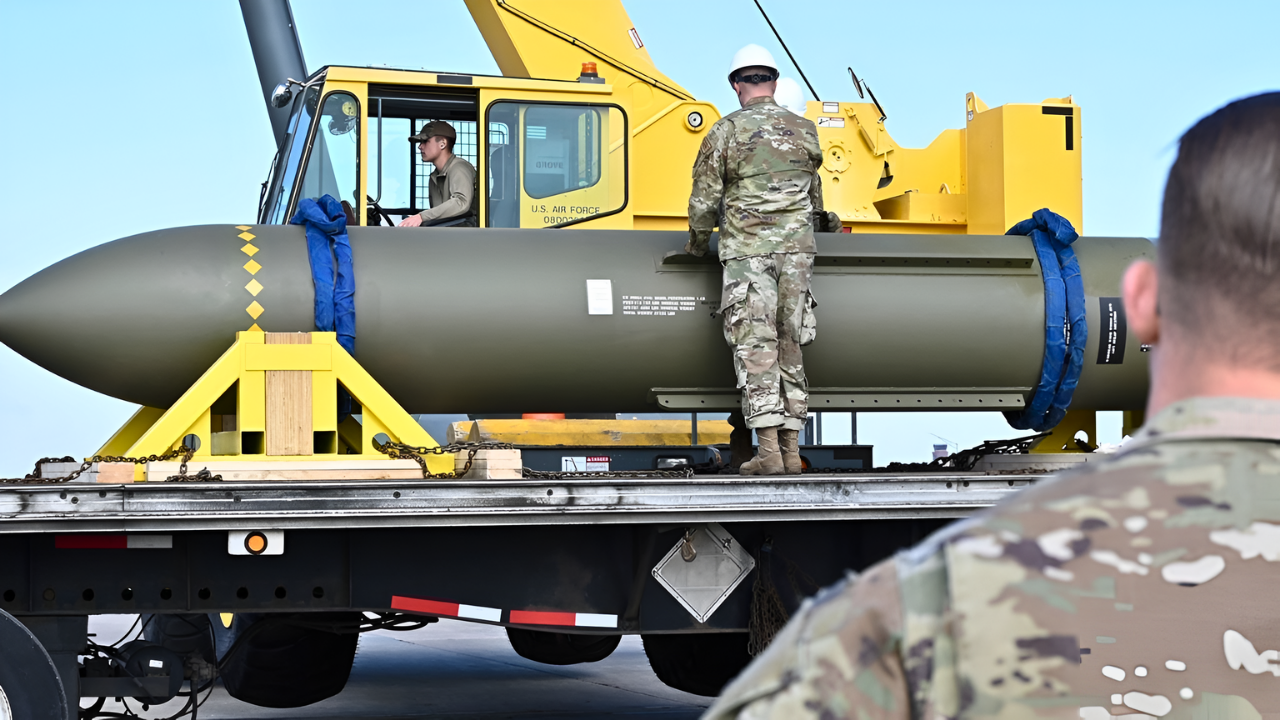
61 African migrants, mostly Ethiopians looking for employment in Saudi Arabia, were killed when the United States launched an airstrike on a Houthi-run prison in Yemen’s Saada province on April 28, 2025. The use of two 250-pound GBU-39 precision-guided bombs, a U.S. military standard, and the absence of military personnel or targets at the facility prompted Amnesty International to demand a war-crimes investigation.
President Trump’s “Operation Rough Rider,” which targeted Houthi positions to counter Red Sea shipping disruptions, was the backdrop against which this attack took place. As America’s Yemen campaign comes under the most intense scrutiny in decades, the incident rekindled international discussion on civilian targeting, accountability, and the confluence of humanitarian boundaries and military strategy.
Civilian Costs and Geopolitical Motives
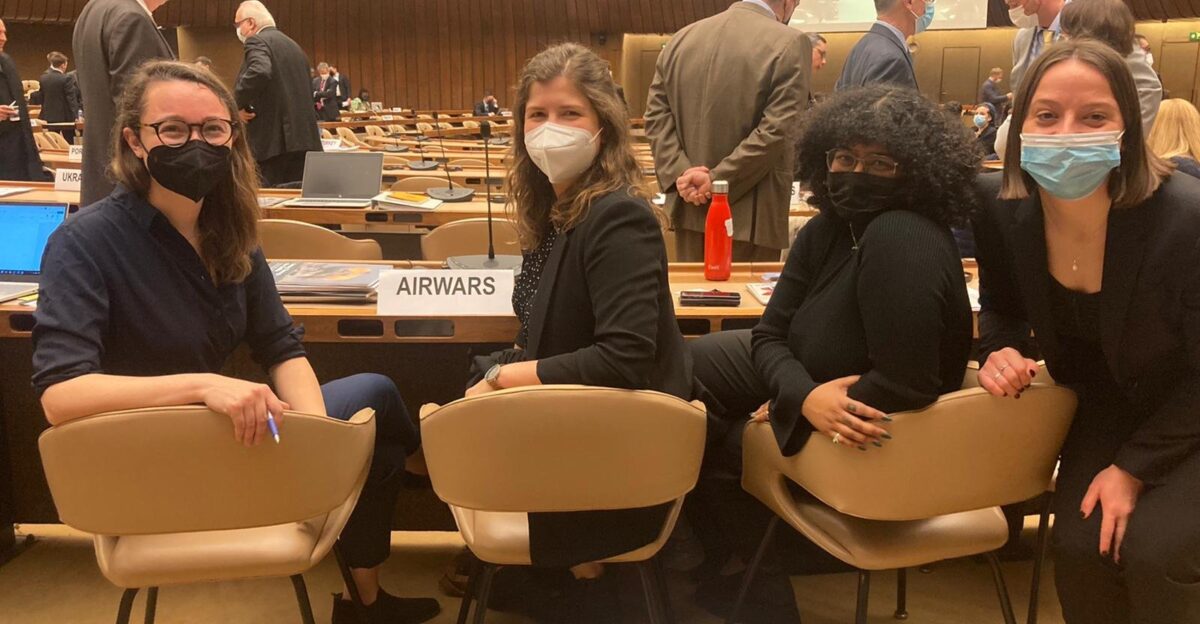
According to Airwars, Operation Rough Rider killed over 224 civilians and hit about 1,000 sites in a matter of weeks, marking an unprecedented increase in U.S. military activity in Yemen. Although the operation’s declared objective was to eliminate Houthi threats to international shipping, its effects have disproportionately affected conflict-trapped migrant populations.
This oversight violated previous ethical and strategic norms and resulted in a civilian casualty rate that was almost identical to two decades of previous U.S. strikes in Yemen. Now, observers argue over whether these strategies, which are justified by national interests, uphold international law or damage America’s reputation as a self-described global human rights defender.
Targeting Failure and Precision-Guided Weapons
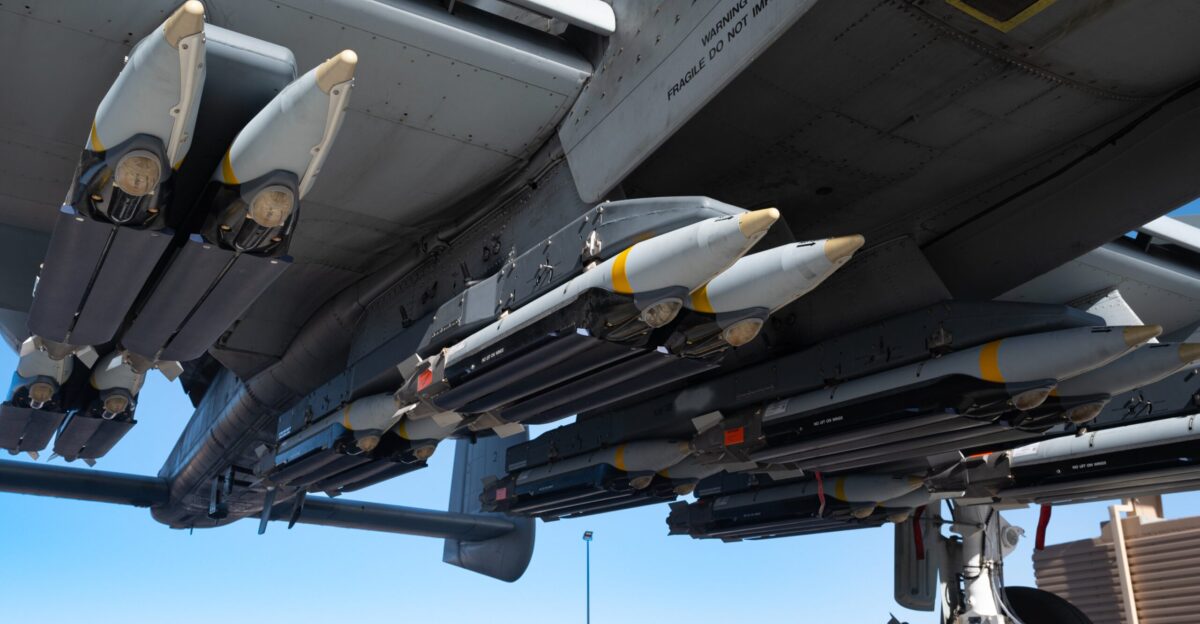
The pinnacle of US military technology is represented by GBU-39 small-diameter bombs, which are engineered for precision and minimal collateral damage. However, 61 noncombatant migrants died in Yemen as a result of their deployment, in a facility that the Saudi-led coalition had previously bombed in 2022. Amnesty discovered no proof of weapons or military preparation, and survivors claimed there were no combatants.
A concerning failure in targeting databases is demonstrated by the repeated fatal errors at the same prison compound, which raises concerns about the accuracy of U.S. intelligence, institutional memory, and willingness to update strike protocols in conflict areas where civilian movement predominates.
Desperation of Migrants and the Economics of War Zones
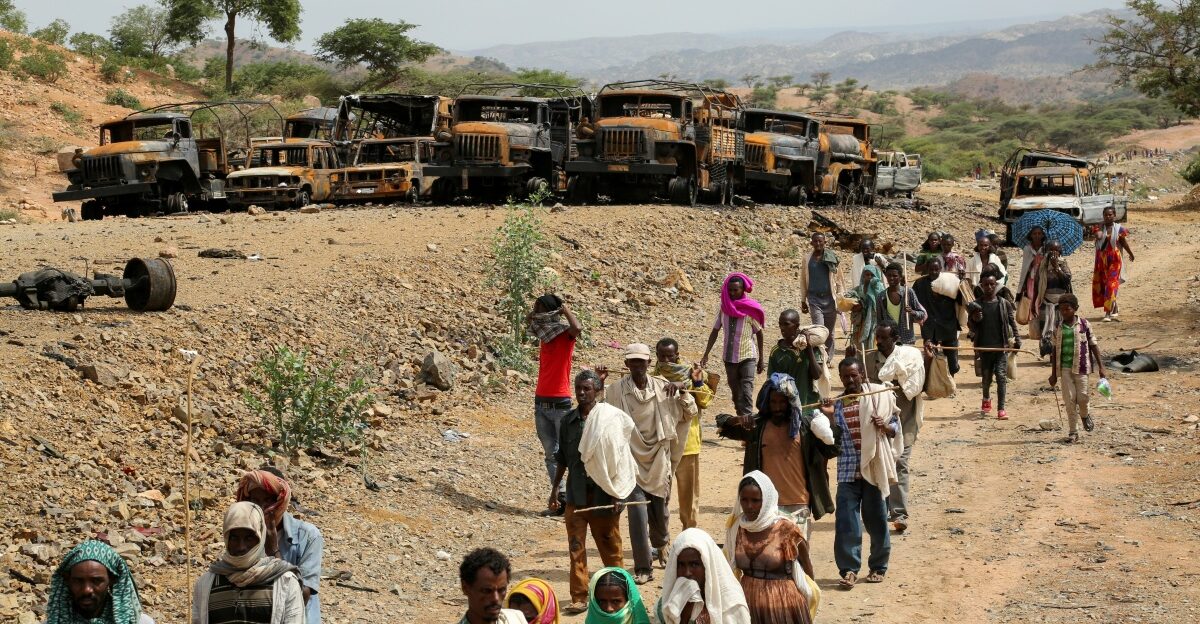
The victims were Ethiopian migrants who were arrested while traveling through an area of active conflict in search of employment opportunities in the Gulf. Tens of thousands of people travel this route every year despite the serious risks involved.
Their deaths demonstrate the confluence of geopolitical conflict and migration desperation, exposing economic pressures so intense that survival instincts are ultimately subordinated. Families now have to deal with the terrible reversal: rather than getting remittances, they have to save or grieve their loved ones overseas, which intensifies the humanitarian consequences far beyond Yemen’s boundaries. A larger failure of international cooperation, protective humanitarian frameworks, and regional security is revealed by this migration pattern alone.
Operation Rough Rider: Acceleration of History
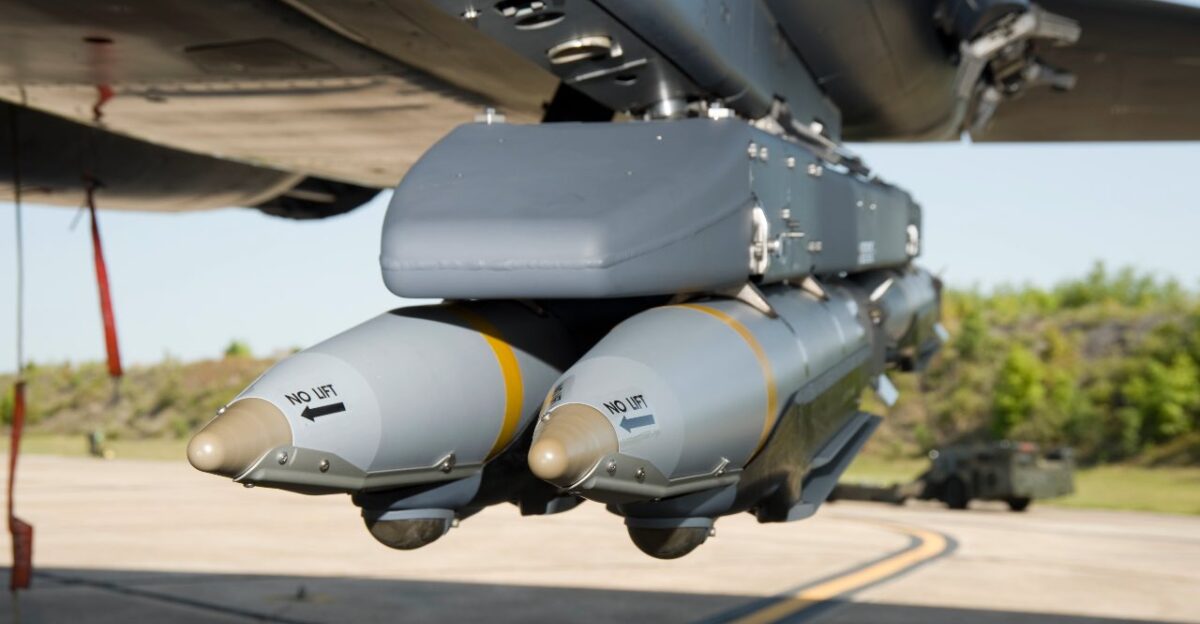
In a matter of weeks, Operation Rough Rider reduced the number of civilian casualties from over 20 years of American strikes. The operation was as large and controversial as previous campaigns, with over 224 civilians killed. This quick pace raises questions about the strategic justification for such aggressive escalation as well as its immediate consequences.
The campaign reaffirmed risky patterns, such as putting short-term shock results ahead of long-term instability, humanitarian fallout, or the weakening of normative safeguards for civilian locations in conflict areas.
The Prison Compound in Saada
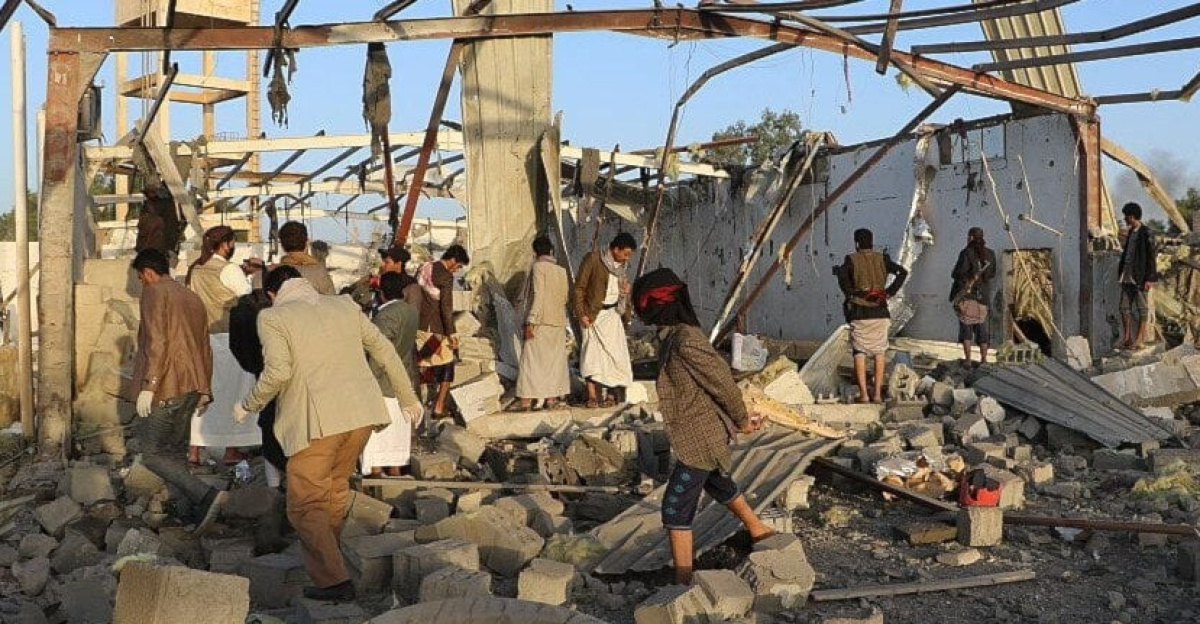
The Saudi-led coalition attacked the same prison compound in 2022, killing 66 and injuring 113, while the United States attacked it in 2025, killing 61. Over 113 migrants were injured and 127 migrants lost their lives in the two incidents.
This infrequent recurrence reveals a flagrant failure in data sharing and coalition coordination. The bombing of the same civilian site by two major allied powers in three years is nearly unprecedented; experts attribute this type of targeting failure to either systemic negligence or seriously flawed prioritization under fire.
International Law: The Discussion of War Crime

According to Amnesty International, the prison strike met the criteria for a war crime, which is forbidden by international law in the absence of a justifiable military goal. The lack of fighters, weapons, and military activity within the compound was verified by survivors and independent reporting.
The persistent targeting of detainees and civilians is a flagrant violation of accepted norms, and the pressing need for an impartial investigation is a sign of larger calls for accountability. Legal experts are currently investigating whether the United States’ rapid escalation and “threshold” civilian harm model fundamentally violates important Geneva Conventions clauses.
Official Silence and Promised Transparency
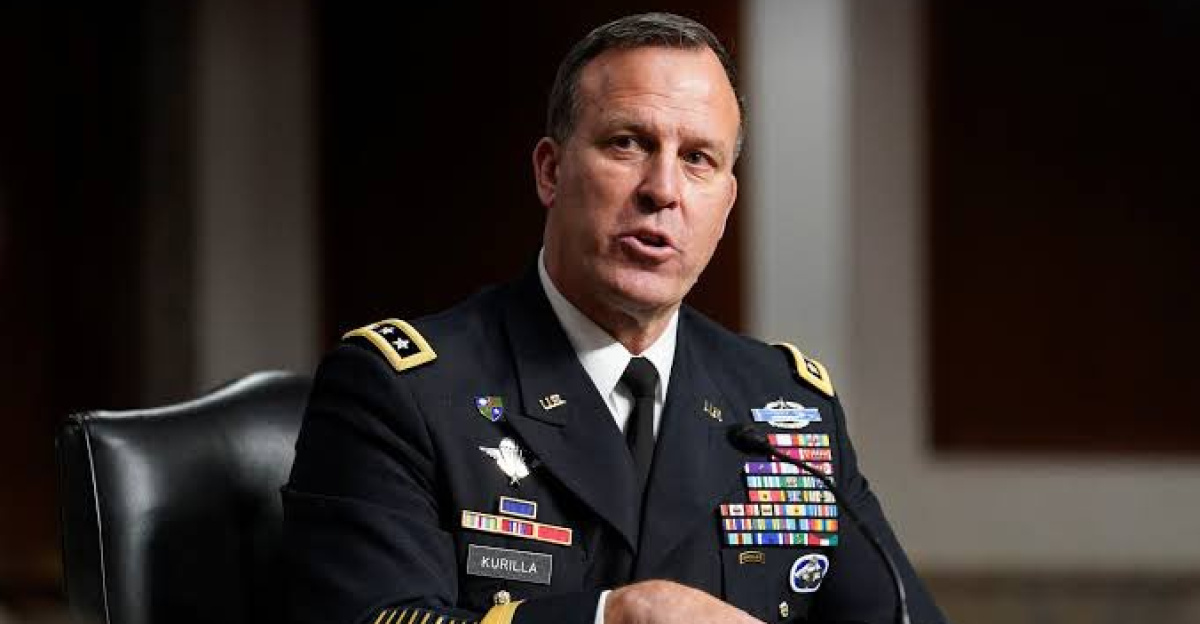
During testimony before Congress in June 2025 and again following the Saada prison incident, U.S. Central Command and General Michael Kurilla pledged that civilian casualty data from Operation Rough Rider would be made public. However, no official results have been released four months later, raising suspicions of a cover-up or institutional intent to avoid scrutiny.
Global perceptions of U.S. accountability are weakened by this void, which also heightens demands for independent inquiry, openness, and efficient response mechanisms to now-verified civilian harm.
Migration Dynamics and Humanitarian Repercussions

The strike’s aftermath has made Yemen’s humanitarian crisis worse because the Houthis are still holding dozens of aid workers and UN employees. With international organizations finding it difficult to respond to both rising casualty rates and intensifying regional hostilities, migrants are once again at risk.
Safe passage options have been discouraged due to the growing danger for African migrants, which has exposed the consequences not only for immediate victims but also for the sustainability of international aid and the safety of noncombatants, highlighting the failure of military campaigns to insulate or protect bystander populations in protracted conflicts.
Challenges to American Exceptionalism
The narrative of American exceptionalism is severely undermined by the campaign’s rapid acceleration of casualties. While earlier operations emphasized strategic restraint and precision weapons, Operation Rough Rider witnessed “smart bombs” killing the wrong people at previously unheard-of rates.
Policymakers, commanders, and public advocates dedicated to the United States’ moral leadership in international conflict are uncomfortable with the intelligence oversights and decision-making errors, which show a strategic departure from proportionality and discrimination.
Target Database Issues and Recurring Failures

Deep flaws in military intelligence and coalition data sharing are exposed when the same civilian site is struck twice in three years with disastrous outcomes.
The ongoing targeting failure raises the possibility that coalition partners don’t have reliable, up-to-date databases or systems in place to stop civilian tragedies from happening again. These mistakes reveal both ethical and technical shortcomings in military behavior, raising concerns about institutional learning and adaptability in dynamic conflict situations in addition to operational competence.
Survival instincts versus economic pressures
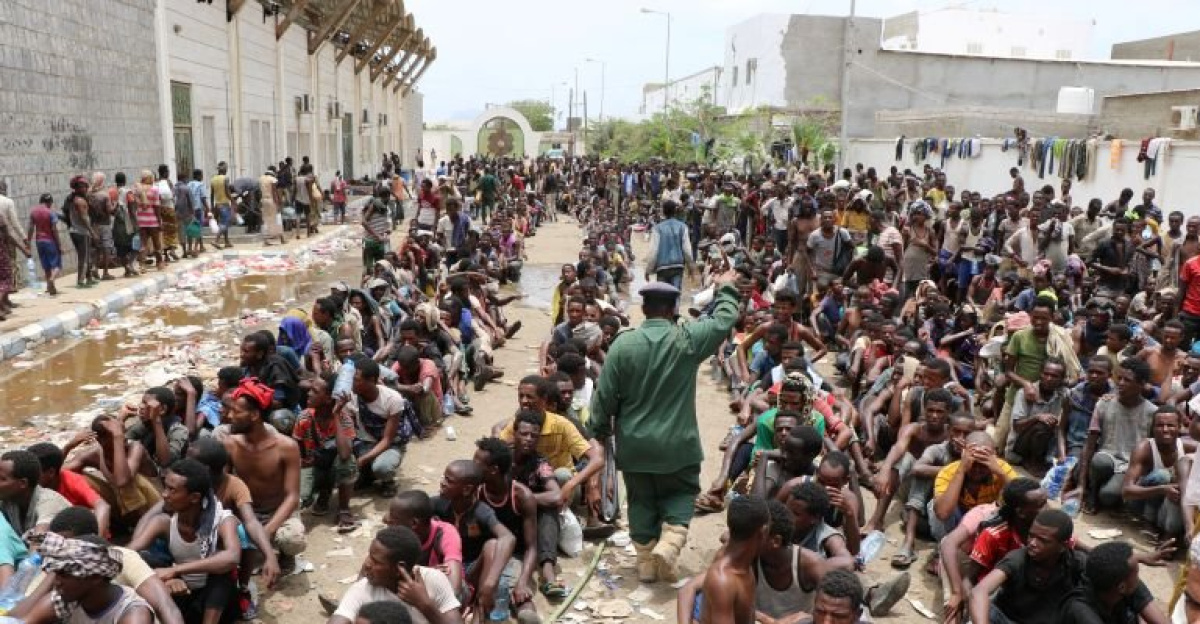
One of the main causes of the Saada catastrophe is migration desperation. Ethiopian migrants, whose families depend on remittances to survive, risked Yemen’s lethal terrain in order to obtain jobs in the Gulf.
A defining humanitarian crisis and a potent emotional hook, the fact that families in Yemen now have to pay bills in order to recover or identify loved ones starkly exposes the perverse reversal of economic flows. Extreme poverty and labor migration trajectories surpass even avoiding war zones as survival priorities, as this situation demonstrates.
Indicators of Humanitarian and Regional Escalation

The aftermath of the operation has sparked a regional escalation, with the Houthis holding over 59 UN employees hostage and threatening more attacks on Saudi interests.
Secondary and tertiary effects, worsening aid access, undermining peacemaking, and raising the risk of hostilities that could ensnare larger international actors and civilian populations, are highlighted by the fragility of humanitarian corridors and the escalating diplomatic standoff.
Institutional Learning and Accountability: Blind Spots

Coalition tactics and data repositories have institutional blind spots, as demonstrated by the repeated strikes on the Saada prison. It is directly against best practices in military operations and risk mitigation to not update or cross-reference targeting data over several years.
In theaters where bystanders are inevitably caught in the crossfire, this lack of learning increases the likelihood of future civilian disasters and necessitates a review of coalition workflows, intelligence standards, and accountability models.
Trends in the Media, Advocacy, and Public Awareness

Prominent advocacy organizations and independent researchers, such as Airwars and Amnesty International, have influenced public discourse regarding the moral limits of contemporary conflict and increased scrutiny of U.S. operations. Calls to look into and change targeting, transparency, and civilian protection standards gained momentum after the Saada strike.
Both official responses and calls for more dependable risk-mitigation tactics in upcoming campaigns are driven by the pressure for accountability as media coverage globalizes narratives of civilian harm.
Future Directions and Strategic Reckoning
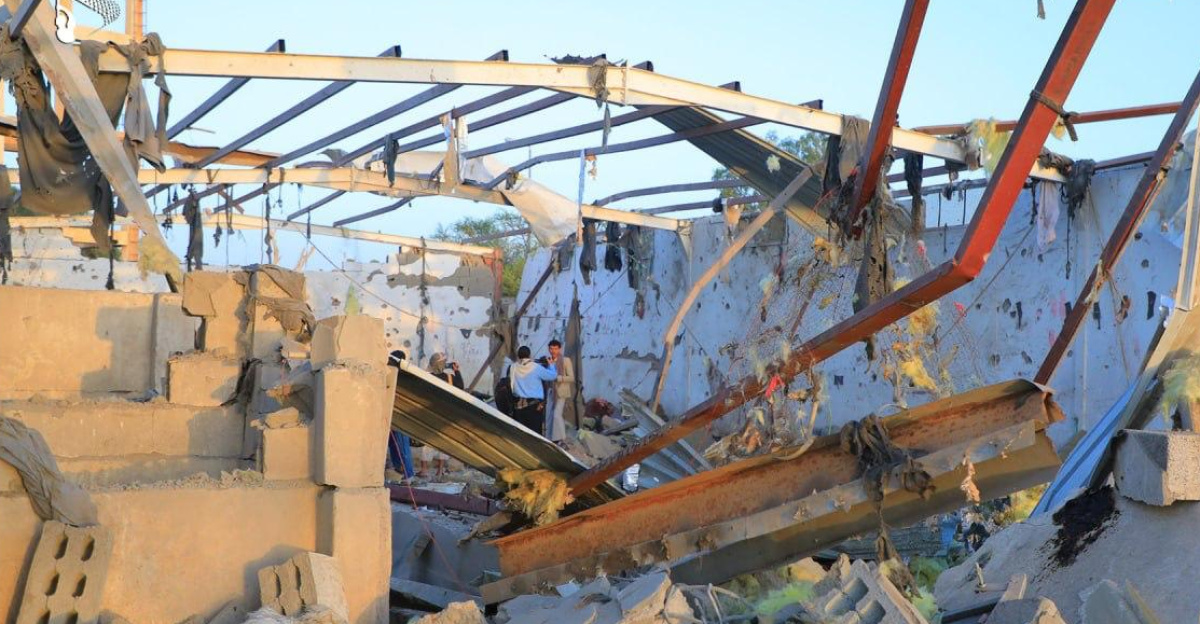
The airstrike on the Saada prison in April 2025 is a prime example of how rapid escalation, intelligence gaps, and strategic inertia can result in civilian tragedies at previously unheard-of scale and speed. Claims of American precision and restraint are undermined by Operation Rough Rider’s compressed casualty pattern and its echoes of the 2022 strike. International doubts about the campaign’s morality and legality are reflected in Amnesty International’s calls for a war-crime investigation.
Moving forward, the telos of military strategy in the contemporary era can only be fulfilled by strong transparency, sincere institutional introspection, and moral reforms based on humanitarian principles.