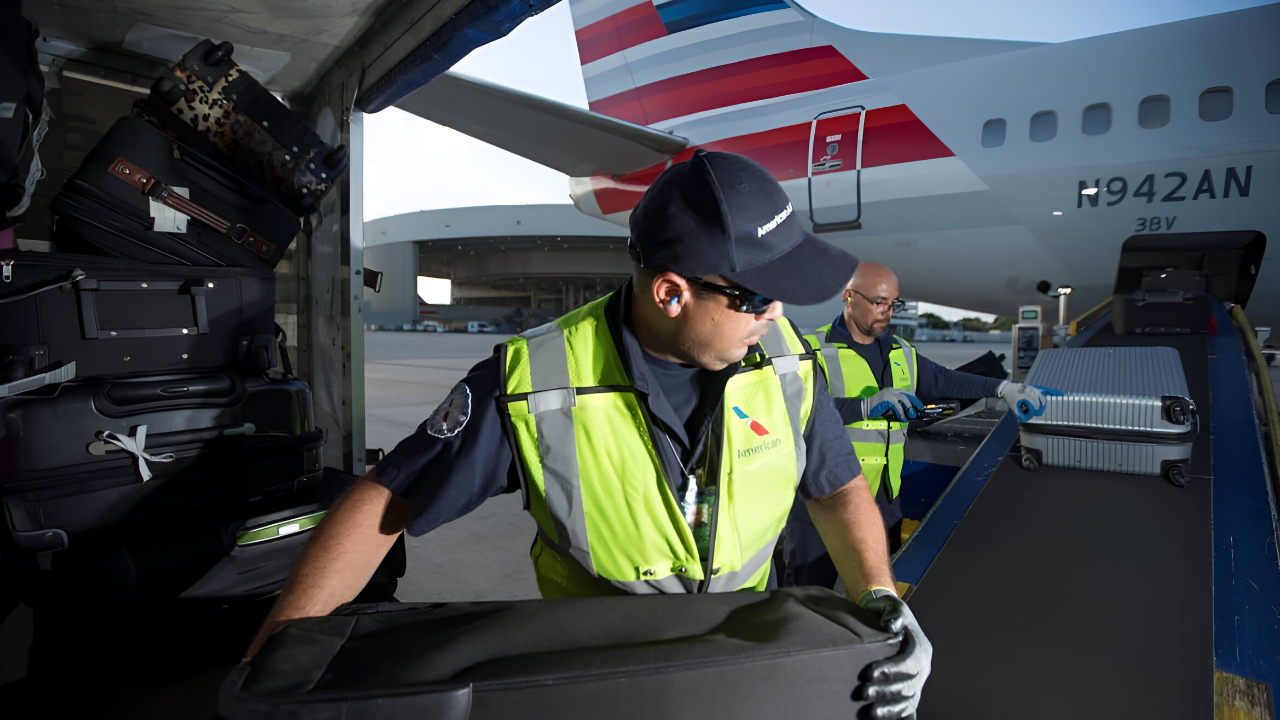
American Airlines is slashing corporate jobs in response to a dramatic profit slump, leaving hundreds uncertain about their future. Mid-management and support staff at Fort Worth headquarters are most affected, with some roles being outsourced overseas. This move highlights a broader struggle with profitability, efficiency, and post-pandemic workforce adjustments.
Understanding the scale, timing, and reasoning behind these layoffs reveals how a once-record-profit airline is navigating a financial crisis. Let’s look into what prompted these cuts and how they could reshape American Airlines’ operations and local economy.
What’s Going On?
American Airlines announced layoffs of “hundreds” of corporate employees at its Fort Worth headquarters on 4 November 2025. Mid-management and support staff are primarily affected across IT, finance, communications, customer service, and airport operations. Industry estimates suggest 4-5% of the workforce may be cut, totaling up to 6,500 jobs.
Affected employees will receive severance, continued pay through April 2026, and career transition support. Outsourcing roles to India, particularly Hyderabad, is part of the plan. These cuts are a direct response to declining profits and inefficiencies. However, understanding the leadership’s role helps explain why these decisions were made.
Leadership Behind The Decision

CEO Robert Isom stated, “best-in-class cost management and a focus on strengthening the balance sheet” (5 November 2025). CFO Devon May, overseeing corporate finances, leads the restructuring. A spokesperson added, “The layoffs will help us optimize our performance and become even more efficient across the organization” (5 November 2025).
Decision-making focuses on corporate efficiency and long-term strategic planning. Understanding the financial performance that triggered these cuts clarifies the urgency of workforce reductions, especially in Fort Worth. The context of the total workforce highlights the broader impact.
Scale Of The Workforce
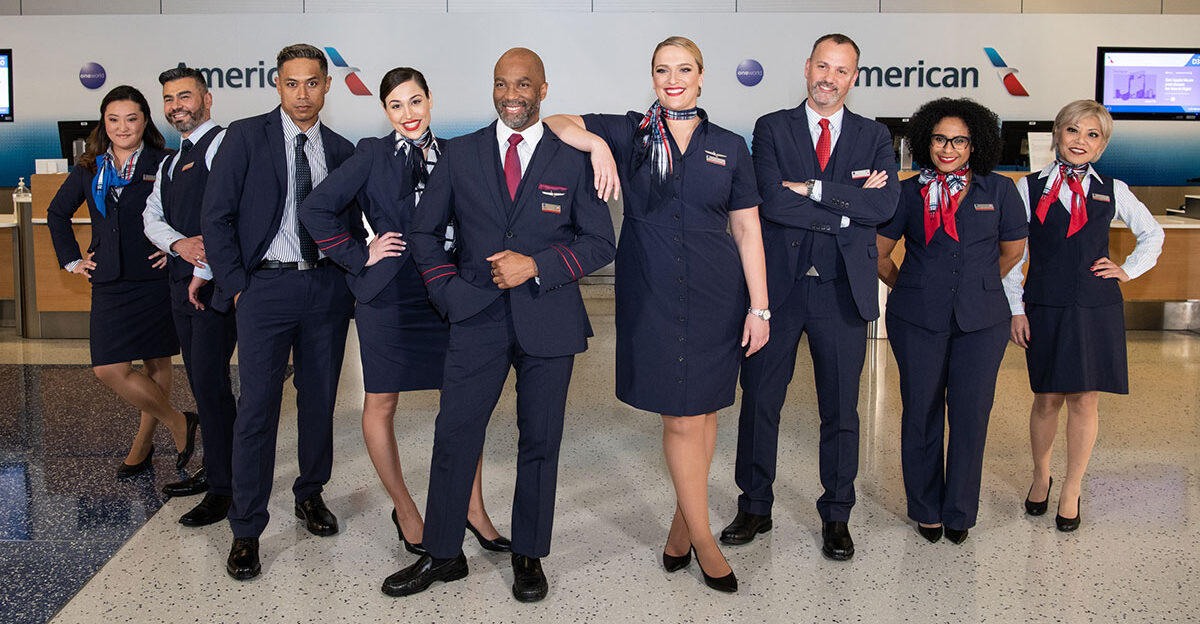
American Airlines employed 133,300 people as of 31 December 2024. The Dallas-Fort Worth region alone accounts for 35,000 employees. As the world’s largest airline by passengers and daily flights, American serves more than 200 million travelers annually, making corporate layoffs particularly significant in both scale and ripple effect.
These reductions touch multiple departments while keeping flight crews unaffected. Recognizing the economic contribution of the Fort Worth headquarters—nearly $43 billion annually—underscores how deeply the layoffs could influence the local community.
Community And Local Economy
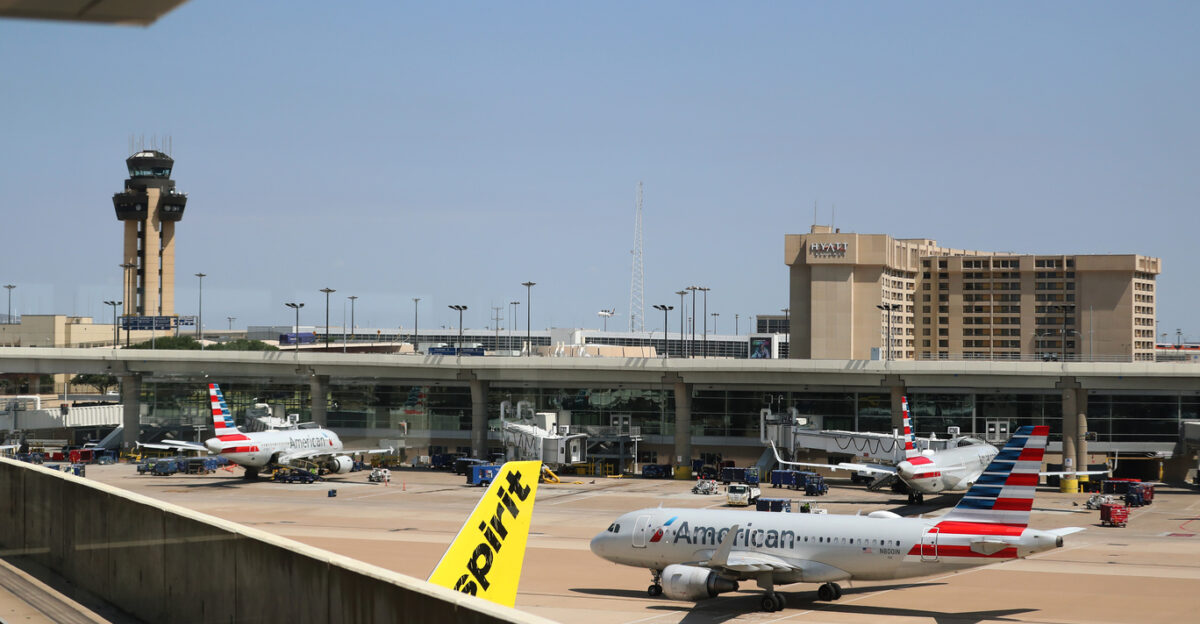
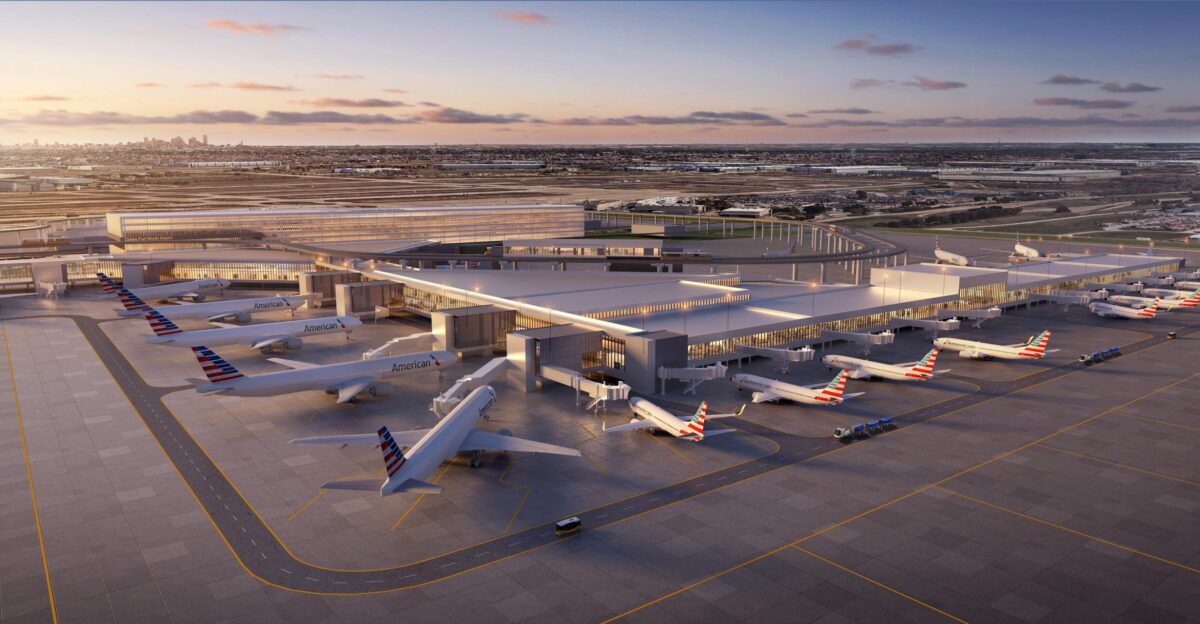
Fort Worth relies heavily on American Airlines as its largest corporate employer. Thousands of corporate jobs anchor the regional economy. Recent investments include over $4 billion expanding Terminal F at DFW Airport (4 November 2025). Local businesses, suppliers, and service providers will also feel indirect pressure from reduced corporate staffing.
Understanding the local stakes shows why even a “small reduction” matters. These layoffs may ripple beyond employees, affecting Fort Worth’s broader economic ecosystem, setting the stage for potential downstream impacts on regional suppliers and service sectors.
Business Travel Impacts
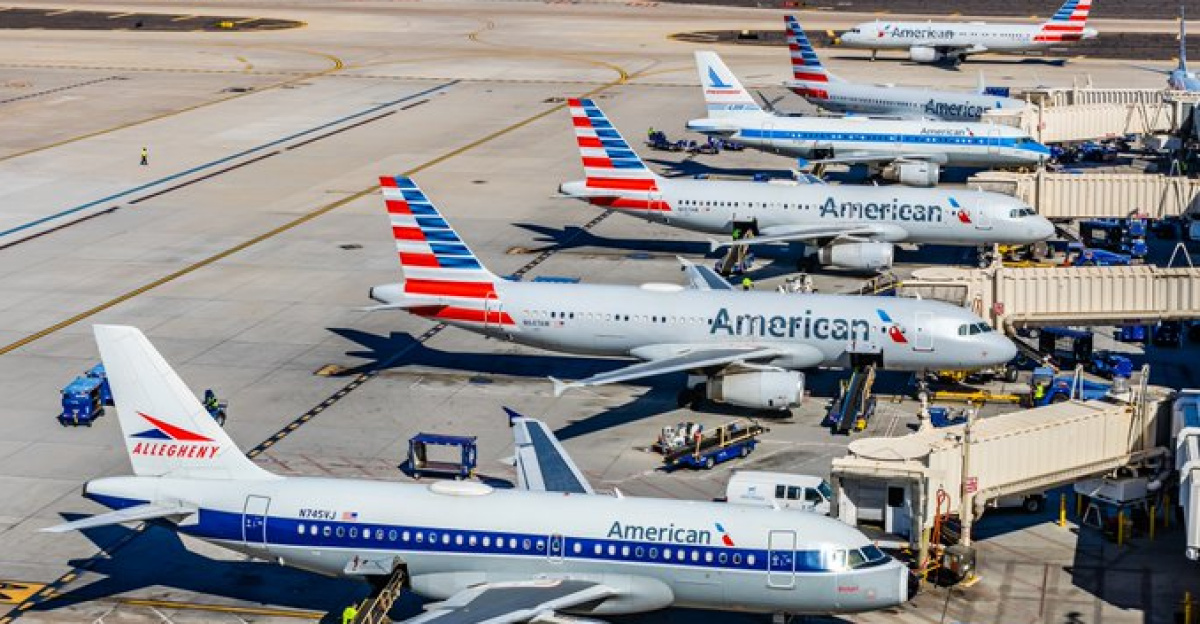
American Airlines experienced an 8% drop in business travel as of Q3 2025. Corporate clients and travel management companies (TMCs) had strained relations due to 2024’s distribution strategy. New contracts with major agencies were renegotiated in Q3 2025 (23 October 2024), but recovering lost revenue remains a challenge.
The decline in business travel revenue adds urgency to cost-cutting measures. Exploring the airline’s financial performance clarifies why layoffs followed quickly after disappointing quarterly results.
Supply Chain And Vendors
American works with thousands of suppliers, including over 200 certified diverse suppliers and 1,000 small businesses in 2023. Spending on diverse suppliers rose 7.4%, while small-business supplier spending grew more than 10%. Reducing corporate overhead could indirectly affect supplier contracts and regional procurement priorities.
The supply chain perspective emphasizes the extended impact beyond employees. This ripple effect helps explain why layoffs can have consequences that reach far past headquarters walls.
Industry-Wide Staffing Pressure
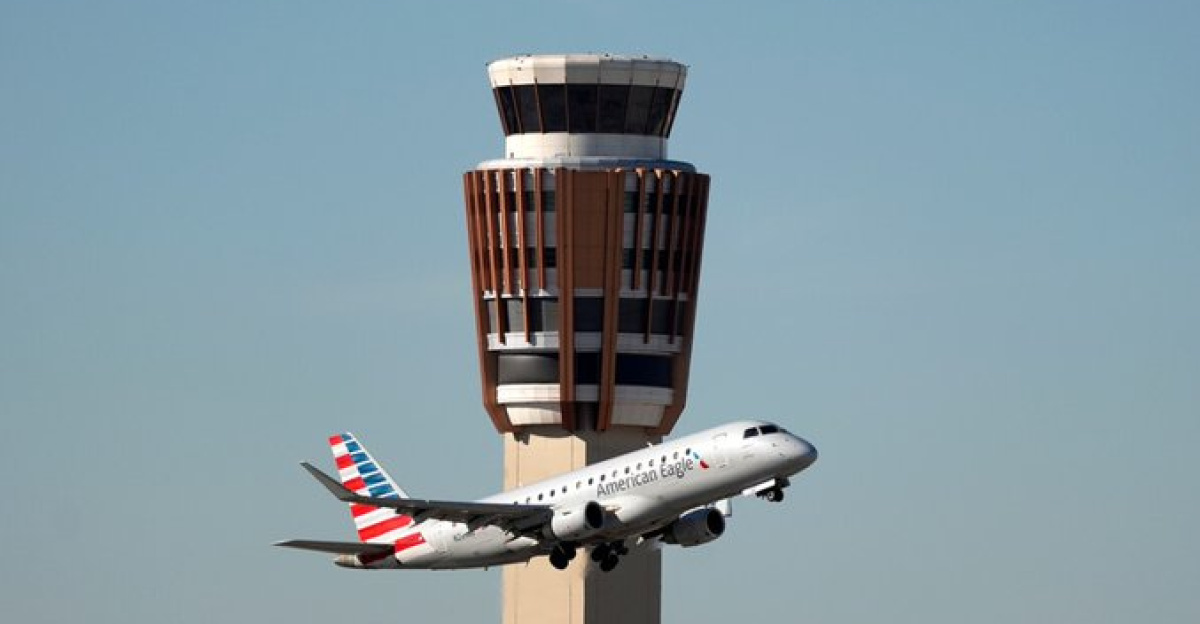
U.S. aviation faces labor shortages in air traffic control, maintenance, and entry-level roles. Southwest cut 15% of corporate roles in 2025, United reduced management 4%, and Lufthansa is shedding 4,000 jobs by 2030. American’s layoffs align with broader trends.
This context reveals that American is not alone. Industry-wide restructuring, combined with financial strain, underscores that this is a strategic adjustment rather than an isolated decision.
Layoff Announcement Timeline
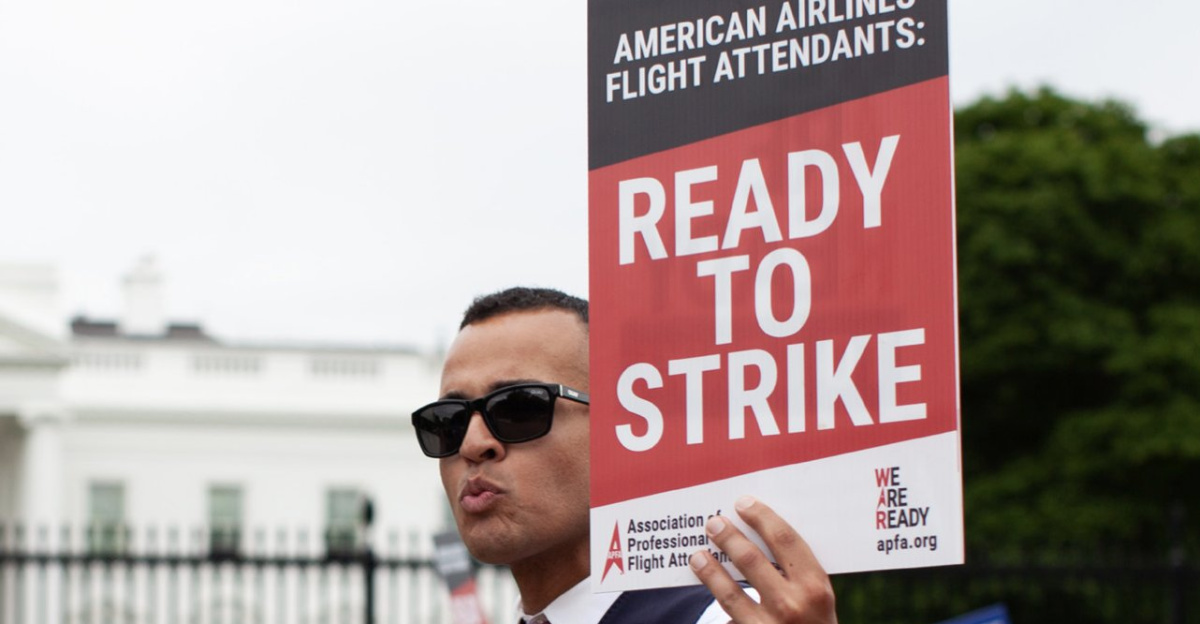
American announced layoffs on 4 November 2025, beginning the same week. Confirmation by media on 5 November 2025 noted “hundreds” affected. The timing followed Q3 2025 results released on 23 October, indicating management assessed performance before executing reductions.
The tight timeline between quarterly results and layoffs shows financial performance drove immediate decisions. Examining year-to-date profitability highlights the urgency behind the restructuring.
Financial Collapse Explored
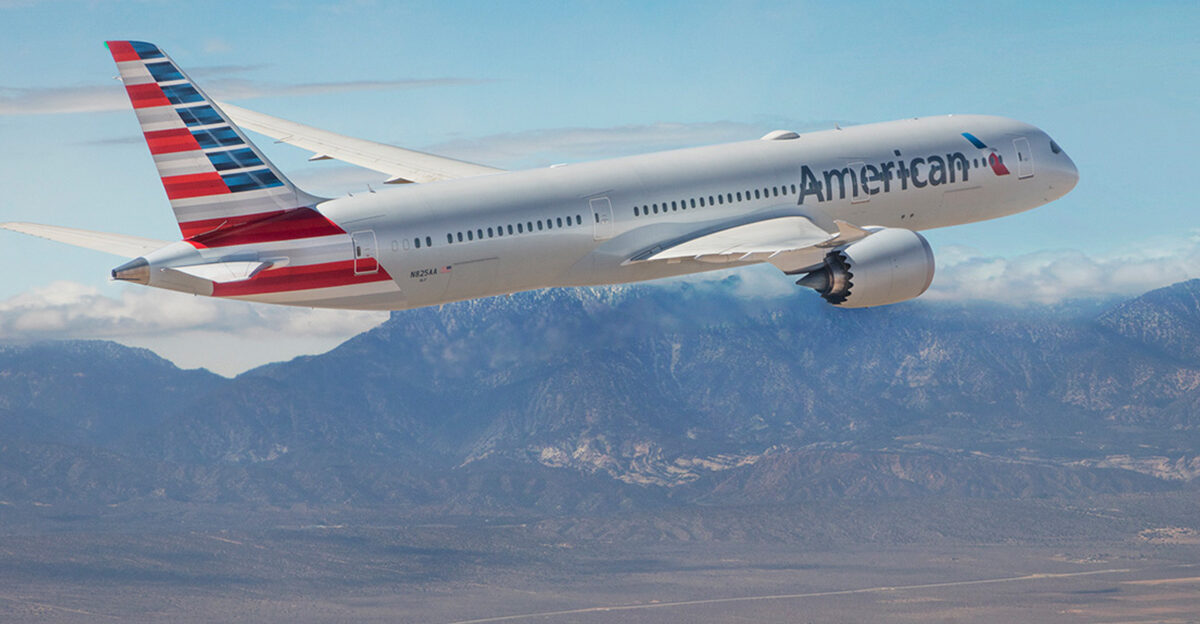
Through Q3 2025, American posted just $12 million in net profit, a 95.1% decline from $256 million in 2024. Despite record Q3 revenue of $13.7 billion, a $114 million loss exposed structural inefficiencies, illustrating that revenue alone cannot offset rising costs.
This sharp profit decline makes the layoffs understandable. Delving into quarterly breakdowns highlights the depth of the company’s financial challenges and contextualizes leadership choices.
Quarterly Performance Breakdown
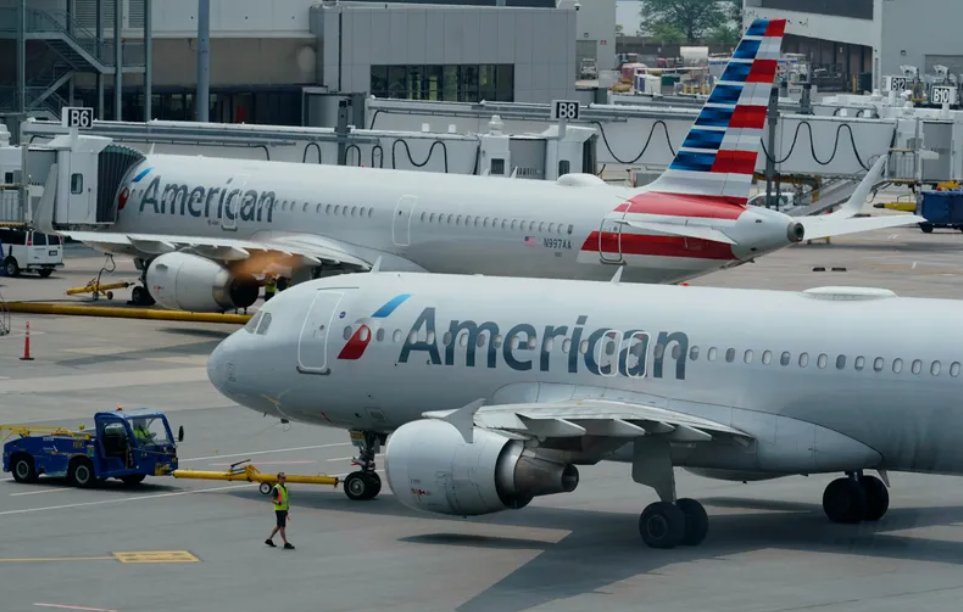
Q1 2025: $473 million loss (23 April 2025)
Q2 2025: $599 million profit on $14.4 billion revenue (23-24 July 2025)
Q3 2025: $114 million loss (23 October 2025)
Fluctuating profits reveal volatility and operational challenges. Despite losses, American raised 2025 full-year guidance, suggesting management believes cost reductions and restructuring will reverse trends in Q4.
The Profitability Paradox
Even with Q3 losses, American projected 2025 earnings of $0.65-0.95/share, with Q4 at $0.45-0.75/share. Expected free cash flow exceeds $1 billion . Layoffs are central to achieving these goals, demonstrating the delicate balance between short-term pain and long-term profitability.
The paradox of cutting jobs while forecasting profit underscores why structural changes were deemed necessary. Historical profit decline gives further perspective on how urgent these adjustments were.
Decade-Long Profit Decline
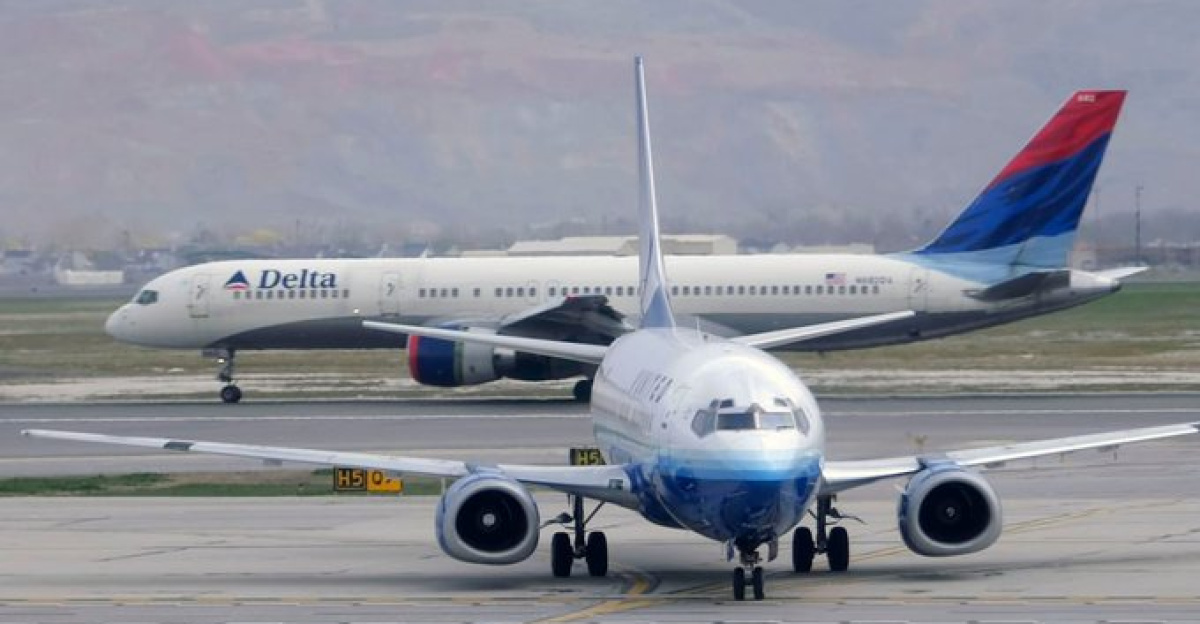
American’s profit fell from $7.6 billion in 2015 to $846 million in 2024, and just $12 million YTD 2025. This represents a 99.8% decline from 2015 peak. Delta and United remain far more profitable despite similar operations .
The decade-long underperformance shows systemic issues. Comparing competitors highlights a critical efficiency gap, setting up the explanation for cost-cutting and workforce reductions.
Cost Structure Crisis
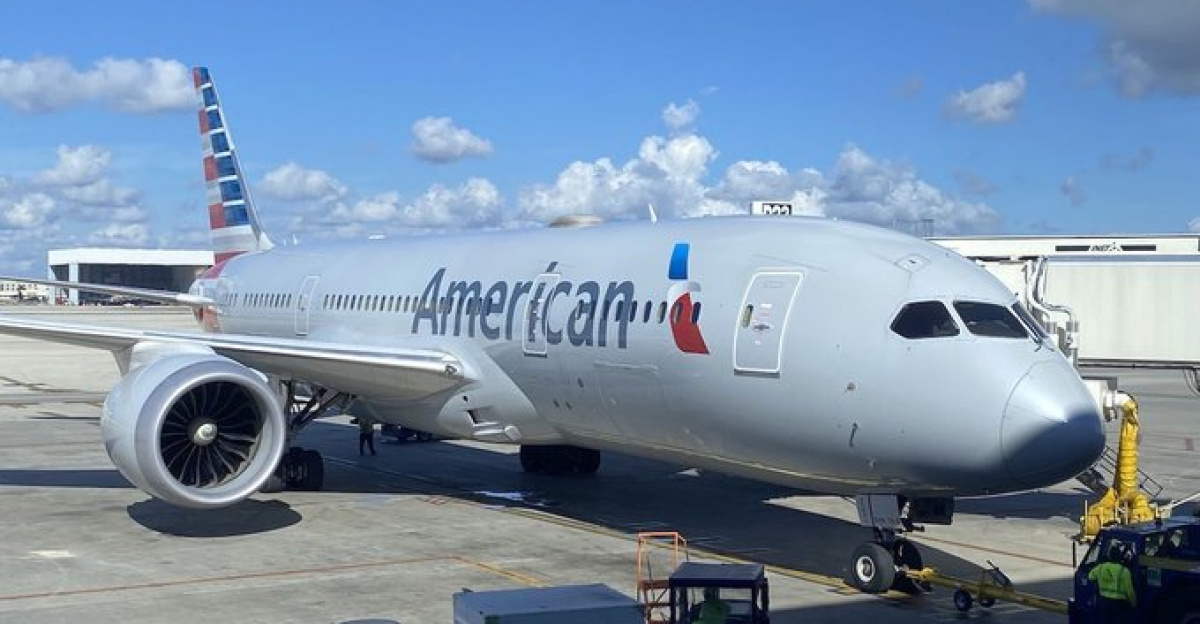
Record revenue in Q3 2025 still yielded a $114 million loss. Management seeks $750 million in cost reductions by year-end 2025. Revenue growth alone cannot offset bloated expenses, prompting workforce reductions as a key solution.
This demonstrates why even profitable quarters did not prevent cuts. Technology and efficiency initiatives become crucial in managing the cost structure.
Where Layoffs Hit Hardest
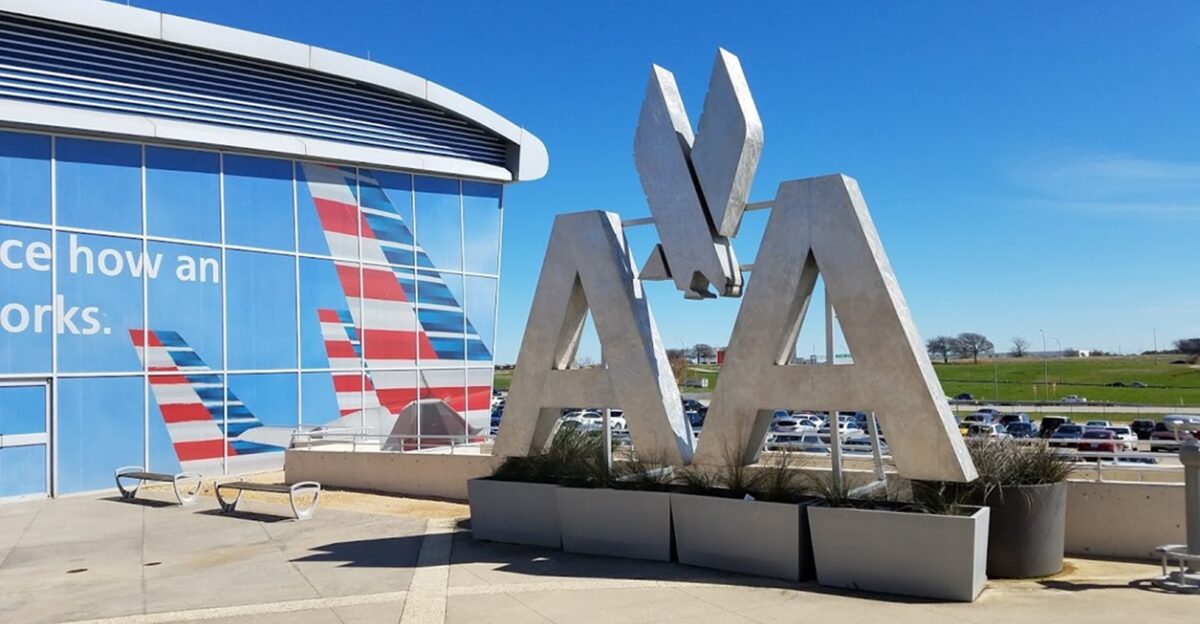
Fort Worth headquarters, 4255 Amon Carter Blvd, bears the brunt of reductions. Other locations may also see IT, engineering, and customer support roles affected, with some positions relocating to Hyderabad, India. The Fort Worth hub remains vital to American and Texas’ economy.
Geography clarifies local and global effects. Understanding regional stakes adds context to how layoffs influence both the company and broader communities.
Strategic Rationale Behind Cuts
Primary drivers: 95.1% YTD profit collapse, multi-year underperformance, cost structure inefficiency, and post-pandemic workforce expansion. CEO and CFO emphasize trimming excess while investing in technology and operational efficiency.
This rationale shows management is targeting both immediate cost savings and long-term competitiveness. The approach blends layoffs with reinvestment in growth areas.
Layoff Mechanics Explained
Notifications began 4 November 2025. Mid-management, support, and some airport operations roles affected. Severance, continued pay through April 2026, and career transition support provided. Flight crews and front-line airport staff remain unaffected.
The process details clarify who is impacted. Offshore outsourcing to India illustrates technology and cost strategy in action, connecting to the company’s efficiency goals.
Technology And Efficiency Focus

CFO Devon May noted a “multiyear reengineering to utilize technology to streamline processes”. AI and automation will replace some functions, making jobs redundant while improving long-term efficiency.
Technology explains why corporate roles are vulnerable. This aligns with broader industry shifts toward digital transformation, which influences future staffing trends.
Guidance Paradox And Recovery Plan
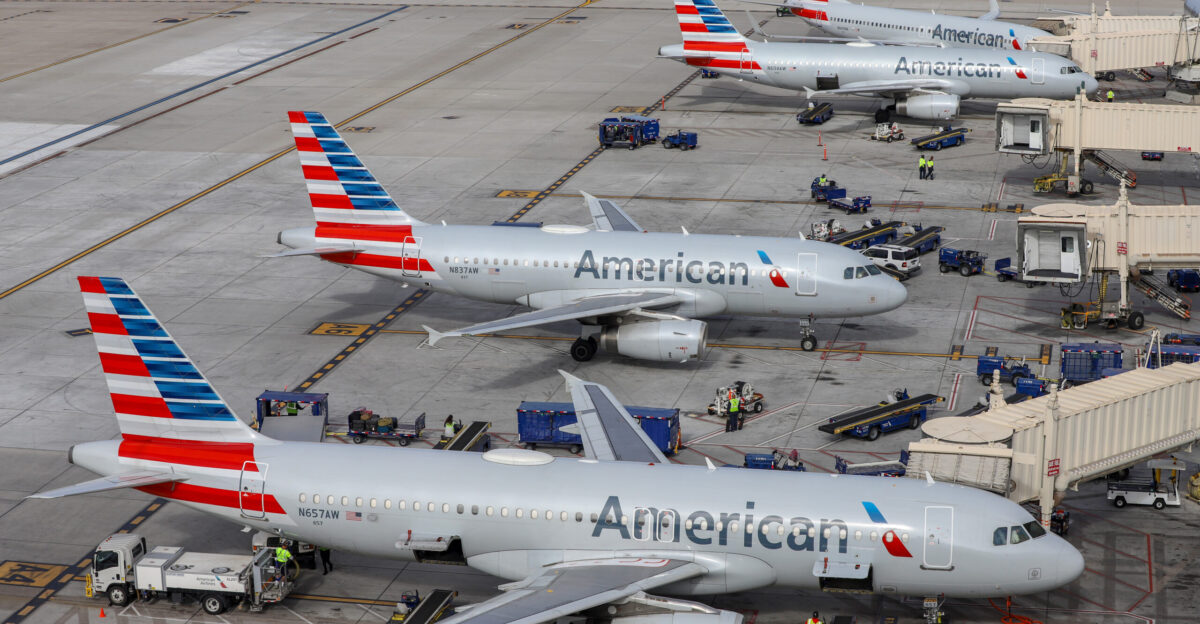
Despite layoffs, American raised full-year guidance to $0.65-0.95/share. Q4 profitability is projected at $0.45-0.75/share, requiring strong revenue and cost savings. Workforce reductions are critical to meeting these aggressive targets.
The paradox shows leadership balancing current pain with future gains. Q4 results will test whether the strategy successfully stabilizes the airline’s finances.
Broader Industry Context

American’s layoffs follow trends seen at Southwest, United, and Lufthansa, reflecting a post-pandemic industry correction. Airlines are reducing pandemic-era excess staff while responding to slower travel demand and economic uncertainty.
This wider perspective highlights that American’s actions are part of an industry-wide adjustment, not an isolated misstep.
Looking Ahead
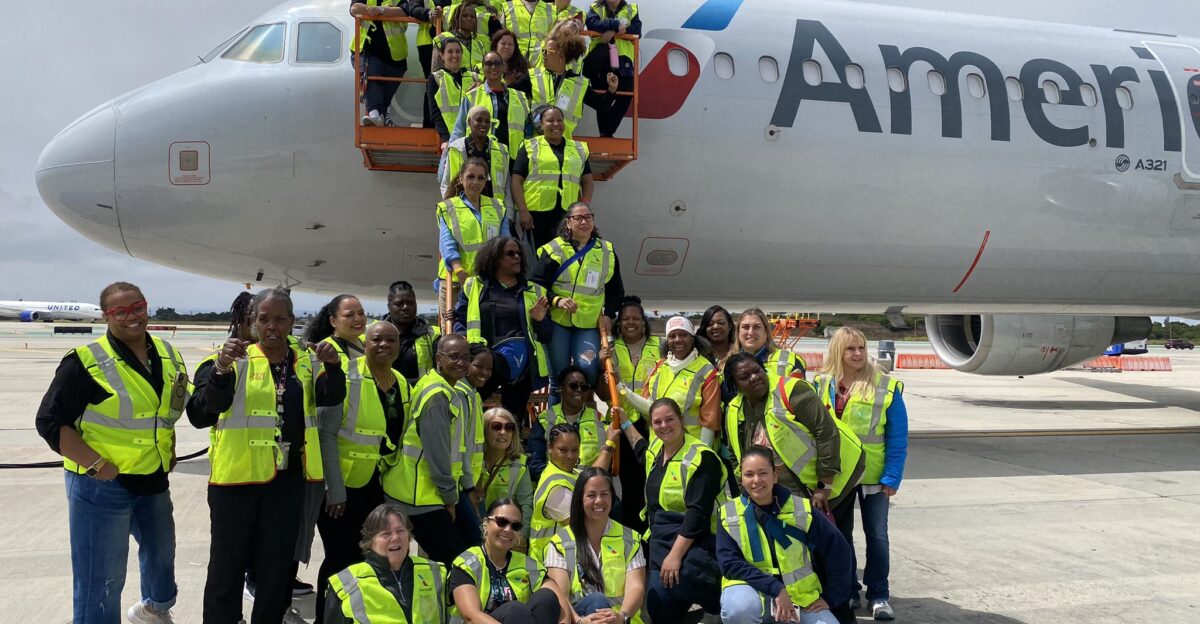
Layoffs mark a turning point as American seeks efficiency, technology-driven processes, and profitability recovery. Investments continue in Terminal F, fleet modernization, and premium service upgrades. Corporate staff reductions may ripple into 2026, but strategic reinvestment signals a long-term plan.
The story concludes with a view of recovery, emphasizing that workforce changes are part of a broader business transformation designed to strengthen American’s competitive position.