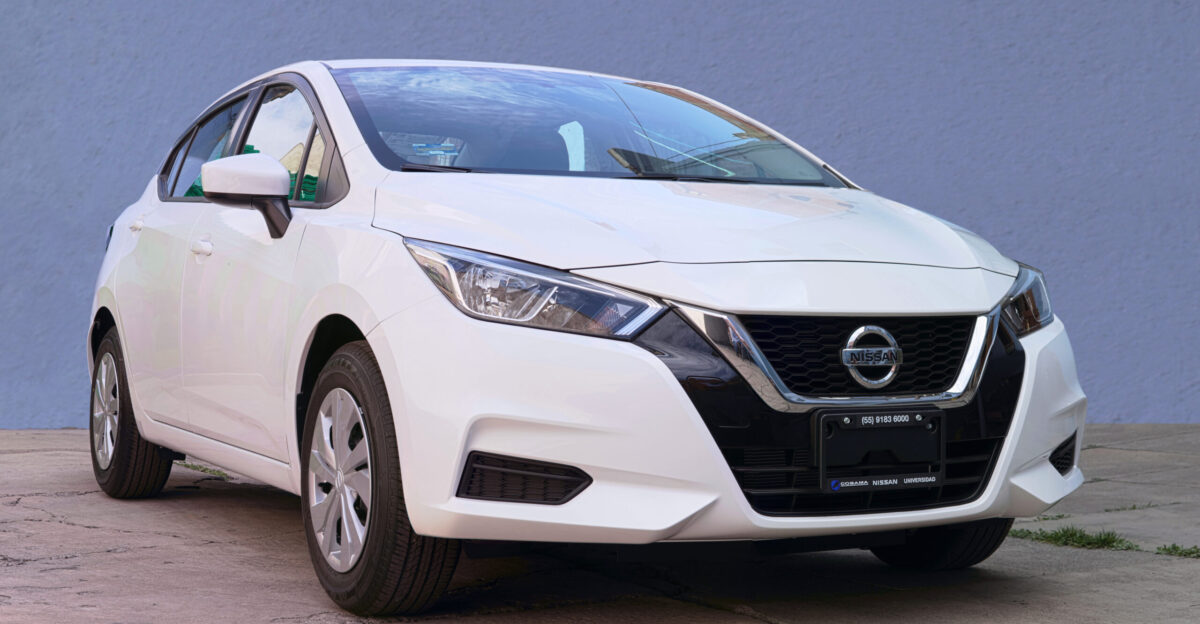
Just days before Christmas 2025, the final Nissan Versa rolled off the assembly line in Aguascalientes, Mexico, ending production of America’s last new car priced under $20,000. This moment signals the close of an era for budget vehicles, accelerated by policy shifts, market trends, and economic pressures that have reshaped affordable transportation.
Tariffs Deliver the Knockout Blow
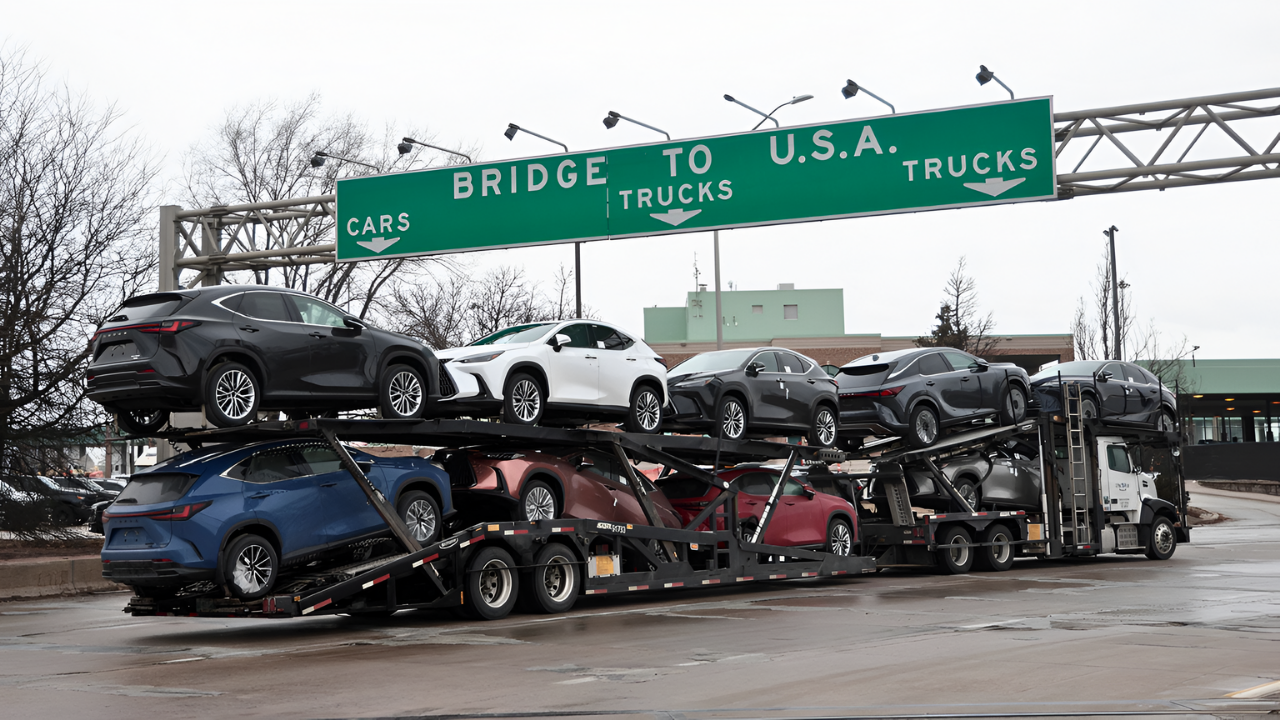
President Trump announced 25% tariffs on imported automobiles on March 26, 2025, effective April 3, citing national security. Vehicles from Mexico like the Versa, built with lower labor costs, faced duties adding $2,500 to $3,500 per unit—roughly 16% of its $18,585 base price. Nissan first cut the manual transmission version in May 2025, priced at $18,330, citing focus on popular grades. The automatic model at $20,130 could not survive the hit, as absorbing costs erased slim profits and passing them on deterred price-sensitive buyers.
Affordable Options Evaporate Rapidly
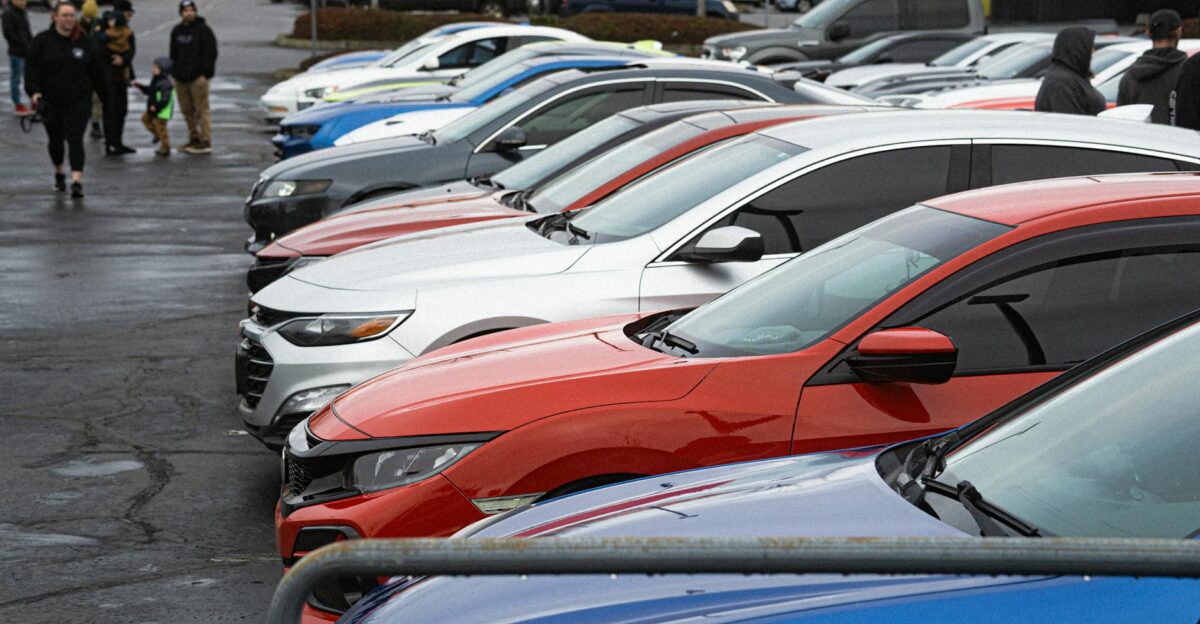
In 2017, 36 new vehicles sold for under $25,000. By December 2025, only five remained under that mark, with the Hyundai Venue at $20,550 and Chevrolet Trax at $21,795 as the cheapest. No new cars now start below $20,000. Used cars offer no refuge: in 2019, nearly half of three-year-old models sold under $20,000, but by 2025, just 11.5% did. Average used prices climbed from $23,159 to $32,635, with interest rates averaging nearly 12% for used vehicles compared to approximately 6.5% for new vehicles.
Low-Income Households Bear the Brunt
Yale University’s Budget Lab found the April tariffs imposed disproportionate costs on lower-income households—a regressive effect that hit bottom-tier earners particularly hard compared to wealthier households. Regulatory demands for safety, emissions, and features added $1,500 to $2,000 per vehicle, hitting budget models particularly hard. Subcompact sedans like the Versa, selling 42,000 units annually with thin margins, faced declining demand as sedans lost substantial market share to SUVs over the past two decades. Nissan’s U.S. market share declined from over 8% in the early 2010s to approximately 6% by late 2025.
Industry-Wide Pressures Mount
Mexico’s low costs—$8 to $10 per labor hour versus $40 in the U.S.—once made the Versa viable, but tariffs flipped that edge. General Motors projected $4 to $5 billion in annual tariff costs, Ford faced multi-billion dollar impacts, and Toyota projected nearly $10 billion in costs. Some shifted production: Honda planned its next Civic hybrid in Indiana. Industry analysts projected significant declines in U.S. auto output, with GM furloughing 900 workers and suppliers risking bankruptcy. Average new-vehicle prices topped $50,000 in September 2025, with payments at $748 monthly.
Future Paths Grow Narrower
Budget buyers now choose pricier new cars, riskier used ones, or forgoing ownership—trends already rising among young adults facing housing squeezes. EVs averaged $58,124 in September 2025 after federal tax credits ended October 1, blocked further by tariffs on Chinese rivals like BYD. Even without tariffs, sub-$20,000 cars were fading due to ride-sharing and fewer driver’s licenses among youth. Reshoring may create jobs long-term, but short-term disruptions dominate, with supply chains locked into higher prices. Reintroducing affordable models would demand years of investment, leaving lower mobility as a persistent economic reality.
Sources:
Proclamation on Adjusting Imports of Automobiles and Automobile Parts Into the United States. The White House, March 26, 2025
Federal Register: Adjusting Imports of Automobiles and Automobile Parts Into the United States. U.S. Customs and Border Protection, April 3, 2025
State of U.S. Tariffs: October 17, 2025. Yale Budget Lab, October 2025