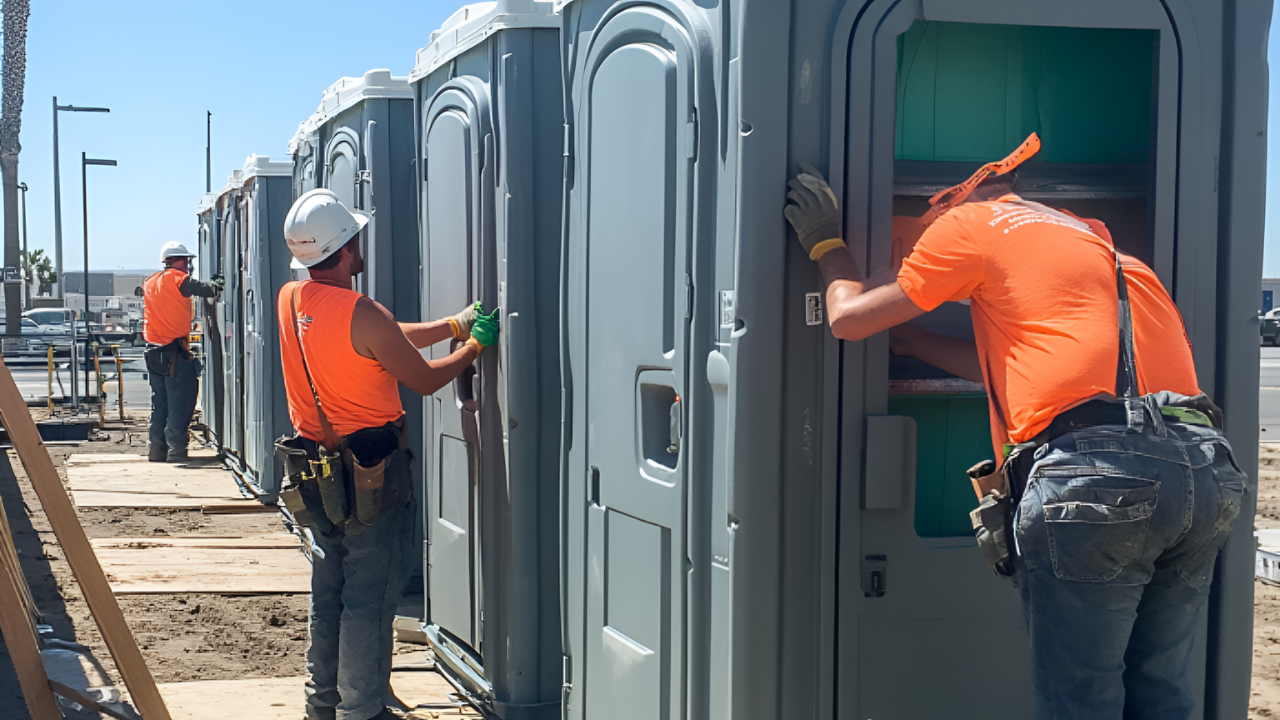
On December 29, 2025, court filings landed in New Jersey as lenders moved to seize control of America’s largest portable sanitation company. The numbers were stark: $2.4 billion in debt, 350,000 portable restrooms, and more than 3,000 employees caught in the fallout.
A business that quietly services construction sites, disasters, and major U.S. events was suddenly in bankruptcy court. What pushed this essential operator to the brink—and what breaks next?
Jobs on Knife-Edge
More than 3,000 employees now face deep uncertainty. Inflation drove up fuel, labor, and maintenance costs just as demand weakened. Residential housing starts slid to roughly 2.5-year lows, sharply reducing construction-site needs.
Rising interest rates made debt service increasingly unsustainable. What once looked like a stable, recession-resistant business is now caught between collapsing demand and a $2.4 billion balance-sheet squeeze.
Industry Roots Run Deep
United Site Services built its dominance over 25 years, reshaping the portable sanitation industry nationwide. Acquired by private equity firm Platinum Equity in August 2017, the company expanded aggressively through roughly 45 acquisitions.
Its services stretched from residential construction sites to music festivals, FEMA disaster response, and even the Super Bowl. For years, scale and consolidation fueled growth—until the debt supporting that expansion began to suffocate operations.
Pressure Built Relentlessly
Post-pandemic optimism faded quickly. As Federal Reserve rates surged above 4 percent, United Site Services’ interest costs ballooned. High mortgage rates slowed residential construction, shrinking demand for site services.
Meanwhile, integrating dozens of acquisitions strained cash flow. By mid-2025, leverage reached roughly 18 times earnings. Liquidity tightened, cash burn accelerated, and what once looked manageable became unsustainable almost overnight.
Bankruptcy Bombshell Drops

On December 29, 2025, United Site Services filed for Chapter 11 protection in U.S. Bankruptcy Court in New Jersey. The filing aims to eliminate $2.4 billion in debt through a restructuring backed by more than 75 percent of creditors.
Under the plan, lenders will seize control of the company, fully wiping out Platinum Equity’s ownership after eight years at the helm.
Nationwide Operations Shaken
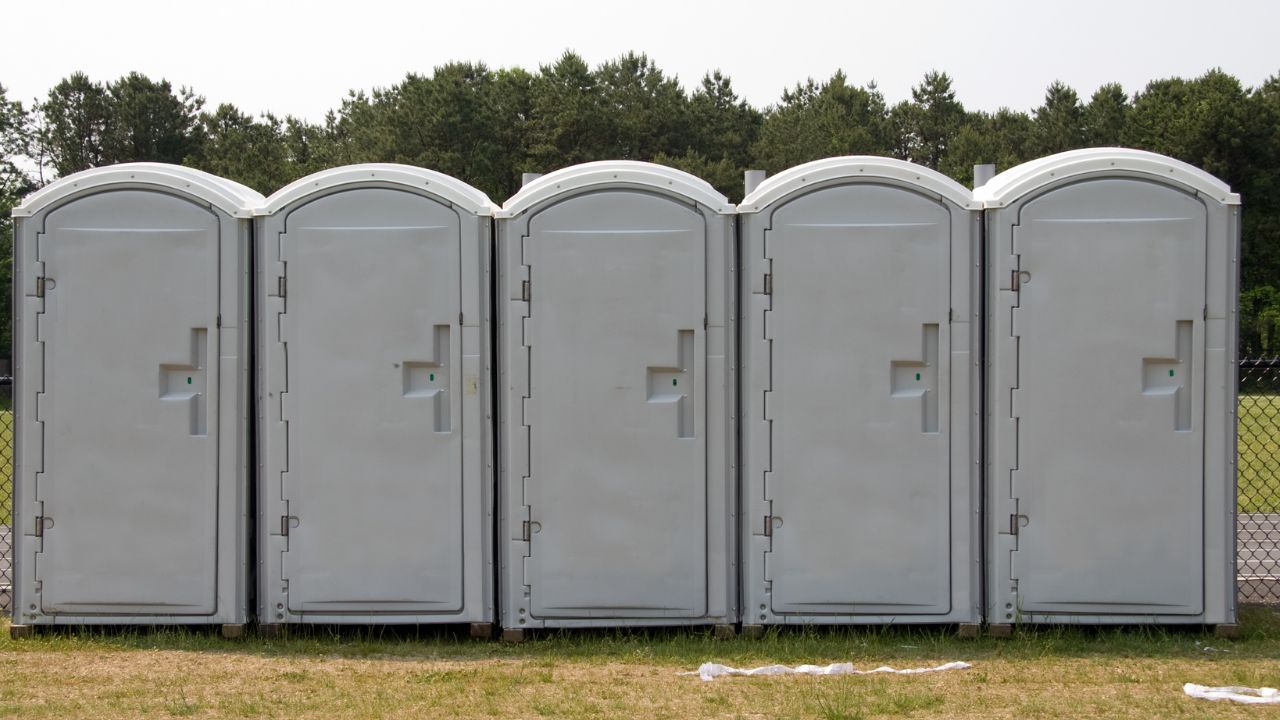
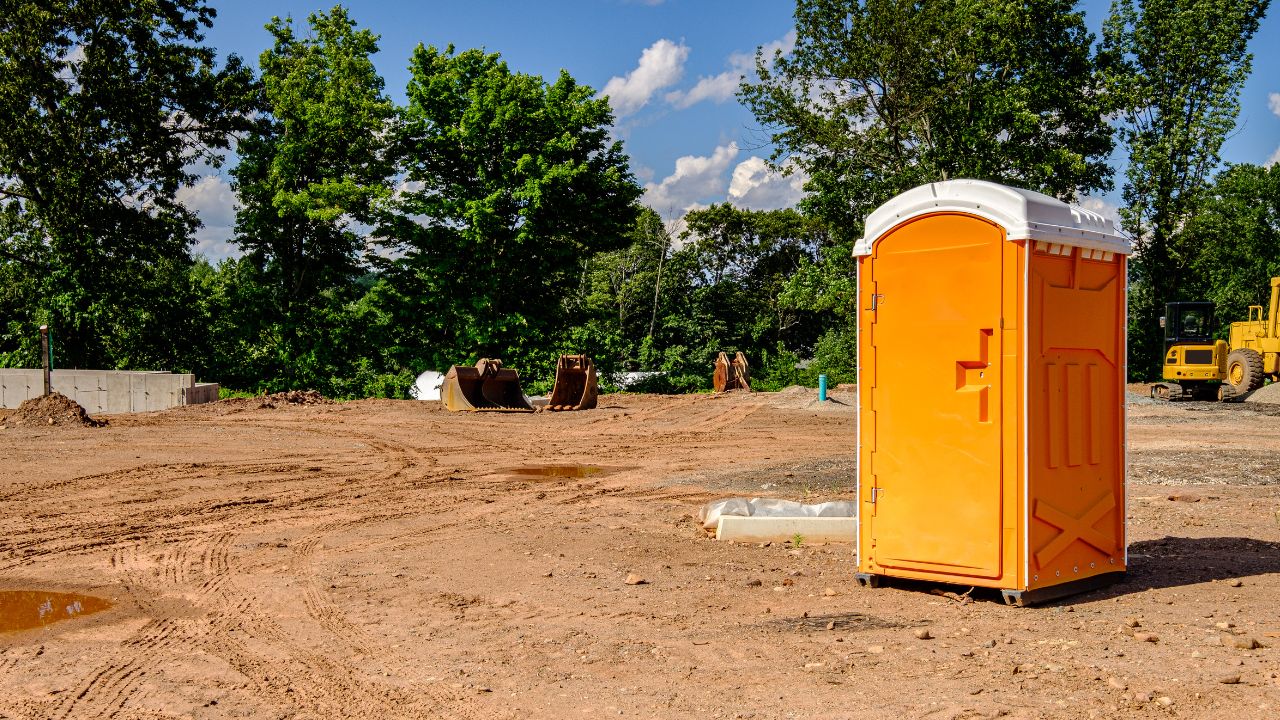
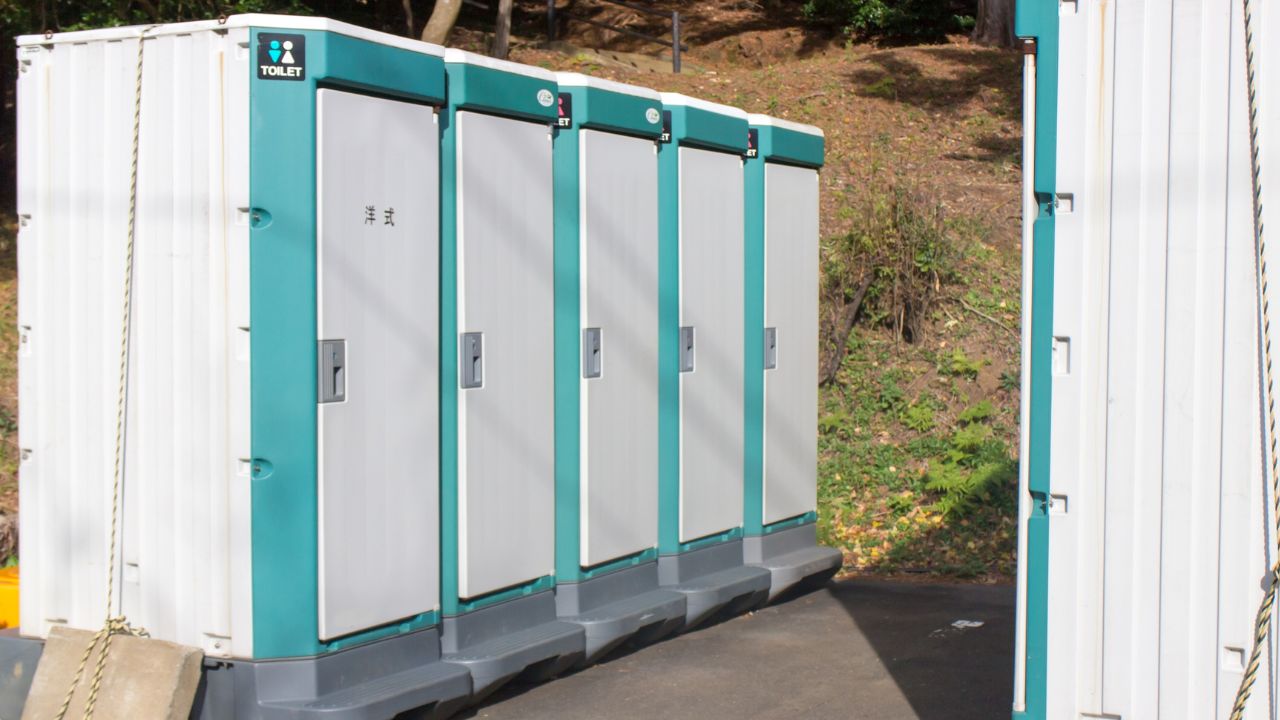
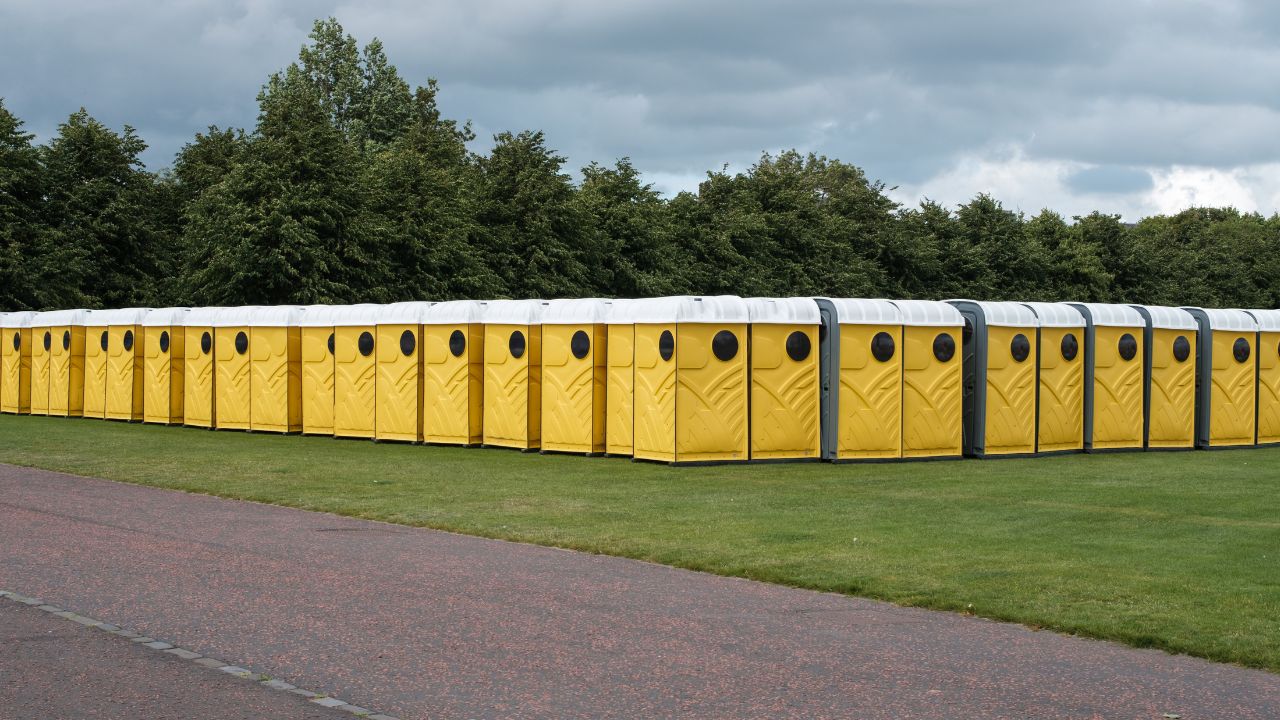
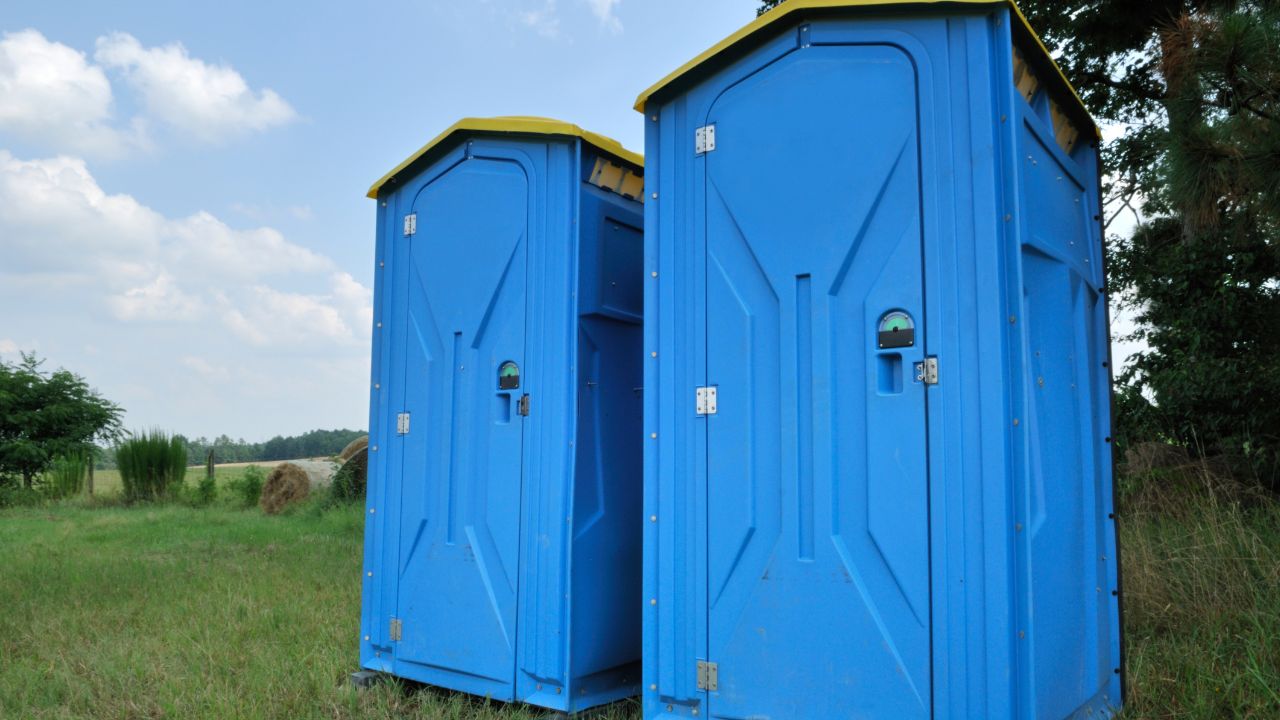
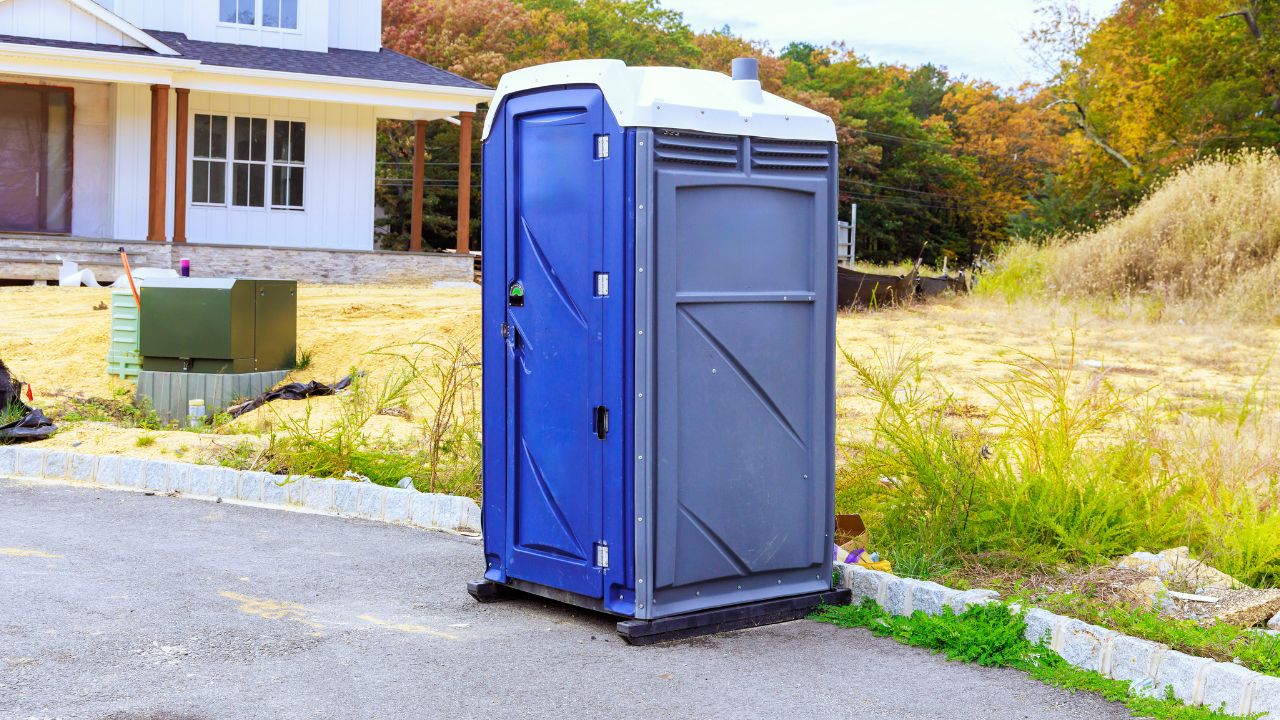
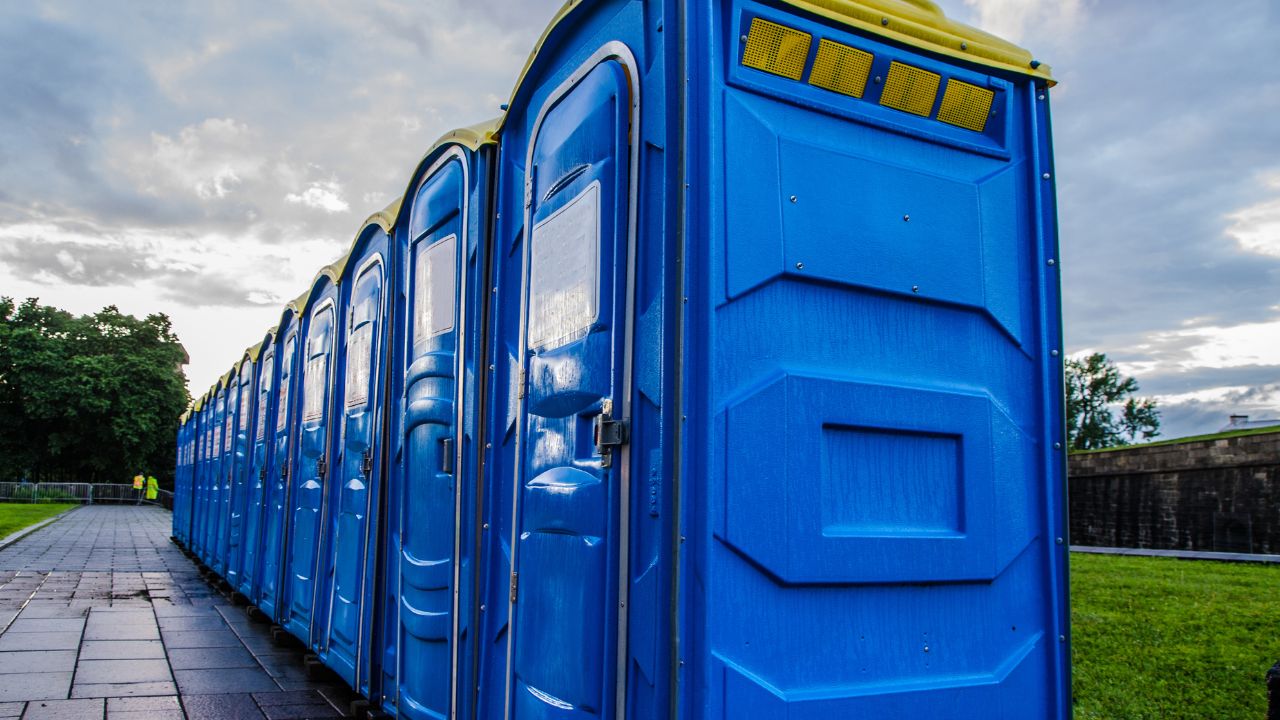
From its headquarters in Westborough, Massachusetts, United Site Services manages one of the largest sanitation fleets in the country. Its 350,000 portable restrooms support construction projects, public events, and government contracts nationwide.
The bankruptcy introduces uncertainty across supply chains tied to temporary fencing, hand-washing stations, and logistics routing. Customers ranging from job sites to emergency responders are now watching closely for service disruptions.
Workers Feel the Squeeze
All 3,000 employees remain on payroll for now, with management pledging uninterrupted wages and benefits. CEO Bobby Creason said the restructuring is intended to strengthen the company’s foundation for its workforce.
Still, job security hinges on a swift and smooth reorganization. As ownership shifts from private equity to creditors, workers remain caught in the middle of a high-stakes financial reset.
Competitors Smell Opportunity
Rivals are watching closely. Any disruption at United Site Services could open the door for competitors to capture contracts in construction, events, and disaster response.
The broader portable sanitation sector is deeply tied to construction cycles, making it vulnerable to economic swings. Analysts say the case also underscores growing scrutiny of heavy private-equity leverage in infrastructure-like services that depend on steady demand.
A Macro Storm Brews
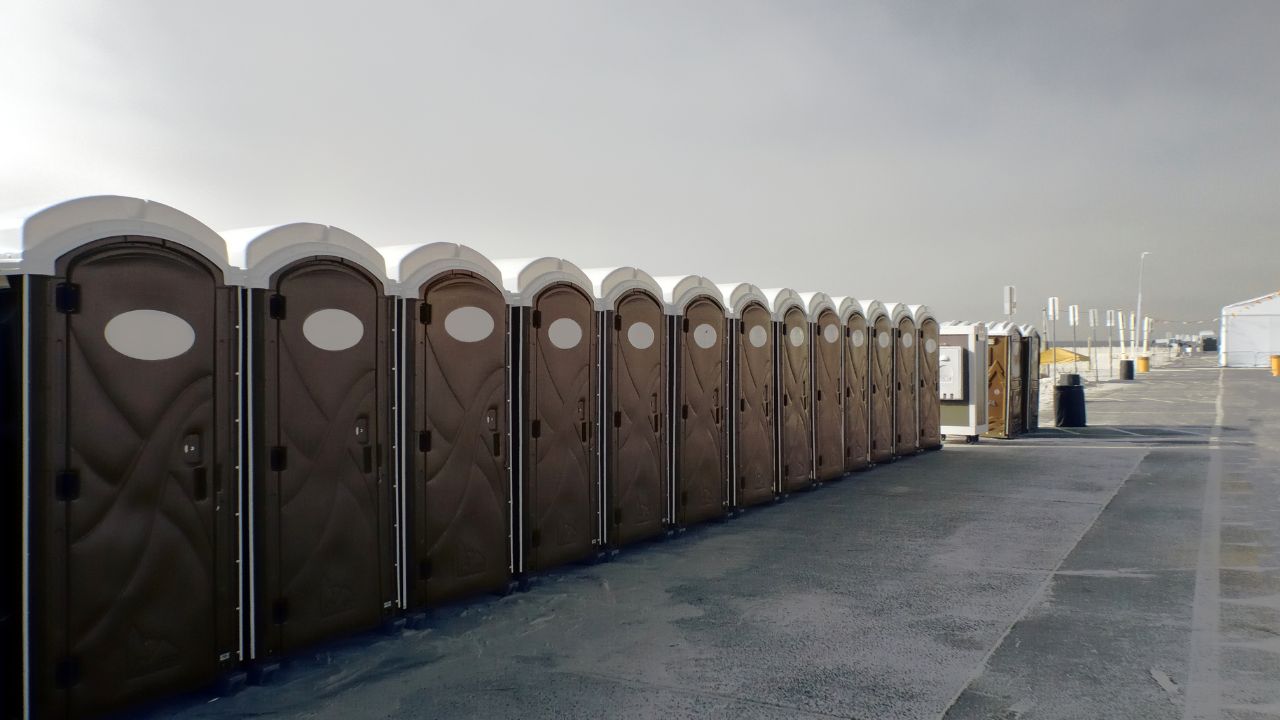
United Site Services’ collapse mirrors a wider economic pattern. High interest rates and inflation have pushed U.S. bankruptcies toward a 15-year high.
Private equity firms are sitting on roughly $1 trillion in unsold portfolio companies. As housing activity slows, businesses once seen as boring but dependable are discovering that even essential services can buckle when financing costs spike.
The Continuation Trap
In 2021, a continuation fund valued United Site Services at about $4 billion, allowing Platinum Equity to cash out roughly $2.6 billion to new investors.
Fortress, Ares, and Blackstone bought into the deal. Now, those investors face estimated losses approaching $1.4 billion. The episode has become a cautionary tale about single-asset continuation vehicles tied to cyclical industries during a rising-rate era.
Creditor Clash Emerges
Despite broad creditor support, one major holdout has threatened to pursue “delay and litigation,” potentially complicating the restructuring. That opposition could push the company’s planned February 2026 exit off schedule.
An ad hoc lender group—including Clearlake Capital and Searchlight Capital Partners—backs the pre-packaged plan, setting the stage for a tense courtroom showdown over control and timing.
Ownership Flip Incoming
Under the restructuring, existing lenders will emerge as the new owners. A $480 million equity rights offering forms the backbone of the ownership transfer, fully eliminating Platinum Equity’s stake.
Legal heavyweights are guiding the process, marking a clear shift from private-equity control to creditor-led governance. The transition underscores how quickly financial power can change hands when leverage overwhelms cash flow.
Restructuring Blueprint Unveiled

Operations will continue with up to $120 million in debtor-in-possession financing. The post-bankruptcy capital structure includes roughly $1.1 billion in new funding, combining a $300 million term loan, a $195 million asset-based loan, and a $100 million revolver.
Vendors are expected to be paid in full, and first-day motions were designed to keep day-to-day operations running smoothly.
Skeptics Weigh the Odds
Analysts say the pre-packaged plan could move quickly if legal challenges are resolved. Still, Moody’s previously flagged United Site Services’ 18-times leverage as unsustainable.
Long-term viability now depends heavily on a rebound in housing construction and careful logistics management. Without demand recovery, even a cleaner balance sheet may struggle to generate consistent returns.
The Future Hinges on Rates
Timing is critical. Management is targeting a February 2026 emergence, betting that interest-rate cuts could revive construction activity. A leaner balance sheet offers breathing room, but cyclical risks remain.
If housing stays stalled longer than expected, the company may face renewed pressure—testing whether debt reduction alone can stabilize a business tied so closely to economic cycles.
Policy Spotlight on Private Equity

The bankruptcy has reignited debate over private equity’s use of leverage in essential services. Continuation funds, once seen as flexible exit tools, are facing sharper scrutiny after high-profile valuation collapses.
Regulators are increasingly focused on debt-heavy ownership structures in infrastructure-adjacent businesses, raising questions about long-term resilience when economic conditions shift.
Global Ripples Stay Contained
United Site Services operates almost entirely within the United States, limiting international fallout. Still, global private-equity firms tied to the deal—including Ares and Blackstone—are absorbing losses across their portfolios.
The case is being closely watched worldwide as a signal of how leveraged bets in cyclical sectors can unravel quickly under sustained macro pressure.
Legal Hurdles Remain
The case, filed as No. 25-23630 in New Jersey bankruptcy court, remains vulnerable to delays. Holdout litigation could extend proceedings beyond the planned timeline.
Advisors including PJT Partners and Alvarez & Marsal are navigating claims involving assets and liabilities estimated between $1 billion and $10 billion, underscoring the scale and complexity of the restructuring effort.
A Cultural Reckoning
The downfall has sparked uncomfortable questions about how “boring” but essential services are financed.
Workers and industry observers alike are questioning whether aggressive leverage belongs in logistics businesses that underpin daily life. The lesson is stark: scale and necessity don’t guarantee safety when debt loads grow faster than demand.
A Signal for Sweeping Change

United Site Services’ collapse highlights how high interest rates can crush private-equity continuation vehicles tied to construction-adjacent industries. As lenders take control, the company becomes a case study in shifting power dynamics across U.S. infrastructure services.
Housing trends and Federal Reserve policy will determine whether this restructuring marks a reset—or the first warning of broader upheaval.
Sources:
“United Site Services Reaches Agreement with Key Financial Stakeholders to Position Company for Long-term Growth.” PRNewswire, 29 December 2025.
“Porta-Potty Company Sinks Into Bankruptcy to Slash Debt.” Bloomberg, 29 December 2025.
“Fortress, Ares Face Total Loss on Platinum Equity Toilet Deal.” Bloomberg, 25 November 2025.
“Billions Down The Toilet As Private Equity Firms Take Bath On Portable Sanitation Play.” Yahoo Finance, 27 November 2025.