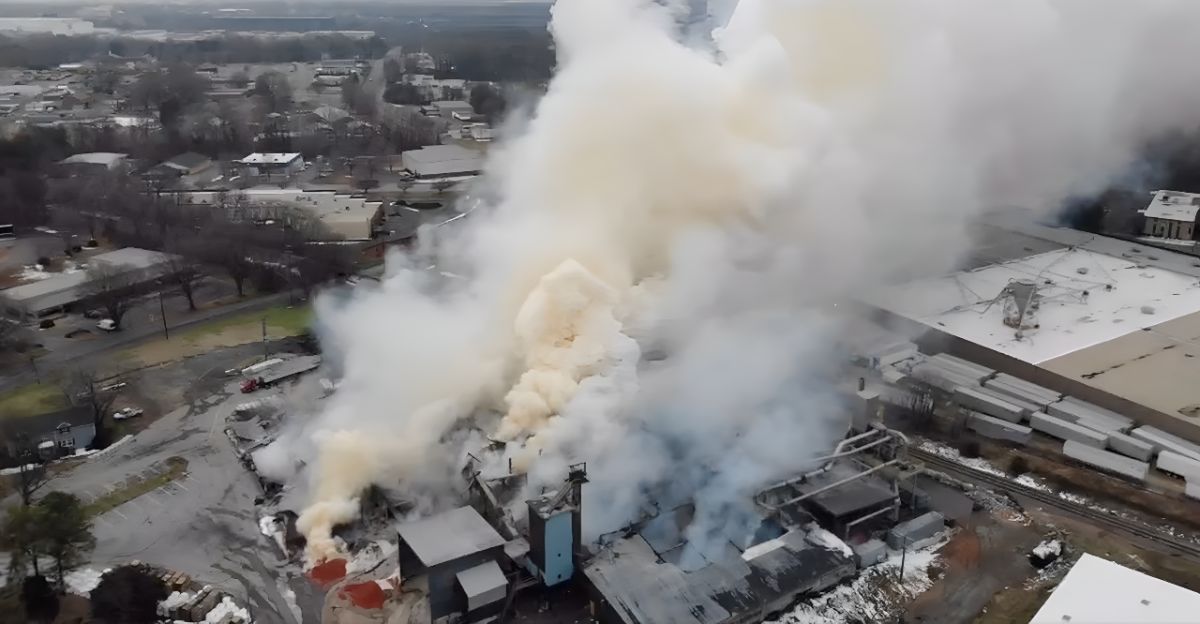
A powerful explosion ripped through CF Industries’ fertilizer plant near Yazoo City, Mississippi, on November 5, 2025. Within minutes, a thick, toxic cloud spread over the area, forcing families to flee their homes, and schools were closed. Emergency sirens blared as local officials rushed to organize evacuations. Many residents were caught off guard and some had no time to grab belongings before heading for safety.
The explosion released anhydrous ammonia, a dangerous chemical that can cause breathing problems and burns on contact. State authorities immediately warned nearby counties of possible contamination. The blast renewed concerns about the preparedness of rural communities to handle industrial disasters when they occur in close proximity to where people live and work.
Growing Danger and Panic
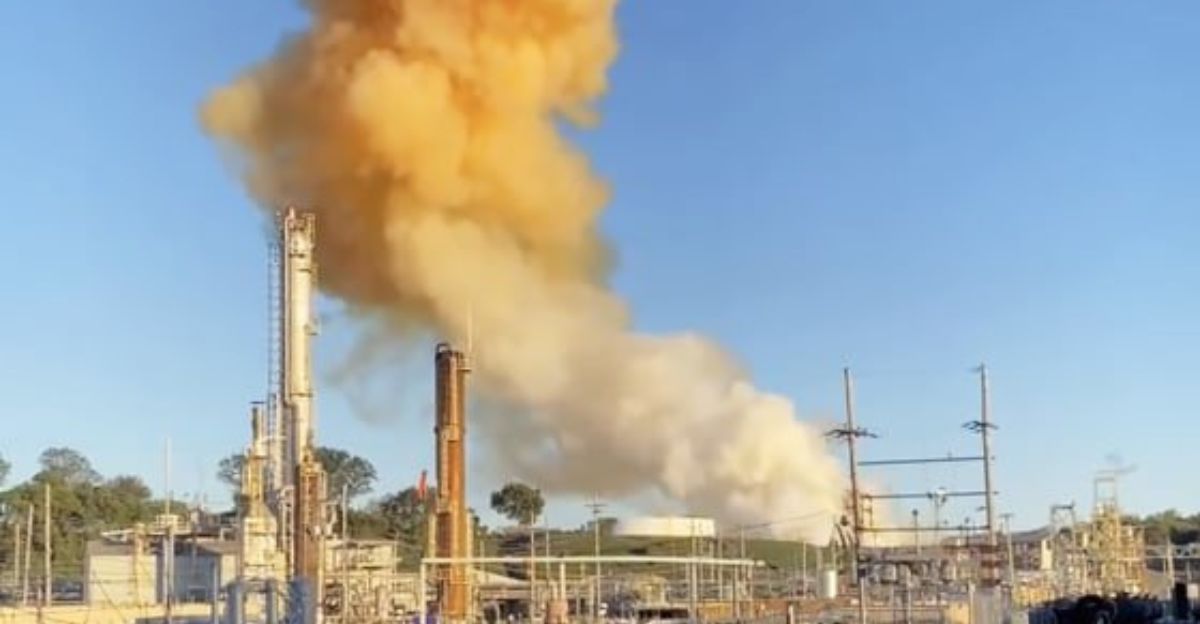
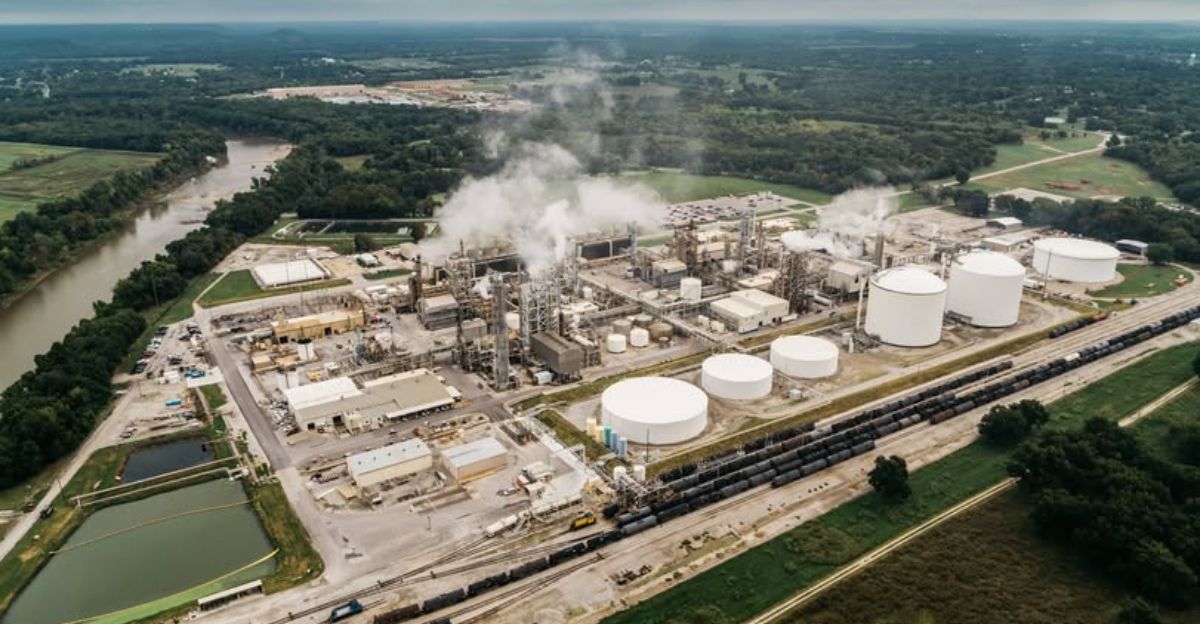
Officials quickly declared the Yazoo City explosion one of the largest ammonia-related emergencies in U.S. history. The fertilizer plant, just a few miles from neighborhoods and schools, posed massive risks due to the amount of ammonia stored onsite. Firefighters and hazardous materials teams worked around the clock to contain the situation, knowing that even a small leak of ammonia could be deadly.
Residents living within a five-mile radius were urged to leave immediately. Air monitoring teams detected high ammonia levels that could irritate lungs and eyes. The size of the plant and its proximity to homes made this a nightmare scenario for local responders, proving how quickly industrial accidents can turn into regional emergencies.
The Powerhouse Behind U.S. Farming
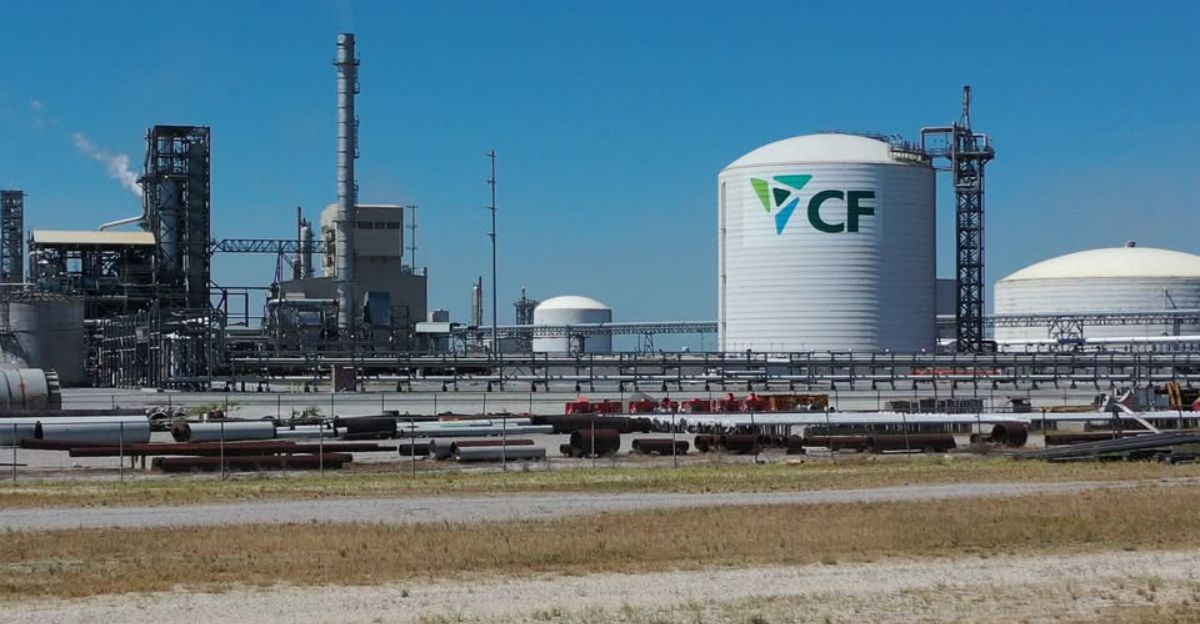
CF Industries is a global leader in producing ammonia fertilizer, a product essential for the nation’s farming success. The Yazoo City facility, one of the largest in America, supplies fertilizer used on numerous acres of farmland each year. The plant stores up to 48,000 tons of ammonia, an amount large enough to support major agricultural operations but also enough to pose a serious threat if something goes wrong.
Because agriculture depends on steady chemical production, plants like this one are considered vital infrastructure. However, this week’s explosion showed the flip side of that importance: the greater the capacity, the greater the risk. As officials put it, one of America’s most productive assets turned into a public safety crisis within minutes.
The Warnings That Went Unheard
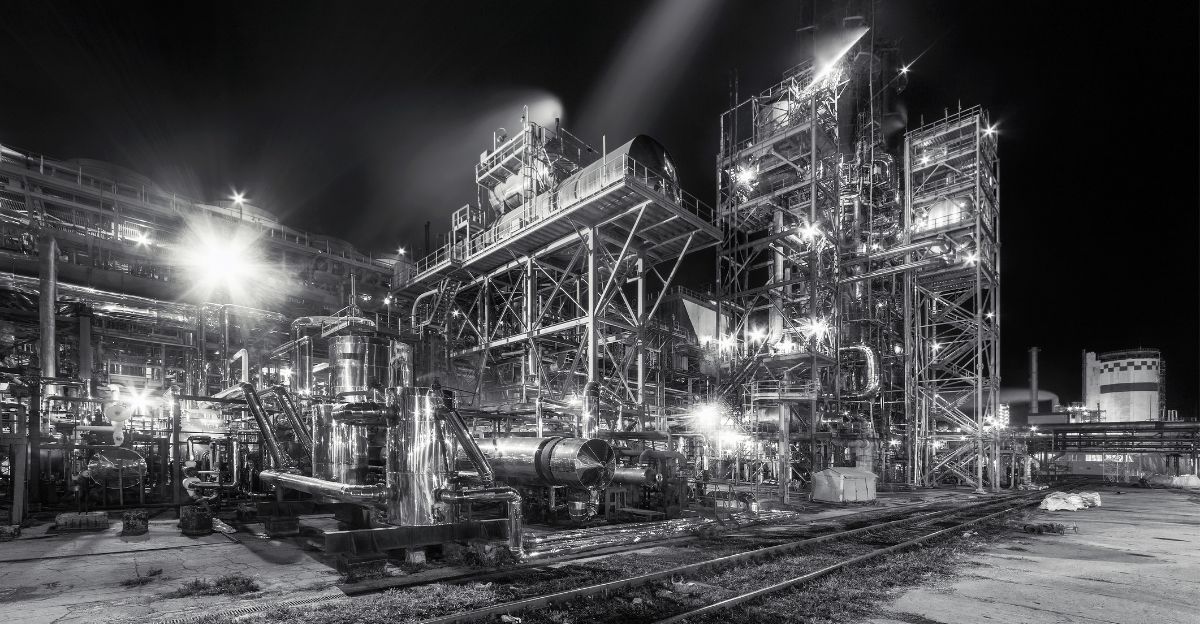
Safety experts have long called anhydrous ammonia a disaster waiting to happen due to its volatile nature. Even before this explosion, environmental watchdogs and scientists had warned that placing large chemical storage sites near homes and highways created ticking time bombs. The Yazoo City plant sat close to residential areas and transportation routes, making it one accident away from catastrophe.
The plant’s location allowed the chemical cloud to spread quickly, putting both residents and drivers at risk. Experts say that stronger zoning laws and improved community planning could prevent similar emergencies in the future, but enforcement has lagged behind rapid industrial growth.
Explosion Turns Deadly Serious
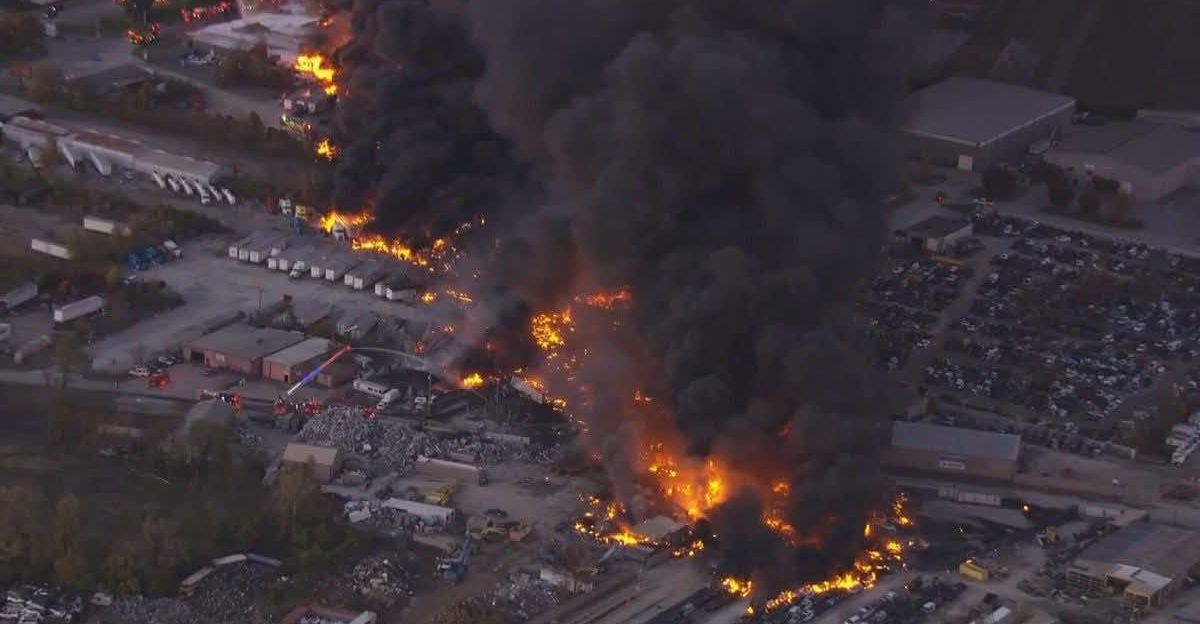
At 4:25 p.m. on November 5, a massive shockwave boomed across Yazoo County as the CF Industries plant erupted in a fiery explosion that tore through steel containers holding liquid ammonia. Within seconds, a toxic cloud rolled into the air, visible for miles. Governor Tate Reeves confirmed the blast in a press briefing that night and ordered immediate mass evacuations.
“Our number one priority is the safety of the people,” he said. Emergency crews worked nonstop to assess the damage, while hospitals prepared for potential injuries from chemical exposure. The governor’s quick response helped coordinate the evacuation of hundreds of nearby residents.
Highways Shut Down, Town Paralyzed

The explosion forced the closure of U.S. Highway 49, one of the main routes that connect Mississippi communities. Traffic backed up for miles as police diverted vehicles away from the danger zone. Shop owners, schools, and city offices locked their doors, unsure when it would be safe to reopen.
Truckers stranded on the highway captured the towering ammonia cloud on video, showing just how widespread the impact was. Emergency shelters quickly filled as families looked for safe places to stay. Utilities temporarily cut power in nearby areas to prevent fires from potential chemical sparks. The explosion didn’t just disrupt transportation, it froze an entire region that suddenly faced both chemical danger and uncertainty.
Residents Flee for Their Lives

For residents living near Renshaw and Generette roads, the blast was like a nightmare. Sirens wailed as evacuation alerts flashed on phones. Many people used wet towels to cover their faces as they ran. The air burned lungs and eyes, and first responders moved door to door, making sure everyone left.
Entire families loaded into cars, heading toward Jackson and other nearby cities. Pets and livestock were also affected, forcing animal shelters to step in to help. While no deaths were reported, the fear left a lasting impact on the community’s sense of safety.
Agencies Step In
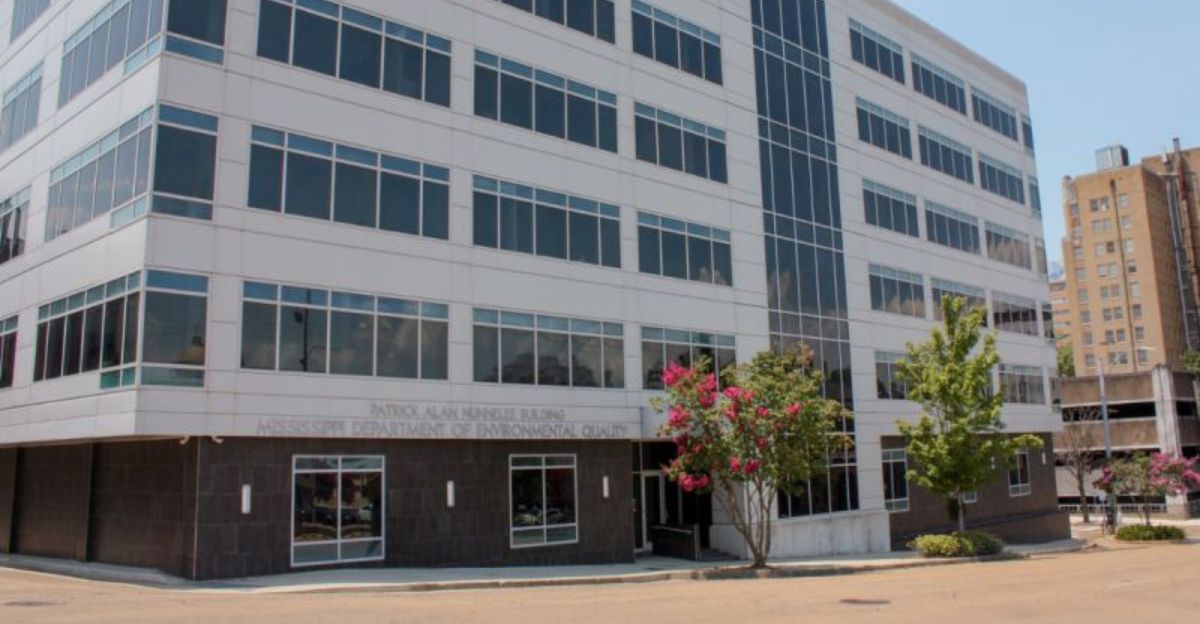
Within hours of the explosion, the Mississippi Department of Environmental Quality deployed teams to measure air quality and check ammonia levels across Yazoo County. Emergency crews in hazmat suits worked around the clock to ensure the toxic gas wasn’t spreading further. The American Red Cross quickly opened a reception center at Yazoo County High School to house evacuated residents.
Free meals, medical checks, and counseling services were provided to those affected. Officials also urged citizens to report any strange odors or health symptoms, warning that ammonia exposure could linger for days. The state assured residents that updates would be delivered hourly until it was safe to return home.
The Bigger Picture
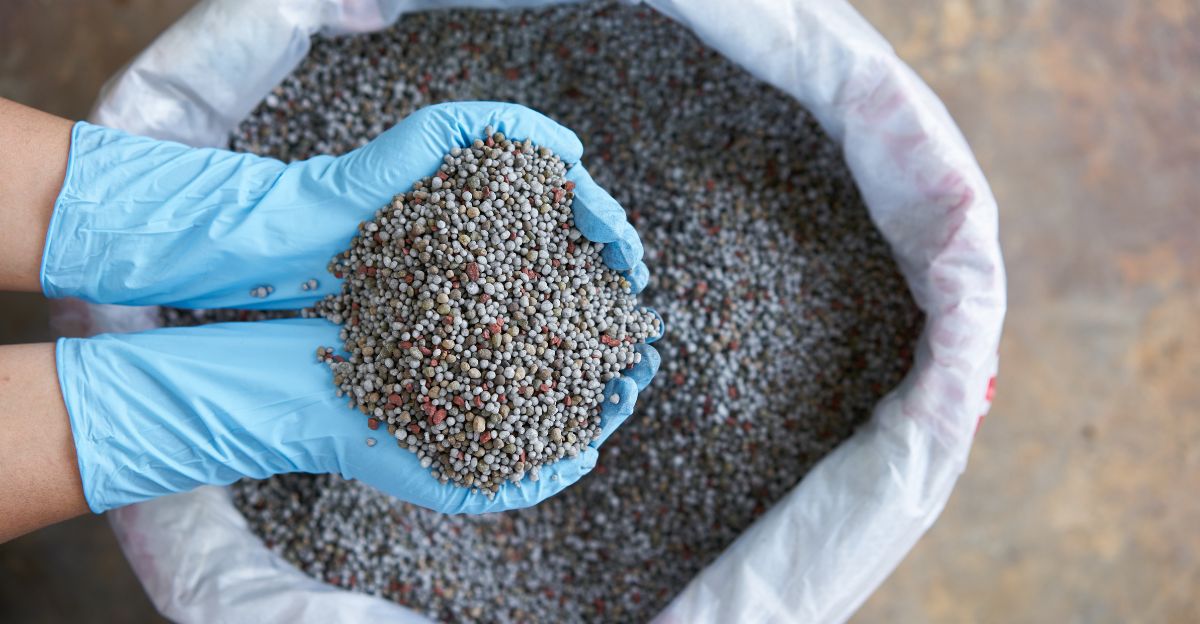
Ammonia is a key ingredient in fertilizers that feed America’s crops, but when released in large amounts, it can be highly dangerous. The Yazoo blast reveals how dependent agriculture is on chemicals that can quickly become toxic hazards. Fox Newsreported that rural communities like Yazoo City often lack the equipment and training needed to respond to industrial crises.
Emergency departments here operate on lean budgets and depend on small volunteer fire crews. Environmental analysts warn that this creates a gap between national agricultural demand and local safety readiness.
Everyone Accounted For
Despite the large-scale explosion, officials confirmed that no workers or residents had died or been seriously injured. CF Industries released a statement emphasizing that all employees and on-site contractors were safe and accounted for. Local hospitals treated only a few mild cases of inhalation, mostly involving first responders.
Mississippi’s governor credited the plant’s emergency shutdown systems and fast evacuation orders for preventing a larger tragedy. Still, relief was mixed with shock at the absence of casualties did little to erase memories of the terrifying cloud that swept over homes. Residents expressed gratitude to firefighters and National Guard members who risked entering contaminated zones to shut valves and stop leaks.
Residents Demand Answers
In the days after the explosion, frustration spread across Yazoo County. Locals expressed anger over repeated chemical scares and questioned whether companies like CF Industries were following all safety rules. “We were told these facilities were safe, but it doesn’t feel that way anymore,” one resident told the Mississippi Free Press. Families pointed out that smaller leaks and flare incidents had been reported at the same plant in past years.
Community leaders now want stricter oversight and faster public warnings during emergencies. Neighborhood groups also called for routine safety drills so that residents know what to do in the event of a disaster striking again. Many felt left out of decision-making about industrial growth in their area.
Leaders Take Control

Governor Tate Reeves immediately took charge of the state’s emergency response, coordinating closely with the Mississippi Emergency Management Agency and local authorities. His administration set up an incident command center to oversee cleanup, air testing, and safety assessments. Reeves told reporters, “Every resource we have is being used to protect Mississippians”.
CF Industries also launched an official internal investigation, sending in engineers and safety evaluators to determine the cause of the explosion. National experts from the U.S. Department of Homeland Security provided additional support due to the potential chemical hazards. Public health departments distributed masks and advised residents to avoid contaminated debris.
Town Slowly Reopens
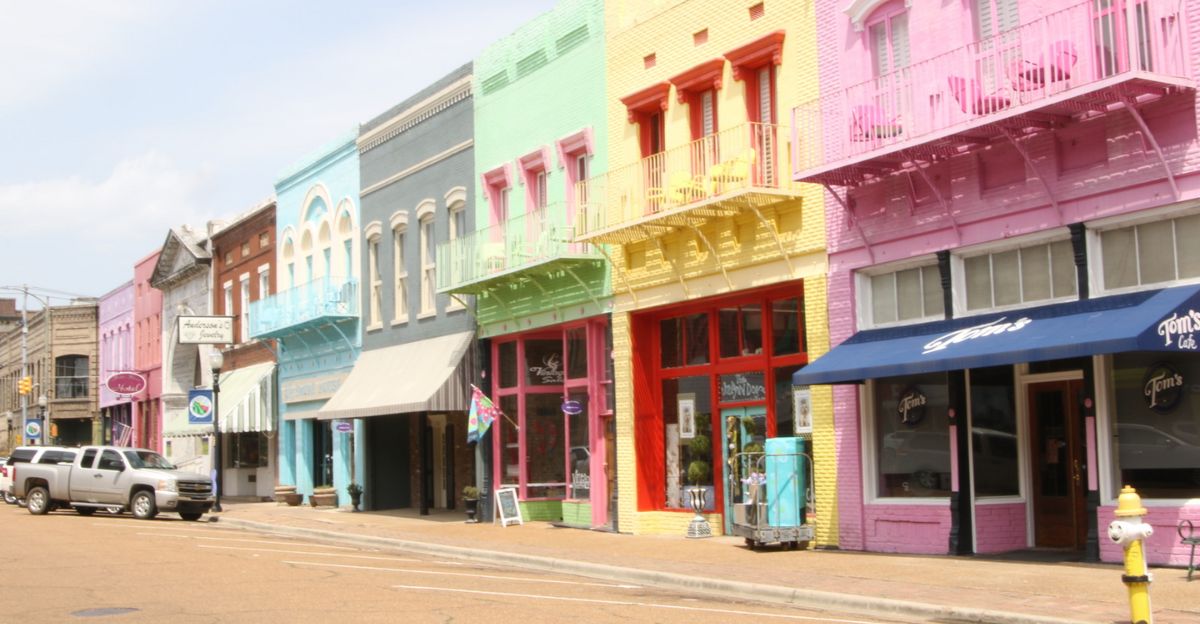
By midnight, most Yazoo City families were allowed to return to their homes. Although the air still carried faint traces of ammonia, testing showed levels were below danger thresholds. The Mississippi Free Press reported that emergency alerts expired by sunrise, but police maintained checkpoints around the plant.
Traffic remained limited as crews cleared debris and inspected pipelines for damage. Some residents returned to find lawns glazed with residues that looked like frost, prompting health warnings not to touch or inhale them. Shops reopened cautiously, and schools planned to resume classes within a few days.
What the Experts Say
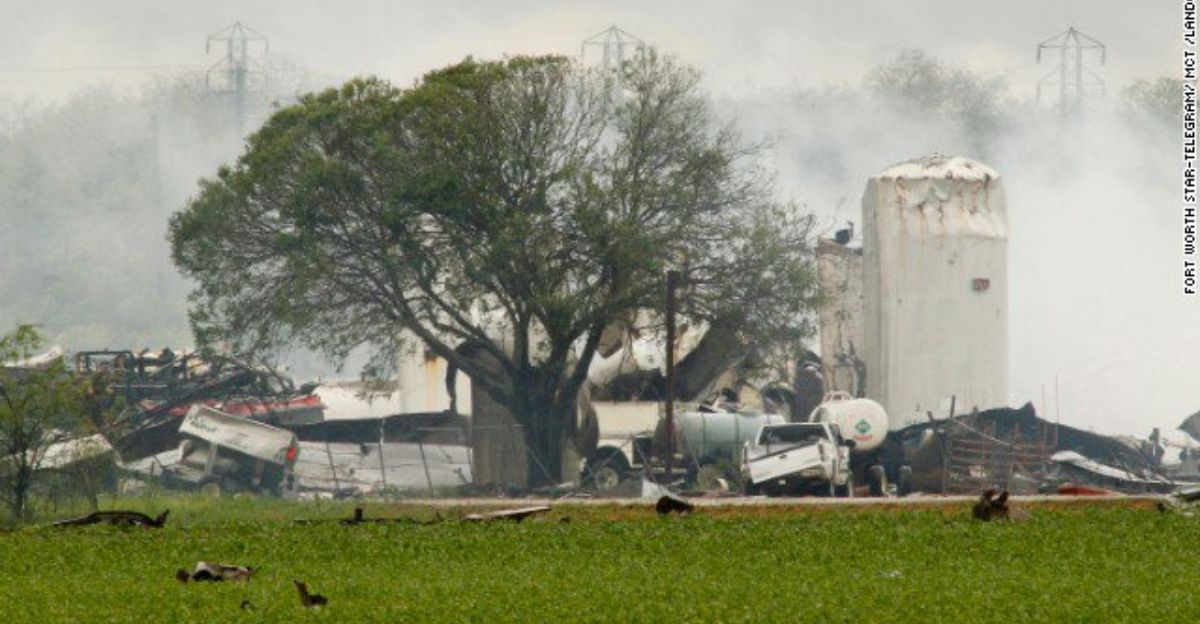
Chemical safety specialists across the country warned that while anhydrous ammonia is less prone to exploding than ammonium nitrate, it is still extremely reactive and dangerous. Investigators are examining whether pressure buildup or faulty equipment triggered the blast.
CF Industries pledged full cooperation with federal and state investigations. Experts agree that fertilizer plants must regularly update safety systems as equipment ages and that sensors need closer monitoring.
Strengthening Protocols
In the aftermath, Mississippi officials began evaluating whether current emergency preparedness plans were good enough. Governor Reeves announced new reviews of chemical safety policies for the entire state.
Analysts believe new federal rules may follow, mirroring safety improvements enacted after similar disasters in Texas and Iowa. Local councils have already scheduled public hearings, allowing residents to share their input on how to modernize safety measures.
Lawmakers Weigh In
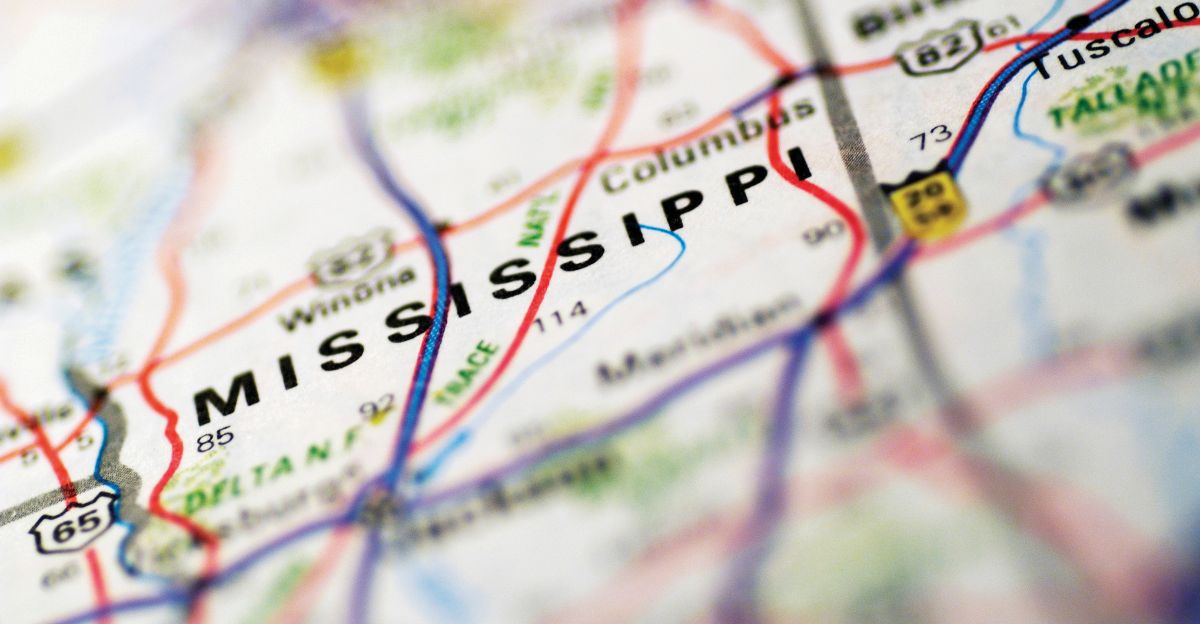
The explosion has reignited debates in the Mississippi legislature about industrial safety oversight. Some lawmakers are pushing for tougher inspections and mandatory emergency funding for rural fire departments.
Others argue that too much regulation could drive major employers out of small towns. Meanwhile, emergency managers stress that resources, not politics, determine how well towns respond.
Global Markets React

The Yazoo City explosion drew immediate attention from international markets. CF Industries is a major supplier of ammonia for global fertilizer exports, so disruptions at its Mississippi plant rippled through commodity prices worldwide.
Trade analysts said that even temporary shutdowns can unsettle agricultural planning across regions that depend on U.S. ammonia. Some foreign producers stepped in to fill gaps, but costs remain volatile.
Environmental Challenges Ahead
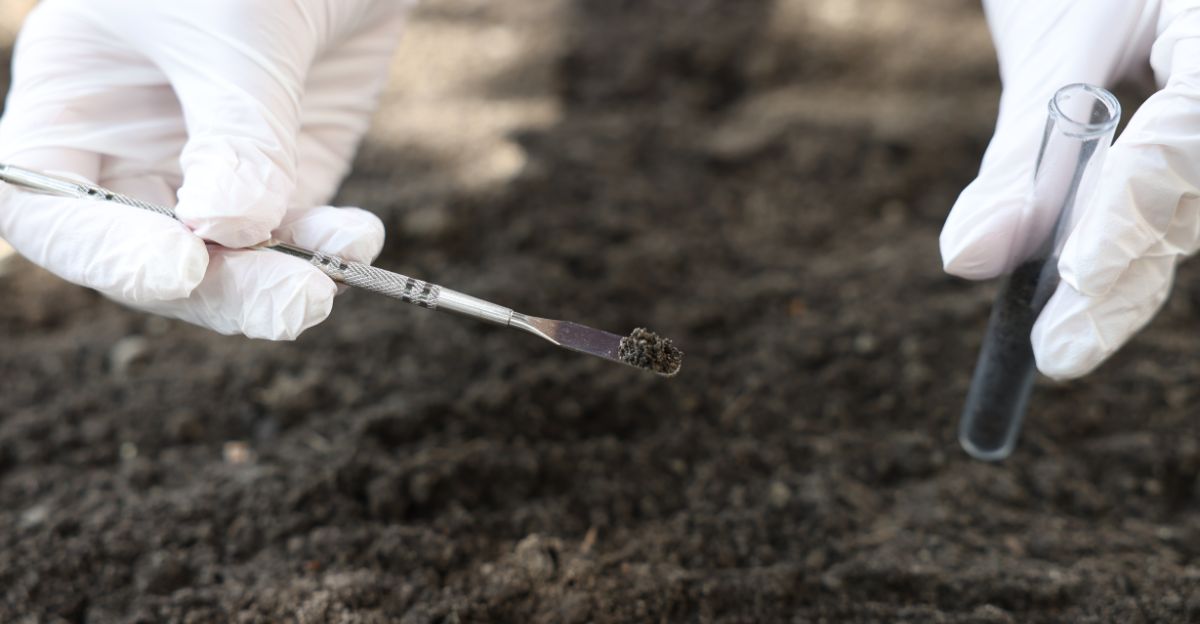
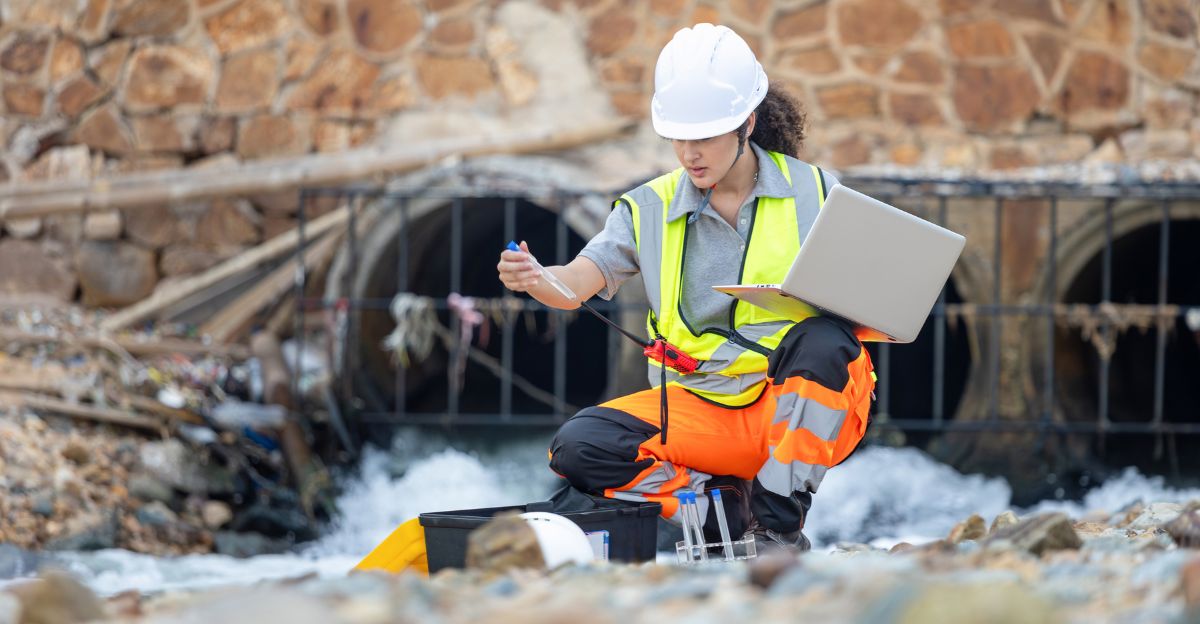
State environmental teams continue to test soil, water, and air to assess the extent of contamination’s spread. Early readings showed localized damage near drainage areas but no widespread pollution. The Mississippi Department of Environmental Quality says cleanup could still take months.
Cleanup crews use chemical neutralizers to reduce acidity in affected soil, while environmental labs check for signs of long-term ecological damage. Wildlife officers are tracking fish and bird populations in nearby wetlands to see if the chemical plume reached waterways.
A Community Redefines Itself
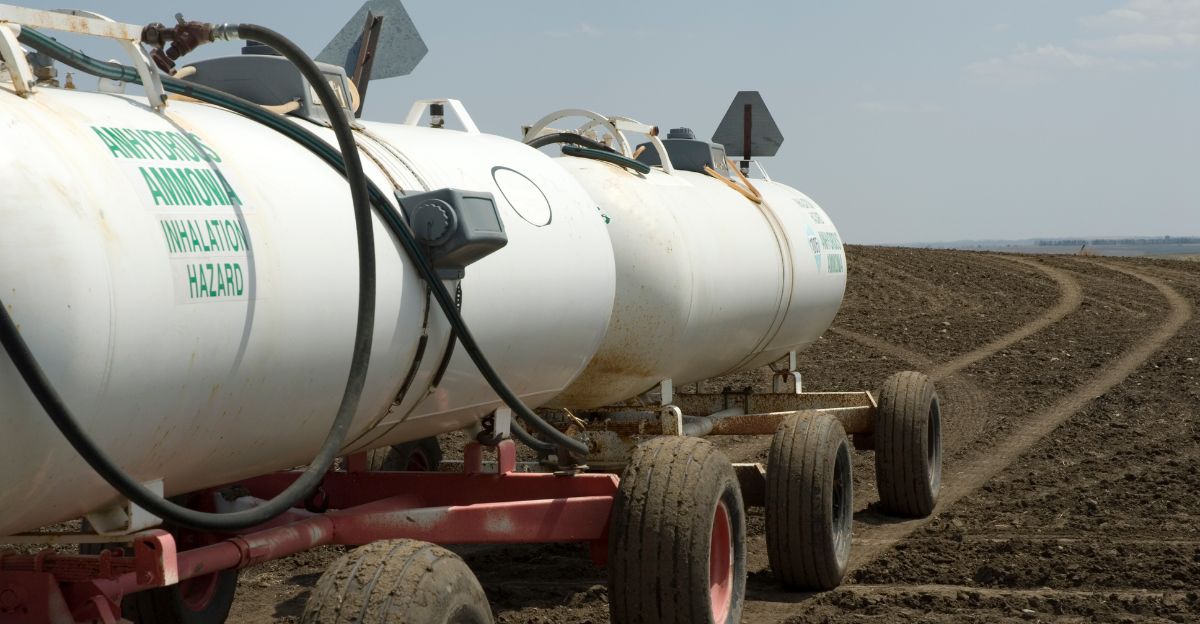
The explosion has changed Yazoo City in lasting ways. Once a quiet town best known for farming and fishing, it now symbolizes America’s struggle to balance industry and safety.
Residents are attending safety workshops and demanding open communication between government officials, emergency responders, and corporate staff. As cleanup continues, Yazoo’s people are showing resilience, seeking not just recovery, but reform.
A Turning Point for America

The Yazoo City fertilizer explosion underscores the difficult balance between feeding a growing population and keeping communities safe. While investigations are ongoing, experts agree that the disaster will affect both agriculture and industry regulation across the country.
America’s dependence on fertilizers means such plants will always play a critical role, but the Yazoo disaster has made many question where and how these facilities should operate. Future construction projects are likely to face stricter environmental reviews and tighter public scrutiny.