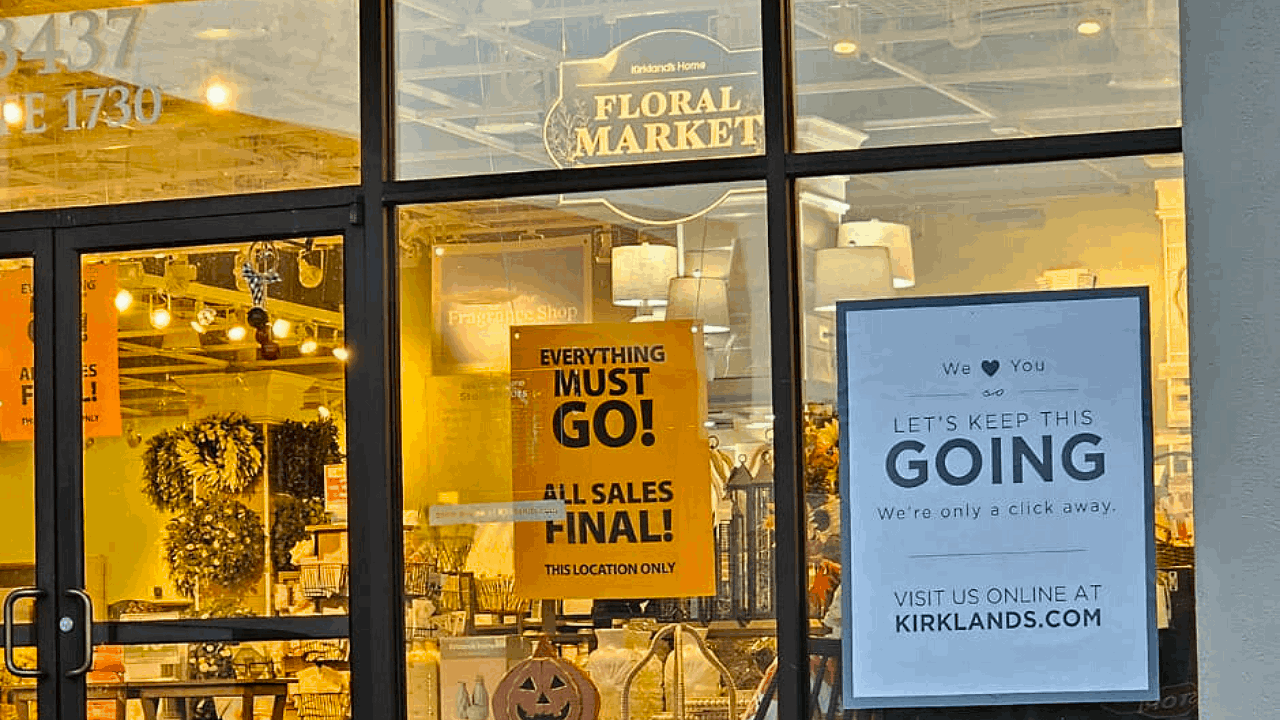
Kirkland’s Home is going through big changes. The company plans to close 25 of its stores by January 2025. Around the same time, it sold the rights to its brand name and logo to Bed Bath & Beyond for 10 million dollars. This move marks a turning point for the company as it tries to adjust to how Americans now shop for home goods. People are spending more online and visiting physical stores less, forcing many traditional retailers to rethink how they operate.
Kirkland’s decision fits into a much larger trend of change in the retail industry. Many U.S. retailers are downsizing or shutting their doors altogether. Coresight Research reported that more than 7,100 retail stores closed in 2024, representing nearly a 70% increase from the previous year. The main reasons are higher rents, shrinking foot traffic, and the growth of online shopping.
From One Local Store to a National Brand
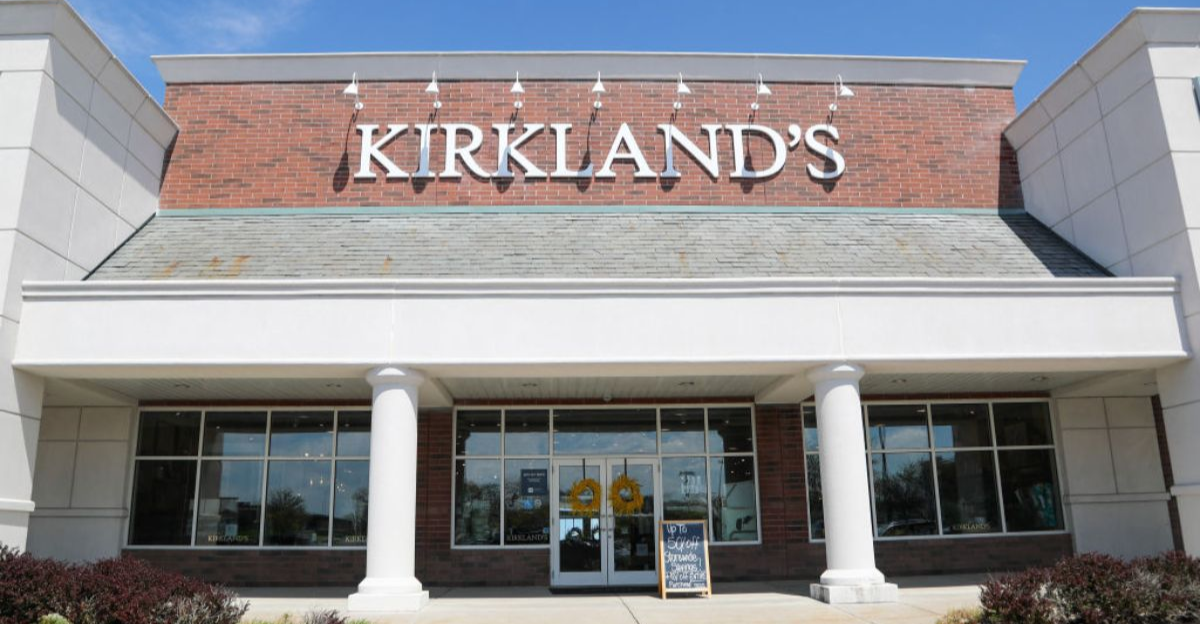
Kirkland’s began in 1966 in Jackson, Tennessee, as a small home décor shop. Over the years, it grew into a nationwide chain with more than 300 stores by the early 2000s. The company became known for its stylish, affordable home decorations. In fact, Newsweek named it one of America’s top home retailers in 2024. However, the rise of major online competitors like Amazon and Wayfair has made life difficult for traditional retailers like Kirkland’s.
In recent years, in-store sales have dropped, while costs for leases and operations have gone up. As shoppers increasingly prefer the convenience of online ordering, Kirkland’s has struggled to keep up. To adapt, the company began closing its underperforming stores and focused more on digital tools, online sales, and special product lines that aren’t available anywhere else. These moves are designed to make the brand more competitive and modern.
Selling the Brand and Reinventing the Business
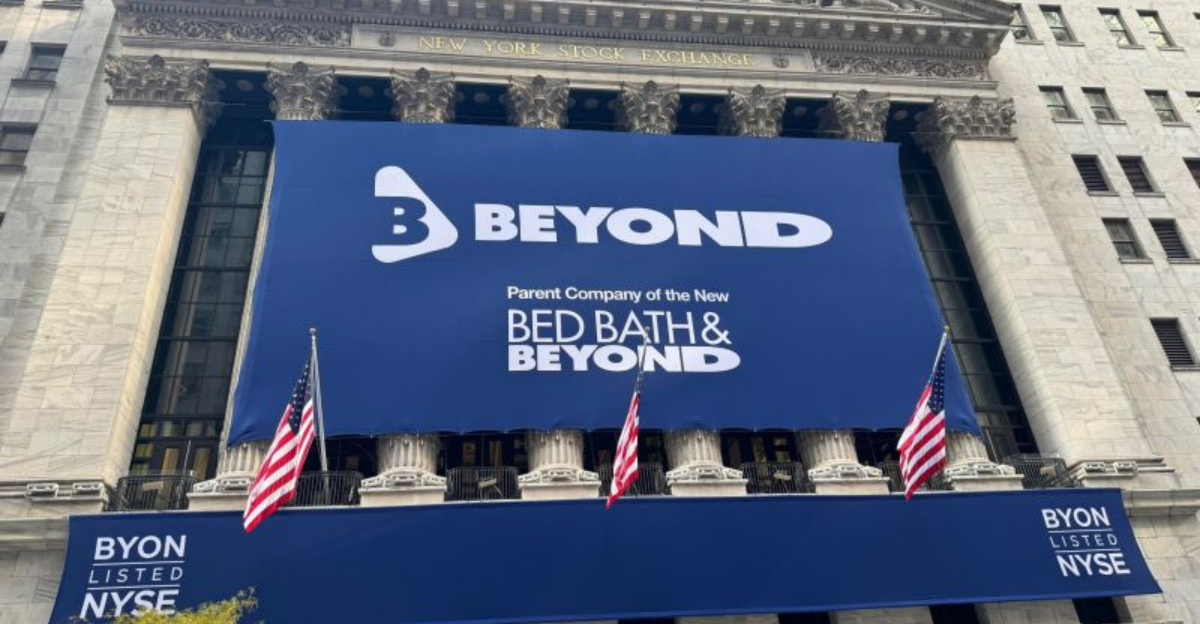
A major turning point came on September 15, 2025, when Kirkland’s sold its brand rights to Bed Bath & Beyond for 10 million dollars. This sale gives Bed Bath & Beyond a new brand identity and allows Kirkland’s to reorganize its business. Under CEO Amy Sullivan, Kirkland’s is becoming what she calls The Brand House Collective. Instead of operating a large network of stores, the company will shift its focus to partnerships, wholesale deals, and digital collaborations.
Essentially, Kirkland’s is moving away from the traditional storefront model and choosing to work more with other businesses while focusing on online opportunities. The rebranding marks a new phase for both companies. Bed Bath & Beyond gets to expand its brand portfolio, while Kirkland’s gets a fresh start in a leaner, more flexible format.
However, these changes come with consequences. Closing 25 stores will likely result in around 375 job losses, assuming each store employs about 15 people. Employees have expressed worry and frustration about the uncertainty of their futures. Some workers, like store manager Maria Lopez from Phoenix, have said they haven’t received clear information about which locations will close or what will happen to their benefits. Many employees have voiced concerns online, saying that communication from corporate leadership has been unclear.
The Future of Home Retail in a Digital World
The changes at Kirkland’s and Bed Bath & Beyond represent broader shifts in how home goods are sold in the U.S. Analysts note that since 2023, the home décor market has been shrinking and merging because of supply chain problems, digital delays, and heavy corporate debt. The COVID-19 pandemic also changed shopping habits forever, teaching consumers to value convenience and flexibility. Today’s shoppers mix online orders with in-person browsing, and brands that can connect those worlds are likely to lead the market in the future.
Retail experts like Dr. Linda Chen believe that success will depend on how well companies merge digital insights with real-world experiences. At the same time, investors and global companies are watching U.S. brands closely. Bed Bath & Beyond, which once ran stores in Canada and Mexico, could use these transformations as a test for future international expansion.
Still, these developments raise new questions. Empty storefronts can hurt local economies and create urban decline, while complicated lease agreements and worker layoffs can make transitions difficult. For customers, the growing focus on online retail means more convenience and variety, but fewer opportunities to shop in person. Younger shoppers, especially Millennials and Gen Z, tend to prefer fast, affordable, and sustainable shopping experiences, something traditional retailers must now deliver to stay relevant.
In the end, Kirkland’s transformation and Bed Bath & Beyond’s brand strategy show that the meaning of home shopping is changing. The future of home décor retail depends on how well companies can evolve, balancing the charm of in-person shopping with the speed and accessibility of the digital world.