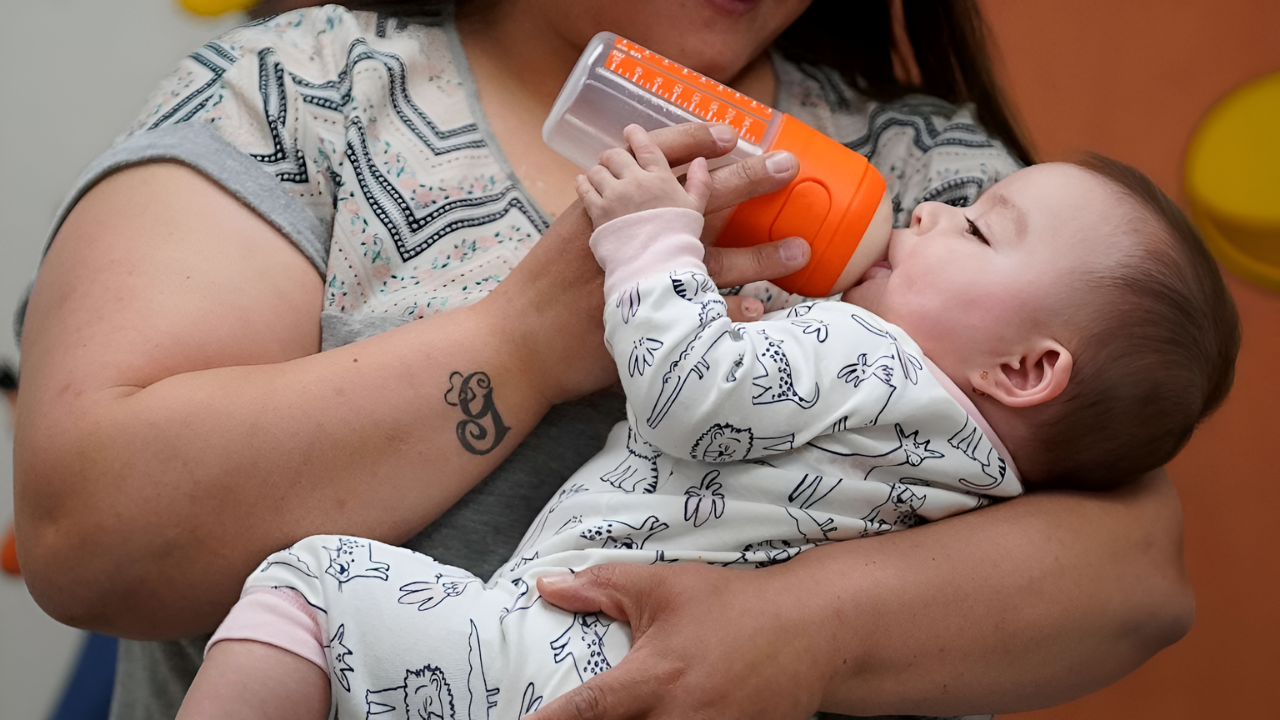
In early November 2025, a troubling discovery rocked the infant formula industry. ByHeart, a rising star in the U.S. market, became the center of an unprecedented recall after 15 infants across 12 states were hospitalized due to infant botulism.
All affected infants consumed ByHeart formula, and preliminary testing of an opened can detected Clostridium botulinum, establishing a strong epidemiological link that prompted investigations by the FDA and CDC.
What makes this incident alarming? There is no historical precedent of infant formula causing an infant botulism outbreak in the United States. But how did something so unprecedented happen? Stay with us as we uncover the facts behind this crisis.
Why Did This Happen? Investigating the Source

ByHeart’s formula was linked to the outbreak after epidemiological data showed all 15 affected infants had consumed ByHeart’s product—a disproportionate representation given ByHeart’s 1% market share.
Preliminary testing of an opened can revealed contamination with Clostridium botulinum, the bacteria responsible for botulism.
As of November 11, 2025, no unopened products have tested positive for the presence of the contaminant. The FDA and CDC investigations continue to determine the source of contamination and confirm the epidemiological link.
Immediate Impact on Parents: Fear and Uncertainty

The expanded recall affects all ByHeart products nationwide, advising parents to discontinue use of the formula immediately. Major retailers, including Amazon, Walmart, Target, Whole Foods, Kroger, and Albertsons, have removed products from shelves.
Parents are seeking safe alternatives while monitoring their infants for botulism symptoms, including a weak cry, drooping eyelids, constipation, difficulty swallowing, and respiratory distress.
The FDA advises retaining unused formula for possible testing. Healthcare providers report surging inquiries as anxiety grows among caregivers nationwide.
ByHeart’s Response: Crisis Management in Action

ByHeart responded by recalling two affected lots (251261P2 and 251131P2) on November 8, 2025. Following FDA recommendations based on additional cases and preliminary positive test results, the recall was expanded to all products on November 11.
Co-founders Mia Funt (President) and Ron Belldegrun emphasized infant safety as their top priority, confirming no contamination was found in unopened products.
The company continues to cooperate with federal and state authorities throughout the ongoing investigation, updating consumers through its website and retail partners.
The Impact on the Formula Market: Consumers Seek Alternatives
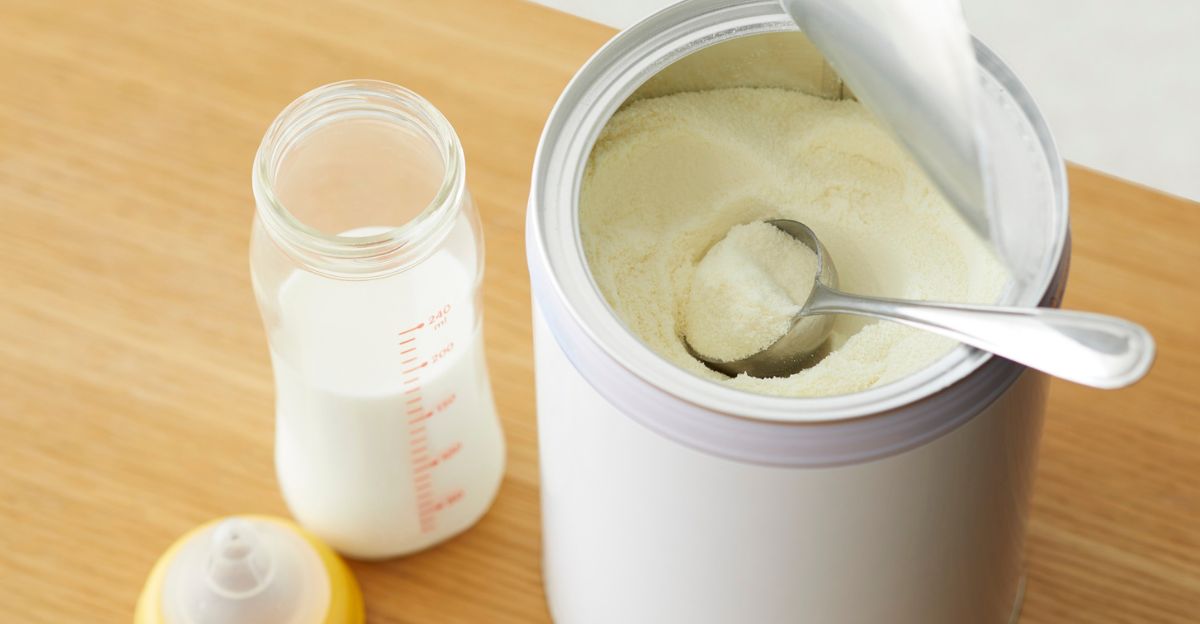
As the ByHeart formula is removed from shelves, parents are turning to alternative brands. The FDA confirmed ByHeart represents only 1% of the U.S. infant formula market, with approximately 200,000 cans sold monthly, so no nationwide shortages are anticipated.
However, heightened safety concerns are driving demand toward established, trusted brands. Retailers report increased sales of competing products as consumer behavior shifts.
The outbreak highlights the economic vulnerability of smaller formula producers in the highly regulated infant nutrition industry.
International Response to the U.S. Recall

This unprecedented crisis has drawn attention to the safety standards of U.S. infant formula. While the recall remains domestic and international regulatory responses are not yet documented, the unprecedented nature of a formula-linked botulism outbreak may prompt reviews of global safety protocols.
The incident underscores the interconnectedness of international food safety standards. As the investigation unfolds, global suppliers and importers may review their own protocols to prevent similar incidents, thereby reinforcing the importance of transparent communication in the international formula trade.
Doctors and Families Battle Infant Botulism

Healthcare professionals across 12 affected states—Arizona, California, Illinois, Kentucky, Minnesota, New Jersey, North Carolina, Oregon, Pennsylvania, Rhode Island, Texas, and Washington—have treated all 15 hospitalized infants with BabyBIG antitoxin.
Families face intense emotional stress during weeks of uncertainty, monitoring their babies’ recovery. The California Infant Botulism Treatment and Prevention Program, which provides the world’s only source of BabyBIG and 24/7 consultation at (510) 231-7600, plays a pivotal role in treatment and prevention efforts nationwide.
A Shift in Oversight
The FDA and CDC have launched comprehensive investigations as part of Operation Stork Speed, the first comprehensive review of formula ingredients since 1998.
Federal agencies are examining 84 infant botulism cases reported since August 2025, with 36 involving powdered formula consumption.
While specific legislative proposals have not yet been documented, the unprecedented outbreak may prompt discussions about strengthening oversight of infant formula production, distribution protocols, and food safety standards to prevent future incidents and restore public confidence.
Financial Impacts for ByHeart
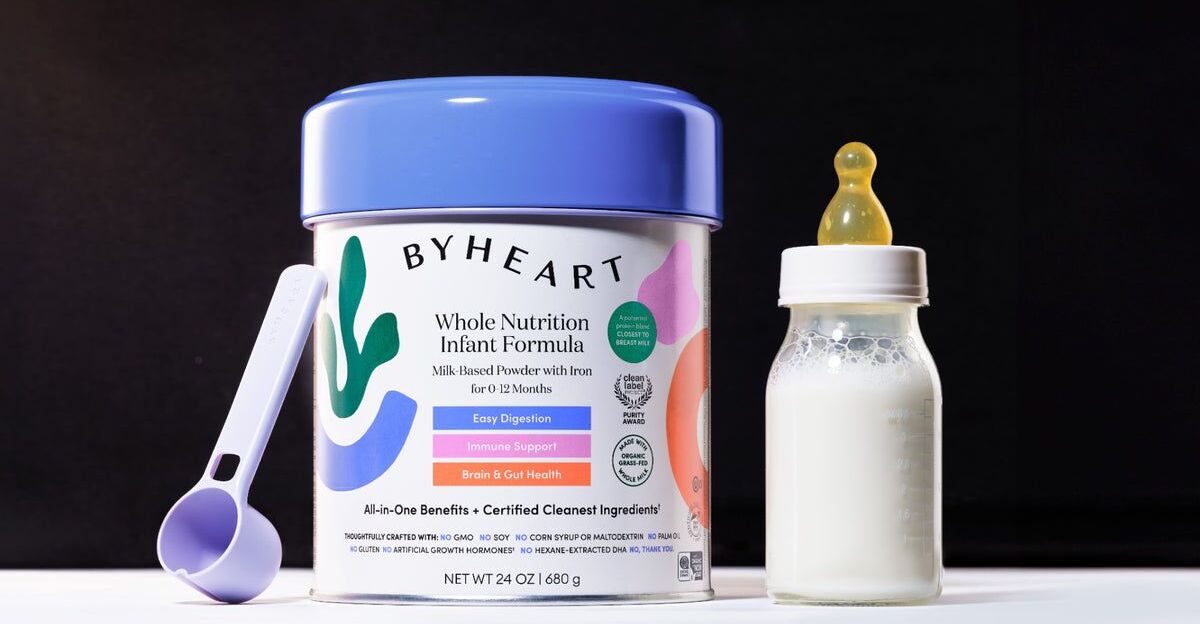
The financial repercussions for ByHeart and the affected families are significant. Treatment costs for the 15 hospitalized infants include BabyBIG antitoxin at $69,300 per vial, totaling over $1 million for this treatment alone, as well as additional hospitalization expenses.
The incident threatens ByHeart’s brand reputation and market position despite its small 1% market share. The outbreak highlights economic vulnerability for niche formula producers in the highly regulated industry, with potential long-term impacts on consumer trust and company viability as investigations continue.
Navigating the Recall and Customer Confidence
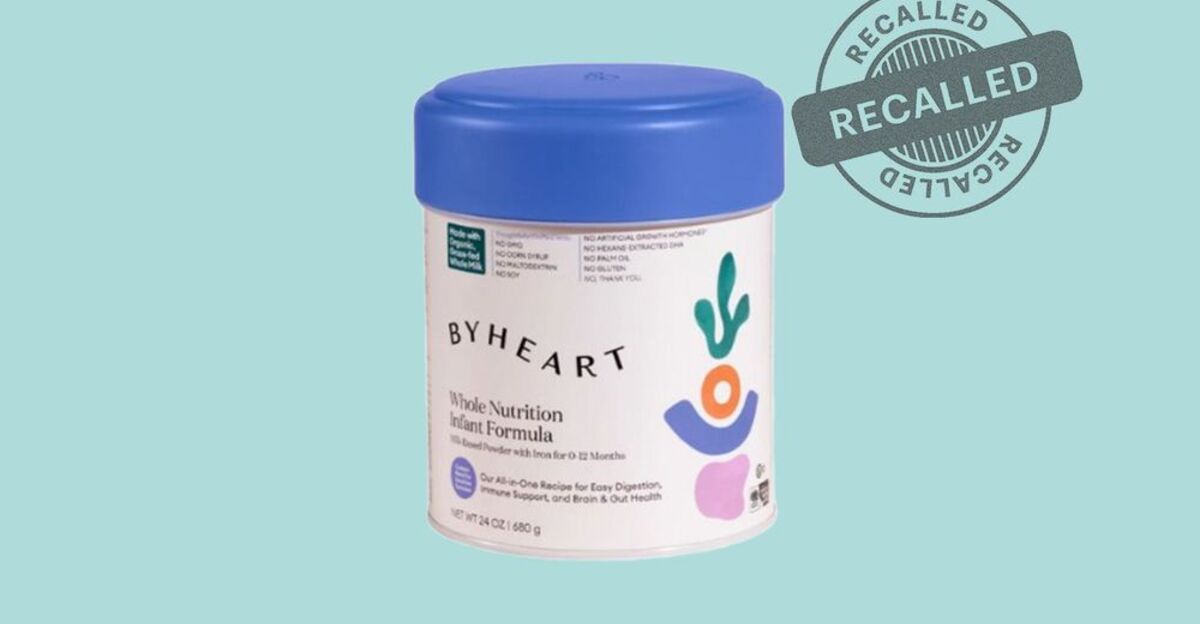
Retailers, including Amazon, Walmart, Target, Whole Foods, Kroger, Albertsons, and Sam’s Club, swiftly removed ByHeart products from shelves and online listings, issuing customer alerts and processing refunds.
Customer service teams have been inundated with inquiries from concerned parents seeking reassurance and safe alternatives. Retailers are coordinating with suppliers to maintain an adequate stock of alternative formulas.
Despite rapid response efforts, maintaining consumer confidence remains challenging. The recall creates supply chain adjustments as retailers and suppliers work to minimize disruption.
Adjusting Infant Nutrition Protocols

Hospitals and childcare centers nationwide have reviewed infant nutrition policies, immediately removing ByHeart formula from use and recommending safe alternatives to families.
Healthcare professionals are proactively updating feeding protocols and guidance to ensure infant nutrition remains safe during this period of heightened concern. Pediatricians report increased consultations about botulism symptoms and formula safety.
Nutritionists are advising parents on appropriate alternatives. The healthcare sector’s swift adaptation demonstrates the importance of coordinated public health responses during food safety crises.
Impact on Packaging and Logistics
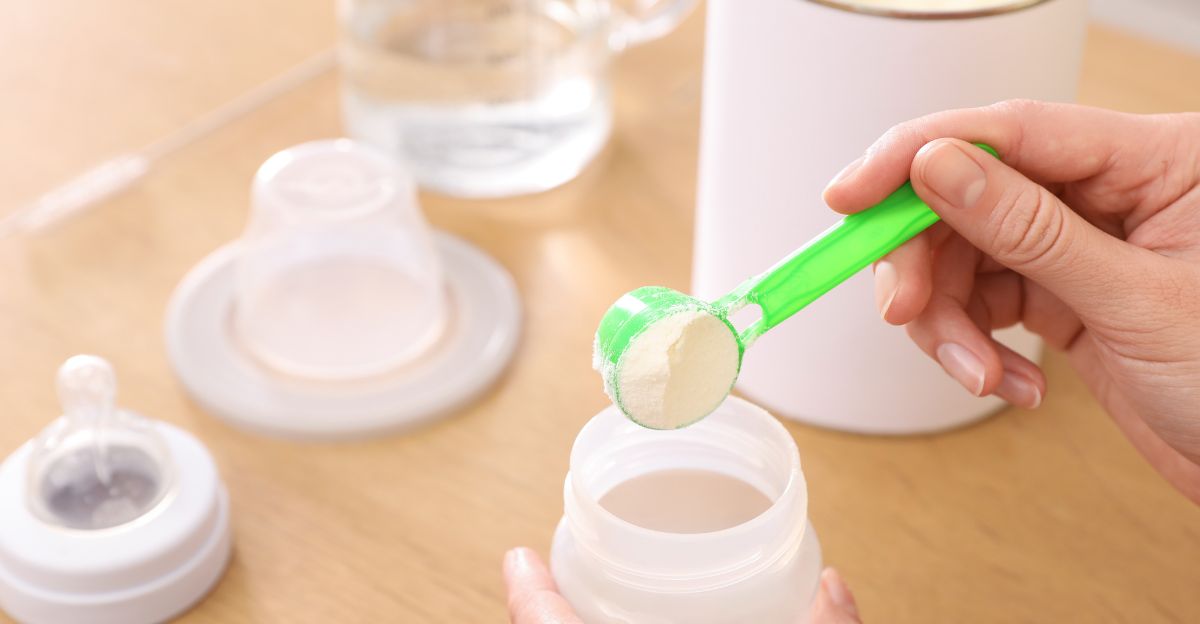
The recall creates ripple effects across the packaging and logistics sectors. Companies are coordinating returns, recovery, and proper disposal of affected products from retailers and consumers.
Distribution networks are managing the complex logistics of recall execution across multiple states and retail channels. ByHeart manufactures formula powder in Allerton, Iowa, and ships it to Portland, Oregon, for canning and distribution, with FDA inspectors regularly examining the facilities.
The incident prompts broader industry examination of supply chain integrity and quality control measures throughout production and distribution.
International Consumers Look to U.S. Formula Safety

The outbreak reveals vulnerabilities in infant formula safety systems that extend beyond borders. ByHeart’s recall affects only the U.S. market, where the company sells approximately 200,000 cans monthly through domestic retailers.
However, the incident occurs within a broader context of global formula supply chain concerns, particularly following the 2022 U.S. formula shortage that required emergency imports from Europe and other countries.
As investigations continue into how contamination occurred despite regulatory oversight, international manufacturers and health authorities may examine similar risks in their own production facilities and distribution networks.
Vigilance and Precautionary Measures

Following the recall, parents are increasingly cautious about formula safety, carefully checking product lot numbers and monitoring infants for symptoms. Some families are consulting healthcare providers about alternative feeding options.
Healthcare providers report surging consultations about botulism symptoms—constipation, weak cry, muscle weakness, difficulty swallowing, and respiratory issues—which can develop over several weeks.
Parents are advised to immediately stop using all ByHeart products, retain any unused formula for testing, wash items and surfaces that came into contact with the formula, and report any concerns to their healthcare providers.
The Debate Over Food Systems and Trust
The ByHeart recall has intensified debates over trust in commercial food systems and the effectiveness of regulatory oversight. The unprecedented nature of this outbreak raises questions about safety protocols in infant formula production.
While some parents may explore alternative feeding practices, healthcare providers emphasize the importance of safe, approved formula for infant nutrition. Advocacy groups emphasize the need for greater transparency in the formula industry.
The incident highlights ongoing cultural tensions around safety, convenience, and the government’s role in protecting public health.
ByHeart’s Reputational Damage

Despite ByHeart’s small 1% market share, the recall has severely damaged the company’s reputation. Once positioned as a next-generation disruptor in the formula industry with premium branding, ByHeart now faces significant setbacks.
Established brands with a long-standing safety record are experiencing increased consumer demand as parents prioritize proven reliability.
The disproportionate representation of ByHeart in botulism cases—more than 40% of formula-consuming infants from only 1% market share—provides strong epidemiological evidence that may permanently impact consumer trust and company viability.
Market Shifts and Long-Term Implications
The outbreak prompts a reassessment of risks and opportunities in the infant nutrition sector. Although specific investor statements and analyst predictions have not yet been documented, the incident is likely to influence investment priorities toward enhanced quality control and safety measures.
The recall highlights financial vulnerability in the highly regulated formula market, where safety incidents can significantly impact smaller brands, despite their limited market share.
Long-term market dynamics may shift toward stricter safety standards, increased regulatory oversight, and consumer preference for established brands with extensive safety records.
What Parents Need to Know

Parents must immediately stop using all ByHeart products, including all lot numbers of both cans and single-serve Anywhere Pack sticks. Check lot numbers against recall information. The FDA advises retaining unused formula for at least one month for possible testing.
Thoroughly wash items and surfaces that came into contact with the formula. Monitor infants for botulism symptoms: constipation, weak cry, drooping eyelids, difficulty swallowing, muscle weakness, and respiratory distress.
Symptoms can develop over several weeks. Report concerns immediately to healthcare providers and local health departments. Stay informed through CDC and FDA channels.
What’s Next for Infant Nutrition?
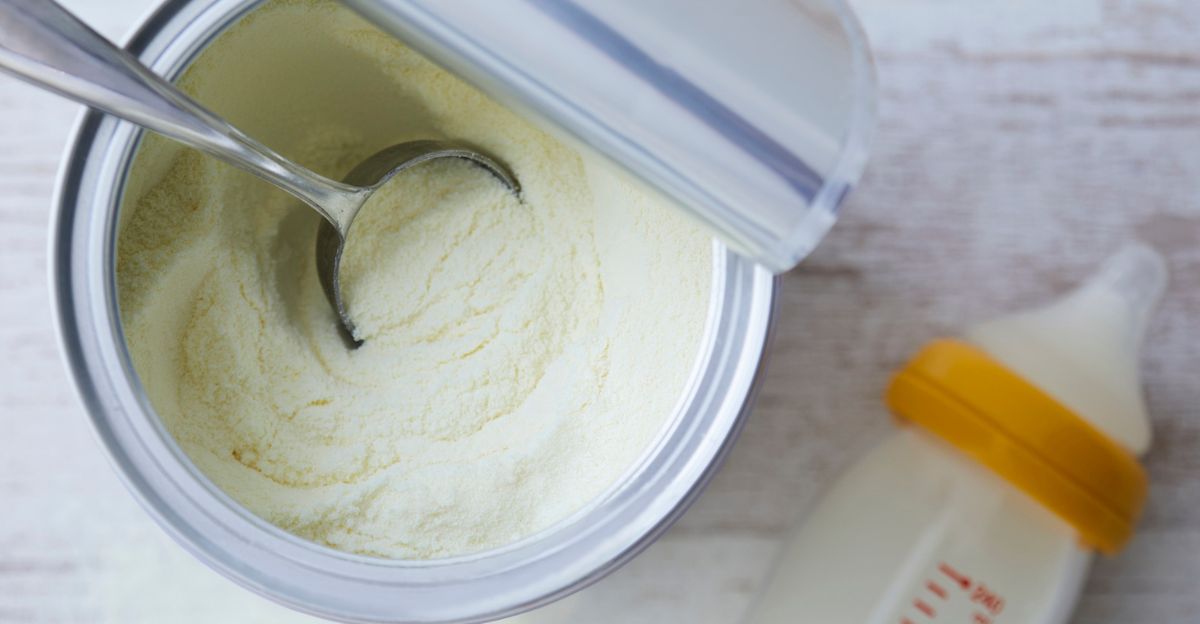
FDA and CDC investigations continue, examining production facilities and supply chains to identify the sources of contamination.
The broader investigation encompasses 84 infant botulism cases since August 2025. Of these, 36 infants (43%) consumed powdered formula, with 15 (more than 40%) specifically consuming ByHeart—a disproportionate representation given ByHeart’s 1% market share.
This strong epidemiological signal guides ongoing investigations. Laboratory testing continues on products and environmental samples. Investigation outcomes may establish new industry standards for infant formula production, safety protocols, and regulatory oversight.
The Future of Infant Formula Safety

This unprecedented botulism outbreak has impacted families, the formula industry, and public health agencies nationwide. While serious, the outbreak affected 15 infants with no reported deaths, and ByHeart represents only 1% of the formula market, minimizing broader supply concerns.
The incident highlights the crucial importance of adhering to rigorous safety standards in infant nutrition. As investigations unfold, stakeholders must collaborate to strengthen production protocols, enhance regulatory oversight, and ensure transparent communication. Restoring consumer trust requires a demonstrated commitment to infant safety throughout the industry.