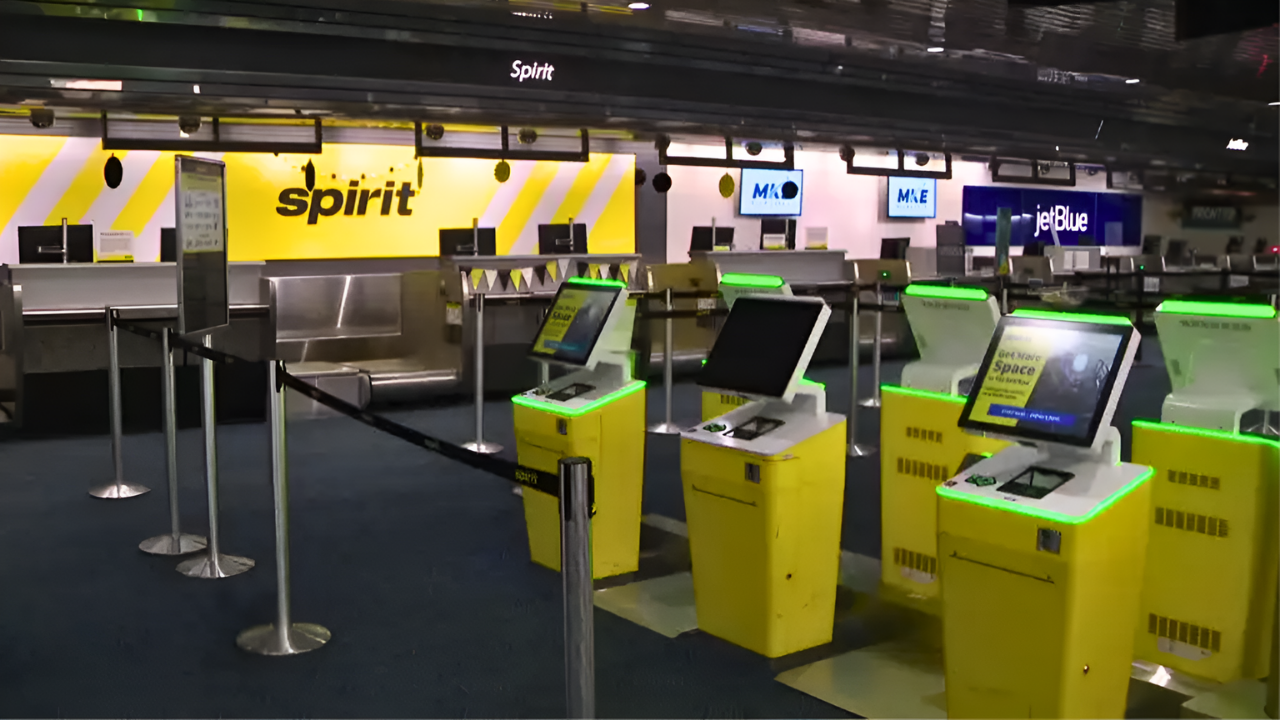
Spirit Airlines, once a pioneer in ultra-low-cost air travel, now faces its most perilous moment. After reporting a staggering $317 million quarterly loss and warning of “substantial doubt” about its ability to survive, the airline’s future is being decided not in boardrooms, but in bankruptcy court. The rapid unraveling of Spirit’s business has sent shockwaves through the industry, raising urgent questions about the viability of budget carriers in a changing market.
A Lifeline on Borrowed Time
To stave off collapse, Spirit secured $1.2 billion in emergency debtor-in-possession financing. Yet this cash infusion only buys time, not stability. With reserves dwindling to $646 million and daily cash burn reaching $3.5 million, the airline’s financial position remains precarious. Credit card processors, wary of a potential liquidation, have begun withholding up to $3 million per day, further tightening the squeeze on Spirit’s operations. Each day brings a new scramble to keep planes in the air and bills paid.
The airline’s troubles deepened with an unprecedented double bankruptcy. Spirit first entered Chapter 11 in March 2025, erasing $795 million in debt and hoping for a fresh start. But by late August, it was back in court, marking a historic and rapid return to insolvency for a major U.S. carrier. The speed of Spirit’s decline has left industry analysts and competitors stunned.
A Broken Business Model
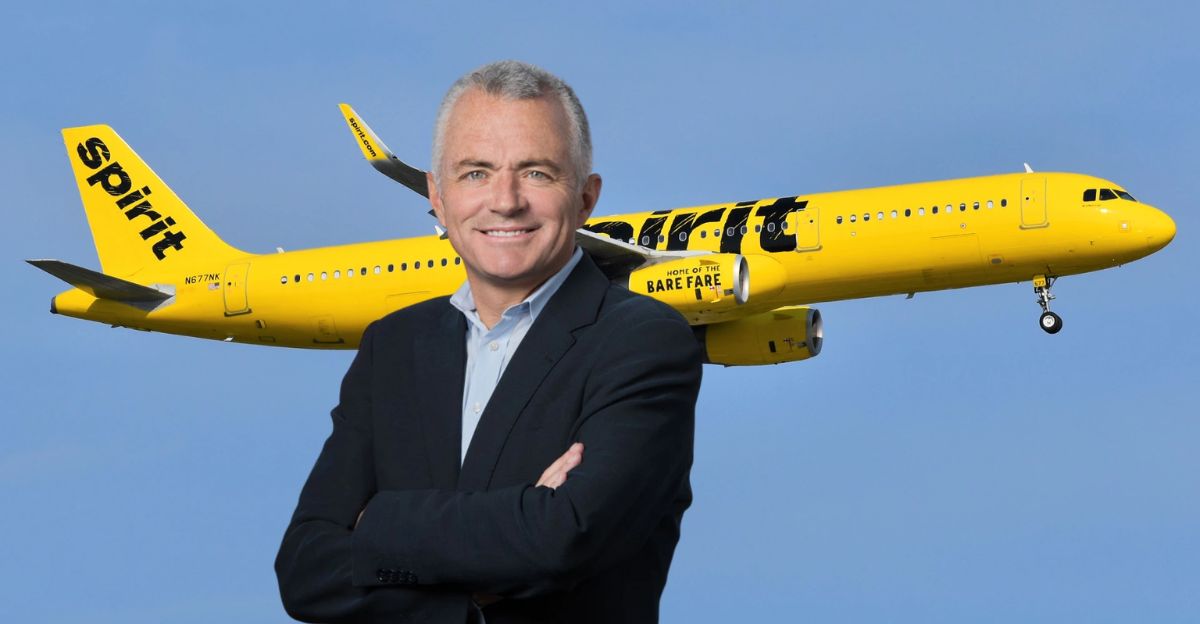
When CEO Dave Davis took the helm in April, he found that the company’s restructuring had addressed paperwork, not fundamentals. The demand for ultra-low-cost domestic flights failed to rebound as expected. Even after shedding hundreds of millions in obligations, Spirit’s costs remained too high and its customer base too weak. The summer schedule, once a reliable revenue driver, proved under-filled, exposing the fragility of the airline’s volume-dependent model.
Spirit’s business relies on filling nearly every seat, every day. But as American leisure travelers pulled back, planes flew half-empty, and the economics of low-cost flying collapsed. Utilization rates dropped, operating expenses soared, and each under-filled flight became a heavier financial burden. The airline’s formula—cheap seats, unbundled fares, and high ancillary fees—could not withstand the sudden evaporation of demand.
Fleet Contraction and Mechanical Woes
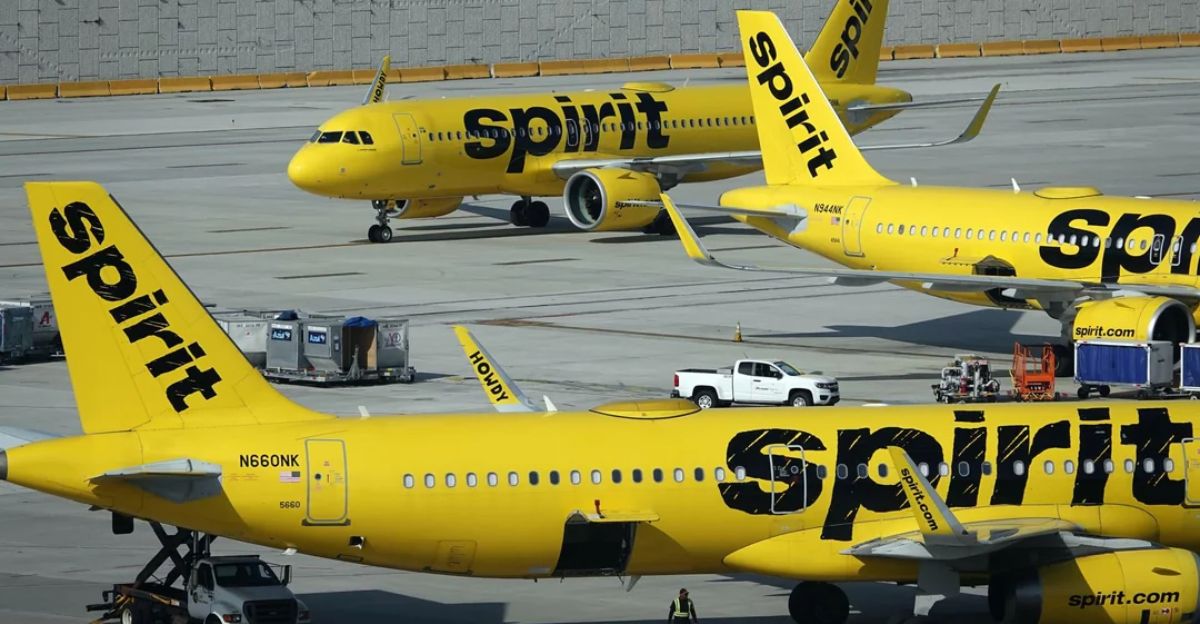
The crisis forced Spirit to return more than half its fleet—over 94 aircraft—to lessors, including 27 to AerCap, in exchange for just $150 million in liquidity and the surrender of future Airbus deliveries. Many of the returned jets were grounded, awaiting costly repairs due to widespread issues with Pratt & Whitney GTF engines. Maintenance bills ballooned as aircraft sat idle, compounding the airline’s losses and accelerating its slide toward a second bankruptcy.
The engine crisis exposed the risks of Spirit’s heavy reliance on a single aircraft type and engine supplier. As more planes were sidelined, the airline’s ability to generate revenue continued to shrink, deepening the financial hole.
Regulatory Roadblocks and Market Shifts
Spirit’s fate took a dramatic turn when regulators blocked JetBlue’s $3.8 billion acquisition bid in January 2024. Antitrust officials argued that the merger would reduce competition and harm consumers, particularly on routes where Spirit had driven down prices. Without JetBlue’s financial backing, Spirit was left isolated in a weakening market, deprived of the lifeline that might have altered its trajectory.
By mid-2025, demand for budget flights cratered across the U.S. Economic uncertainty and falling consumer confidence led to slashed travel forecasts. Spirit, the most vulnerable ultra-low-cost carrier, absorbed the hardest blow as price-sensitive travelers vanished almost overnight. Competitors like Frontier and Allegiant quickly moved to capture Spirit’s abandoned routes, reshaping the market as Spirit retreated.
Uncertain Future for Workers and Passengers

Spirit’s balance sheet now shows $6.7 billion in liabilities against $8.8 billion in assets. Despite converting nearly $800 million of debt to equity, mounting reorganization costs and relentless cash burn—about $3.5 million per day—have made long-term profitability appear out of reach. The airline’s survival depends on court approval for nearly every operational decision, from aircraft returns to financing terms. A single major creditor objection could force liquidation.
For Spirit’s thousands of employees, the crisis is deeply personal. Pilots, flight attendants, mechanics, and support staff face furloughs, pay cuts, or job losses as the company slashes costs to stay afloat. Passengers, too, are left in limbo, uncertain whether their tickets will be honored or their travel plans upended by sudden cancellations.
As December 2025 approaches, Spirit Airlines is racing the clock—operating on borrowed time, borrowed planes, and borrowed money. The outcome will not only determine the fate of one airline but could also reshape the landscape of American air travel, with implications for fares, competition, and the future of ultra-low-cost flying.