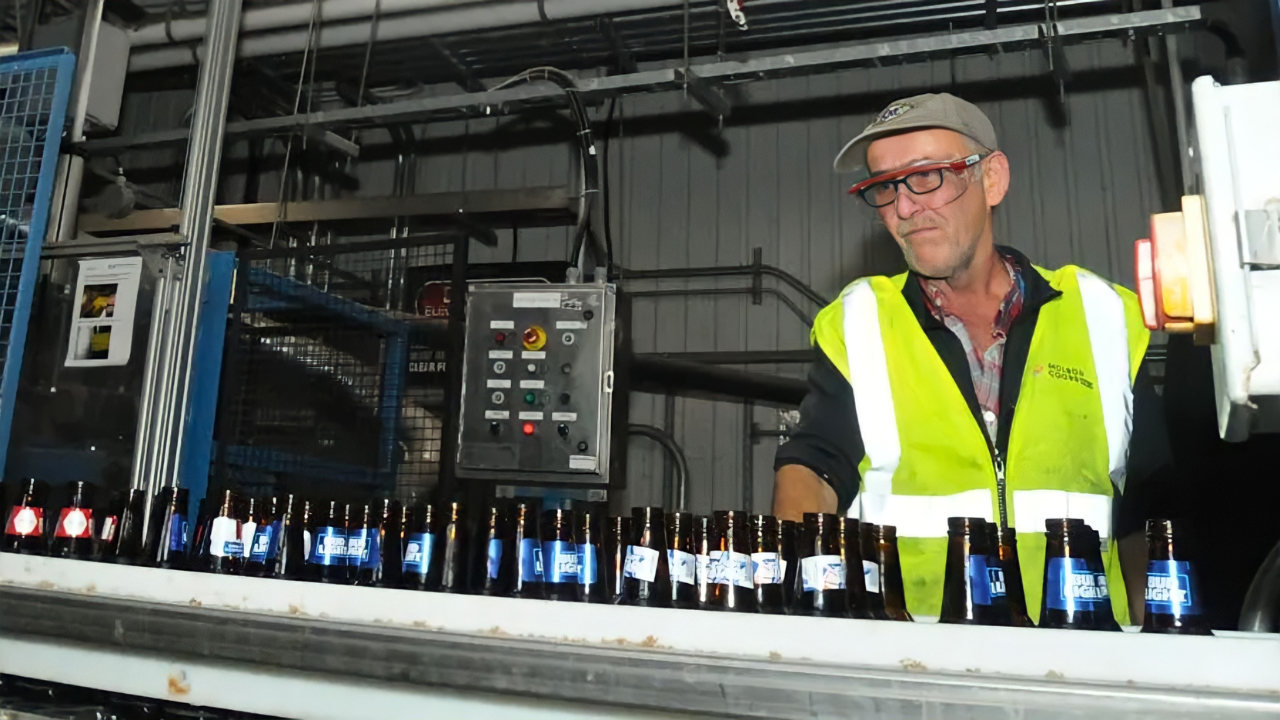
For more than a century and a half, the Leinenkugel’s brewery in Chippewa Falls, Wisconsin, has been a fixture of American beer culture—a symbol of local pride and family tradition since its founding in 1867. That legacy will soon end. Molson Coors, the multinational beverage giant that owns Leinenkugel’s, has announced it will shutter the historic brewery on January 17, 2025, eliminating about 56 jobs and closing the book on six generations of family brewing in the town.
The closure is part of a sweeping corporate overhaul as Molson Coors responds to a sharp decline in beer sales and rising operational costs. The company reported a 7.3% drop in U.S. beer volume in its August 2024 earnings call, prompting CEO Gavin Hattersley to unveil plans for deep cost-cutting, including the elimination of roughly 400 salaried positions across the Americas by late 2025. The decision to close the Chippewa Falls plant follows the end of a major contract brewing deal and the opening of a new canning line in Milwaukee, which has made smaller facilities like Chippewa Falls redundant.
A Community Mourns Its Hometown Brew
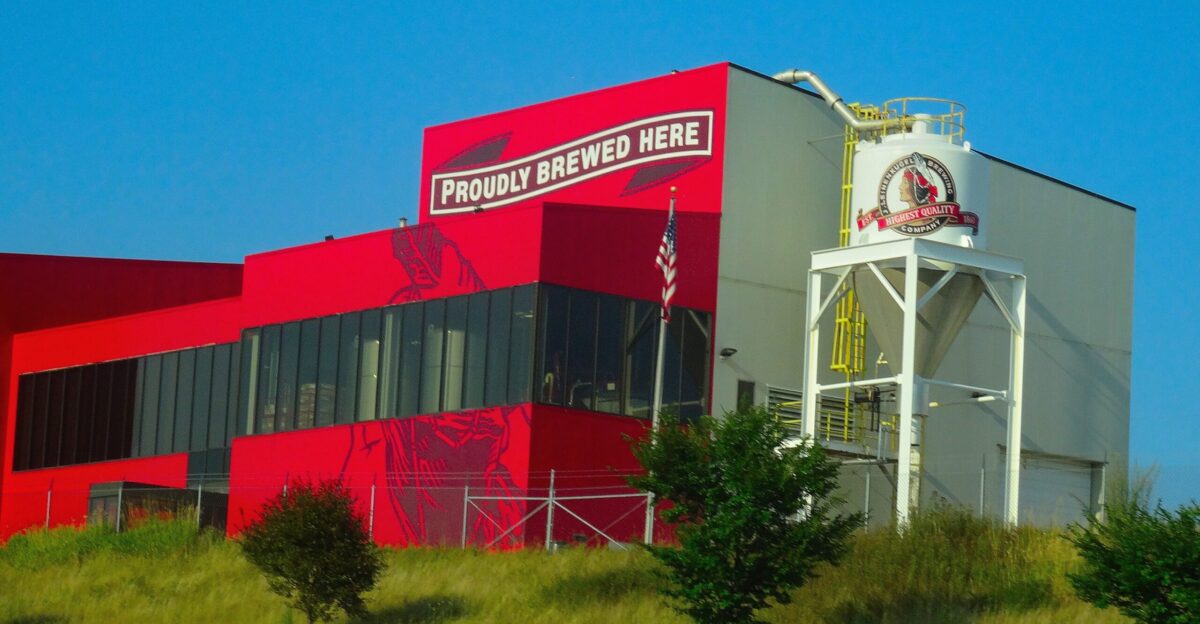
For residents of Chippewa Falls, the loss is deeply personal. While Molson Coors will continue to produce Leinenkugel’s beer in Milwaukee—where more than 75% of the brand’s output is already brewed—the closure severs the brand’s historic connection to its birthplace. The Leinie Lodge visitor center and a small pilot brewery will remain open at the original site, but the sense of local ownership and tradition will be gone.
“It’s a sad day for our family and our fans,” said Dick Leinenkugel, former president of the Jacob Leinenkugel Brewing Company. “None of our family members were aware or counseled ahead of the decision.” The sentiment is echoed by local union leaders, who called the closure “a tragedy” for the Chippewa Valley and vowed to fight for workers’ rights. Teamsters Locals 200 and 662, which represent brewery employees, have issued a joint statement decrying the loss of a community institution and pledging to support affected workers.
Local officials and economic development agencies are now scrambling to help displaced employees and attract new businesses to fill the void left by the brewery’s departure.
Shifting Tastes and Industry Pressures
The closure of Leinenkugel’s Chippewa Falls brewery is emblematic of broader changes in the beverage industry. National beer giants like Molson Coors are consolidating production and focusing on higher-margin, “premium” brands as traditional beer consumption declines. Rising commodity and energy costs have squeezed profit margins, forcing companies to streamline operations and cut expenses.
Molson Coors’ supply-chain chief Brian Erhardt explained the company’s strategy: “We decided to close two of our smaller brewing operations and centralize statewide production at our main site in Milwaukee.” The company is also investing in new product categories, including premium mixers, non-alcoholic beverages, and energy drinks, as it seeks to capture growth in emerging markets like hard seltzers and spirits.
This shift is not unique to Wisconsin. Globally, major brewers are scaling back legacy operations in response to falling demand. AB InBev closed a Massachusetts distribution center in 2024, cutting nearly 200 jobs. Brown-Forman, owner of Jack Daniel’s, is shuttering a barrel plant, and Heineken has previously closed breweries including facilities in the Czech Republic. Japanese brewer Kirin is also reducing beer output, underscoring an industry-wide contraction.
Tradition Versus Efficiency
While Molson Coors insists that Leinenkugel’s heritage will endure—”Leinenkugel’s has been an important part of our company for nearly 40 years and that’s not changing,” said Chief Communications Officer Adam Collins—critics argue that consolidating production erodes the brand’s authenticity. For many consumers, a beer labeled “Made in Chippewa Falls” carried a unique cachet that is difficult to replicate in a large, centralized facility.
Local drinkers and beer historians lament the loss of a cultural landmark. “This brewery was a symbol of our legacy, a source of pride for our community, and a key part of what makes Leinenkugel’s unique,” said Jake Leinenkugel, who, along with his brother Dick, attempted to buy the brewery back from Molson Coors to keep it independent. The company rejected their offer, opting instead to convert the facility into a pilot brewery. The Leinenkugel family has hinted at launching a new independent beer venture to preserve their brewing tradition.
A Changing Market and the Road Ahead
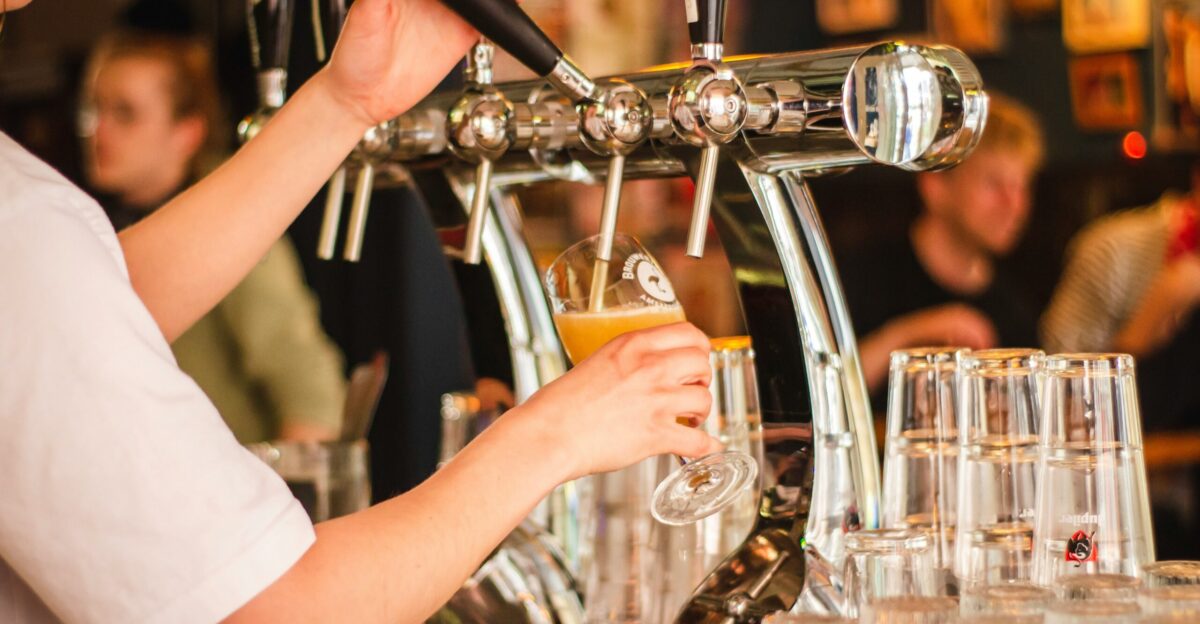
As Molson Coors and other beverage giants adapt to a changing market, craft breweries and alternative beverage makers are poised to fill the gap left by legacy brands. In Wisconsin, local craft brewers see an opportunity to offer “hometown” products that appeal to loyal drinkers seeking authenticity and community connection.
Industry data shows the fastest-growing beverage categories are spirits, cocktails, and non-alcoholic drinks. With U.S. beer volume projected to decline by nearly 3% in 2024, companies like Molson Coors are betting on diversification to drive future growth.
For Chippewa Falls, the closure of its iconic brewery is more than an economic setback—it’s a turning point. As CEO Rahul Goyal put it, “We must transform even faster… and make bolder decisions” to remain competitive. The fate of Leinenkugel’s will be watched closely as a test of whether heritage brands can survive in a rapidly evolving industry, and whether communities built on tradition can find new ways to thrive.