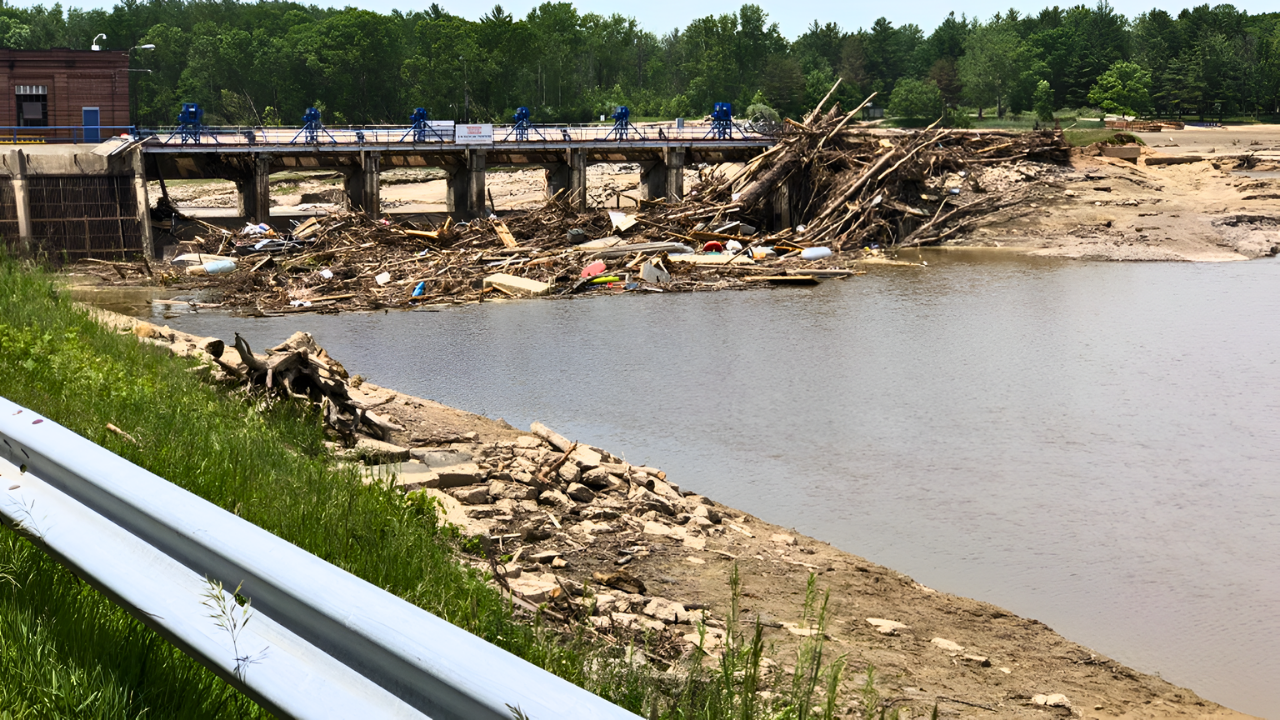
The U.S. oversees more than 92,000 dams vital for flood control, power generation, and water supply. Approximately 70 percent surpass 50 years old, with an average age of 61 years, often exceeding original design lifespans. Roughly 16,700 hold high hazard potential, where failure could lead to deaths and widespread property damage.
Virginia Tech researchers have uncovered concerning evidence of subsidence in over 2,500 high-risk U.S. dams rated in poor condition, with many continuing to sink despite prior repairs, as detected by advanced satellite radar from Sentinel-1 satellites measuring millimeter-level ground shifts. These structures face hidden threats like internal deterioration, invisible to standard inspections. Interferometric Synthetic Aperture Radar, or InSAR, reveals progressive sinking across hydroelectric dams nationwide, signaling potential compromise before visible cracks form.
Roanoke Rapids Dam Reveals Hidden Risks
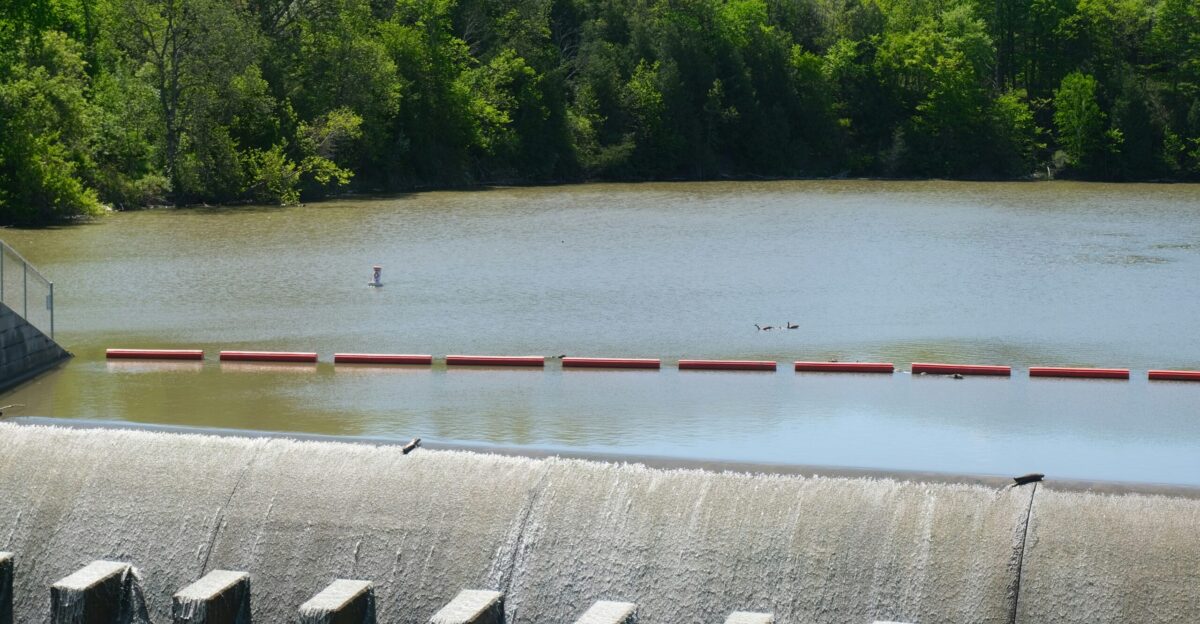
North Carolina’s Roanoke Rapids Dam, an 80-foot-high concrete gravity structure stretching 3,000 feet over the Roanoke River, demonstrates these dangers. Its northern face sinks steadily, cracking the concrete due to alkali-silica reaction, a chemical process eroding the material. The dam powers Dominion Energy and endangers approximately 15,000 residents in Roanoke Rapids downstream. This case underscores the need for ongoing intervention to manage known flaws over decades.
Funding Shortfall Threatens Repairs
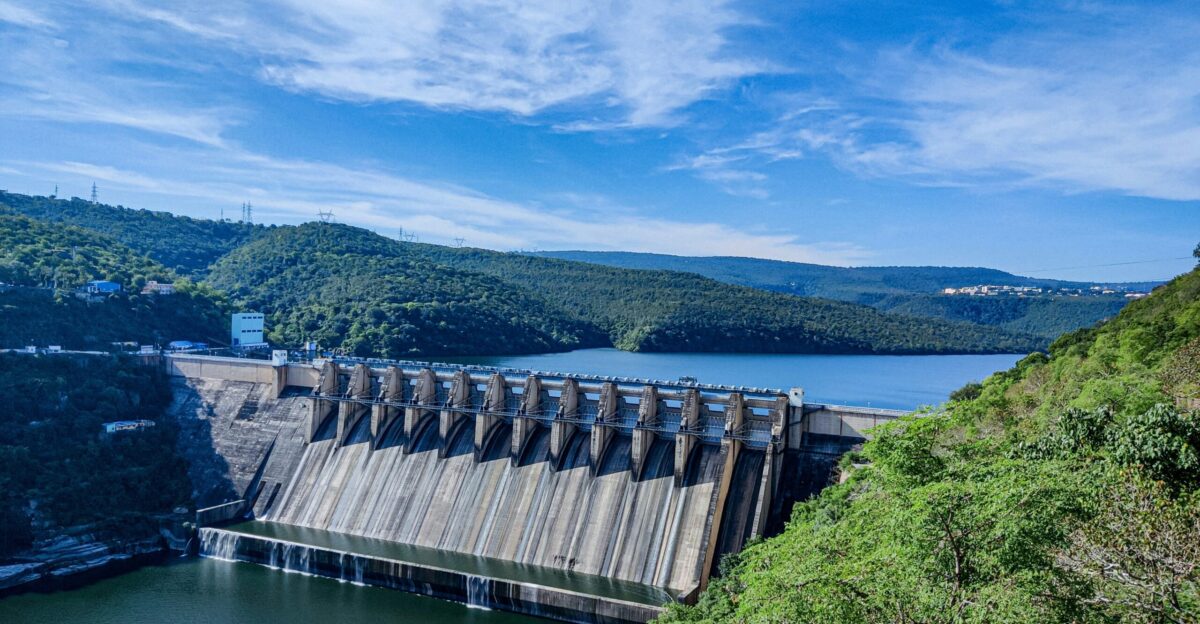
Rehabilitating non-federal dams to good condition demands $165.2 billion, per the Association of State Dam Safety Officials, with $37.4 billion urgently needed for the most critical sites. The 2024-2033 period requires approximately $185 billion total, but current federal funding allocates only a fraction of that amount, leaving a substantial gap. State oversight suffers from resource constraints, with each dam safety official monitoring approximately 190 dams on average. High-hazard inspections aim for 7-8 year cycles but face longer delays due to understaffing.
The 2021 Infrastructure Investment and Jobs Act offered $3 billion in dedicated dam safety funding, including grants and loans for FEMA’s high-hazard dam rehabilitation program and dam removals, plus funding for state dam safety offices.
Extreme Weather and Recent Failures
Climate change heightens threats, as atmospheric water vapor increases with warming temperatures. The National Climate Assessment notes regional rainfall increases of approximately 10 percent in Midwest regions over recent decades.
Hurricane Helene in September 2024 brought intense precipitation to North Carolina watersheds, resulting in damage to multiple high-hazard dams and numerous state-regulated dam failures. The Tennessee Valley Authority issued its first-ever “condition red” alert for Nolichucky Dam during the storm response.
Michigan’s Edenville Dam collapsed in May 2020 amid heavy rain, evacuating 11,000 people and causing significant documented property damage and infrastructure failures. Since 2018, the Midwest has experienced numerous dam failures or near-failures from extreme precipitation. Vermont’s July 2023 floods stressed multiple dams across the state following heavy rainfall.
Vulnerable populations near aging dams often lack adequate emergency action plans, warning systems, or resources, compounded by language barriers, mobility limitations, and housing challenges.
Pathways Forward with Technology and Strategy

InSAR from Sentinel-1 satellites enables wide-area, frequent monitoring of dams, reservoirs, and terrain, detecting slow shifts or sudden changes over time. Advanced sensors and data analytics enable real-time monitoring of water levels, seepage, and structural displacement.
Dam removal emerges as a cost-effective option for obsolete structures. Benefits include restored river flows, fish passage, water quality improvements, and enhanced floodplain resilience.
Emergency Action Plans outline detection procedures, notifications, and defined roles for owners, states, and communities, using inundation mapping to prepare vulnerable areas. Updating dam designs for future climate projections, such as larger spillways and increased capacity, addresses outdated standards from 50-70 years ago.
Industry research indicates that 40-50 percent of dam failure risks are controllable through improved maintenance and monitoring systems. Sustained federal funding for the National Dam Safety Program, risk-based priorities, and adaptive strategies—balancing repair, monitoring, and removal—could significantly mitigate infrastructure risks and protect downstream communities.
Sources:
“2,500 ‘High-Risk’ U.S. Dams Are Sinking Into the Ground.” PopSci, December 16, 2025.
“Exposing the Most Dangerous Dams in the US.” American Geophysical Union Press Release, December 16, 2025.
“Dams Earn D+ in 2025 ASCE Report Amid Aging Risks.” Water Power & Dam Construction Magazine, May 8, 2025.
“$165.2 Billion Needed to Rehabilitate the Nation’s Non-Federal Dams.” Association of State Dam Safety Officials (ASDSO), October 31, 2025.
“Federal Assistance for Nonfederal Dam Safety.” Congressional Research Service Report R47383, 2025.
“Infrastructure Investment and Jobs Act: Dam-Related Funding.” American Rivers and Environmental and Energy Study Institute, 2021.
“How Extreme Rainfall and Failing Dams Unleashed Catastrophic Flooding.” Nature, May 6, 2025.
“America’s Sinking East Coast.” NASA Earth Observatory, October 23, 2025.
“‘Not a Silver Bullet’: NC Dams Problematic During Helene Flooding.” WFAE News, June 2, 2025.
“Edenville Still Seeks Accountability in Devastating Dam Failure.” Click On Detroit Investigations, November 12, 2025.