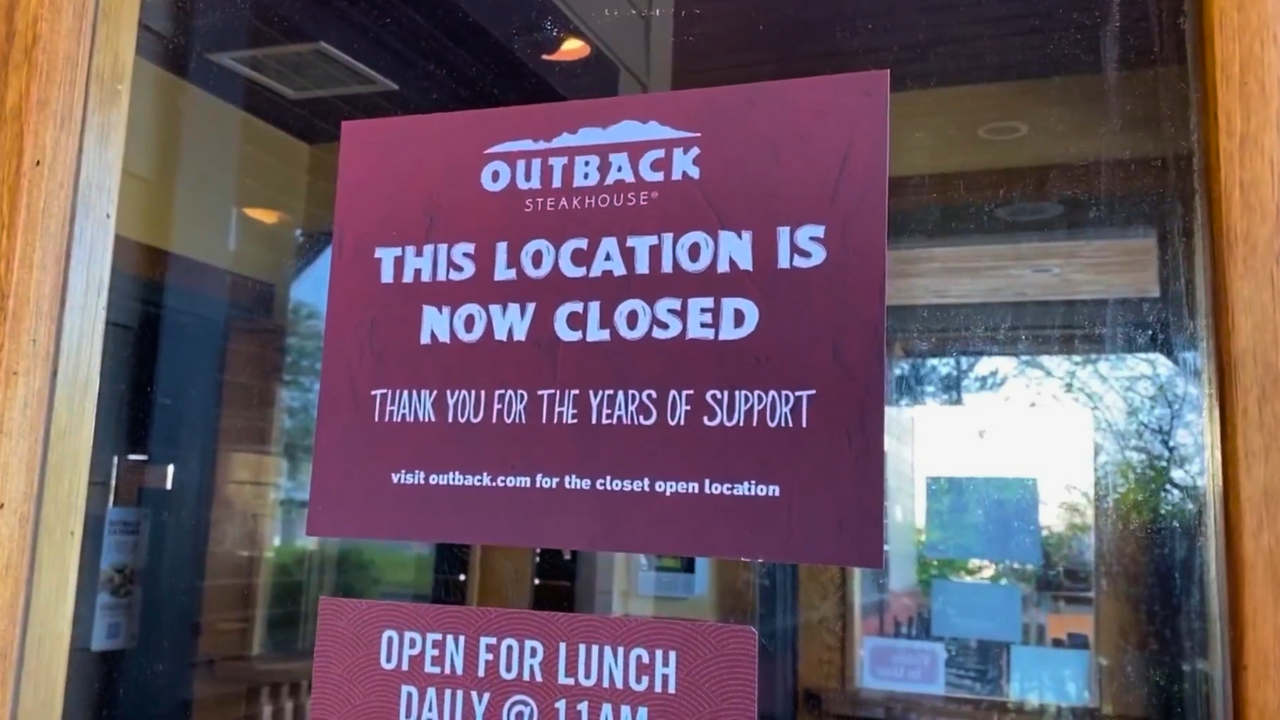
On a quiet weekend in late October, Outback Steakhouse and its sister brands unexpectedly closed at least 14 locations across eight states, leaving employees and loyal patrons stunned. For many, these restaurants were neighborhood staples, some serving communities for more than three decades.
The closures, part of parent company Bloomin’ Brands’ ongoing turnaround plan, reflect wider challenges in the American casual dining sector. Company spokesperson Elizabeth Daly said, “These are business decisions that are part of our ongoing turnaround plan.”
Here’s what’s happening across affected communities…
Sudden Loss for Workers and Communities
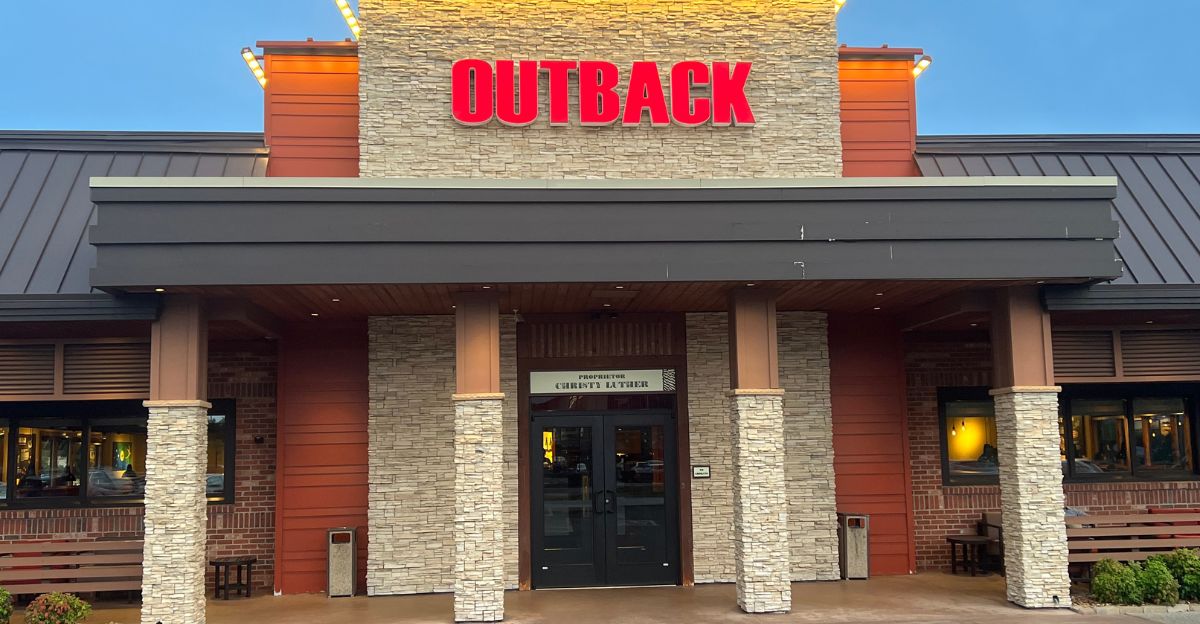
The closures instantly affected roughly 150 to 200 employees, many of whom faced uncertain futures. At the Bonefish Grill in Gainesville, Virginia, 60 staff members were offered transfers and transition bonuses, but the emotional toll was immediate. Across locations from Madison, Wisconsin, to Jacksonville Beach, Florida, local media and employees described the sudden shutdowns as shocking, with little warning or explanation.
For many workers, these jobs were more than paychecks—they represented lasting community ties. Longstanding locations, such as the 30-year-old Naples Outback and the 35-year-old Jacksonville Beach site, had forged deep connections with customers and staff. The ripple effects extend to local suppliers and small businesses that relied on steady restaurant traffic, highlighting the broader impact of the closures on neighborhood economies.
Corporate Strategy and Financial Pressures
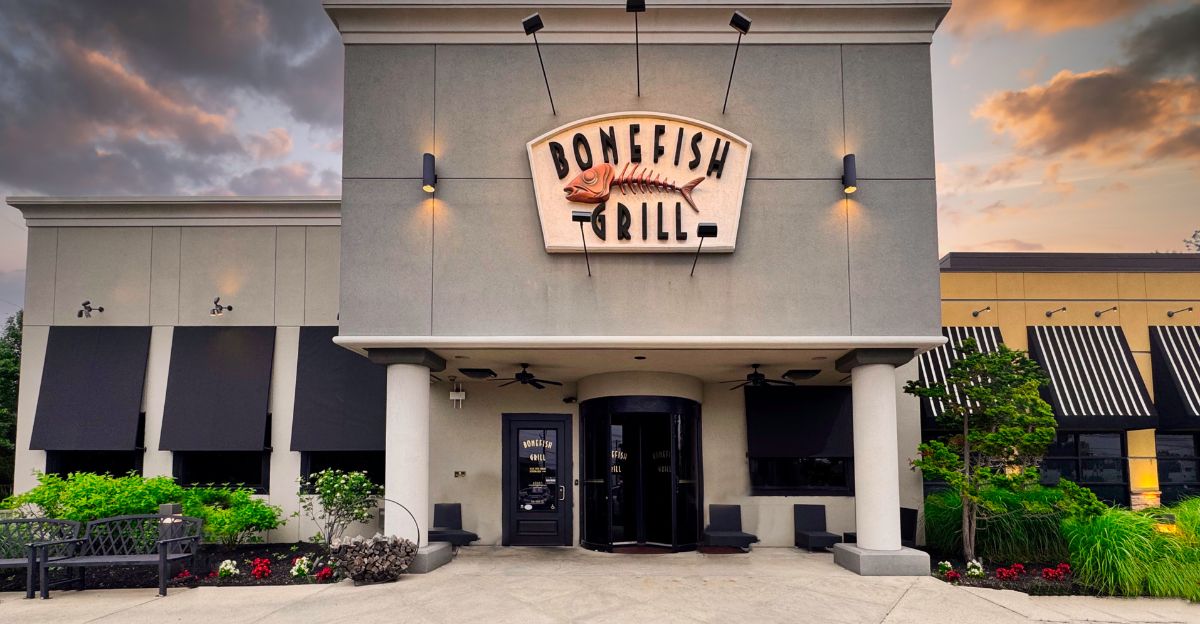
Bloomin’ Brands, based in Tampa, operates over 1,450 restaurants under the Outback Steakhouse, Carrabba’s Italian Grill, Bonefish Grill, and Fleming’s Prime Steakhouse & Wine Bar brands. Outback alone has 675 U.S. locations, making it the nation’s second-largest steakhouse chain by unit count. Despite this scale, financial pressures persist: shares were down over 42% in 2025, and the company’s market capitalization hovered near $629 million.
Elizabeth Daly explained, “We considered sales, traffic, trade areas, and potential investments to improve performance.” CEO David Deno cited older leases and underperforming assets as drivers of prior closures. Recent financial results reflect these strains: second-quarter 2025 net income fell to $25.42 million, while same-store sales declined across Outback and Bonefish Grill, underscoring the challenges facing Bloomin’ Brands and the broader casual dining sector.
Changing Consumer Habits and Industry Headwinds
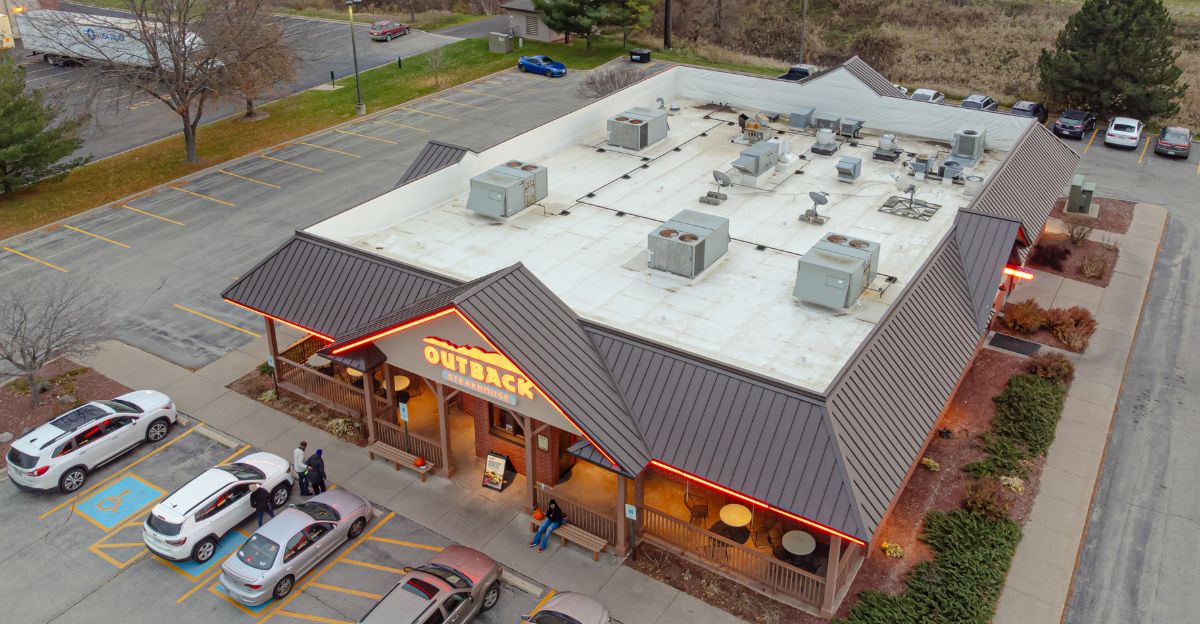
Nationwide declines in casual dining contribute to the closures. Black Box Intelligence reported a 3% year-over-year decline in traffic for Q1 2025, as consumers increasingly opted to eat at home or seek quick-service alternatives. Surveys show 39% of Americans eat out less frequently, and 75% feel restaurant prices have risen sharply.
Rising food and labor costs compound these challenges. Food inflation reached 3.1%, labor costs rose about 4%, and industry-wide turnover hovered around 80%. Competition from value retailers offering prepared meals also puts pressure on margins. Analysts note, “It’s not just Outback or Bloomin’ Brands—this is happening across casual dining as middle-income diners trade down,” highlighting systemic pressures reshaping the industry.
Local Impact and Broader Implications
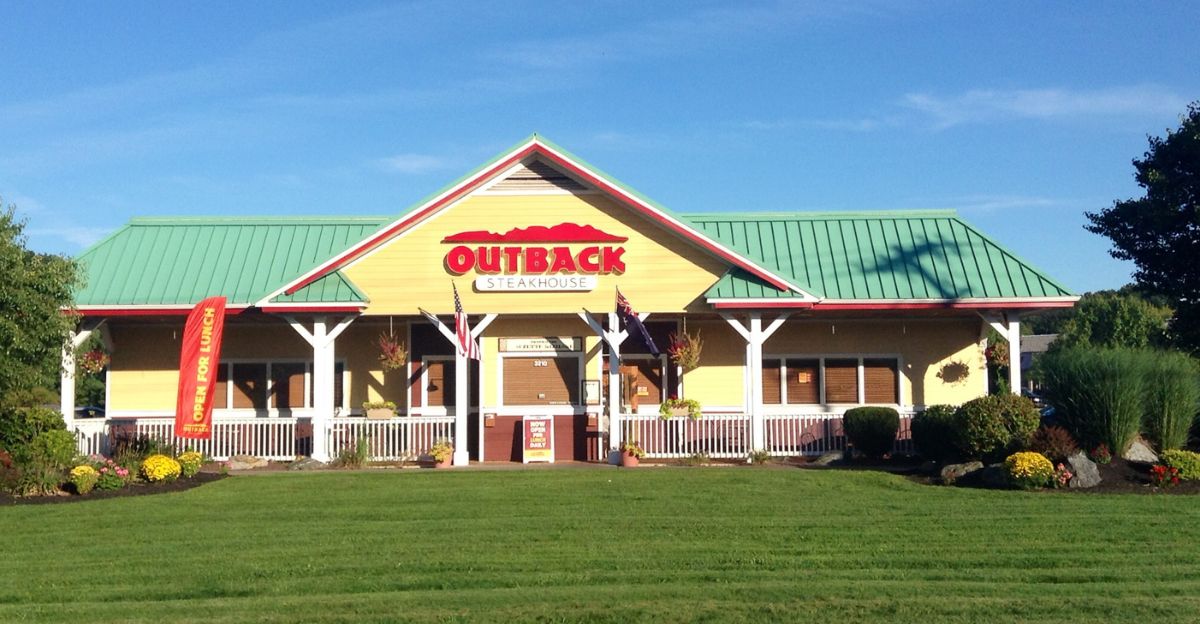
Each closed location represents approximately $3–4 million in annual revenue, impacting local suppliers and businesses that rely on restaurant traffic. The closures spanned newer locations, such as Silver Spring, Maryland, and decades-old institutions in Florida, indicating that lease economics and performance metrics drove decisions rather than age alone.
The sudden loss has tangible effects on neighborhoods, from disrupted routines to diminished commercial activity. Employees, loyal patrons, and surrounding businesses all feel the fallout. These closures underscore how corporate strategies ripple outward, impacting not only shareholders but also local communities that have long relied on these restaurants as hubs of work, dining, and social life.
Looking Ahead: A Sector in Transition
Bloomin’ Brands is focusing on menu simplification at 42 Outback locations, trimming the menu by about 20% to highlight high-performing items and ease kitchen operations. The company is also investing roughly $40 million in remodeling existing restaurants while slowing new openings, shifting its focus from expansion to strengthening its existing base.
As casual dining faces cautious consumers, rising costs, and competition from quick-service chains and grocery retailers, uncertainty persists. Third-quarter 2025 earnings, expected in early November, will reveal whether closures and operational changes stabilize the business or signal further contraction. For communities, workers, and investors, the coming months will clarify the future of America’s second-largest steakhouse chain.