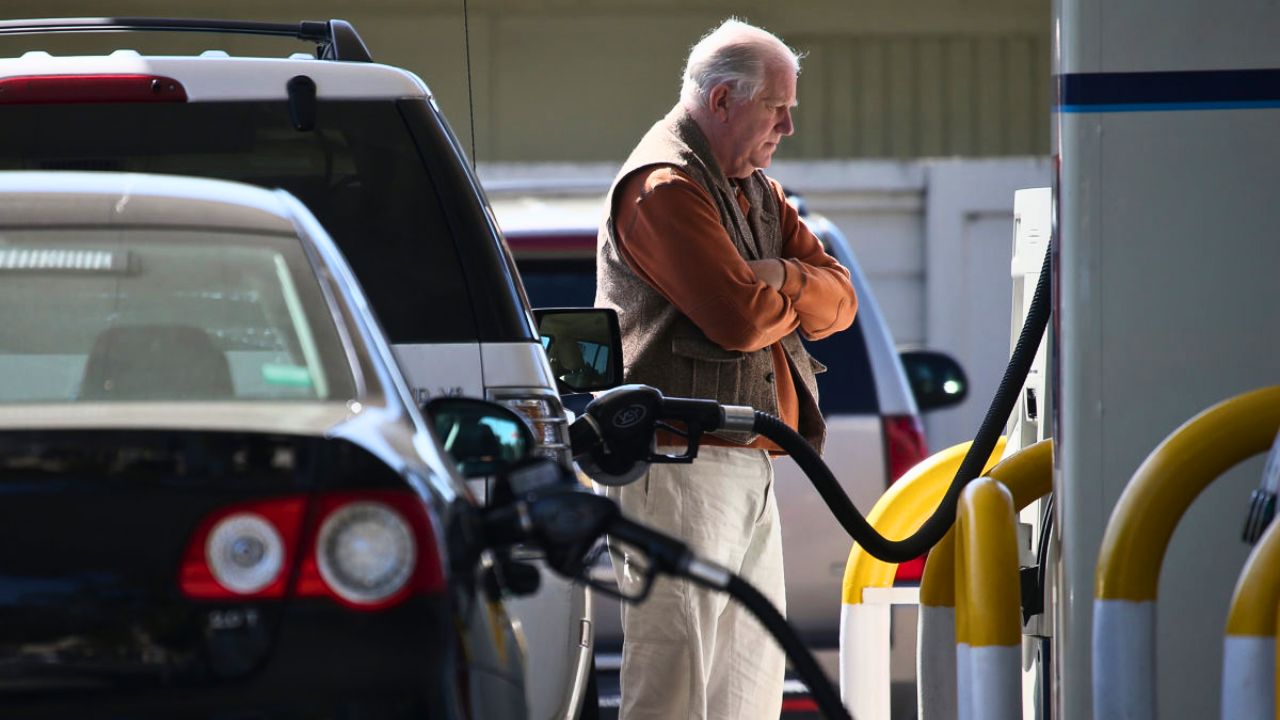
It’s a crisp fall morning in Evans, Colorado, and drivers at one local station are glancing at their receipts in disbelief: $1.99 per gallon. For many, it’s a price they haven’t seen in years. Across the country, similar pockets of relief are appearing, quietly reshaping the way Americans think about filling up their tanks.
Behind this welcome surprise is a story of record-breaking production, market shifts, and ripple effects that reach far beyond the pump.
A Record That Changed Everything
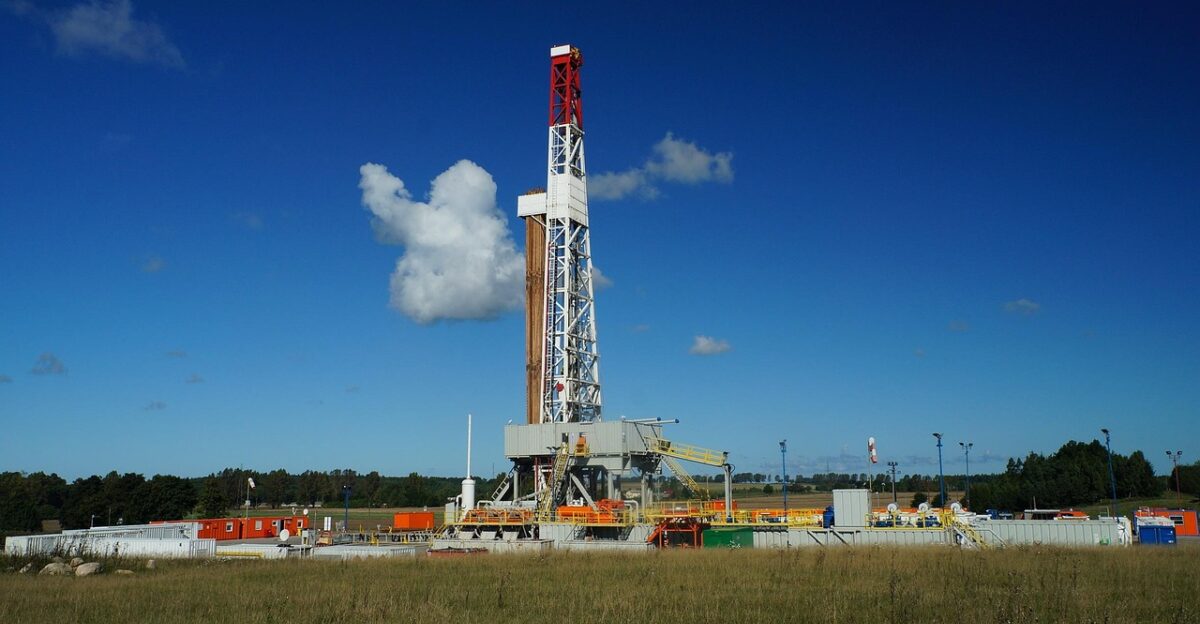
In July 2025, the United States reached a milestone that seemed almost unimaginable: crude oil production hit 13.6 million barrels per day. That’s the highest level in the nation’s history, according to the Energy Information Administration. It wasn’t just a number on a chart—it was the culmination of years of technological advances in shale drilling and a wave of new investment across the oil sector.
That record didn’t just make headlines; it set in motion a chain reaction that now touches nearly every driver, business, and consumer in the country.
When Supply Floods the Market
The impact of this surge is profound yet straightforward: the U.S. is producing more oil than the world can immediately use. Global stockpiles are rising, and prices are naturally sliding.
Economists refer to it as an “energy glut,” a complete reversal from recent years when supply shortages dominated the headlines. For American drivers, that means lower prices at the pump—a welcome break after periods of steady increases.
Wholesale Prices Approach a Landmark
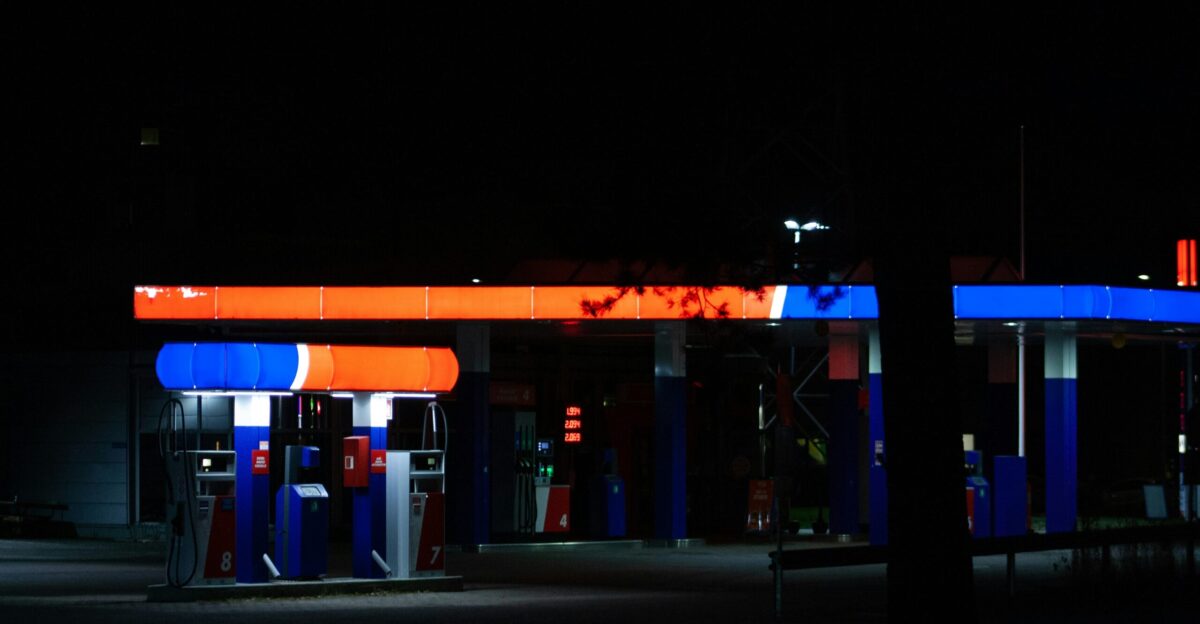
Look upstream, and the story becomes even clearer. RBOB gasoline contracts, the wholesale benchmark, were trading around $1.90 per gallon in early November 2025. These prices represent what refiners pay before gas reaches stations.
Crossing under the $2 threshold—something not seen in mainstream markets for over four years, has both practical and psychological significance. Suddenly, the numbers on the pump feel achievable, almost tangible.
Street-Level Surprises
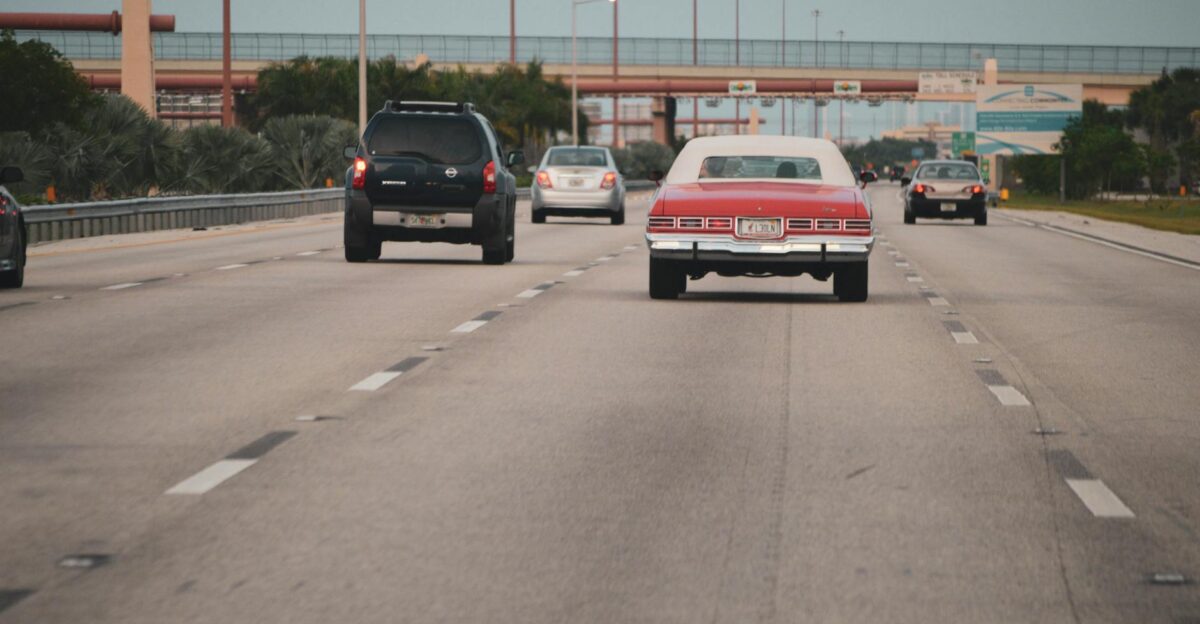
At street level, the relief is real. Drivers in Texas, Oklahoma, and Colorado are already seeing cash prices under $2. These aren’t fleeting promotions; they are the kind of receipts that make people pause, take a deep breath, and even allow themselves a little extra weekend driving.
For many, it’s not just fuel savings; it’s a small but meaningful shift in day-to-day life.
Breaking the $3 Barrier
The change isn’t confined to select stations. In late October, the national average briefly dropped below $3 per gallon, reaching $2.97. For a family filling a 15-gallon tank, that meant spending less than $45.
Though prices nudged back to around $3.05 after a minor refinery hiccup, the sub-$3 average proved one thing: cheaper gas is not just possible—it’s happening.
States Feeling the Relief
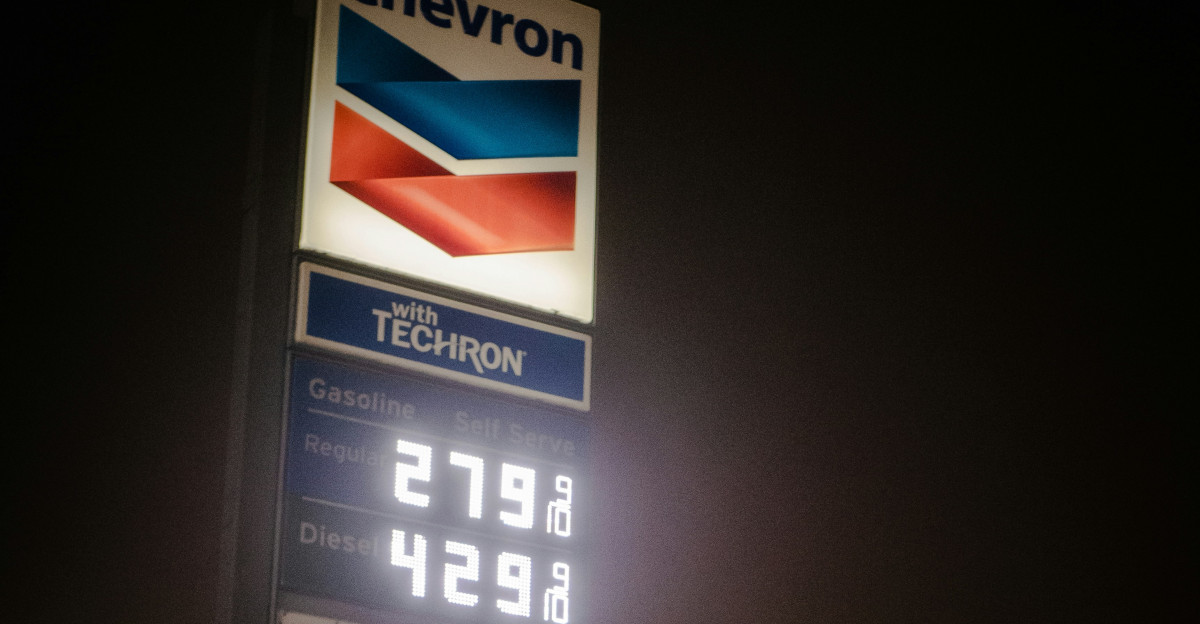
Across the country, roughly 40% of states are averaging below $3 per gallon. Oklahoma leads at $2.55, followed closely by Texas and Arkansas. From the oil-rich heartlands to scattered stations nationwide, the reach of this trend highlights how production growth is reshaping local economies.
People are not only saving money—they’re noticing it in their daily routines, from commutes to grocery runs.
Crude Oil Sets the Tone

Retail gas prices always trace back to crude, and the market is reflecting the pressure. West Texas Intermediate, the U.S. benchmark, traded between $59 and $62 per barrel in late October. Historically, this range has supported retail prices in the $2.50–$3.00 zone.
Understanding the crude market is like reading the early signs of a storm and it explains why pumps feel lighter, even if a small hiccup can still ripple through quickly.
The Ripple Across Business

Lower fuel costs aren’t just a win for drivers. Airlines are seeing jet fuel savings, delivery companies are expanding services more profitably, and farmers are spending less to operate equipment.
These savings quietly move through supply chains—affecting shipping, restaurant delivery, and ultimately what consumers pay. It’s a subtle, often unseen economic boost that touches many corners of daily life.
A Personal Impact

For families, the effect is tangible. A typical driver putting in 12,000 miles a year at 25 miles per gallon burns through roughly 480 gallons. Dropping from $3.50 to $3.00 per gallon translates into around $240 saved annually.
That’s not just math—it’s extra money for groceries, utility bills, or a little weekend treat. In households across the country, this break is quietly making life a little easier.
Cooling Inflation
Falling gas prices are also helping to temper inflation. The Consumer Price Index came in at 3.0% in September, with cheaper fuel and shipping costs cited as key contributors.
Because energy costs affect nearly every sector, their decline has a disproportionately large effect, easing pressure on household finances. It’s an example of macroeconomic change felt directly at the kitchen table.
The EV Pause
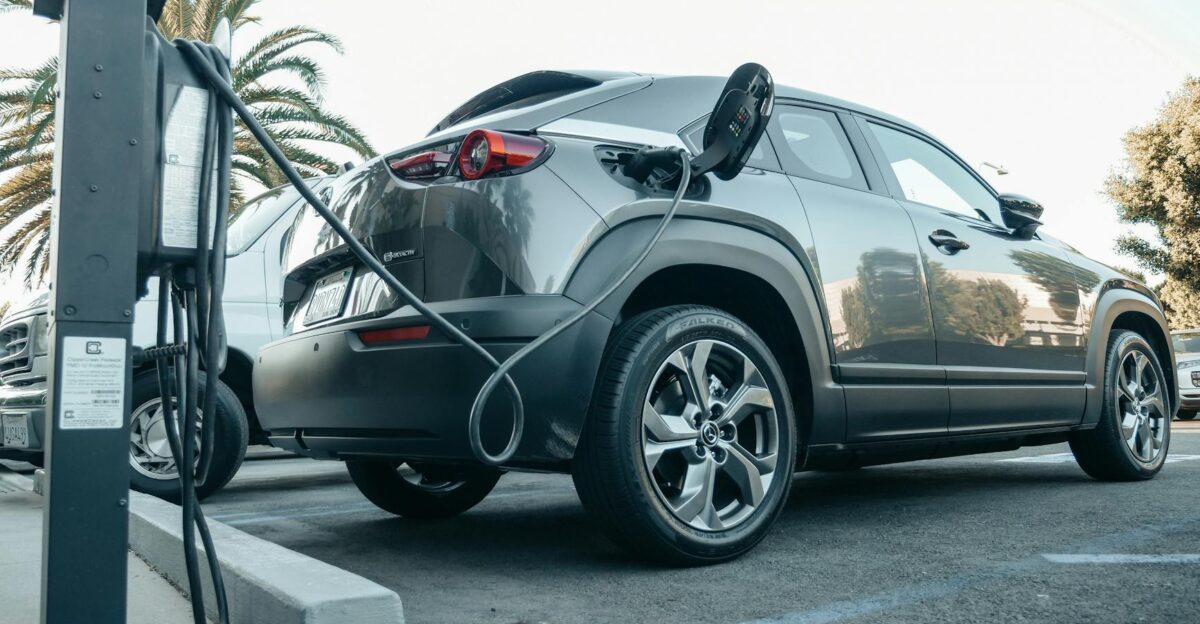
Yet the relief comes with unexpected consequences. Cheaper gas has slowed the rush toward electric vehicles for some consumers. Why invest $35,000 in an EV when filling the tank costs so little?
Analysts see this as a brief pause rather than a reversal, with government incentives, climate targets, and advancing technology still nudging the market toward electrification.
Producers Proceed Carefully
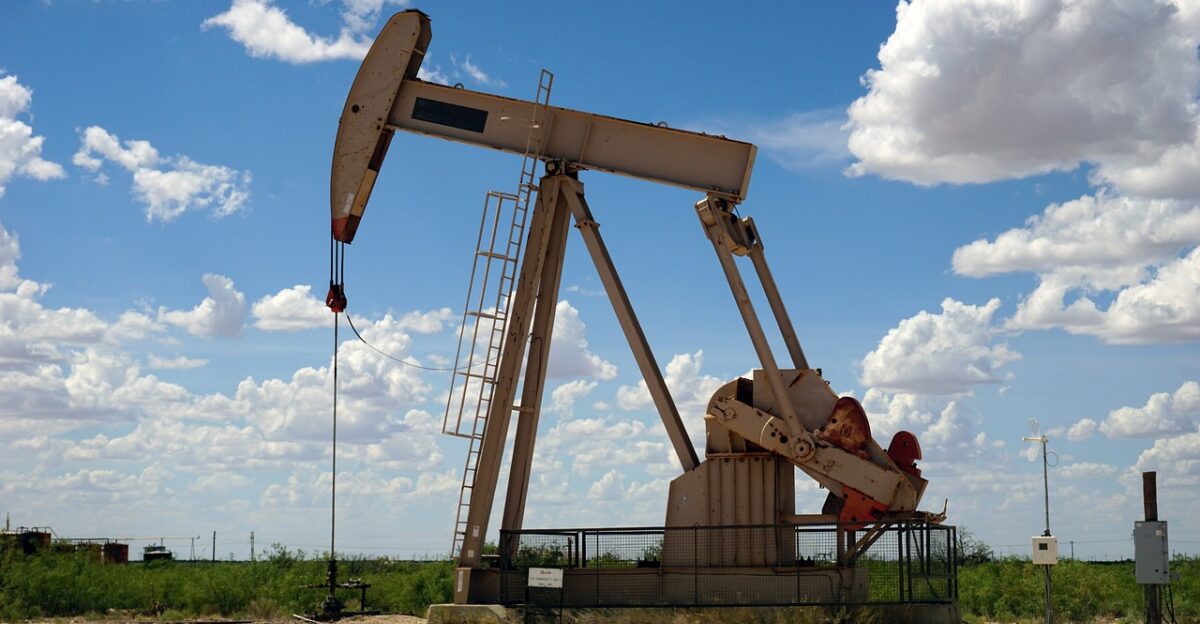
Out in the oilfields of Texas and New Mexico, production continues, but cautiously. Lessons from the 2014 crash linger. Companies are investing in efficiency and automation rather than aggressive expansion.
It’s a reminder that in energy markets, smart, measured strategies often pay off more than rapid growth.
OPEC’s Delicate Balancing Act

Globally, OPEC is responding to the surge in American production. Saudi Arabia and its partners plan a modest production increase in December, followed by a pause through early 2026. It’s a careful move: too much supply too quickly could send prices plunging.
The strategy illustrates that global energy markets are as much about diplomacy and timing as they are about barrels of oil.
Economy-Wide Winners

Lower energy costs ripple across industries. Airlines save millions, shipping firms expand profitably, farmers spend less, manufacturers reduce shipping costs, and even restaurants benefit from lower delivery costs.
These quiet victories accumulate, supporting growth and freeing up resources in ways that often matter more than flashy headlines.
Road Trips Are Back

Cheaper gas is sparking renewed wanderlust. AAA reports higher travel demand for road trips and weekend getaways. Hotels, restaurants, and regional attractions are gearing up for a busier season.
It’s a simple equation: when fuel feels affordable, people feel freer to explore, spend, and reconnect. Economically and socially, lower gas can be surprisingly uplifting.
Global Benefits Are Uneven
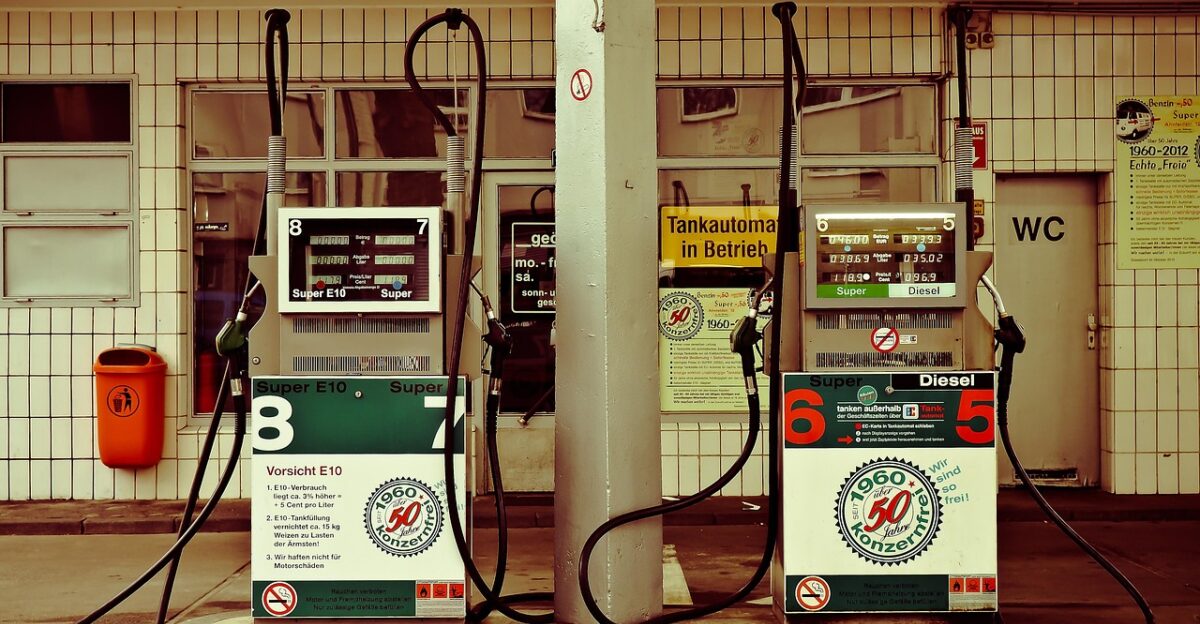
The ripple isn’t uniform. Import-heavy countries like India and Japan are reaping relief, while oil exporters face tighter budgets. In Europe, where fuel taxes dominate the price, consumers see little benefit.
Energy markets, it seems, always have winners and losers, and the story rarely touches everyone equally.
Climate Challenges Persist
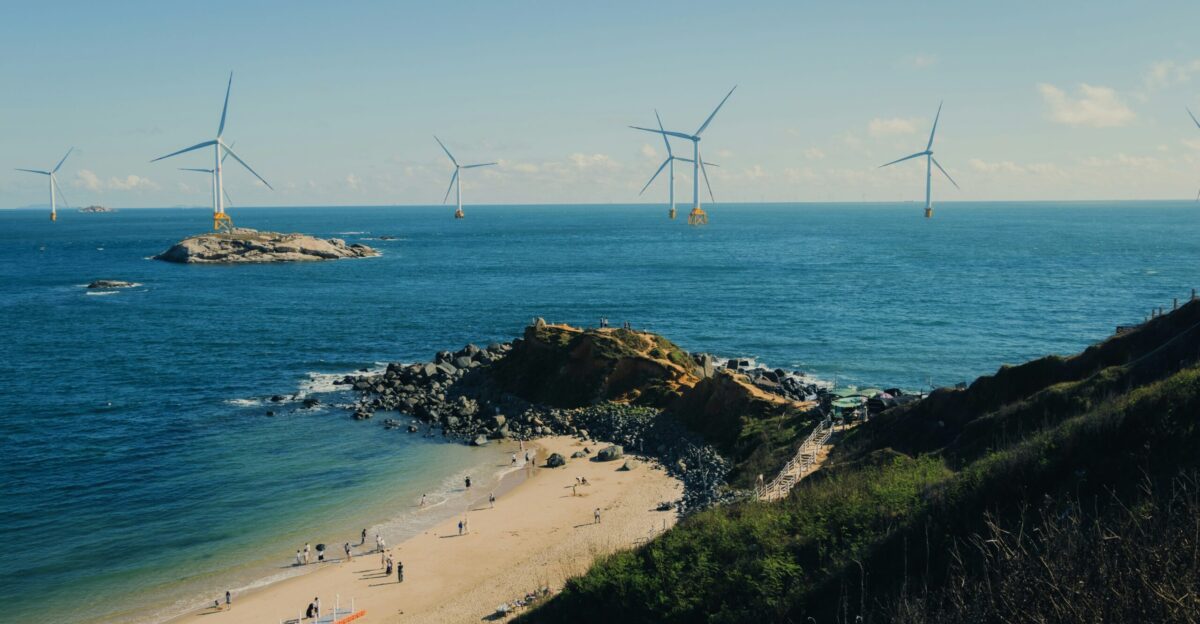
Cheap gas complicates the conversation about green energy. Lower prices might delay EV adoption and home weatherization efforts. Policymakers now face a window—perhaps two years—to sustain momentum through incentives and policy, rather than relying solely on market forces.
It’s a delicate balancing act between affordability today and sustainability tomorrow.
Looking Ahead
No one can predict the path perfectly. Some analysts predict that oil prices will bounce back to $65–$70 per barrel by mid-2026, while others expect them to drift lower if U.S. production remains strong.
Aging wells, global demand, and OPEC coordination will all influence the trajectory. Volatility remains certain, but relief at the pump has already made its mark.
America’s Energy Moment
Beyond lower gas prices, this surge signals a bigger story. The U.S. is now an energy exporter, reshaping global markets and geopolitical influence. It’s a moment where innovation meets resource abundance.
For drivers, the impact is straightforward: a fuller tank, a lighter wallet, and a small reminder that even in a complex world, some relief can feel immediate and real.