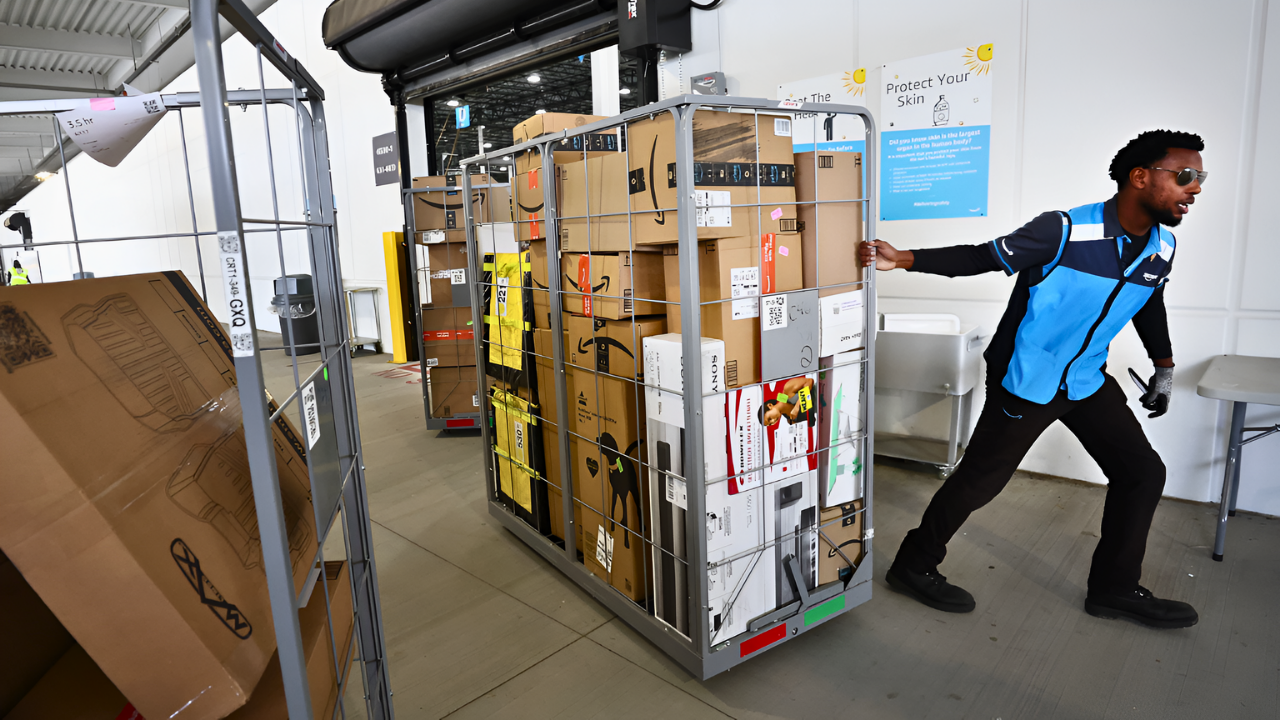
Amazon’s Steve Kelly sat across from Washington Post reporters, using carefully chosen words, but the shock was undeniable: after nearly a year of negotiating to extend a three-decade partnership, the USPS had blindsided the e-commerce giant with a competitive reverse auction strategy.
What Amazon expected to be a straightforward contract renewal suddenly transformed into an unprecedented competition where the company would have to bid against national retailers and regional carriers just to maintain access to postal facilities.
The $6 Billion Revenue Shock That Could Cripple USPS
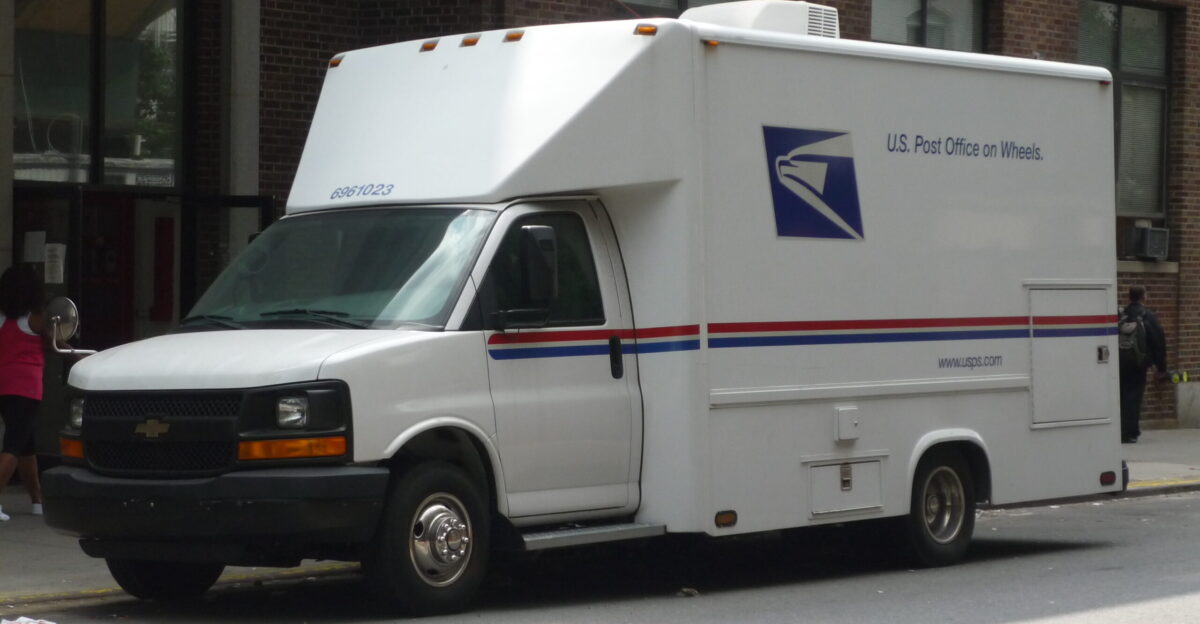
Amazon generates more revenue for the United States Postal Service than any other single client—approximately $6 billion annually, representing 7.5% of USPS’s total operating revenue of $80.5 billion. For context, the USPS posted a $9.5 billion loss last fiscal year, making this contract not just important but critical to the organization’s survival.
The potential loss of Amazon’s business would eclipse any revenue USPS could realistically replace, creating a financial crisis that industry analysts say could force dramatic restructuring.
How the Negotiations Broke Down

Negotiations began in February 2025 when Amazon sought a four-year contract extension through traditional “negotiated service agreements”—arrangements that had secured favorable rates and dedicated capacity for the company. For eleven months, both parties discussed terms.
Then, on November 14, Postmaster General David Steiner held a virtual meeting with Amazon CEO Andy Jassy, which yielded no breakthrough.
A Gamble for USPS Revenue
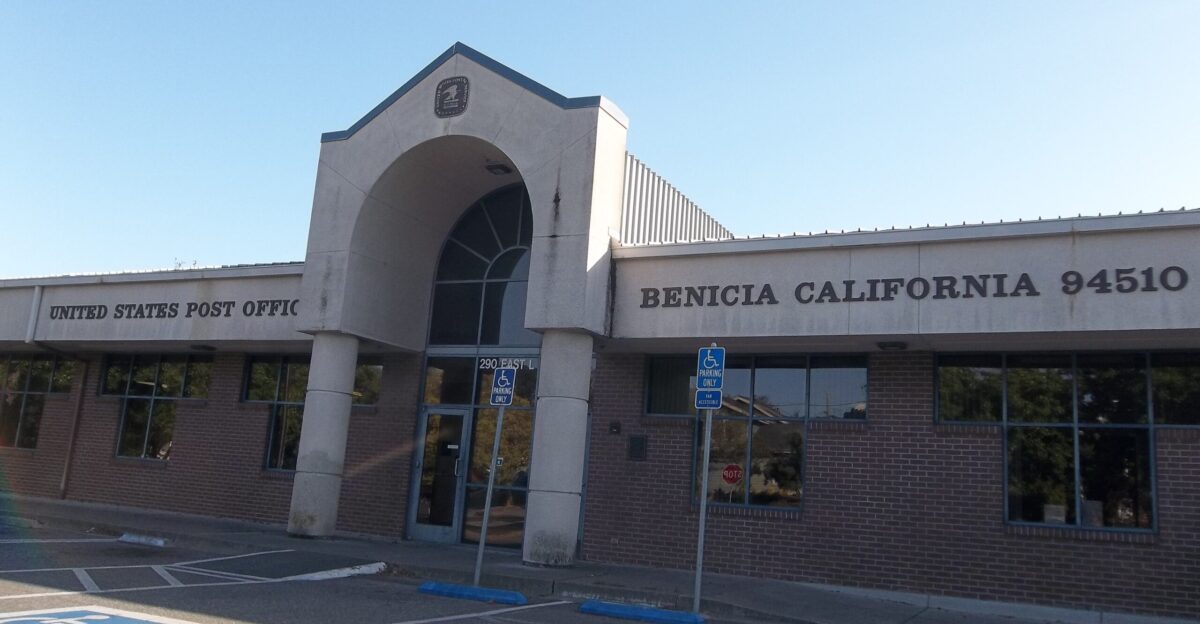
Postmaster General David Steiner, appointed by the Trump administration, designed the reverse auction to maximize USPS revenue by opening postal facility access to competitive bidding.
Rather than negotiating directly with Amazon, USPS would accept bids from multiple parties, including national retailers, regional shipping firms, and Amazon itself. This approach represents a dramatic departure from three decades of preferential treatment and dedicated capacity allocation for the e-commerce giant.
Amazon’s Surprise and Strategic Response: Evaluating All Options
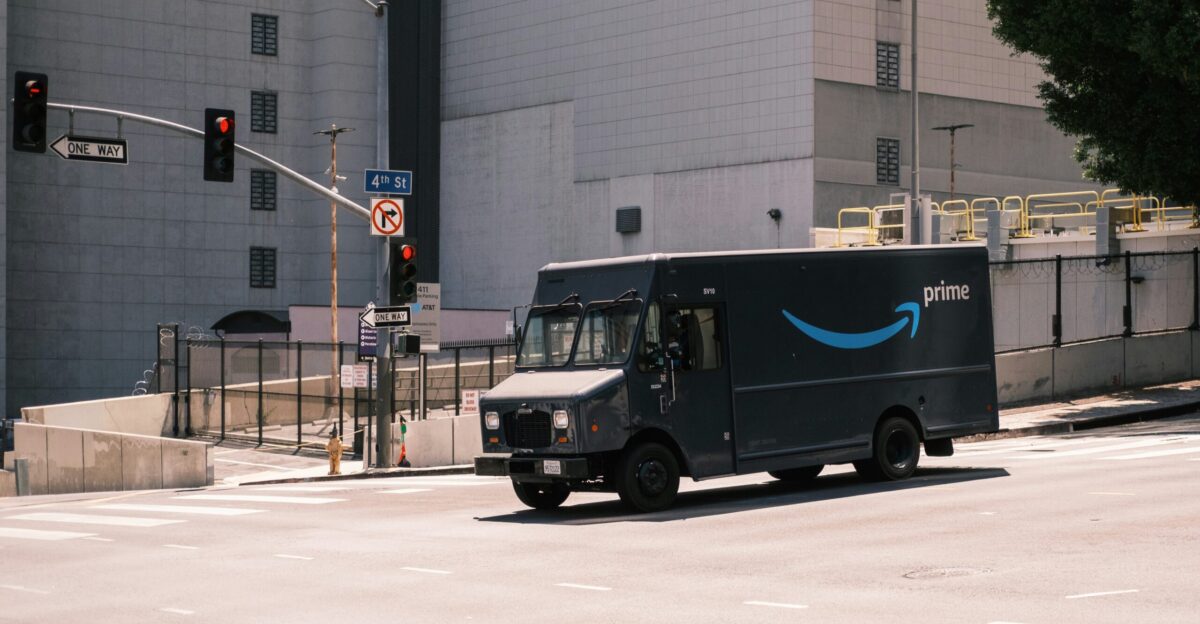
Amazon’s surprise was genuine, as the company had worked to increase spending with USPS and extend its partnership. Steve Kelly stated: “We were surprised to hear they want to run an auction after nearly a year of negotiations, so we still have a lot to work through.”
Facing this unexpected competition and uncertainty, Amazon announced it would “evaluate all options that would ensure we can continue to deliver for our customers”—code for accelerating independent delivery infrastructure.
The $4 Billion Rural Expansion: Amazon’s Insurance Policy
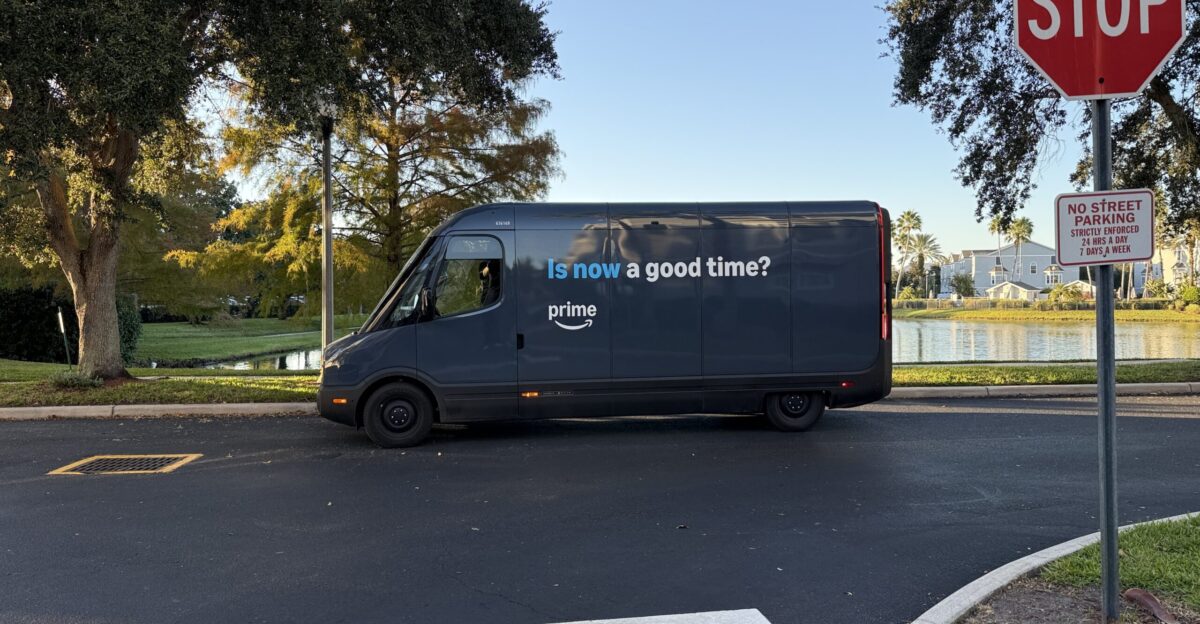
In April 2025, Amazon announced a $4 billion investment to triple its rural delivery network by the end of 2026. The expansion will add over 200 delivery stations reaching 13,000+ zip codes spanning 1.2 million square miles—an area the size of Alaska, California, and Texas combined.
This isn’t coincidental timing; Amazon is building an alternative infrastructure that could function independently from USPS if negotiations fail.
100,000 New Jobs and Billion-Package Capacity

Amazon’s rural expansion is expected to create over 100,000 new jobs and enable the delivery of an additional billion packages annually to previously underserved communities.
Senior Vice President Udit Madan emphasized the company is addressing market gaps “at a time when other logistics networks are backing away from rural customers because of cost to serve.” This investment positions Amazon to deliver faster services to rural America while reducing reliance on USPS’s universal service network.
Amazon’s Existing Delivery Power: Already a Postal Giant
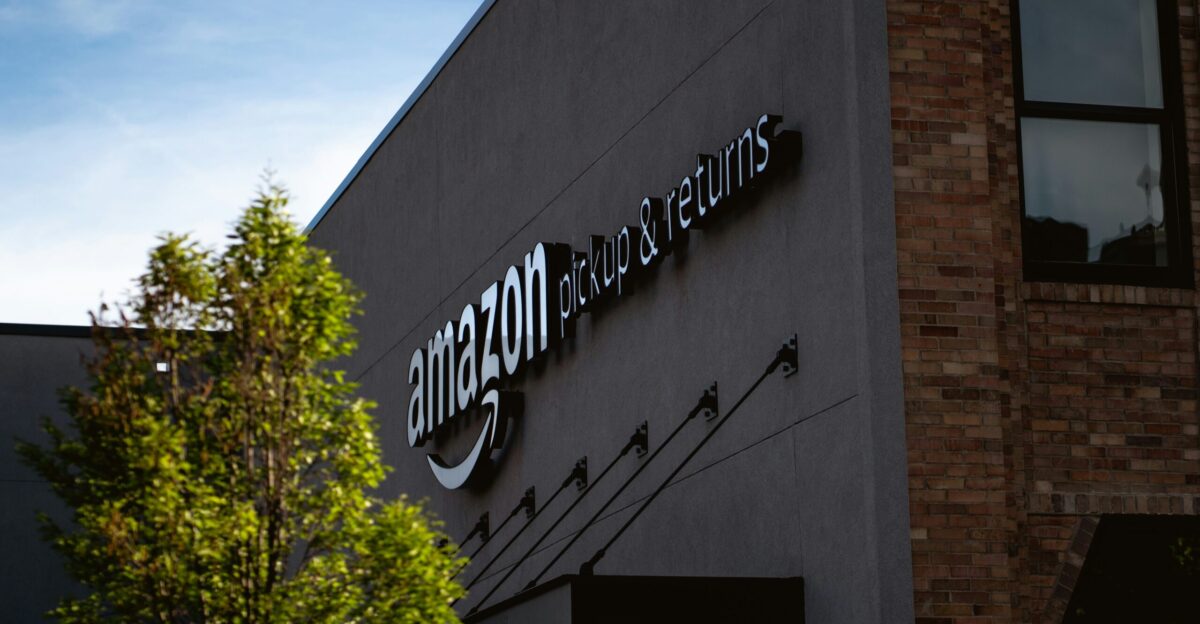
Amazon Logistics now delivers approximately 6.3 billion parcels annually, trailing only USPS’s 6.9 billion packages. The company operates over 350 fulfillment centers, 200 delivery stations, and has more than 275,000 drivers through its Delivery Service Partner network.
Industry forecasts from Pitney Bowes predict that Amazon will surpass the USPS in total parcel volume by 2028, delivering an estimated 9.4 billion packages compared to the USPS’s projected 8.3 billion.
FedEx Partnership: Amazon’s Backup Plan Already Activated
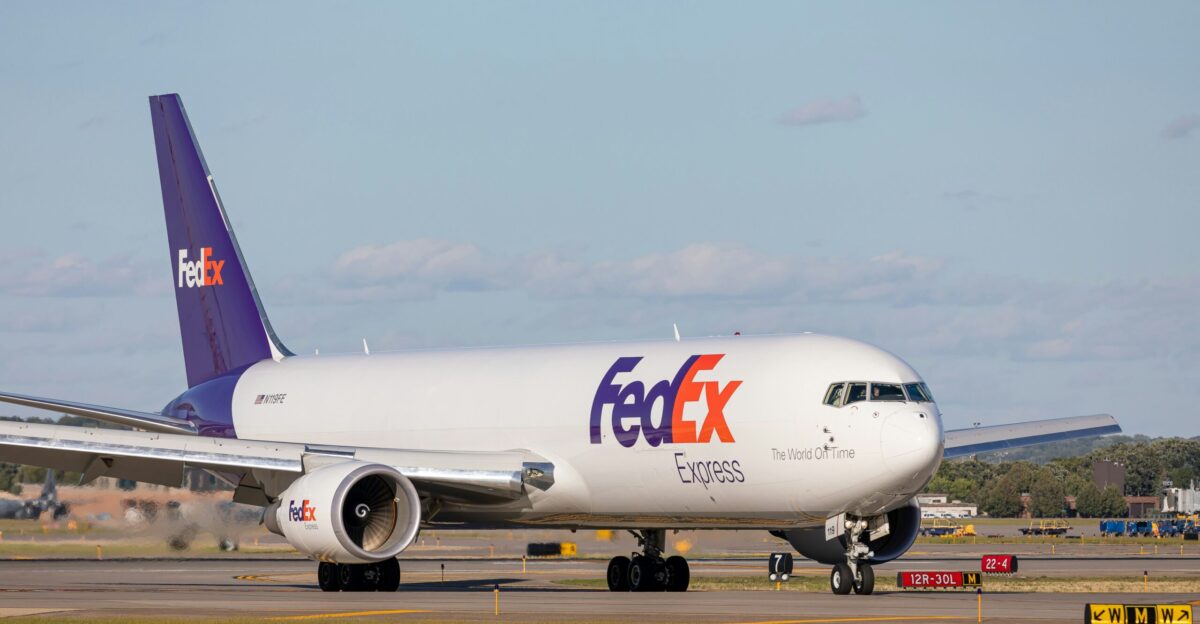
In May 2025, Amazon rekindled its partnership with FedEx after a five-year hiatus, signing a multi-year agreement for residential delivery of large items. This deal emerged as UPS announced plans to reduce Amazon shipping volume by over 50% by the end of 2026.
Internal Amazon documents indicate the FedEx arrangement provides “cost favorability” compared to previous UPS terms, creating a diversified carrier network that reduces dependency on any single partner.
Trump Administration Uncertainty: Political Pressure on USPS
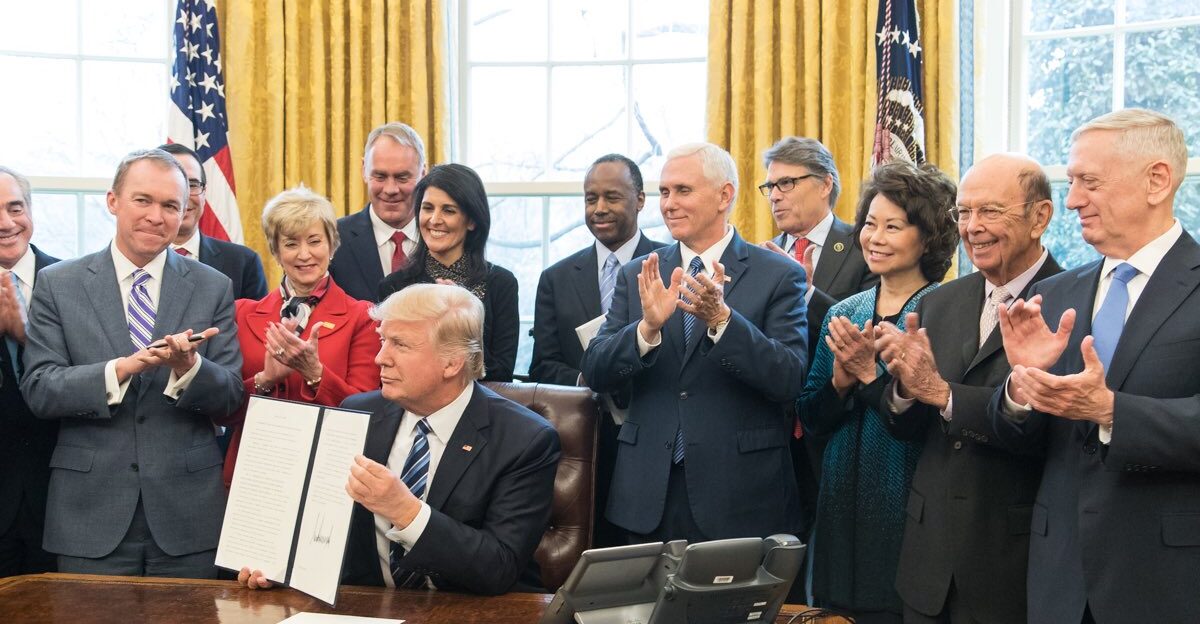
President Trump has repeatedly floated privatizing or restructuring USPS, calling it “a tremendous loser for this country” in recent communications. The administration’s interest in potentially merging USPS with the Commerce Department adds political uncertainty to contract negotiations.
This backdrop makes Amazon less likely to commit long-term resources to a government agency facing potential fundamental restructuring.
The Universal Service Obligation Problem: Rural America at Risk
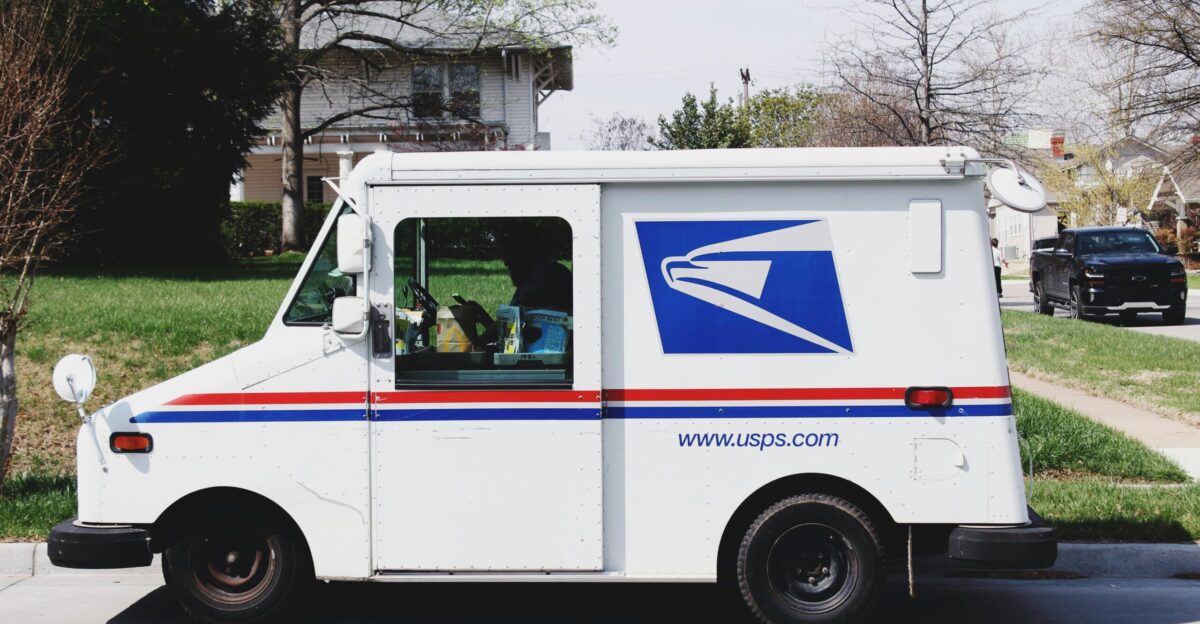
USPS maintains a universal service obligation to provide affordable delivery to every U.S. address, regardless of profitability, a mandate that has protected rural communities for decades. Rural areas represent 88% of USPS’s service territory but only 16% of the U.S. population.
If Amazon withdraws, USPS loses its largest revenue source and may struggle to maintain universal service standards, potentially reducing delivery frequency or raising rates in underserved areas.
Market Share Realignment: How U.S. Logistics Could Shift

The current parcel market share places the USPS at 28-30%, Amazon at 24-26%, UPS at 20-23%, and FedEx at 14-15%. If Amazon successfully redirects billions of packages to its own network, market distribution would shift dramatically.
A breakup between Amazon and USPS could position the e-commerce company as America’s largest delivery service by volume, fundamentally restructuring the nation’s logistics landscape within three to five years.
The Cold Peace Scenario: Reduced but Continuing Partnership

One possible outcome involves Amazon and USPS negotiating a smaller, more expensive contract with significantly reduced volumes. Amazon would shift the majority of packages to its own network and FedEx partnership while maintaining USPS for specific routes, peak capacity, or rural areas.
This compromise would still result in a substantial revenue loss for USPS, but would allow for limited continued cooperation.
Financial Crisis for USPS
Amazon could terminate the relationship entirely, routing all packages through its own infrastructure and third-party carriers. This scenario would result in USPS losing $6 billion in annual revenue—a blow that would accelerate the agency’s financial crisis and potentially require congressional intervention.
Service reductions, facility closures, and higher rates for remaining customers could disproportionately affect rural communities that depend on the USPS.
The Renewed Partnership Scenario
Last-minute negotiations could result in a compromise involving higher Amazon shipping rates, but with guaranteed capacity and service levels. Amazon would accept increased costs, and USPS would abandon or substantially modify the reverse auction approach.
This middle-ground resolution would require significant concessions from both parties and demonstrated commitment to preserving a mutually beneficial relationship.
What Amazon’s Next Move Signals About the Future of Delivery

Amazon’s strategic positioning suggests the company has already decided its path forward—investing billions in rural infrastructure, diversifying carrier partnerships, and publicly evaluating “all options” signals preparation for independence rather than negotiation for compromise.
The company’s willingness to walk away from a $6 billion partnership indicates Amazon views USPS not as irreplaceable but as one component of a larger delivery ecosystem it now controls.
What Industry Experts Say

E-commerce analyst Juozas Kaziukenas stated, “USPS needs Amazon a lot more than Amazon needs USPS. Amazon has all the cards in its hands in this case.” This power dynamic has reversed dramatically from when Amazon was USPS’s grateful partner.
Today, Amazon’s independent infrastructure provides leverage that forces the USPS to compete for business rather than negotiate from a position of strength.
The October 2026 Deadline
Amazon’s contract with USPS expires on October 1, 2026, just nine months away. The reverse auction is scheduled for early 2026, likely March or April.
Between now and autumn 2026, three potential futures will crystallize: continued partnership with reduced volumes, complete separation, or some negotiated middle ground. The decision will reshape American logistics for the next decade.
Industry Transformation Ahead
This potential breakup represents more than a corporate negotiation—it signals a fundamental transformation in how America moves packages. If Amazon succeeds in serving rural America profitably independently, it will overturn conventional logistics wisdom that private companies cannot serve low-density areas without cross-subsidization.
The result could be a three-tier delivery system: Amazon for mainstream e-commerce, traditional carriers for specialized needs, and USPS for remaining universal service obligations.
Company Context

Amazon.com (NASDAQ: AMZN) is the world’s largest e-commerce company and a leading provider of cloud computing services through AWS. The U.S. Postal Service (USPS) is an independent federal agency responsible for delivering mail and packages to approximately 160 million addresses nationwide.
FedEx Corporation and United Parcel Service (UPS) are the other major carriers competing in the $ 200 billion+ U.S. logistics market.
Sources:
Washington Post, “Amazon eyes expanding delivery network after talks with USPS” (December 4, 2025)
Reuters, “Amazon explores cutting ties with USPS, Washington Post reports” (December 4, 2025)
The Verge, “Amazon is reportedly ready to drop its USPS deal if negotiations fall through” (December 4, 2025)
Supply Chain Dive, “Amazon to invest $4B toward rural delivery expansion by 2026” (April 30, 2025)
USPS Fiscal Year 2025 Financial Results (November 2025)