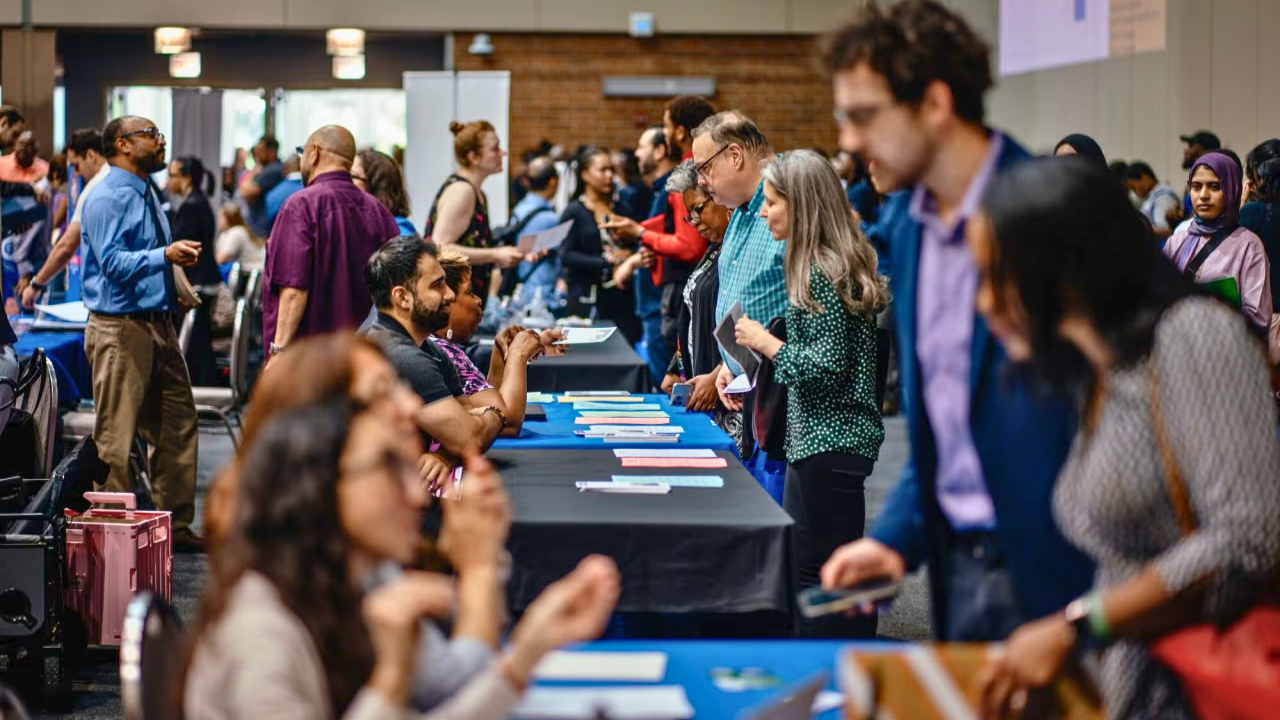
Corporate America is bleeding white-collar jobs. Amazon, UPS, and Target have collectively eliminated 63,800 positions in 2025, marking one of the largest coordinated workforce reductions in recent history. The cuts span management, operations, and corporate headquarters, sending shockwaves through professional employment markets nationwide.
While companies initially cited AI adoption, deeper analysis reveals tariff complexity as a major culprit driving these unprecedented layoffs.
UPS Bears the Brunt
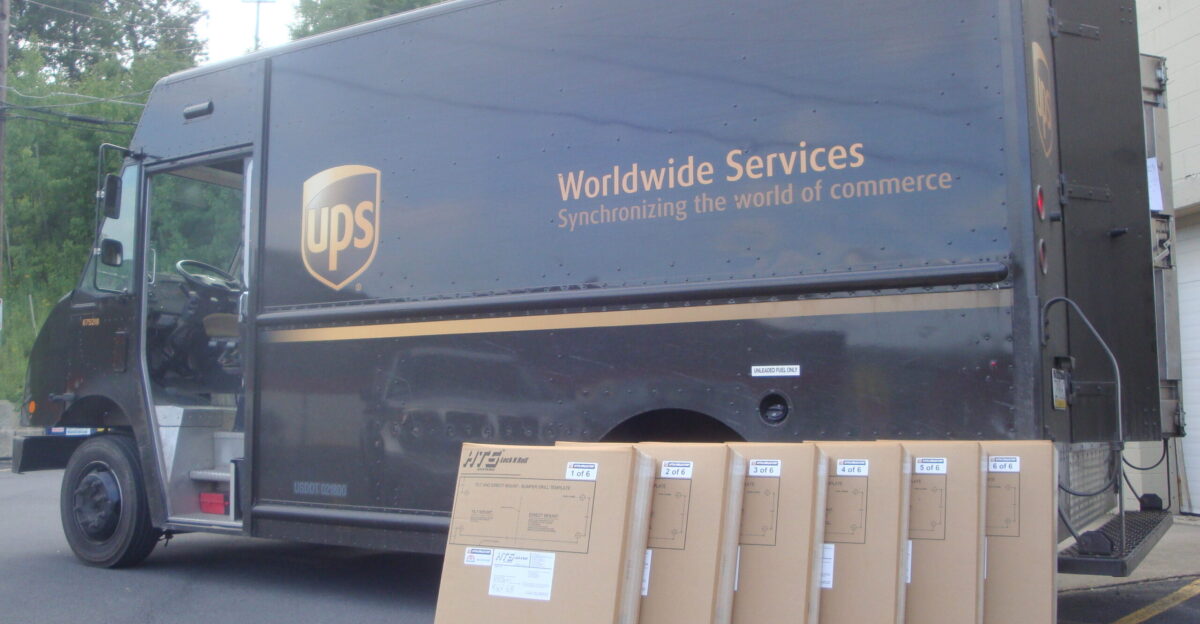
UPS leads the layoff surge with 48,000 job cuts—the largest reduction among the three companies. The logistics giant eliminated 34,000 operational positions and 14,000 mostly management roles in 2025.
CEO Carol Tomé announced a strategic pivot away from Amazon shipments, which represented 12% of revenue, to focus on higher-margin healthcare and business-to-business services requiring fewer personnel. The company closed 93 facilities and downsized vehicle and aircraft fleets.
Amazon’s Corporate Purge

Amazon announced 14,000 corporate job cuts, representing approximately 4% of its white-collar workforce. CEO Andy Jassy framed the reductions as eliminating bureaucracy and “organizational layers” to create the “world’s largest startup”.
Internal documents suggest total cuts could reach 30,000 positions—10% of corporate staff—making this Amazon’s largest layoff since 2022 when 27,000 employees were eliminated. The cuts began in late October with more expected in January.
Target’s Decade-High Reductions

Target is cutting 1,800 corporate positions—8% of headquarters staff—marking its first major layoff in a decade. The retailer eliminated 1,000 filled positions and closed 800 vacant roles. Incoming CEO Michael Fiddelke cited “complexity that’s been holding us back” and “too many layers and overlapping work” as justification.
The announcement follows four consecutive years of flat or declining revenue despite workforce expansion of 6%.
Tariff Complexity—The Hidden Culprit
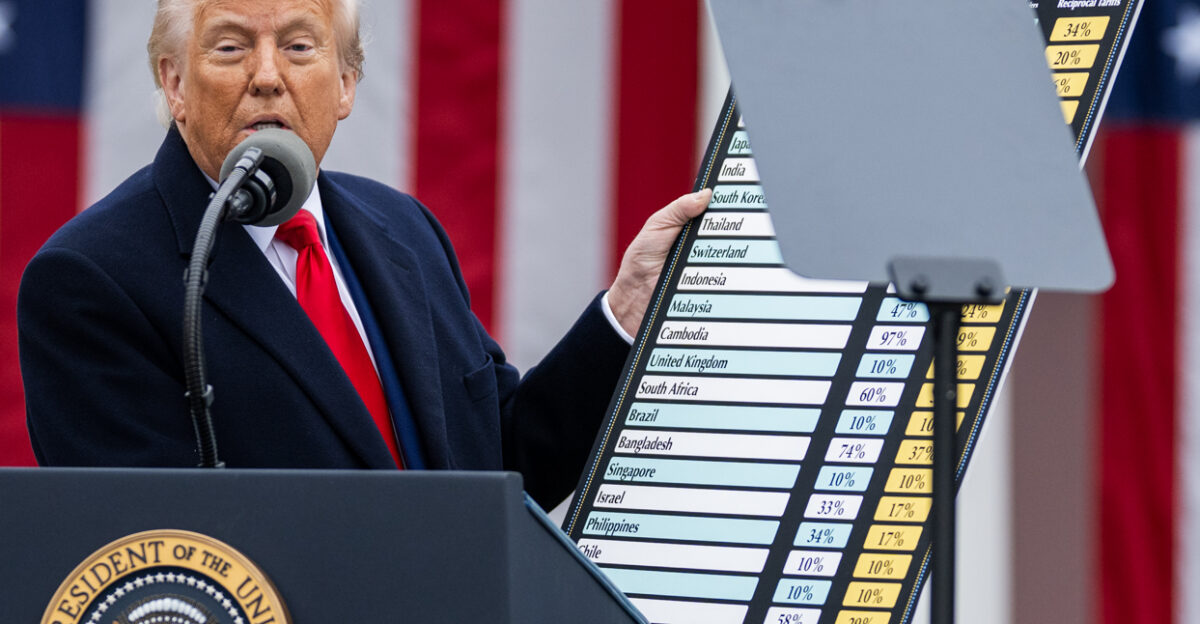
Trump administration tariffs have created unprecedented operational complexity for corporations. Companies face fluctuating duties ranging from 10% to 30% or more on goods from various countries, with frequent policy reversals creating planning chaos. UPS faced challenges from “the impact of Trump administration’s tariffs” alongside other factors contributing to workforce reductions.
Navigating tariff classifications, customs documentation, and country-of-origin rules now requires extensive administrative resources companies are eliminating.
Supply Chain Reconfiguration Costs
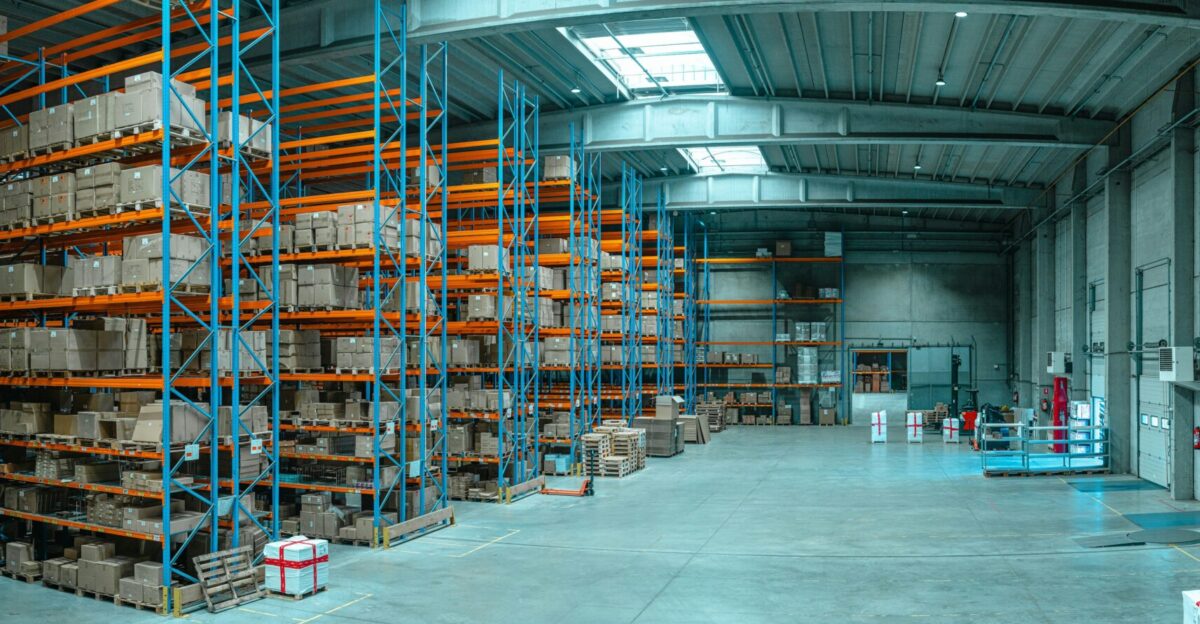
Tariffs have forced companies to completely rebuild supply chains, creating massive hidden costs. A CNBC survey found 57% of companies cite costs as the primary barrier to supply chain changes, with many estimating restructuring would cost double current expenses. UPS closed 93 facilities and reduced shipping capacity to align with tariff-disrupted trade flows.
Companies are shifting to “nearshoring” in Mexico and diversifying suppliers across Vietnam, India, and Bangladesh.
Carter’s and the Tariff Domino Effect

Baby apparel retailer Carter’s provides a stark example of tariff impact. The company is cutting 300 corporate jobs—15% of its corporate workforce—and closing 150 stores over three years specifically due to tariff costs. Import duties on Carter’s products surged from $110 million in fiscal 2024 to projected $200-$250 million annualized.
This pattern is repeating across consumer goods sectors heavily dependent on imported materials and finished products.
AI as Convenient Scapegoat

While companies emphasize AI investments, experts question whether technology is truly driving layoffs. Amazon spent $31.4 billion in Q2 2025 on capital expenditures, largely for AI and cloud computing infrastructure, yet analysts note AI struggles with most real-world office tasks.
MIT research found 95% of companies adopting AI see zero meaningful revenue growth. University of Pennsylvania professor Matthew Bidwell calls it “corporate America’s mass layoffs disguised as innovation”, suggesting AI provides cover for tariff-related cost-cutting.
White-Collar Vulnerability

White-collar employment at US public companies has dropped 3.5% over three years. These cuts disproportionately target administrative, planning, and coordination roles once insulated from economic turbulence.
Amazon’s Beth Galetti stated cuts aim to “reduce bureaucracy” and “remove organizational layers” as generative AI handles coordination functions. Target’s reductions hit corporate headquarters while frontline retail workers remain largely unaffected.
The “No-Hire, No-Fire” Era Ends

Economists described 2025’s job market as “no-hire, no-fire”—minimal hiring but stable employment. That balance has shattered. Andrew Challenger of Challenger, Gray & Christmas reports retail job losses occurring at triple last year’s pace.
“We are moving into a time where job security might be more precarious,” Challenger warned. Federal Reserve Chair Jerome Powell cited concerns about slower hiring when announcing rate cuts in 2025.
Economic Uncertainty Amplifies Pressure

Tariff policy volatility has devastated corporate planning capabilities. Trump’s duties were “announced, postponed, instated, rolled back, rinsed and repeated,” creating an environment where “every single prediction has proven incorrect,” according to Electrolux executive Yann Fier.
Approximately 40 companies globally withdrew or downgraded future guidance within the first two weeks of Q1 earnings season due to tariff uncertainty.
Consumer Spending Pressures Mount

Target’s revenue struggles reflect broader consumer retrenchment. Unlike Walmart’s grocery-heavy model, Target depends on discretionary items like seasonal décor and trendy apparel that consumers cut first during economic stress.
CBS News polling shows 52% of Americans now describe the labor market as “bad,” up seven percentage points since April. Consumer confidence dropped to its lowest point since the COVID-19 pandemic began.
Geographic and Demographic Impact

Layoffs concentrate in corporate headquarters: Seattle (Amazon), Atlanta (UPS), Minneapolis (Target). White and Hispanic men with less than college education comprise disproportionate shares of tariff-exposed industries.
Nearly two million Americans have been unemployed for 27+ weeks—the highest figure since 2022. Michele Evermore of the National Academy of Social Insurance calls this “a particularly challenging time to be unemployed”.
Restructuring vs. Real Innovation
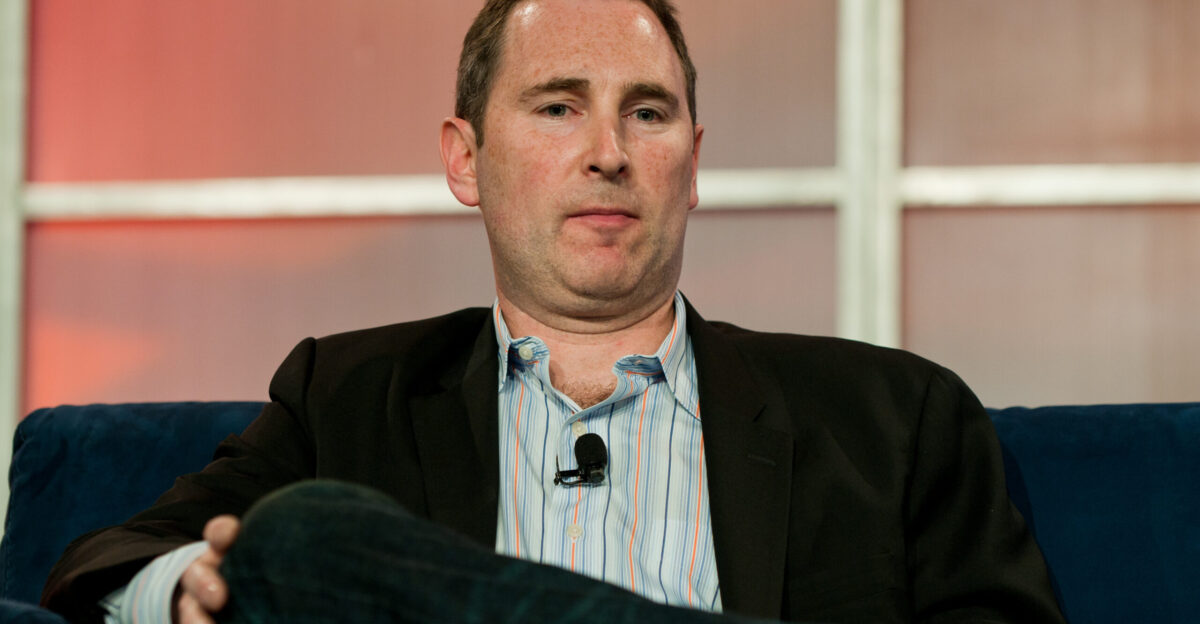
Companies frame cuts as “streamlining” and “agility” improvements, but evidence suggests survival tactics. UPS’s workforce reduction aligns with losing Amazon as a major customer—a business decision disguised as efficiency gain.
Target’s incoming CEO admits “complexity we’ve created over time has been holding us back,” acknowledging past management failures. Amazon CEO Jassy seeks to reduce “excess people and layers” from pandemic-era expansion.
The Automation Paradox
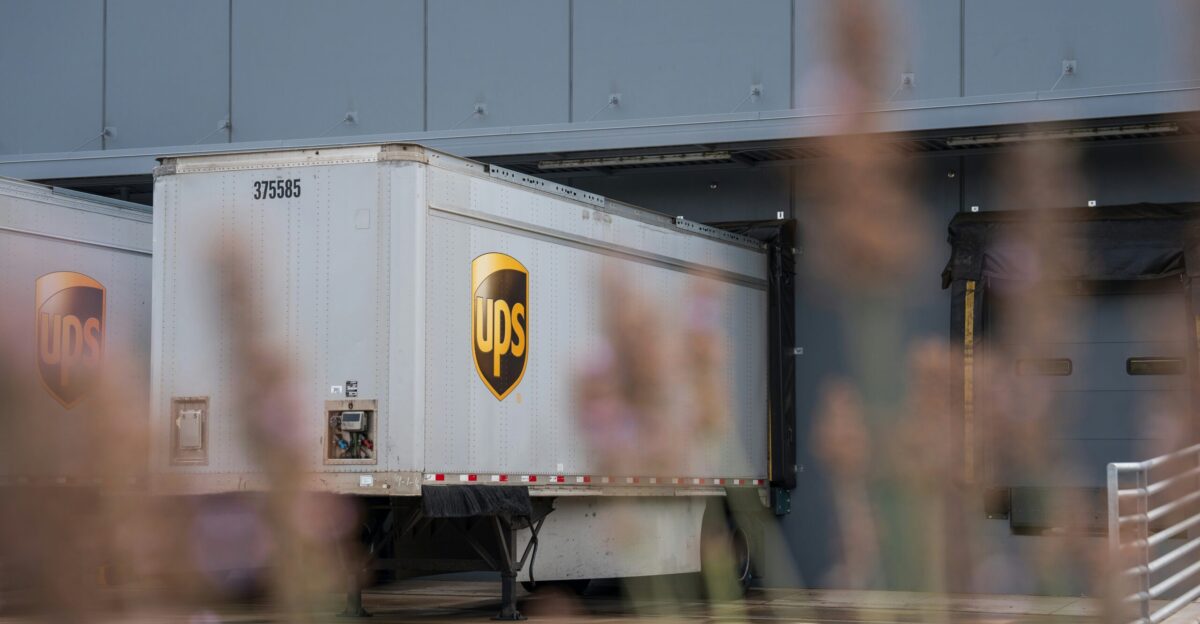
UPS clarified that while 14,000 corporate cuts have “some ties to AI and automation,” technology was “not the primary trigger”. The company stated automation’s biggest impact will be on future hiring rather than current displacement.
Real job losses stem from closed facilities necessitated by tariff-disrupted shipping volumes. This pattern contradicts narratives of AI-driven unemployment, revealing tariffs and economic pressures as actual drivers.
Industry Effects

Layoffs extend beyond the big three. Paramount cut 1,000 employees post-merger; Procter & Gamble, Nestlé (16,000 roles), GM, and others announced reductions. PwC eliminated 5,600 positions despite 2021 promises to add 100,000 by 2026. Tech sector has seen 184,000+ layoffs in 2025.
Combined announcements exceed 25,000 US job cuts in October alone, not including UPS’s 48,000 year-to-date figure.
Worker Support Systems Under Strain

Displaced workers face compounding challenges. The Bureau of Labor Statistics suspended monthly employment reports during a government shutdown, eliminating crucial labor market visibility. Federal agency closures and food assistance expirations add pressure.
State unemployment benefits vary wildly—$450 weekly maximum in California versus $275 in Florida—and typically last only 26 weeks. COBRA health insurance continuation costs are often prohibitive.
What Experts Predict Next

Layoffs are accelerating, with 41% of organizations issuing them in 2025 compared with only 30% in 2024. Meanwhile, 34% of CEOs expect to reduce their workforce over the next 12 months, up from 28% in Q2 2025, per The Conference Board’s CEO survey.
Columbia Business School’s Daniel Keum explains: “If you can’t increase price, you have to reduce cost. How operationally do I manage cost? Let’s lay off white-collar people”. Analysts warn tariff-driven job losses may continue through 2026 absent policy stabilization.
Long-Term Structural Shifts
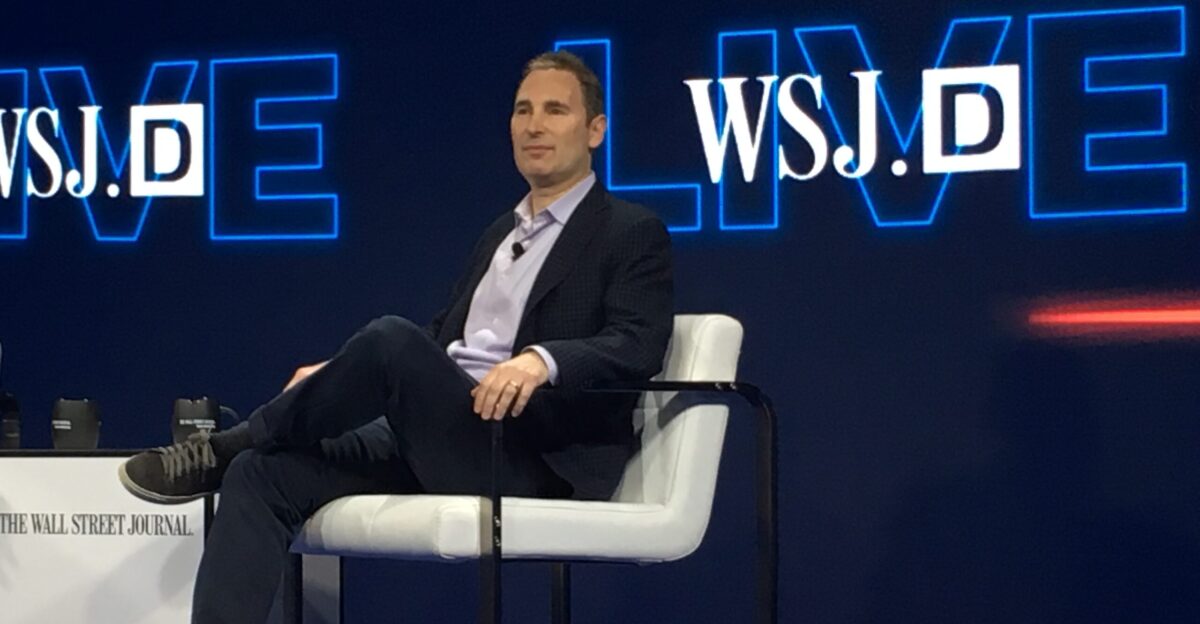
These cuts may represent permanent changes rather than cyclical adjustments. White-collar employment has declined 3.5% over three years, suggesting structural transformation. Companies are investing billions in AI infrastructure while simultaneously eliminating coordination roles.
Andy Jassy stated Amazon will “need fewer people doing some jobs being done today” while hiring for “different types of jobs”. This signals workforce composition changes rather than simple reduction.
What This Means for American Workers

The 63,800 job cuts reveal tariff policy’s hidden costs. While tariffs aim to protect manufacturing, they’ve triggered white-collar bloodletting through supply chain complexity, cost pressures, and planning paralysis.
Workers face a “no-hire” market with mounting layoffs, reduced job security, and strained support systems. Companies using AI as cover for tariff-driven cuts may be “undermining their reputation and institutional knowledge for years to come,” experts warn.