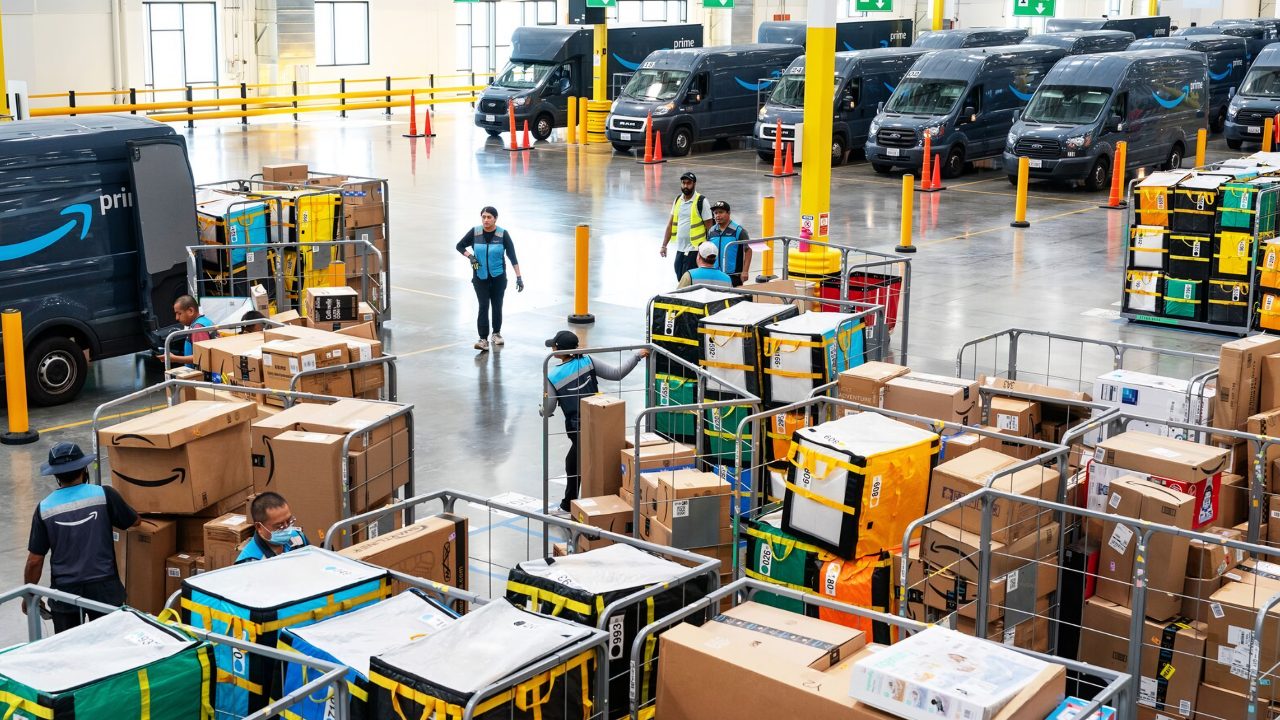
Amazon’s largest fulfillment center in Arkansas, known as LIT1, has been shut down indefinitely after engineers found serious structural design errors related to earthquake safety. The five-story, 3.6 million-square-foot facility at the Port of Little Rock first opened in 2021 and quickly became a centerpiece of the company’s statewide logistics network. Operations initially paused on October 22, 2025, for what workers were told would be a short repair window, but a detailed review later concluded that the building could not safely remain open while major fixes were made. Amazon has reported investing billions of dollars in Arkansas infrastructure and operations since 2010, and LIT1 was among the most prominent symbols of that expansion.
Company representatives say outside experts and internal engineers determined the structural engineering firm that designed LIT1 made errors in the original plans, leaving the building unable to meet seismic code requirements. The facility sits in the broader New Madrid Seismic Zone, a fault system that produced a series of powerful earthquakes between 1811 and 1812, events that destroyed the town of New Madrid, Missouri, and reshaped parts of the Mississippi River valley. While damaging earthquakes are rare in central Arkansas, Amazon said there was no safe way to keep the site open during the extensive retrofitting needed to bring it into compliance. As of late 2025, the company has not set a date for completing repairs or reopening the facility.
Thousands of Jobs Eliminated

The indefinite closure has eliminated jobs for more than 4,100 people employed at LIT1, including about 2,600 full-time staff and roughly 1,700 seasonal workers. Many employees viewed the warehouse as one of the best-paying opportunities in the region, and the sudden loss of work has left families facing difficult financial decisions. Seasonal workers reported first learning of their terminations by email, while other staff members said they received the shutdown announcement during ongoing shifts.
Amazon has outlined a relief package that includes 90 days of full pay and up to six months of continued medical coverage for affected workers, along with severance options for those who do not transfer into new roles within the company. The company has also pledged to maintain access to its Career Choice education benefits program for eligible employees through 2026. A dedicated support team is on site to help people navigate pay, benefits, and placement options, though some workers have described the process as complicated and uncertain in online posts and local media interviews.
To help people find new work, Amazon and state partners have set up career and workforce assistance services that focus on résumé preparation, interview coaching, and job matching with other employers in Arkansas. Officials have pointed displaced workers toward openings in transportation, warehousing, and manufacturing as they try to absorb the sudden influx of job seekers. These efforts are unfolding as Amazon separately adjusts its broader logistics footprint nationwide after a rapid buildout during the pandemic years, including consolidations and reconfigurations in several other states.
Economic Strain Across Central Arkansas

The closure of LIT1 has rippled well beyond Amazon’s own payroll, affecting trucking carriers, contractors, and small businesses that depended on steady freight and employee traffic at the port. LIT1 functioned as a key inbound hub where goods entered Amazon’s network before moving on to other facilities, so its sudden loss has disrupted shipping patterns and cut off a major source of daily volume for local logistics firms. Community organizations and local news outlets have reported rising pressure on food banks and assistance programs as laid-off workers and their families seek support during the transition.
Rural counties surrounding Little Rock, where many employees commuted from, are also feeling the impact. These areas often have few large employers, and the loss of LIT1 has forced some residents to consider relocating in search of stable jobs, raising concerns about future tax bases and school enrollments. At the same time, small and mid-sized transportation and service companies that grew alongside Amazon’s presence now face idle equipment, reduced hours, and the prospect of further cuts if freight and service contracts do not return.
Independent merchants who ship through Amazon report that the shutdown has added another complication to an already stressed delivery environment, as inventory movements are reconfigured and fulfillment timelines adjusted. Industry analysts say the episode highlights how vulnerable regional economies and small sellers can be when a single large facility or employer dominates local logistics activity. The disruption has prompted renewed discussion about diversification, both in public policy and in supply-chain planning.
Future of LIT1 and Amazon’s Arkansas Plans
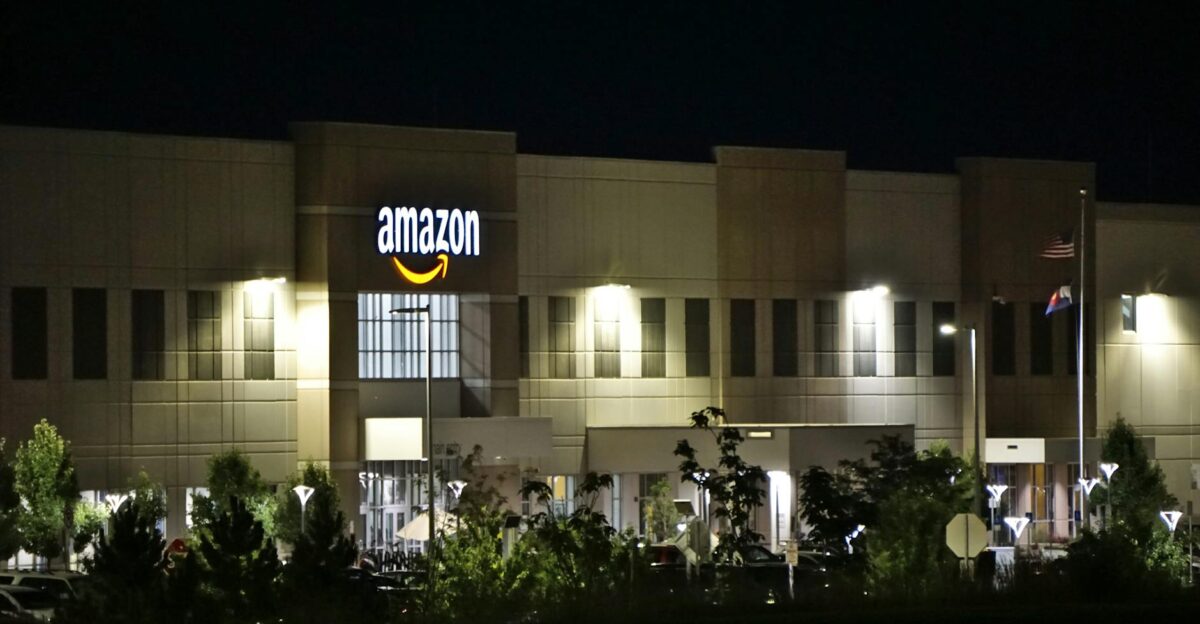
As engineers continue daily work on assessing and planning structural repairs at LIT1, there is still no public estimate for when, or even if, the building will fully return to service. State officials and industry observers expect that questions of liability will focus on the structural design process and compliance with seismic building codes, potentially leading to legal action against the engineering firm and other parties involved in the original project. Any such disputes could take years to resolve and may influence how future high-value industrial facilities are reviewed and insured in seismically sensitive regions like the New Madrid zone.
Despite the turmoil, Amazon is pressing ahead with a new logistics project at the same port, known as LIT3, which carries a projected price tag of about $151 million. The 930,000-square-foot facility is expected to open around 2027 and create more than 1,000 full- and part-time jobs once fully operational, using updated seismic standards and advanced automation. According to state and company figures, Amazon has invested between roughly $2.6 billion and $3.4 billion in Arkansas since 2010, including fulfillment centers, delivery stations, solar projects, and other infrastructure.
For central Arkansas, the fate of LIT1, and the speed at which displaced workers can find stable employment, will help determine whether the region remains a major logistics hub or becomes an example of the risks that come with depending heavily on a single large employer and facility. Policymakers and economic developers are watching closely as they weigh how to balance aggressive recruitment of large projects with stricter attention to geological and structural risk.
Sources
Amazon closes Arkansas warehouse over earthquake-related design flaw – Yahoo
Amazon to shutter one of its Little Rock facilities for major repairs – Talk Business
Arkansas Amazon Fulfillment Center Closure in 2025 – My Amazon Guy