
In a move that has sent shockwaves through Silicon Valley and beyond, Amazon has announced the layoff of 1,403 employees across seven California cities, part of a broader nationwide reduction affecting 14,000 positions. The decision, one of the largest tech layoffs in California for 2025, comes at a time when Amazon is reporting robust profits, prompting widespread debate about the motivations and future implications for the tech workforce.
Shifting Priorities and Who’s Affected
The layoffs have hit software engineers, recruiters, and marketing professionals the hardest, with the brunt of job losses concentrated in Sunnyvale, Irvine, and Palo Alto. This targeted reduction reflects Amazon’s strategic pivot toward artificial intelligence and automation, signaling a shift in the types of roles the company values most. “It’s surreal to go from building the future to being told you’re no longer needed,” said a Bay Area engineer who was among those let go.
For many, the abruptness of the layoffs—often delivered via early-morning text messages—has heightened anxiety about job security in an industry once seen as a bastion of stability. The ripple effects are being felt not only by individuals but also by local economies and the broader tech talent pool in California’s innovation hubs.
Industry Trends and Global Context

Amazon’s move is part of a larger trend that has swept the tech sector since 2022, with layoffs peaking in 2023 and continuing into 2025. The company previously cut 27,000 positions between 2022 and 2023, and its latest round mirrors similar actions by Microsoft, Meta, and Oracle, all of which have cited the need to streamline operations and invest in emerging technologies like AI.
Globally, Amazon’s restructuring is not confined to the United States. With a workforce of over 1.5 million, the company has also implemented layoffs in other countries, reflecting a coordinated international strategy. This mirrors a global recalibration in tech, as firms seek to align their workforces with rapidly evolving technological priorities.
Inside Amazon’s Rationale
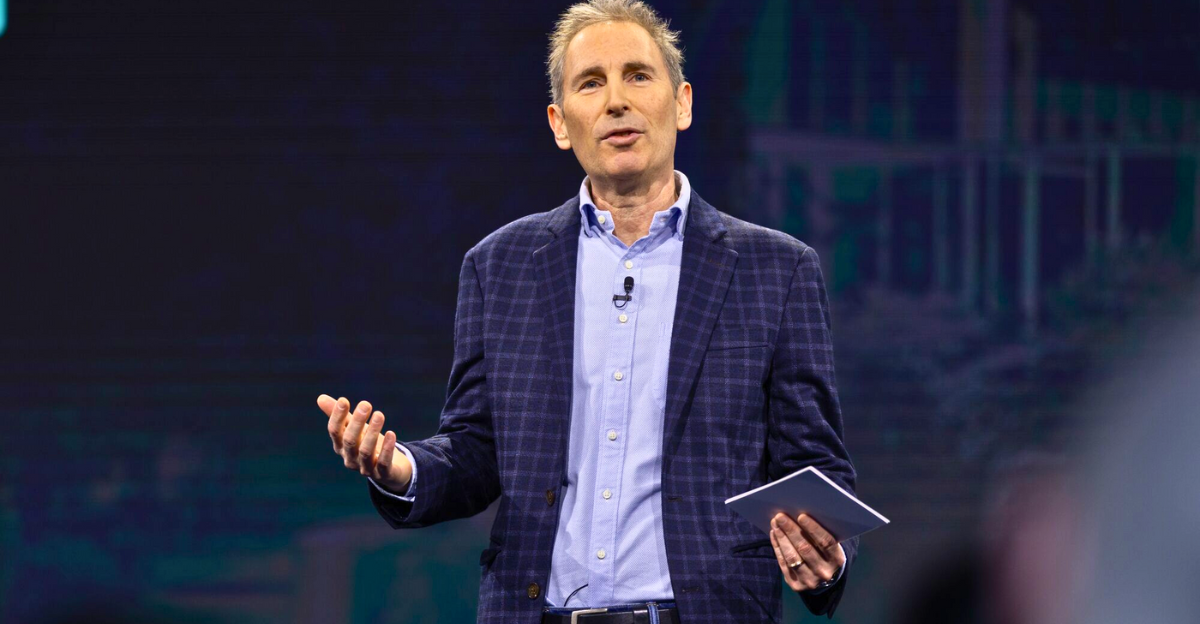
Amazon executives have framed the layoffs as part of a broader effort to eliminate bureaucracy and create a leaner, more agile organization. CEO Andy Jassy, in a statement on October 30, 2025, emphasized that the cuts were “not really financially driven,” but rather a reflection of “new values” and a cultural realignment within the company. This marks a departure from previous explanations that linked layoffs directly to automation and cost-cutting.
Beth Galetti, Amazon’s senior vice president, echoed this sentiment in a memo to staff, stating the need to “reduce layers” and focus on the company’s “biggest bets,” particularly in AI and robotics. However, this rationale has not been universally accepted. Many employees have expressed frustration over the lack of clear communication and the suddenness of the layoffs, with some questioning whether references to “culture” are simply a euphemism for traditional cost-saving measures.
Local Impact and Employee Voices
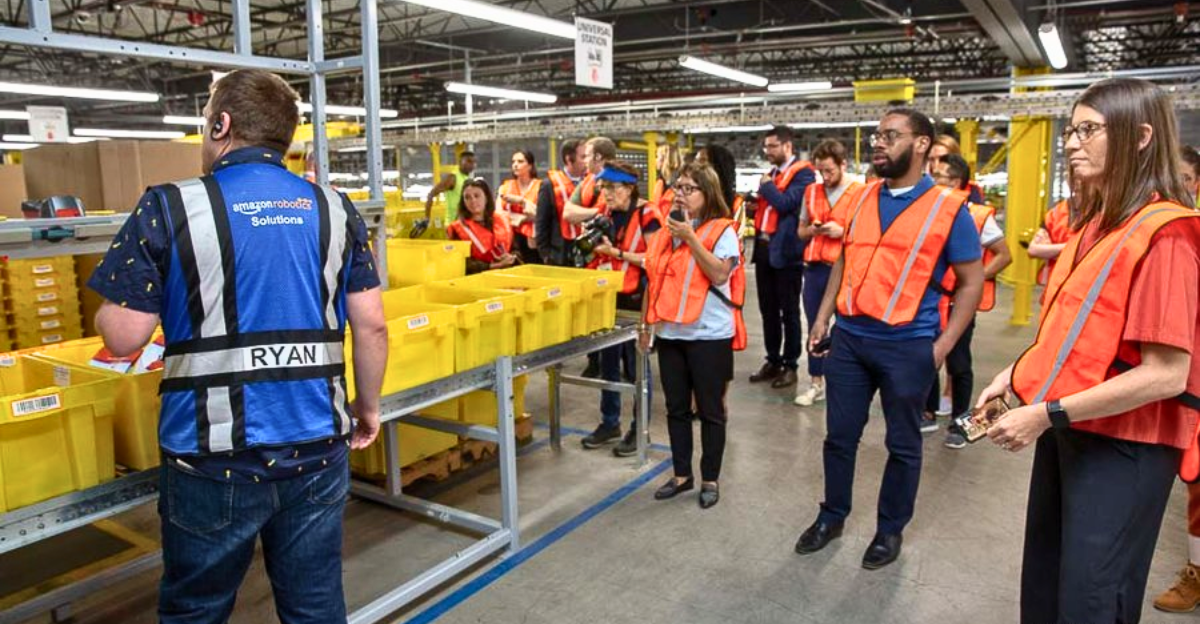
The geographic concentration of layoffs in cities like Sunnyvale (391 jobs lost), Irvine (333), and Palo Alto (176) has had a pronounced effect on local communities. Game designers, software engineers, and other skilled professionals now face uncertain futures, raising concerns about the long-term impact on innovation and the region’s economic vitality.
California’s Worker Adjustment and Retraining Notification (WARN) filings have provided transparency about the scope and timing of the cuts, ensuring compliance with labor laws and offering affected workers a measure of clarity. Local officials and community leaders are monitoring the situation closely, with concerns about the broader economic impact on the region’s tech sector.
Looking Ahead: Uncertainty and Opportunity
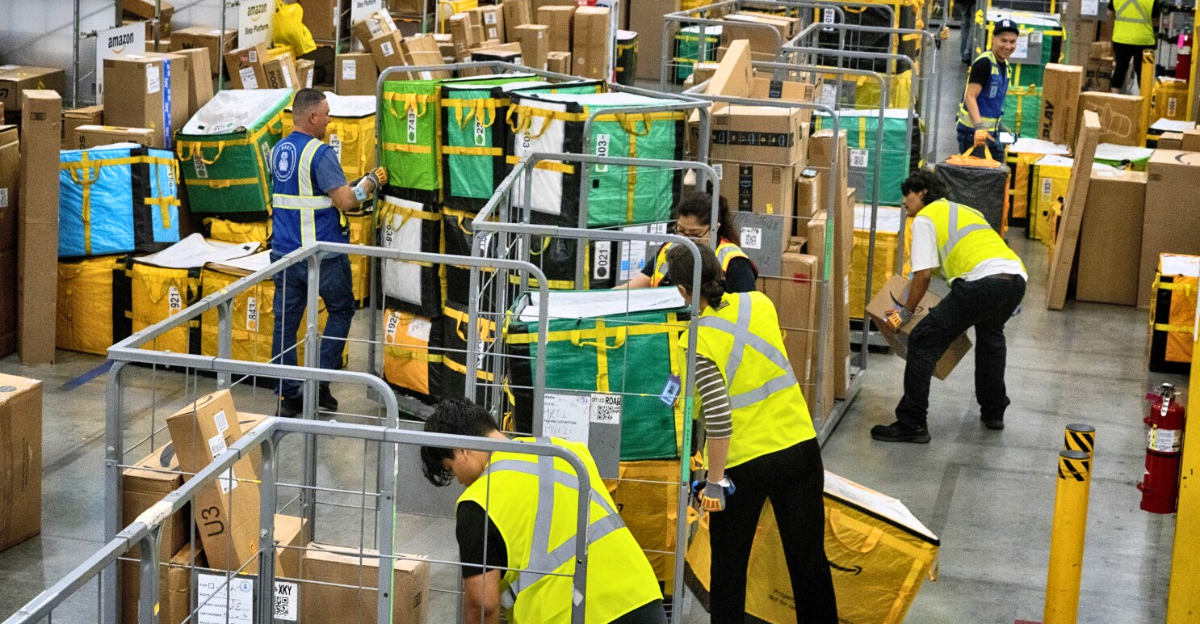
Despite the turbulence, Amazon insists it remains committed to growth, particularly in fields like artificial intelligence and robotics. The company plans to continue hiring in these areas, suggesting a future where some roles disappear while others emerge to support new business priorities.
The broader U.S. job market remains strong, but the tech sector’s volatility is being closely watched as a potential indicator of deeper economic shifts. As policymakers and industry analysts debate the implications, the stakes are high—not just for Amazon’s workforce, but for the future of work in a rapidly changing digital economy.
As the dust settles, the story of Amazon’s layoffs is still unfolding. The decisions made today will shape not only the company’s trajectory but also the lives of thousands of workers and the direction of the global tech industry in the years to come.