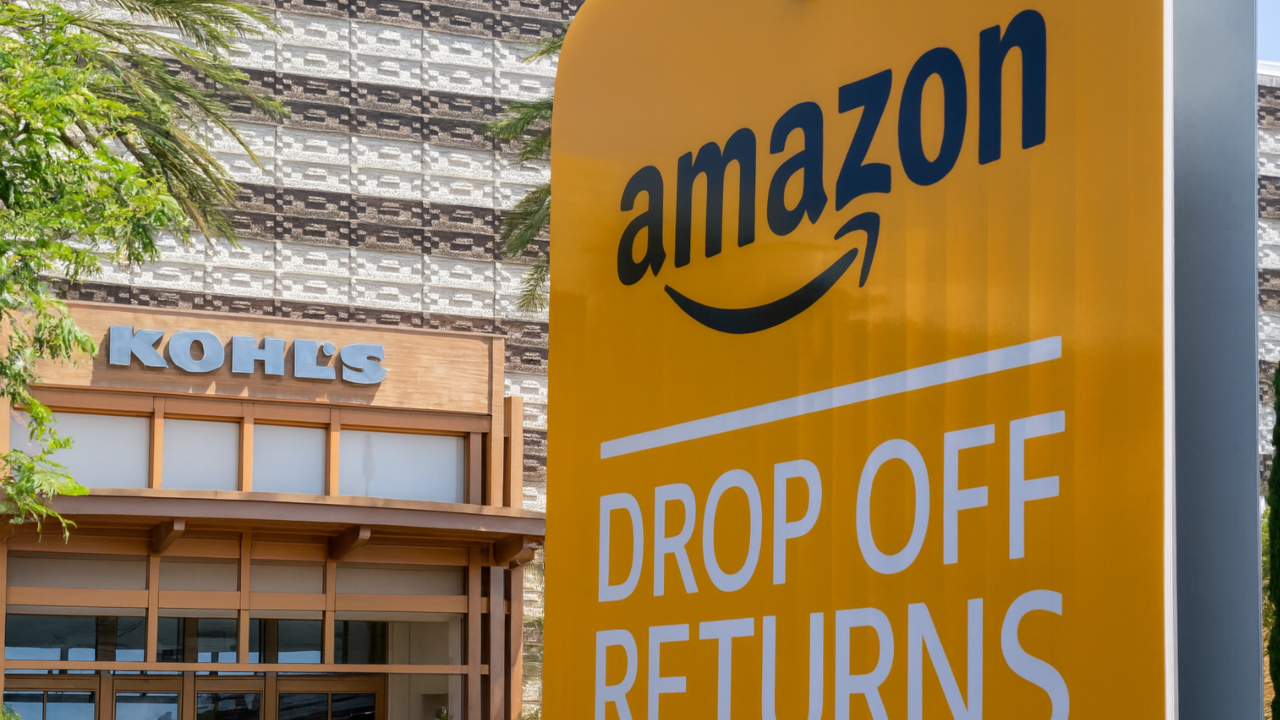
Amazon has established an unyielding cutoff for holiday season returns. Any item purchased between November 1 and December 31, 2025 must be returned by January 31, 2026—a 91-day window that closes permanently at midnight with no extensions or exceptions. This cohort-based system groups all holiday purchases under a single deadline rather than tracking individual 30-day windows per purchase, streamlining operations but creating significant financial risk for millions of shoppers who miss the date.
Understanding the 91-Day Window

The return period runs from November 1, 2025 through January 31, 2026, applying uniformly to all holiday purchases regardless of when during those two months items were bought. Whether a customer shopped on Black Friday or Christmas Eve, the same deadline applies. This methodology allows Amazon to manage return logistics more efficiently while providing shoppers with nearly three months to evaluate purchases. However, once January 31 passes, the system automatically denies all return requests with no grace periods or warnings.
The cohort approach differs fundamentally from standard per-purchase return windows. Rather than tracking individual 30-day periods from each transaction date, Amazon groups all November and December purchases together. This creates operational predictability but leaves customers who procrastinate vulnerable to missing the deadline entirely.
Financial Consequences of Missing the Deadline

The stakes are substantial. A customer who discovers a $500 laptop is defective on February 2, 2026—just one day after the deadline—forfeits their refund completely. Similarly, someone who purchased $300 in holiday gifts that recipients didn’t want cannot return those items after January 31. High-value electronics like $1,200 televisions cannot be refunded or exchanged if action is delayed. Once the window closes, the money is permanently lost with no recovery options through Amazon’s standard processes.
Category-specific rules add another layer of complexity. Electronics and premium-priced items like Apple devices may have even shorter return windows, potentially ending January 15 rather than January 31. Consumers who wait until late January could find themselves locked out of returns entirely without realizing category-specific deadlines applied to their purchases.
Why Retailers Are Tightening Return Policies
Rising return volumes and fraud losses are driving this shift across the retail industry. The return market is projected to reach $849.9 billion in 2025, with approximately $103 billion in annual return fraud. About 15% of all returns are fraudulent, including practices like “wardrobing”—wearing or using items and then returning them. The hard shutdown on January 31 represents retailers’ strategy to cap exposure and manage logistics more predictably.
Major retailers including Walmart, Target, and others use similar cohort windows for operational necessity. Amazon, Macy’s, and TJX are also implementing stricter verification systems and fees. Macy’s now charges $9.99 for mail returns unless customers are Star Rewards members, while TJX charges $11.99. These fees are deducted from refunds, further incentivizing quick action before deadlines expire.
Common Scenarios That Catch Shoppers Off Guard
Holiday gifts often aren’t opened or evaluated until after the New Year. By the time recipients determine they want to return something, the window is closing. Customers who bought items for themselves but received duplicates as gifts face the same immovable deadline. Electronics with shorter category-specific deadlines catch consumers off guard when attempting late-January returns. Additionally, items that become defective after the window closes cannot be returned under this policy—a gadget that malfunctions in mid-February has no recourse.
Many Americans routinely procrastinate or misunderstand Amazon’s policies, assuming the standard 30-day window applies per purchase. They don’t realize all holiday purchases share a single January 31, 2026 deadline. Amazon’s extended window is convenient, but the specific deadline may not be top-of-mind when shoppers decide to return items weeks after purchase.
What Happens After the Deadline
If you attempt to return an item on February 1, 2026, Amazon’s system automatically denies the request. There are no exceptions for defective items discovered late or gifts opened after January 31. Missed the deadline? Options shrink dramatically. Some consumers turn to secondary markets like eBay or local resale shops to offload unwanted items—though typically for pennies on the dollar compared to the original purchase price. Others pursue credit card chargebacks, though these carry their own risks and limitations. For many shoppers, missing the deadline simply means accepting the financial loss.
Protecting Your Refunds

Don’t wait until late January. Review all holiday purchases immediately and identify items you want to return. Confirm category-specific deadlines, especially for electronics which may have earlier cutoff dates. Keep receipts, original packaging, and proof of purchase. Initiate any needed returns well before January 31, 2026—don’t wait until the last week. Retain all documentation and act promptly.
The January 31, 2026 Amazon return window is a hard stop with real financial consequences. Once it closes, there are no extensions or exceptions. This is not a suggestion or guideline—it is an immovable deadline. Mark January 31, 2026 on your calendar immediately. Missing this deadline means losing refunds permanently.