
Amazon’s massive layoff wave hit New York City like a shockwave. In a surprising move, 660 corporate employees across nine offices were told to pack up as part of a broader 14,000-job cutback. The layoffs, which took effect shortly after the announcement, are part of Amazon’s push for a leaner workforce.
The sudden departure of so many workers—just as the city’s tech sector was poised for expansion—raises questions: What does this mean for Amazon’s future in New York? Is this a sign of the company pulling back from expensive coastal hubs? The full implications are yet to unfold.
Why Amazon Is Making These Cuts

The layoffs come as part of Amazon’s strategy to streamline its workforce, eliminating excess managerial layers and fostering more ownership within teams.
The goal is to create smaller, more nimble units that can adapt quickly in a changing economic landscape. While the layoffs are framed as a move towards efficiency, critics argue that this downsizing could stifle creativity and undermine employee morale in the long term.
The Impact on Amazon’s NYC Tech Hubs

Amazon’s Manhattan West and New York Tech Hub were once symbols of the company’s bold expansion into the city.
However, the layoffs have dampened the once-vibrant offices, leading to a shift in the local tech ecosystem. These hubs, which were central to Amazon’s NYC presence, now face a significant reduction in activity, affecting startups and contractors that were tied to Amazon’s growth in the area.
The Economic Ripple Effect on Manhattan

Beyond the immediate impact on Amazon’s workforce, the layoffs are felt throughout the Manhattan economy. Local businesses, such as cafés, transportation services, and vendors, lose key clients.
Office space demand drops, particularly in the high-end buildings that once housed Amazon’s teams. Landlords, already grappling with shifting work patterns, must rethink leasing strategies as NYC’s commercial real estate market adjusts.
Shifting Confidence in the NYC Job Market

The layoffs have cast a shadow over the NYC job market, especially in the tech sector. Tech recruiters and hiring managers are adjusting their expectations, while job seekers are left to navigate a tougher market.
Local universities and training programs are responding by ramping up tech bootcamps to help displaced workers find new opportunities, but the overall mood has turned cautious.
The Erosion of Ancillary Roles

Amazon’s cuts extend beyond core engineering and managerial positions, with roles in IT support, security, and facilities also being affected.
This reduction has ripple effects across the service industry, as vendors and contractors adjust their contracts or shift focus to other clients. The result is a recalibration of how business ecosystems in NYC, particularly around large tech firms, operate.
Re-skilling and Early Retirement in Response to Layoffs
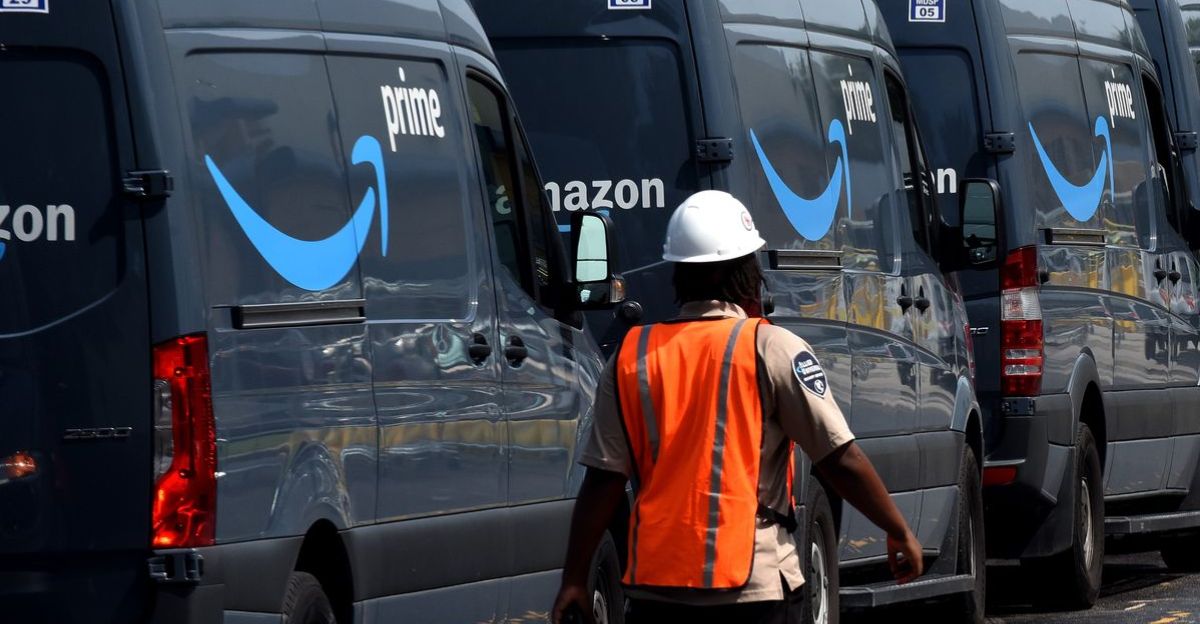
With a 90-day notice period, many Amazon employees are turning to retraining programs in fields like cybersecurity and cloud computing.
Local education institutions and online platforms are seeing a surge in enrollments as workers look to pivot into new tech roles. The push for re-skilling is redefining local talent pools and will likely influence future workforce development strategies.
Diversity and Inclusion Strategies Under Scrutiny
Amazon’s layoffs have forced a reevaluation of diversity, equity, and inclusion (DEI) programs. As the company restructures, some initiatives are scaled back, while others are refocused to ensure they meet immediate operational needs.
The impact of these shifts on long-term DEI efforts remains to be seen, as companies must balance efficiency with cultural and workforce commitments.
Real Estate and Urban Planning Adjustments

The reduced demand for office space in NYC, particularly in Manhattan’s prime real estate districts, is prompting a rethinking of commercial office strategies.
Developers are considering more flexible leasing options and adaptive reuse of spaces. This shift could significantly alter the future of urban planning, as planners and developers reassess how space is allocated in a changing economy.
Impacts on Local Government Revenue

The reduction in Amazon’s NYC workforce could impact city tax receipts, particularly in areas related to payroll taxes and local spending.
As tax revenue drops, the city may look to adjust its fiscal strategy, exploring new ways to incentivize businesses to stay or grow within the city. Policymakers may need to implement targeted subsidies or urban planning solutions to maintain economic stability.
Tech Competitors Weighing Their Options
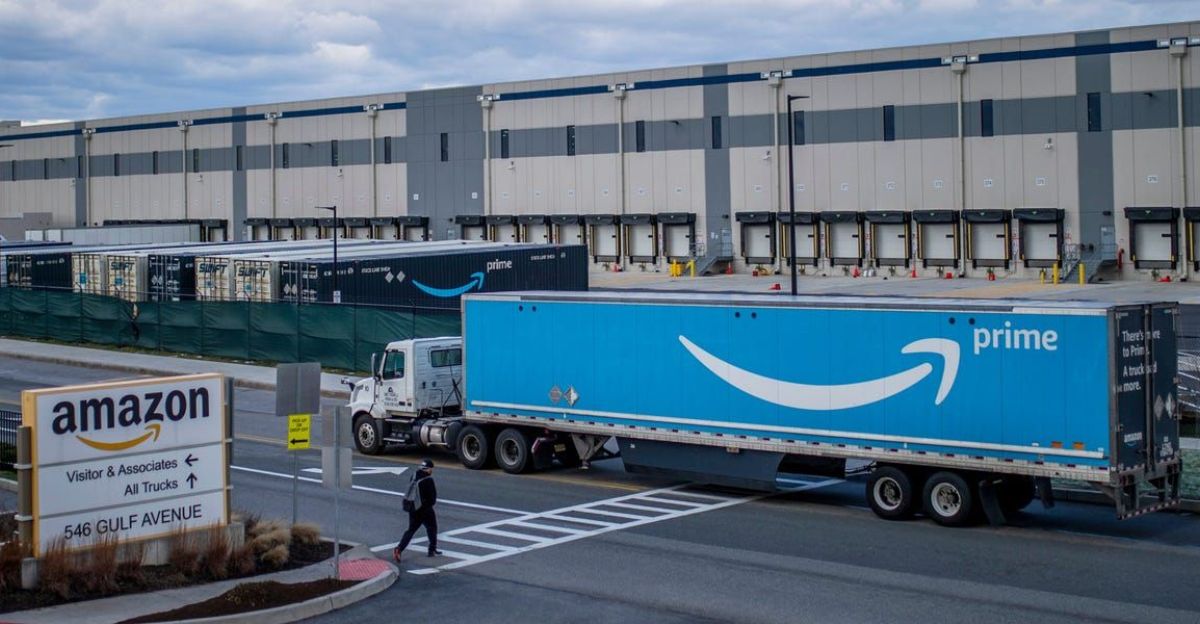
As Amazon scales back in NYC, other tech giants are likely reconsidering their own growth strategies in the city.
Some may accelerate hiring in more affordable regions or reassess the viability of their NYC offices. With Amazon’s shift, competition for talent will heat up, and companies will be closely watching how other tech firms react to these changes.
National Corporate De-coupling Trend Intensifies
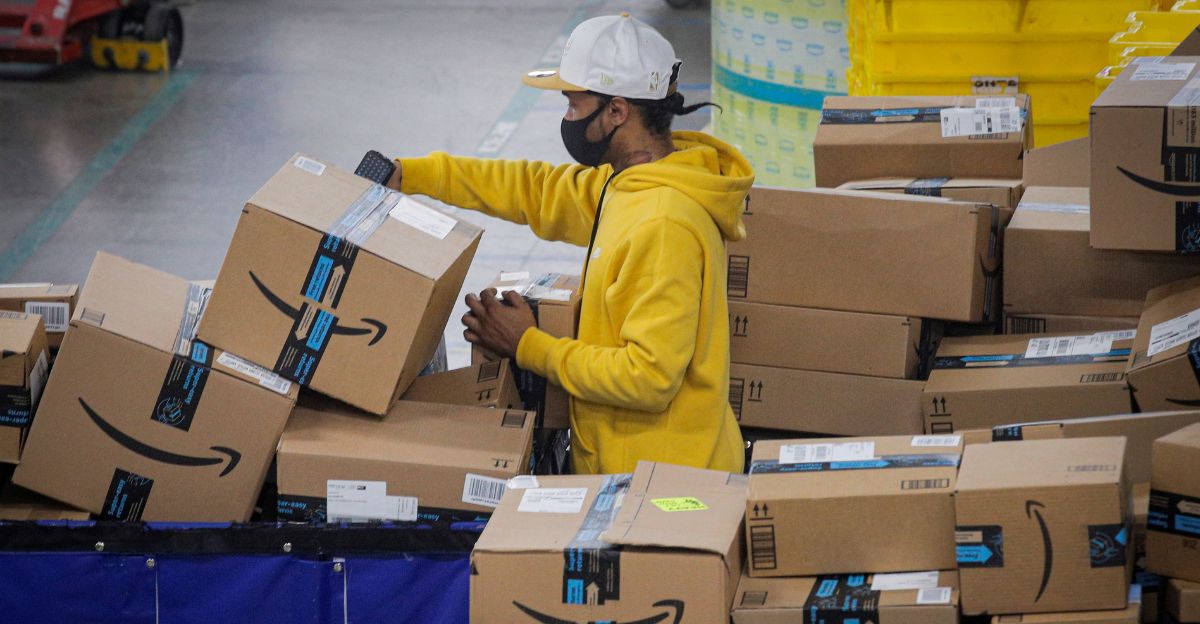
Amazon’s cuts are part of a larger trend in tech, as companies shift toward leaner models. The move reflects a broader corporate strategy prioritizing efficiency and cost containment over expansive growth.
This trend is likely to influence other tech firms, with shareholders increasingly demanding profitability and streamlined operations, signaling a potential shift in how companies approach their workforce and growth strategies.
Reallocation of Talent Across Sectors

Displaced Amazon employees are likely to find new opportunities in sectors like cloud computing, AI, cybersecurity, and analytics.
As companies from startups to established firms scramble to hire the talent let go by Amazon, the job market for specialized tech roles will become increasingly competitive. This shift is reshaping how companies build their teams and how talent is distributed across industries.
Talent Mobility Patterns and Relocation Incentives

As remote work continues to gain traction, many tech professionals are reconsidering their geographic preferences. Some may move to lower-cost regions, while others pursue hybrid work arrangements.
The trend of talent mobility could impact housing markets and regional job clusters, with areas like Silicon Valley potentially seeing a decline in demand as workers migrate to more affordable locations.
Pressure on Wages and Benefits Structures

In response to continued downsizing, companies may recalibrate compensation strategies to remain competitive in the talent market.
Benefits such as healthcare and retirement plans could face scrutiny as employers seek more predictable, cost-effective models. For prospective hires, total compensation packages will be weighed more carefully against the cost of living in various job markets.
Startups and Small Businesses Adapt to New Realities

Smaller companies and startups will feel the effects of Amazon’s layoffs, as reduced enterprise demand forces them to adapt. Some may pivot to new clients or explore collaborations with the public sector.
This dynamic is fostering a more diverse local ecosystem as businesses adjust to the new landscape and capitalize on emerging opportunities.
Public Sentiment and Corporate Risk Perception

Public opinion is divided on Amazon’s decision to cut such a large portion of its workforce. Media coverage presents these layoffs as a test case for corporate risk tolerance.
As the company’s growth narrative shifts, investors and consumers alike will reassess the long-term implications of corporate contraction on innovation and employment.
Lessons for Job Seekers in Today’s Tech Market

Job seekers in the tech market must adapt quickly to the changing landscape. The focus is now on cross-functional skills, adaptability, and the ability to deliver results.
Networking, upskilling, and certifications are crucial for standing out in a competitive job market where job security is no longer a given.
Re-entry Pathways for Displaced Workers

For those laid off, accelerated retraining programs are offering a faster path back into the workforce. Bootcamps, online courses, and partnerships with employers are creating opportunities for displaced workers to re-enter the job market.
These initiatives are critical for helping workers transition into new roles in high-demand fields like AI and cybersecurity.
Long-Term Economic Implications of Corporate Restructuring

Over time, Amazon’s move may spark a broader shift in how urban tech ecosystems evolve. With a focus on lean operations, talent may move toward inland hubs and regions with lower operational costs.
Coastal cities like NYC may need to reinvent themselves as specialized service centers, while smaller regions may attract higher-skill roles, reshaping the national economic landscape.