
Amazon is eliminating 1,403 corporate jobs across California, part of a massive 14,000-position global workforce reduction. The tech giant’s sweeping cuts hit seven major cities, including Sunnyvale, Irvine, and Palo Alto.
CEO Andy Jassy insists the decision isn’t financially motivated, raising questions about California’s business climate under Governor Gavin Newsom’s administration and the company’s strategic direction.
“It’s Culture, Not Money” – Jassy’s Controversial Claim

During an earnings call, CEO Andy Jassy made a striking assertion: the layoffs are “not really financially driven, and it’s not even really AI-driven.” Instead, Jassy blamed “culture,” claiming rapid growth created excessive management layers that weakened employee ownership.
This contradicts the company’s earlier messaging about AI transformation. The explanation has sparked skepticism among industry observers, questioning the true motivations behind California’s job losses.
Seven California Cities Bear the Brunt

Sunnyvale leads with 391 eliminated positions, followed by Irvine’s 333 cuts. Palo Alto loses 176 jobs, while Culver City, San Diego, Santa Monica, and Santa Clara see significant reductions totaling over 500 positions.
The Bay Area alone faces more than 800 job losses across software engineering, UX design, legal, and sustainability departments.
Software Engineers Hit Hardest

Software development engineers comprise the largest group affected by California’s layoffs. The cuts extend beyond technical roles, impacting recruiters, business analysts, marketing professionals, and middle managers across multiple divisions.
In Irvine and San Diego, game designers and artists from Amazon’s gaming studios face termination. The diversity of impacted positions suggests a comprehensive organizational restructuring rather than targeted departmental cuts.
Laid-Off Workers Share Emotional Stories

Amazon employees, also known as “Amazonians,” began posting “#OpenToWork” messages on LinkedIn after receiving termination notices. Several Bay Area engineers described receiving early-morning text messages informing them of job losses, calling the experience “surreal”.
The sudden nature of notifications and lack of advance warning have intensified employee frustration.
California’s Business Climate Under Fire

Amazon’s exodus highlights broader concerns about California’s business environment under Governor Newsom. High taxes, stringent regulations, expensive labor costs, and high energy prices have driven multiple major corporations out of the state.
The Hoover Institution reports that 81% of surveyed voters believe California taxes are too high, with 48% stating they’re “much too high.” This business-unfriendly reputation threatens California’s economic dominance and its leadership in innovation.
The Company Exodus Trend Continues

Eleven major corporations have recently departed California, including Tesla, Chevron, and McKesson Corp. Research indicates that while total company departures remain relatively small, larger corporations disproportionately choose relocation over smaller businesses.
Between 2018 and 2021, California experienced an unprecedented number of headquarters relocations driven by tax policies, regulatory burdens, litigation costs, and a declining quality of life.
Newsom’s Economic Claims vs. Reality

Governor Newsom touts California’s $4.2 trillion GDP and “nation-leading economy” as proof of continued dominance. His administration promotes investments in quantum, fusion, robotics, and AI industries.
However, this rhetoric clashes with reality: major employers are fleeing, tech workers face mounting layoffs, and the state struggles with affordability crises. The disconnect between Newsom’s optimistic messaging and corporate departures raises questions about California’s true economic health.
AI Investment or Job Elimination Excuse?

Beth Galetti, Amazon’s senior VP, initially cited AI as a transformative technology requiring leaner operations. Yet Jassy later downplayed AI’s role in layoffs, creating contradictory messaging.
Critics suggest that companies invoke AI to justify cuts that are actually driven by financial pressures or economic uncertainty. Federal Reserve Chair Jerome Powell noted that several major companies have recently cited AI as a reason for hiring pauses or layoffs, raising doubts about whether efficiency gains justify workforce reductions.
Amazon’s $18 Billion Profit Paradox

Amazon reported $18 billion in quarterly profits and 13% sales growth before announcing layoffs. This financial strength contradicts claims that cuts aren’t economically motivated. The company projects exceeding $120 billion in capital expenditures this year, primarily for AI-supporting data centers.
Despite robust earnings, Amazon eliminated positions affecting families and communities across California.
California’s Tech Talent Drain Accelerates

Tech workers increasingly relocate to states offering lower taxes and affordable housing. California reported 76% of tech leaders citing critical skills gaps, particularly in AI and data science. The state lost $2.5 billion to cybercrime in 2024, the nation’s highest.
Outmigration threatens to redistribute innovation ecosystems beyond California’s borders, potentially ending Silicon Valley’s decades-long dominance. Amazon’s layoffs compound this talent exodus, further weakening California’s competitive position.
The Return-to-Office Connection

Amazon mandated office returns in early 2023, sparking employee walkouts and protests. Workers cited a lack of trust in leadership and a preference for remote work. The current layoffs disproportionately affect middle managers, possibly targeting those resistant to office mandates.
Jassy previously claimed that in-person collaboration improved performance despite limited supporting evidence. The timing suggests potential connections between office policy resistance and workforce reductions targeting specific employee segments.
San Francisco’s Downtown Struggles Worsen

San Francisco faces 137 job losses across six downtown locations, with 71 cuts at 525 Market Street. These represent some of the year’s largest tech sector reductions in a downtown area still recovering from the pandemic’s impacts.
The city struggles with nearly 20% office vacancy rates as companies embrace remote work and cut real estate costs. Amazon’s cuts further challenge San Francisco’s efforts to restore pre-pandemic vibrancy and economic vitality.
Gaming Studios Face Devastating Cuts

Irvine and San Diego, home to Amazon’s video game studios, see dozens of game designers and artists terminated. These cuts impact Prime Video and the entertainment sector beyond gaming. California’s creative economy, which has typically been a strength, now faces significant challenges.
The layoffs suggest Amazon is retrenching from entertainment investments despite Governor Newsom’s recent expansion of film and television tax credits aimed at supporting California’s creative industries.
The Layoff Timeline and Worker Protections
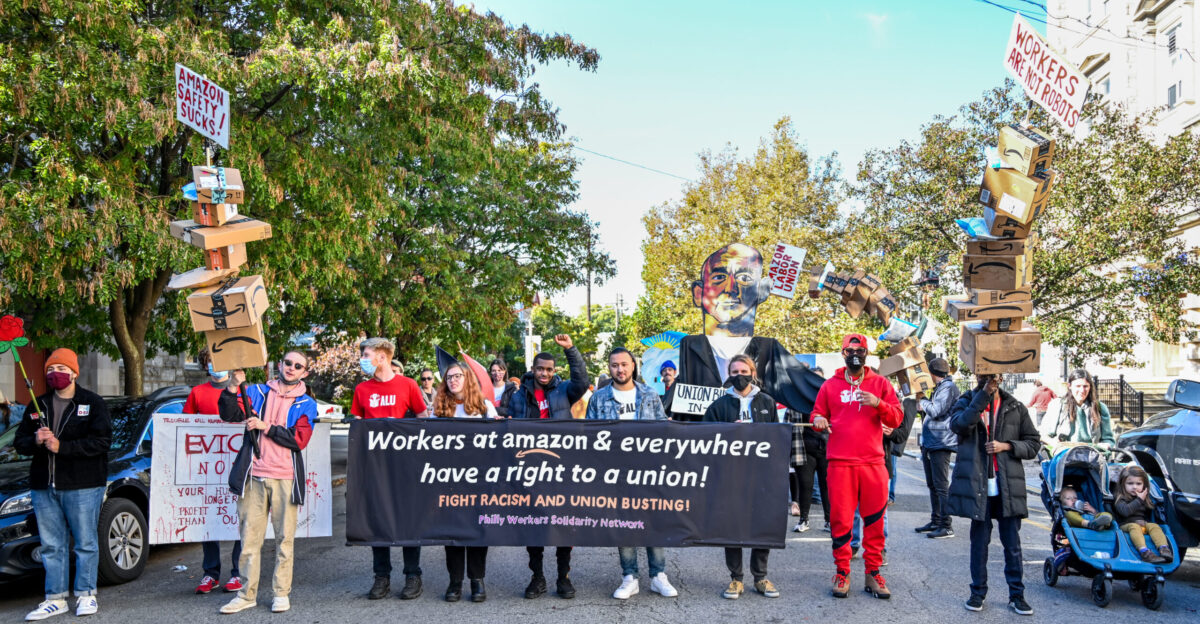
Job eliminations will commence on January 26, 2026, in accordance with California’s WARN Act requirements. This law mandates a 60-day advance notice for mass layoffs, providing some worker protection. Amazon’s recruiting teams are committed to helping affected employees find alternative internal positions whenever possible.
However, with 14,000 global cuts, internal placement opportunities appear limited. Workers face holiday uncertainty, knowing their jobs end shortly after the New Year celebrations.
California’s Failed Retention Efforts
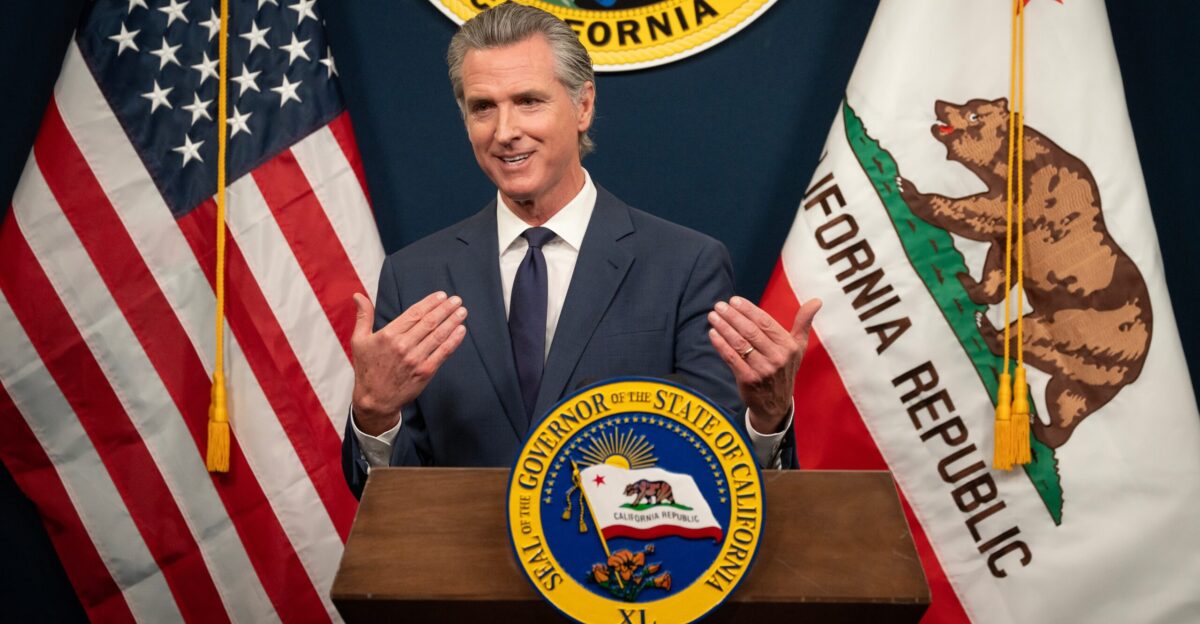
Despite Governor Newsom’s economic initiatives and tax incentives, major corporations continue departing. His “California Jobs First” blueprint and creative economy investments haven’t stemmed the exodus.
Recently, Newsom even reversed 25-year environmental policies to prevent oil companies from leaving after Chevron relocated its headquarters to Texas. These desperate retention attempts reveal policy failures, making California increasingly unattractive to businesses across multiple industries.
Comparing California to Business-Friendly States

Texas has become California’s primary beneficiary, attracting relocated headquarters and new facilities. States offering lower taxes, reduced regulations, and affordable housing actively recruit companies from California.
While relocation involves operational costs and compliance challenges, many corporations find benefits outweigh the drawbacks. California’s Proposition 65 alone costs businesses millions of dollars annually in compliance and litigation expenses, with 85% of settlement costs benefiting trial lawyers rather than addressing public health concerns.
The Broader Tech Industry Downturn

Amazon joins Salesforce, Target, and Paramount in eliminating thousands of positions recently. Applied Materials announced 363 Bay Area layoffs, while Meta cut 318 positions in Menlo Park. Carter’s is eliminating 300 corporate jobs amid pressure from tariffs.
Nearly one million U.S. job cuts were reported in 2025, a 55% increase year-over-year, making this the fifth-highest loss year in 36 years of tracking. California’s tech-heavy economy makes it particularly vulnerable to economic downturns.
What This Means for California Workers

Over 1,400 California families face unemployment during economic uncertainty. Many affected workers hold specialized skills but compete in a contracting job market where hiring intentions plummeted 58% year-over-year.
The tech sector’s simultaneous workforce reductions across multiple companies create fierce competition for remaining positions. California’s high cost of living makes unemployment particularly devastating, potentially forcing workers to relocate to more affordable states, further accelerating the talent drain.
The Future of California’s Tech Dominance

California faces a critical crossroads as major employers shed jobs and relocate operations. Unless policy reforms address concerns regarding taxation, regulation, housing affordability, and the business climate, the exodus will likely accelerate.
Governor Newsom’s administration must strike a balance between environmental goals, worker protections, and business competitiveness to maintain economic leadership. Amazon’s 1,403 California job cuts, labeled as cultural rather than financial, may signal that even profitable companies find California’s environment untenable for sustained growth and operations.