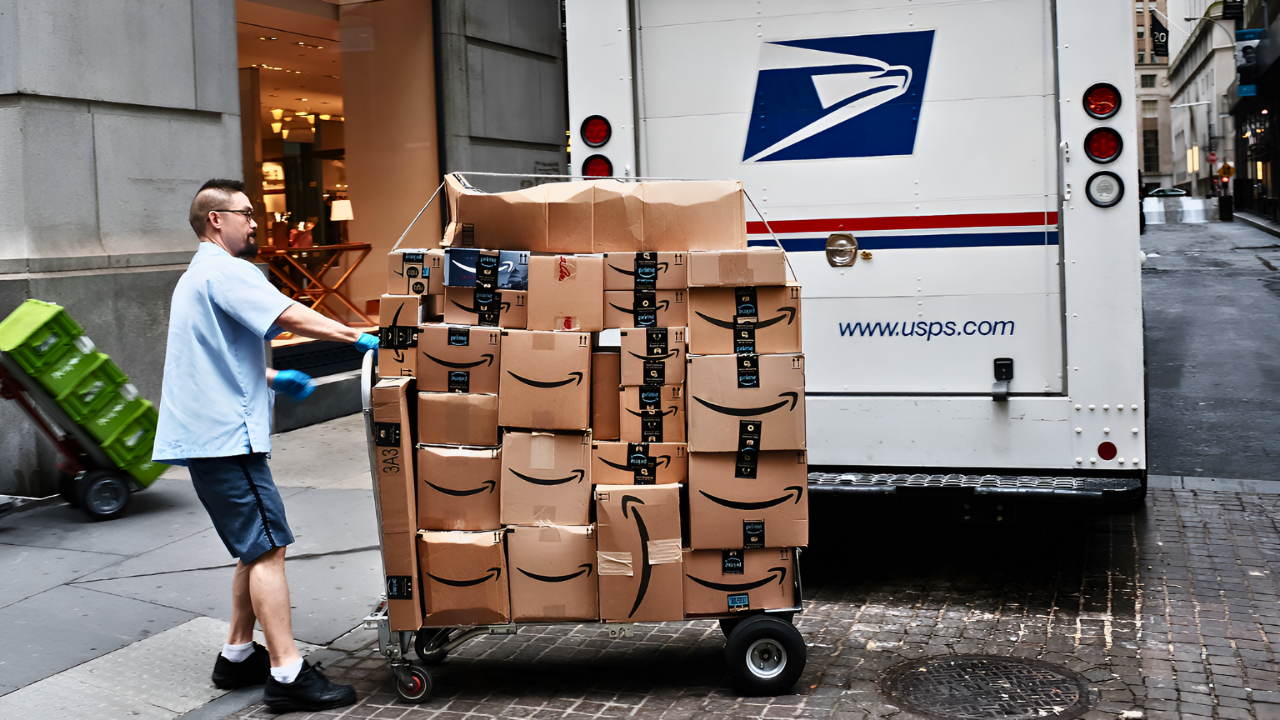
Brown trucks roll past shuttered post offices while yellow bins of Amazon parcels move down automated conveyors, each one a reminder of a three-decade relationship now approaching its end. Billions of packages still feed into USPS’s network, yet Amazon is quietly running simulations of a world without it.
The clock runs toward October 2026, a deadline that forces both sides to define whether this partnership evolves, fractures, or collapses outright.
The Stakes Escalate
USPS posted a $9.0 billion loss in 2025—only slightly better than its $9.5 billion loss the year prior. Amazon alone represents roughly $6 billion in annual revenue, or about 7.5% of USPS’s operating income.
Losing that volume could leave USPS in financial free fall, with few remaining levers to stabilize operations. Without a large anchor customer, the agency faces a structural gap it cannot close with rate hikes or incremental efficiencies.
A Three-Decade Partnership
Amazon turned USPS into a backbone for its e-commerce operations, especially for Sunday deliveries beginning in 2013. Over time, the partnership deepened as online shopping exploded, and USPS became indispensable for rural and final-mile service.
Universal service rules made USPS uniquely capable of reaching remote addresses at scale. No private carrier delivers everywhere, six days a week. Amazon relied on that infrastructure even as it built its own network.
Mounting Pressures Collide
Mail volumes at USPS have collapsed nearly 80% since 1997, forcing the agency to rely heavily on package revenue to survive. At the same time, Amazon built a parallel logistics empire capable of nearly matching USPS in parcel volume.
Amazon delivered 6.3 billion packages in-house in 2024, while USPS handled 6.9 billion. Projections show Amazon could surpass USPS by 2028, changing power dynamics across an industry once built around postal dominance.
The Reverse Auction Shift
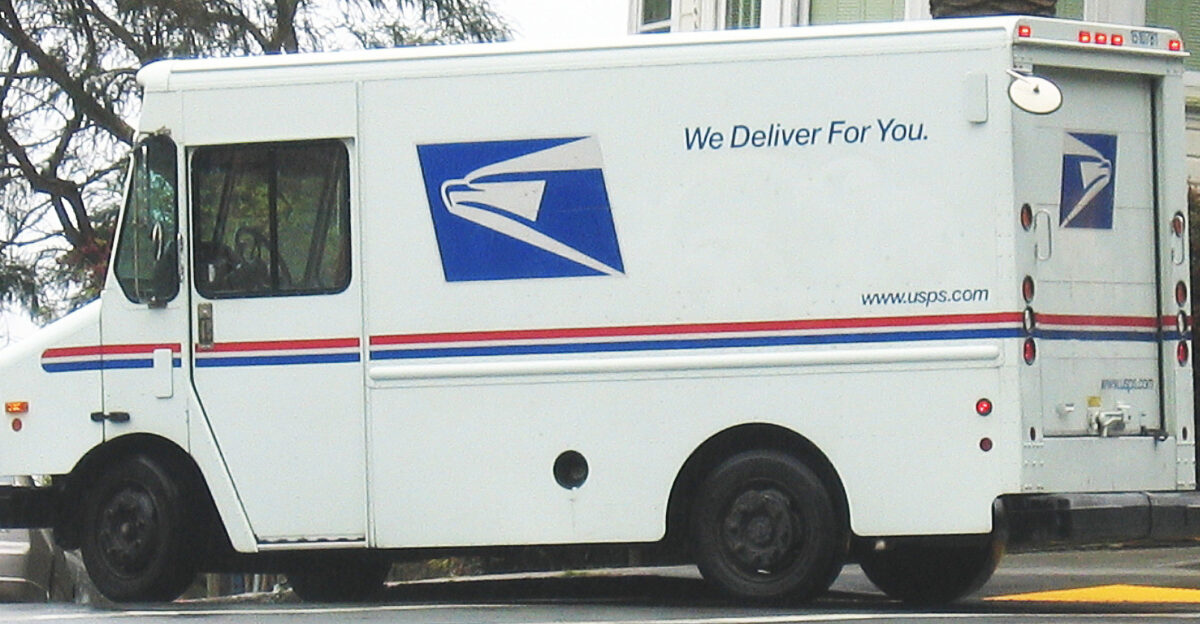
USPS plans a reverse auction beginning in early 2026 that would open facility access to competitive bidding rather than granting Amazon a preferential renewal.
Amazon would be forced to compete against national retailers and regional carriers for lanes it once dominated. USPS leadership aims to diversify revenue away from a single mega-customer, reshaping decades of procurement norms while signaling that traditional bilateral negotiations are over.
Rural America At Risk

Amazon’s proprietary network prioritizes density, speed, and profitability, not universal access. Rural Americans already depend on USPS for medications, essentials, and affordable shipping under mandated service obligations.
If Amazon exits, service to remote areas could slow, cost more, or simply be deprioritized. Without USPS, there is no carrier with both legal obligation and capacity to serve sparsely populated routes consistently.
Infrastructure At Risk
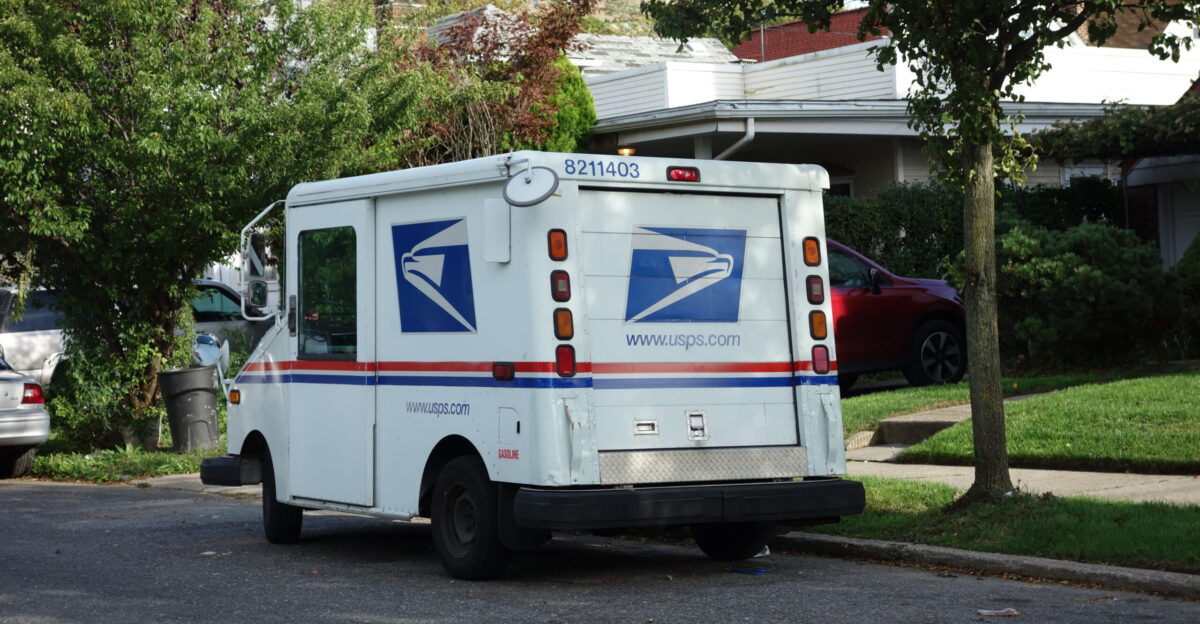
The infrastructure at stake is substantial. USPS operates 31,000+ post office locations nationwide, a network that has already shed approximately 500 facilities over the past five years. Retail customer visits to these locations have declined 28%, reflecting broader mail volume collapses that force difficult closure decisions. Policymakers increasingly view post office consolidations as inevitable if USPS financial pressures intensify. Amazon’s departure would accelerate financial stress on this 31,000-location network, particularly in rural areas where package revenue helps subsidize mail delivery operations mandated by law.
The financial calculus is stark: each post office carries overhead costs regardless of transaction volume. As Amazon scales its proprietary network, the fixed costs supporting rural post offices become harder to justify. The closure of even a small percentage of the 31,000 locations could trigger cascading service reductions across entire regions.
Amazon’s Calculated Quiet
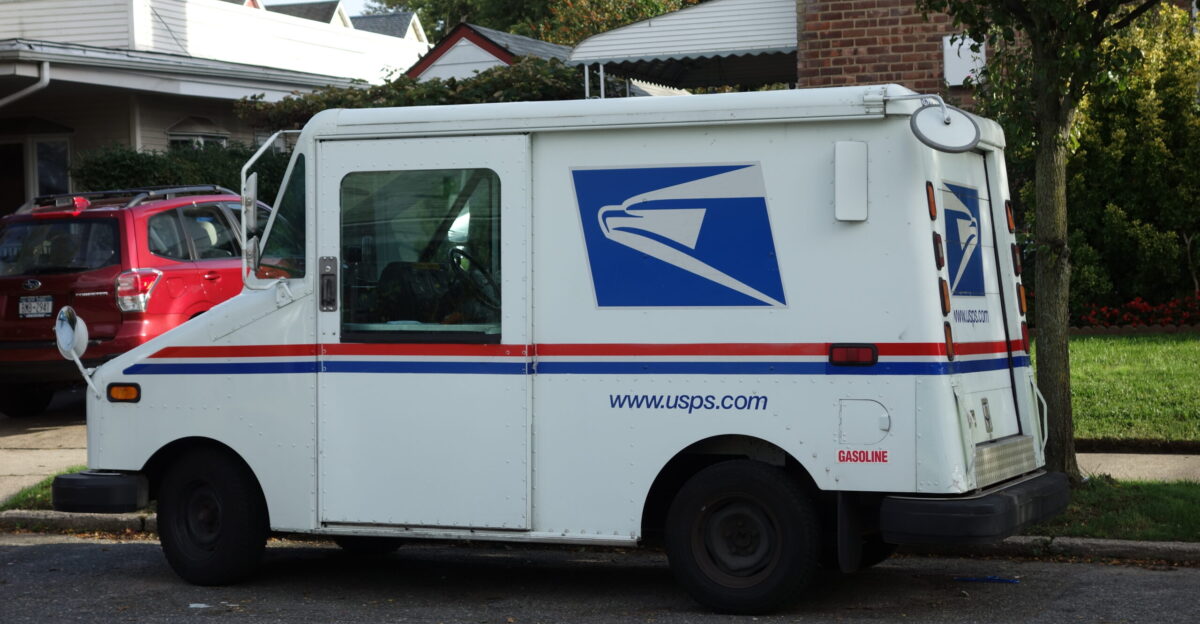
Amazon publicly insists that USPS remains a trusted partner and that plans “are not final and could change.” Behind the scenes, it is modeling scenarios that exclude USPS and committing $4 billion to rural expansion through 2026.
The strategy suggests dual-track planning: maintain leverage in negotiations while building enough internal infrastructure to walk away if terms deteriorate.
Precedent: The UPS Collapse
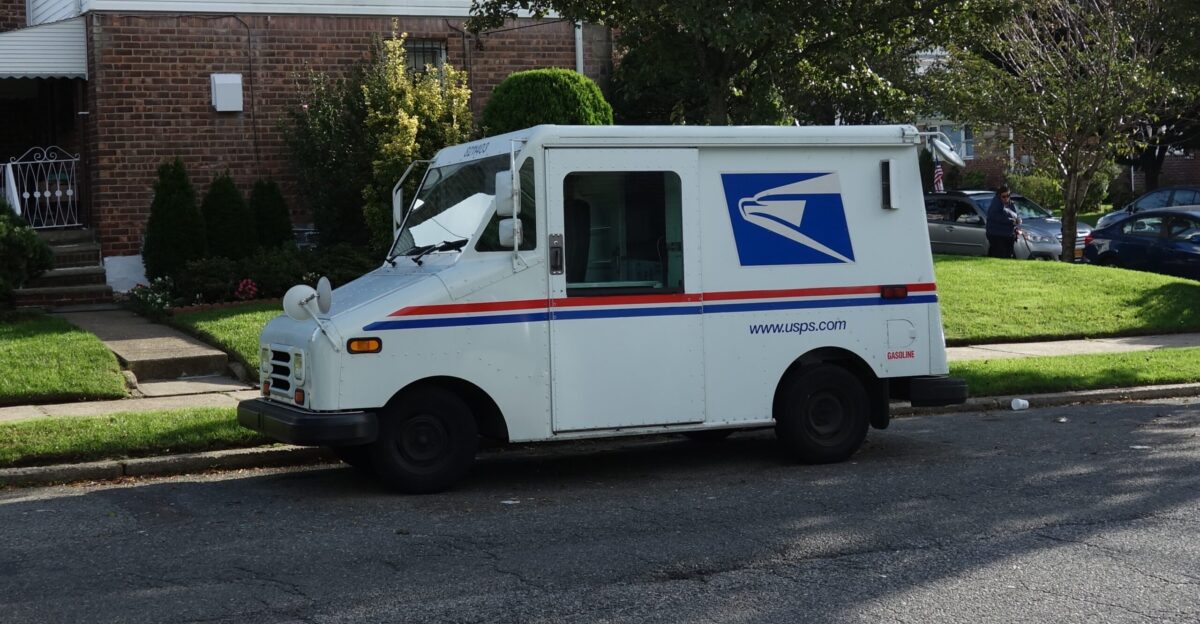
Industry precedent shows these dissolutions are not theoretical. UPS ended its SurePost partnership with USPS in 2025 after decades, and FedEx lost its longtime USPS air cargo contract.
The outcomes weakened USPS’s bargaining leverage and increased competitive pressure. Major carriers are signaling that the old model of postal dependency is ending, even if the replacement is not yet fully defined.
Carriers Insource Aggressively
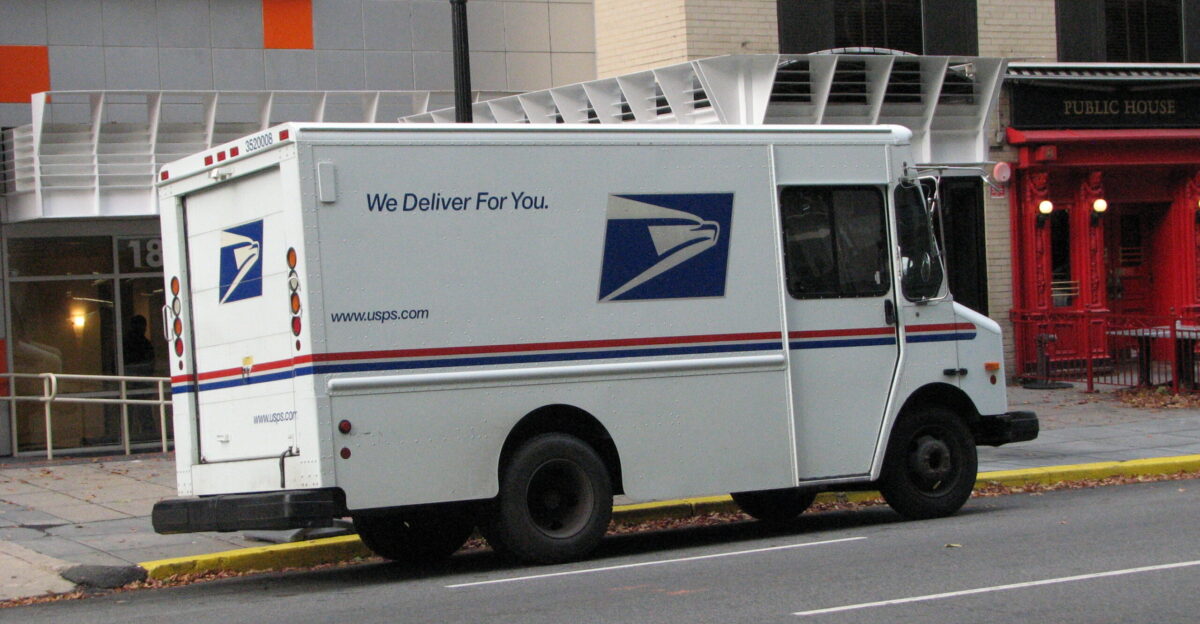
Amazon, UPS, and FedEx are investing heavily to own their last-mile operations, prioritizing vertical integration to reduce costs and control customer experience.
Amazon’s fleet includes over 40,000 trucks, 30,000 vans, and 110 aircraft, enabling scale once unimaginable for a retailer. Its shipping and delivery business generated $31.1 billion in 2024, growing 12.6% year-over-year and reducing need for external partners.
Political Pressure Builds
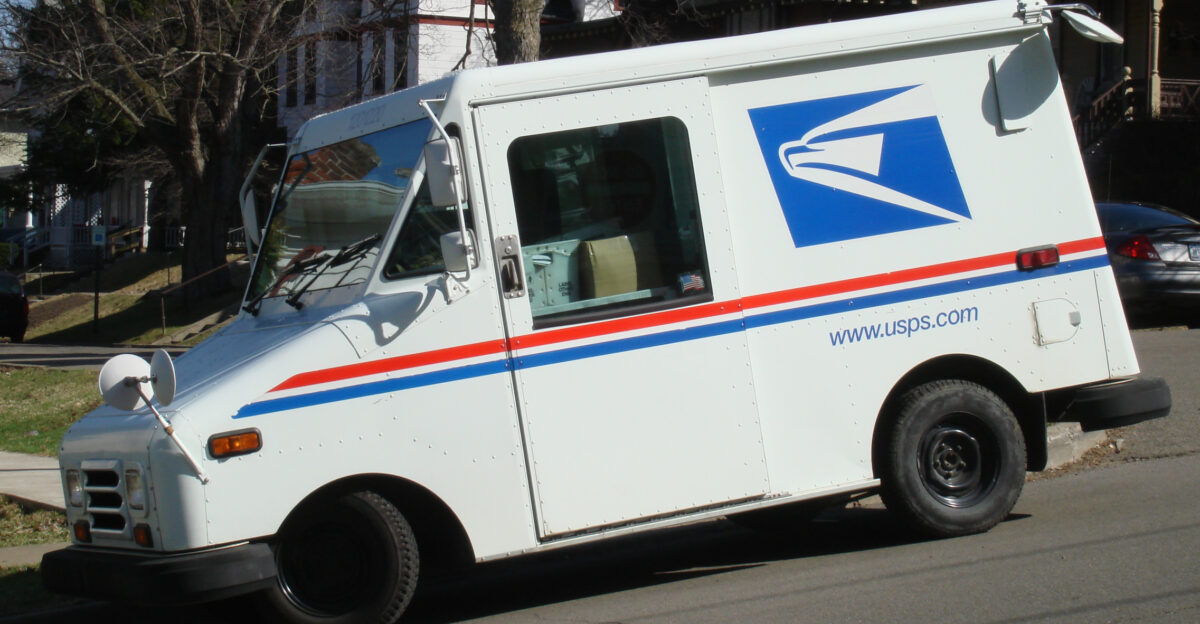
Political forces add complexity. President Trump has criticized USPS’s relationship with Amazon and floated moving USPS under the Commerce Department.
Such proposals raise incentives for USPS leadership to renegotiate aggressively, anticipating structural changes that could favor privatization. The timing of the reverse auction aligns with rising federal interest in reshaping the agency’s financial and operational model.
Frustration Inside USPS
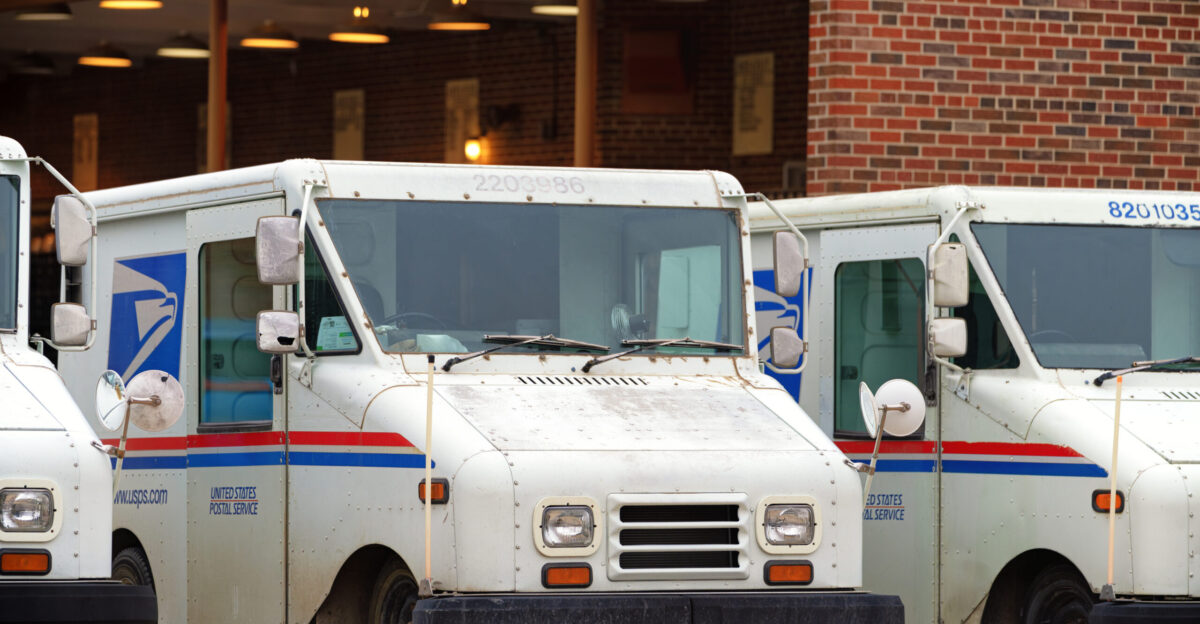
Negotiators describe an imbalanced relationship, with Amazon leveraging scale to push USPS toward concessions the agency cannot legally accept.
Operational challenges—peak-season delays, tracking limitations, labor constraints—have driven Amazon to reroute volume to its own network. The result is a gradual but tangible erosion of USPS’s role in a market it helped build.
Steiner’s Competitive Doctrine
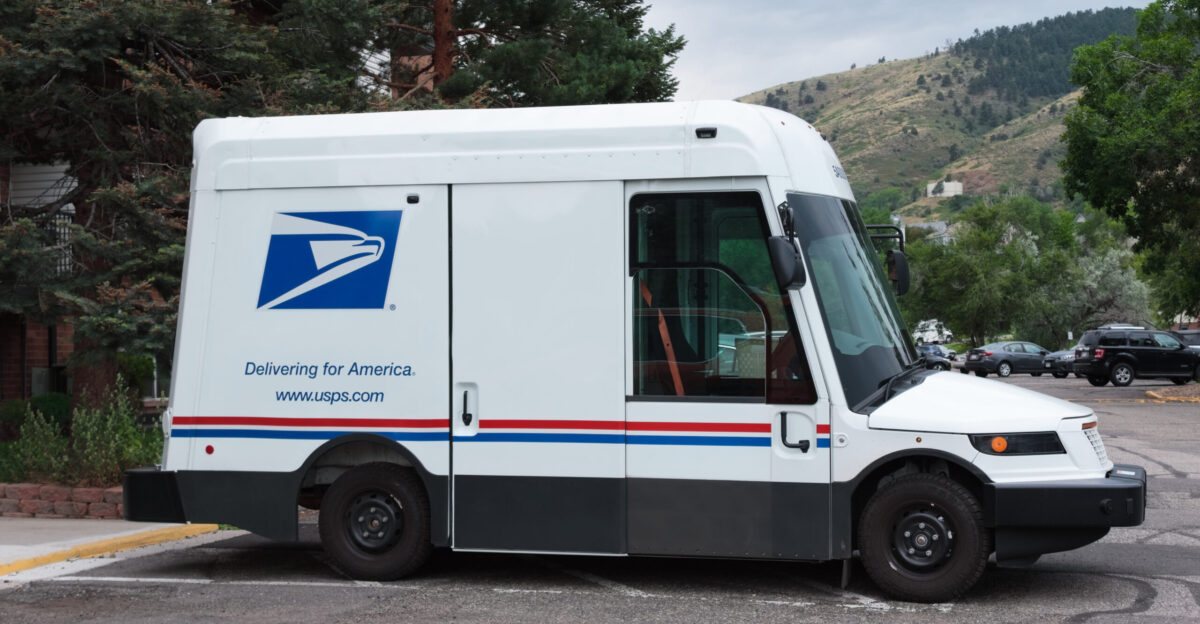
Postmaster General David Steiner, appointed in 2024, aims to break dependence on a single customer. His strategy prioritizes competitive bidding, broader access, and price discipline over volume at any cost.
A virtual meeting with Amazon CEO Andy Jassy reportedly confirmed the direction, signaling that talks had already moved past traditional renewal attempts and into structural transformation.
Amazon Expands Aggressively
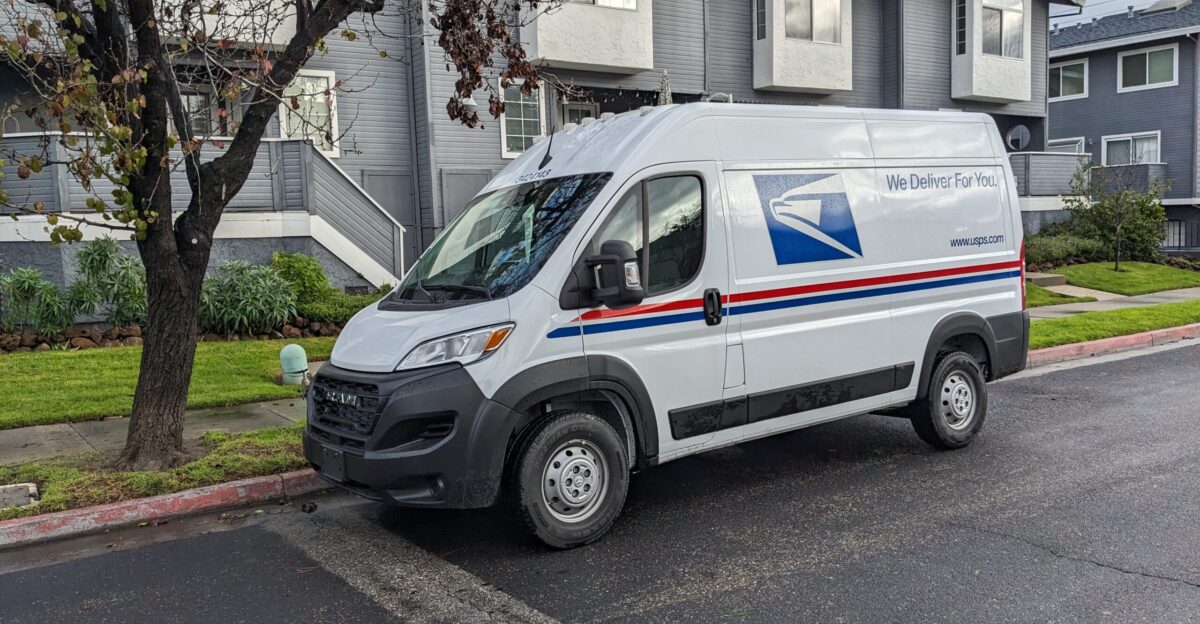
Amazon is accelerating build-out of same- and next-day networks, targeting a tripling of coverage by 2026.
The company plans more than 200 new delivery stations and expanded rural reach to 13,000 ZIP codes while establishing redundancy through new carrier partnerships. The moves signal preparation for a post-USPS world rather than reliance on a negotiated compromise.
Leverage Asymmetry

Analysts summarize the imbalance clearly: USPS depends on Amazon to fill capacity; Amazon depends on USPS only where routes are unprofitable or strategically useful.
Amazon holds negotiating advantage because it can shift volume to its own network, UPS, or FedEx, while USPS lacks equivalent alternatives. In this calculus, USPS risks losing business; Amazon risks inconvenience.
Rural Viability Question

Industry experts question whether Amazon can fully abandon USPS without creating service gaps in remote regions.
Dense-route optimization may force Amazon to ration service geographically, prioritizing profitable areas while outsourcing or abandoning others. USPS cannot abandon those same regions because of legal obligations, creating a dynamic where public service fills gaps private networks reject.
Policy Risk Compounds

The breakup intersects with broader debates around privatization and USPS reform. Critics of the agency view chronic losses and potential Amazon departure as evidence that the USPS model is unsustainable.
A failed negotiation could accelerate policy pushes for restructuring, including service reductions, asset divestiture, or partial privatization. The reverse auction may position USPS to contract in size but improve profitability.
Global Ripple Effects

The breakup sits within a global trend of logistics insourcing, where national postal services lose relevance as large e-commerce firms take control of fulfillment.
Carriers in Japan, the U.K., and Europe are facing similar pressures. The breakup of a major U.S. postal partnership could signal a broader shift away from government-backed universal service models worldwide.
Legal Complexity Emerges

USPS operates under customized Negotiated Service Agreements that tailor terms for major customers. A reverse auction would force the agency to rewrite legal frameworks that have governed operations for decades.
Challenges from Amazon or industry coalitions could trigger litigation, delaying transition well beyond 2026 and injecting prolonged uncertainty into postal operations and pricing.
The End Of Universal Mythology
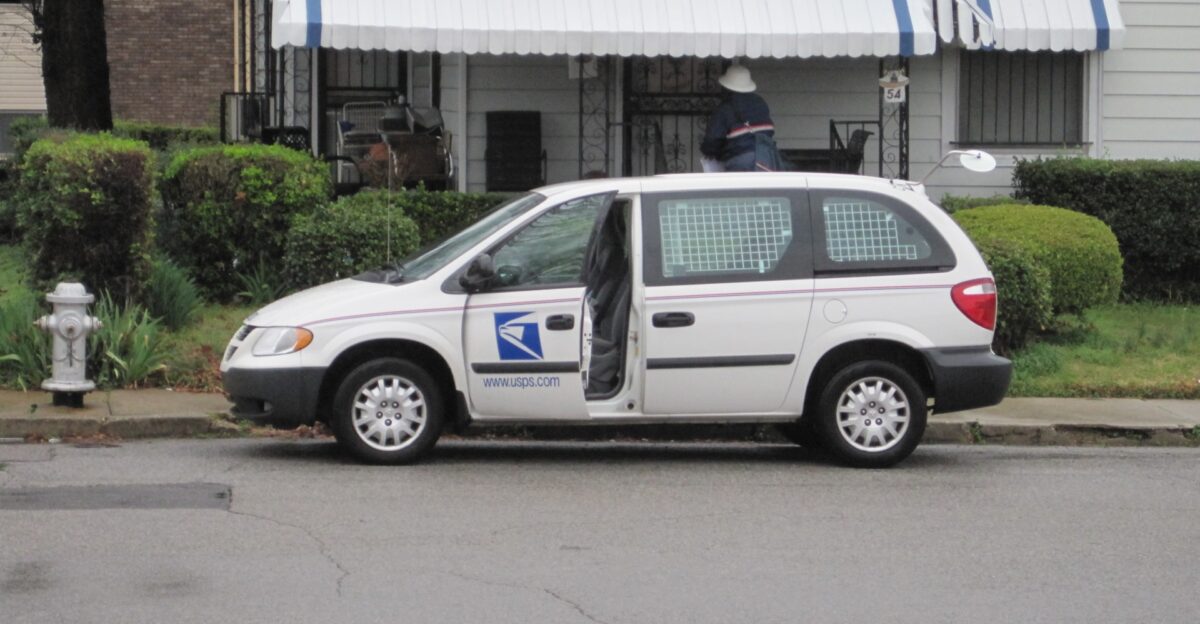
For decades, USPS portrayed universal service as a civic guarantee, not a market proposition.
The potential exit of Amazon reveals the fragility of that model: universal access only functions if large, profitable customers subsidize it. When those customers leave, the system reveals its dependence on a revenue structure shaped by private activity rather than public principle.
Sources:
U.S. Postal Service Official Press Release – Fiscal Year 2024 Results (November 14, 2024)
Capital One Shopping – Amazon Logistics Statistics 2025
Logistics Management – UPS and USPS SurePost Relationship Ends (January 14, 2025)
Wall Street Journal – Amazon Plans $4 Billion Rural Expansion by 2026 (April 30, 2025)
New York Times – Amazon and USPS Strike Deal (November 11, 2013)