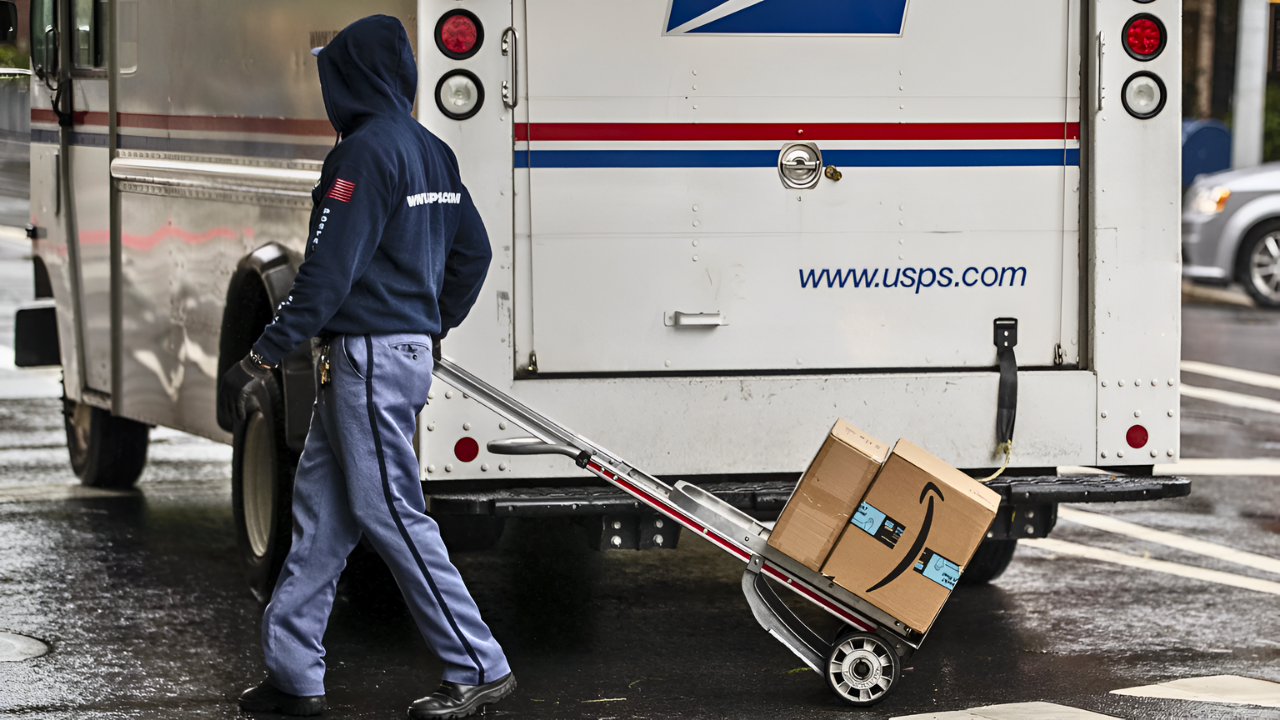
Brown delivery trucks and yellow bins of parcels still crisscross the United States together, but the long-standing partnership between Amazon and the U.S. Postal Service is moving toward a decisive moment. By October 2026, both sides must determine whether their three-decade arrangement will be renewed, reshaped, or allowed to unravel, with consequences that could ripple from corporate logistics hubs to the smallest rural post office.
The U.S. Postal Service ended fiscal 2025 with a $9.0 billion loss, only a modest improvement over its $9.5 billion deficit the year before. Amazon accounts for an estimated $6 billion in annual USPS revenue, roughly 7.5% of the agency’s total operating revenue. Losing that business would remove one of the last major stabilizing sources of parcel volume for USPS at a time when its traditional mail traffic has collapsed. Internal projections suggest that no combination of price increases or incremental efficiency gains could easily replace the financial and operational role Amazon’s shipments currently play.
A partnership built on universal reach
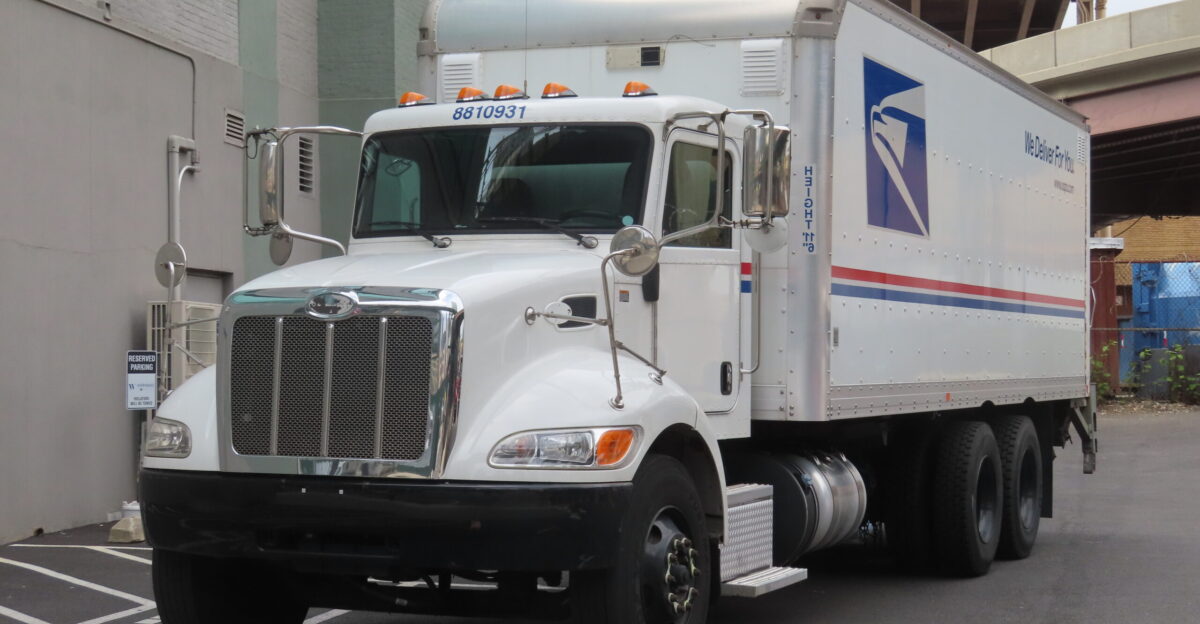
When Amazon’s online marketplace began to scale in the late 1990s and early 2000s, it turned to USPS as a core distribution backbone, particularly for final-mile and weekend deliveries. A landmark agreement in 2013 expanded Sunday delivery for Amazon packages, turning the Postal Service into a critical piece of the retailer’s promise of fast, inexpensive shipping.
USPS’s legal obligation to provide universal service—reaching virtually every address in the country six days a week—made it uniquely valuable. No private carrier operates with that breadth of coverage on a mandated basis. For Amazon, the Postal Service became the default option for hard-to-reach destinations, even as the company simultaneously invested in its own trucks, vans, aircraft, and sorting facilities.
At the same time, USPS was pushed in the opposite direction. First-class and other mail volumes have fallen nearly 80% since 1997, forcing the agency to lean heavily on parcels to fund its network. As online shopping grew, Amazon emerged as both a lifeline customer and a powerful negotiator, central to USPS’s package strategy but also increasingly able to route volume elsewhere.
Competing networks and a new auction model
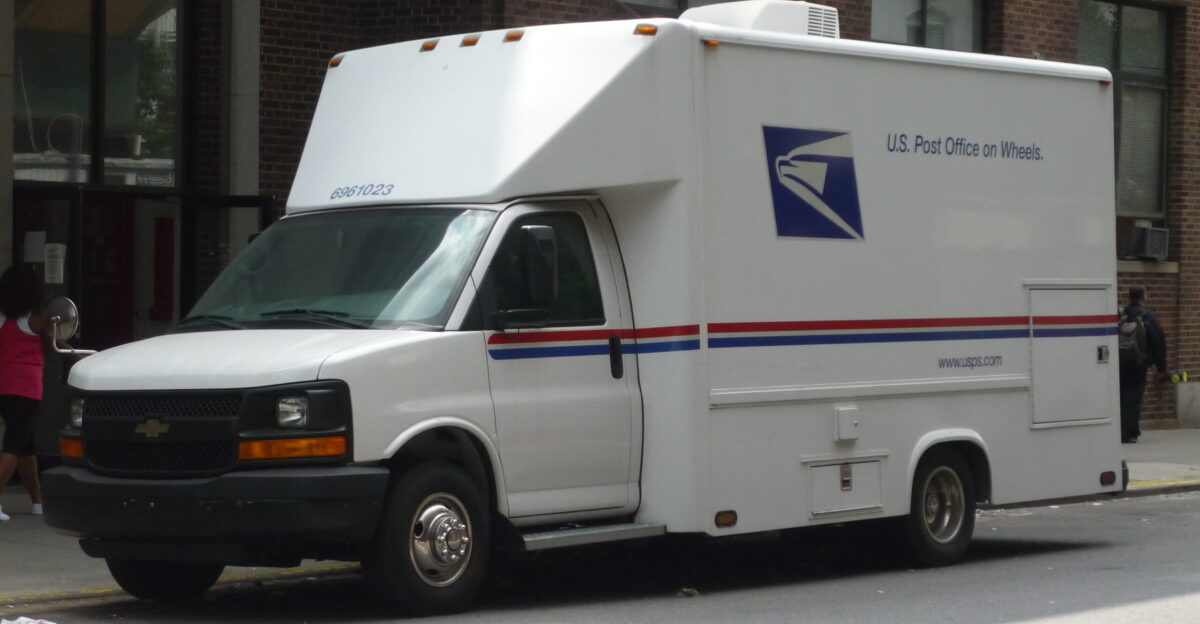
Amazon has spent the past decade building a logistics operation that now rivals the Postal Service in scale. In 2024, Amazon delivered 6.3 billion packages through its own network, compared with 6.9 billion handled by USPS. Forecasts indicate Amazon could surpass USPS in package volume by 2028, a symbolic shift in an industry once organized around postal infrastructure.
The Postal Service, under Postmaster General David Steiner, is responding with a structural change. Beginning in early 2026, it plans to introduce a reverse auction system for access to key transportation and facility lanes. Instead of negotiating a bespoke renewal with Amazon, USPS would invite bids from national retailers and regional carriers, awarding capacity on competitive terms.
This approach is designed to diversify revenue away from a single dominant client and to end a pattern in which one large customer could shape pricing and service expectations across the network. It also means Amazon would no longer enjoy the same degree of preferential access it has historically received. Internally, USPS negotiators describe years of friction over pricing, service guarantees, and legal constraints, with Amazon’s scale giving it leverage that the agency increasingly viewed as unsustainable.
Rural infrastructure on the line
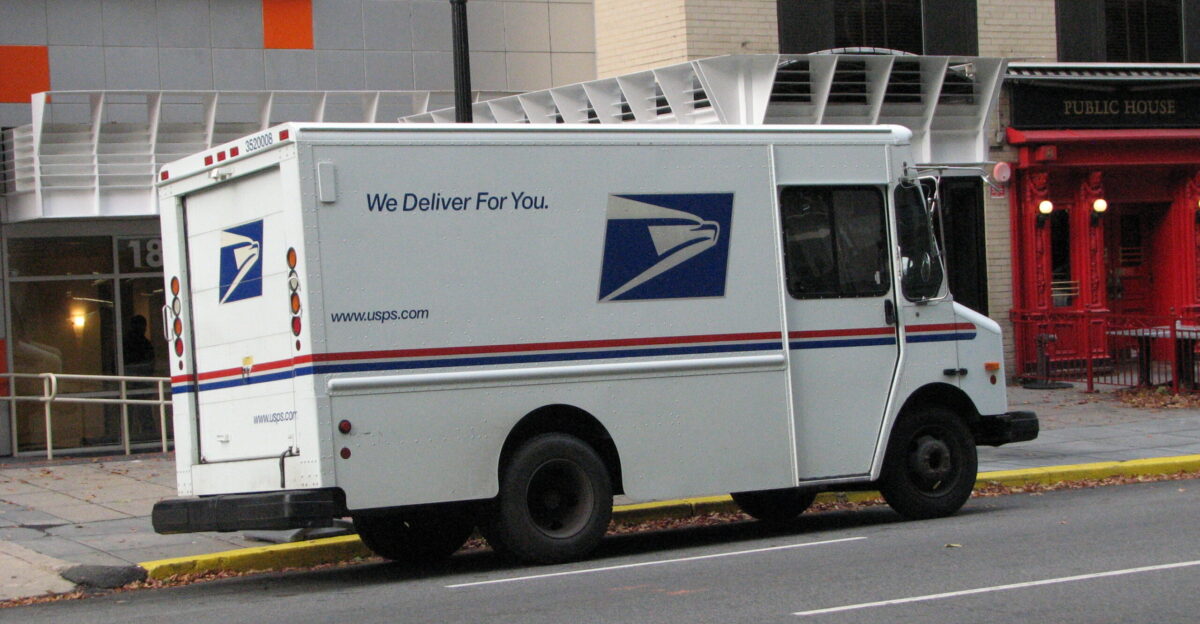
The potential breakup underscores the fragile economics of rural delivery. Amazon’s in-house network is optimized for density, speed, and profitability. Its expanding fleet—over 40,000 trucks, 30,000 vans, and 110 aircraft—focuses on areas where volume can justify the cost. By contrast, USPS must serve sparsely populated routes regardless of profitability, providing a lifeline for medications, essentials, and affordable shipping to remote communities.
USPS currently operates more than 31,000 post office locations nationwide. In recent years, it has closed multiple locations, and customer visits to retail post offices have declined sharply, reflecting the broader collapse in traditional mail. Each facility carries fixed costs that do not disappear when traffic drops. In many rural areas, incoming packages from large shippers, including Amazon, help subsidize mandated mail delivery.
If Amazon withdraws significant parcel volume, analysts warn that more post office consolidations and closures could follow, particularly in low-density regions where overhead is hardest to justify. That could trigger cascading service reductions across entire areas, narrowing access to a range of everyday services. While some experts question whether Amazon can completely abandon USPS in the most remote territories without leaving gaps, even a partial pullback would amplify financial pressures on the postal network.
Negotiating leverage, politics, and global echoes
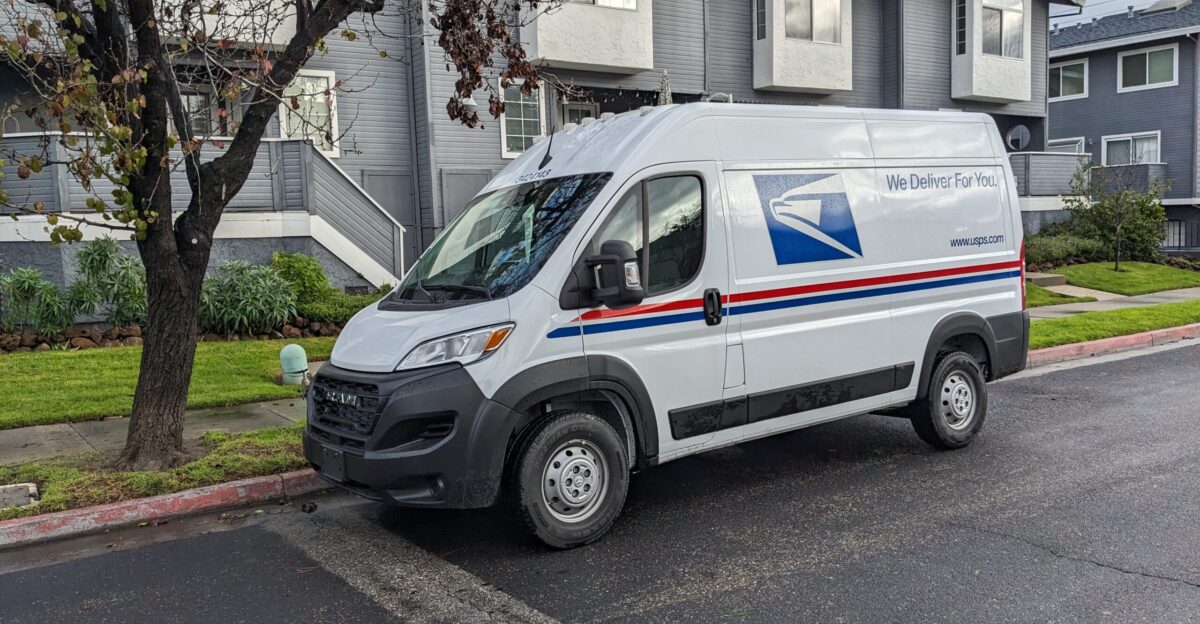
Amazon has kept its public statements restrained, describing USPS as a trusted partner and noting that “plans are not final and could change.” At the same time, the company is modeling scenarios that exclude USPS altogether and has committed $4 billion to expand its rural footprint through 2026. Plans include more than 200 new delivery stations, a tripling of same- and next-day coverage, and extended reach to about 13,000 ZIP codes, supported by new contracts with other carriers. The strategy positions Amazon to absorb more of its own last-mile needs and to treat USPS as an option rather than a necessity.
Across the industry, major carriers are moving in the same direction. UPS ended its long-running SurePost collaboration with USPS in 2025, and FedEx previously lost its air cargo contract with the Postal Service. Those shifts reduced USPS’s bargaining power and revealed a broader trend: large logistics players are choosing to insource functions once outsourced to public postal systems.
Political considerations add another layer of uncertainty. Critics have long pointed to USPS’s recurring losses as evidence that the current model is financially unsustainable. Proposals have surfaced to move the agency under the Commerce Department or to explore forms of privatization. Against this backdrop, the 2026 reverse auction is seen by some policymakers as a step toward a leaner, more profit-focused postal operation, even if that implies reduced scope or higher rates.
Any transition is likely to be complicated by legal questions. USPS’s relationship with major shippers has been governed by Negotiated Service Agreements—customized contracts tailored to specific customers. Replacing these with auction-based arrangements would require extensive revisions to existing frameworks and could invite challenges from Amazon or industry coalitions, potentially extending the process beyond 2026.
The possible end of the Amazon–USPS partnership highlights a deeper issue: universal mail and package service has always depended on high-volume commercial clients to help finance deliveries to areas that are otherwise unprofitable. As global logistics shifts toward private networks built by large e-commerce firms, the U.S. debate over how to fund and define universal service is likely to intensify. What emerges from the 2026 negotiations may help determine whether USPS can adapt its mission to a more competitive era or whether core parts of its infrastructure will be scaled back, leaving market forces to fill the gaps—or leave them unfilled.
Sources
U.S. Postal Service Official Press Release – Fiscal Year 2024 Results (November 14, 2024)
Capital One Shopping – Amazon Logistics Statistics 2025
Logistics Management – UPS and USPS SurePost Relationship Ends (January 14, 2025)
Wall Street Journal – Amazon Plans $4 Billion Rural Expansion by 2026 (April 30, 2025)
New York Times – Amazon and USPS Strike Deal (November 11, 2013)