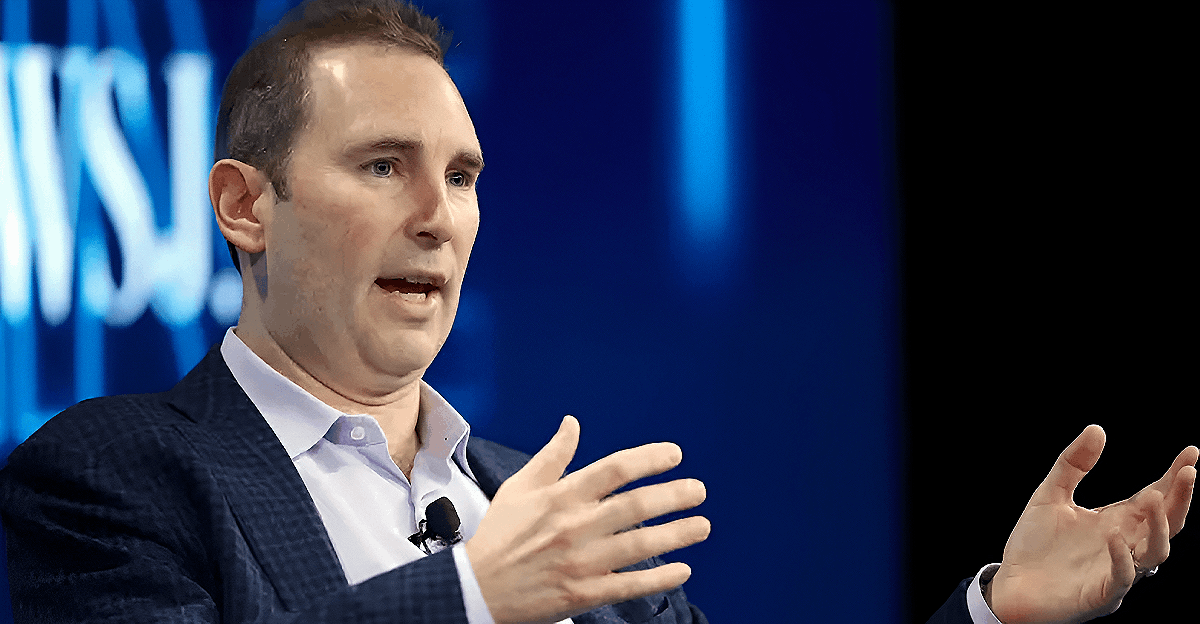
A groundbreaking $2.5 billion financial penalty against Amazon has stirred national debate and garnered significant media attention. The Federal Trade Commission labels this move as a pivotal moment in consumer protection, highlighting the trust issues surrounding online shopping. Questions abound regarding who will benefit from this settlement and who will bear the financial burden.
As the details of the case unfold, industry leaders and consumers alike are left to ponder the implications of this historic decision. “This could change the way we look at online retailers,” says consumer advocate Hannah Mercer. “It raises serious questions about accountability in e-commerce.”
Consumer Trust Tested

In the wake of this settlement, consumer trust in e-commerce giants, especially Amazon, is being put to the test. For years, regulators have pointed to a rise in misleading digital subscription practices that frequently ensnare customers.
With over two-thirds of U.S. adults shopping online monthly, the implications of Amazon’s penalty ripple through households reliant on Amazon Prime. “As someone who shops online all the time, I find it hard to trust these platforms,” shares New Jersey resident Michael Ellis. This scrutiny raises a pressing question: If Amazon is held accountable, what does that mean for other retailers?
Prime’s Rise and Influence

Since its launch in 2005, Amazon Prime has transformed from a niche offering into a cornerstone of modern retail membership, boasting 168 million subscribers in the U.S. by 2025. While the platform’s convenience and exclusive deals have drawn millions, scrutiny has intensified surrounding gaps between user experiences and the company’s promises.
Consumers like Karen Li lament, “I thought Prime would save me time, but I feel trapped in unwanted subscriptions instead.” The ongoing investigation highlights that comfort often comes at a cost, a reality that has now led to massive legal repercussions for the tech giant.
Mounting Regulatory Heat

Amazon has faced increasing pressure from advocacy groups and lawmakers in recent years. Critics have accused the company of employing “dark patterns” design techniques that coax users into decisions they would otherwise avoid.
“You go in wanting one thing, and suddenly you’ve signed up for ten,” reflects marketing analyst Tanya Wright. Such practices have led to numerous consumer complaints and ignited calls for intervention by the Federal Trade Commission. With many Americans entangled in unwanted subscriptions, it became clear that some semblance of regulation was necessary to protect consumers from this crafty exploitation.
The Groundbreaking Payout

On September 25, 2025, Amazon agreed to a historic $2.5 billion settlement, comprising a $1 billion civil penalty and $1.5 billion earmarked for refunds to 35 million impacted Prime customers nationwide. This penalty makes it the most significant civil fine ever imposed for an FTC rule violation.
Reflecting on the settlement’s significance, FTC chairwoman Lina Khan noted, “This sends a message that corporations can’t sidestep consumer protection laws.” With millions of customers affected, the financial fallout and its implications for Amazon’s business model cannot be overstated, as it’s a turning point for consumer rights in the digital age.
Refunds Coast to Coast

The $1.5 billion allocated for refunds will reach customers from Seattle to Miami, directly addressing the concerns of those who experienced deceptive enrollment processes or faced obstacles when attempting to cancel their Prime memberships. “I felt trapped,” states Illinois resident Michelle Ortega, sharing her frustration about her experience with cancellation.
The FTC assures that all qualifying customers will be notified within 90 days, underscoring the extensive reach of Amazon’s customer base. As refunds begin to roll out, millions of consumers will be reminded that accountability is not just an abstract concept but a tangible governmental safeguard against corporate missteps.
Real Customers Impacted

Many customer complaints reflect confusion and frustration with their experiences. Michelle Ortega’s story isn’t unique; countless others echoed similar sentiments in their correspondence with Amazon. “I tried to cancel Prime but couldn’t find the option,” she explains, capturing the maze-like nature of the subscription process.
Such experiences underline the crucial need for transparency and consumer-oriented practices. As refunds are distributed, can Amazon restore trust? The settlement intends to do just that; however, rebuilding consumer confidence may require more than just financial compensation, but tangible changes in service design going forward.
Competitors on the Watch

The ripple effects of Amazon’s settlement are being felt across the e-commerce landscape. Companies like Walmart+ and Hulu are closely monitoring the situation, recognizing that regulatory changes could impact their business models. “We’re already seeing increased scrutiny across the board,” observes industry analyst Sam Russell.
This unprecedented penalty against Amazon is expected to compel other platforms to reevaluate their subscription practices to ensure greater transparency. With consumer advocacy at an all-time high, companies can no longer afford ambiguity; clearer, more ethical subscription options are becoming not just preferable, but expected.
Historical Pattern of Fines

This record-setting penalty against Amazon fits into a larger trend of the FTC’s stringent scrutiny of digital giants. Previous notable fines, such as the $5 billion penalty against Facebook concerning data privacy violations, demonstrate regulators’ growing resolve to hold tech companies accountable for deceptive business models.
As consumer protection becomes a priority, experts argue that companies must adapt to a new landscape, one where compliance is more than just a checkbox or a legal formality. Reflecting on these changes, regulatory expert Daniel Hutton states, “We’re witnessing a new era of accountability in tech.”
Independent Oversight

A crucial aspect of the settlement is Amazon’s obligation to fund an independent third-party monitor. This monitor will oversee the distribution of refunds and the future design of enrollment procedures. The FTC emphasizes that this measure aims to ensure ongoing compliance and clarity for all Amazon Prime subscribers.
Reflecting on this unprecedented directive, FTC chairwoman Lina Khan states, “Accountability should be a part of the corporate culture moving forward.” This unique oversight will ensure customers no longer face the same scenarios that led to this significant settlement, moving the company towards a more consumer-friendly future.
Internal Friction Exposed

Recent insider accounts unveil a disconnect within Amazon. Reports indicate that employees had alerted leadership about customer frustration stemming from complex cancellation paths. Internal emails humorously dubbed the convoluted process the “Iliad Flow,” reflecting its overwhelming complexity.
“We saw customer backlash coming,” says a former employee seeking anonymity, “but there was fear that clearer terms would lead to fewer signups.” This tension between company growth and consumer needs underscores the friction that can exist within a large organization, reminding us that corporate strategies must align with genuine customer experiences.
Leadership Remains Firm

Despite the settlement, Amazon’s leadership, under CEO Andy Jassy, maintains a stance of lawful operation. Spokesperson Mark Blafkin asserts, “We have always followed the law and will continue to innovate for our customers.” As they allow the settlement to guide improvements, the company faces a pivotal moment.
Everyday consumers are curious about how these changes will translate into tangible improvements. “I just hope they mean it,” remarks long-time Prime user Julia Martinez. “We need more transparency, not just polite words.” The industry watches closely, waiting to see how Amazon will adapt to a new regulatory landscape.
Road to Redemption

Following the settlement, Amazon is tasked with redesigning its Prime signup and cancellation procedures. As part of the remediation process, clear opt-out buttons and straightforward disclosure must become standard features. “It’s about time,” says customer advocate Jamie Ross.
“These changes could help prevent confusion for future customers.” Recognizing the potential for redemption, Amazon pledges to expedite these adjustments. The company aims to establish a more user-friendly interface that fosters trust and confidence. The journey from a customer’s dilemma to a streamlined process represents not just an obligation but a genuine opportunity to regain consumer loyalty.
Skeptics Question Impact

While the settlement promises immediate financial restitution, skepticism lingers about its long-term effects on customer trust. Critics argue that merely issuing refunds won’t completely mend the rift caused by alarming revelations of exploitative practices. “Some problems run deeper,” warns tech analyst Brian Thompson.
“The culture of auto-renewal and hidden subscriptions persists and could invite regulatory scrutiny again.” As more companies pivot toward subscription models, ensuring fair practices will remain a priority. For consumers, understanding the broader implications of these practices will be crucial as the digital marketplace continues to evolve in complex ways.
The Broader Implications

The fallout from Amazon’s historic penalty may extend beyond the company itself, influencing industry standards and customer expectations across various sectors. As competition intensifies, more e-commerce and streaming platforms may face increased scrutiny. “If Amazon can get caught, why wouldn’t other companies with similar practices?” asks consumer rights advocate Veronica James.
This serves as a wake-up call for businesses everywhere to redefine their practices, keeping customer trust at the forefront, as they navigate an increasingly skeptical market landscape. The settlement may establish a new standard for how corporations manage consumer interactions and fulfill their ethical obligations.
Evolving Consumer Expectations
Consumer perceptions could shift fundamentally as a result of this settlement. Individuals may become more informed about their rights and less tolerant of ambiguous terms in subscription agreements. “I intend to read the fine print moving forward,” admits customer Anne Peters, reflecting a growing awareness.
With increased public scrutiny, companies may need to adapt to evolving consumer expectations, recognizing that ambiguity cannot only cost them financially but also damage their reputation. As customer education advances, the balance of power could shift, with consumers demanding greater transparency and fair practices from every subscription model in the market.
Rebuilding Trust: A Long Road
Though this settlement marks a substantial step toward accountability, rebuilding consumer trust will require sustained effort from Amazon. Experts warn that trust cannot be regained quickly and requires the consistent application of ethical practices across all levels of the business.
“Amazon needs to change the perception that it prioritizes profits over people,” suggests market analyst Rachel Wells. Initiatives that center on transparency, customer feedback, and ethical advertising will be vital for Amazon’s recovery. For consumers, willingness to engage requires genuine transformations, not just superficial changes, which could define the company’s trajectory in the coming years.
The Role of Technology
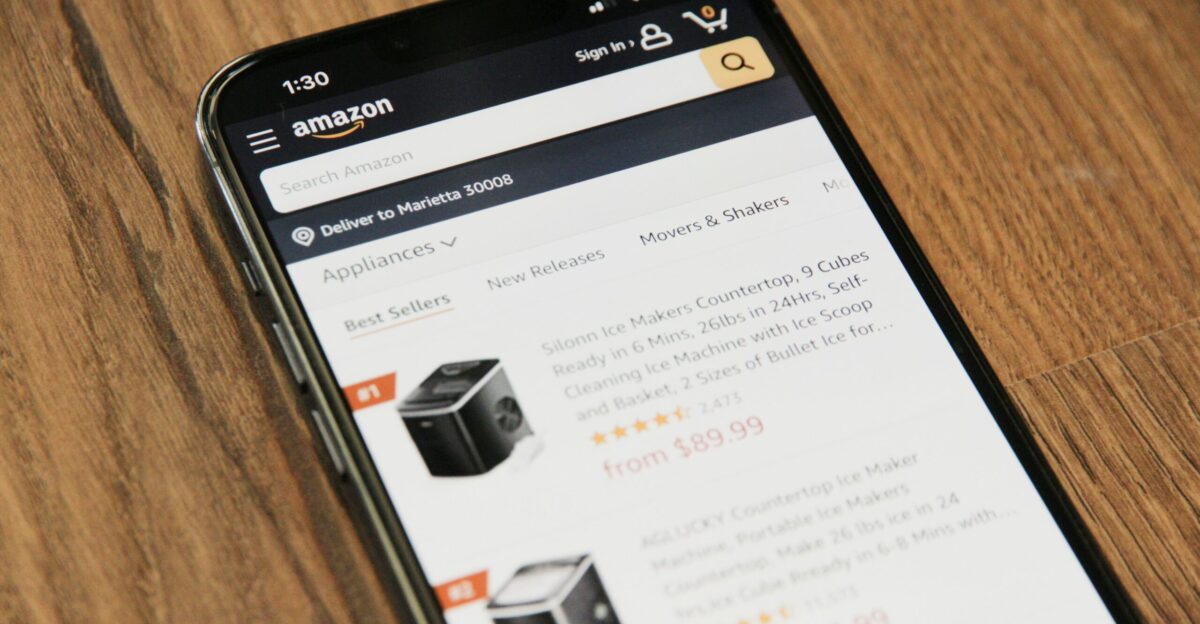
The technology designed to facilitate smooth online transactions is falling under scrutiny as a result of this settlement. As Amazon reassesses its digital user interfaces, there is an opportunity for innovation. Industry experts suggest that improved technology can alleviate future customer frustrations.
“Smart solutions that prioritize the user experience can prevent misunderstandings,” states tech developer Ethan Blake. By focusing on enhanced design and user-friendly interactions, Amazon can leverage technology to fortify consumer relations and rebuild trust in a landscape increasingly critical of misleading business practices.
Future of E-Commerce

The future of e-commerce is likely to undergo a significant evolution as retailers respond to growing regulatory pressures and shifting consumer preferences. Companies may adopt clearer subscription models, ensuring customer reviews play a critical role in shaping service offerings.
“Consumers will wield their voices more powerfully than ever,” predicts industry veteran Fiona Campbell. As scrutiny grows, the entire sector may shift to prioritize integrity and transparency over aggressive growth strategies. Ultimately, this settlement may catalyze a more ethical and consumer-friendly e-commerce landscape, uniting both businesses and consumers for mutual benefit.
Moving Forward Together

As Amazon strives to evolve within this new regulatory atmosphere, a collective effort among businesses, regulators, and consumers is essential. “Only through collaboration can we create a fair environment for all stakeholders,” asserts consumer rights champion Abdul Jabari. This momentous settlement catalyzes change, signaling that accountability extends beyond corporate ambitions.
As new standards emerge, the partnership between consumers demanding fairness and companies willing to comply will shape the e-commerce landscape. The next chapter will not only define Amazon’s practices but also reflect an industry learning from its missteps, striving for a future built on trust and transparency.