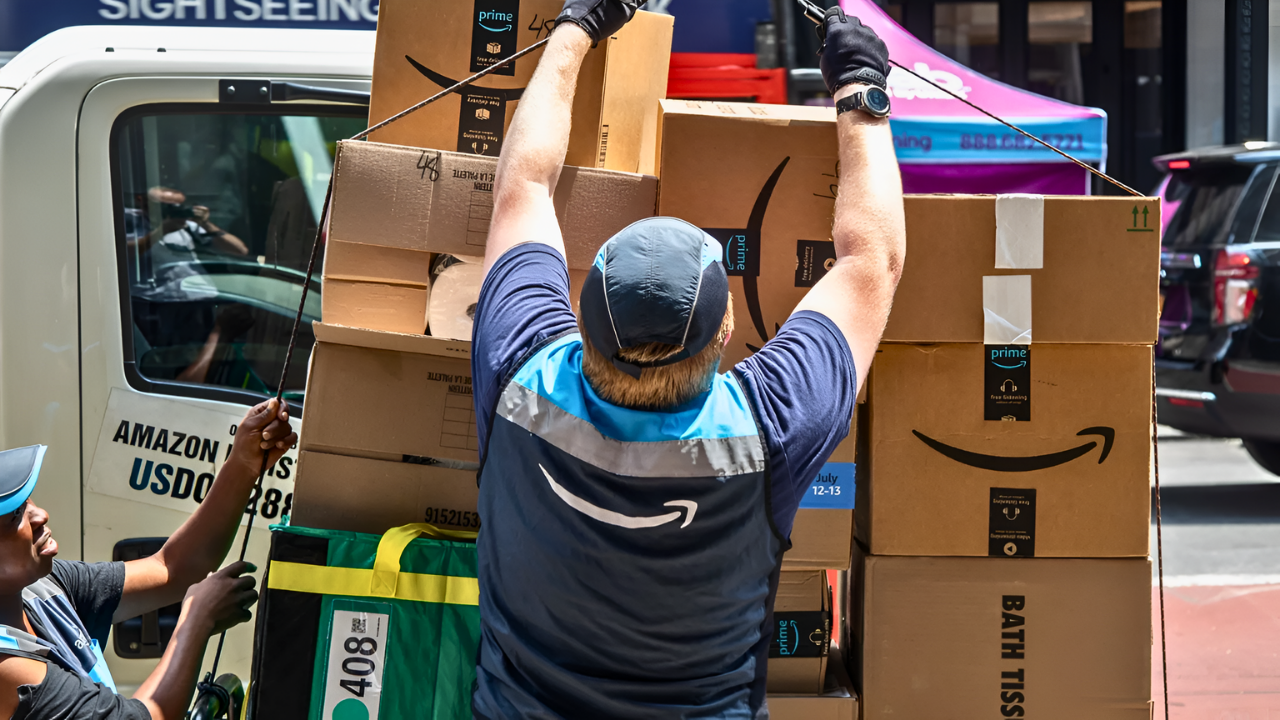
Black Friday brings bigger spending, but also bigger danger. Criminals use AI to create fake messages that even the most careful shoppers can be fooled into clicking on, leading to dangerous links.
Most people are unaware of the seriousness of this threat. The stakes continue to rise, yet shoppers remain largely unaware.
As millions prepare to spend money across retailers, one major company just issued an urgent warning that signals a crisis point.
The $432 Million Reckoning

Americans lost over $432 million to online shopping fraud in 2024. That’s the baseline—not a worst-case scenario.
Guardio warns that 2025 will surpass that record because AI attacks are continually becoming more sophisticated.
Victims lose thousands of dollars each. Beyond financial concerns, people lose trust in online shopping and their beloved brands. The coming months will test whether retailers and customers can fight back.
Amazon’s Dominance in the Crosshairs
Amazon serves over 310 million active users worldwide, making it a prime target for scammers. When customers see an Amazon email, they often skip skepticism.
Darktrace data reveals that Amazon brand impersonation is the dominant type of phishing attack on major e-commerce sites. Criminals do the math: more users equals more potential victims.
Understanding why Amazon became ground zero helps explain its historic November warning.
The 620% Explosion

Before Black Friday, phishing attacks surged 620%—a massive jump compared to normal periods. Criminals focus on fake Amazon messages during the holiday shopping season.
This timing matters: shoppers focus on deals and deadlines, not danger. Guardio researchers explain the problem: “Distraction plus urgency equals vulnerability.”
Scammers copy real Amazon messages, add fake time pressure, and exploit tired holiday shoppers. AI personalization, combined with human psychology, created a perfect storm.
Amazon’s Historic Warning

On November 24, 2025, Amazon sent security warnings to all 300 million of its customers. The company told USA Today on November 28 that it was “sending all customers warnings about avoiding impersonation scams.”
This marks a significant milestone in e-commerce security history: the first time a company has warned its entire customer base simultaneously. The email listed five red flags and urged customers to use two-factor authentication or passkeys instead of passwords.
The National Exposure
Amazon’s 300 million customers roughly equal 9 out of every 10 American adults. The warning reached every U.S. state. Scammers use region-specific phishing campaigns, referencing local holidays and familiar delivery patterns.
FBI data show that account takeovers have cost Amazon customers $262 million in reported losses since January 2025. The threat touches nearly every household in America.
This widespread risk explains why Amazon’s warning holds significant importance for the nation.
The Human Cost

Behind fraud numbers stand real victims. Holiday shoppers describe shock when they discover their accounts have been compromised: gift orders are canceled, refunds are sent to strangers, and payment information is sold on dark websites.
Victims say the fake email felt so real that it fooled them, especially when handling shopping, work, and family tasks. Amazon customers feel violated beyond the money stolen. Scammers are aware that this psychological toll makes future victims easier to catch.
Competitor Blind Spots
Amazon warned customers. eBay, Walmart, Best Buy, and Target did not issue similar alerts, despite evidence that scammers also target them.
Darktrace data shows that Amazon receives 80% of phishing attempts targeting major U.S. retailers. The remaining 20% target competitors.
This gap creates a problem: customers warned by Amazon might lower their guard on other sites. Regulators are now questioning why some platforms issue warnings while others remain silent.
The AI Acceleration
Criminals no longer copy-paste phishing templates. They utilize AI to generate thousands of personalized messages tailored to purchase history, browsing, and communication patterns.
Amazon’s warning notes that 2025 will bring “AI-powered attacks” to new sophistication levels. AI helps scammers write natural-sounding emails that bypass spam filters.
Security researchers report AI-powered phishing increases success rates by 30-40%. This tech shift explains why 2025 losses are expected to exceed those of 2024, which totaled $432 million.
The 232% Explosion in Fake Domains
While phishing emails surge 620%, fake Amazon websites explode faster. Accio Security Research found a 232% increase in fraudulent Amazon domains since September 2025.
Scammers create fake sites that closely resemble the real Amazon, complete with logos, layouts, and checkout pages that deceive customers. When shoppers click on phishing links, they land on these clones and hand over their login credentials and payment information.
FortiGuard identified 750 confirmed malicious domains created from September through November.
Customer Frustration and Trust Erosion

Amazon customers post on social media and forums, expressing worry and frustration. They ask: if Amazon knew about the threat surge, why did it wait to warn them?
The November 24 email came after the 620% surge had already been documented. This raises hard questions about whether Amazon reacted too late.
Customer trust toward Amazon messages weakens—exactly what scammers want. Rebuilding broken trust takes years, but Amazon now faces that challenge.
Amazon’s Defensive Posture

Amazon’s response goes beyond email warnings. The company encourages all customers to adopt passwordless authentication using passkeys—biometric or PIN-based security — instead of passwords.
This indicates that password protection is ineffective against modern phishing attacks. Amazon expands two-factor authentication and creates new training resources about scam identification.
The company pressures payment processors and phone carriers to add verification checks on risky transactions. These moves show that leadership recognizes the threat has fundamentally changed.
Regulatory Pressure Mounting
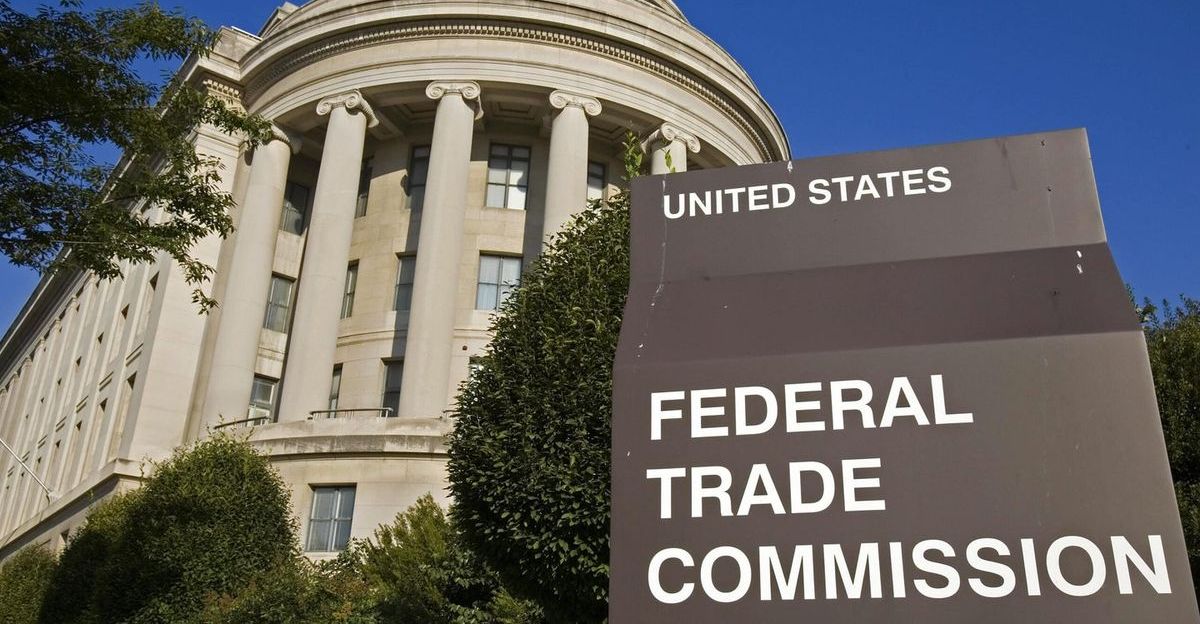
Federal Trade Commission officials now scrutinize Amazon’s timeline: when did the company discover the surge? Did it delay the warning for business reasons?
Congressional staff request Amazon security briefings about fraud prevention. State attorneys general ask whether Amazon should offer free credit monitoring, identity theft insurance, or refunds to victims.
Regulators are increasingly holding platforms accountable for the timing and quality of fraud notifications. Data breach lawsuits suggest class action suits loom if delays worsen victim losses.
Expert Skepticism and Market Uncertainty

Despite warnings and upgrades, cybersecurity experts predict that phishing will continue to succeed. Attacks evolve faster than defenses adapt. Some experts argue that individual platform warnings fail—the problem requires industry-wide standards and government regulations.
Venture capital flows into anti-fraud startups, betting that long-term profits exist in unsolved security problems. Holiday shopping projections indicate modest declines as consumers shift to in-store shopping to avoid digital fraud. Criminals win through scams and eroded confidence alike.
The Question That Lingers
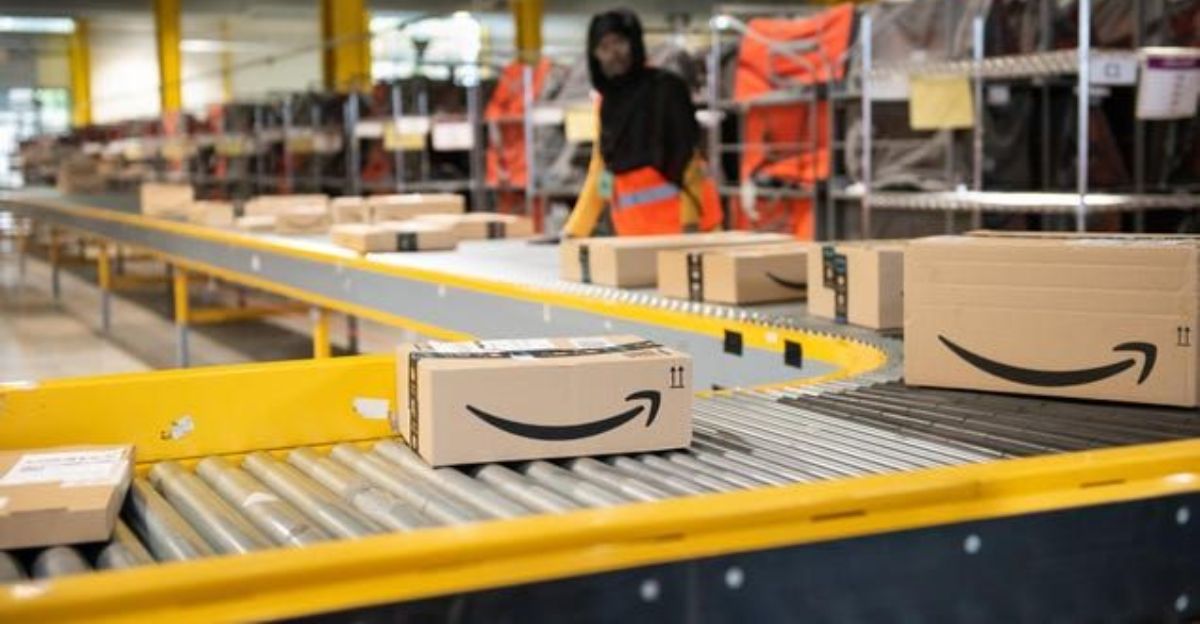
Amazon’s warning poses a question beyond the company: can any single platform defend users against AI-powered, global criminal networks? The answer increasingly seems no.
Even with 310 million customers and billions in security spending, Amazon can only reduce phishing threats, never eliminate them. This forces a harder conversation: does corporate warning suffice, or do we need new rules mandating security standards and rapid incident alerts?
The 2025 holiday season will test whether vigilance beats innovation. The answer shapes the future of digital commerce itself.
Sources
- Cybersecurity Industry Analysis, December 2025
- Federal Trade Commission Perspective, 2025
- Darktrace Threat Intelligence, November 2025
- Retail Industry Analysis, 2025
- FTC Monitoring, November–December 2025
- Congressional Briefing Requests, December 2025